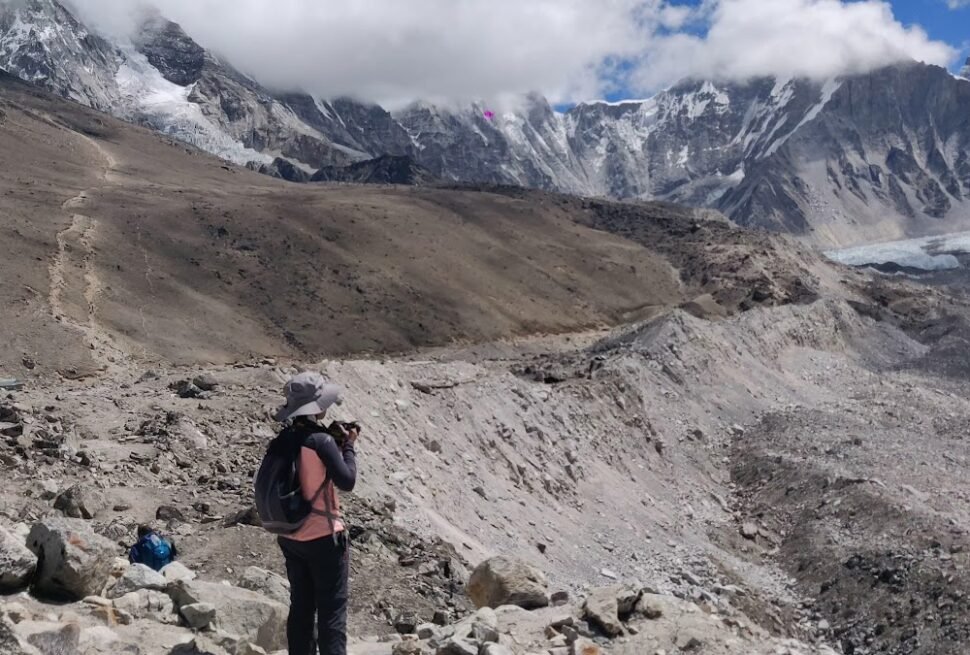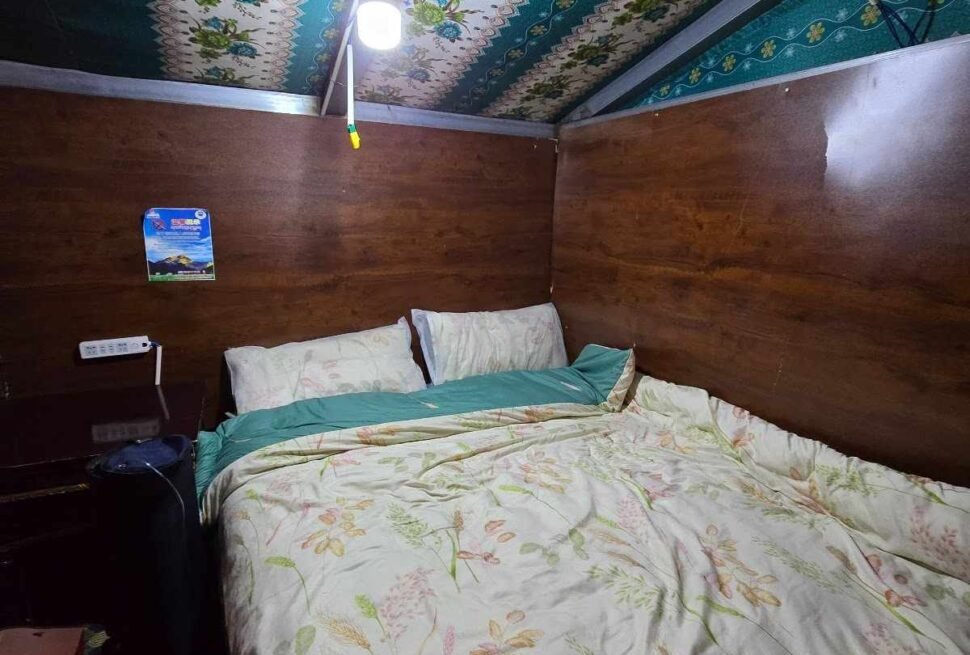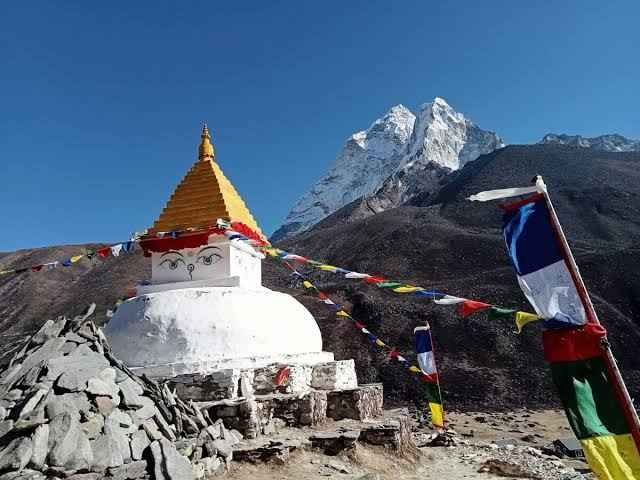
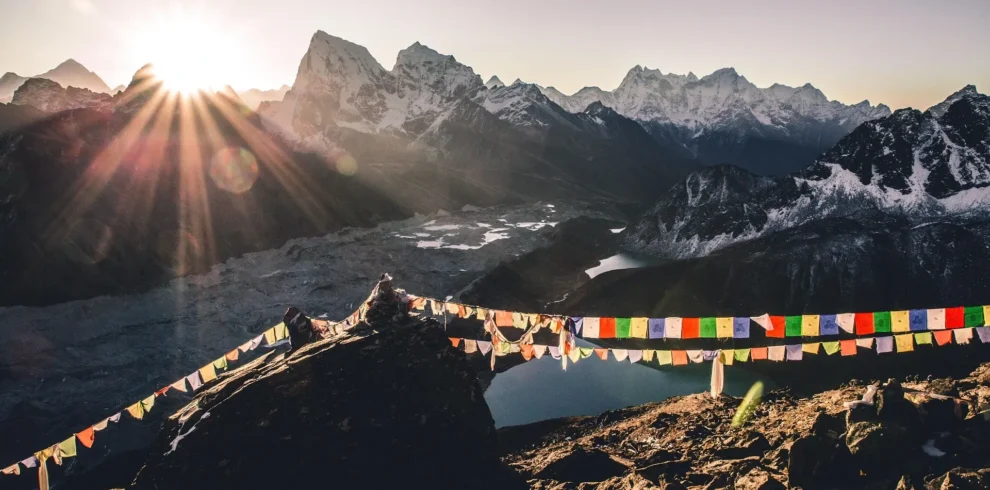
The Gokyo Lakes are a series of high-altitude glacial lakes in the Gokyo Valley, north of Namche Bazaar in the Khumbu region. Combining Gokyo with the standard Everest Base Camp trek creates one of Nepal’s most spectacular trekking circuits — offering extraordinary mountain views, dramatic high-altitude lake scenery, and a crossing of the challenging Cho La Pass (5,420m).
For trekkers with enough time and fitness, the Gokyo Lakes and EBC combination is considered superior to either route alone.
What Are the Gokyo Lakes?
The Gokyo Valley contains six major glacial lakes, collectively known as the Gokyo Lakes. The four most visited are:
- Dudh Pokhari (First Lake) — approximately 4,700m
- Taboche Tsho (Second Lake) — approximately 4,740m
- Dudh Pokhari / Gokyo Lake (Third Lake) — approximately 4,750m — the main lake beside Gokyo village
- Thonak Tsho (Fourth Lake) — approximately 4,860m
- Ngozumba Tsho (Fifth Lake) — approximately 4,990m
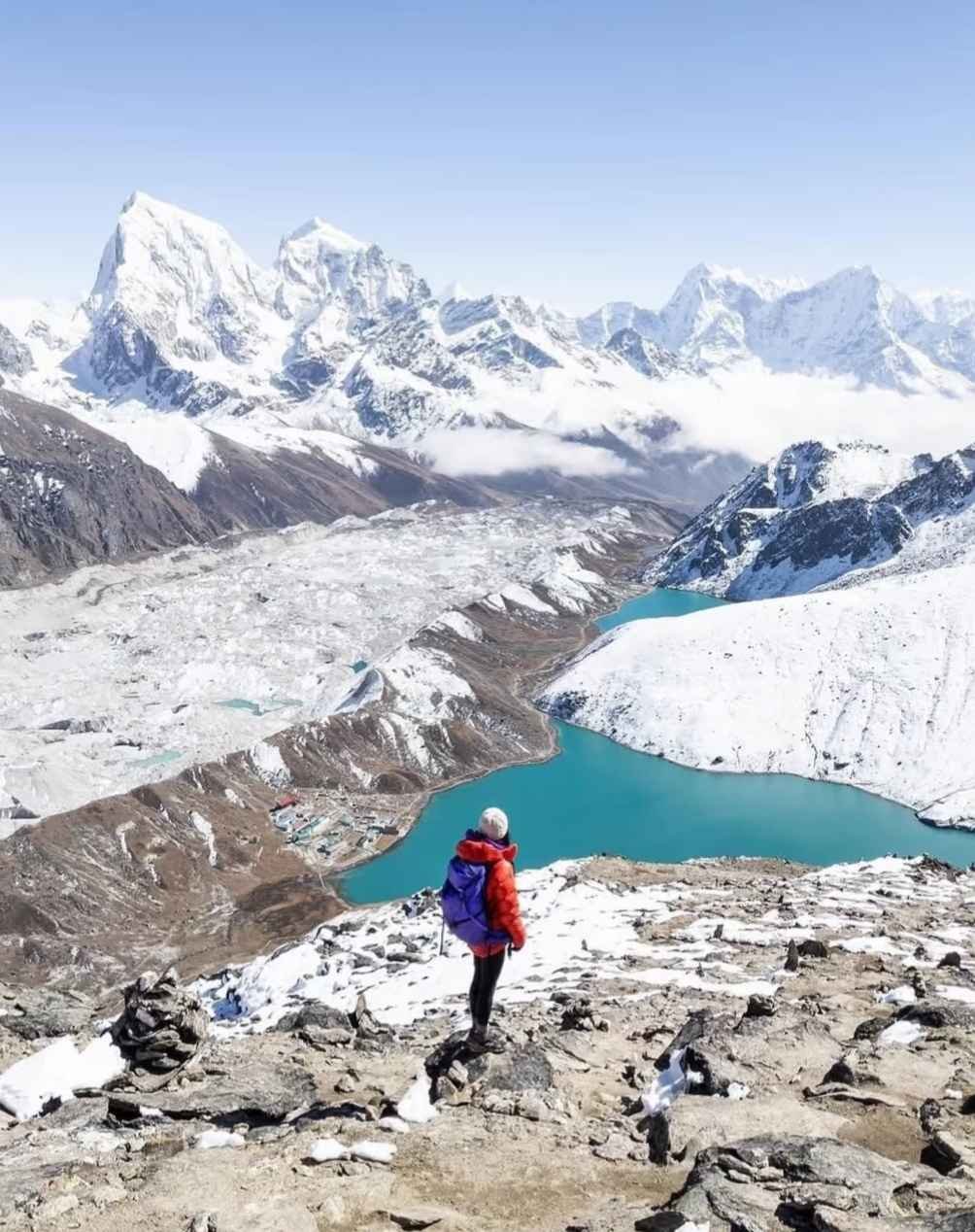
The lakes sit on the edge of the Ngozumba Glacier — Nepal’s largest glacier. The deep turquoise colour of the lakes against the snow-covered peaks and brown moraine is extraordinarily beautiful, particularly when cloud shadows pass over the water in afternoon light.
Planning Your Everest Trek?
Get local expert advice on cost, itinerary and the best time to go.
Gokyo Ri: The Viewpoint
Gokyo Ri (5,357m) is a viewpoint peak above Gokyo village that rivals Kala Patthar for its Himalayan panorama. From Gokyo Ri, you can see four of the world’s six highest mountains simultaneously: Everest (8,849m), Lhotse (8,516m), Makalu (8,485m), and Cho Oyu (8,201m). The view of the Ngozumba Glacier from Gokyo Ri — the enormous, slowly moving river of ice stretching north from the lakes — is one of the most dramatic glacier views accessible to trekkers anywhere.
The ascent from Gokyo village to Gokyo Ri takes approximately 1.5–2.5 hours. Like Kala Patthar, the pre-dawn sunrise ascent is extremely rewarding.
The Cho La Pass (5,420m)
The Cho La Pass connects the Gokyo Valley with the Khumbu Valley, allowing trekkers to visit both Gokyo and EBC in a single circuit. The pass sits at 5,420m and involves:
- A steep, rocky ascent on the Gokyo side
- A short section of glacial terrain at the top (crampons may be required in icy conditions)
- A steep descent on the Khumbu side to Dzongla village
The Cho La is the most technically demanding section of the combined Gokyo-EBC circuit. It requires good fitness and stability on rocky terrain, and conditions can change rapidly. In monsoon or early spring, the pass may have significant snow. In late autumn or winter, ice crampons are often needed. Never attempt Cho La in bad weather or with untreated AMS symptoms.
The crossing typically takes 5–7 hours from Gokyo side to Dzongla.
Combined Gokyo + EBC Itinerary Overview
The standard combined Gokyo Lakes and EBC trek takes approximately 18–21 days from Kathmandu, compared to 14–17 days for the standard EBC trek. A typical routing:
- Fly Kathmandu–Lukla
- Trek up the main Khumbu valley to Namche Bazaar with acclimatisation day
- Trek via Dole and Machhermo to Gokyo valley (3 further days)
- Rest and acclimatisation day in Gokyo; ascend Gokyo Ri for sunrise
- Trek 4th and 5th lakes
- Cross Cho La Pass to Dzongla/Lobuche
- Hike to Gorak Shep, Everest Base Camp, and Kala Patthar
- Descend via Namche to Lukla and fly back to Kathmandu
Who Is This Trek Suitable For?
The Gokyo + EBC combined trek is suitable for experienced trekkers who:
- Have previous high-altitude or multi-day trekking experience
- Are comfortable with a minimum 18-day itinerary
- Are in good physical condition and prepared for the Cho La Pass challenge
- Have appropriate cold-weather gear, including crampons for potential icy sections
First-time trekkers in the Khumbu may prefer the standard EBC route on their first visit, adding Gokyo on a return trip when they’re more familiar with altitude and trail conditions.
Gokyo vs EBC: Which Is Better?
This is a common question among trekkers who have limited time. In truth, both routes offer extraordinary experiences and it’s difficult to call one strictly “better” than the other:
| Gokyo Lakes Route | Standard EBC Route |
|---|---|
| Views of 4 of world’s 6 highest peaks from Gokyo Ri | Best close-up view of Everest from Kala Patthar |
| Extraordinary lake scenery (turquoise high-altitude lakes) | More historically significant (Everest Base Camp) |
| Fewer crowds on Gokyo trail vs EBC route | Better teahouse infrastructure and food variety |
| Ngozumba Glacier exploration | Opportunity to see Everest expeditions in spring |
| Requires Cho La crossing to connect with EBC | More straightforward route, better for beginners |
The combined circuit gives you everything from both columns. If you have 18–21 days, do the full circuit.
Best Time for Gokyo and EBC Combined
The same seasons that work for the standard EBC trek work for Gokyo: October–November (autumn) and March–May (spring). October is prime time. The Cho La Pass should not be attempted during monsoon or in the depths of winter — snowfall and ice make crossing dangerous.
Trek Gokyo and EBC with Expert Guides
Everest Trekking Company runs guided combined Gokyo Lakes and Everest Base Camp treks with experienced guides who know the Cho La crossing conditions and can make safety decisions on the pass. Contact us for information on our combined Gokyo-EBC itinerary options.
Related EBC Trek Guides
Planning Your Everest Trek?
Get local expert advice on cost, itinerary and the best time to go.