September is the transition month in the Khumbu. The monsoon is winding down, the rivers are full, the trail is green and lush, and clear days are increasing week by week through the month. Trekking the Everest Base Camp trek in September rewards patient trekkers willing to accept some rain for dramatically fewer crowds and lower prices.
September EBC Trek: Quick Overview
| Season | Late monsoon / pre-autumn transition |
| Temperature at Namche | +10C to +18C days / 0C to +5C nights |
| Temperature at Gorak Shep | 0C to +8C days / -8C to -12C nights |
| Sky clarity | Improving week by week; early September mixed, late September mostly clear |
| Trail crowding | Low to moderate, much quieter than Oct/April |
| Rain chance | High in early September; dropping to low by late September |
| Trail condition | Wet and muddy lower sections; rivers high |
| Price | Lower than peak season; some operators offer discounts |
Planning Your Everest Trek?
Get local expert advice on cost, itinerary and the best time to go.
The September Transition: Week by Week
September is not one consistent experience. It changes significantly across the four weeks as the monsoon retreats southward.
| Week | Rain Chance | Sky | Trail Condition | Recommendation |
|---|---|---|---|---|
| Week 1 (Sept 1-7) | High (50-70%) | Mostly cloudy | Wet and muddy | Challenging; budget trekkers only |
| Week 2 (Sept 8-14) | Moderate (30-50%) | Partly cloudy, morning views | Still wet but improving | Acceptable with the right expectations |
| Week 3 (Sept 15-21) | Low to moderate (20-35%) | Good morning clarity | Drying out | Good choice for budget trekkers |
| Week 4 (Sept 22-30) | Low (10-20%) | Good to excellent | Mostly dry | Very good option; crowds build toward October |
Temperature by Village in September
| Village | Altitude | Day Temp (C) | Night Temp (C) |
|---|---|---|---|
| Lukla | 2,860 m | 16-22 | 8-12 |
| Namche Bazaar | 3,440 m | 12-18 | 2-6 |
| Tengboche | 3,860 m | 8-15 | -1 to 3 |
| Dingboche | 4,410 m | 5-12 | -3 to 2 |
| Lobuche | 4,940 m | 2-8 | -7 to -3 |
| Gorak Shep | 5,140 m | 0-8 | -10 to -6 |
September daytime temperatures are the warmest of any month suitable for trekking. The warm air is pleasant but combined with monsoon moisture it creates humidity on the lower trail. Above 4,000 m temperatures normalize and the remaining monsoon moisture becomes less of a factor.
The Green Khumbu: September Trail Beauty
No month shows the Khumbu landscape greener than September. The monsoon rains have fed alpine meadows, streams, and waterfalls all summer. The entire valley from Lukla to Namche is lush and verdant. Waterfalls appear that are invisible in October. Alpine flowers bloom across the high meadows around Tengboche and Dingboche.
Experienced trekkers who have done EBC in multiple seasons often cite September (especially late September) for the most visually dramatic lower-trail experience. The trade-off is that the green comes from rain that still falls intermittently through the month.
Rain and Gear: What You Need in September
A quality waterproof jacket and rain cover for your daypack are non-negotiable in September. Lower-trail mud in early September can be thick, making waterproof trekking boots valuable. The EBC packing list covers rain-specific gear in detail.
Leeches are present on the lower trail (Lukla to Namche) in the wet season. Insect repellent on boots and lower trouser legs helps. Long trousers are advisable below Namche. Leeches disappear above Namche.
Cloud below Namche does not always mean cloud at altitude. Many September trekkers find the lower trail wet but find increasingly clear skies above 3,000 m as they gain altitude out of the monsoon cloud layer.
September Trail Conditions and Hazards
Suspension bridges: Rivers are at their highest in September. Suspension bridges can be swinging and high above rushing water. Bridges are maintained and safe but can feel dramatic in September flow conditions.
Landslide risk on approach: The road from Kathmandu to Ramechhap (Manthali Airport, alternative Lukla flight departure point) can have landslide delays in September. Flying from Kathmandu main airport (TIA) avoids this entirely.
Lukla flight reliability: September can see Lukla flight disruptions from cloud and afternoon weather. Early morning flights are most reliable. Your everest trekking company monitors conditions and re-routes where necessary. The Lukla flight guide covers all contingencies.
September vs October Comparison
| Factor | September | October |
|---|---|---|
| Crowds | Low to moderate | Very high |
| Views (mornings) | Good in late Sept | Excellent |
| Trail greenery | Peak green; lush | Autumn colours |
| Rain chance | Moderate (early) to low (late) | Very low |
| Temperature | Warmer, more humid | Cool and dry |
| Price | Lower (off-peak) | Peak prices |
| Teahouse availability | Easy walk-in | Pre-booking essential |
Frequently Asked Questions
Is September a good month to trek to EBC?
Late September (from around 15th onwards) is a genuinely good month for EBC. Early September is challenging due to monsoon rain and cloud. If you have flexibility, target the last 10 days of September for near-October conditions with far fewer crowds.
Is the EBC trail open in September?
Yes. The trail is fully open in September. All teahouses are operating. No closures or restrictions. The only challenge is weather, not access.
Are there leeches on the EBC trail in September?
Yes, on the lower trail between Lukla and Namche. Apply insect repellent to boots and lower trouser legs. Wear long trousers. Leeches are absent above Namche Bazaar (3,440 m).
Are prices lower in September for EBC treks?
Yes. September is considered shoulder/off-season for most operators. Some offer reduced rates. Teahouses are also more flexible on pricing. Budget trekkers find September advantageous, particularly in early September.
September EBC Temperature and Conditions Table
| Village | Altitude | Day Temp | Night Temp | Rainfall | Trail Condition |
|---|---|---|---|---|---|
| Lukla | 2,860m | 12-16C | 6-10C | Rain first half of Sept, clearing second half | Wet and slippery early, improving |
| Namche Bazaar | 3,440m | 9-14C | 3-7C | Occasional showers first half | Muddy trails early September |
| Tengboche | 3,860m | 6-11C | 0-4C | Occasional rain, clearing by late September | Trails wet, leeches below 3,500m |
| Dingboche | 4,360m | 3-8C | -2 to 2C | Rare showers | Good above 4,000m |
| Lobuche | 4,940m | 0-5C | -5 to 0C | Very little | Generally dry and stable |
| Gorak Shep / EBC | 5,140-5,364m | -2 to 3C | -8 to -4C | Rare | Stable, good conditions |
Suggested 14-Day EBC Itinerary for September
| Day | Route | Altitude | September Notes |
|---|---|---|---|
| Day 1 | Fly Kathmandu to Lukla, trek to Phakding | 2,860m-2,610m | Possible morning rain, clear by afternoon |
| Day 2 | Phakding to Namche Bazaar | 2,610m-3,440m | Green lush trail, watch for leeches on lower trail |
| Day 3 | Namche Acclimatization | 3,440m | Fewer crowds than Oct/Apr, peaceful atmosphere |
| Day 4 | Namche to Tengboche | 3,440m-3,860m | Views may be cloudy in early September |
| Day 5 | Tengboche to Dingboche | 3,860m-4,360m | Above monsoon cloud layer, clearer high up |
| Day 6 | Dingboche Acclimatization | 4,360m | Rest day, explore upper Dingboche |
| Day 7 | Dingboche to Lobuche | 4,360m-4,940m | Good conditions, quieter trail |
| Day 8 | Lobuche to EBC via Gorak Shep | 5,140m-5,364m | Late September often has excellent visibility at EBC |
| Day 9 | Kala Patthar sunrise, descend to Pheriche | 5,545m-4,240m | Late September morning views can rival October |
| Day 10 | Pheriche to Namche | 4,240m-3,440m | Quiet trail, warm descent |
| Day 11 | Namche to Lukla | 3,440m-2,860m | Lush green trail on descent |
| Day 12 | Fly Lukla to Kathmandu | Weather improving through September |
Early September vs Late September: Key Differences
| Factor | Early September (1-15) | Late September (16-30) |
|---|---|---|
| Rain on trail | Frequent rain, especially below 3,500m | Rain tapering off, much drier |
| Mountain views | Often blocked by monsoon cloud | Clearer, approaching October quality |
| Trail conditions | Muddy, slippery, leeches below 3,000m | Drying out, good trail conditions |
| Crowds | Very few trekkers | Starting to pick up ahead of October peak |
| Teahouse availability | All open, no need to book ahead | Starting to fill, some advance booking needed |
| Price | Low season pricing | Prices beginning to rise |
| Recommendation | Only for experienced trekkers comfortable with rain | Good option for those who want quiet trails |
September EBC Specific Tips
| Tip | Why It Matters |
|---|---|
| Carry waterproof gaiters and leech socks for lower trail | Leeches are active on wet forest trails below 3,000m in early September |
| Pack a quality rain cover for your backpack | Monsoon rains can be sudden and heavy, especially in the lower sections |
| Plan for one extra rest day at Namche | September cloud can obscure views; waiting a day often pays off |
| Aim for late September departure if possible | September 20-30 offers near-October conditions with far fewer crowds |
| Bring insect repellent for lower elevations | Lower trail sections have mosquitoes and biting insects in September |
More September EBC Questions
How much cheaper is September vs October on the EBC trek?
September is generally 20-30% cheaper than October. Teahouses offer lower rates, guides and porters are more available, and Lukla flights are less booked. Trekking agency package prices in September can be USD 200-500 less than in October for the same itinerary.
Are there leeches on the EBC trail in September?
Yes, in the lower forest sections between Phakding and Namche Bazaar (below 3,200m), leeches are active in early to mid September. They are more annoying than dangerous. Leech socks, which pull over your boots and trouser legs, are cheap and effective. Gaiters also help.
Can I see Everest clearly from Kala Patthar in September?
In early September, morning windows of clarity are common, but cloud usually builds by midday. By late September, conditions often match October for clarity on most mornings. A sunrise hike to Kala Patthar gives the best chance of a clear view in any month.
Conclusion
September rewards flexible trekkers who read the calendar carefully. Late September on the Everest Base Camp trek is one of the best-kept secrets in Himalayan trekking: green valleys, clearing skies, near-empty trails, and prices below October peak. Pack a rain jacket, plan for early mornings, and go after the 15th for the best experience. An experienced everest trekking company can advise on optimal departure dates based on current weather patterns.
Trail Conditions in September: Section by Section
Lukla to Namche Bazaar: At lower elevations the trail emerges from monsoon with post-rain freshness and newly washed skies. The pine and rhododendron forests below Namche are at peak lush green with the clearest mountain views beginning to appear. River crossings on the suspension bridges are always open. Morning trail surfaces can be mostly clear and dry by mid-September, so trekking poles help. First views of Everest appear near Monjo — and in September post-monsoon clarity means outstanding mountain views returning from mid-month.
Namche to Tengboche: The iconic Everest viewpoint above Namche at 3,880 m is improving dramatically through the month — late September is excellent in September. Tengboche Monastery at 3,860 m is post-monsoon freshness with dramatically clear mountain views returning during this month — Late September brings the most crystal-clear views of the year as the monsoon-washed air gives way to autumn sky. This section of trail excellent conditions from mid-month — dry, clear, and magnificent.
Tengboche to Dingboche: Descending to Deboche, crossing the Imja Khola, and climbing to Dingboche at 4,410 m. September trail conditions are excellent from mid-month. Post-monsoon paths are well-maintained and clear. Autumn wildflowers appear.. Most trekkers notice meaningful breathlessness on uphill sections from this point. Rest frequently, drink constantly, and listen to your guide.
Dingboche to Lobuche: The Thukla Memorial at 4,620 m marks the emotional midpoint of the trek. Autumn conditions establish fully in the second half of September. Trail excellent and skies clear.. Above Thukla the landscape opens into a vast, near-treeless valley with Nuptse and Pumori dominating the skyline. Views improve dramatically with every 100 metres gained.
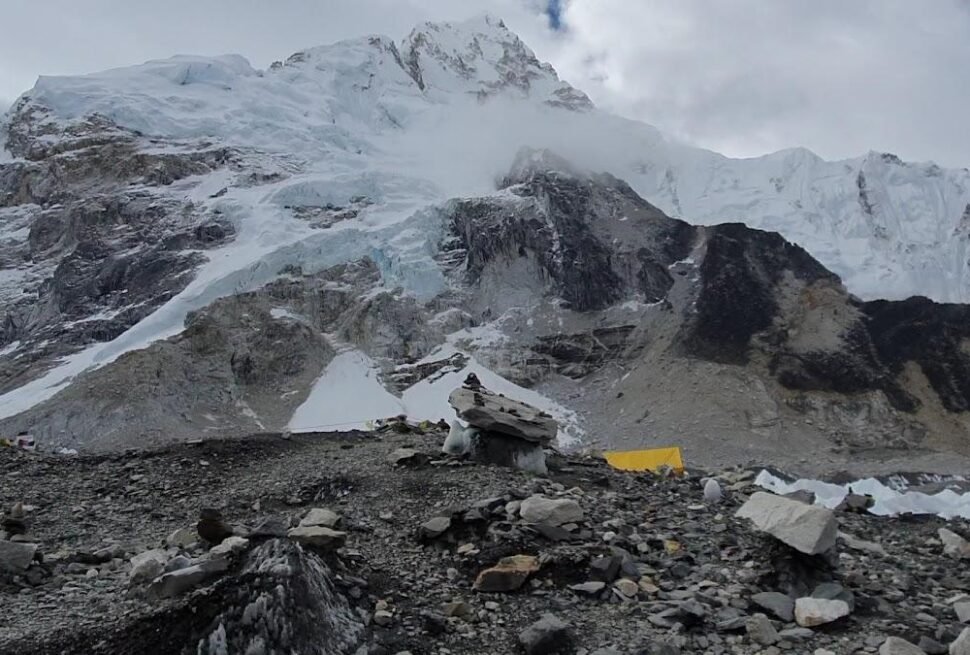
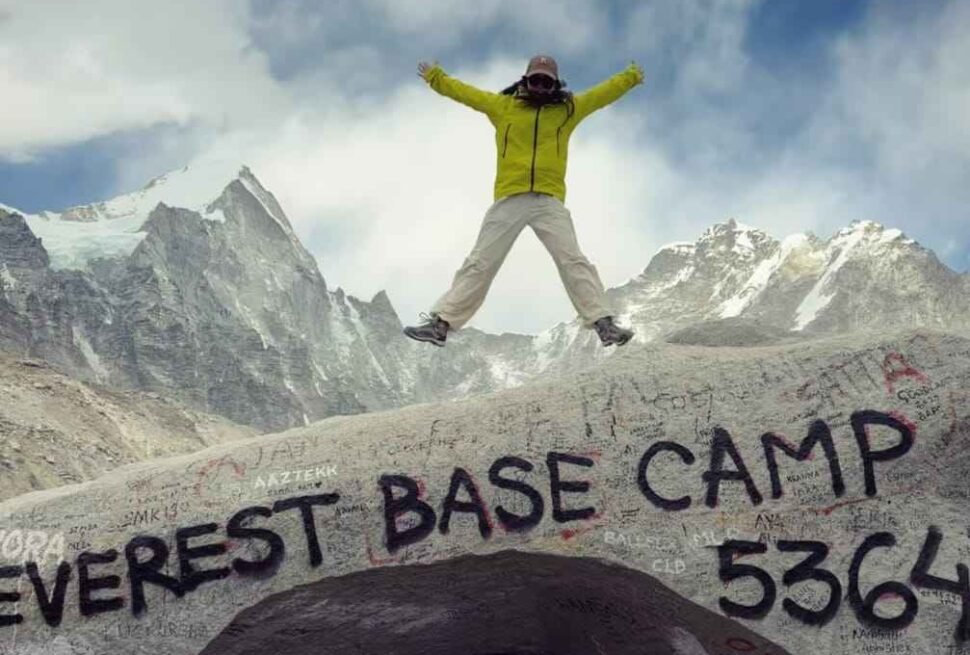
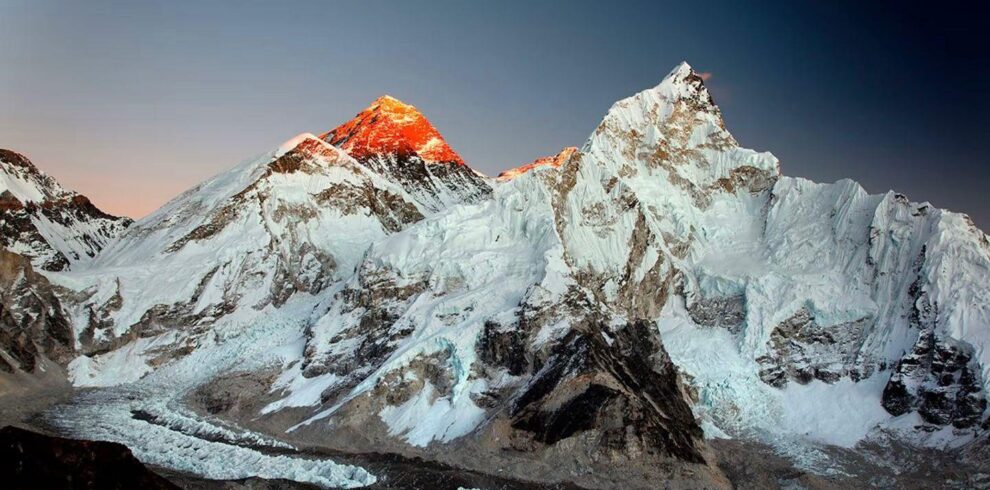
Lobuche to EBC and Kala Patthar: EBC in late September is near-perfect — pre-autumn quiet with autumn-quality views. The best of both worlds.. From Kala Patthar (5,545 m) the classic Everest summit photograph is possible in any month, but Late September mornings at Kala Patthar offer some of the year’s finest Everest photographs — crystal-clear post-monsoon skies with no haze. The return descent from Kala Patthar to Pheriche in one day is long but exhilarating — your body is acclimatised and every step downhill feels like a gift.
Planning Your Everest Trek?
Get local expert advice on cost, itinerary and the best time to go.
Weather Details for September: Temperature, Wind, and Visibility
| Location | Elevation | Day Temp | Night Temp | Conditions |
|---|---|---|---|---|
| Kathmandu | 1,400 m | 27°C | 17°C | Warm, clearing rapidly |
| Lukla | 2,860 m | 16°C | 8°C | Improving rapidly |
| Namche Bazaar | 3,440 m | 12°C | 2°C | Clear and cool from mid-month |
| Dingboche | 4,410 m | 7°C | -3°C | Good from mid-month |
| EBC / Gorak Shep | 5,164–5,364 m | 0°C | -8°C | Excellent from mid-September |
September is the transition from monsoon to autumn. Early September may still have residual monsoon cloud. By mid-September conditions are dramatically better. Late September often delivers the clearest mountain views of the entire year — the post-monsoon-washed skies have zero haze.
Packing for September: What You Need and What to Leave Behind
September packing transitions from monsoon protection to autumn layering. By late September, gear requirements match October.
| Item | Specification | Notes for September |
|---|---|---|
| Sleeping bag | -10°C comfort rated | Nights getting significantly colder in second half of September |
| Down jacket | Standard 600-fill | Essential above Namche from mid-September |
| Rain gear | Waterproof jacket still needed in early September | By late September rain is rare — still carry as a precaution |
| Base layers | Midweight merino or synthetic | Temperature swings increasing — quality layering system important |
| Footwear | Standard waterproof trekking boots | Trail conditions excellent by late September |
| Sun protection | SPF 50+ sunscreen, UV sunglasses | Post-monsoon clarity means very high UV above 4,000 m — glacier glasses and SPF 50+ essential |
For the complete item-by-item list including clothing quantities, toiletries, and safety gear, see our comprehensive EBC packing list.
Crowd Levels and Teahouse Booking in September
September trekker numbers increase significantly from mid-month as the autumn season begins. Early September is quiet (post-monsoon). From mid-September the trail fills rapidly as October approaches. Late September is moderately busy — a good sweet spot of improving conditions and pre-peak crowds.
Advance booking essential from mid-September onwards as autumn demand builds rapidly. All teahouse bookings for our clients are handled by our operations team before departure, so you never arrive at a closed or full lodge. This advance booking service is especially valuable in September when the best teahouses book up first for the October peak. Contact Everest Trekking Company to confirm teahouse availability for your specific September dates.
Lukla Flight and Transport in September
The flight from Kathmandu (or Ramechhap) to Lukla is a key logistical consideration. In September, Lukla flights improve rapidly through September. Late September comparable to spring peak season in reliability.. Flight cancellations are moderate early, low by late September. We recommend adding 1–2 days early September, 1 day late September of buffer days before your international departure. For full details on managing Lukla flights, read our Lukla flight guide.
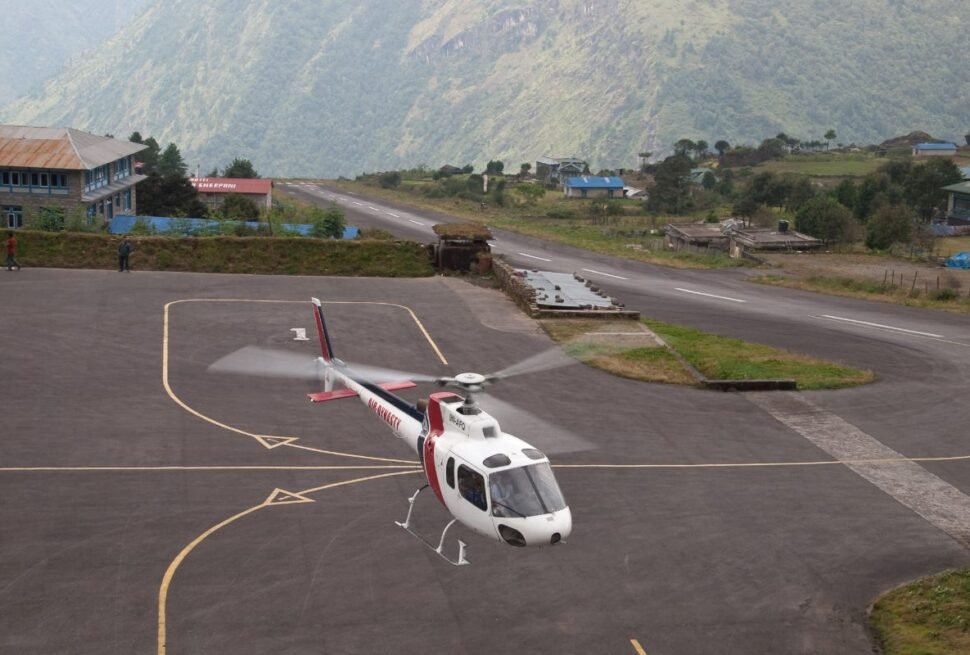
An alternative used by many trekkers in challenging flight months is the helicopter charter from Kathmandu to Lukla (approximately USD 500–700 per person). Helicopters operate in weather conditions that ground fixed-wing aircraft and give a spectacular aerial view of the Khumbu approach. Our operations team can arrange helicopter charters with less than 24 hours notice if needed.
Altitude Sickness and Safety in September
Altitude sickness risk exists in every month. September altitude conditions are excellent by late month. Moderate temperatures and dry air combine for optimal trekking physiology. The standard ascent profile — no more than 300–500 m of elevation gain per day above 3,000 m, with a full rest day at Namche (3,440 m) and another at Dingboche (4,410 m) — must be followed precisely regardless of how well you feel.
Our guides carry pulse oximeters to monitor blood oxygen saturation at each camp. A reading below 75% at Dingboche prompts a conversation about the ascent rate. Our guides also carry supplemental oxygen for genuine emergencies. For comprehensive guidance on recognising and managing AMS, HACE, and HAPE, read our altitude sickness guide.
Cost of EBC Trek in September
September is shoulder season pricing — below October peak but above monsoon minimum. Our fully guided 14-day EBC trek package including guide, porter, all meals, accommodation, permits, and Lukla flights is priced at USD 1,200–1,400 per person in September. For a complete breakdown of all costs including international flights, visas, gear, and tips, see our EBC cost guide.
September EBC Trek vs. Other Months: How to Decide
Early September is the end of monsoon bargain season. Late September delivers October-quality conditions at slightly lower prices. October is the single most popular month. September offers an excellent compromise for experienced trekkers. To compare all twelve months side by side, see our comprehensive best time guide.
Related EBC Trek Packages Available in September
- Classic EBC Trek (14 days) — The definitive Everest Base Camp experience. Perfect for September trekkers who want autumn-quality conditions at shoulder-season prices.
- EBC Trek with Helicopter Return — Trek to EBC then fly back to Kathmandu by helicopter, saving 3–4 days. A great option in September — conditions are generally good but having the helicopter return option available gives complete peace of mind
- Luxury EBC Trek — Best teahouses, private guide, best-in-class meals. Available year-round including September.
- EBC with Gokyo Lakes Trek — 17 days combining EBC with the stunning Gokyo valley. Excellent from mid-September when Cho La Pass becomes reliably accessible for the autumn season
- Everest View Trek (7 days) — The perfect shorter alternative reaching Tengboche (3,860 m) with full Everest views. Available in September.
Frequently Asked Questions: EBC Trek in September
Is September a good time to trek to Everest Base Camp?
September is an underrated gem — particularly the second half. Post-monsoon clarity, lower prices than October, and manageable crowds make late September one of the best-value months to trek EBC. Early September still has some monsoon characteristics.
What are temperatures like at EBC in September?
Daytime temperatures at Gorak Shep / EBC (5,164–5,364 m) in September are around 0°C, dropping to -8°C overnight. Wind chill makes it feel noticeably colder, especially in exposed sections above 5,000 m.
How crowded is the trail in September?
Quiet early, increasing rapidly by late month. Mid-September is a sweet spot with good conditions and manageable trail volume.
What permits do I need for the EBC trek in September?
The permit requirements are the same year-round: Sagarmatha National Park entry permit (approximately USD 22), Khumbu Pasang Lhamu Rural Municipality fee (approximately USD 15), and a TIMS card (USD 10–20). Our packages include all permits — you do not need to arrange these separately.
How far in advance should I book for September?
For late September, book 4–6 weeks ahead — autumn rush begins. For early September, 2–3 weeks is usually sufficient. Contact Everest Trekking Company to secure your spot.
Can I do a shorter EBC trek in September?
Yes — the Everest View Trek covers the lower Khumbu in 7 days and reaches Tengboche (3,860 m), giving magnificent Everest views without the extreme altitude of the full EBC route. It is a popular choice in September for those with limited time or who prefer a lower-risk itinerary.
What a Typical Day Feels Like on the EBC Trail in September
Understanding the rhythm of a typical trekking day helps you set realistic expectations and plan your energy. Here is what a day on the EBC trail in September looks and feels like in practice.
5:30–6:00 AM — Wake up: Your teahouse bedroom is cold. Put on your warm layers before leaving your sleeping bag. Head to the dining room where the kitchen staff already have tea, coffee, and porridge ready. Mornings in September on the EBC trail start with the smell of woodsmoke, the sound of yak bells, and the first light touching the high peaks. It is one of the great simple pleasures of Himalayan trekking.
7:00–7:30 AM — Breakfast and briefing: Eat a full breakfast. At altitude, your body burns significantly more calories than at sea level. Even if your appetite is reduced — common above 3,500 m — push yourself to eat. Your guide will give a brief overview of today’s route: distance, elevation gain, estimated time, any specific features or risks. This briefing takes 5–10 minutes and gives structure to the day.
7:30 AM–12:00 PM — Morning trekking: The best part of every day in September. This is the time to move efficiently and take in the scenery without rushing. In September, from mid-September mornings are spectacular — crystal-clear post-monsoon light makes every viewpoint extraordinary. The trail above 3,500 m is generally rock and stone, well-marked with yak trails as backup navigation. Suspension bridges over gorges, ancient mani walls, and chorten (Buddhist stupas) mark the kilometres. Pass through each village noting the altitude marker at the local teahouse — tracking your ascent rate gives you a concrete sense of acclimatisation progress.
12:00–1:00 PM — Lunch: Stop at a teahouse along the route. Dal bhat, noodle soup, fried rice, or a hot sandwich. Take a full hour — your muscles and joints benefit from the rest, and eating a proper meal prevents the energy crash that often hits trekkers in the mid-afternoon at altitude. Hot lemon tea or ginger tea is better than coffee at altitude — less diuretic and more warming.
1:00–3:30 PM — Afternoon trekking: The final section to your teahouse for the night. Afternoon energy at altitude drops faster than at sea level — this is when trekkers feel the altitude most acutely. Move steadily, breathe deeply, and avoid rushing. Arrive at your teahouse with enough daylight to settle in, change into warm layers, and explore the village if energy permits.
3:30–7:00 PM — Teahouse time: The social heart of the trek. The dining room stove is the warmest spot on earth after a day at 4,000+ metres. Charge your devices (most teahouses charge USD 2–5 per device), review your photographs from the day, write in your journal, and talk with other trekkers. Your porter takes care of your duffel bag — you need only manage your daypack. Enjoy the luxury of having nothing more to do than rest, eat, and appreciate where you are.
7:00 PM — Dinner: A three-course teahouse dinner. Start with soup (vegetable, tomato, or garlic — all excellent), then a main course (dal bhat is always the best-value and most nutritious choice), then dessert if offered. Eat everything. At altitude, your body repairs and adapts during sleep, and adequate calorie intake is essential to that process. Drink your third or fourth glass of water of the day with dinner.
8:30 PM — Sleep: Lights out early. Sleep quality at altitude is often reduced — lighter, more fragmented, and sometimes accompanied by unusual dreams. This is completely normal. Altitude causes a breathing pattern disruption called Cheyne-Stokes respiration during sleep, where you briefly stop breathing before your body reacts and breathing resumes. It sounds alarming but is not dangerous. Use earplugs if you are a light sleeper, as yaks, dogs, and other trekkers begin moving before 5 AM.
The Classic 14-Day Itinerary at a Glance
Regardless of which month you trek, the classic 14-day Everest Base Camp trek itinerary follows the same well-tested route:
| Day | Route | Night Altitude |
|---|---|---|
| 1 | Kathmandu to Lukla, Trek to Phakding | 2,610 m |
| 2 | Phakding to Namche Bazaar | 3,440 m |
| 3 | Acclimatisation — Namche Bazaar | 3,440 m |
| 4 | Namche to Tengboche | 3,860 m |
| 5 | Tengboche to Dingboche | 4,410 m |
| 6 | Acclimatisation — Dingboche | 4,410 m |
| 7 | Dingboche to Lobuche | 4,910 m |
| 8 | Lobuche to Gorak Shep, Visit EBC | 5,164 m |
| 9 | Kala Patthar Sunrise, Descent to Pheriche | 4,280 m |
| 10 | Pheriche to Namche Bazaar | 3,440 m |
| 11 | Namche Bazaar to Lukla | 2,860 m |
| 12 | Buffer day — Lukla | 2,860 m |
| 13 | Fly Lukla to Kathmandu | 1,400 m |
| 14 | Kathmandu — sightseeing, rest, depart | 1,400 m |
This itinerary builds in two rest/acclimatisation days (at Namche and Dingboche) and one buffer day at Lukla — the absolute minimum we recommend for a safe and comfortable EBC experience. We also offer extended 16-day and 18-day itineraries with additional acclimatisation days for trekkers who prefer a slower pace or have had altitude issues in the past.
Why Choose Everest Trekking Company for Your September EBC Trek
As one of Nepal’s most experienced and trusted Everest trekking companies, we bring the following to every trip we operate: NATHM-certified and NMA-licensed guides with first-aid training and satellite communication devices; a pre-vetted teahouse network with confirmed operating status for your specific travel dates; all-inclusive pricing with no hidden supplements; 24-hour Kathmandu operations support for weather events, medical situations, and flight logistics; and a proven emergency evacuation protocol rehearsed by every guide we employ.
We have been operating Everest Base Camp treks for over a decade and have guided thousands of trekkers from more than 60 countries to the foot of the world’s highest mountain. Our repeat client rate and online review scores reflect a genuinely exceptional service. Whatever month you choose to trek, your experience with us will be safe, organised, and deeply memorable.
Ready to take the next step? Contact us directly at everesttrekkingcompany.com with your preferred dates in September and we will respond within 24 hours with a personalised quote, itinerary, and availability confirmation.
Physical Fitness Requirements for the September EBC Trek
The Everest Base Camp trek in September does not require technical climbing skills, but it demands a solid foundation of cardiovascular fitness and the mental resilience to keep moving when you are tired, cold, and breathless. The challenge is cumulative — 14 days of sustained walking at altitude, with limited sleep quality and reduced appetite above 4,000 m.
Recommended preparation regardless of month: at least 8–12 weeks of aerobic training before departure. This means 4–5 days per week of sustained cardiovascular activity — hiking, running, cycling, or swimming. The best preparation is hiking with a loaded pack (8–10 kg) on hilly terrain for 5–7 hours, simulating a full trekking day. If you can complete a 6-hour hike on consecutive days without significant fatigue, you are physically ready for the EBC trail.
September in Kathmandu is increasingly popular for cultural tourism — Indra Jatra, the city’s biggest street festival, falls in September and offers an extraordinary introduction to Newari culture before heading into the mountains. Age is not a barrier — we have guided trekkers from their 20s to their 70s to Everest Base Camp. What matters is preparation, attitude, and choosing a good guide. Our team assesses every client’s fitness and experience during the pre-departure briefing and tailors the daily pace accordingly.
For a complete physical preparation guide covering training plans, diet, and altitude pre-acclimatisation techniques, see our how to prepare for the EBC trek guide. Our EBC trek difficulty guide also provides an honest assessment of the physical challenges at each stage of the route.
Kathmandu: Your Gateway to Everest in September
Every EBC trek begins and ends in Kathmandu. Most trekkers spend 1–2 nights in the city before flying to Lukla. Kathmandu in September is transitioning from monsoon heat to pleasant autumn temperatures — one of the most enjoyable months in Kathmandu. The city’s main trekking hub is the Thamel district — a compact, walkable neighbourhood packed with gear shops, restaurants, currency exchanges, and guesthouses at every budget level.
Key things to do in Kathmandu before your trek: sort any remaining gear at Thamel shops (considerably cheaper than buying from home), get your Nepal visa if you did not apply online in advance, confirm your domestic Lukla flight with our operations team, attend the pre-departure briefing with your guide, and visit Boudhanath Stupa or Pashupatinath Temple for a moment of reflection before heading into the mountains. Many trekkers find that an evening at Kathmandu’s famous Roadhouse Café or OR2K restaurant with fellow trekkers sets exactly the right mood for the adventure ahead.
On your return from the trek, Kathmandu offers hot showers, excellent food, massage, and the incomparable satisfaction of a successful EBC summit celebration. We recommend booking at least one post-trek night in Kathmandu to decompress, download your photos, and celebrate properly before your international flight home.
Contact Everest Trekking Company today to book your September EBC trek and begin the adventure of a lifetime.
Planning Your Everest Trek?
Get local expert advice on cost, itinerary and the best time to go.