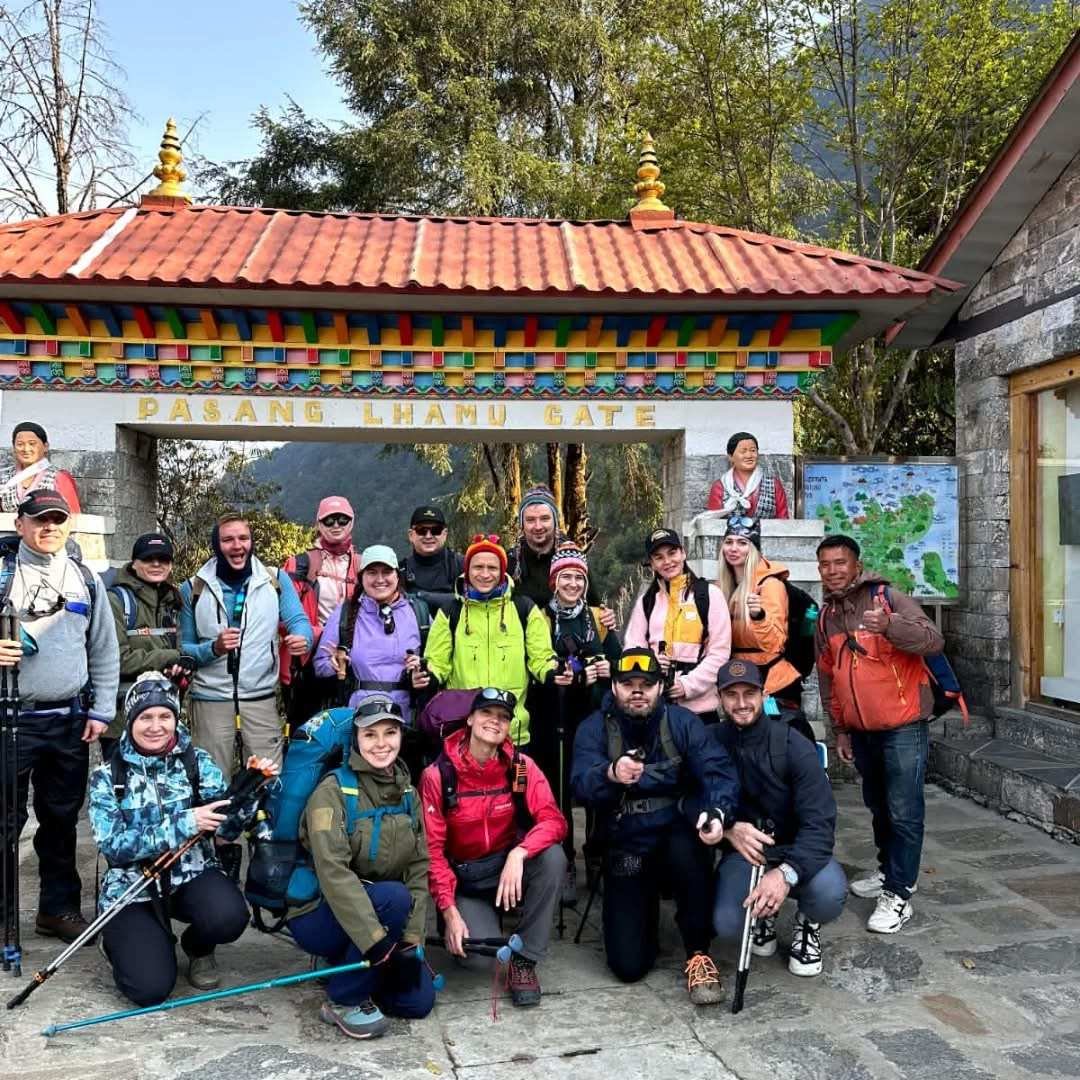
By Kiran Basnet, Licensed Trekking Guide, Everest Trekking Company, Kathmandu
I have guided trekkers to Everest Base Camp in every season, in April when rhododendrons carpet the hillsides, in October when the sky above Kala Patthar burns crystal blue, in December when the trail is empty and the cold bites hard, and even in July when leeches rule the lower path and clouds swallow the mountain for days at a time. Every season has its truth. Every season has its tradeoff. My job in this guide is to give you that truth so you can choose the right time for the right trek.
The short answer: Spring (March–May) and Autumn (September–November) are the two best seasons. But the right answer depends on what you’re after, clear skies, solitude, lower cost, or seeing Base Camp alive with Everest climbers. Let’s go season by season, month by month.
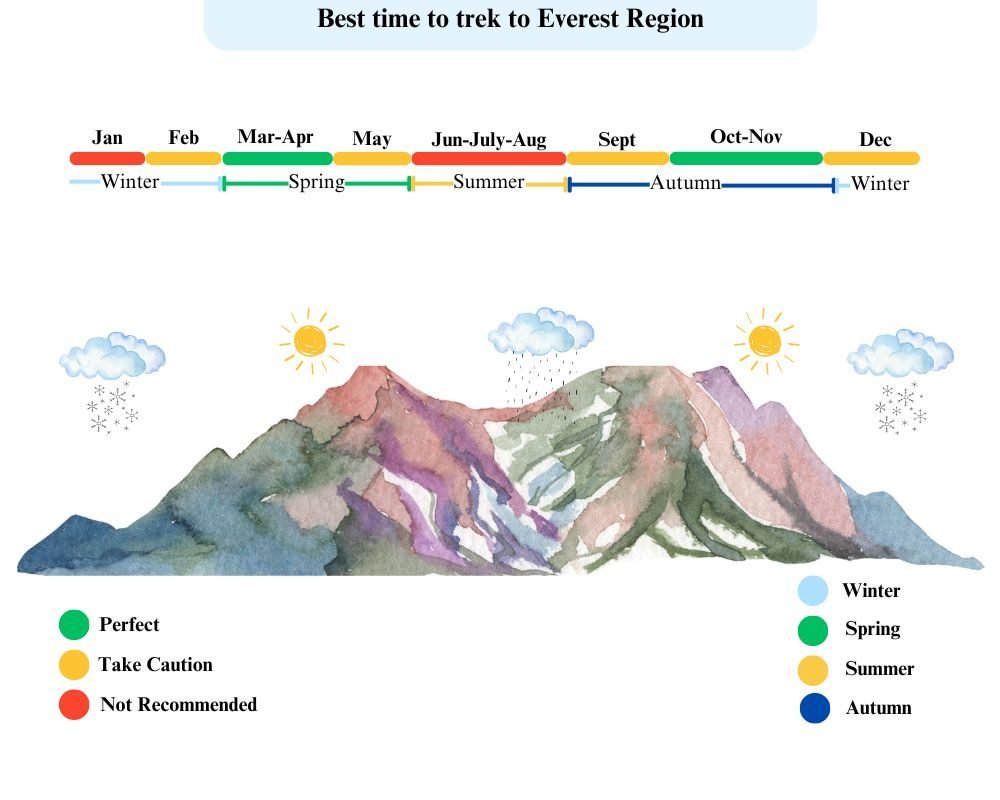
Quick Season Overview
| Season | Months | Weather | Crowds | Overall Rating |
|---|---|---|---|---|
| Spring | March–May | Mild, stable, warming | High (peak) | ⭐⭐⭐⭐⭐ Best |
| Autumn | Sept–Nov | Clear, crisp, stable | High (peak) | ⭐⭐⭐⭐⭐ Best |
| Winter | Dec–Feb | Cold, dry, clear | Very low | ⭐⭐⭐ Challenging |
| Monsoon | June–Aug | Rain, clouds, warm | Very low | ⭐⭐ Difficult |
Spring Season: March, April and May
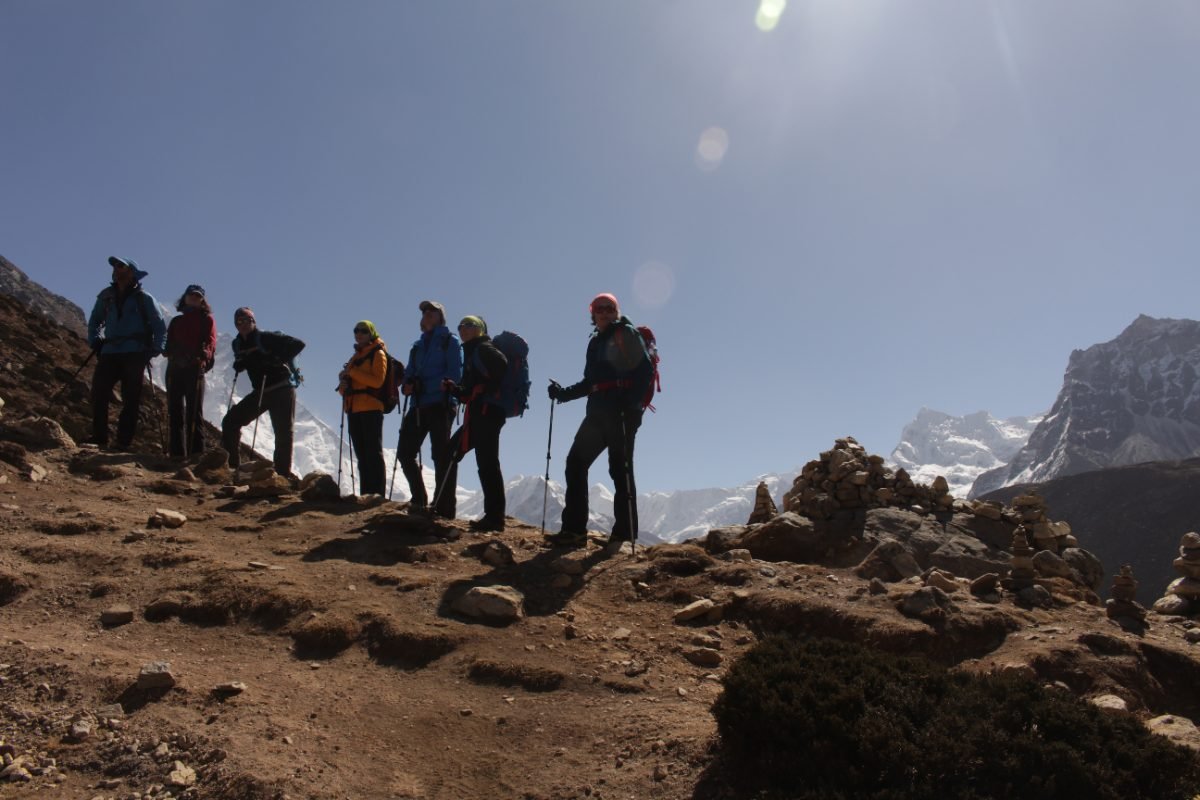
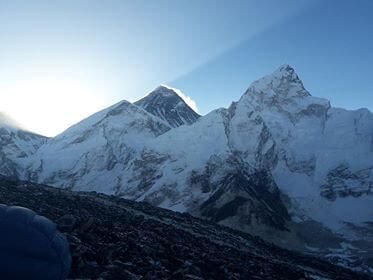
Spring is my personal favourite season for the Everest Base Camp trek. The months of March, April and May bring the most magical combination of comfortable temperatures, reliable weather windows, and explosive natural beauty. From Namche Bazaar upward, the rhododendron forests erupt in brilliant reds and pinks. The air has a freshness that makes every breath on a high-altitude acclimatisation day feel like a reward. And if you’re lucky enough to be at Base Camp in May, you’ll stand among the Everest climbing expeditions preparing for summit pushes, the mountain at its most alive.
Spring Weather & Temperatures
Lukla daytime temperatures in spring sit between 10°C and 18°C, warm enough to trek in a light base layer. Nights in the lower valleys drop to around 5°C, manageable with a good sleeping bag. At Everest Base Camp (5,364m), daytime temps range from 3°C to 7°C in March and April, rising to around 10°C in May. Nights at high camp stay cold: expect -5°C to -8°C at EBC in April, slightly milder in May.
The weather in spring is typically stable with clear morning skies. Afternoon cloud build-up is common from April onwards, but these rarely bring serious storms. Snowfall above 4,000m is still possible in March, but the trail is usually well-packed and safe.
Why Spring Is Ideal
- Rhododendron forests in bloom, The forests between Phakding and Namche, and the hillsides around Tengboche, are covered in brilliant red, pink, and white blossoms from late March through April.
- Long daylight hours, More daylight means comfortable trekking hours without rushing to reach your teahouse before dark.
- Everest climbing season, Base Camp is bustling with international expeditions attempting the summit via the South Col route. It’s a once-in-a-lifetime experience to share that space.
- Stable weather windows, Spring delivers some of the year’s most reliable pre-monsoon weather between the post-winter cold and the approaching summer rains.
- Great mountain views, Early mornings in spring are exceptionally clear, especially from viewpoints like Kala Patthar and Gokyo Ri.
Spring Challenges
- This is peak season, The trail from Namche to Tengboche gets very busy in April and May. Teahouses fill up fast, especially on the most popular nights (Namche, Tengboche, Dingboche, Lobuche).
- Book accommodation 3–4 months ahead, Popular lodges get reserved far in advance for April and May groups.
- Afternoon haze in May, As the pre-monsoon builds, haze can reduce visibility in the lower valleys, though high-altitude views remain excellent in the morning.
- Higher prices, Peak season means standard trekking permit costs and full teahouse rates.
Who Should Trek in Spring?
Spring is best for first-time trekkers who want the full EBC experience with the best possible weather. It’s also ideal for photographers chasing rhododendron shots and mountain clarity, and for anyone who wants to witness Everest’s climbing season up close. If you don’t mind the crowds and book well in advance, spring will not disappoint.
Autumn Season: September, October and November
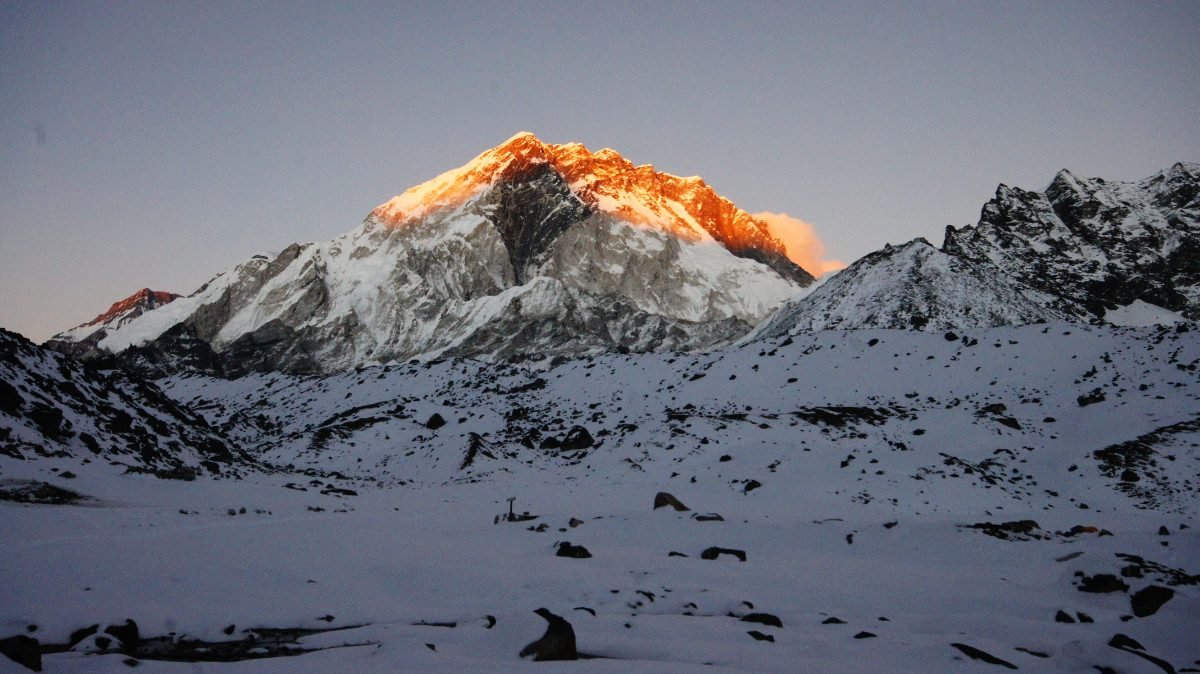
Autumn is the other peak season, and many experienced trekkers and guides (including me on certain trips) actually prefer it over spring. The monsoon has washed the atmosphere clean by late September. The air above Namche is so clear it almost hurts to look at. Everest, Lhotse, Nuptse, Ama Dablam, every peak stands razor-sharp against a deep blue sky. October is particularly spectacular: the weather is at its most stable, the views are at their sharpest, and the entire Khumbu Valley is alive with festival energy.
Autumn Weather & Temperatures
Lukla temperatures in autumn range from 10°C to 20°C during the day, warm and pleasant for trekking. At Everest Base Camp, daytime temperatures sit between 5°C and 10°C in October, dropping to around 0°C to -5°C at night. November gets noticeably colder: EBC daytime temperatures drop to -10°C to 0°C, with nights approaching -15°C. The skies in October and early November are the clearest of the year, consistently. Rain is rare after early September.
Why Autumn Is Excellent
- Post-monsoon clarity, The rain washes the dust and haze away. Views in October are crisper than any other month of the year.
- Dashain and Tihar festivals, Nepal’s most important Hindu festivals fall in October. Villages are decorated, local families are celebrating, and the cultural atmosphere on the trail is warm and joyful.
- Mani Rimdu at Tengboche, This major Buddhist festival takes place at Tengboche Monastery in November (date varies by lunar calendar). Colourful mask dances and religious ceremonies make it a bucket-list event if you time your trek right.
- Stable weather, October delivers some of the most consistently clear days of the entire year with very low precipitation.
- Side trip opportunities, Autumn conditions are ideal for extensions like the Gokyo Lakes trek, Cho La Pass crossing, or the Three Passes trek.
Autumn Challenges
- Also peak season, October especially rivals April and May for crowd levels. Book accommodation well ahead.
- Late September rain lingering, Early September still feels like monsoon. Don’t start your trek before mid-September if you want reliably dry weather.
- November cold sets in fast, The second half of November brings noticeably colder conditions, especially at night above Namche. Extra warmth layers are essential.
- Lukla flight demand is high, Peak-season Lukla bookings fill up weeks in advance. Build buffer days into your itinerary for weather delays.
Who Should Trek in Autumn?
Autumn is perfect for photographers and view-seekers who want the absolute sharpest mountain panoramas. It’s also ideal for anyone who wants to combine the trek with Nepal’s major festivals, or who is looking for the most stable and reliable weather conditions of the year. If you missed the spring window, October is your next best option, don’t hesitate.
Winter Season: December, January and February
Winter trekking to Everest Base Camp is for those who want the Himalayas entirely to themselves. I have walked the trail in January with just a handful of other trekkers visible for the entire day. The silence above the snowline is absolute. The mountains look spectacular against winter-clear skies. And yes, it is genuinely, brutally cold. But if you come prepared, winter offers an experience that no other season can match: raw, quiet, and profoundly beautiful.
Winter Weather & Temperatures
Lukla in winter sees daytime highs of up to 10°C, with nights dropping to around -5°C. The cold sharpens dramatically as you gain altitude. At Everest Base Camp, daytime temperatures range from -20°C to -10°C in January, colder than most trekkers expect. Nights at EBC fall to -25°C or lower, with wind chill making it feel even harsher. Namche Bazaar is manageable (days around -2°C to 5°C) but above Tengboche the cold is extreme and unforgiving without proper gear. However, the skies are often brilliantly clear in winter, the air is completely dry and views are outstanding.
Why Winter Has Its Appeal
- Near-zero crowds, The trail is yours. Teahouses are quiet. You get the entire mountain to yourself, a genuinely rare experience on one of the world’s most famous routes.
- Crystal-clear mountain views, Winter air is bone dry. Visibility is often the best of the year. The mountains in December and January light are stunning.
- Snow photography, Snow-covered trails, frozen waterfalls, and icy suspension bridges make for dramatic and beautiful photography.
- Lower trekking costs, Off-peak pricing at teahouses, lower demand for guides and porters, and more negotiating flexibility on overall trek packages.
- Personal challenge, Completing EBC in winter is a genuine achievement that separates you from 90% of people who make the trip.
Winter Challenges
- Extreme cold, Temperatures above 4,000m are life-threatening without proper four-season gear. A sleeping bag rated to -20°C or below is essential. Down layers, insulated boots, and hand warmers are essential.
- Some teahouses close, Particularly above Dingboche, some lodges close or operate with skeleton services. Call ahead with your guide or agency to confirm which teahouses are open on your itinerary.
- Icy, snow-covered trails, Microspikes or crampons are strongly recommended above Namche. Trail conditions can be genuinely hazardous without them.
- Shorter daylight hours, Less daylight means earlier starts and less flexibility. Afternoon trekking in the dark at altitude is dangerous.
- Lukla flight disruptions, Cold, morning fog at Lukla can cancel flights with little notice. Budget extra days for contingencies.
Who Should Trek in Winter?
Winter is for experienced high-altitude trekkers who have proper cold-weather kit, understand the risks, and genuinely enjoy solitude. It’s a great option for repeat EBC trekkers looking for a new challenge, or for those who want deeply discounted costs and empty trails. Not recommended for first-timers or those without previous cold-weather camping or trekking experience.
Monsoon Season: June, July and August
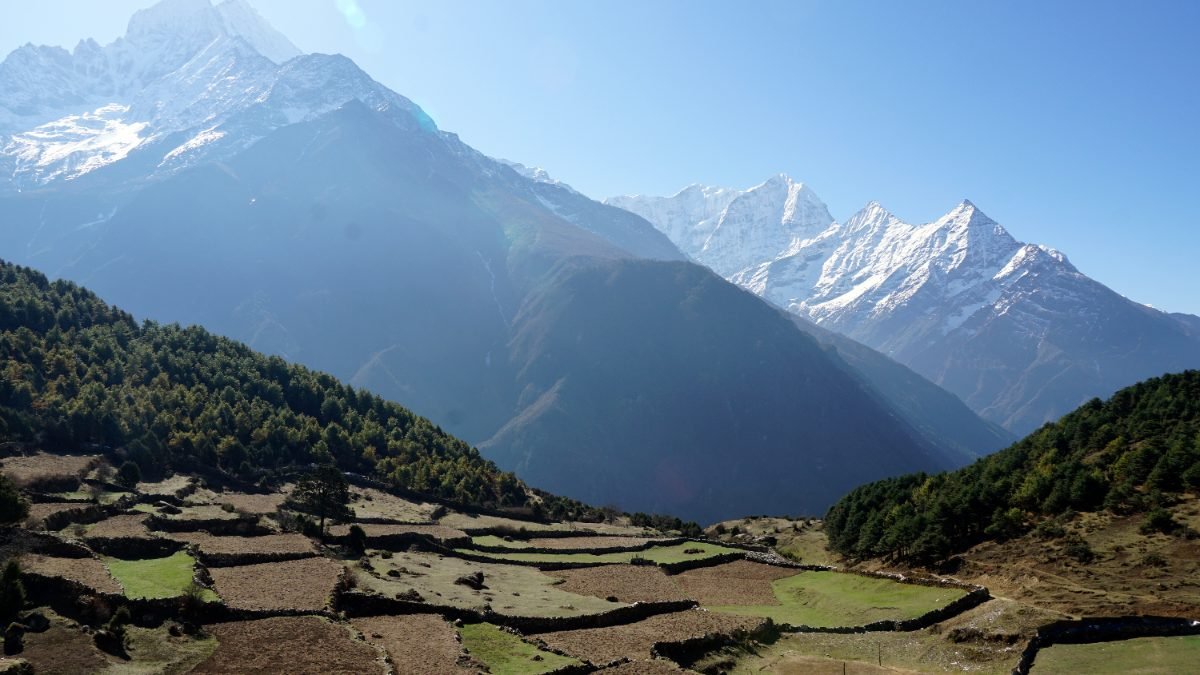
The Khumbu Valley in monsoon is a place I have mixed feelings about. The lower trail between Lukla and Namche turns lush, impossibly green, almost like a different planet compared to the stark terrain above the snowline. Local herbs bloom. Waterfalls pour off every cliff. The air smells of rain and pine. And if you stay above 3,500m, you actually benefit from the Himalayan rain shadow, the inner valleys around Namche and above receive significantly less rainfall than the lower slopes. But the challenges of monsoon are real and significant, and first-time trekkers should understand them fully before committing.
Monsoon Weather & Temperatures
At lower elevations, monsoon brings warm and humid conditions: Lukla averages around 22°C during the day, sometimes reaching 30°C at low elevation on approach. Above 3,500m, temperatures are much more reasonable: Namche stays around 10–15°C during the day. At EBC (5,364m) in July and August, daytime temperatures can reach 10–20°C, the warmest of the year, with nights at 5°C or above. However, afternoon cloud cover is nearly guaranteed above 3,000m, and mountain views are blocked most of the day.
Why Some Trekkers Choose Monsoon
- Empty trails, The solitude in monsoon rivals winter, but without the extreme cold.
- Lowest prices of the year, Significant discounts available on packages, teahouses, and domestic flights.
- Lush, dramatic landscapes, The lower Khumbu forests are spectacular in full monsoon green. Wildflowers and waterfalls are at their peak.
- Rain shadow above 3,500m, Trekkers who push above Namche quickly find drier conditions. The Khumbu Glacier area actually receives relatively little direct monsoon rainfall.
- Warm temperatures at altitude, The warmest nights of the year at EBC make camping or simple sleeping bags viable.
Monsoon Challenges
- Mountain views blocked, The clouds that build every afternoon mean you will likely not see Everest clearly during the trek. Most mountain panoramas are obscured for most of the day.
- Leeches below 2,500m, The lower trail (Phakding, Jorsalle, lower forests) is infested with leeches in monsoon. They are a serious nuisance though not dangerous. Salt and leech-proof socks help.
- Muddy, slippery trails, Daily rain makes lower-altitude sections slick and difficult. Trekking pole grip and good waterproof boots are essential.
- Flight cancellations, Lukla flights cancel frequently due to low cloud and poor visibility. Build at least 3–4 buffer days into any monsoon itinerary.
- Landslide risk, Heavy rain can cause landslides and trail damage on steep sections, particularly below Namche.
Who Should Trek in Monsoon?
Monsoon works best for experienced trekkers who have done EBC before and want to see the route in its least-visited, most dramatically green form, and don’t mind trading mountain views for solitude and lower cost. Budget travellers who are flexible on dates and can absorb flight delays will find monsoon the most affordable window of the year. Not recommended if clear mountain views are your primary goal.
Month-by-Month Conditions: All 12 Months
| Month | Season | Weather Conditions | Trail Crowds | Mountain Views | Overall Verdict |
|---|---|---|---|---|---|
| January | Winter | Clear, extremely cold, possible snow above 3,500m | Very low | Excellent (when clear) | For experienced, well-equipped trekkers only |
| February | Winter → Pre-spring | Cold but warming, very clear skies, stable | Low | Very good | Good for experienced trekkers; better than January |
| March | Spring | Mild and warming, occasional snow above 4,000m, rhododendrons blooming | Moderate | Good | Excellent, underrated month, fewer crowds than April |
| April | Spring | Warm and stable, clear mornings, afternoon clouds possible | High (peak) | Very good | One of the best months, rhododendrons at peak, climbing season begins |
| May | Spring | Warm, pre-monsoon cloud build-up from mid-month, still excellent | High (peak) | Good (mornings) | Excellent, Base Camp alive with climbers; haze possible in lower valleys |
| June | Monsoon | Rain begins, lower trails wet, upper Khumbu drier | Very low | Limited | Doable but challenging; for budget/adventure trekkers |
| July | Monsoon | Heavy rain at low altitude, leeches, lush green; above 3,500m much drier | Very low | Poor to fair | Difficult, only for experienced trekkers with flexible itinerary |
| August | Monsoon | Similar to July; rain starts to ease late August | Very low | Poor to fair | Similar to July; late August shows early improvement |
| September | Monsoon → Autumn | Rain easing rapidly after first week; dramatic clearing by mid-September | Low → Moderate | Good by mid-month | Wait for mid-to-late September; the transition is magical |
| October | Autumn | Perfect: crisp, clear, dry, stable. The best weather month of the year | High (peak) | Outstanding | Best single month for views, stability, and overall experience |
| November | Autumn → Winter | Excellent early month; gets cold fast after mid-November | Moderate → Low | Outstanding | Excellent, Mani Rimdu festival; cold gear needed for high camps |
| December | Winter | Cold, dry, very clear, quieting rapidly | Low | Very good | Good for adventurous, well-prepared trekkers; Lukla delays possible |
Everest Base Camp Temperature by Month
These are the actual temperature ranges at Everest Base Camp (5,364m) throughout the year. Understanding these numbers is essential for packing the right gear, the difference between an April trip and a January trip at EBC is 30°C at night.
| Month | EBC Daytime Temp | EBC Nighttime Temp | Feel |
|---|---|---|---|
| January | -20°C to -10°C | -25°C or below | Extreme cold, specialist gear essential |
| February | -15°C to -5°C | -20°C | Very cold, full winter kit required |
| March | -10°C to 0°C | -15°C | Cold, warm layers, good sleeping bag |
| April | -5°C to 5°C | -10°C | Cool, manageable with proper trekking gear |
| May | 0°C to 10°C | -5°C | Mild, most comfortable month at EBC |
| June | 5°C to 15°C | 0°C | Warm, but clouds block views |
| July | 10°C to 20°C | 5°C | Warmest month, rain lower down |
| August | 10°C to 20°C | 5°C | Warm, conditions similar to July |
| September | 5°C to 15°C | 0°C | Cooling, rain clears by mid-month |
| October | -5°C to 5°C | -10°C | Cool and crisp, ideal trekking weather |
| November | -10°C to 0°C | -15°C | Cold, good gear required above 4,000m |
| December | -20°C to -10°C | -25°C or below | Extreme cold, for experienced trekkers only |
Temperature Along the EBC Route: Altitude by Altitude
Temperatures on the EBC route drop significantly as you gain altitude. The table below shows typical temperature ranges at each major waypoint during the two peak seasons (spring and autumn) to give you a feel for what to expect at each stage.
| Location | Altitude | Spring Daytime | Spring Night | Autumn Daytime | Autumn Night |
|---|---|---|---|---|---|
| Lukla | 2,840m | 10–18°C | 3–8°C | 10–20°C | 2–8°C |
| Namche Bazaar | 3,440m | 8–15°C | 0–5°C | 5–15°C | -2–5°C |
| Tengboche | 3,860m | 5–13°C | -3–2°C | 3–12°C | -5–0°C |
| Dingboche | 4,410m | 2–10°C | -8–0°C | 0–8°C | -10–-3°C |
| Lobuche | 4,910m | 0–7°C | -12–-3°C | -3–5°C | -15–-5°C |
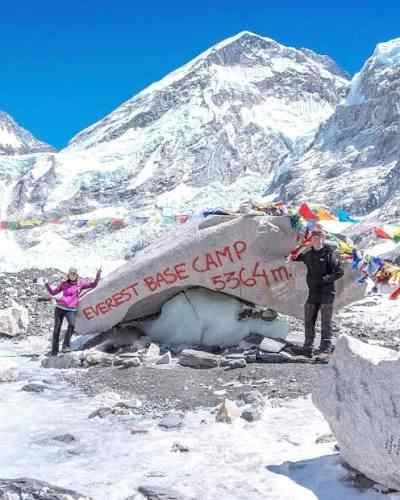
| Everest Base Camp | 5,364m | 3–10°C | -8–-2°C | -2–8°C | -15–-8°C |
Best Time for EBC Based on Your Trekking Goal
Different trekkers have different priorities. Use this table to match your goals to the right season or month.
| Your Priority | Best Time | Why |
|---|---|---|
| Best mountain views & photography | October, early November | Post-monsoon air is the clearest of the year. Every peak stands razor sharp. |
| First-time trekkers | April, October | Most stable, moderate temperatures, well-staffed teahouses, experienced guides readily available. |
| See Everest expeditions at Base Camp | April–May | Spring climbing season, international teams at EBC preparing for summit pushes. |
| Rhododendron flowers | Late March, April | Forests in full bloom from Phakding to Tengboche, spectacular pink, red, and white. |
| Solitude and quiet trail | December, January, February or June–August | Off-season means empty trails, empty teahouses, and no booking pressure. |
| Budget trekking | December–February or June–August | Lowest teahouse rates, discounted packages, most flexible pricing. |
| Festival & cultural experience | October (Dashain/Tihar), November (Mani Rimdu) | Nepal’s biggest festivals coincide with perfect autumn trekking weather. |
| Challenge seekers / experienced trekkers | January, February | Extreme cold, snow, solitude, the hardest and most dramatic version of EBC. |
Planning Tips: How to Choose the Right Time for You
Book Early for Peak Season
If you’re planning to trek in April, May, or October, book your flights, guide, permits, and teahouses at least 3–4 months in advance. These months are in extremely high demand, and Lukla flights, which operate on small aircraft with limited seats, can be fully booked weeks ahead. Don’t assume you can organise a peak-season EBC trip in a few weeks. You can’t. I’ve turned away dozens of would-be trekkers who arrived in Kathmandu without confirmed Lukla flights and found everything sold out.
Pack Gear That Matches Your Season
The gap in gear requirements between seasons is enormous. An April trekker needs warm layers, a -10°C sleeping bag, and a windproof jacket. A January trekker needs a -20°C to -30°C sleeping bag, a four-season down suit for high camps, insulated boots rated for extreme cold, and hand and foot warmers. Do not underestimate the cold above 4,000m, not even in April. The wind at Kala Patthar can turn a -5°C reading into a -20°C wind-chill experience in seconds. See our complete EBC preparation guide for a full gear checklist by season.
Always Build Buffer Days for Lukla Flights
Lukla (Tenzing-Hillary Airport) is one of the most dramatic airports in the world, and one of the most weather-dependent. Flights cancel with little warning in fog, rain, or high wind. In any season, I recommend building a minimum of 2 extra days into your itinerary for Lukla contingencies. In monsoon or winter, budget 3–4 buffer days. Missing your Kathmandu departure flight because of a Lukla delay is an expensive and stressful situation that is entirely avoidable with a flexible schedule.
Get Comprehensive Trekking Insurance
Whatever season you choose, travel insurance that covers helicopter evacuation above 5,000m is essential. Altitude sickness (AMS, HAPE, HACE) can affect anyone regardless of fitness level, and a helicopter evacuation from high altitude costs between USD $3,000 and $7,000. Your insurance must specifically cover high-altitude trekking. Check the policy fine print, some standard travel policies exclude trekking above 4,000m entirely.
Listen to Your Guide on Timing and Acclimatisation
The itinerary on paper is a suggestion. A good guide adjusts based on how the group is feeling, what the weather is doing, and what the trail conditions demand. The classic mistake is trying to rush the schedule because you have a flight to catch. Altitude sickness doesn’t care about your calendar. If your guide recommends an extra acclimatisation day in Dingboche, take it. The mountain will wait.
Frequently Asked Questions: EBC Best Time
What is the absolute best time to visit Everest Base Camp?
The best overall time is October for views and stability, or April if you want to combine the trek with the Everest climbing season and rhododendron blooms. Both deliver near-perfect conditions with manageable temperatures, reliable weather, and open teahouses. October gives you the clearest skies of the year. April gives you the most vibrant landscape and a living, breathing Base Camp full of expedition teams.
Which specific month is best for EBC?
October edges out every other month. The post-monsoon air is extraordinarily clear, temperatures are cool but very manageable (5°C to 10°C at Base Camp during the day), the weather is at its most stable, and Nepal’s major festivals add a cultural layer you won’t find at any other time of year. If October is not possible, April is an equally strong second choice.
Spring vs. Autumn, which is better for EBC?
Both are excellent and comparable. The key differences:
| Spring (April–May) | Autumn (Oct–Nov) | |
|---|---|---|
| Views | Very good | Outstanding (clearest skies) |
| Flowers / Scenery | Rhododendrons in bloom | Golden autumn colours |
| EBC Experience | Active climbing season | Quieter at Base Camp |
| Festivals | Tibetan New Year (March) | Dashain, Tihar, Mani Rimdu |
| Temperature | Slightly warmer at altitude | Slightly cooler in October |
| Trail Conditions | Some lingering snow in March | Dry and clear post-monsoon |
| Booking Pressure | Very high (April–May) | Very high (October) |
If you can only go once, I personally lean toward October for its unbeatable clarity, but April if you want the rhododendrons and Everest expedition energy. Neither choice is wrong.
How cold does it get at Everest Base Camp?
In peak seasons (April and October), daytime temperatures at EBC range from -5°C to 10°C. Nights drop to -10°C to -15°C even in the warmest trekking months. In winter (December–February), EBC temperatures plunge to -20°C during the day and -25°C or colder at night, with wind chill making it feel significantly worse. Even in the warmest months (July–August), EBC is cool enough to require warm layers every evening. Always pack warmer than you think you’ll need.
Can you do EBC in all 12 months? Is it open year-round?
Yes, there is no official closure of the EBC trekking route. Trekkers have reached EBC in every month of the year. However, “open” does not mean “recommended.” Monsoon months (June–August) bring significant challenges including leeches, rain, poor visibility, and flight cancellations. Winter months (December–February) demand expert-level cold-weather preparation. The trail is technically accessible year-round, but choosing the wrong season without proper preparation can result in a miserable or even dangerous experience.
When should I go if I want to avoid crowds?
For the emptiest trail with decent weather, late November and early March are the sweet spots. They sit just outside peak season, so crowds are significantly lower but conditions are still manageable. If you truly want solitude, December–February gives you virtually empty trails, though the cold is extreme. June and July are also quiet but come with monsoon challenges.
Is April a good month for EBC?
April is one of the two best months for EBC (alongside October). It delivers mild temperatures at altitude, rhododendrons in full bloom, the beginning of the Everest climbing season, stable weather windows, and long daylight hours. The only downsides are high trail traffic and the need to book well in advance. If you can secure permits, Lukla flights, and teahouses 3–4 months ahead, April will give you an unforgettable experience.
Can I trek to EBC in summer (June, July, August)?
You can, but it is the most challenging option. The lower trail (Lukla to Namche) is wet, leech-infested, and muddy during full monsoon. Mountain views are obscured by clouds most of the day. Flight cancellations at Lukla can be frequent and unpredictable. That said, above 3,500m the upper Khumbu benefits from the Himalayan rain shadow, it is significantly drier than the lowlands. Some experienced trekkers specifically choose the green monsoon season for its dramatic lush scenery, empty trails, and substantially lower costs. It’s a viable option if you’re flexible, experienced, and prioritise solitude over views.
Can I do EBC in winter? What is it like?
Winter trekking (December–February) is possible but demands thorough preparation. The trail is quiet and the skies are clear, but temperatures at Everest Base Camp hit -20°C to -25°C and below. You need a sleeping bag rated to at minimum -20°C, four-season down layers, insulated trekking boots, microspikes for icy sections, and hand warmers. Some teahouses above Dingboche close for the season, confirm with your agency before committing. If you’re properly equipped and experienced with cold-weather mountain environments, winter EBC is an extraordinary, deeply personal experience. If you’re not sure whether your gear is sufficient, wait for spring.
What about trekking in September?
Early September (first two weeks) is still effectively monsoon, expect rain, wet trails, and limited mountain views. From mid-September onwards, the atmosphere begins to clear rapidly and the transition from monsoon to autumn is surprisingly dramatic. By late September, conditions can be very good, similar to early October, with the added bonus of lower crowds and lower prices than peak October. If you’re flexible on exact start date, departing from Kathmandu around September 20–25 is a very smart move that combines good weather with a lighter trail.
What temperature should I prepare for at different altitudes?
Temperature drops roughly 6–7°C for every 1,000 metres of altitude gained. On a standard spring or autumn trek, here’s a practical guide: Lukla feels like a cool autumn day in a temperate country (10–18°C daytime). Namche Bazaar is noticeably cooler, especially in the shade. Tengboche and above start to feel genuinely cold at night, pack your down jacket for dinner. Above Dingboche (4,410m), expect sub-zero nights regardless of season. At Lobuche and EBC, treat every night as a serious cold-weather situation even in April or October. Your sleeping bag is your most critical piece of gear above 4,000m.
How much time do I need to plan my EBC trek?
For peak season (April, May, October), start planning 3–4 months in advance. Lukla flights are limited and book out fast, especially for popular departure dates. Your trek agency should handle permit coordination, teahouse booking, guide/porter arrangements, and flight reservations, don’t try to organise all of this independently at the last minute. For off-season trekking, 4–6 weeks of lead time is generally sufficient, though earlier is always better. See our EBC trek packages for our current season availability.
Ready to Trek? Choose Your Season and Let’s Go
Every season on the EBC trail has shown me something different, something I could not have seen any other time of year. The rhododendrons in April. The crystalline October sky above Kala Patthar. The absolute silence of a January morning above Lobuche. The emerald green of the monsoon forest below Namche. The mountain gives something different to every trekker who arrives with an open mind and the right preparation.
If you’re ready to choose your season and start planning, our team at Everest Trekking Company is here to help you design the right itinerary, confirm permits and logistics, and match you with a licensed local guide who knows every trail condition by month. We’ve guided trekkers to Everest Base Camp in all four seasons, we know exactly what each one demands and what each one rewards.
📞 WhatsApp / Call: +9779869225929
📧 Email: info@everesttrekkingcompany.com
Or explore our trek options directly:
- Everest Base Camp Trek, Classic 14-Day Itinerary
- EBC Trek with Helicopter Return
- How to Prepare for EBC: Complete Preparation Guide
The mountain is always there. The only question is which season lets you meet it at your best.
No matter which season calls you most, the Everest Base Camp Trek is transformative in every month. As a leading Everest Trekking Company operating year-round departures, we help you match your travel dates to the conditions that suit your fitness, cold-weather tolerance, and crowd preferences. Our guides have trekked every month of the year and can give you an honest, experienced assessment of what to expect when you contact us. Reach out today for personalised advice and availability on your preferred dates — we respond within 24 hours and the consultation is completely free.
Plan Your EBC Trek: Next Steps
Ready to commit to a date? Here is how to move forward: check your preferred window against our EBC trek cost guide to understand the full budget, review our packing list to plan your gear, and contact our team directly to confirm guide and teahouse availability for your target dates. We look forward to helping you stand at the foot of the world’s highest mountain.
Planning Your Everest Trek?
Get local expert advice on cost, itinerary and the best time to go.