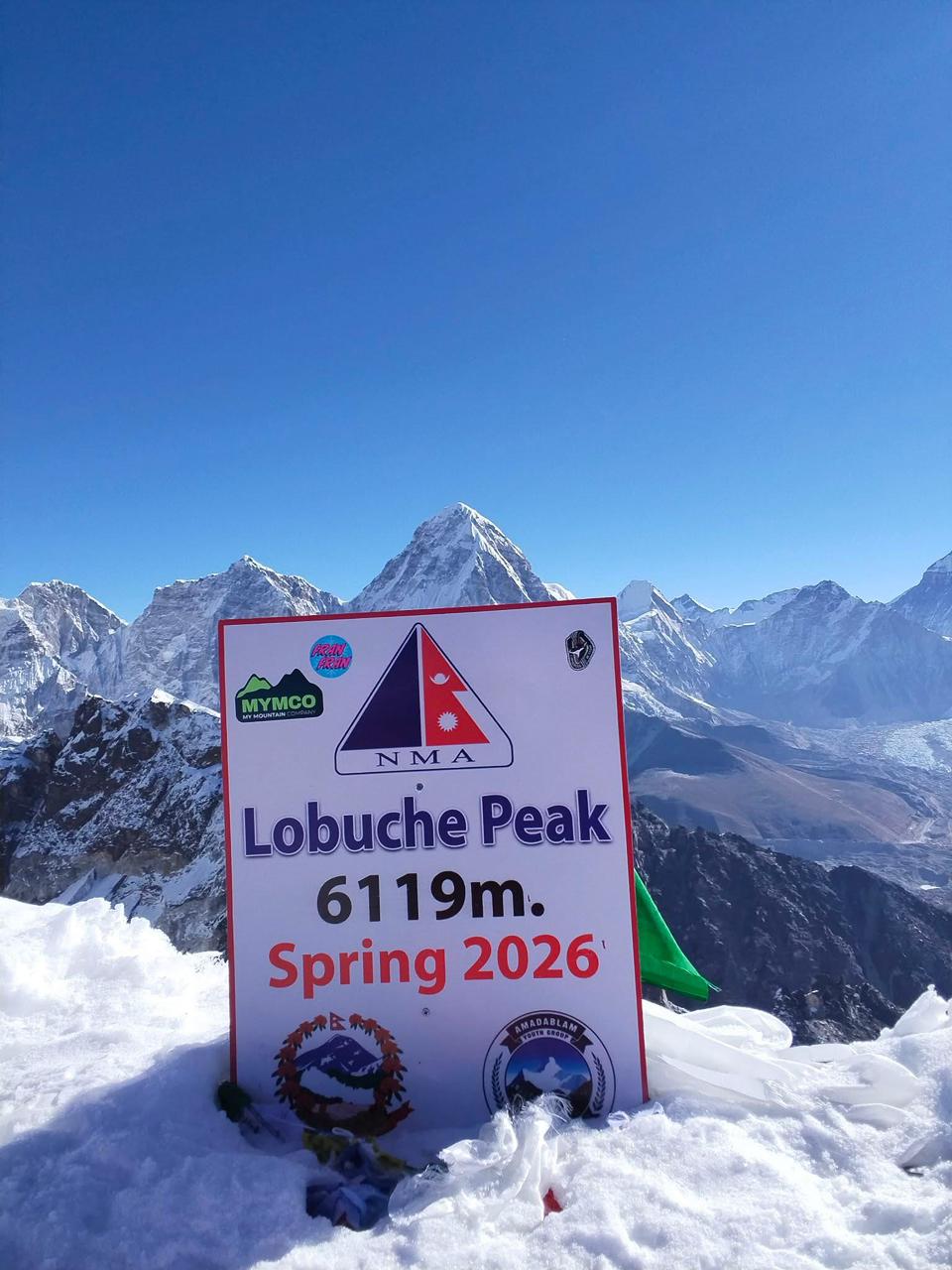
The Everest Base Camp Trek with Lobuche Peak Climbing combines the classic EBC trek with an ascent of Lobuche East at six thousand one hundred and nineteen meters. This sixteen-day itinerary offers a more technical climbing experience than Island Peak, with steeper terrain and more exposed sections that demand greater confidence and fitness.
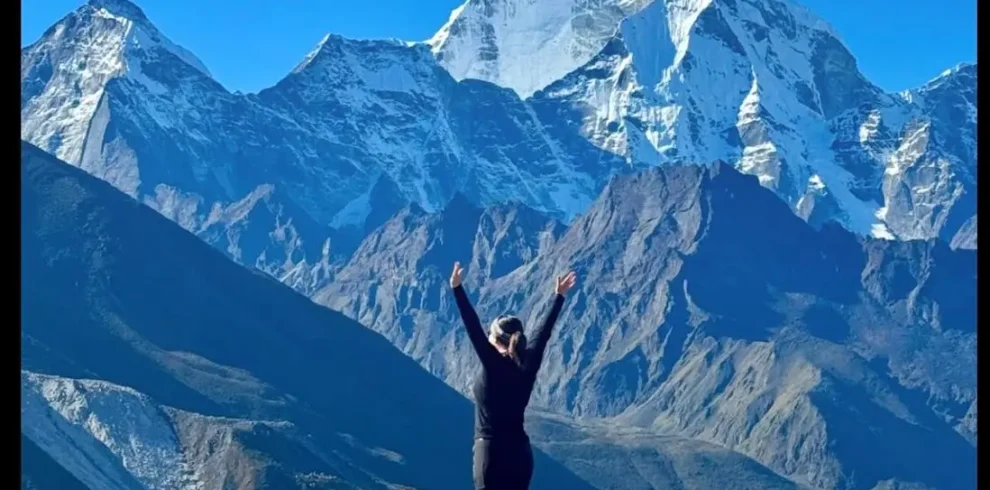
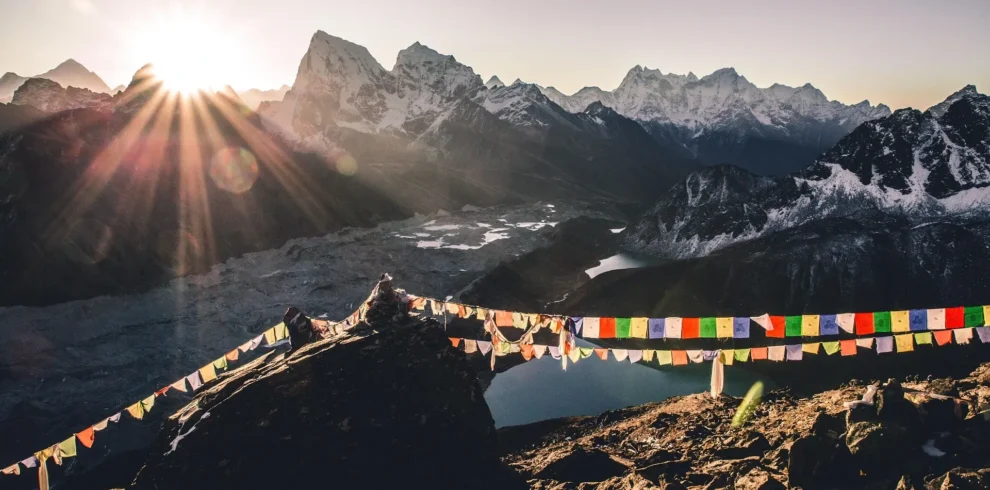
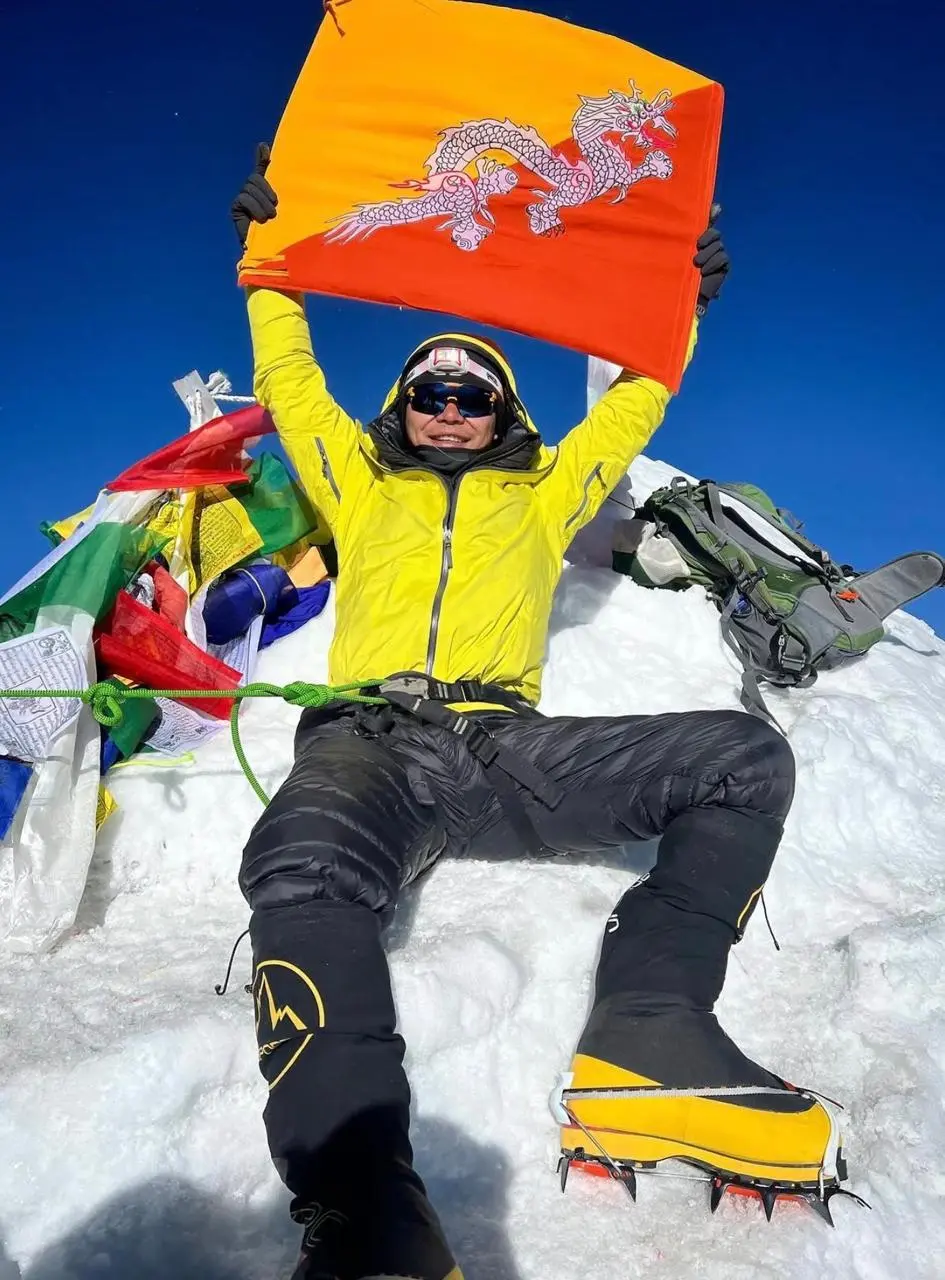
Lobuche East is considered one of the more challenging trekking peaks in Nepal. The summit day involves steep rock scrambling, glacier travel with significant crevasse exposure, and a final ridge that requires careful movement on fixed ropes. The views from the summit are extraordinary, with the Khumbu Glacier directly below and the entire Everest massif surrounding you.
This trek follows the standard EBC route to Base Camp and Kala Patthar, then continues to Lobuche Peak Base Camp. We schedule the climbing portion after the main trek so that your body is fully acclimatized before the summit attempt. This approach significantly improves summit success rates and reduces the risk of altitude-related problems during the climb.
The technical climbing on Lobuche East is more demanding than on Island Peak. We provide comprehensive pre-climb training and a specialist climbing guide with extensive experience on this specific peak. All technical equipment is provided, including ropes, harnesses, crampons, ice axes, and helmets.
A specialist Everest trek operator is essential for this combination. Not all companies have guides qualified for the technical sections of Lobuche East, and attempting this peak with inadequate support is dangerous. Our climbing guides hold internationally recognized mountaineering qualifications and have guided Lobuche East successfully many times.
Our EBC with Lobuche Peak package includes domestic flights, trekking and climbing permits, teahouse and camping accommodation, meals, trekking guide, specialist climbing guide, porter service, and all technical climbing equipment. Contact Everest Trekking Company to discuss your climbing experience and assess whether this challenging peak is right for you.
How Lobuche East Differs From Island Peak
Trekkers researching both climbing combinations often ask which peak is genuinely more difficult, and the honest answer is Lobuche East by a meaningful margin. Where Island Peak’s technical section is largely confined to a single fixed rope headwall near the summit, Lobuche East demands sustained technical movement across a longer stretch of the route, including steeper rock scrambling below the snowline, more significant crevasse exposure on the glacier approach, and a narrower, more exposed summit ridge protected by fixed ropes for a greater portion of the final push. This is a genuinely more serious mountaineering objective, and we are direct with trekkers about that difference when they are deciding between the two options.
Why We Schedule the Climb After Base Camp and Kala Patthar
Every Lobuche East climb on this itinerary happens after the standard trek to Everest Base Camp and Kala Patthar is complete, a deliberate sequencing decision rather than an incidental one. By the time our climbers reach Lobuche Peak Base Camp, they have already spent well over a week acclimatizing at progressively higher altitude, giving their bodies genuine physiological readiness for both the extreme altitude and the sustained physical exertion the summit push demands. This sequencing meaningfully improves summit success rates compared to itineraries that rush climbers toward a technical peak before proper acclimatization, and it is a core part of why our Lobuche East success rate has remained strong across repeated seasons.
What the Technical Climbing Training Covers
Given Lobuche East’s greater technical demands, our pre climb training is correspondingly more thorough than what a standard trekking peak like Island Peak requires. Training covers crampon technique on both snow and mixed rock and ice terrain, ice axe use including self arrest, glacier travel and crevasse awareness with roped team movement, and fixed rope ascent and descent technique for the steeper sections near the summit. Our specialist climbing guide, who holds internationally recognized mountaineering qualifications and has personally guided Lobuche East on numerous previous seasons, runs this training directly at Base Camp and does not clear any climber for the summit attempt until they demonstrate genuine competence and confidence with these skills.
Who Should Choose Lobuche East Over Island Peak
We recommend this specific combination for trekkers who already have some prior exposure to technical mountain terrain, whether through previous trekking peak experience, rock climbing, ice climbing, or mountaineering courses, and who are specifically seeking a more serious technical challenge than Island Peak provides. Trekkers without any prior technical experience can still succeed on Lobuche East given our thorough training program and experienced guiding, but should approach this climb with realistic expectations about its genuinely greater demands compared to other Everest region trekking peaks, and should be honest with our team about their comfort level with exposure and technical movement before booking.
Summit Day in Detail
Summit day begins in the middle of the night to reach the summit and begin descending before the sun weakens snow bridges and increases rockfall risk on the steeper sections. Climbers move as a roped team across the glacier approach, navigate the steeper rock and mixed terrain below the summit ridge, and use fixed rope technique for the final, most exposed stretch to the top. The summit itself offers a genuinely extraordinary reward for the effort involved: the Khumbu Glacier spread out directly below, with Everest, Nuptse, Lhotse, and the surrounding Khumbu peaks visible in every direction, a view that climbers consistently describe as among the most spectacular available from any trekking peak in Nepal.
Booking the Everest Base Camp and Lobuche Peak Climb
Given the technical nature of this climb and the need to confirm our specialist climbing guide’s availability well in advance, we recommend booking at least three to four months ahead of your preferred departure. Reach out to our team to discuss your climbing background honestly, and we will help you determine whether Lobuche East or a less technical alternative like Island Peak is the right match for your experience and goals.
Climbing Insurance and Permit Requirements
Lobuche East requires a Nepal Mountaineering Association climbing permit in addition to the standard trekking permits, which we arrange as part of your booking. Given the more technical nature of this climb compared to Island Peak, travel insurance must cover mountaineering up to at least 6,200 meters, including roped glacier travel and fixed-rope technical terrain, so we strongly recommend confirming this coverage with your insurer well before departure rather than assuming a standard trekking policy applies.
Related Everest Treks
For a somewhat less technical climbing objective on a similar itinerary, see our Everest Base Camp Trek with Island Peak Climbing. Trekkers wanting the full high-altitude circuit without a summit attempt should consider our Everest Three High Passes Trek. See our Everest Base Camp Trek FAQ for more on permits and insurance requirements.
Everest Base Camp and Lobuche Peak Climbing Overview
Lobuche East stands at 6,119 m directly above the Khumbu Glacier, visible from the trail for three days before you attempt it. Most trekkers walk past it on the way to the Everest Base Camp Trek without a second thought. The EBC Trek with Lobuche Peak combines the two objectives into a single 17-day itinerary: you reach Everest Base Camp at 5,364 m and Kala Patthar at 5,545 m, then pivot to Lobuche East for a summit attempt from a high camp at 5,400 m. The combination works because the EBC acclimatization builds exactly the altitude exposure the Lobuche summit requires. By the time you leave Lobuche High Camp at midnight for the summit push, you have already slept three nights above 5,000 m and stood at 5,545 m. The mountain respects that preparation.
About Lobuche East: The Peak Above the Memorial
Lobuche East was first climbed in 1984 by a German expedition team. The Nepal Mountaineering Association classifies it as a trekking peak, a designation that requires an NMA permit but not a full Himalayan expedition permit, making it one of the most technically serious peaks accessible to recreational mountaineers in Nepal. At 6,119 m it is higher than any point in the Alps and higher than the highest summit in the Western Hemisphere. The climbing route follows a snow and ice ridge from a fixed high camp at approximately 5,400 m to the summit, with one significant exposed section near the top where the ridge narrows to a corniced crest above a 600 m drop to the glacier below.
The mountain sits immediately west of the Khumbu Glacier and directly above Lobuche village at 4,940 m, which means the base area requires no additional approach days beyond what the standard EBC itinerary already covers. This is what makes the EBC and Lobuche East combination so efficient: there are no wasted travel days. You are already there. Our certified climbing Sherpa, who accompanies each group specifically for the Lobuche section, installs fixed ropes on the technical sections above high camp the day before the summit attempt. The NMA climbing permit at USD 250 per person for autumn season is included in our package price.
How the EBC Acclimatization Sets Up the Lobuche Summit
The sequencing of this 17-day trip is deliberate. By Day 9 you have visited Everest Base Camp at 5,364 m. By Day 10 you have stood on Kala Patthar at 5,545 m at sunrise. By Day 12 you are at Lobuche High Camp at 5,400 m. The body has had 12 days of progressive altitude exposure across three climbs above 5,000 m before the summit day. Our guide Susam Suywal, who has reached the Lobuche East summit 22 times in 14 years of guiding in the Khumbu, monitors SpO2 readings every morning from Day 4 onward and assesses individual readiness before committing to the high camp move on Day 12. If any trekker’s readings or condition indicate a risk, we adjust the plan rather than push forward.
The acclimatization hike to Nangkartshang Peak at 5,083 m on Day 7 is especially important for the Lobuche objective. It is the first time on the trip you are above 5,000 m and gives your body a controlled exposure to the oxygen levels you will be operating at on summit day, four days before you need to perform on the mountain. We take this day seriously, there is no rushing the Nangkartshang hike, no turning back early because you feel tired at 4,800 m. Getting to 5,083 m on Day 7 is part of the Lobuche preparation, not optional.
The Lobuche East Climbing Route in Detail
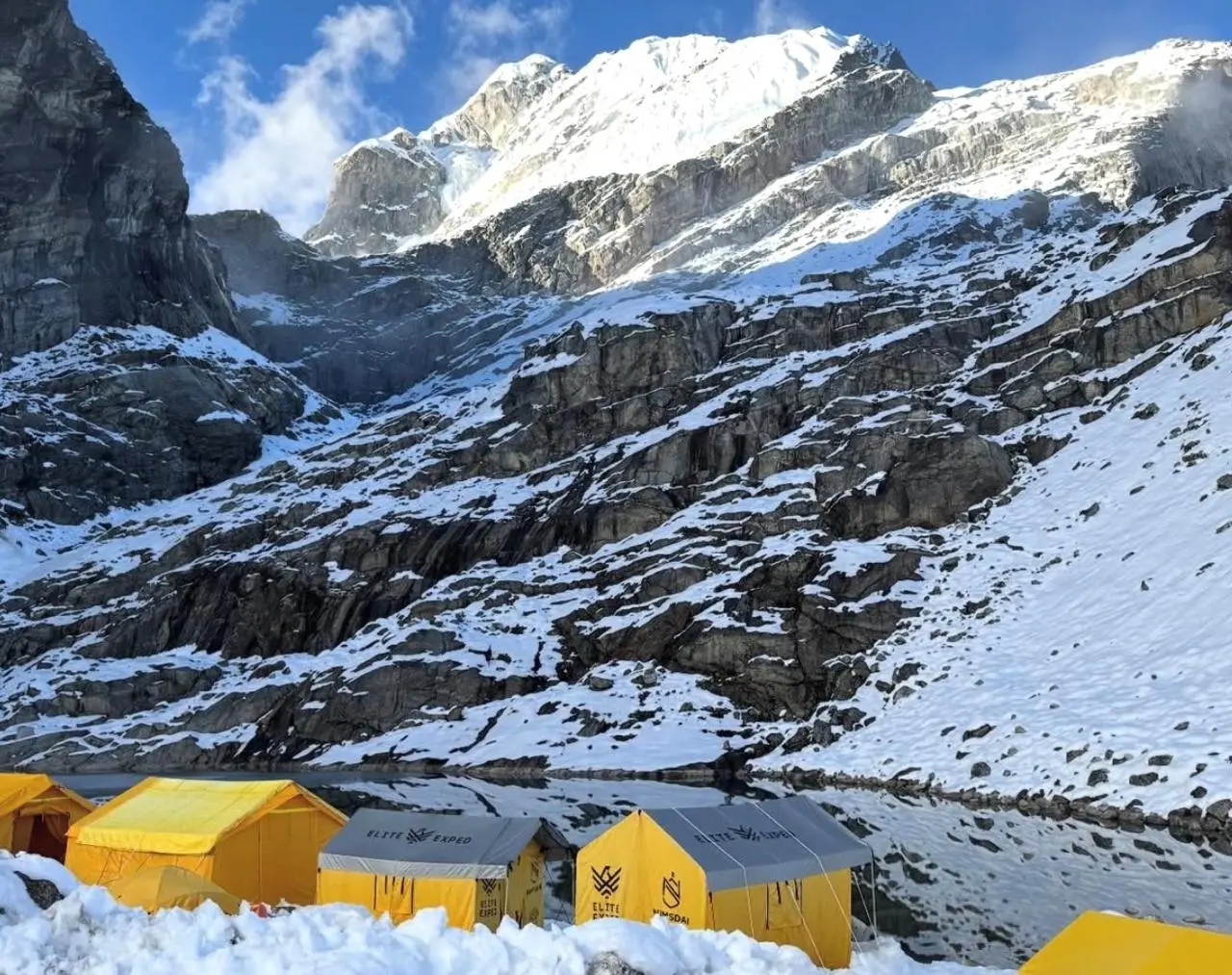
From Lobuche village at 4,940 m, the approach to high camp gains approximately 460 m across a mix of moraine, boulder, and snow terrain over three to four hours. High camp sits on a flat shelf at around 5,400 m on the west ridge of the mountain, with views across the Khumbu Glacier toward the Nuptse and Lhotse walls. The tents are fixed by our climbing Sherpa on the afternoon of Day 12 while the group rests at the base.
The summit day departure is at midnight or 1:00 a.m. from high camp. The route follows the west ridge northeast, gaining the main snow slope that leads to the upper ridge. The critical section is a 40 to 50-degree snow and ice slope below the summit crest where our climbing Sherpa has installed fixed ropes. Crampons and ascenders are used on this section, the technique is similar to Island Peak but the ridge beyond is narrower and more exposed. Total summit day time from high camp is eight to ten hours round trip. On descent we return to Lobuche village for the night, then begin the trek out the following morning.
Best Season, Weather, and Success Rate
October is the optimal month for the EBC and Lobuche East combination. Post-monsoon conditions bring stable high-pressure weather systems that typically last 10 to 14 days at a stretch, which is enough time to complete both objectives. The Lobuche East ridge in October carries firm, well-consolidated snow and ice, good crampon purchase, low avalanche risk. April is the second season with warmer temperatures but higher afternoon cloud probability on the summit ridge. We avoid November because post-monsoon cold fronts begin producing dangerous wind speeds on the upper ridge of Lobuche East, and the Khumbu Glacier approach deteriorates with early winter ice formation.
Operators with proper acclimatization programs and experienced guides report summit success rates of 70 to 80 percent on Lobuche East for parties that reach high camp in good condition. The main limiting factors are weather on summit day, individual acclimatization responses, and physical fatigue in the legs after 12 days of high-altitude trekking. We include a spare day at Lobuche (Day 13) to allow a second attempt if summit day conditions are unsafe. No refund is issued for a weather-prevented summit, this is the nature of high-altitude mountaineering, and we build the schedule to maximize the chance rather than guarantee the outcome.
Permits, Equipment, and What Is Included
Four permits are required for this trip: the Sagarmatha National Park entry permit (USD 30), the TIMS card (USD 10), the Khumbu Pasang Lhamu Rural Municipality fee (NPR 2,000), and the Nepal Mountaineering Association permit for Lobuche East (USD 250 per person for autumn season, USD 125 for spring). All four are included in the ETC package price. Technical climbing equipment, crampons, harness, locking carabiners, ascender, belay device, and climbing helmet, is also included. You need to supply or rent mountaineering boots suitable for crampons. Stiff-sole trekking boots may work on Lobuche East (unlike Island Peak, the angle is slightly less severe), but double plastic boots or telemark-style mountaineering boots are strongly preferred. Rentals are available in Kathmandu’s Thamel district for approximately USD 20 to 30 per day.
About Our Team
Susam Suywal leads all ETC Lobuche East departures. He holds a Nepal Tourism Board senior trekking guide license, an NMA-certified climbing guide qualification, and has reached the Lobuche East summit 22 times since 2012. All trekking guides and certified climbing Sherpas on ETC trips are registered with the Nepal Tourism Board, insured under Nepal government regulations, and paid at rates that meet or exceed the Trekking Agencies Association of Nepal recommended minimums. Our climbing Sherpa-to-client ratio on the Lobuche summit day is 1:2 maximum, ensuring each climber has direct support on the technical sections above high camp.
2026 Update: Lukla Flights and Permit Fees
Trekkers joining Everest Trekking Company in spring 2026 (March to May) should note that Lukla flights during the peak spring season often depart from Ramechhap airport rather than Kathmandu’s Tribhuvan International Airport. Ramechhap is approximately 3 hours by road from Kathmandu. We arrange shared jeep transfers for all groups departing from Ramechhap. Autumn departures (September to November) typically fly directly from Kathmandu.
Permit fees for 2026 remain: Sagarmatha National Park entry at NPR 3,000 (approximately USD 22) per person, and the Khumbu Pasang Lhamu Rural Municipality fee at NPR 3,000 (approximately USD 22) per person. Both are included in your Everest Trekking Company package price. A TIMS card (Trekkers Information Management System) is also included at NPR 2,000 (approximately USD 15).
EBC Trek with Lobuche Peak Climbing Cost for 2026 and 2027
The cost of the EBC Trek with Lobuche Peak Climbing ranges from USD 1,850 to USD 2,250 per person, depending on your group size. The larger the group, the lower the cost per person. Check the pricing table below and reach out via WhatsApp or email for a personalised quote.
| No. of Pax | Price Per Person | Inquiry |
|---|---|---|
| 1 | USD 2,250 | |
| 2 to 4 | USD 1,950 per person | |
| 5 to 8 | USD 1,895 per person | |
| 9 to 12 | USD 1,850 per person |
EBC and Lobuche Peak Climbing Highlights
- Summit Lobuche East (6,119 m), the peak directly above the Khumbu Glacier, first climbed by a German expedition in 1984
- Reach Everest Base Camp (5,364 m) at the foot of the Khumbu Icefall, then Kala Patthar (5,545 m) for the finest Everest view without a climbing permit
- NMA climbing permit (USD 250 autumn), certified climbing Sherpa, all technical gear, and fixed ropes on the summit ridge, all included
- 17-day itinerary built around three nights above 5,000 m before the Lobuche summit attempt, the best acclimatization structure available
- Acclimatization hike to Nangkartshang Peak (5,083 m) on Day 7, controlled 5,000 m exposure four days before the Lobuche high camp
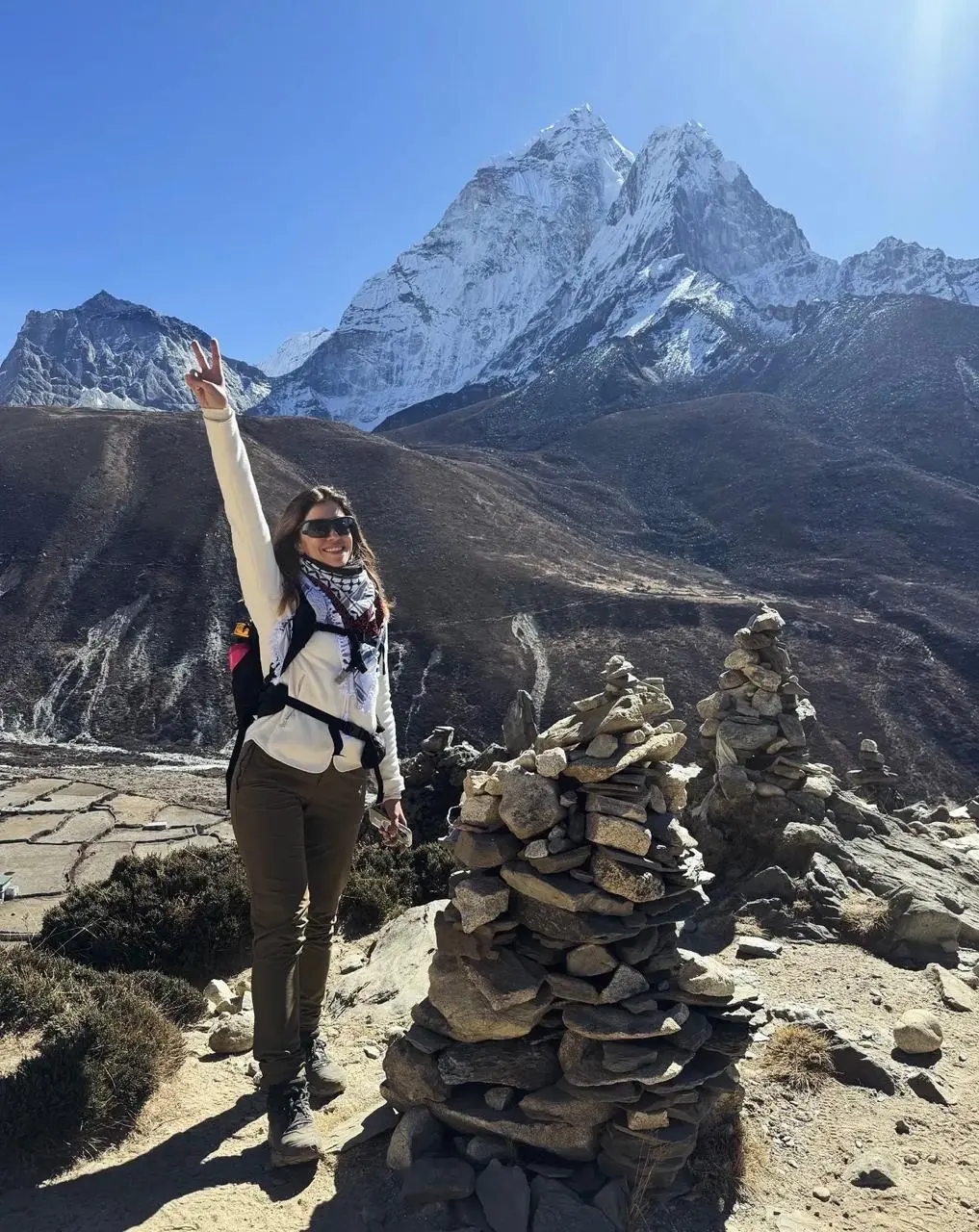
- Tengboche Monastery at 3,860 m with direct Ama Dablam (6,812 m) views from the courtyard
- Lobuche High Camp at 5,400 m on the west ridge, tented camp with full meals prepared by our kitchen crew
- Spare summit day on Day 13, if conditions prevent the Day 12 attempt, we wait and try again
- Climbing Sherpa to client ratio of 1:2 maximum on summit day, no queuing, no bottlenecks on the exposed upper ridge
- Fly Lukla to Kathmandu and farewell dinner on Day 16, the complete Khumbu climbing package in 17 days