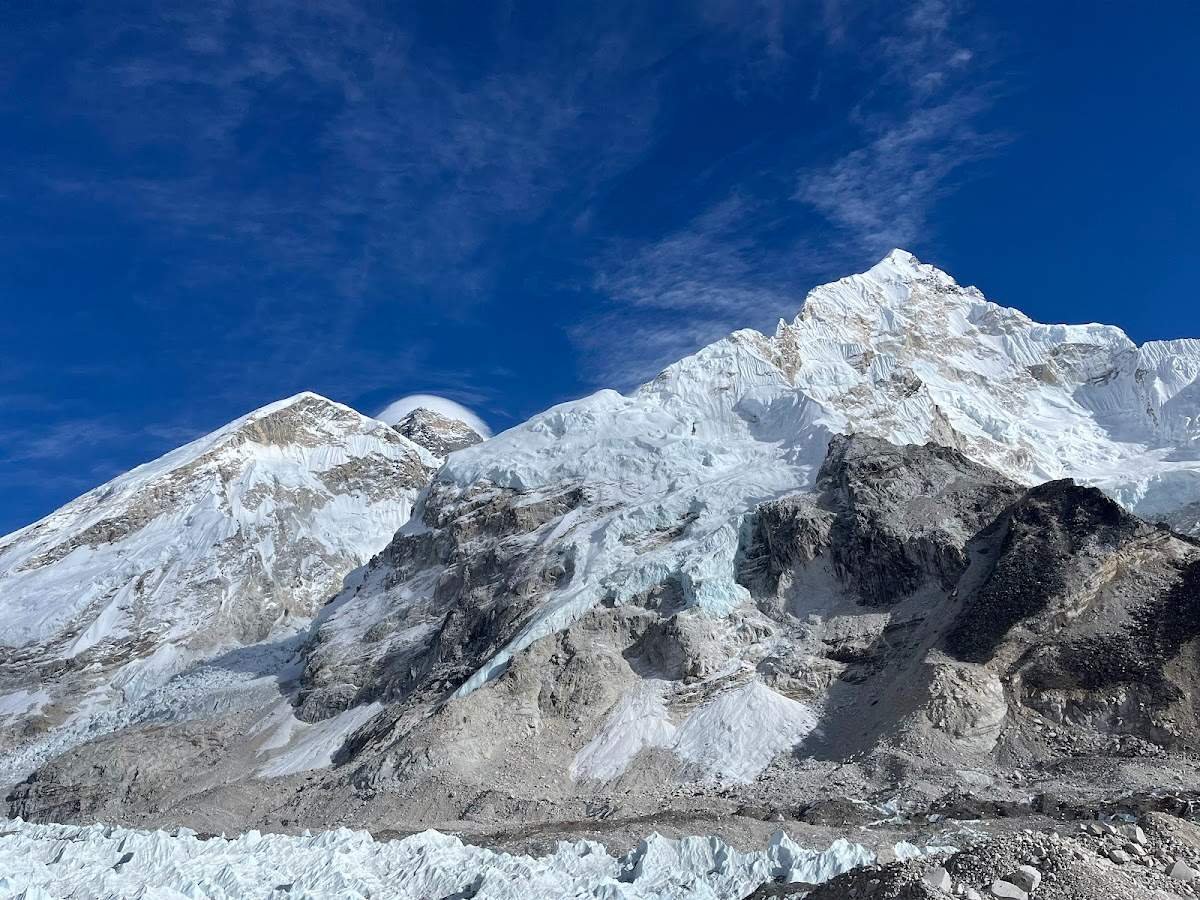
By Kiran Basnet, Licensed Trekking Guide, Everest Trekking Company, Kathmandu
After more than a decade of guiding treks to Everest Base Camp, I have watched trekkers arrive with overstuffed 25 kg duffels they can barely lift off the Lukla tarmac. I have also guided trekkers who arrived with the perfect kit, and never once thought about their gear after Day 1 because everything they needed, they had, and nothing they were carrying was wasted weight.
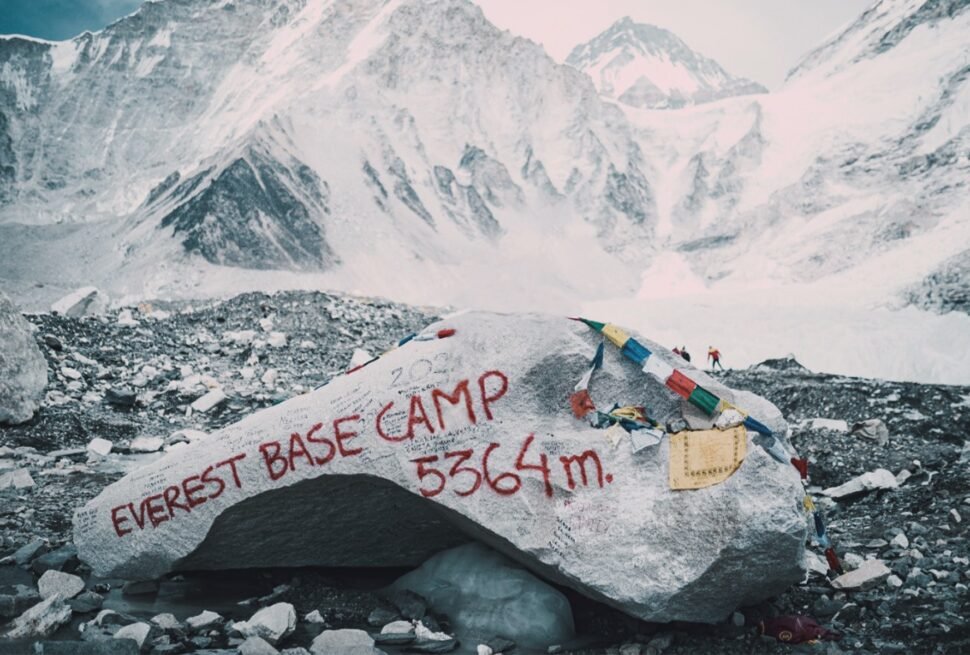
The difference between those two types of trekker almost always comes down to planning. Getting your EBC packing list right is not about owning expensive gear, it is about understanding what conditions you’ll actually face between 2,860 metres in Lukla and 5,364 metres at Everest Base Camp, and matching your kit precisely to those conditions.
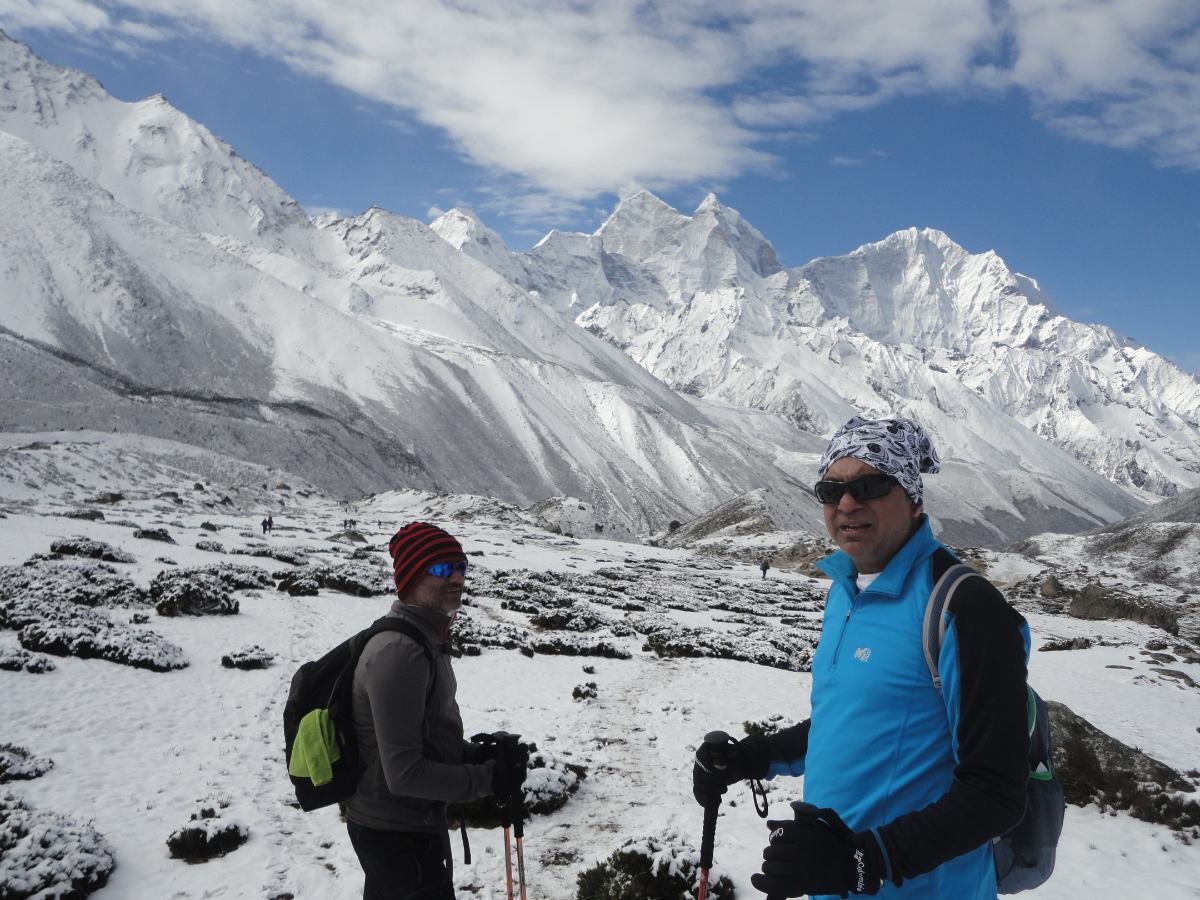
This guide covers everything: clothing, footwear, sleep system, accessories, documents, medicine, and what you can rent or buy in Kathmandu instead of lugging from home. Use the table of contents to jump to the section you need.
Packing Philosophy: The Two-Bag System
Every EBC trekker carries two bags:
- Main duffel bag (70–90L), carried by your porter. This holds everything you don’t need during the walking day: extra clothing layers, your sleeping bag, main toiletries. Maximum weight: 15 kg (most agencies cap it at 10–12 kg per porter).
- Day pack (25–35L), carried by you. This holds what you need while walking: water, camera, snacks, rain jacket, warm layer, first aid kit, sunscreen, documents. Target weight: 7–10 kg.
Everything goes in one of these two bags. Nothing else. The 15 kg baggage limit on Lukla flights (10 kg checked + 5 kg hand carry) enforces this discipline for you on Day 1, the total weight of both bags must fit within that limit at check-in.
Planning Your Everest Trek?
Get local expert advice on cost, itinerary and the best time to go.
The Layering System: How to Stay Warm Without Overpacking
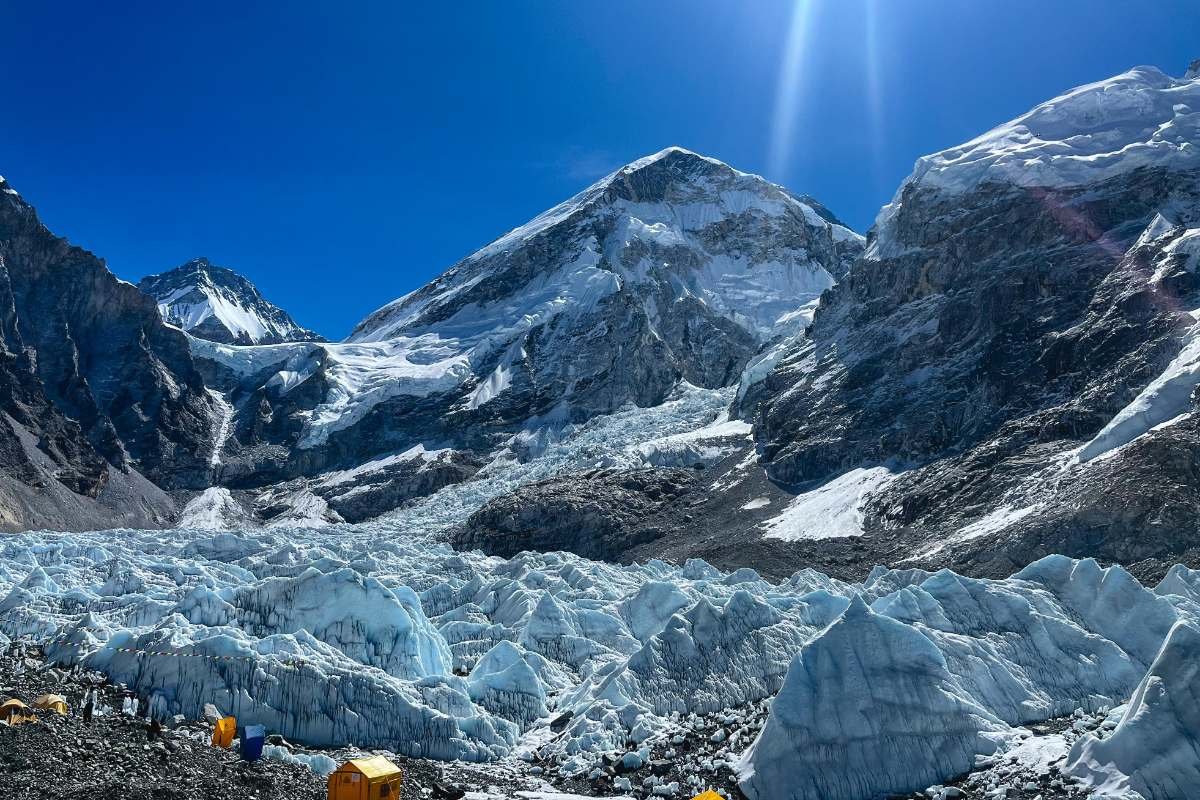
The Khumbu temperature range is extreme: warm enough for a t-shirt at midday in Namche (3,440m) in October, and cold enough for full winter expedition gear at Everest Base Camp (-10 to -20°C at night in spring). The solution is not to pack for both, it is to pack layers that combine to cover the full range.
Base Layer (worn against skin)
The base layer manages moisture. When you’re trekking uphill, you sweat. A cotton base layer soaks moisture and holds it against your skin, leaving you cold and potentially hypothermic when you stop moving. Merino wool or synthetic (polypropylene) wicks moisture away and continues to insulate even when damp.
- 2 merino wool or synthetic long-sleeve base layer tops
- 2 merino wool or synthetic short-sleeve base layer tops (for warmer days at lower altitude)
- 2 merino wool or synthetic thermal long underwear (bottom)
Do not bring cotton base layers. “Cotton kills” is not an exaggeration in high-altitude mountain environments.
Mid Layer (insulation)
The mid layer traps warm air. Fleece is ideal, it insulates well, dries quickly, and is breathable for moving activity.
- 1 heavyweight fleece jacket (250–300 weight), your main mid layer above Namche
- 1 lightweight fleece or softshell jacket, for lower-altitude and walking-pace warmth
- 1 pair fleece trousers, for evenings in teahouses and cold nights
Outer / Insulated Layer (warmth)
Above 4,000 metres, especially at Gorakshep (5,164m) and Everest Base Camp (5,364m), temperatures drop sharply. This is where your down jacket earns its place.
- 1 down jacket, 700–800 fill power minimum. This is the single most important clothing item for the upper Khumbu. Do not underestimate EBC night temperatures.
Shell Layer (wind and waterproofing)
The shell layer does not insulate, it protects. A quality waterproof jacket keeps rain, wind, and driving snow off your insulating layers.
- 1 waterproof/windproof hardshell jacket (Gore-Tex or equivalent), essential. This goes in your daypack every day.
- 1 pair waterproof trekking trousers or hardshell pants
Complete EBC Packing List
Head, Face and Neck
| Item | Notes |
|---|---|
| Wide-brim sun hat | Essential, UV at altitude is intense even in cloud |
| Warm knit hat / beanie | Covers ears; worn from Namche upwards, especially at night |
| Balaclava | For Gorakshep, EBC, and Kala Patthar (5,545m) summit attempts |
| Neck gaiter or buff | Multi-purpose: neck, lower face, ear warmth when brimmed hat not enough |
| Headlamp (+ spare batteries) | Teahouses have unreliable electricity; pre-dawn Kala Patthar summit starts require this |
| Glacier / mountaineering sunglasses | Category 4 lenses. Standard sunglasses are insufficient at 5,000m+, snow blindness risk is real |
Upper Body Clothing
| Item | Quantity | Notes |
|---|---|---|
| Merino/synthetic short-sleeve top | 2 | Base layer for lower altitude and rest days |
| Merino/synthetic long-sleeve top | 2 | Primary base layer for most of the trek |
| Lightweight fleece or softshell | 1 | Mid layer for walking |
| Heavyweight fleece jacket | 1 | Primary warmth layer above Namche |
| Down jacket (700+ fill) | 1 | Essential above 4,000m and at night |
| Waterproof hardshell jacket | 1 | Goes in daypack daily |
Lower Body Clothing
| Item | Quantity | Notes |
|---|---|---|
| Thermal long underwear | 2 | Merino or synthetic; not cotton |
| Trekking trousers | 2 | Zip-off convertible trousers are practical for variable temps |
| Fleece trousers | 1 | For evenings and sleeping cold nights above Dingboche |
| Waterproof shell trousers | 1 | For rain, snow, and wind in upper Khumbu |
| Underwear | 3–4 | Merino or synthetic; pack extra |
Gloves
| Item | Notes |
|---|---|
| Lightweight liner gloves | Worn alone on mild days; under outer shell on cold days |
| Waterproof outer shell gloves or mittens | For Gorakshep and above; windchill makes thin gloves inadequate at 5,000m+ |
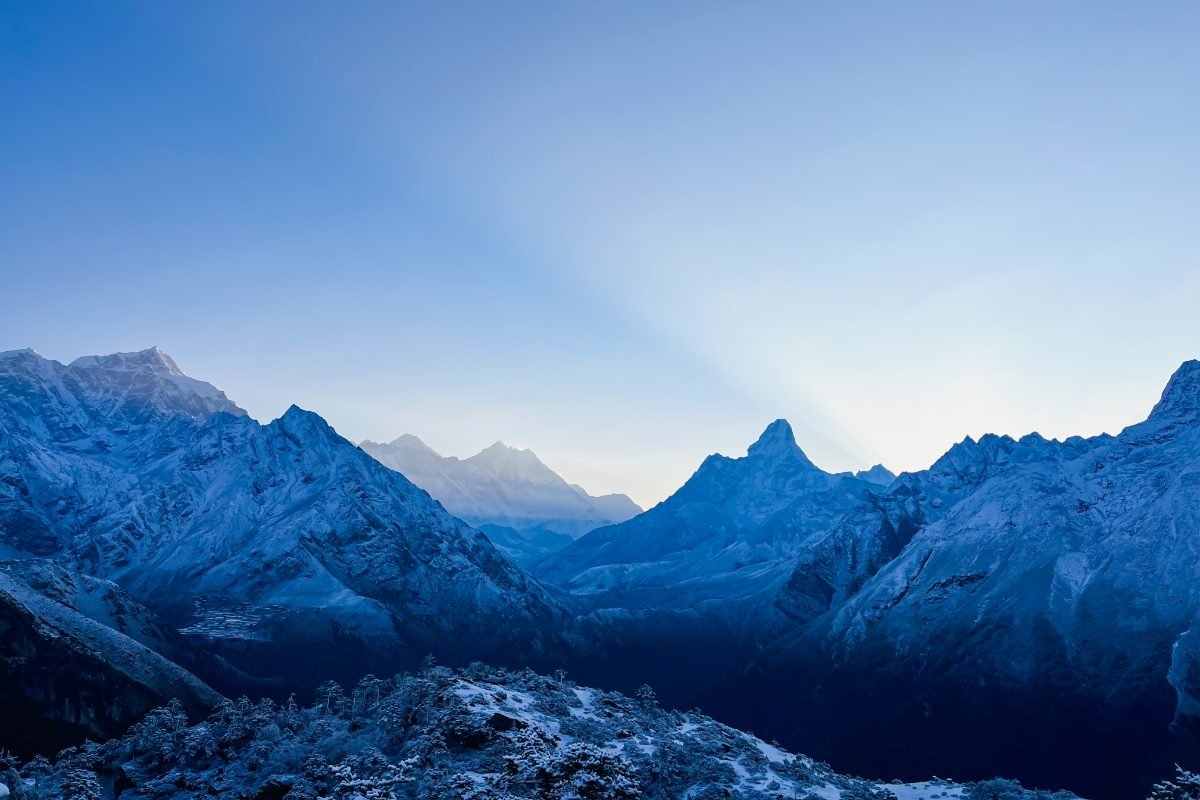
Footwear
| Item | Notes |
|---|---|
| Trekking boots (waterproof, ankle support) | The most important item on this list. Must be broken in before the trek, new boots cause blisters. B1 mountain boot rating or equivalent for upper altitudes. |
| Trail runners or trainers | For lower-altitude sections (Lukla to Namche), village walks, rest day comfort |
| Camp sandals or flip flops | For teahouse evenings and showers, your feet will thank you |
| Thick hiking socks | 3–4 pairs; merino wool preferred for temperature and odour control |
| Thin liner socks | 2–3 pairs; worn inside hiking socks to prevent blisters |
| Gaiters (optional) | Useful in snow above Lobuche; lightweight gaiters are sufficient |
Bags and Carrying Equipment
| Item | Notes |
|---|---|
| Main duffel bag (70–90L) | Soft-sided for Lukla baggage hold; waterproof or with rain cover. Carried by porter. |
| Daypack (25–35L) | Carried by you daily. Needs to fit: water, warm layers, rain jacket, camera, snacks, first aid. |
| Dry bags or stuff sacks | To organise and waterproof contents inside both bags |
| Small padlock | For locking your duffel, standard practice on Nepal treks |
Sleep System
| Item | Notes |
|---|---|
| Sleeping bag rated to -15°C to -20°C | Teahouses provide blankets but they are inadequate above Dingboche. Bring your own bag. -15°C minimum rating for spring and autumn; -20°C for winter. Down fill is warmest; synthetic fills if budget-conscious. |
| Sleeping bag liner (optional) | Adds 5–8°C of warmth; keeps your sleeping bag clean |
Trekking Accessories
| Item | Notes |
|---|---|
| Trekking poles (pair) | Highly recommended, reduce knee impact on descents and support balance on uneven rocky terrain. Collapsible for Lukla flight. Rentable in Kathmandu/Namche. |
| Water bottles (2 × 1L Nalgene) | Hard-sided plastic is practical and durable. Carry two, one in your bag, one accessible. |
| Hydration bladder 2–3L (optional) | Allows hands-free hydration while walking |
| Water purification tablets or filter | Boiled water available in teahouses, but purification tablets are an essential backup. Iodine or Aquatabs. |
| Portable power bank | Charging in teahouses costs USD 2–5 per device. A 20,000 mAh bank handles 4–5 days between top-ups. |
| Solar charger (optional) | Useful in winter when teahouse power is less consistent |
Toiletries
| Item | Notes |
|---|---|
| Biodegradable soap / shampoo | In solid bar form to save weight and comply with eco standards |
| Toothbrush and toothpaste | – |
| Toilet paper + lighter | Toilet paper is not always provided; burn waste where facilities require it |
| Hand sanitiser (200ml minimum) | Critical for preventing gastrointestinal illness on the trail |
| Wet wipes | Showers are infrequent above Namche, wipes substitute between proper washing |
| Microfibre towel | Quick-drying; teahouses rarely provide towels |
Sun Protection
| Item | Notes |
|---|---|
| Sunscreen SPF 50+ | At 5,000m, UV intensity is approximately 50% higher than at sea level. Apply every 2 hours regardless of cloud cover. |
| Lip balm with SPF | Lips burn and crack at altitude, UV + cold + low humidity. Bring multiple tubes. |
First Aid and Medication
| Item | Notes |
|---|---|
| Diamox (acetazolamide) | Altitude sickness prevention and treatment. Consult your doctor before the trek, discuss dosage (125–250mg twice daily is standard). Start 1 day before ascending to altitude. |
| Ibuprofen | For pain, inflammation, and altitude headaches |
| Paracetamol | Headache and fever management |
| Antihistamine | For dust allergy (Khumbu dust is significant in dry months) and sleep aid |
| Loperamide (Imodium) | For gastrointestinal emergency, stomach illness on the trail is common |
| Oral rehydration salts | Critical for rehydrating after illness or exertion |
| Broad-spectrum antibiotic (prescription) | Discuss with your doctor, for serious gastrointestinal infection or chest infection at altitude |
| Blister kit | Compeed or moleskin; needle; antiseptic wipes |
| Elastic bandage | Knee and ankle support |
| Antiseptic cream and plasters | Small cuts and abrasions |
| Throat lozenges | Khumbu cough, the dry cold air at altitude causes persistent cough in many trekkers |
| Pulse oximeter | Monitors blood oxygen saturation, tells you objectively whether to rest, acclimatise, or descend. Costs USD 15–25 and is one of the most valuable items on this list above 4,000m. |
| Personal prescriptions | Bring double what you need, mountain pharmacies do not stock unusual medications |
Documents and Money
| Item | Notes |
|---|---|
| Passport (original) | Required for permit checks, carry original, not a photocopy |
| Copies of all documents | Passport, visa, insurance, permits, store copies separately from originals and in email |
| Travel insurance documents | Must cover high-altitude trekking and helicopter rescue to 6,000m+. Print a copy and save digitally. |
| Nepal entry visa | Available on arrival at Tribhuvan International Airport (TIA), USD 30 (15 days), USD 50 (30 days), USD 125 (90 days) |
| Trekking permits | Your agency arranges these: Sagarmatha National Park Entry Permit (NPR 3,000) and Khumbu Pasang Lhamu Rural Municipality Permit (NPR 2,000). Keep them accessible, permit checks occur multiple times. |
| USD cash | ATMs exist in Namche but are unreliable above that. Bring USD 500–800 in mixed denominations. Teahouses accept cash; card payment is uncommon and exchange rates are unfavourable. |
Electronics
| Item | Notes |
|---|---|
| Camera or smartphone | – |
| Universal power adapter | Nepal uses Types C, D, and M sockets, bring a universal adapter |
| Portable power bank (20,000 mAh) | Charging costs USD 2–5 per session in teahouses; a power bank reduces this significantly |
| Memory cards (extra) | If using a dedicated camera |
| Headphones | For long teahouse evenings and flights |
What to Rent or Buy in Kathmandu
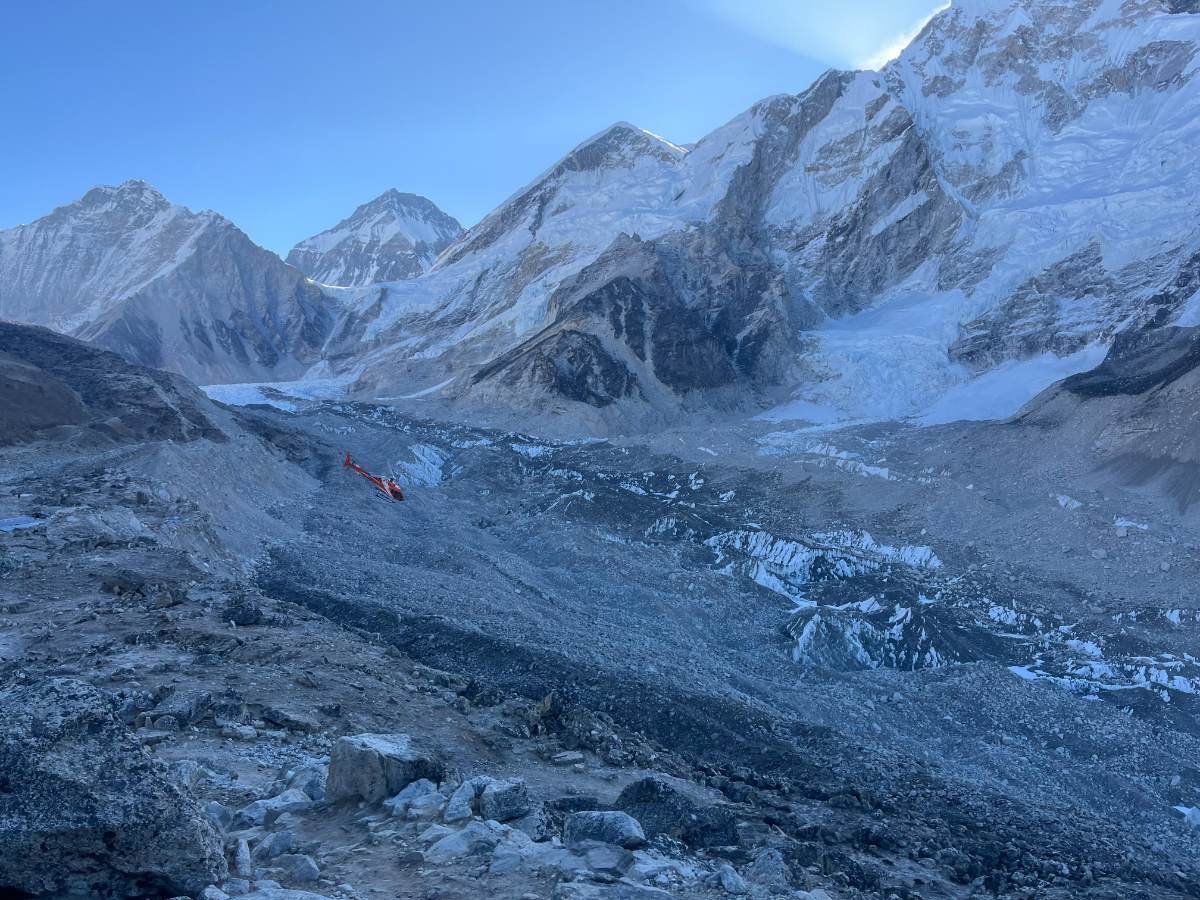
Kathmandu’s Thamel district is one of the best trekking gear markets in Asia. Both original equipment and high-quality local replicas are available at a fraction of Western prices. Renting major gear items saves significant luggage weight and cost.
| Item | Rent or Buy in Kathmandu | Approximate Cost |
|---|---|---|
| Down jacket (700+ fill) | Rent or buy | Rent: USD 1–2/day; Buy: USD 30–80 |
| Sleeping bag (-15°C to -20°C) | Rent or buy | Rent: USD 1–2/day; Buy: USD 40–100 |
| Trekking poles | Rent or buy | Rent: USD 1/day; Buy: USD 10–20 |
| Trekking boots | Buy only (not recommended to rent) | USD 40–100, must break in before trek |
| Daypack (30L) | Buy | USD 15–40 |
| Main duffel bag | Buy | USD 20–50 |
| Waterproof jacket | Buy | USD 30–80 |
| Trekking trousers | Buy | USD 15–40 |
Recommendations on renting vs. buying: Rent your sleeping bag and down jacket if they’re only for this one trek and you don’t own expedition-rated kit. Buy boots, poorly fitted rental boots cause blisters and are not worth the saving. Buy your base layers, they’re lightweight, inexpensive in Thamel, and you’ll want them to fit perfectly.
What to Leave at Home (or in Your Kathmandu Hotel)
- Hard-sided suitcases, impossible to load onto small Lukla-bound aircraft
- Heavy textbooks or novels, download digital books before you leave; some teahouses have book swaps
- Excessive toiletries, travel-size only; you’re trekking, not checking into a hotel
- Multiple pairs of jeans, jeans are heavy, slow to dry, and uncomfortable for walking. Leave all denim at home.
- Laptop, bring a tablet or rely on your smartphone; a laptop is heavy and fragile for mountain conditions
- Towels from your hotel, bring a quick-dry microfibre travel towel instead
- Valuables beyond what you need, expensive jewellery, second laptops, unnecessary electronics
Store anything you don’t need in a locked bag at your Kathmandu hotel. Almost every Thamel hotel offers free or low-cost luggage storage while you trek.
Planning Your Everest Trek?
Get local expert advice on cost, itinerary and the best time to go.
Weight Distribution Guide
| Bag | Target Weight | What Goes In It |
|---|---|---|
| Main duffel (porter carries) | 10–12 kg max | Sleeping bag, down jacket, extra clothing layers, fleece trousers, thermal underwear, camp sandals, toiletries, medicine, extra food |
| Daypack (you carry) | 7–10 kg | Water (2L minimum), camera, rain jacket, one warm layer, snacks, first aid kit, sunscreen, lip balm, headlamp, poles (packed), documents, pulse oximeter |
| Combined Lukla flight weight | 15 kg maximum | 10 kg checked + 5 kg hand carry |
Seasonal Packing Adjustments
Spring (March–May)
Peak trekking season. Temperatures at EBC: -5°C to 0°C day, -10°C to -15°C night. Pack your full kit as above. The down jacket and sleeping bag rated to -15°C are mandatory. Mornings are clear; afternoon clouds develop. Expect some snow above Lobuche.
Autumn (September–November)
The other peak season. Temperatures similar to spring but progressively colder through November. Late November temperatures at EBC can drop to -25°C at night, winter-rated sleeping bag advisable. Early October has the most stable weather and is many guides’ favourite time of year.
Winter (December–February)
Cold. EBC temperatures at night: -25 to -30°C. Additional items: heavier down gloves, balaclava (essential, not optional), sleeping bag rated to -20°C or below, hand warmers. Upgrade your down jacket to expedition weight. Winter trekkers need significantly more cold protection, this is not a season for budget or rented kit.
Monsoon (June–August)
Not recommended for most trekkers. Rain every day, leeches below 3,000m, cloud obscures mountain views. If you trek in monsoon: double your waterproofing, bring extra dry bags for everything, add gaiters for lower sections, pack insect repellent. Views at EBC are rare, plan for clouds on most days.
Frequently Asked Questions: EBC Packing
How heavy should my EBC pack be?
Your daypack, the bag you carry yourself, should weigh 7–10 kg. Your main duffel (carried by your porter) should be 10–12 kg maximum, with a hard cap of 15 kg for the Lukla flight (both bags combined: 10 kg checked + 5 kg hand carry). First-time trekkers consistently overpack, if you’re unsure whether to bring something, leave it. You can buy most items in Kathmandu or Namche if you find you need them.
What sleeping bag do I need for EBC?
A sleeping bag rated to at least -15°C for spring (March–May) and autumn (September–November) treks. For winter, -20°C to -25°C rated bags are necessary. Teahouses provide blankets but above Dingboche (4,410m) they are insufficient on their own, your sleeping bag is what keeps you warm at night. Down fill gives the best warmth-to-weight ratio; synthetic is heavier but performs better if it gets damp.
Do I need a down jacket for EBC?
Yes, absolutely. A quality down jacket (700–800 fill power) is the single most important clothing item for the upper Khumbu. Temperatures at Everest Base Camp drop to -10 to -20°C at night during spring and autumn seasons. Teahouse common rooms are cold and unheated above Namche. The down jacket goes on every evening at Lobuche (4,940m) and Gorakshep (5,164m).
What boots should I wear for EBC?
Waterproof trekking boots with ankle support are the minimum requirement. The trail between Lukla and EBC includes rocky, uneven terrain, ice and snow patches above Lobuche, and stream crossings. A B1 or B2 mountain boot rating is ideal for the upper sections. Most importantly: break your boots in thoroughly before departure. New boots will cause blisters that derail a trek far more reliably than altitude sickness. Wear them on long day hikes for at least a month before your trek.
Can I buy gear in Kathmandu?
Yes. Kathmandu’s Thamel district has extensive trekking gear shops with both genuine brands and high-quality replica equipment. You can buy or rent almost everything you need there, down jackets, sleeping bags, trekking poles, base layers, waterproof jackets, boots. If budget is a concern, buying in Kathmandu is a practical option for most items. Budget USD 200–400 for a complete basic kit if buying everything there.
Do I need trekking poles for EBC?
Highly recommended, especially on descents. The downhill sections between Lobuche and Pangboche, and the final descent from Namche to Lukla, put significant stress on knees. Trekking poles reduce the impact, help with balance on rocky terrain, and speed up downhill sections considerably. They collapse for the Lukla flight. You can rent decent poles in Kathmandu or Namche for approximately USD 1 per day.
Is a pulse oximeter worth bringing?
Yes. A small, clip-on pulse oximeter is one of the most useful items on the EBC packing list. It measures your blood oxygen saturation (SpO2) and pulse rate, the two key indicators of how your body is adapting to altitude. At sea level, SpO2 is 95–100%. At EBC (5,364m), values of 75–85% are normal. If your SpO2 drops below 70% or continues falling despite rest, it’s a clear signal to descend. Many mountain lodges and the Himalayan Rescue Association clinic at Pheriche have oximeters, but having your own gives you daily visibility of your acclimatisation progress. Cost: USD 15–25.
What should I NOT bring to EBC?
Hard-sided suitcases (impossible to load on small aircraft), cotton base layers (dangerous when wet and cold), heavy textbooks, excessive toiletries, jeans, a laptop (heavy and fragile), valuables beyond what you need. The discipline is in what you leave behind, not what you bring. When in doubt, leave it in Kathmandu hotel storage.
Book Your EBC Trek with Full Gear Support
Every Everest Trekking Company trekker receives a detailed packing list and pre-trek gear consultation before departure. We also organise gear rental coordination in Kathmandu for any major items you don’t bring from home, sleeping bags, down jackets, and trekking poles on request.
📞 WhatsApp / Call: +9779869225929
📧 Email: info@everesttrekkingcompany.com
- Everest Base Camp Trek, Classic 14-Day Package
- EBC Trek for Beginners: Complete Guide
- Lukla Flight Guide: What Every EBC Trekker Needs to Know
- Best Time for EBC Trek: Month-by-Month Guide
Packing for Altitude: Special Considerations Above 4,000 Metres
Packing for the Everest Base Camp trek involves considerations that go beyond a standard hiking trip. Altitude, cold, remoteness, and the multi-week duration all affect what belongs in your pack. The following sections address the highest-priority packing decisions and the most common mistakes made by first-time EBC trekkers.
Sleeping Bag: The Most Critical Gear Decision
More trekkers are miserable at altitude because of an inadequate sleeping bag than for any other single equipment reason. Teahouses above 4,000 m are unheated at night. Temperatures inside your room at Lobuche (4,910 m) or Gorak Shep (5,164 m) can drop to -10°C or colder in winter months and -5°C to 0°C even during the shoulder seasons. Your sleeping bag is the primary defence against this cold.
The minimum specification for EBC trekking: a sleeping bag rated to -15°C (extreme rating) or -10°C (comfort rating). Down is the preferred fill for high-altitude trekking — it compresses to a smaller pack size and provides better warmth-to-weight ratio than synthetic alternatives. The trade-off is that down loses insulation value when wet — always carry your sleeping bag in a waterproof dry bag inside your main pack.
Top recommended sleeping bags for EBC (in 2025–2026): The Rab Neutrino 400 (-15°C comfort), Mountain Hardwear Phantom 0°F, and Sea to Summit Spark SP IV (-9°C comfort) are all excellent choices. If budget is a concern, sleeping bag rentals are available in Kathmandu (Thamel district) for approximately USD 2–5 per day — a 14-day rental runs USD 28–70, making it cost-competitive with purchasing a lower-quality bag. Everest Trekking Company can connect you with reputable rental suppliers during your Kathmandu pre-trek day.
Footwear: Comfort Over Distance
Your boots will cover approximately 130 km of varied terrain over 14 days. Getting footwear right is critical for both comfort and injury prevention. The non-negotiable requirements: waterproofing (the Khumbu trail crosses glacial streams, damp forest sections, and potentially snowy sections above 4,500 m), ankle support (the trail is rocky and uneven, and tired legs increase ankle roll risk), and sufficient insulation (above 5,000 m, feet get cold even during the day).
The most important footwear advice: break your boots in before you arrive. Wearing new boots on the Khumbu trail will cause blisters within 48 hours. Your boots should have at least 80–100 km of walking on them before you fly to Lukla. If you have not broken in your boots in the weeks before departure, a comfortable trail shoe (like a Salomon X Ultra) paired with thick wool socks is a better choice than stiff new leather boots.
Additional footwear items: Bring lightweight camp shoes (sandals or Crocs) for wearing inside teahouses — your trail boots will be cold and damp in the evenings. Bring lightweight running shoes or trail shoes for the Kathmandu days and the airport. Your guide from Everest Trekking Company can advise on footwear during the pre-trek briefing.
Electronics and Power Management
Power availability on the Khumbu trail is limited and expensive above Namche. Teahouses charge NPR 200–500 per device per charge above 3,500 m, and power is typically only available in the evening dining room for 3–4 hours. Managing your electronics carefully is essential for a 14-day trek.
Essential electronics for EBC: a high-capacity power bank (20,000 mAh minimum — enough to charge a smartphone 5–6 times), a headlamp with spare batteries (critical for early morning departures and pre-dawn Kala Patthar summit attempt), a camera or phone with adequate storage, and a basic GPS device or offline map app as a navigation backup. Optional but useful: a Kindle or similar e-reader for rest days, lightweight earphones for trail motivation, and a satellite communicator (Garmin InReach) for trekkers who want communication capability beyond mobile network coverage (mobile networks typically cover up to Namche Bazaar — above that, coverage is sparse). All electronics should be kept in insulated pouches overnight at high altitude, as battery performance degrades rapidly in cold conditions.
Trekking Poles: Not Optional Above 4,000 Metres
Trekking poles are genuinely transformational above 4,000 m. They reduce knee impact on descents by approximately 25–30% (critical over the 5–6 hour descents from Base Camp back to Namche), improve balance on rocky and icy sections, and provide an additional point of contact on steep terrain. Many trekkers attempt EBC without poles and regret it — particularly the descent from Kala Patthar and the long trail home from Gorak Shep.
Adjustable, collapsible carbon-fibre poles (Black Diamond Distance Carbon or Leki Micro Vario Carbon) pack easily in airline luggage and weigh under 250g per pole. Telescoping aluminium poles (heavier but more durable and cheaper) are also widely available to rent in Namche Bazaar for approximately USD 2–3 per day. For your complete, personalised packing list tailored to your travel dates and experience level, book a consultation with Everest Trekking Company when you reserve your Everest Base Camp Trek package.
What to Leave Behind
Overpacking is as common a mistake as underpacking on the EBC trek, and it is arguably more damaging to your enjoyment. Every extra kilogram in your pack translates directly into additional fatigue over 14 days and 130+ km of high-altitude trekking. A practical rule: lay out everything you plan to pack, then remove one-third of it. You will not regret leaving things behind — you will regret carrying them.
Specific items commonly over-packed: multiple changes of casual clothing (you will wear the same 2–3 trail outfits repeatedly — no one on the trail cares), large toiletries (the smallest practical sizes only — teahouses have basic facilities and you will not be showering above Namche very often), heavy guidebooks (use apps or lightweight printed itinerary pages), and multiple camera lenses (one versatile zoom covers 90% of EBC photography opportunities). Denim, cotton jeans, and heavy non-technical clothing should be left at your hotel in Kathmandu.
Duffle Bag for Porter vs. Daypack for You
When trekking with Everest Trekking Company, you carry only a daypack (5–8 kg maximum including water and layers) and your main gear travels in a duffle bag carried by your personal porter. The standard duffle bag provided by our team is a 65–80 litre durable bag — pack everything that is not needed during the day’s walk in here. This system allows you to enjoy the trail without the burden of a heavy pack, reserving your energy for altitude management and scenery appreciation.
Your daypack should contain: water bottles or hydration bladder (3 litres minimum capacity), snacks for the day, rain jacket and wind shell (weather changes rapidly above 4,000 m), warm fleece or down layer, camera, sunscreen, lip balm, personal first aid items, Diamox, headlamp, and any valuables. Trekking poles attach to the outside of your daypack when not in use.
For the complete official packing list used on all Everest Trekking Company EBC departures, visit our booking page or contact our team. We send all confirmed clients a detailed packing guide 8 weeks before departure, including current conditions and any season-specific additions recommended by our guides who trekked the route most recently. Book your Everest Base Camp Trek today and get the gear list that actually works.
Final Gear Check Before Lukla
The night before flying to Lukla, lay out every item from your packing list and check it against the actual forecast for the Khumbu over the next 14 days (weather apps like Mountain Forecast provide reasonably accurate 7-day outlooks for the Khumbu valley). Any unnecessary weight should be left at your Kathmandu hotel in the storage bags that most hotels provide free of charge. When you book your Everest Base Camp Trek with Everest Trekking Company, our guides conduct a brief gear check during the Kathmandu pre-trek briefing and flag any critical missing items — there is still time to buy or rent gear in Thamel if anything essential is absent. Start packing thoughtfully and trek comfortably all the way to Base Camp.
The right gear transforms the EBC trek from an ordeal into an adventure. Invest in quality where it counts (sleeping bag, boots, outershell), rent or economise on everything else. Everest Trekking Company guides have personally tested hundreds of gear combinations across all seasons on the Khumbu — we know what works and what fails above 5,000 m. Book your Everest Base Camp Trek and access our complete gear expertise from day one of the planning process.
The perfect pack for EBC is a personal calculation — but it always includes a quality sleeping bag, waterproof layers, broken-in boots, and the discipline to leave unnecessary weight behind. Trust the team at Everest Trekking Company with over a decade of Khumbu experience, and trek the Everest Base Camp Trek with everything you need and nothing you don’t.
Planning Your Everest Trek?
Get local expert advice on cost, itinerary and the best time to go.