By Kiran Basnet, Licensed Trekking Guide, Everest Trekking Company, Kathmandu
Every week I get messages from people asking the same question: “I’ve never trekked before, can I really do Everest Base Camp?” My answer is always the same. Yes. Absolutely yes. But let me be honest with you about what that actually means, because the answer requires a bit more than just “yes.”
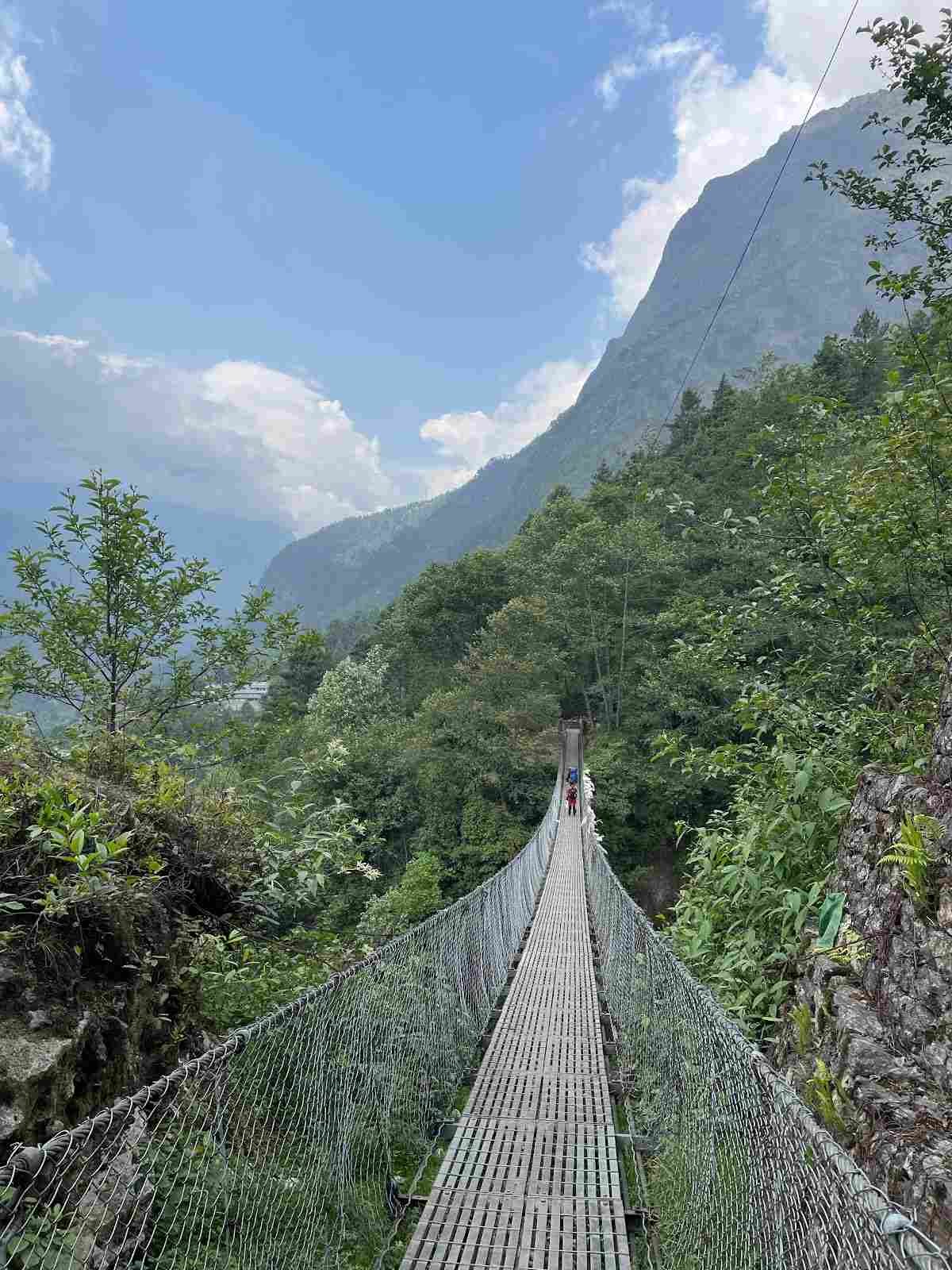
The Everest Base Camp trek is not a technical climb. There are no ropes, no crampons, no ice axes. It is a long-distance walk along trails that have been used for generations by Sherpa families, yak herders, and pilgrims. Every year, thousands of people with zero prior trekking experience reach Base Camp at 5,364 metres. Office workers. Schoolteachers. Grandparents. People in their 60s and 70s. People who had never worn a trekking boot before buying one for this trip. They all make it.
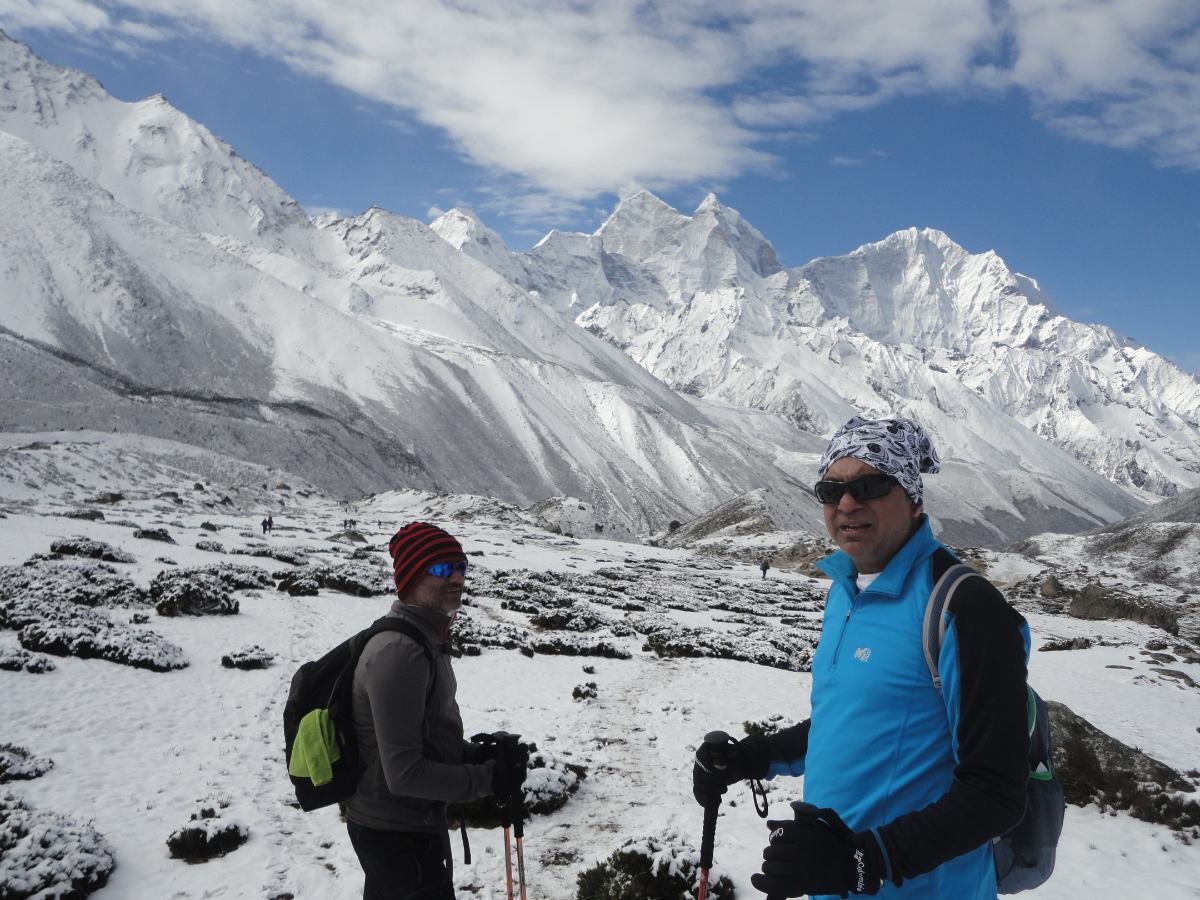
But here is what they have in common: they prepared properly, they chose the right itinerary, and they respected the altitude. That last one, the altitude, is the only thing that will stop you if you’re not careful. Not the distance, not the terrain, not the fitness requirement. The thin air. Everything else is manageable. The altitude demands respect.
This guide tells you everything you need to know to succeed as a first-time trekker on the EBC trail, from training and gear to teahouse life, altitude safety, costs, permits, and a day-by-day itinerary built specifically for beginners.
Planning Your Everest Trek?
Get local expert advice on cost, itinerary and the best time to go.
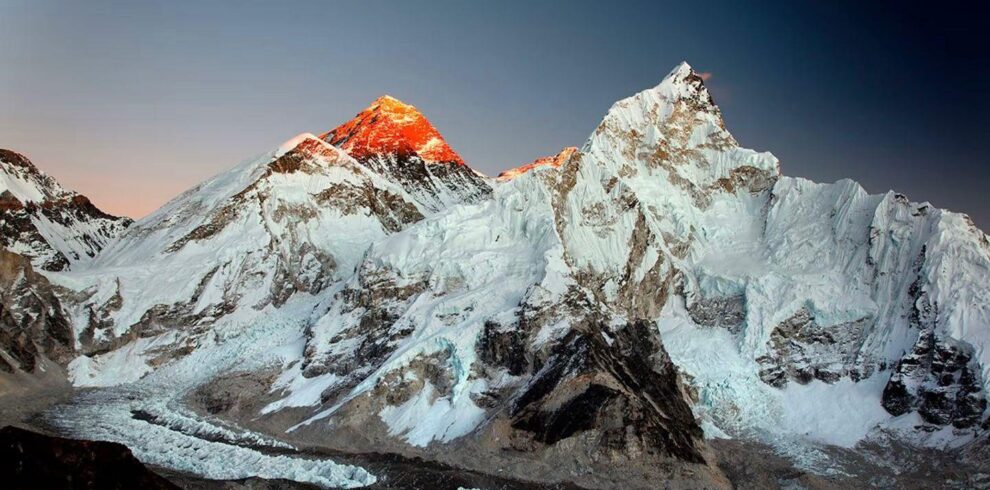
Is Everest Base Camp Trek Suitable for Beginners?
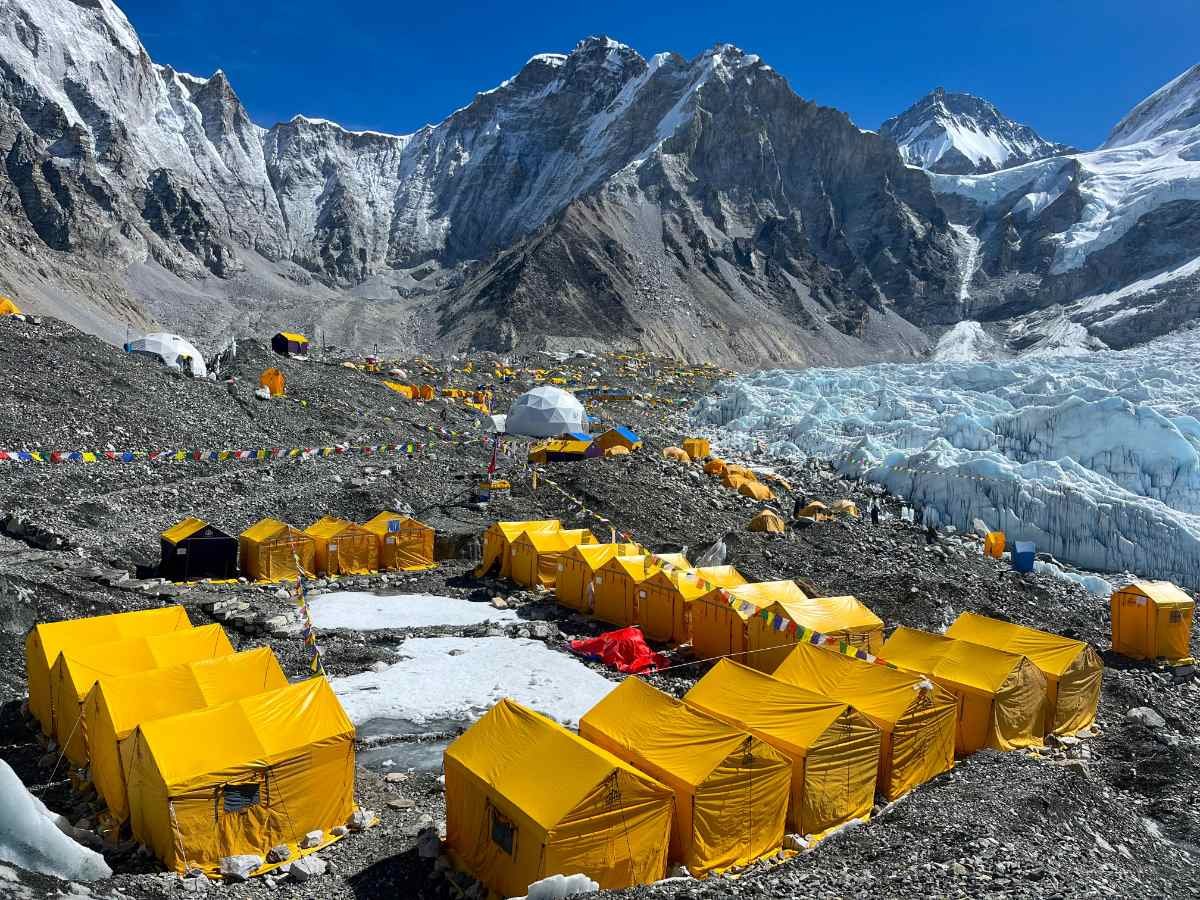
Yes, with the right preparation. The EBC trek is graded as a moderate to challenging trek, not a technical one. You don’t need mountaineering experience, climbing skills, or elite fitness. What you do need is:
- Good general fitness, able to walk 5–7 hours per day for 12–14 consecutive days
- A structured training plan started at least 2–3 months before the trek
- An itinerary with proper acclimatisation days at Namche Bazaar and Dingboche
- An experienced, licensed guide who monitors your altitude health daily
- The right mindset, slow and steady wins at high altitude
| Trek Factor | Reality for Beginners |
|---|---|
| Technical climbing required | None, it’s a walking trail |
| Daily walking hours | 5–8 hours (average 6) |
| Highest point reached | Kala Patthar: 5,545m / EBC: 5,364m |
| Trek duration | 12–16 days including acclimatisation |
| Main challenge | Altitude, not terrain or fitness |
| Minimum fitness level | Able to walk 3–4 hours comfortably before starting |
| Guide required? | Yes, mandatory since 2023 regulations |
Physical Training: How to Prepare Your Body
You don’t need to be an athlete. You need to be a walker. The Everest Base Camp trail is essentially a very long, very high walk. The people who struggle most are those who arrive undertrained, not those who are non-athletes. Start preparing at least 2–3 months before your departure date. Three months is better for complete beginners.
Months 1–2: Building Your Base
Start with walking. It sounds simple, but walking is the most specific training you can do for a trekking trip. Begin with 30–40 minutes of brisk walking four to five times a week. Gradually extend your sessions to 2–3 hours over six to eight weeks. If you live in a flat area, use stairways, stadium steps, or a treadmill set to a steep incline. Add a light backpack, start with 5kg and work up to 8–10kg, so your back and shoulders get used to carrying weight.
Complement your walking with strength training two or three times a week. Focus on exercises that protect and strengthen the muscles most used on the trail:
- Squats and lunges, for quad and glute strength on uphill sections
- Step-ups, the most trail-specific exercise you can do
- Planks and core work, to protect your back under pack weight
- Calf raises, for the countless downhill steps that punish the lower legs
Month 3: Long Walks and Loaded Hikes
In the final month, extend your weekend sessions to 5–6 hours with a 10kg pack. If you have access to hills, trails, or any terrain with elevation change, use it. The descent is often harder on beginners’ knees than the ascent, so include downhill practice. Try to do at least two or three proper day hikes at this stage. You’re not trying to get fitter in the final two weeks before departure, you’re maintaining what you’ve built and staying injury-free.
Additional Cardio
Cycling, swimming, and light jogging all build the cardiovascular base you need. On the trail, your heart rate will be elevated constantly, even at a slow walking pace, because of the thin air. The fitter your heart and lungs are at sea level, the better your body copes with altitude. Aim for at least four cardio sessions per week during your preparation period.
Altitude: The One Thing That Can Stop Any Beginner
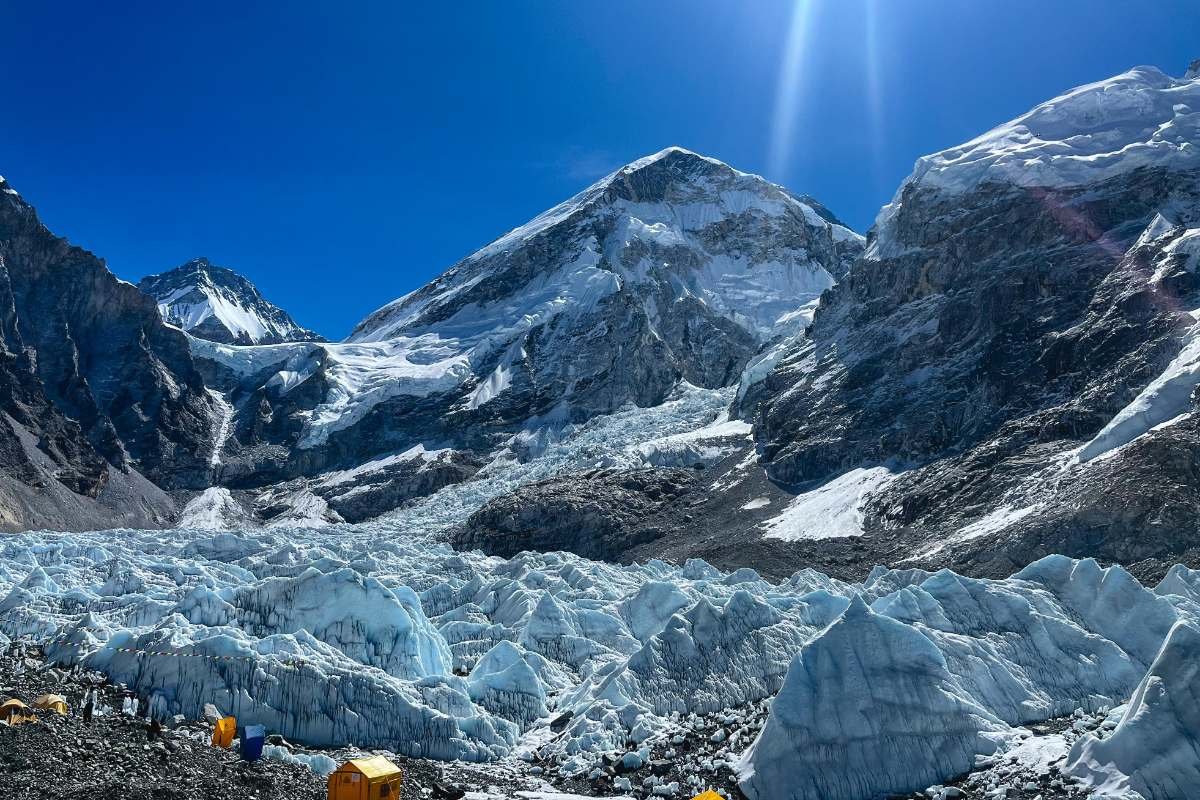
I have guided hundreds of trekkers to Base Camp. The ones who don’t make it are almost never stopped by fitness. They are stopped by altitude sickness, either because their itinerary was too fast, or because they ignored symptoms and pushed on when they should have rested or descended.
At Everest Base Camp (5,364m), the air contains roughly 50% of the oxygen available at sea level. At Kala Patthar (5,545m), it’s even less. Your body has to work significantly harder just to breathe, sleep, and walk. This is not something training can fully prepare you for, your body simply needs time to adjust. That adjustment process is called acclimatisation, and it is the single most important factor in whether a beginner succeeds or turns back.
Acute Mountain Sickness (AMS): Know the Symptoms
AMS can affect absolutely anyone, regardless of age, fitness, or previous experience at altitude. A headache is usually the first warning sign. Other symptoms include:
- Persistent headache (especially after waking)
- Nausea or vomiting
- Dizziness or light-headedness
- Fatigue disproportionate to activity level
- Loss of appetite
- Difficulty sleeping
Never ignore AMS symptoms. Never take a painkiller to push through and continue ascending. If symptoms are present, the only correct action is to rest at the current altitude until they fully clear. If they worsen, descend immediately. AMS that progresses can develop into High-Altitude Pulmonary Edema (HAPE, fluid in the lungs) or High-Altitude Cerebral Edema (HACE, fluid on the brain). Both are life-threatening. Both require immediate descent and evacuation.
The Golden Rules of Acclimatisation
- Ascend slowly, above 3,000m, do not gain more than 500m of sleeping altitude per day
- Climb high, sleep low, on rest days, hike to a higher elevation, then return to sleep lower
- Never skip acclimatisation days, the days in Namche (3,440m) and Dingboche (4,410m) are not optional
- Hydrate, drink 3–4 litres of water per day; dehydration worsens AMS symptoms
- No alcohol, it dehydrates you and suppresses the body’s oxygen-adaptation response
- Report symptoms immediately, tell your guide if you have a headache or feel unwell
Diamox: Should Beginners Take It?
Diamox (Acetazolamide) is a prescription medication that can help the body acclimatise faster by stimulating deeper breathing. Many beginners and first-time trekkers ask about it. My advice: discuss it with your doctor before the trip. Diamox is not a substitute for proper acclimatisation, it’s a supplement to it. Some people experience side effects (tingling in the hands and feet, increased urination). It’s not mandatory, but it can provide useful extra protection, especially for beginners who are unsure how their bodies will respond to altitude.
Medical Support on the Trail
The Himalayan Rescue Association (HRA) operates an altitude clinic at Pheriche (4,371m) with daily lectures on AMS prevention, I strongly recommend all beginners attend. Your guide will carry a pulse oximeter to monitor your blood oxygen levels. In a genuine emergency, helicopter evacuation from anywhere on the EBC route can reach you within 30–45 minutes. This is why comprehensive trekking insurance, covering helicopter rescue above 6,000m, is absolutely non-negotiable.
Best Time for Beginners to Trek EBC
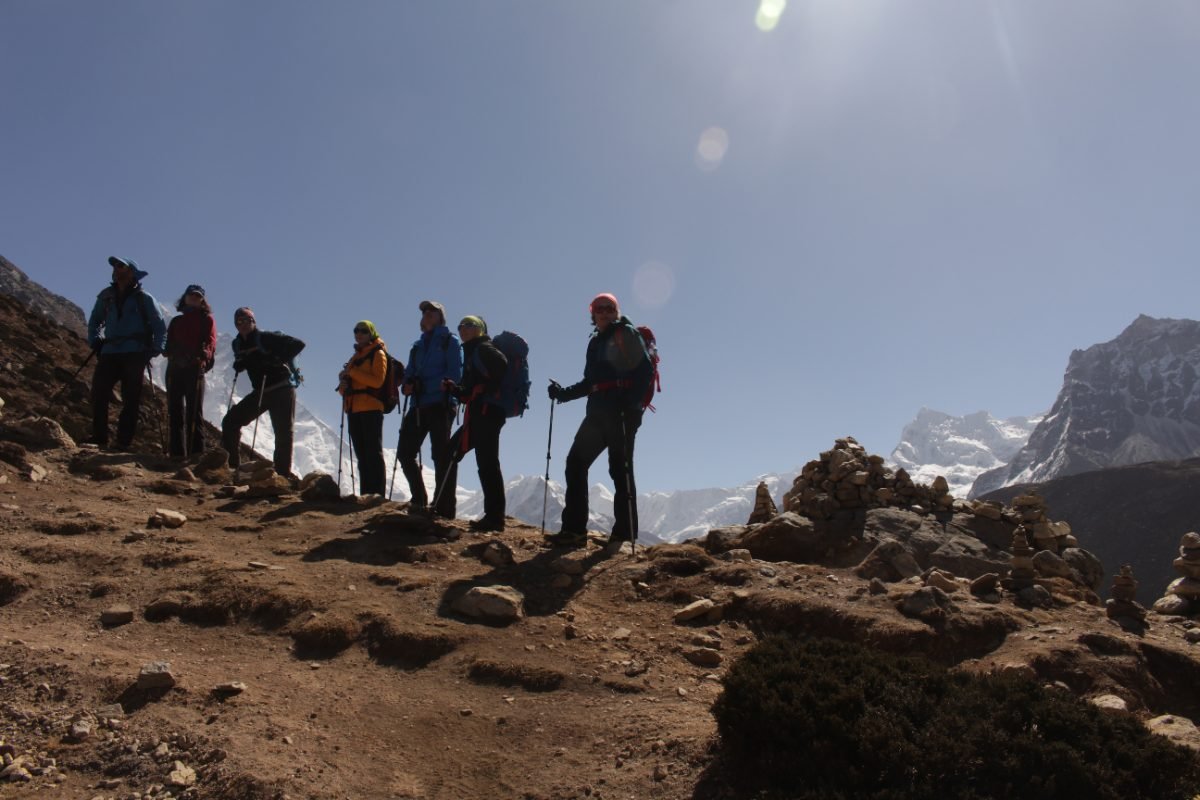
For first-time trekkers, I always recommend October or April. These are the two peak months with the most stable weather, the clearest skies, and the most accessible teahouses. Temperatures are cold but manageable, and the support infrastructure (teahouses, guides, rescue services) is at its most fully staffed.
| Season | Months | Best For Beginners? | Notes |
|---|---|---|---|
| Spring | March–May | Yes ⭐⭐⭐⭐⭐ | Rhododendrons, climbing season, stable weather. April is ideal. |
| Autumn | Sept–Nov | Yes ⭐⭐⭐⭐⭐ | Clearest views, festivals. October is the #1 month for beginners. |
| Winter | Dec–Feb | Not recommended for beginners | Extreme cold (-25°C at EBC), some teahouses closed |
| Monsoon | June–Aug | Not recommended for beginners | Rain, leeches, poor visibility, flight cancellations |
See our full month-by-month best time guide for more detail on each season.
Packing for the EBC Trek as a Beginner
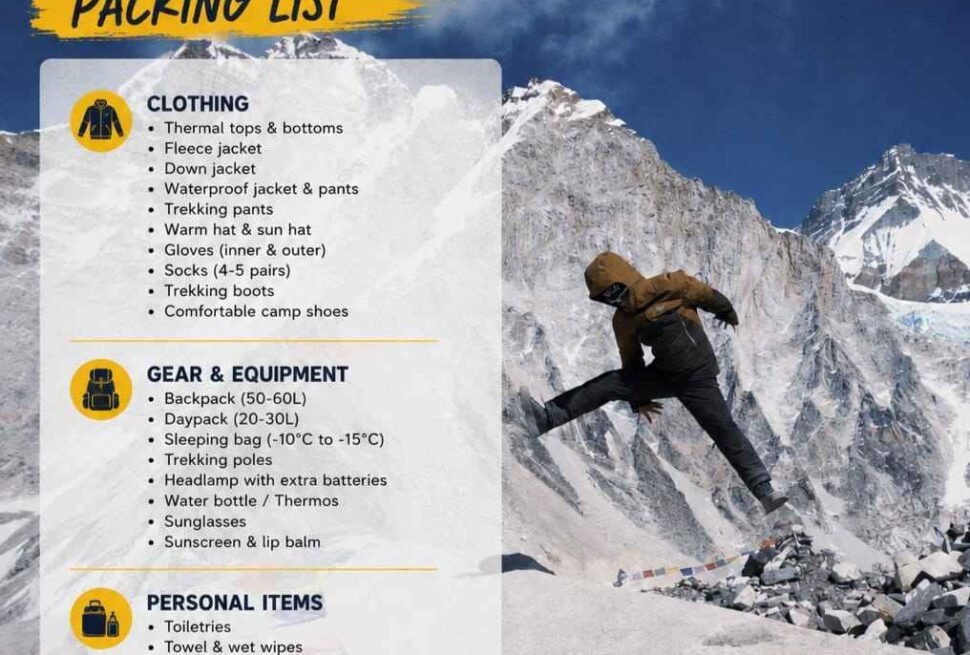
The biggest mistake beginners make is overpacking. Your porter can carry up to 15kg of your gear in a duffel bag, but that doesn’t mean you should fill it. The lighter you pack, the more comfortable and enjoyable the trek. Here is what you actually need.
The Two-Bag System
- Duffel bag (60–80L), carried by your porter. Contains sleeping bag, spare clothes, and heavier items. Keep it under 15kg.
- Daypack (25–35L), you carry this every day. Contains your water, rain jacket, camera, snacks, documents, and current layers.
The Layering System
Temperature swings wildly on the EBC trail, from 20°C at midday in Lukla to -15°C at night near Base Camp. The layering system is your answer:
- Base layer, thermal tops and bottoms in merino wool or synthetic fabric. Avoid cotton entirely, it stays wet and chills you.
- Mid layer, fleece jacket or lightweight down sweater for insulation
- Outer layer, waterproof, windproof shell jacket and trousers (Gore-Tex or similar)
- Down jacket, essential above Namche; can be rented in Kathmandu
Essential Gear Checklist
| Category | Item | Notes |
|---|---|---|
| Footwear | Waterproof trekking boots with ankle support | Break in before the trip, most important item |
| Footwear | Camp shoes or light trail runners | For wearing in teahouses after trekking |
| Footwear | Merino wool trekking socks x4–5 pairs | Never cotton |
| Clothing | Base layer tops x2, bottoms x2 | Merino or synthetic |
| Clothing | Trekking trousers x2 | Quick-dry, zip-off useful |
| Clothing | Fleece jacket | Mid-layer insulation |
| Clothing | Down jacket | Rent in Kathmandu or bring from home |
| Clothing | Waterproof jacket and trousers | Essential from Namche upward |
| Head/Hands | Warm hat, buff/neck gaiter, balaclava | Critical above 4,000m |
| Head/Hands | Liner gloves + warm outer gloves | Two layers for hands |
| Head/Hands | Sun hat or cap | UV is intense at altitude |
| Head/Hands | Sunglasses (UV400 or glacier glasses) | Wrap-around essential; snow blindness is real |
| Sleep | Sleeping bag (-10°C to -15°C rated) | Rent in Kathmandu or bring from home |
| Equipment | Trekking poles | Highly recommended; save knees on descent |
| Equipment | Headlamp + spare batteries | Early morning starts and power cuts |
| Equipment | Water bottles x2 or hydration bladder | Nalgene bottles double as hot water bottles at night |
| Equipment | Water purification tablets or filter | Don’t rely on buying bottled water |
| Equipment | Power bank (20,000mAh) | Charging is expensive in teahouses |
| Medical | Personal first aid kit | Blister plasters, pain relief, Diamox (if prescribed) |
| Medical | Hand sanitiser, wet wipes | Hygiene on the trail |
| Documents | Passport, travel insurance documents, copies | Keep in daypack always |
| Documents | 4 passport photos | For permits at checkpoints |
| Documents | Cash in Nepali Rupees | Withdraw in Kathmandu; ATMs unreliable beyond Namche |
What You Can Rent in Kathmandu
Thamel (Kathmandu’s trekking district) has dozens of gear shops where you can rent quality equipment at reasonable daily rates. For beginners who don’t want to buy expensive kit they may only use once, renting these items makes sense: down jacket (NPR 150–200/day), sleeping bag rated -15°C (NPR 150–200/day), trekking poles (NPR 100–150/day), duffel bag (NPR 50–100/day). Always bring your own boots (broken in), socks, base layers, and personal medications from home.
Life on the Trail: What Each Day Actually Looks Like
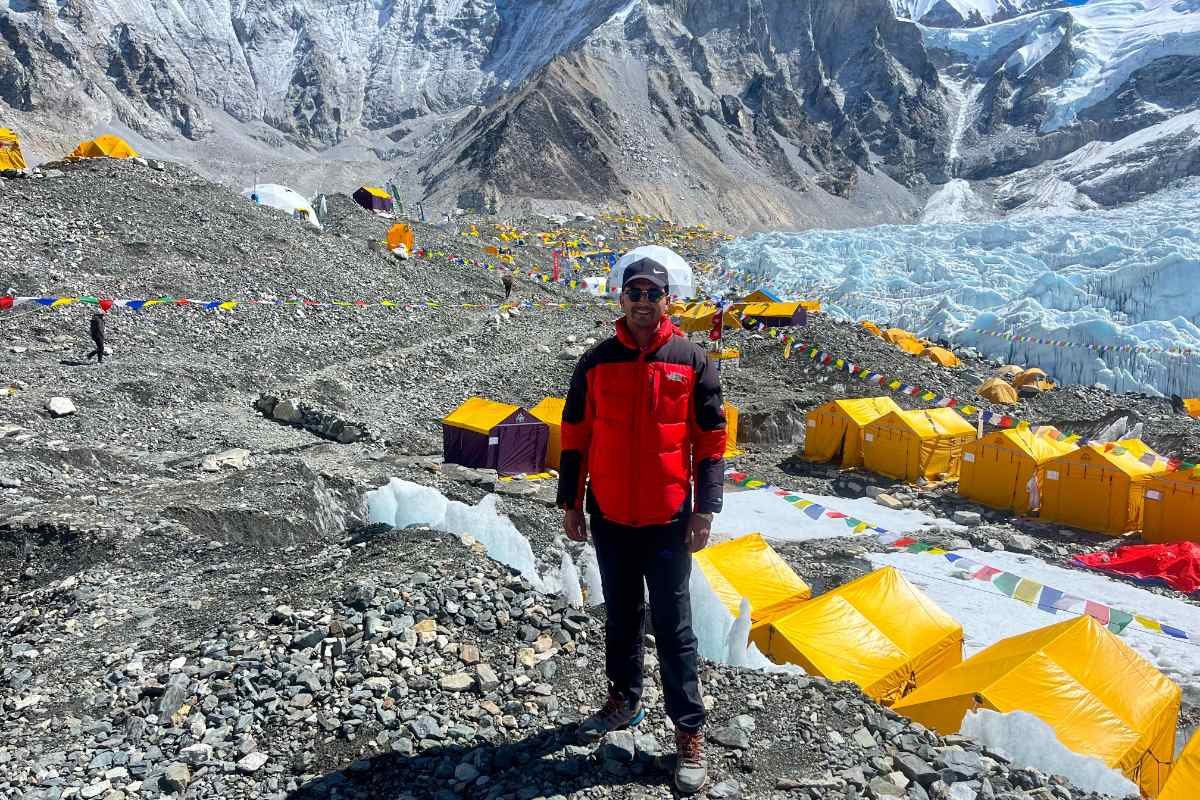
Most beginners are nervous about the teahouses and daily routine. After your first day on the trail, that nervousness disappears. The EBC route has an established, comfortable rhythm that newcomers fall into quickly.
A Typical Day on the EBC Trail
6:30–7:00 AM, Wake up. Breakfast in the teahouse dining hall: porridge, eggs, Tibetan bread, or pancakes with tea or coffee. Prepare your daypack for the day.
7:30–8:00 AM, On the trail. The morning hours are the best trekking time, air is clear, weather is stable, and the light is spectacular on the mountains. Your porter and guide set the pace.
12:00–1:00 PM, Lunch stop at a teahouse. Dal bhat (rice, lentils, vegetable curry) is the classic choice, nutritious, filling, and often served with free refills. Fried rice, noodles, and soup are also standard.
2:00–4:00 PM, Arrive at the next village. Check in to your teahouse, wash up, change into warm clothes, and rest. Put your feet up and let the acclimatisation work.
6:00–7:00 PM, Dinner in the communal dining hall around the yak-dung stove. This is where trekkers from around the world swap stories, play cards, and warm up together.
8:30–9:00 PM, Early bedtime. Your body at altitude needs more sleep than usual. Most experienced trekkers are in their sleeping bags by 9pm without complaint.
Food Advice for Beginners
Eat dal bhat as often as possible, it is the most nutritious and energy-dense meal on the menu, designed for sustained mountain energy. Above Namche Bazaar, avoid meat: it’s transported without refrigeration and can cause serious stomach problems at altitude. Above 3,500m, stick to dal bhat, eggs, potatoes, noodles, and soups. Appetite disappears at high altitude, force yourself to eat three full meals regardless. Skipping meals is a major mistake that compounds fatigue and increases AMS risk.
Permits and Costs
Two permits are required for the EBC trek. If you book with an agency, they handle all of this:
- Sagarmatha National Park Entry Permit, NPR 3,000 (~USD 22)
- Khumbu Pasang Lhamu Rural Municipality Permit, NPR 2,000 (~USD 15)
| Cost Category | Estimate (USD) |
|---|---|
| Trek package (guide, porter, accommodation, meals, permits, Lukla flights) | $1,200–$2,500 |
| International flights | $400–$1,200 |
| Nepal visa on arrival (30 days) | $50 |
| Travel insurance (high-altitude + helicopter) | $100–$200 |
| Gear and clothing | $200–$600 |
| Personal spending on trail | $300–$500 |
| Total Realistic Budget | $2,200–$4,000+ |
Beginner’s EBC Itinerary: 16 Days
| Day | Stage | Altitude | Walking Time |
|---|---|---|---|
| Day 1 | Arrive Kathmandu | 1,400m | – |
| Day 2 | Kathmandu, trek briefing, gear check | 1,400m | – |
| Day 3 | Fly to Lukla → Trek to Phakding | 2,860m → 2,652m | 3 hrs |
| Day 4 | Phakding → Namche Bazaar | 2,652m → 3,440m | 6 hrs (hard) |
| Day 5 | Namche, Acclimatisation (hike to 3,962m) | 3,440m sleep | 3–4 hrs hike |
| Day 6 | Namche → Tengboche | 3,440m → 3,860m | 5 hrs |
| Day 7 | Tengboche → Dingboche | 3,860m → 4,410m | 5 hrs |
| Day 8 | Dingboche, Acclimatisation (hike to 5,100m) | 4,410m sleep | 4–5 hrs hike |
| Day 9 | Dingboche → Lobuche | 4,410m → 4,910m | 5 hrs |
| Day 10 | Lobuche → Gorak Shep → EBC → Gorak Shep | 5,180m → 5,364m | 8 hrs (hardest) |
| Day 11 | Kala Patthar (sunrise) → Pheriche | 5,545m → 4,210m | 7 hrs |
| Day 12 | Pheriche → Namche Bazaar | 4,210m → 3,440m | 7 hrs |
| Day 13 | Namche → Lukla | 3,440m → 2,860m | 7 hrs |
| Day 14 | Fly Lukla → Kathmandu | – | 30 min |
| Day 15 | Buffer day (weather contingency) | 1,400m | – |
| Day 16 | Departure | – | – |
5 Biggest Challenges for Beginners
1. Altitude Sickness
The number one challenge for any beginner. Handle it by choosing a slow itinerary with proper acclimatisation days, staying hydrated, and never ignoring symptoms. Trust your guide’s judgement over your own desire to push on. The mountain will wait.
2. Long Days on Consecutive Days
Twelve to fourteen days of 5–8 hours of walking in a row is physically demanding even for fit beginners. Pre-trip training, proper rest between stages, and fuelling well with carbohydrate-heavy meals (dal bhat, potatoes, rice, noodles) are your solutions.
3. Cold Temperatures
Nights above Namche drop well below zero even in prime trekking season. Your sleeping bag rating matters, your down jacket matters, and your layering system matters. Pack for colder conditions than you think you’ll face and you’ll never be caught out.
4. Basic Facilities Above Namche
Teahouses above Namche are simpler, bathrooms are more basic, and Wi-Fi is slower. This is not a problem if you expect it, it only becomes a problem when beginners arrive expecting hotel standards. Set your expectations correctly and you’ll enjoy the simplicity.
5. Lukla Flight Delays
Lukla flights operate on weather windows and cancel frequently. Always build at least one buffer day at the start and end of your trek. See our complete Lukla flight guide for how to handle delays like a pro.
10 Insider Tips for Beginner Trekkers
- Walk slowly and steadily. “Bistari bistari” (slowly, slowly) is the most important Sherpa advice on the trail. Patience gets you to Base Camp. Speed gets you airlifted out.
- The headache rule. Any headache above 3,000m is an altitude headache until proven otherwise. Rest, hydrate, and tell your guide.
- Drink 3–4 litres of water every day. Dehydration is one of the biggest AMS triggers and is entirely preventable.
- Eat even when you’re not hungry. Appetite disappears at altitude. Force three full meals daily. Dal bhat is your best fuel.
- Pack less than you think you need. Every gram in your daypack feels heavier above 4,000m. Be ruthless.
- Break in your boots before you arrive. New boots cause blisters. Blisters cause misery. Wear them on multiple long walks before the trip.
- Carry cash. Withdraw enough Nepali Rupees in Kathmandu, ATMs beyond Namche are unreliable.
- Listen to your guide. They know these mountains, they know altitude, and they know when something isn’t right. Always.
- Use acclimatisation days properly. “Active rest”, a 2–3 hour hike to higher elevation then back to sleep lower, is better than lying in your teahouse all day.
- Enjoy the whole journey. Tengboche Monastery, Ama Dablam views from Dingboche, the Khumbu glacier, these are all extraordinary. Base Camp is the goal but the trail is the experience.
Frequently Asked Questions: EBC Trek for Beginners
Can a complete beginner do the Everest Base Camp trek?
Yes. Thousands of first-time trekkers with no prior experience complete the EBC trek every year. The trail is a long-distance walk, not a technical climb. The keys to success are proper training (2–3 months minimum), an itinerary with adequate acclimatisation, and a licensed local guide.
How fit do I need to be?
You should be able to walk comfortably for 3–4 hours before starting your training. By departure, you should handle 5–6 hour walks with a 10kg daypack. Consistent walking, some strength training, and cardio over 2–3 months is enough for most beginners.
Do I need a guide as a first-time trekker?
Yes, both legally (required since 2023) and practically. A guide provides altitude health monitoring, logistical management, cultural insight, and emergency support. For a first-timer at high altitude, this is the most important safety decision you will make.
What is altitude sickness and how do I avoid it?
Altitude sickness (AMS) occurs when you ascend too fast for your body to adapt to lower oxygen. Symptoms include headache, nausea, dizziness. Avoid it by ascending slowly (max 500m sleeping altitude gain per day above 3,000m), taking proper rest days, drinking 3–4 litres of water daily, and never ignoring symptoms. Descent is the only cure for serious AMS.
How much does the EBC trek cost for a beginner?
Budget USD 2,200–4,000 for the complete trip including international flights, visa, trek package, insurance, and gear. See our EBC trek packages for current pricing and inclusions.
Can I rent gear in Kathmandu?
Yes, Kathmandu’s Thamel district has excellent rental shops for down jackets, sleeping bags, and trekking poles. Always bring your own boots (broken in), base layers, socks, and personal medications from home. These must fit you correctly and be tested before the trek.
Is the EBC trek dangerous for beginners?
The EBC trek involves real risks, primarily altitude sickness and cold temperatures. With a licensed guide, comprehensive insurance, a proper acclimatisation itinerary, and the right gear, the risk is very manageable. Thousands of beginners complete it safely each year. The risk increases dramatically when people ignore symptoms or try to rush the trek.
Ready to Start? Let’s Plan Your First EBC Trek
Every trekker who has stood at Everest Base Camp and looked up at the Khumbu Icefall was once a beginner who wondered if they could do it. They could. You can too.
At Everest Trekking Company, we specialise in guiding first-time trekkers to Base Camp. We design beginner-friendly itineraries with the right amount of acclimatisation time, match you with experienced guides who know how to spot altitude issues early, and handle every detail from Lukla flights to permits.
📞 WhatsApp / Call: +9779869225929
📧 Email: info@everesttrekkingcompany.com
- Classic EBC Trek, 14 Days
- EBC Trek with Helicopter Return, ideal for first-timers
- Complete EBC Preparation Guide
- Best Time for EBC: Month-by-Month Guide
The only trekkers who fail on EBC are those who rush. Take your time. Listen to your guide. The mountain will be there when you arrive.
First-Timer’s Complete Mental Preparation Guide for EBC
Physical fitness matters enormously for the EBC trek. But seasoned EBC guides consistently say that mental attitude determines success just as often as physical fitness. Understanding what to expect psychologically helps you navigate the hard moments that every first-time trekker faces.
The Day-3 Slump: Almost every beginner trekker hits a mental wall around Day 3 or 4 — typically around Namche Bazaar. The initial excitement has faded, the altitude gives a mild headache, and the trail seems endless. This is the most common point where first-timers seriously consider turning back. The key: it passes. Once your body adapts to altitude over the 2-day acclimatisation stop at Namche, you will feel dramatically better. Tell your guide how you feel — they have seen this pattern hundreds of times and can help you through it.
Embrace slow: First-timers often start too fast, racing to keep up with fitter trekkers or feeling embarrassed to be the slowest in a group. The EBC trail rewards the tortoise, not the hare. Walking slowly and steadily — the “pressure cooker pace” as Sherpa guides call it — conserves energy, reduces altitude sickness risk, and paradoxically gets you to camp earlier than trekkers who burn out on uphills. Our guides set the pace, and they are trained to make it feel comfortable for the least-fit person in the group.
Celebrate micro-milestones: Fourteen days is a long time to stay motivated. Break the trek into mini-goals: Namche Bazaar, Tengboche Monastery, Dingboche, the Thukla Memorial, Lobuche, and finally EBC. Each arrival is worth celebrating. Buy yourself a cup of hot chocolate at each milestone teahouse — small rewards reinforce progress and keep motivation high.
Trust the process: Altitude sickness, cold nights, basic teahouse facilities, and altitude-suppressed appetite are all normal parts of the EBC experience. First-timers sometimes worry that something is wrong when they feel breathless on a gentle uphill above 4,000 m, or when they struggle to finish a full meal at Lobuche. These are universal experiences. Your guide monitors your condition daily and will tell you if anything is genuinely concerning.
Top Mistakes First-Time EBC Trekkers Make (And How to Avoid Them)
Ascending too fast: The most common mistake. Skipping the acclimatisation day at Namche or rushing the Dingboche rest day causes altitude sickness in a significant proportion of trekkers who attempt it. Follow the itinerary your Everest Trekking Company provides — it is designed around decades of altitude medicine research.
Underpacking warm layers: It is always warmer in Kathmandu when you pack than it will be at Lobuche. First-timers consistently underestimate how cold the upper trail gets at night. Bring more warm layers than you think you need — a porter carries them and extra warmth is never regretted.
Drinking too little water: At altitude, your body loses moisture faster than at sea level and thirst signals are suppressed. Force yourself to drink 3–4 litres daily even when you do not feel thirsty. Carry a water bottle in your daypack and refill at every teahouse.
Carrying too much in your daypack: Your porter carries the duffel (up to 12 kg). Your daypack should carry only what you need for the day: water, snacks, camera, rain layer, and documents. Trekking with a heavy daypack above 4,000 m is significantly harder than trekking light.
Not listening to the guide: Your guide has completed this route dozens or hundreds of times. When they say rest, rest. When they say drink, drink. When they say turn back, take the advice seriously. Their recommendation to descend is based on years of experience reading altitude symptoms — they are never wrong to be cautious. Read our full altitude sickness guide for first-timers before departure.
As a first-timer booking your EBC trek, you are in excellent hands with our team at Everest Trekking Company. We match every beginner trekker with an experienced, patient guide who has helped hundreds of first-timers reach EBC safely. Contact us today to book your first Himalayan adventure.
Choosing Your Guide: The Most Important Decision for Beginner EBC Trekkers
Your guide is your most important partner on the EBC trek — more important than your gear, your fitness level, or your choice of teahouse. A great guide reads your body language, adjusts the pace before you realise you need it to change, spots altitude symptoms before you feel them, and makes the whole 14-day experience feel safe and managed even when conditions are challenging.
For first-time EBC trekkers, we specifically recommend requesting an assigned guide rather than whoever is available on the day. At Everest Trekking Company, all our guides are NMA-licensed, first-aid certified, and have completed the EBC route a minimum of 20 times. We match beginners with guides who are known for patient, attentive service and excellent communication in English. Meeting your guide in Kathmandu the evening before departure — over a shared meal and a briefing — sets the tone for a genuinely trusting partnership. This pre-trek meeting is standard practice on all our packages.
Ready to take your first steps toward Everest Base Camp? Contact Everest Trekking Company with your preferred dates and we will match you with the right guide, package, and itinerary for a first-timer’s unforgettable EBC experience.
The Everest Base Camp Trek is absolutely within reach for first-timers who prepare properly and choose an experienced, caring guide. Thousands of first-time Himalayan trekkers reach EBC every year with our team — a journey that begins with a single step and ends with a perspective on life that nothing else can give. Ready to start? Contact Everest Trekking Company today. Our team has guided first-timers from over 60 countries to the roof of the world and we would love to guide you too.
For all questions, bookings, and personalised recommendations, contact the team at Everest Trekking Company — one of Nepal’s most trusted and experienced Everest trekking specialists. We have guided trekkers from over 60 countries to Everest Base Camp and back, and we bring that experience to every enquiry we receive. Our team responds to all messages within 24 hours and will help you plan the ideal Himalayan adventure for your budget, schedule, and experience level. We look forward to welcoming you to the trail.
Planning Your Everest Trek?
Get local expert advice on cost, itinerary and the best time to go.