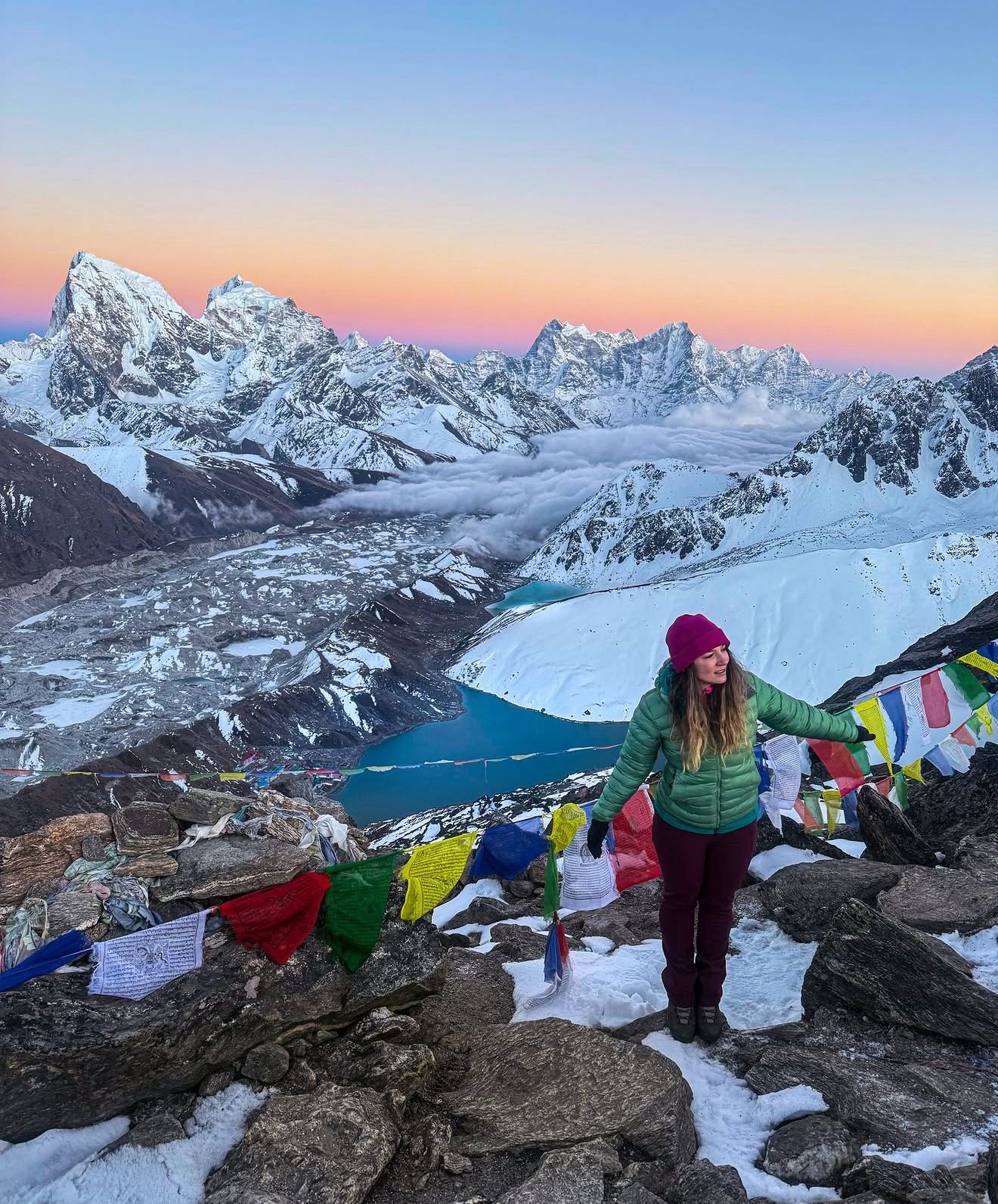
The standard Everest Base Camp trek via Lukla is one route through one of the most impressive mountain regions on earth. But the Everest region (Solukhumbu) contains a much wider network of trails, alternative approaches, and off-the-beaten-track routes that experienced trekkers can visit beyond the main Lukla to EBC highway. This guide covers the key alternatives, when to use them, and how they compare to the standard route.
Why Consider an Alternative Route?
The standard EBC route from Lukla to Namche to Gorak Shep carries 90%+ of Khumbu trekker traffic. In October, this creates conditions where the trail between Lukla and Namche can feel like a busy mountain road. Trekkers looking for solitude, deeper cultural immersion, or a unique challenge sometimes visit alternative approaches and variants that bypass the main trail entirely or branch off into less-visited parts of the region.
Planning Your Everest Trek?
Get local expert advice on cost, itinerary and the best time to go.
Alternative Route 1: EBC Trek from Jiri (Salleri)
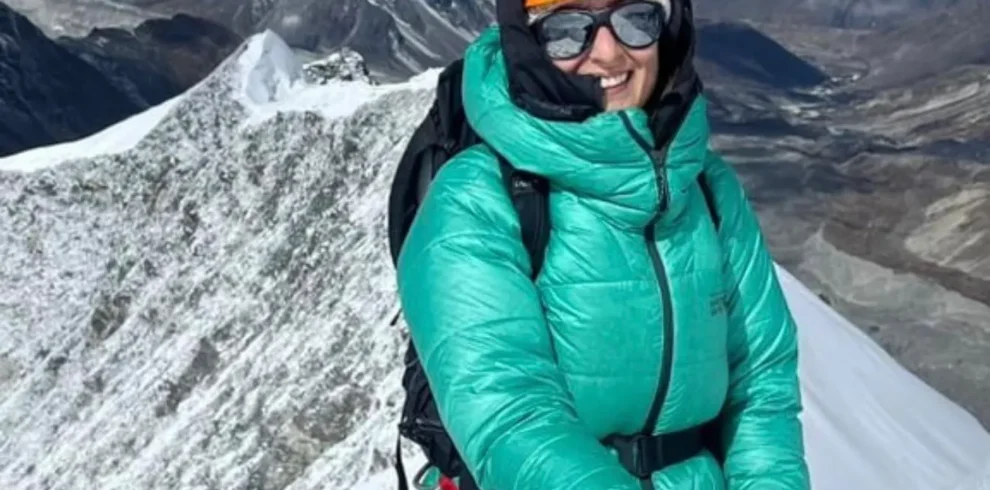
The classic pre-1993 approach to Everest is via Jiri (or Salleri), a two to three day bus or jeep ride from Kathmandu. Before the Lukla airport was constructed, all EBC expeditions walked from Jiri. The route adds 6 to 8 days of walking through the middle hills of Nepal (Solu region) before joining the standard Khumbu trail at Phakding or Namche Bazaar.
| Total duration | 20-22 days (vs 12-14 via Lukla) |
| Extra distance | ~80-90 km additional one-way |
| Crowds on Jiri section | Very low; few trekkers use this approach |
| Cultural experience | Exceptional; Sherpa and Rai villages in Solu region |
| Physical difficulty (Jiri section) | High; multiple ridge crossings with significant elevation gain/loss |
| Suitable for | Experienced trekkers wanting the full classic Everest approach |
The EBC trek from Jiri is one of the most physically demanding Khumbu approaches but delivers the route that early Everest expeditioners walked. The cultural immersion in the Solu villages before reaching Khumbu is significant and very different from the main trail experience.
Alternative Route 2: Gokyo Lakes Valley
Instead of the standard route from Dingboche to Lobuche, some itineraries take the Gokyo Valley as the main route, visiting the turquoise Gokyo Lakes and ascending Gokyo Ri (5,357 m) before crossing the Cho La pass (5,420 m) to rejoin the standard EBC route at Lobuche. This creates the EBC and Gokyo Lakes combined trek.
| Total duration | 15-17 days |
| Cho La pass altitude | 5,420 m |
| Technical difficulty | Moderate; Cho La involves glacier ice; crampons/microspikes recommended |
| Highlights | Gokyo Lakes turquoise water, Gokyo Ri summit view (best in region) |
| Best season | October or April; Cho La can be dangerous with fresh snow |
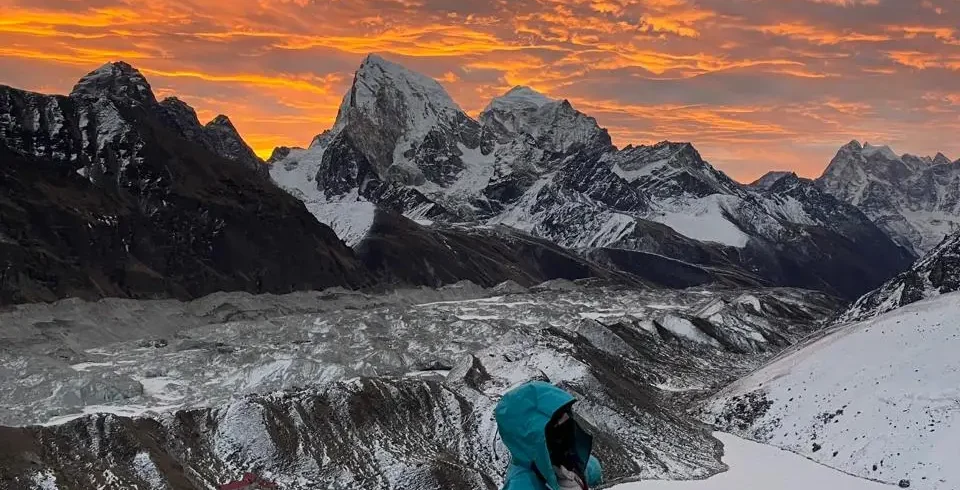
The view from Gokyo Ri (5,357 m) is widely considered the best Everest panorama view of any trekker-accessible summit, surpassing even Kala Patthar in showing the full Everest massif including Lhotse, Nuptse, Cho Oyu, and Makalu simultaneously. Serious photographers often prefer Gokyo Ri to Kala Patthar for this reason.
Alternative Route 3: Everest Three High Passes
The most demanding standard trekking route in the Khumbu, the Three Passes Trek crosses three Himalayan passes above 5,000 m: Kongma La (5,535 m), Cho La (5,420 m), and Renjo La (5,360 m). The route links the Gokyo Valley and the standard EBC route via the high passes, visiting both Gokyo Ri and Kala Patthar as viewpoints.
| Total duration | 18-21 days |
| Three passes | Kongma La (5,535 m), Cho La (5,420 m), Renjo La (5,360 m) |
| Technical difficulty | High; passes involve glacier sections and significant exposure |
| Suitable for | Fit experienced trekkers with high-altitude experience; not for beginners |
| Best season | October or April only; passes are unsafe in winter or monsoon |
Alternative Route 4: Everest Panorama (Short Trek via Everest View Hotel)
For trekkers with limited time or seeking a less physically demanding Khumbu experience, the Everest View Trek is an excellent alternative. The route goes Lukla to Namche to Khumjung to the Everest View Hotel (3,880 m), providing genuine Everest views without going above 4,000 m. Duration is typically 5 to 7 days.
The Everest View Hotel at Shyangboche (3,800 m) was built specifically for helicopter-delivered guests who wanted high-altitude Everest views without trekking. It provides clear direct views of Everest, Lhotse, Ama Dablam, and Thamserku. The short route is excellent for trekkers with limited time, those with medical restrictions that prevent going above 4,000 m, or those wanting to preview the Khumbu before committing to the full EBC route.
Alternative Route 5: Ama Dablam Base Camp Side Trip
For trekkers on the standard EBC route, a side trip to Ama Dablam Base Camp (4,570 m) can be added from Dingboche on the acclimatization rest day. Ama Dablam (6,812 m) is considered the most technically beautiful mountain in the Khumbu and its Base Camp offers extraordinary views of the Southwest Face. The side trip is 12 to 14 km round trip from Dingboche with 500 m elevation gain. Not a separate route but a worthwhile extension of the standard itinerary for fit trekkers.
Alternative Route 6: Phaplu / Salleri Approach (Road Extension)
Some trekkers use the road extension to Phaplu (2,413 m) or Salleri, accessible by road from Kathmandu (approximately 10 to 12 hours by road or a short domestic flight to Phaplu airport). From Phaplu, the walking route joins the Jiri route and eventually reaches the main Khumbu trail. Less used than Jiri but adds several days of lower-altitude walking through traditional Sherpa villages.
Alternative Route 7: Rolwaling Valley Approach
The most remote alternative approach to the Khumbu region. The Rolwaling Valley, west of the Khumbu, crosses the Tashi Lapcha pass (5,755 m) into the Khumbu near Thame, a village west of Namche Bazaar. This is a technical route that requires mountaineering skills, crampons, and ice axe experience for the pass. It is used by experienced trekkers who have already done EBC via standard routes and want to visit the region from a completely different angle. Not recommended without prior Himalayan trekking experience and a guide with Rolwaling experience.
Everest Region Routes Comparison
| Route | Duration | Max Altitude | Difficulty | Crowds |
|---|---|---|---|---|
| Standard EBC via Lukla | 12-14 days | 5,545 m | Moderate-High | Very high (Oct) |
| EBC from Jiri | 20-22 days | 5,545 m | High | Low on Jiri section |
| EBC + Gokyo Lakes | 15-17 days | 5,545 m | High | Moderate |
| Three High Passes | 18-21 days | 5,535 m | Very High | Low on passes |
| Everest Panorama Trek | 5-7 days | 3,880 m | Moderate | Low |
Choosing the Right Route
The standard Lukla to EBC route is the right choice for most trekkers doing the route for the first time. It is logistically straightforward, fully supported by teahouses, and covers the full Khumbu experience including Namche, Tengboche, Khumbu Glacier, and Base Camp. Alternative routes add difficulty, distance, and in many cases add significant reward, but they are additions to or substitutions for the core experience, not improvements on it for first-timers.
If you have done the standard route and want to return with a different challenge, the Gokyo combination with Cho La pass or the Three Passes Trek are the logical next steps. Both require the same infrastructure (teahouses, guides from a good everest trekking company) but add technical difficulty and length. The complete Everest trek comparison guide covers all routes in detail.
Frequently Asked Questions
What is the best alternative to the standard EBC route?
For experienced trekkers who have done standard EBC, the EBC with Gokyo Lakes via Cho La pass is the most popular and rewarding extension. It adds Gokyo Ri (with the best panoramic Everest view in the region), the turquoise Gokyo Lakes, and the Cho La glacier pass for 15 to 17 days total.
Is there a route to EBC that avoids Lukla flights?
Yes. The Jiri route (or Salleri/Phaplu approach) reaches the Khumbu entirely on foot without any Lukla flight. This is the original Everest approach used before the airport existed. It adds 6 to 8 days of walking and requires road transport to Jiri. For trekkers deeply concerned about Lukla flight delays, this route removes the aviation component entirely.
Everest Region Route Comparison Table
| Route | Duration | Max Altitude | Difficulty | Highlights | Best For |
|---|---|---|---|---|---|
| Standard EBC + Kala Patthar | 12–14 days | 5,545m | Moderate–Hard | EBC, Kala Patthar, Sherpa villages | First-time Everest region trekkers |
| Gokyo Lakes Trek | 12–15 days | 5,483m (Gokyo Ri) | Moderate–Hard | Gokyo lakes, Gokyo Ri views, quiet route | Those wanting fewer crowds |
| EBC + Gokyo via Cho La Pass | 17–19 days | 5,545m | Hard | Both EBC and Gokyo, high mountain pass | Experienced trekkers wanting the full circuit |
| Everest Three Passes | 18–21 days | 5,545m (plus 3 passes) | Hard–Very Hard | Kongma La, Cho La, Renjo La passes | Very experienced trekkers with high fitness |
| EBC via Jiri (Overland) | 20–24 days | 5,545m | Hard (longer) | Classic Hillary route, less-touristed lower trail | Purists wanting the original trek experience |
| Everest Panorama (Short) | 5–7 days | 3,880m (Tengboche) | Moderate | Namche, Tengboche, Everest views | Limited time or less experienced trekkers |
Gokyo Lakes Trek: Full Route Details
| Day | Route | Altitude | Notes |
|---|---|---|---|
| Day 1 | Lukla to Phakding | 2,610m | Same as standard EBC start |
| Day 2 | Phakding to Namche | 3,440m | Same as EBC |
| Day 3 | Namche acclimatization | 3,440m | Acclimatization day |
| Day 4 | Namche to Dole | 4,038m | Branch off from standard EBC route here |
| Day 5 | Dole to Machhermo | 4,470m | Quieter trail, few trekkers |
| Day 6 | Machhermo to Gokyo | 4,790m | First views of Gokyo lakes |
| Day 7 | Gokyo acclimatization + Gokyo Ri (5,357m) | 4,790m | 360-degree Everest region panorama from Gokyo Ri |
| Day 8-12 | Return via Namche to Lukla | Various | Descent on same route or via Cho La pass to EBC |
EBC Three Passes: What It Takes
| Pass | Altitude | Difficulty | When to Cross | What You See |
|---|---|---|---|---|
| Kongma La | 5,535m | Hard | Morning (avoid afternoon wind) | View over Khumbu Glacier and Lobuche area |
| Cho La | 5,420m | Hard (glacier crossing) | Very early morning (glacier icy by afternoon) | Views of Cho Oyu, Makalu, and Cholatse |
| Renjo La | 5,360m | Moderate-Hard | Morning | Superb views of Gokyo lakes and Everest |
All three passes require previous high-altitude trekking experience. Cho La involves a brief glacier section with possible ice and requires careful footing. Micro-spikes are recommended for all three passes.
EBC via Jiri: The Original Hillary Route
Sir Edmund Hillary and Tenzing Norgay walked from Jiri to EBC in 1953. This overland start (before Lukla airport existed) takes 7-8 extra days but adds significant depth to the trek:
| Factor | EBC via Jiri vs Lukla Start |
|---|---|
| Total duration | 20-24 days vs 12-14 days |
| Crowd level | Far fewer trekkers on Jiri-Solu section |
| Acclimatization | Better natural acclimatization (gradual altitude gain) |
| Cost | Saves USD 180-240 on Lukla flights but more days means more total spend |
| Experience | Passes through traditional Rai and Sherpa villages not on tourist trail |
| Fitness required | Higher because of longer duration |
Alternative Routes FAQ
Which is harder: EBC or Gokyo Lakes trek?
Both are similar in difficulty. The standard EBC+Kala Patthar route peaks at 5,545m. Gokyo Lakes peaks at 5,357m (Gokyo Ri). The EBC route is slightly harder in terms of maximum altitude. However, Gokyo is less crowded and the Gokyo Ri views of Everest are considered by many trekkers to be superior to Kala Patthar.
Can I combine EBC with Gokyo in one trek?
Yes. The EBC + Gokyo via Cho La Pass route is one of the most popular extended Everest region treks. It adds 5-7 days to the standard EBC trek and crosses Cho La Pass (5,420m). This route requires good fitness, experience with high altitude, and ideally micro-spikes or gaiters for the glacier section on Cho La.
What is the Everest Panorama Trek and is it worth it?
The Everest Panorama Trek is a shorter 5-7 day version that goes to Tengboche (3,860m) and Namche Bazaar (3,440m) but does not reach EBC or Kala Patthar. It is worth it for people with limited time, lower fitness, or those who want a taste of the Khumbu without committing to a full EBC trek. Views are still exceptional from this shorter route.
Conclusion
The Everest region is vast, and the standard Lukla to EBC route covers only one corridor through it. The Gokyo Valley, Jiri approach, Three Passes circuit, and the shorter Panorama trek all offer legitimate and rewarding alternatives for trekkers at different experience levels and time budgets. Every route in the Khumbu has the Himalayas as the backdrop. Work with an experienced everest trekking company to choose the route that matches your fitness, time, and ambition.
Alternative Routes to Everest Base Camp: Beyond the Classic Trail
The classic EBC trail via Lukla, Namche, Tengboche, and Dingboche is the world’s most famous trekking route for good reason — it is efficient, beautiful, well-serviced, and takes trekkers from airport to Base Camp in 8–9 days. But it is not the only way to reach the foot of Everest. Alternative routes offer different experiences, superior acclimatisation, or access to less-visited parts of the Khumbu. Everest Trekking Company offers several alternative approach options for trekkers seeking something beyond the standard itinerary.
Route 1: The Jiri Start — The Original Everest Approach
Before Lukla airport was built in 1964, every Everest expedition — including the 1953 first ascent team led by Colonel John Hunt — walked from Jiri (also accessible from Salleri or from Okhaldhunga). The Jiri approach adds 7–9 trekking days through Solu Khumbu district before joining the classic trail at Sete or Phakding. It passes through traditional farming villages at 1,500–3,500 m elevation — a completely different ecosystem and cultural environment from the alpine Khumbu — with terraced rice fields, rhododendron forests, and communities almost untouched by trekking tourism.
The acclimatisation advantage of the Jiri route is significant. Trekkers who walk from Jiri arrive at Namche Bazaar already well-acclimatised to 3,000+ m elevations, having spent a full week at intermediate altitudes. AMS rates among Jiri-start trekkers are measurably lower than among Lukla-start trekkers. For the Everest Trekking Company EBC Trek from Jiri with Jeep, a 4WD jeep covers the Kathmandu-to-Jiri road section (5–6 hours), minimising road travel while preserving all the trekking through this magnificent approach valley. Total duration: 22–26 days.
Route 2: Gokyo Lakes and EBC Combined Circuit
The most popular extended alternative to the classic EBC trail is the EBC Trek with Gokyo Lakes, which follows the standard EBC trail to Namche and then diverges north up the Gokyo Valley before crossing the Cho La high pass (5,420 m) to rejoin the EBC route above Lobuche. This circuit adds 3–4 days to the standard itinerary and includes three dramatic elements not found on the classic route: the turquoise Gokyo Lakes (at 4,750–4,800 m, Nepal’s highest freshwater lake system), the Cho La glacier crossing (a genuine high-pass adventure requiring crampons and ice axe skills), and Gokyo Ri (5,360 m — a summit viewpoint rivalling Kala Patthar for Everest panorama quality).
The Gokyo Lakes detour also passes through significantly less-trafficked terrain than the main EBC trail above Namche. The Gokyo Valley carries perhaps one-third the trekker density of the Tengboche-Dingboche corridor, making it the better choice for those who value wilderness solitude alongside their Himalayan scenery.
Route 3: Three Passes Trek — The Expert Circuit
The Everest Three High Passes Trek is the most comprehensive circuit available in the Khumbu, crossing all three of the high passes that connect the major Khumbu sub-valleys: Renjo La (5,340 m), Cho La (5,420 m), and Kongma La (5,535 m). This 20–22 day itinerary includes both Gokyo Ri and Kala Patthar viewpoints, visits all the classic EBC highlights (Tengboche, Dingboche, Lobuche, Base Camp), and adds three technically demanding high-pass crossings that require physical fitness significantly above the standard EBC requirement.
The Three Passes circuit is genuinely challenging. Each pass involves sections of steep scree, snow, and ice depending on season. Crampons and trekking poles are mandatory for two of the three passes in most months. The route demands experience with altitude (all three passes exceed 5,300 m — higher than Kala Patthar), familiarity with glacier terrain, and strong physical conditioning. Everest Trekking Company recommends this route for trekkers who have previously completed the standard EBC trek and are ready for the next level of Khumbu challenge.
Route 4: EBC with Island Peak Climbing
For trekkers with basic mountaineering aspirations, the EBC Trek with Island Peak adds a genuine summit attempt at 6,189 m to the standard EBC itinerary. Island Peak (Imja Tse) was named by Eric Shipton’s 1951 Everest reconnaissance expedition — from the Lhotse face, it appears to float like an island above a sea of glaciers. The technical requirements for Island Peak are modest by mountaineering standards (fixed ropes are used for the summit headwall, basic crampon and ice axe skills are required) but the altitude makes it a genuine high-altitude mountaineering experience distinct from pure trekking.
The combined EBC plus Island Peak itinerary typically runs 21–24 days, including time for the two-day Island Peak base camp acclimatisation and summit attempt. Summiting Island Peak at 6,189 m is the highest point reachable by guided trekking-mountaineering clients in the Khumbu without a dedicated Himalayan climbing permit. Success rates on the peak with Everest Trekking Company guides: approximately 70–75% reach the true summit; nearly all reach high camp (approximately 5,500 m).
Choosing the Right Route for Your Goals
| Route | Duration | Difficulty | Max Elevation | Best For |
|---|---|---|---|---|
| Classic EBC (via Lukla) | 14 days | Moderate-High | 5,545 m | First-timers, all fitness levels |
| EBC from Jiri | 22–26 days | Moderate-High | 5,545 m | Culture seekers, best acclimatisation |
| EBC + Gokyo Lakes | 18–20 days | High | 5,545 m + Gokyo Ri 5,360 m | Trekkers wanting more adventure |
| Three High Passes | 20–22 days | Very High | 5,535 m (Kongma La) | Experienced EBC returners |
| EBC + Island Peak | 21–24 days | Very High + Technical | 6,189 m | Mountaineering aspirants |
Not sure which route fits your goals and experience? Contact the team at Everest Trekking Company — our expert route advisors have personally completed every variation listed above and can match you to the perfect itinerary based on your time, fitness, budget, and Khumbu objectives. As Nepal’s trusted best Everest trek company, we operate all these routes throughout the year and can customise any itinerary to your specific requirements.
Alternative Descent Routes from EBC
Even if you use the standard Lukla-approach route to EBC, alternative descent options exist that meaningfully change the experience of the return journey.
Helicopter return from Gorak Shep: The EBC Trek with Helicopter Return follows the standard walking approach to EBC but returns by helicopter from Gorak Shep (5,164 m) directly to Lukla or Kathmandu. This option eliminates the 4–5 day return walk, saves your knees, and provides a spectacular aerial perspective on the Khumbu glacier system from above. It is particularly valued by trekkers with limited total leave who want to maximise time at high altitude versus time on the descent trail.
Helicopter return saves approximately 4 walking days and costs approximately USD 400–600 per person additional versus the standard walking return (depending on helicopter type and group size for the flight). Everest Trekking Company handles all helicopter booking logistics for clients on this itinerary variant. The helicopter leg from Gorak Shep provides views of the Khumbu Icefall, Western Cwm, and the full Khumbu glacier system that are simply not available from trail level — a genuinely different and spectacular experience to end the trek.
Seasonal Route Considerations
Alternative routes are significantly affected by season. The Cho La pass (on the Gokyo Lakes circuit) is often closed by deep snow from December through February and may require crampons and careful navigation in March, November, and April. The Jiri route passes through lower altitudes that receive heavy monsoon rainfall from June through September, making trail conditions muddy and leech-dense — most Jiri-approach trekkers visit in October–November or March–May. Island Peak climbing season closely mirrors the EBC trekking season (April–May and October–November) with the summit window at 6,189 m narrowest in winter and monsoon months.
For the classic EBC trail, all seasons are technically accessible but experiences differ dramatically by season. October–November offers the most stable weather and the clearest mountain views. April–May offers rhododendron forests in full bloom and Everest expedition activity visible at Base Camp. December–February offers a winter wilderness experience with deep snow above 4,000 m and very few other trekkers. June–September (monsoon) involves heavy rainfall below 3,500 m and higher AMS risk due to acclimatisation disruption from weather-affected sleep patterns.
Booking the Right Route Variation
Every route variation described in this guide is available through Everest Trekking Company. Our team has guided trekkers on all these routes across all seasons and can provide firsthand advice on conditions, timing, and personal suitability. When you contact us to book any variant of the Everest Base Camp Trek, we begin with a detailed consultation: your trekking history, fitness, available time, and Khumbu objectives guide our recommendation.
Not every trekker should do the Three Passes. Not every trekker should do the classic route. The right route for you is the one that matches your actual capabilities and goals with an itinerary designed to deliver the best possible experience. That matching process is what separates a good trekking company from a great one. As Nepal’s most experienced Everest base camp trek company, Everest Trekking Company has spent over a decade refining exactly this recommendation process. Contact our team today to find your perfect Khumbu route.
Combining EBC with Surrounding Destinations
The Khumbu is not the only destination accessible from Lukla. The Khumbu valley connects to several surrounding trekking areas that can be combined with an EBC visit for a more comprehensive Nepal mountain experience.
Ama Dablam Base Camp: Ama Dablam (6,812 m) is considered by many mountaineers to be the most beautiful peak in the world. Its base camp lies at approximately 4,570 m in the Imja valley, accessible via a 2-day detour from Tengboche or Dingboche. Adding Ama Dablam Base Camp as a side trip from Dingboche during the standard EBC itinerary adds one extra day and provides a radically different perspective on this iconic peak from a non-tourist angle. Everest Trekking Company can include this detour in any custom EBC itinerary on request.
Phortse Village: Just above Tengboche, the traditional Sherpa farming village of Phortse (3,840 m) receives fewer than 5% of the trekkers who pass through on the main trail below. It is home to some of the most skilled high-altitude porters and Sherpa guides in Nepal. A half-day visit to Phortse — included as an acclimatisation hike option on the standard EBC itinerary — offers an authentic view of traditional Sherpa village life that the more frequented villages on the main trail can no longer easily provide.
Chhukung Valley and Imja Tse (Island Peak): The Chhukung valley above Dingboche leads toward Island Peak (6,189 m) and the dramatic Lhotse face. Chhukung (4,730 m) is accessible as a day walk from Dingboche and provides views of the Baruntse massif and Amphu Lapcha pass that are completely different from the Lobuche-direction views on the standard EBC route. For those adding Island Peak to their trek (the EBC Trek with Island Peak), the Chhukung approach is the primary route to the peak’s base camp and climbing camps.
Summary: Which Alternative Route Is Right for You?
The classic Lukla-approach EBC trail is the right choice for first-time Khumbu visitors, those with 14–16 days available, and trekkers of any fitness level with adequate preparation. It is the most efficient, well-serviced, and scenically rewarding route and the right introduction to the Khumbu for the vast majority of trekkers.
Alternative routes — Jiri start, Gokyo circuit, Three Passes, Island Peak — are right for returning visitors, those with extended time, and those seeking to combine the standard EBC highlights with additional challenges and less-visited terrain. Our most experienced guides are available for all these variations and bring genuine route knowledge that comes only from multiple ascents across different seasons.
Whatever route you choose, the destination is the same: standing at the foot of the world’s highest mountain in one of the greatest wilderness landscapes on Earth, with the support of Nepal’s most trusted Everest trekking company. Contact Everest Trekking Company today to plan your Khumbu adventure. Our team will design the perfect route, handle every logistical detail, and ensure your Everest Base Camp Trek exceeds every expectation.
Plan Your Alternative EBC Route with ETC
Every trekker who contacts Everest Trekking Company begins with a detailed route consultation — no booking pressure, no generic packages pushed without discussion. We want to understand your goals, your experience, and your ideal experience in the Khumbu, and then build an itinerary around those specific factors. Whether that is the classic 14-day EBC, the immersive 26-day Jiri approach, the adventurous Three Passes circuit, or a custom combination designed specifically for you, we have the team, the experience, and the local relationships to make it happen.
As Nepal’s leading Everest trek company, we operate every Khumbu route described in this guide, with guides who have completed each one multiple times across all seasons. Contact our team today and start planning the Khumbu experience that is exactly right for you. The Everest Base Camp Trek is waiting — let us find your perfect route to its base.
The Khumbu offers more routes, more valleys, and more adventures than any single trekking season can cover. Whether you trek the classic EBC trail, explore the Gokyo Lakes circuit, or challenge yourself on the Three Passes, Everest Trekking Company will design and guide an itinerary that exceeds your expectations. Book your Everest Base Camp Trek today and discover your perfect route through the world’s most spectacular mountain landscape.
Whatever variation of the Khumbu experience you choose — classic EBC, Gokyo circuit, Three Passes, or Island Peak — Everest Trekking Company will design and guide your trek with full local expertise. With over a decade of Khumbu operations, our guides know every trail variation, every route condition, and every shortcut that makes the difference between a good trek and an exceptional one. Contact the team at Everest Trekking Company today to start planning.
From the classic route to remote circuits, the Khumbu has more trails than any single trek can cover. Let Everest Trekking Company help you find the exact right path to Everest Base Camp — one that matches your time, your fitness, and your ambition. Contact our team today or browse all Khumbu packages at everesttrekkingcompany.com.
The Khumbu trail system is more extensive and more varied than most trekkers realise. Beyond the classic EBC route lies a network of valleys, passes, and peaks that reward the returning visitor and challenge the adventurous first-timer. Everest Trekking Company specialises in matching trekkers to exactly the right Khumbu itinerary — contact our team today, or book the classic Everest Base Camp Trek and discover why so many of our clients come back for more.
Whatever variation of the Khumbu you choose, the mountains are waiting. Everest Trekking Company — Nepal’s most trusted Everest trek company — operates every route described here with the same commitment to safety, service, and unforgettable experience. Contact us today.
The right Khumbu route makes all the difference between a good trek and a life-changing one. Let Everest Trekking Company design your perfect path to the foot of the world’s highest mountain.
The right route. The right team. The right mountain. Everest Trekking Company — your guide to every trail in the Khumbu.
Every Khumbu route leads somewhere extraordinary. Let Everest Trekking Company show you the way.
Planning Your Everest Trek?
Get local expert advice on cost, itinerary and the best time to go.