Is the Everest Base Camp trek too hard for you? That is the question almost every aspiring trekker asks. The honest answer is: it depends on your fitness, preparation, and how seriously you take acclimatization. This guide gives you a complete, honest assessment of the difficulty so you can make an informed decision and arrive prepared.
The EBC trek is rated moderate to strenuous. It is not a technical mountaineering challenge, no ropes, no crampons, no climbing experience required. But it is long, high, and relentless. People aged 10 to 70 have completed it successfully. People in great physical shape have failed it due to altitude sickness. Understanding what makes it hard is the first step to completing it.
EBC Trek Difficulty: The Key Facts
| Total Distance | ~130 km (round trip, Lukla to EBC and back) |
| Total Duration | 12 to 14 days |
| Daily Walking | 5 to 8 hours per day |
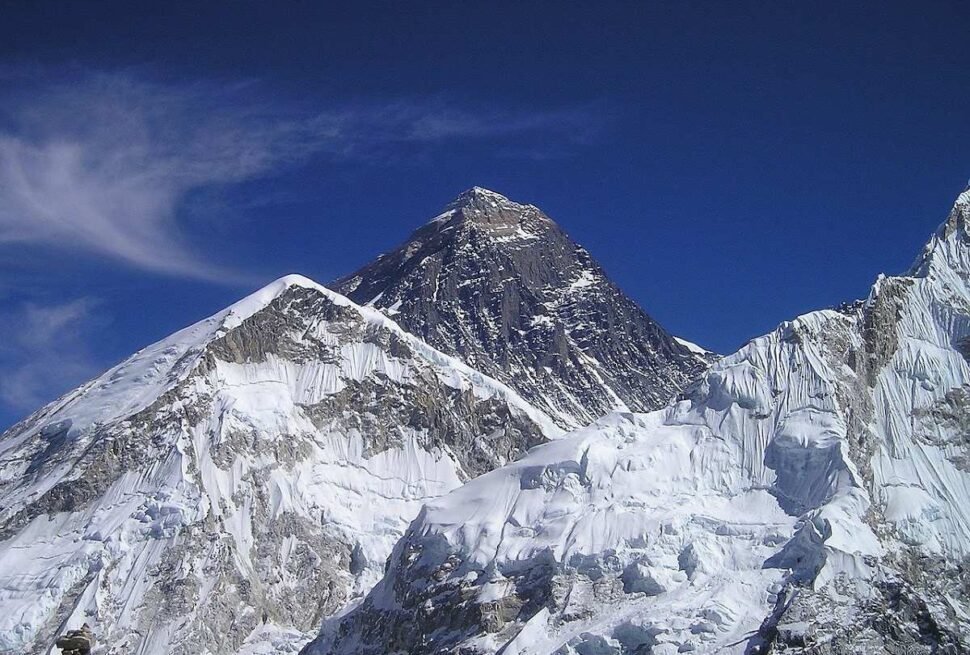
| Max Elevation | 5,545 m / 18,192 ft (Kala Patthar) |
| Altitude Gain (Lukla to EBC) | 2,500 m / 8,200 ft vertical gain |
| Difficulty Rating | Moderate to Strenuous |
| Technical Skill Required | None (no climbing, no glacier travel) |
| Biggest Challenge | Sustained altitude and consecutive high-altitude days |
What Makes the EBC Trek Difficult?
1. High Altitude and Thin Air
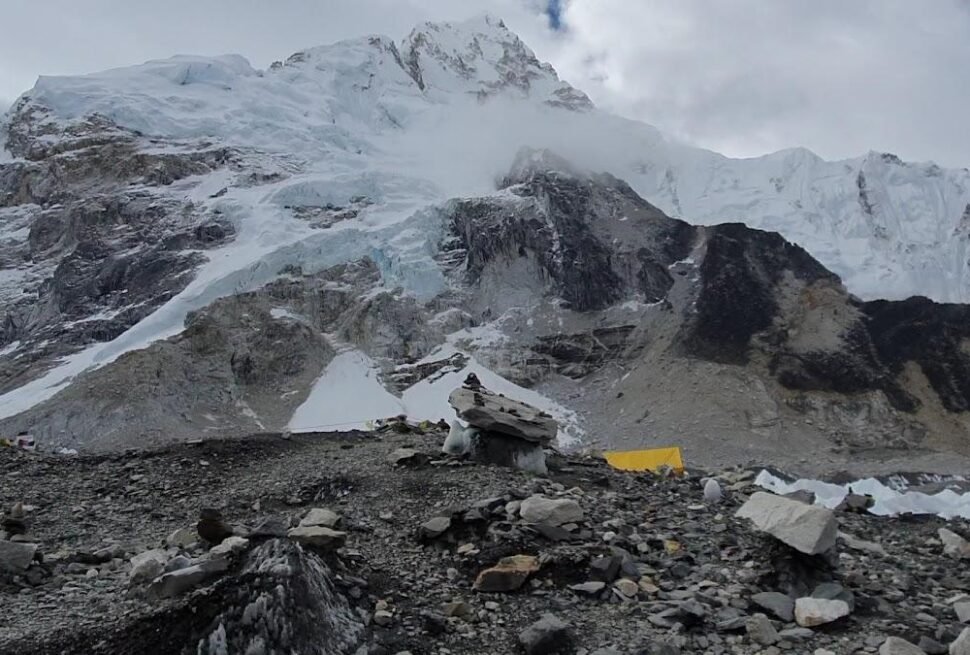
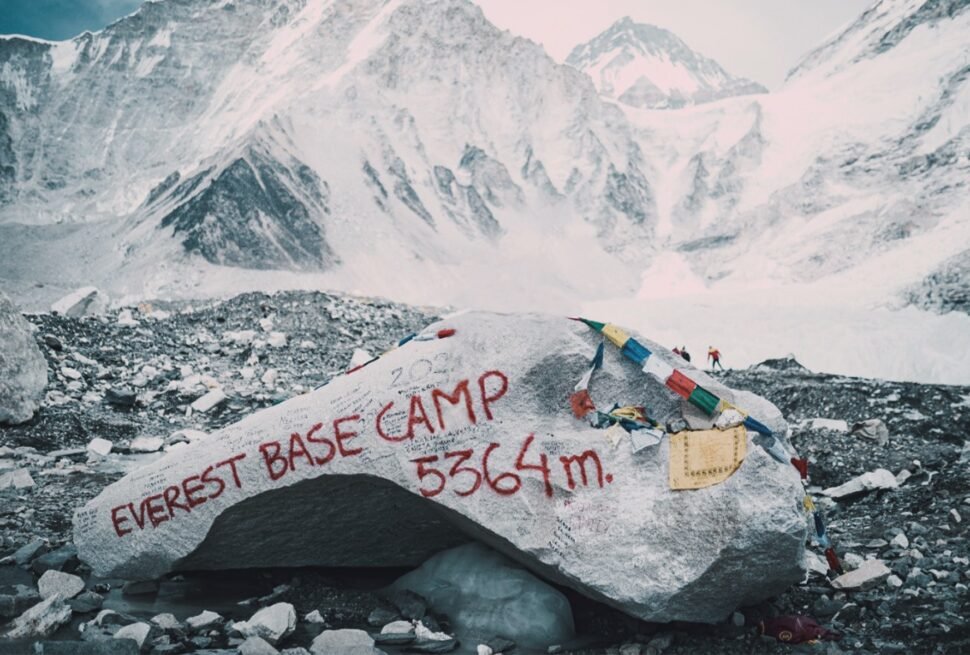
The single greatest challenge on the EBC trek is not the distance or the gradient, it is the altitude. At Everest Base Camp (5,364 m / 17,598 ft), the air contains roughly 50% of the oxygen available at sea level. Your lungs and heart work significantly harder to deliver the same amount of oxygen to your muscles. Simple tasks like climbing stairs in a tea house can leave you breathless above 4,500 m.
The altitude affects everyone differently. Elite athletes have struggled badly on EBC while older, less fit trekkers have sailed through. There is no reliable way to predict your individual response to altitude in advance. The only reliable countermeasure is proper acclimatization: ascending slowly, taking scheduled rest days, and never ignoring symptoms.
2. Consecutive High-Exertion Days
The EBC trek is not a single hard day followed by rest. It is 10 to 12 days of sustained physical effort, with most days involving 5 to 8 hours of walking on uneven terrain. The cumulative fatigue from consecutive trekking days is significant, especially in the final days between Lobuche (4,940 m) and Gorak Shep (5,164 m) when your body is already depleted by altitude.
3. Rocky and Uneven Terrain
The trails above Namche Bazaar are rocky, steep, and irregular. There are no paved paths. You cross dozens of suspension bridges over glacial rivers, travel through boulder fields, and climb stone staircases built into cliff faces. The descent from Gorak Shep is particularly hard on knees. Good ankle support and trekking poles are essential.
4. Unpredictable Weather
The Khumbu weather can change within hours. A clear morning can become a snowstorm by afternoon above 4,000 m. Trail conditions become slippery and cold. While most treks are done in the stable seasons (spring and autumn), even these can produce surprise snowfall and sharp temperature drops.
Day-by-Day Difficulty Breakdown
| Day | Route | Distance | Walking Time | Difficulty | Elevation |
|---|---|---|---|---|---|
| 1 | Kathmandu to Lukla (flight), Lukla to Phakding | 9 km | 4 to 5 hrs | Easy | 2,860 m to 2,610 m |
| 2 | Phakding to Namche Bazaar | 9 km | 5 to 6 hrs | Strenuous | 2,610 m to 3,440 m (+830 m) |
| 3 | Acclimatization at Namche (day hike to Khumjung) | 16 km | 5 hrs | Medium | 3,440 m to 3,790 m and back |
| 4 | Namche to Tengboche | 12 km | 5 to 6 hrs | Easy to Medium | 3,440 m to 3,870 m (+430 m) |
| 5 | Tengboche to Dingboche | 12 km | 5 hrs | Hard | 3,870 m to 4,360 m (+490 m) |
| 6 | Acclimatization at Dingboche (day hike to 5,100 m) | variable | 4 hrs | Hard | 4,360 m to 5,100 m and back |
| 7 | Dingboche to Lobuche | 12 km | 5 to 6 hrs | Strenuous | 4,360 m to 4,940 m (+580 m) |
| 8 | Lobuche to Gorak Shep (hike to Kala Patthar) | 15 km | 7 to 8 hrs | Strenuous | 4,940 m to 5,545 m and back to 5,164 m |
| 9 | Gorak Shep to EBC, then descend to Pheriche | 20 km | 7 to 8 hrs | Strenuous | 5,164 m to 5,364 m then down to 4,371 m |
| 10 | Pheriche to Namche Bazaar | 16 km | 6 to 7 hrs | Hard | 4,371 m down to 3,440 m |
| 11 | Namche to Lukla | 16 km | 5 to 6 hrs | Hard (knees) | 3,440 m down to 2,860 m |
| 12 | Lukla to Kathmandu (flight) | N/A | N/A | Easy | Return to 1,400 m |
Planning Your Everest Trek?
Get local expert advice on cost, itinerary and the best time to go.
Altitude Sickness: The Invisible Risk
Acute Mountain Sickness (AMS) is not about fitness. It can affect experienced mountaineers and beginners equally. It occurs when you ascend faster than your body can acclimatize to reduced oxygen levels. Understanding the symptoms and response protocol is essential before you start.
| Condition | Symptoms | Action Required |
|---|---|---|
| Mild AMS | Headache, fatigue, loss of appetite, mild nausea, difficulty sleeping | Rest at current elevation, hydrate, do not ascend |
| Moderate AMS | Severe headache (not relieved by paracetamol), vomiting, dizziness, weakness | Descend immediately to lower elevation |
| HACE (brain) | Confusion, loss of coordination, inability to walk straight | Emergency descent, oxygen, immediate evacuation |
| HAPE (lungs) | Breathlessness at rest, dry cough, pink frothy sputum, blue lips | Emergency descent, oxygen, immediate evacuation |
The golden rule of altitude: never ascend if you have symptoms. The EBC standard itinerary builds in two full acclimatization days, at Namche Bazaar (3,440 m) and Dingboche (4,410 m). Do not skip these days, no matter how good you feel. The effects of altitude often hit on day 2 or 3 after reaching a new elevation, not immediately.
What Fitness Level Do You Need?
| Fitness Level | Description | EBC Suitability |
|---|---|---|
| Sedentary | No regular exercise, desk job, occasional walks | Not ready, need 6 months of prep minimum |
| Lightly Active | 30 min walks 2 to 3 times per week | Possible with 3 to 4 months of dedicated training |
| Moderately Active | Regular cardio 3 to 4 times per week, occasional hikes | Good base, add altitude-specific training |
| Very Active | Daily exercise, regular long hikes with a loaded pack | Well prepared, focus on altitude awareness |
| Athletic | Endurance sports, multi-day trekking experience | Physically ready, remember altitude is not about fitness |
12-Week Training Plan for EBC
Months 1 and 2: Build Cardiovascular Base
Focus on aerobic endurance. Run, cycle, swim, or row for 30 to 45 minutes, 4 to 5 times per week. Aim to increase weekly duration by 10% each week. Add stair climbing with a light pack (5 to 7 kg) twice per week. This builds the cardiovascular capacity you will rely on above 4,000 m where oxygen is scarce.
Month 3: Add Load and Hills
Increase your pack weight to 7 to 10 kg for all hiking training. Find hills and use them, the more vertical gain in training, the better. Complete at least two full-day hikes (6 to 8 hours) with your loaded pack. Add strength exercises: squats, lunges, step-ups, and calf raises to build the leg strength needed for steep ascents and long descents. Core strength (planks, dead bugs) helps with balance on uneven terrain.
Two Weeks Before Departure
Reduce intensity but maintain frequency. Your goal now is to stay active without creating fatigue or injury. Confirm your gear is broken in, particularly your boots. New boots cause blisters on the EBC trail, and blisters above 4,000 m are a serious problem.
Difficulty Comparison: EBC vs Other Everest Region Treks
| Trek | Difficulty | Max Elevation | Prior Experience Needed |
|---|---|---|---|
| Everest View Trek (7 days) | Easy to Moderate | 3,962 m | No |
| Everest Base Camp Trek (14 days) | Moderate to Strenuous | 5,545 m | No (but preparation essential) |
| EBC with Gokyo Lakes (16 days) | Strenuous | 5,357 m | Recommended |
| Everest Three High Passes (20 days) | Very Strenuous | 5,535 m | Yes, prior trekking above 4,500 m |
| EBC with Island Peak Climbing | Extreme | 6,189 m | Yes, mountaineering skills required |
Who Can Do the EBC Trek?
Age range: Children as young as 10 and adults over 70 have completed the EBC trek successfully. Age is not a barrier, fitness and acclimatization discipline are what matter. That said, children must have adult supervision and a flexible itinerary, and older trekkers benefit from additional acclimatization days.
Medical conditions: Some medical conditions require extra caution at altitude. Consult your doctor before attempting EBC if you have heart disease, lung conditions (COPD, asthma), uncontrolled high blood pressure, epilepsy, sickle cell disease, or a history of prior altitude sickness. AMS can make pre-existing conditions significantly worse.
First-time trekkers: EBC is achievable for first-time high-altitude trekkers with 3 to 6 months of proper preparation. Read our complete EBC trek for beginners guide and our how to prepare for the EBC trek guide before booking.
Practical Tips to Make the Trek Easier
Hire a porter: Carrying less weight makes every step easier. With a porter carrying your main bag (leaving you with only a daypack of 5 to 6 kg), your daily effort drops significantly. The cost is around $20 to $30 per day, one of the best investments you can make.
Walk slowly (pole-pole): The Swahili phrase used by Kilimanjaro guides applies perfectly to EBC. Walking slowly and steadily uses less oxygen per step and reduces AMS risk. Your guide will set the pace, let them.
Hydrate constantly: Drink 3 to 4 litres of water per day, more on acclimatization hike days. Dehydration is both a symptom and cause of AMS. Carry a water purification filter or tablets to reduce bottled water costs.
Eat even when you have no appetite: Altitude suppresses appetite, especially above 4,000 m. Force yourself to eat meals even if you feel nauseous. Your body burns more calories at altitude than at sea level and cannot afford to run a deficit.
Consider the helicopter return option: If you reach Gorak Shep but feel too unwell or exhausted to make the full descent on foot, the EBC with helicopter return option is available. A helicopter from Gorak Shep to Kathmandu costs approximately $500 to $1,000 and is worth every dollar in the right circumstances.
Frequently Asked Questions
Is EBC harder than Kilimanjaro?
They are comparable in many ways. Kilimanjaro peaks at 5,895 m vs EBC’s 5,545 m at Kala Patthar, but the EBC trek takes 12 to 14 days versus 6 to 7 for Kilimanjaro, meaning more cumulative exertion. Kilimanjaro has a steeper final day. EBC has better infrastructure and more gradual acclimatization. Most trekkers who have done both rate them similarly in overall difficulty.
Can I do EBC without previous trekking experience?
Yes, but not without thorough physical preparation. If you have never trekked before, start with a shorter high-altitude trek (Ghorepani Poon Hill or Annapurna Base Camp) to understand how your body responds to altitude before committing to EBC. If that is not possible, at minimum complete several full-day mountain hikes with a loaded pack in the months before your trek.
How do I know if I am fit enough?
A practical test: if you can hike uphill for 6 hours with a 7 to 10 kg pack, take a 30-minute break, and hike downhill for 2 hours, and feel tired but not destroyed, you are ready for EBC. If that sounds impossible right now, start your training immediately.
Does altitude sickness go away on its own?
Mild AMS symptoms often improve after 24 to 48 hours at the same altitude if you rest and hydrate. They do not improve if you continue ascending. Severe AMS (HACE or HAPE) does not improve without descent and medical treatment. Never wait to see if severe symptoms resolve on their own.
EBC Trek Difficulty by Day: What to Expect
| Day | Route | Distance | Elevation Change | Difficulty Rating | Key Challenge |
|---|---|---|---|---|---|
| Day 1 | Lukla to Phakding | 8 km | -300m descent | Easy | Getting trail legs, jet lag |
| Day 2 | Phakding to Namche | 11 km | +800m ascent | Moderate | Long climb into Namche |
| Day 3 | Namche acclimatization | 5-8 km hike | +400m / -400m | Easy-Moderate | First altitude headache possible |
| Day 4 | Namche to Tengboche | 10 km | +500m ascent | Moderate | Long ascent, rocky trail |
| Day 5 | Tengboche to Dingboche | 10 km | +500m ascent | Moderate | Altitude begins to affect energy |
| Day 6 | Dingboche acclimatization | 5 km hike | +400m / -400m | Moderate | Thin air, breathlessness |
| Day 7 | Dingboche to Lobuche | 9 km | +580m ascent | Moderate-Hard | Exposure above 5,000m |
| Day 8 | Lobuche to EBC via Gorak Shep | 12 km | +450m ascent | Hard | Highest point, cold, thin air |
| Day 9 | Gorak Shep to Kala Patthar + descent | 14 km | +340m / -1,200m | Hard | Pre-dawn Kala Patthar climb, long descent |
| Day 10-12 | Descent to Namche | 10-12 km/day | -800m/day | Moderate | Knee strain on descent |
| Day 13 | Namche to Lukla | 16 km | -800m descent | Moderate | Long day, tired legs |
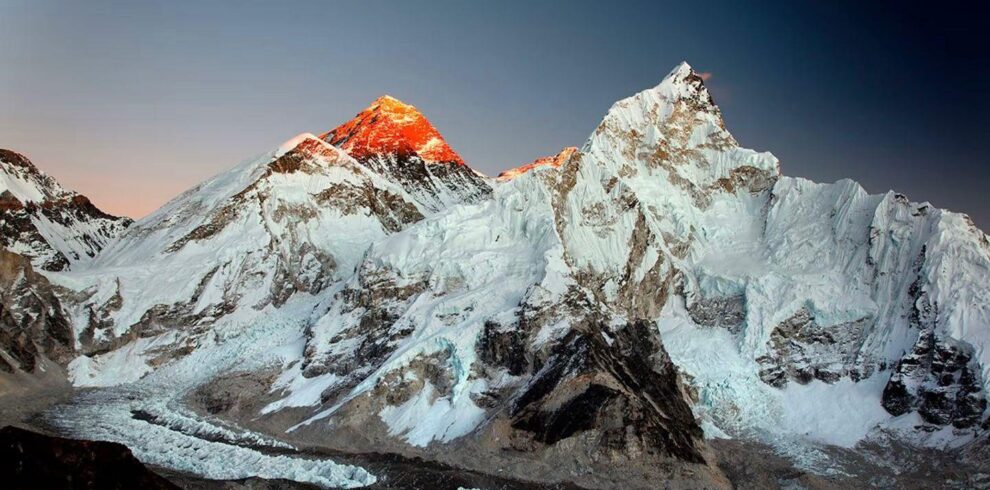
Fitness Requirements for the EBC Trek
You do not need to be an athlete but you do need a solid aerobic base. Here is what fitness level is required at each stage.
| Fitness Area | Minimum Level Needed | How to Test Yourself |
|---|---|---|
| Cardiovascular endurance | Walk 4-5 hours at a steady pace without stopping | Do a 20 km day hike with 800m elevation gain |
| Leg strength | Comfortable with 600-800m daily ascents | Stair climbing for 30 min with a loaded pack |
| Recovery ability | Recover overnight and hike again the next day | Do 3+ consecutive days of hiking |
| Load carrying | Carry a 5-8 kg daypack for 6-7 hours | Train with a loaded pack on local trails |
| Mental endurance | Stay motivated on long, monotonous trail sections | Do solo hikes of 5+ hours |
12-Week Training Plan for EBC
| Week | Cardio | Strength | Long Hike | Focus |
|---|---|---|---|---|
| 1-2 | 30 min walk x 3/week | Bodyweight squats, lunges | 8-10 km flat | Build base aerobic fitness |
| 3-4 | 45 min jog or brisk walk x 4/week | Add weighted squats | 12-15 km with 300m gain | Introduce elevation |
| 5-6 | 60 min run or hike x 4/week | Lunges, step-ups, core | 18-20 km with 500m gain | Build trail legs |
| 7-8 | 75 min cardio x 4/week | Loaded pack training | 20-25 km with 700m gain | Simulate trail days |
| 9-10 | Back-to-back hiking days | Maintain strength | 25 km day 1, 20 km day 2 | Multi-day endurance |
| 11 | Reduce volume | Light strength | 15 km easy | Taper down |
| 12 | Short walks only | Stretching | 5 km easy walk | Rest before trek |
How Does EBC Compare to Other Popular Treks?
| Trek | Max Altitude | Duration | Difficulty | Best Comparison Point |
|---|---|---|---|---|
| Everest Base Camp | 5,545m (Kala Patthar) | 12-14 days | Moderate-Hard | Benchmark |
| Annapurna Circuit | 5,416m (Thorong La) | 15-20 days | Moderate-Hard | Longer, similar altitude |
| Langtang Valley | 3,870m | 7-10 days | Moderate | Easier, lower altitude |
| Gokyo Lakes Trek | 5,360m (Gokyo Ri) | 12-15 days | Moderate-Hard | Similar to EBC |
| Mera Peak | 6,476m | 15-18 days | Hard | Harder than EBC |
| Kilimanjaro | 5,895m | 6-8 days | Moderate | Higher but shorter |
More Questions About EBC Trek Difficulty
Is the EBC trek harder going up or coming down?
Going up is aerobically harder due to altitude and reduced oxygen. Coming down is physically harder on the knees and ankles, especially on the rocky descent from Gorak Shep to Namche. Trekking poles are strongly recommended for the descent.
What is the most difficult day on the EBC trek?
Day 8 and Day 9 are generally considered the hardest. Day 8 involves reaching Everest Base Camp at 5,364m from Gorak Shep at 5,140m after already being at altitude for days. Day 9 includes the pre-dawn climb to Kala Patthar (5,545m) followed by a long descent.
Can someone with no hiking experience do EBC?
It is not recommended without any hiking experience. You should have completed at least a few multi-day hikes of 15+ km before attempting EBC. The combination of altitude, duration, and daily distance makes it unsuitable for complete beginners.
Does age affect EBC trek difficulty?
Age itself is not a barrier. Many trekkers over 60 complete EBC every year. What matters more is your fitness level and how well your body acclimatizes. Older trekkers should allow more acclimatization days and are advised to do a medical check-up before the trek.
How does weight affect difficulty on the EBC trek?
Carrying a heavy pack significantly increases difficulty. Most trekkers hire a porter (USD 200-280 for the full trek) to carry the main bag and only carry a light daypack. A porter can carry up to 25 kg for two trekkers, making the daily hiking much more manageable.
Conclusion
The Everest Base Camp trek is hard, but it is a manageable kind of hard. The difficulty is not technical skill, it is sustained endurance at altitude over many consecutive days. With 3 to 6 months of proper physical preparation, a good licensed guide from a trusted everest trekking company, and a disciplined approach to acclimatization, the vast majority of motivated trekkers can complete it.
If you are concerned about the difficulty, consider starting with the shorter Everest View Trek for a first Himalayan experience. Once you know how your body handles altitude and multi-day trekking, you will have far more confidence going into the full EBC.
How Difficult Is the Everest Base Camp Trek? An Honest Assessment
The most honest answer to “how hard is the EBC trek” is: harder than a walk in the park, easier than you probably imagine, and entirely achievable for any reasonably fit person who prepares properly. The EBC trek is not technically difficult — there is no climbing, no ropes, no glacier crossing (except when you actually reach Base Camp, where you walk on moraine). The difficulty is cumulative: 14 days of sustained walking at significant altitude, in cold conditions, with reduced sleep quality and appetite. That accumulation is what separates the EBC trek from a regular hiking holiday.
Physical Demands at Each Stage of the Trek
Lukla to Namche Bazaar (Days 1–2): The first two days are deceptively demanding. The trail from Phakding to Namche involves approximately 800 m of net elevation gain over 11–12 km, with numerous short descents and re-ascents. The final 2 km of the Namche climb is the steepest section of the lower trail — a zig-zagging path through pine forest that takes even fit trekkers 90–120 minutes. Heart rate elevates significantly here at 3,000+ m altitude. Pace: slow and steady wins. Most trekkers arrive in Namche exhausted but exhilarated. Difficulty: Moderate.
Namche to Tengboche (Day 4): A beautiful but undulating day with views opening dramatically. The trail descends to the Dudh Kosi valley, then climbs steeply to Tengboche monastery. Total elevation gain approximately 420 m. The final climb to Tengboche through rhododendron forest is demanding at altitude but manageable. Difficulty: Moderate.
Tengboche to Dingboche (Day 5): Descending to Deboche, crossing the Imja Khola river, and ascending gradually to Dingboche at 4,410 m. The altitude here begins to significantly impact breathing capacity. Uphill sections feel harder than their gradient warrants due to reduced oxygen. Difficulty: Moderate-High.
Dingboche to Lobuche (Day 7): Crossing the high plateau and ascending past the Thukla Memorial (4,620 m) to Lobuche (4,910 m). Total elevation gain approximately 500 m over 7–8 km. The Thukla climb — a steep moraine wall — is the most physically demanding single section above Namche. Many trekkers rest here for 10–15 minutes before the final approach to Lobuche. Difficulty: High.
Lobuche to Gorak Shep and EBC (Day 8): The longest and most demanding day on the trek. The path from Lobuche to Gorak Shep (5,164 m) crosses the lateral moraine of the Khumbu Glacier — rocky, uneven, and relentlessly uphill at extreme altitude. From Gorak Shep, continuing to Everest Base Camp (5,364 m) adds a 2–3 hour round trip across more glacier moraine. Total trekking time for this day: 7–9 hours. At altitude, this is the most physically stressful day of the trek. Difficulty: Very High.
Kala Patthar (Day 9): The pre-dawn hike to Kala Patthar (5,545 m) from Gorak Shep is 2–3 hours at the most demanding altitude of the entire trek. Cold (typically -15°C to -20°C before dawn), with steep loose-scree trail for the final 200 m of ascent. The summit viewpoint at 5,545 m is, for most trekkers, the highest point they have ever stood in their lives. The view justifies every difficult step. Difficulty: Very High at this elevation.
Comparing EBC Difficulty to Other Famous Treks
| Trek | Max Elevation | Duration | Technical Difficulty | Overall Challenge |
|---|---|---|---|---|
| Everest Base Camp | 5,545 m (Kala Patthar) | 14 days | None (walking only) | High (altitude) |
| Annapurna Circuit | 5,416 m (Thorong La) | 14–18 days | None (walking only) | High (altitude + distance) |
| Tour du Mont Blanc | 2,665 m | 11 days | None | Moderate |
| Kilimanjaro (Marangu) | 5,895 m | 6 days | None | High (very rapid ascent) |
| Langtang Valley Trek | 4,984 m | 7–10 days | None | Moderate |
The EBC trek is comparable to other high-altitude non-technical treks in overall challenge. It is harder than the Tour du Mont Blanc primarily due to altitude, easier than Kilimanjaro’s rapid ascent schedule (which has higher AMS rates), and roughly equivalent to the Annapurna Circuit’s high point crossing.
Fitness Preparation: What You Actually Need
The minimum fitness benchmark for a comfortable EBC trek: be able to complete a 5–6 hour hike on hilly terrain with a 6–8 kg daypack on consecutive days without being debilitated by fatigue. If that sounds achievable with your current fitness, you are ready to start specific training. If it sounds like a significant stretch, start a fitness programme at least 12 weeks before departure.
The specific fitness components that matter most for EBC: cardiovascular endurance (the ability to sustain moderate-intensity exercise for 5–8 hours), lower body muscular endurance (quads, glutes, calves, and hip flexors all bear significant cumulative stress over 14 days), and core stability (which becomes critical on rough, uneven terrain above 4,000 m where the trail is poorly defined). Flexibility is a bonus. Upper body strength is largely irrelevant — you will use trekking poles, not your arms.
Age is not a significant factor at the preparation stage. Trekkers in their 50s and 60s routinely complete the EBC trek more successfully than unfit trekkers in their 20s and 30s, because experience, patience, and discipline in following the acclimatisation schedule matter more than raw athleticism. Our oldest solo trekker to complete EBC with Everest Trekking Company was 74 years old. For personalised fitness advice based on your current condition, contact our team when you enquire about booking your Everest Base Camp Trek.
Mental Challenges on the EBC Trek
Physical difficulty and mental difficulty are distinct, and both deserve attention. The EBC trek’s mental demands are often underestimated by first-time high-altitude trekkers. The physical discomfort of cold mornings, hard mattresses, reduced appetite, and breathlessness at altitude creates a cumulative psychological toll that is real and worth acknowledging and preparing for.
The most common mental challenge is what experienced guides call the “Day 9–10 wall” — the period after reaching Kala Patthar and EBC when fatigue, cold, and altitude combine to make the return journey feel unexpectedly demanding. Many trekkers feel somewhat deflated after reaching Base Camp because the goal has been achieved but the trek is only half over. Our guides actively manage this by reframing the descent as a different kind of experience — the views from lower elevations are often more dramatic on the way down because you are seeing them from new angles and in better light.
Patience is perhaps the most important mental skill for EBC. The pace on high-altitude treks must be dramatically slower than most active people are used to — the Nepali instruction “bistari bistari” (slowly slowly) applies not just to walking speed but to the entire mental rhythm of the trek. Trekkers who can genuinely embrace a slower pace consistently have better experiences and better acclimatisation outcomes.
Guided vs. Solo: What It Means for Difficulty Management
Trekking with Everest Trekking Company meaningfully reduces the difficulty of the EBC trek compared to attempting it independently. This is not because our guides make the walking easier (the physical demands are the same regardless) but because they handle the cognitive and logistical challenges that otherwise fall on the solo trekker. Navigation on the Khumbu trail is generally straightforward but there are junctions and trail variations that regularly confuse inexperienced trekkers. Accommodation negotiation in busy season requires language skills and local relationships. Altitude symptom monitoring requires experience recognising early warning signs — signs that a guide with 50+ EBC ascents has seen many times and knows exactly how to assess.
Our guides also carry Diamox, dexamethasone for HACE emergencies, and pulse oximeters, and maintain active relationships with the helicopter evacuation services that serve the Khumbu. For the EBC trek with helicopter return, difficulty on the final descent is eliminated entirely — you fly back to Lukla from Gorak Shep after reaching Base Camp and Kala Patthar, saving your knees and energy for the journey home. Browse all our EBC packages at Everest Trekking Company to find the option that matches your fitness and experience level.
Difficulty by Trekker Profile
Beginner hikers (limited regular exercise): The EBC trek will be very challenging. Begin a dedicated 12–16 week training programme immediately. Focus on cardiovascular conditioning, 4+ hour hikes weekly, and significant stair/hill work. The trek is still achievable but requires real preparation. Add two extra acclimatisation days to your itinerary by booking a 16-day version.
Regular hikers (3+ hours hiking per week): The EBC trek will be challenging but manageable with consistent training over 8–12 weeks. Focus on back-to-back hiking days and increasing pack weight progressively. The standard 14-day itinerary is appropriate.
Fit, active individuals (gym 4+ times per week, occasional hiking): The EBC trek will be demanding but within reach with altitude-specific preparation — namely, get onto trails and hills rather than just the gym, because gym fitness translates poorly to sustained mountain walking. Start hiking 6–8 weeks before departure.
Experienced hikers and mountaineers: The EBC trek will feel manageable in terms of physical demand. The altitude remains the primary challenge regardless of fitness. Follow acclimatisation schedules carefully and do not let fitness confidence lead to skipping rest days. The Everest Three High Passes Trek may offer a more suitable challenge for this group.
Whatever your starting fitness level, the team at Everest Trekking Company will discuss your personal fitness, history, and goals during the booking process to recommend the most appropriate itinerary and preparation plan for your Everest Base Camp Trek. Reach out today to begin planning.
The Everest Base Camp trek sits at the intersection of accessible and aspirational — challenging enough to be genuinely rewarding, achievable enough that anyone with decent fitness and the right preparation can complete it. The key is choosing an experienced operator who structures the itinerary correctly. Book your Everest Base Camp Trek with Everest Trekking Company and benefit from over a decade of expertise helping trekkers of all fitness levels reach Base Camp safely and return home with the experience of a lifetime.
The Everest Base Camp trek rewards those who respect its demands. Take a slow pace, follow the acclimatisation schedule, listen to your body and your guide, and this iconic journey is within your reach. Start planning your Everest Base Camp Trek with Everest Trekking Company today — our team will assess your fitness, recommend the perfect itinerary, and ensure you arrive at Everest Base Camp ready to stand before the world’s highest mountain.
With the right preparation and a great guide, the Everest Base Camp trek is the most rewarding challenge of your life. Book with Everest Trekking Company to get started.
Planning Your Everest Trek?
Get local expert advice on cost, itinerary and the best time to go.