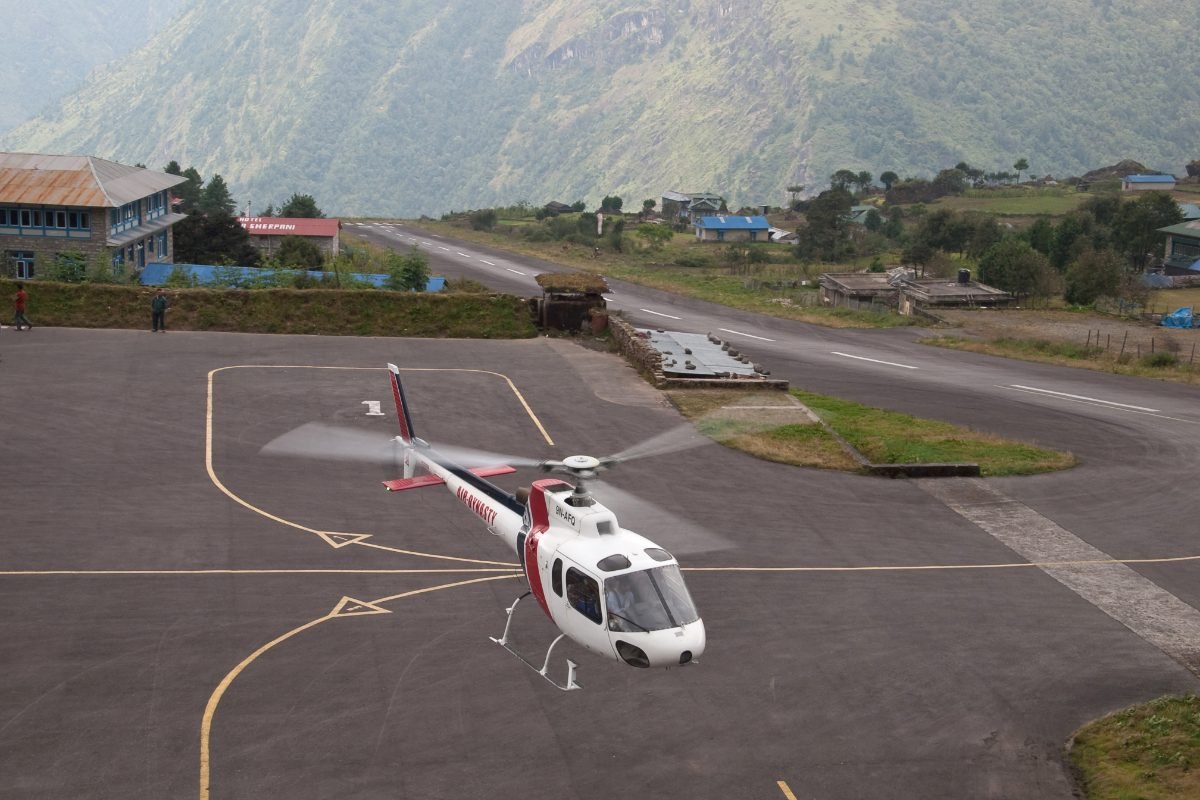
Tenzing-Hillary Airport in Lukla (IATA: LUA) is the gateway to the Everest Base Camp trek and one of the most famous airports in the world. Sitting at an elevation of 2,845 metres in the Solukhumbu district of eastern Nepal, it has a single short runway of approximately 527 metres, a significant gradient (the runway slopes uphill toward the mountain to help planes decelerate on landing), and is surrounded by steep terrain on three sides. Pilots describe it as one of the most technically demanding approaches in commercial aviation.
For EBC trekkers, Lukla represents both the exciting beginning and the nerve-wracking end of the journey. Understanding how the airport works — and how to deal with inevitable delays — makes the experience much less stressful.
Key Facts About Lukla Airport
| Detail | Information |
|---|---|
| Full name | Tenzing-Hillary Airport |
| IATA code | LUA |
| Altitude | 2,845m (9,334 ft) |
| Runway length | ~527 metres |
| Location | Lukla, Solukhumbu, Nepal |
| Distance from Kathmandu (by air) | ~140 km |
| Flight time from Kathmandu | 30–45 minutes |
| Airlines operating route | Tara Air, Summit Air, Sita Air |
| Type of aircraft | Twin Otter, Pilatus PC-6, small fixed-wing aircraft |
Flights from Kathmandu to Lukla
All scheduled passenger flights between Kathmandu and Lukla depart from Tribhuvan International Airport (TIA) in Kathmandu, using small turboprop aircraft. The flight is approximately 30–45 minutes and follows a scenic route northeast toward the Himalaya, with views of peaks including Gaurishankar and Numbur before the final approach into Lukla.
Flights to Lukla operate VFR only (Visual Flight Rules) — meaning pilots must be able to see clearly to fly. There are no instrument landing systems at Lukla. If visibility is poor — cloud, fog, or precipitation — flights cannot operate. This is the single most important thing to understand about flying to Lukla.
Planning Your Everest Trek?
Get local expert advice on cost, itinerary and the best time to go.
Flight Prices
Round-trip flights from Kathmandu to Lukla cost approximately USD $280–$420 for foreign nationals (prices vary by season and airline). Domestic Nepali citizens pay significantly less. Booking in advance through a reputable trekking company is recommended for peak-season dates (October, April), when flights sell out weeks in advance.
Flight Delays and Cancellations
Lukla flight delays are extremely common and are the single biggest source of itinerary stress for EBC trekkers. Understanding why they happen helps you plan around them.
Why Flights Get Delayed
- Low cloud or fog at Lukla — the runway can be VFR-clear in Kathmandu but clouded in at Lukla
- High winds at Lukla — crosswinds can make the approach unsafe
- Visibility below minimums — standard minimum visibility requirements must be met for each flight
- Cascading delays — if morning flights can’t operate, all subsequent flights stack up; recovery is slow
Delay Frequency by Season
| Season | Typical Delay Frequency |
|---|---|
| October–November (Autumn) | Low — most reliable flying weather |
| March–April (Spring) | Low to moderate — generally reliable |
| May (pre-monsoon) | Moderate — delays becoming more common |
| June–September (Monsoon) | High — frequent multi-day delays common |
| December–February (Winter) | Moderate — clear days good; occasional snow and wind |
Buffer Days: How Many Do You Need?
Always build buffer days into your itinerary on both the Kathmandu departure and return legs. The standard recommendation:
- Autumn (October–November): 1 day buffer each end is usually sufficient
- Spring (March–May): 1–2 days buffer each end
- Monsoon (June–August): 3–5 days buffer each end minimum
Never book an international flight that departs Kathmandu the same day as your scheduled Lukla return, or even the following day. Delays of 2–3 days are not uncommon in peak season; 4–5 day delays happen regularly in monsoon. The buffer days you build in could save you an expensive rebooking fee or missed flight.
What to Do if Your Flight Is Cancelled
When flights are cancelled, your trekking company or airline will rebook you on the next available flight. In peak season this can mean a day’s wait; in monsoon it may mean multiple days. While waiting in Lukla:
- Stay at your teahouse in Lukla — there are several good options around the airport
- Check in with the airport every morning — flights sometimes operate with very little notice when weather clears
- Be at the airport early — delays often mean a sudden green light when weather clears in early morning
- Keep your phone charged and stay in contact with your trekking company
Helicopter Alternatives
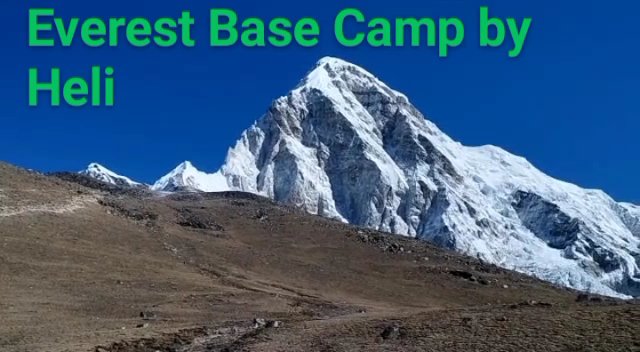
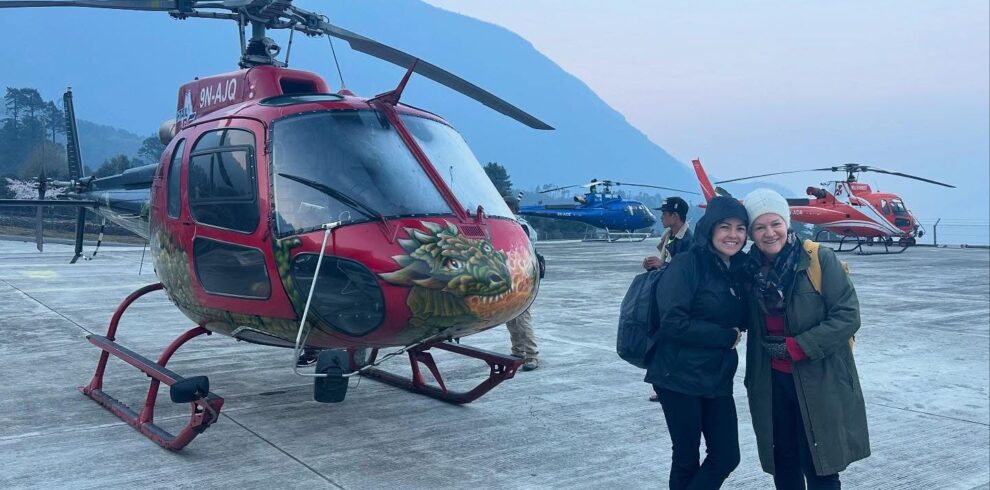
When flights are severely delayed, some trekkers pay to charter or join a shared helicopter from Lukla to Kathmandu. Helicopter charters are significantly more expensive than fixed-wing flights but can operate in weather conditions that ground small planes. Shared helicopter seats (when available) reduce the per-person cost considerably.
Your trekking company can assist in arranging helicopter transport if your schedule requires it. Note: travel insurance usually does not cover the cost of choosing a helicopter over a fixed-wing flight due to personal preference — it only covers evacuation for medical necessity.
The Lukla Airport Experience
Arriving at Lukla airport for the first time is memorable. The terminal building is small, the runway ends abruptly at a stone wall with a drop on the other side, and aircraft park wingtip to wingtip on the apron. Porters, guides, and trekkers fill the small terminal. On busy mornings in October, a dozen aircraft can be lined up and the atmosphere is a mix of controlled chaos and mountain-town energy.
On departure, passengers queue through a basic security check. Bags for the Lukla–Kathmandu flight are often weighed strictly — the 10kg baggage limit on domestic aircraft is enforced. Your main duffel goes in the cargo hold; carry your day pack as hand luggage.
Alternative Access: Overland to Salleri
Some trekkers choose to avoid Lukla’s flights entirely by taking an overland bus or jeep to Salleri (Solu district) and trekking from there. The overland option adds 3–4 days to the itinerary each way but eliminates flight dependency. It is popular with budget-conscious trekkers and those who want a longer, more traditional approach to the Khumbu.
Book Flights Through Your Trekking Company
Everest Trekking Company books domestic flights for all EBC trek clients as part of the package. We monitor flight conditions, handle rebooking in case of delays, and can arrange helicopter alternatives when needed. View our EBC Trek package for full details on what’s included.
Related EBC Trek Guides
Planning Your Everest Trek?
Get local expert advice on cost, itinerary and the best time to go.