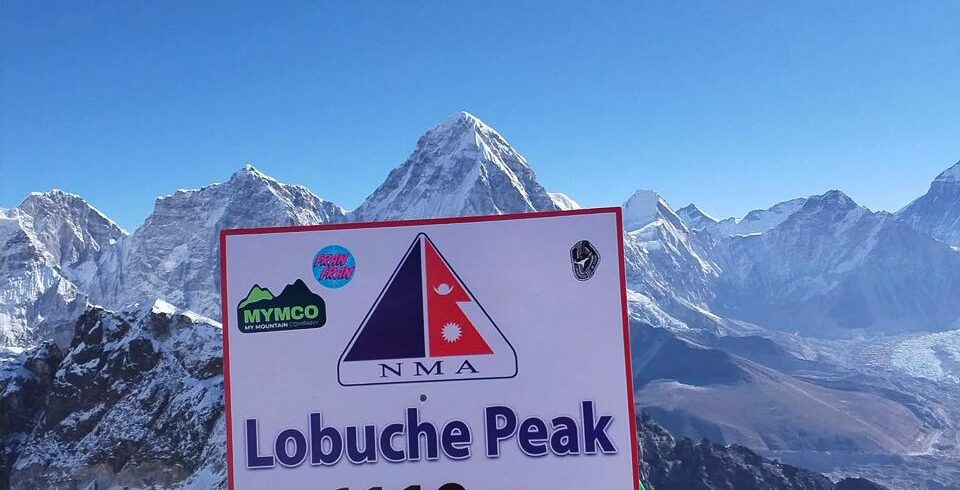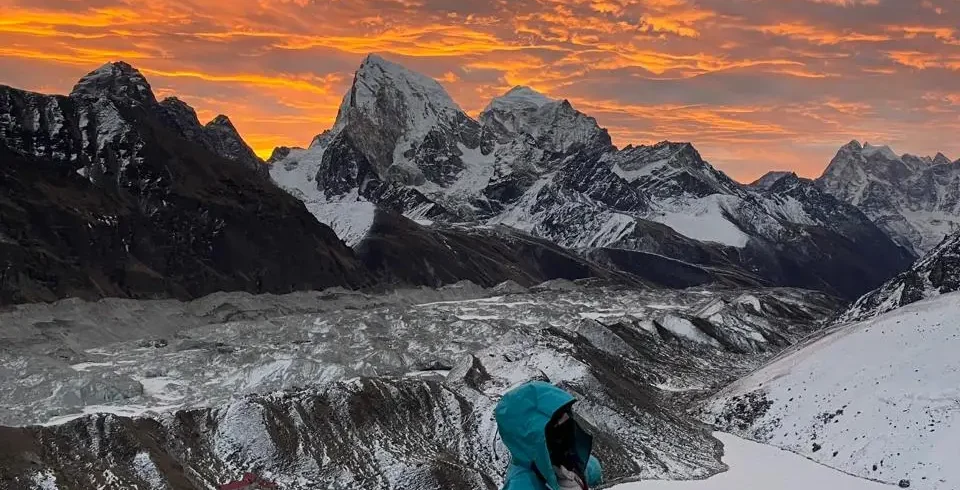
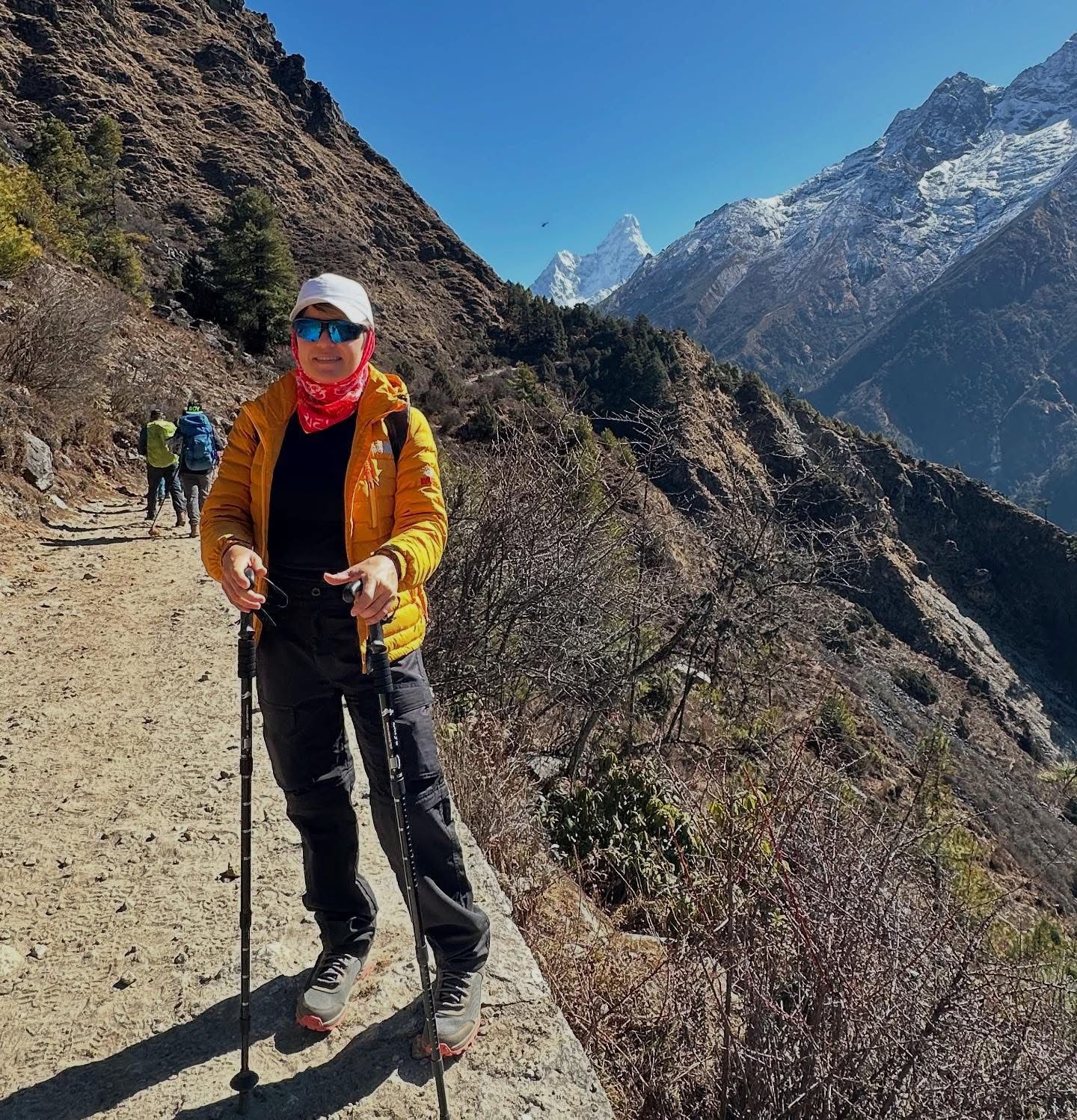
The best time to trek to Everest Base Camp is during the spring season (March to May) and the autumn season (September to November). These two trekking windows offer the most stable weather, clearest mountain views, and safest trail conditions. Of all the months, October is widely considered the single best month to trek to Everest Base Camp, followed closely by April and November.
Each season has its own character. Understanding what to expect month by month — temperatures, snowfall, crowd levels, and trail conditions — helps you pick the timing that works for you.
Overview: Everest Base Camp Trekking Seasons
| Season | Months | Weather | Crowd Level | Verdict |
|---|---|---|---|---|
| Spring | March–May | Warming, stable, some haze in May | High | Excellent |
| Monsoon | June–August | Wet, cloudy, leeches | Low | Challenging |
| Autumn | September–November | Clear, dry, stable | Very High | Best |
| Winter | December–February | Cold, snowfall possible | Very Low | Difficult |
Autumn Season: September to November (Best Time)
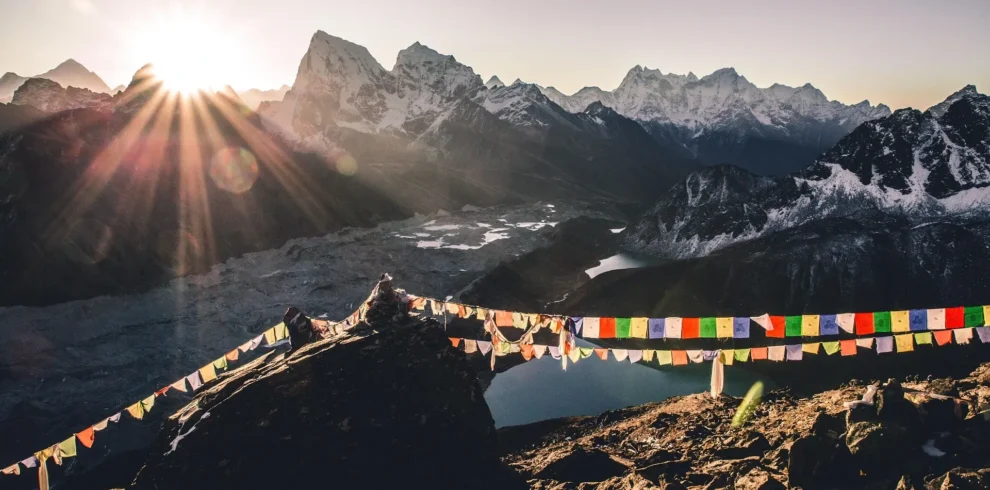
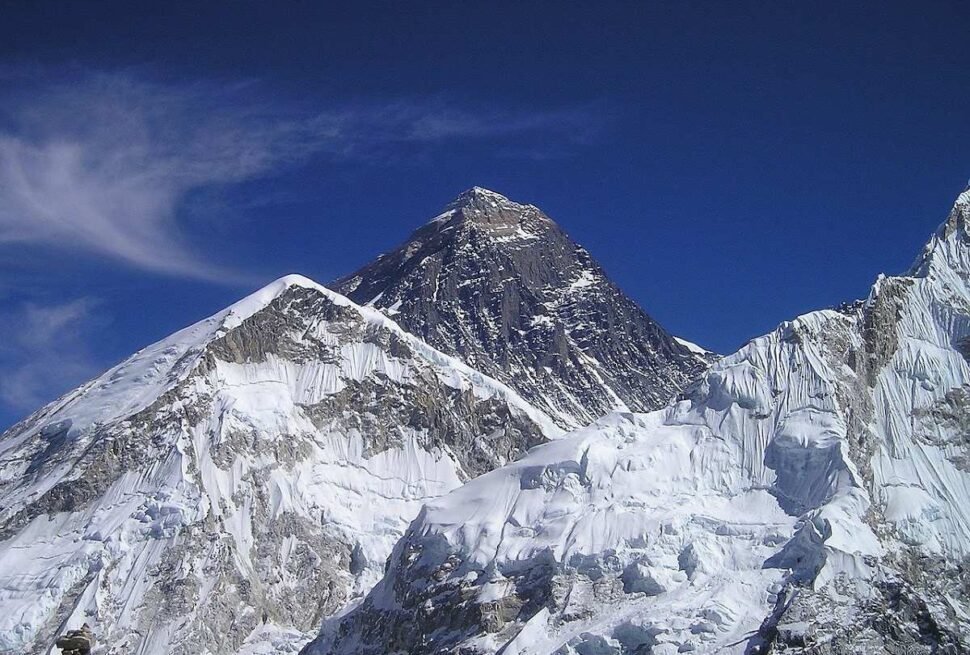
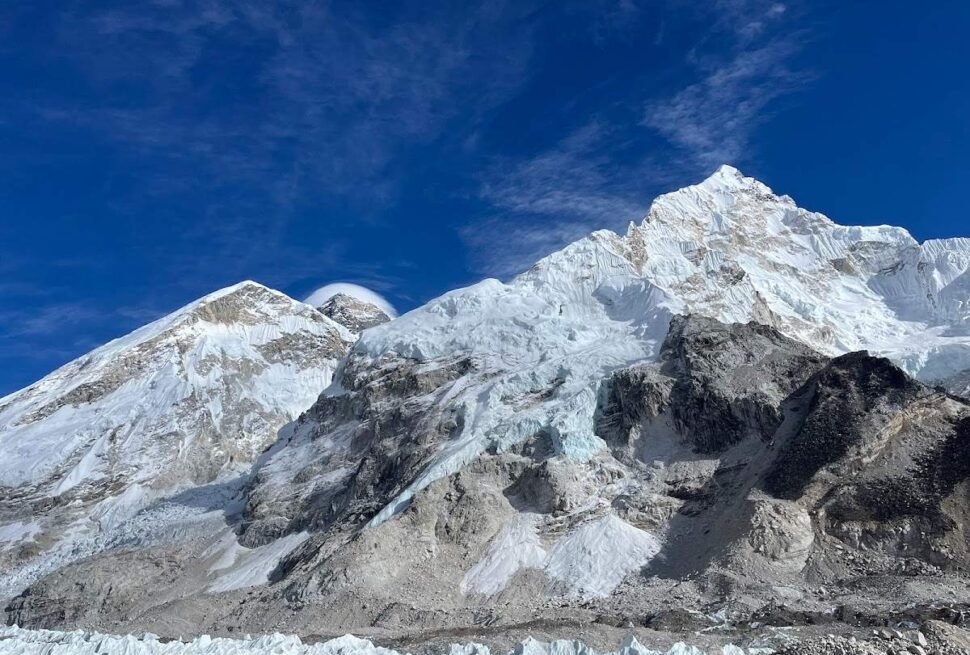
Autumn is the peak trekking season for Everest Base Camp. After the monsoon clears in late September, the skies over the Khumbu Valley become remarkably clear. The air is washed clean by rain, giving trekkers sharp views of Everest, Lhotse, Nuptse, Ama Dablam, and surrounding peaks.
September
September marks the transition from monsoon to autumn. The first two weeks can still see occasional showers, but by mid-to-late September the weather stabilises. Trails are lush and green, waterfalls are full, and crowds haven’t yet arrived. Late September is a hidden gem — good views, fewer trekkers, lower lodge prices. Temperatures at EBC hover around -5°C to 8°C during the day.
October
October is the best month to trek to Everest Base Camp. The weather is stable — cool, dry, and clear. Visibility is exceptional, and mountain views from Kala Patthar (5,645m) are at their finest. Temperatures at EBC range from -8°C to 0°C during the day. Be aware that October is also the busiest month on the trail — book teahouses in advance.
November
November offers excellent views with fewer crowds than October. The trade-off is temperature: it is noticeably colder. At EBC, daytime temperatures sit around -10°C to -5°C, and nights can drop to -15°C or colder. Good cold-weather gear is essential. By late November, snowfall becomes more likely at higher elevations.
Planning Your Everest Trek?
Get local expert advice on cost, itinerary and the best time to go.
Spring Season: March to May (Second Best Time)
Spring is the second best time to trek to EBC and also the Everest summit season. Expedition teams are active on the mountain, giving Base Camp a unique energy.
March
March is the quietest spring month. Weather is variable with some cold spells, but clear windows are common. Rhododendron forests begin to bloom at lower elevations. Fewer crowds and lower lodge prices make it appealing for those who want a quieter experience. Temperatures at EBC hover around -10°C to 0°C.
April
April is the peak of spring season. Rhododendrons are in full bloom below 4,000m, turning forests into spectacular colour. Weather is generally stable with clear mornings and some afternoon cloud build-up. Expedition teams are active on Everest. Temperatures at EBC range from -5°C to 5°C during the day, -15°C at night.
May
May remains popular but conditions shift toward monsoon. Haze builds and afternoon clouds increase. Mountain views can still be excellent in early May. By late May, heavier pre-monsoon showers begin at lower elevations. Most trekkers aim to return from Base Camp before mid-June.
Monsoon Season: June to August (Challenging)
The monsoon runs from roughly mid-June to mid-September. Trekking to EBC in monsoon is possible but challenging. Rain falls daily, trails become slippery, leeches are active on forested sections, and mountain views are frequently obscured by cloud. Teahouses remain open but are much quieter. Despite the conditions, benefits include very low prices, lush green landscapes, near-total solitude on the trail, and clear morning windows for views. Lukla flight delays are very common during monsoon — build extra buffer days into your trip.
Winter Season: December to February (Most Difficult)
Winter is the least popular season. Temperatures at EBC drop to -20°C or below at night. Some teahouses at higher elevations close or reduce services. That said, winter trekking is done every year by experienced, well-equipped trekkers. Rewards include crystal-clear skies, dramatic snow-draped landscapes, complete solitude, and low prices. January and February are the harshest months and are only suitable for experienced trekkers with professional guiding and high-quality cold-weather gear.
Month-by-Month Temperature Guide
| Month | Season | EBC Day Temp | Sky Clarity | Crowds |
|---|---|---|---|---|
| January | Winter | -15°C to -5°C | Clear but cold | Very Low |
| February | Winter | -12°C to -3°C | Clear to partly cloudy | Very Low |
| March | Spring | -8°C to 2°C | Good | Low-Medium |
| April | Spring | -5°C to 5°C | Excellent | High |
| May | Spring | -2°C to 8°C | Good, haze builds | High |
| June | Monsoon | 2°C to 10°C | Cloudy/rainy | Very Low |
| July | Monsoon | 5°C to 12°C | Mostly cloudy | Very Low |
| August | Monsoon | 5°C to 12°C | Mostly cloudy | Very Low |
| September | Transitional | 0°C to 8°C | Improving | Low-Medium |
| October | Autumn | -8°C to 0°C | Best of year | Very High |
| November | Autumn | -10°C to -2°C | Excellent | Medium |
| December | Winter | -13°C to -5°C | Very Clear | Very Low |
Elevation and Temperature: What to Expect
| Location | Altitude | October Day Temp | April Day Temp |
|---|---|---|---|
| Lukla | 2,840m | 10–16°C | 12–18°C |
| Namche Bazaar | 3,440m | 5–12°C | 8–15°C |
| Tengboche | 3,860m | 3–10°C | 6–13°C |
| Dingboche | 4,410m | 0–7°C | 3–10°C |
| Lobuche | 4,940m | -3°C to 4°C | 0–7°C |
| Gorak Shep | 5,164m | -5°C to 2°C | -2°C to 5°C |
| Everest Base Camp | 5,364m | -8°C to 0°C | -5°C to 3°C |
| Kala Patthar | 5,645m | -12°C to -3°C | -8°C to 0°C |
Lukla Flight Reliability by Season
Flight reliability into Lukla varies significantly by season. October and November offer the best flight conditions — clear mornings mean most flights depart on schedule. Spring (March–April) is generally reliable. Monsoon season sees frequent cancellations and multi-day delays. Winter brings occasional wind and snowfall delays but many fine flying days. Regardless of season, always build at least 2 buffer days into your itinerary on each end of the trek.
Climbing Season vs Trekking Season
Everest’s official climbing season is spring (April–May). If seeing an active Base Camp with expedition teams is part of your goal, April is the ideal month — hundreds of climbers, high-altitude porters, and support staff fill the camp. In October, the camp is largely deserted after expeditions have cleared out, but the mountain views — especially from Kala Patthar — are unmatched.
Festivals in the Khumbu by Season
- Mani Rimdu Festival (Tengboche Monastery) — November. Monks perform ritual masked dances. One of the great cultural highlights of the EBC trek.
- Dumje Festival — July–August. Celebrated across Sherpa villages during monsoon.
- Losar (Tibetan New Year) — late January or February. Sherpa communities celebrate with ceremonies and offerings.
Quick Tips for Choosing Your Best Time
- Best views and most stable weather? Choose October.
- Active climbing expeditions at Base Camp? Go in April.
- Rhododendrons and trail colour? April is unmatched.
- Fewer crowds? Late September, November, or March.
- Tight budget? Monsoon offers lowest prices but expect weather delays.
- Solitude and snow scenery? December can be extraordinary with the right gear.
Frequently Asked Questions
What is the best month to visit Everest Base Camp?
October is widely regarded as the best month. Weather is stable, skies are clear, and mountain views from Kala Patthar are at their finest. It is also the busiest month, so expect full teahouses and a crowded trail.
Can you trek to EBC in winter?
Yes, but it requires proper cold-weather gear and experience. Temperatures at EBC drop to -20°C or below in winter nights. January and February are the most challenging months and are only suitable for experienced, well-equipped trekkers.
Is it safe to trek to EBC during monsoon?
The main route via Namche and Dingboche remains accessible during monsoon, but conditions are wet, cloudy, and slippery. Lukla flight delays are frequent. Mountain views are often blocked. It is possible but not recommended for first-time EBC trekkers.
When does the EBC trail get most crowded?
October is the peak of peak season — the trail and teahouses are at their busiest. April also sees high traffic. March, November, late September, and early December are significantly quieter.
Plan Your Everest Base Camp Trek
Choosing the right time to trek to Everest Base Camp makes a significant difference to your experience. Whether you’re drawn to October’s crystal-clear vistas, April’s rhododendron trails, or a quieter off-season adventure, Everest Trekking Company can tailor your itinerary to the season that suits you best. View our Everest Base Camp Trek package or contact us to start planning.
Related EBC Trek Guides
Planning Your Everest Trek?
Get local expert advice on cost, itinerary and the best time to go.