October is the single most popular month for the Everest Base Camp trek. The post-monsoon skies clear, the views are exceptional, the mountain light is dramatic, and the trail temperature is cold but manageable. Here is everything you need to know to make October your month on the Khumbu.
October EBC Trek at a Glance
| Season | Autumn (post-monsoon) peak season |
| Temperature at Namche Bazaar | +5C to +15C days / -5C to -10C nights |
| Temperature at Gorak Shep | -5C to +5C days / -15C to -25C nights |
| Sky clarity | Excellent; some afternoon cloud build-up mid-month |
| Trail crowding | Very high, busiest month of the year |
| Snowfall risk | Low to moderate (late October can bring early snow) |
| Trail condition | Dry, well-maintained, some post-monsoon mud on lower trail |
| Teahouse availability | Book well in advance through your operator |
Why October Is the Peak Month
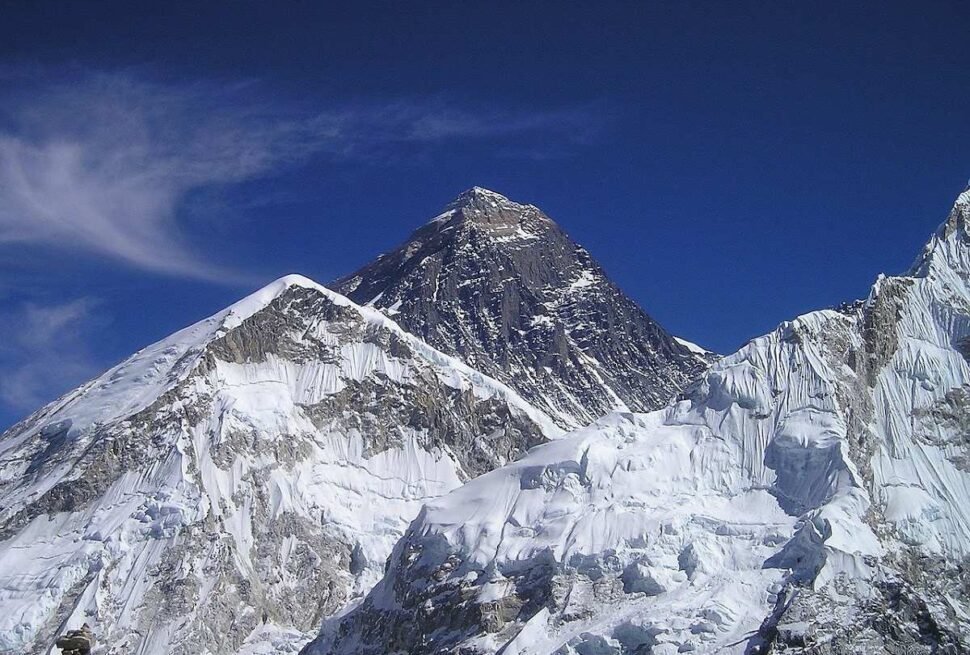
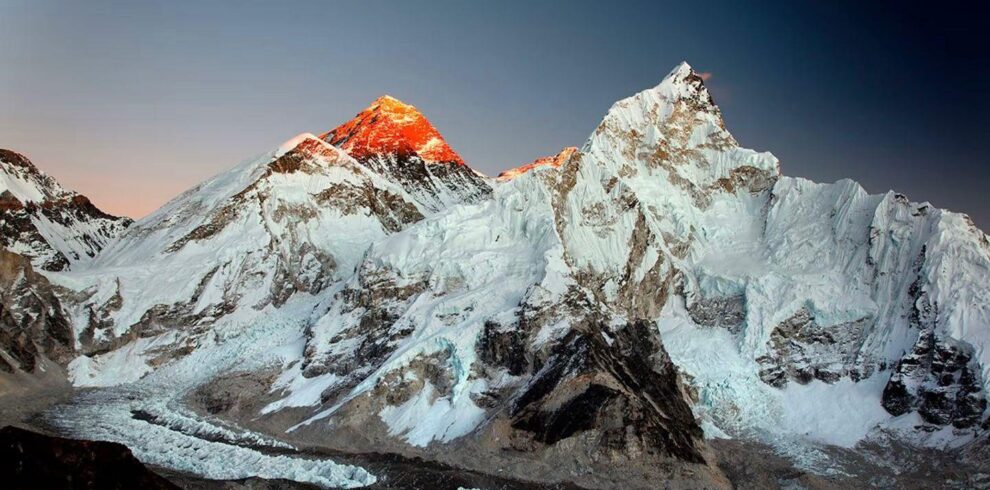
The monsoon in Nepal runs from June through September. By October 1st, the southwest monsoon has retreated and the Khumbu dries out rapidly. The result is some of the clearest mountain views of the year. Everest, Lhotse, Nuptse, Ama Dablam, and Pumori stand brilliant against deep blue skies with none of the haze or cloud that obscures them during other seasons.
The trail itself is at its best. The grass is green from the rains but the paths are drying. Rhododendron and other alpine plants add colour to the lower trail. Temperatures are cold but not extreme, making the daily walking distance comfortable for fit trekkers.
Because conditions are near-perfect, virtually every experienced trekker knows about October and it shows in trail numbers. October and November together account for more than 40% of annual EBC trekker numbers. If you want a quieter experience, read the comparison section below.
Week-by-Week October Conditions
| Week | Sky | Temperature | Crowds | Notes |
|---|---|---|---|---|
| Early October (1-10) | Very clear, minimal cloud | Mild days, cold nights | High, building quickly | Best clarity; some lower-trail mud |
| Mid October (11-20) | Clear with some afternoon build-up | Cooling noticeably | Peak crowding | Busiest period; full Gorak Shep |
| Late October (21-31) | Clear, some high cloud | Cold; early snow possible above 5,000 m | Slightly easing | Colder but fewer trekkers than mid-month |
Temperature by Village in October
| Village | Altitude | Day Temp (C) | Night Temp (C) |
|---|---|---|---|
| Lukla | 2,860 m | 10-18 | 2-5 |
| Namche Bazaar | 3,440 m | 8-15 | -2 to 2 |
| Tengboche | 3,860 m | 5-12 | -5 to 0 |
| Dingboche | 4,410 m | 3-10 | -8 to -3 |
| Lobuche | 4,940 m | 0-7 | -12 to -8 |
| Gorak Shep | 5,140 m | -2 to 5 | -18 to -12 |
Temperatures drop approximately 6.5C per 1,000 metres of elevation gain. October mornings are cold at all altitudes. Walking quickly warms you up. Stop for any length of time at altitude in October and the cold sets in fast.
What to Wear in October on EBC
October is a layering month. Daily walking is warm enough for a base layer and fleece. Morning starts and rest stops require adding a down jacket. Evenings in teahouses are cold. Nights require a warm sleeping bag.
Key gear for October: down jacket rated to at least -10C, trekking trousers (not shorts), warm hat and gloves for mornings, base layers (merino wool ideal), sleeping bag rated to -10C or lower for high camps. The complete EBC trek packing list covers October-specific clothing in detail.
Trail Conditions in October
Lower trail (Lukla to Namche): Some post-monsoon mud in early October, drying out by mid-month. Suspension bridges and river crossings normal. Trail surface good.
Mid-trail (Namche to Dingboche): Excellent conditions. Dry, clear trail with good visibility on all mountain viewpoints. The view of Everest from the Namche hill viewpoint is particularly sharp in October morning light.
Upper trail (Dingboche to Gorak Shep): Rock and moraine terrain. Dry in early to mid October. Late October can bring snow above 4,500 m. First snowfall usually light and clears quickly. Trail remains passable throughout October in most years.
Crowd Management Tips for October
October brings the largest trekker volumes of the year. Here is how to handle it:
Start early each day: Leave teahouse by 7 to 7:30 am before the main crowd. The trail is striking in morning light and you will have teahouse dining rooms and viewpoints largely to yourself early.
Book teahouses in advance: Mid-October at Gorak Shep especially. The two or three teahouses there fill completely. Book through your everest trekking company which pre-reserves rooms as part of your package.
Avoid peak dates: The October 10-20 window is the absolute peak. If flexibility exists, starting late September or late October gives the same conditions with 20 to 30% fewer trekkers.
Namche rest day: The Namche acclimatization day is when everyone moves to the same viewpoint. Go to the Everest view hotel viewpoint at 6:30 am before the crowds appear.
How October Compares to Other Months
| Month | Views | Crowds | Temperature | Overall |
|---|---|---|---|---|
| March-April (Spring) | Very good | Very high | Mild to warm | Excellent, warmer |
| October (Autumn) | Excellent | Highest | Cool to cold | Best conditions, most crowded |
| November | Good | High | Cold | Good, quieter than October |
| December-February (Winter) | Good, crystal clear | Very low | Very cold | Challenging but quiet |
| May-June (Pre-monsoon end) | Good | Low | Warm | OK, hazy |
The dedicated monthly guide on best time to do the Everest Base Camp trek covers the full seasonal comparison in detail.
Lukla Flights in October
October is also peak season for Lukla flights. The Tenzing-Hillary Airport handles more traffic in October than any other month. Flights are almost always full and delays cascade when weather or runway conditions cause any disruption. Book your Lukla flight well in advance (3 to 4 months) and always build in a buffer day at the end of your trek before your international departure. Your everest trekking company handles Lukla flight booking as part of the package. The Lukla flight guide covers all delay contingencies.
Frequently Asked Questions
Is October the best month for the EBC trek?
October offers the best overall conditions: clear skies, excellent mountain views, manageable temperatures, and good trail conditions. The main drawback is that it is the most crowded month. If you can tolerate the crowds or book early to manage them, October is the top choice for most trekkers.
How cold does it get on EBC in October?
At Gorak Shep (5,140 m) nighttime temperatures in October drop to -15C to -25C. Daytime temperatures at Base Camp are 0 to 5C. A sleeping bag rated to at least -15C and warm layered clothing are essential.
Does it snow in October on the EBC trail?
Snowfall in October is possible but usually light and temporary above 4,500 m, particularly in late October. The trail remains open throughout October in most years. Heavy snowfall in October would be unusual.
Do I need to book in advance for October EBC?
Yes. October demand is very high. Book your trek, Lukla flights, and guide at least 3 months in advance. Teahouse rooms at Gorak Shep in mid-October are fully booked weeks ahead through operators.
Suggested 14-Day EBC Itinerary for October
| Day | Route | Altitude | Distance | October Conditions |
|---|---|---|---|---|
| Day 1 | Fly Kathmandu to Lukla, trek to Phakding | 2,860m to 2,610m | 8 km | Clear skies, mild temperatures, good visibility |
| Day 2 | Phakding to Namche Bazaar | 2,610m to 3,440m | 11 km | Warm mornings, first views of Everest possible |
| Day 3 | Namche Acclimatization (hike to Everest View Hotel) | 3,440m | 6 km | Outstanding mountain visibility all day |
| Day 4 | Namche to Tengboche | 3,440m to 3,860m | 10 km | Clear, crisp air, Ama Dablam views |
| Day 5 | Tengboche to Dingboche | 3,860m to 4,360m | 10 km | Cold mornings, sunny afternoons |
| Day 6 | Dingboche Acclimatization (hike to Nagarjun Hill) | 4,360m | 5 km | Cold wind, crystal clear views of Island Peak |
| Day 7 | Dingboche to Lobuche | 4,360m to 4,940m | 9 km | Cold, windy above 4,500m, morning frost possible |
| Day 8 | Lobuche to Gorak Shep, trek to EBC | 4,940m to 5,364m | 12 km | Cold at EBC, October glacier views excellent |
| Day 9 | Kala Patthar at sunrise, descend to Pheriche | 5,545m to 4,240m | 14 km | Best October sunrise views from Kala Patthar |
| Day 10 | Pheriche to Namche | 4,240m to 3,440m | 16 km | Warm descent, heavy trail traffic |
| Day 11 | Namche to Lukla | 3,440m to 2,860m | 16 km | Busy trail, start early to avoid crowds |
| Day 12 | Fly Lukla to Kathmandu | High flight demand, book well in advance |
October EBC Packing List
| Category | Items | October Notes |
|---|---|---|
| Sleeping | Sleeping bag (-15C rated), liner | Nights at Gorak Shep drop to -10C or below |
| Outer layers | Down jacket (700+ fill), hardshell waterproof jacket | Wind and cold increase sharply above 4,500m in October |
| Mid layers | Fleece jacket, insulated pants | Layering is key as temperatures vary 20+ degrees from morning to afternoon |
| Base layers | Merino wool top and bottom (x2) | Merino dries faster and resists odour |
| Head and hands | Warm hat, balaclava, liner gloves, waterproof outer gloves | Essential above 4,500m, windchill can be severe |
| Footwear | Insulated waterproof trekking boots, gaiters, wool socks (x4) | Frost on the trail in mornings, gaiters useful at EBC |
| Sun protection | SPF 50 sunscreen, UV-400 sunglasses, wide-brim hat or cap | October sun at altitude is intense, UV exposure is severe |
| Trekking poles | Collapsible, anti-shock | Helps on the busy rocky descents in October |
| Tech | Power bank (20,000 mAh), headlamp with extra batteries | Cold drains batteries fast; keep electronics close to body |
October Flight and Booking Tips
October is peak season, which means everything books up months in advance. Here is what you need to know:
| Item | Booking Advice for October |
|---|---|
| Lukla flights | Book 3-6 months in advance. October is the highest demand month. Delays are rare (good weather) but flights sell out fast. |
| Teahouses above 4,000m | Gorak Shep and Lobuche fill completely. Your guide must call ahead each morning to hold rooms. Arrive before 4pm. |
| Trekking agency | Best agencies are booked for October by June or July. Secure your spot early. |
| Kathmandu hotels | Thamel hotels fill in October. Book at least 2 months ahead. |
| Namche Bazaar market | The Saturday market in Namche is especially lively in October, worth attending. |
More October EBC Questions
How crowded is the EBC trail in October?
October is the most crowded month on the EBC trail, especially during the first two weeks. Expect heavy foot traffic from Phakding to Namche and again from Lobuche to EBC. To avoid crowds, start hiking by 6am each day and choose teahouses slightly off the main trail in Namche.
Are there festivals in October on the EBC trail?
Yes. Dashain (the biggest Hindu festival in Nepal) and Tihar (Festival of Lights) typically fall in October or early November. During Dashain, some local staff may be on holiday, so there are fewer available guides and porters early in October. Book your team well in advance.
What is the wind like at EBC in October?
October winds at EBC and Kala Patthar can be strong, especially in the afternoon. Morning winds are lighter, which is why Kala Patthar sunrise climbs (starting at 4-5am) offer the calmest conditions. Wind speed at 5,000m+ can make it feel 15-20 degrees colder than the air temperature.
Is helicopter evacuation easy to arrange in October?
Yes. Helicopter services operate daily in October due to the high demand. Travel insurance that covers helicopter evacuation (at least USD 100,000) is essential. Emergency helicopters can reach Gorak Shep and Kala Patthar in October weather conditions reliably.
Conclusion
October is the Khumbu at its most photogenic. Clear mountain air, dramatic shadows on Everest, dry trails, and a full Namche Bazaar humming with trekker energy. The crowds are real but manageable with early starts and good pre-planning. If October fits your schedule and you book in advance through a reliable everest trekking company, you will be on the Everest Base Camp trek in the month it was meant to be done. Start early, layer well, and enjoy the show.
Planning Your Everest Trek?
Get local expert advice on cost, itinerary and the best time to go.
Trail Conditions in October: Section by Section
Lukla to Namche Bazaar: At lower elevations the trail is at its finest — the perfect autumn temperature with post-monsoon fresh air. The pine and rhododendron forests below Namche are golden and amber autumn foliage beginning to appear at lower elevations. River crossings on the suspension bridges are always open. Morning trail surfaces can be perfect — dry, clear, and well-maintained, so trekking poles help. First views of Everest appear near Monjo — and in October October gives the finest mountain views of any month — crystal-clear post-monsoon clarity.
Namche to Tengboche: The iconic Everest viewpoint above Namche at 3,880 m is at absolute peak — the Everest-Lhotse-Ama Dablam panorama from above Namche is matchless in October in October. Tengboche Monastery at 3,860 m is autumn perfection — crisp air, clear skies, vivid autumn light on the peaks during this month — Tengboche in October is arguably the most beautiful it gets all year — golden light, perfect temperature, clear mountain panoramas. This section of trail immaculate — the most popular trekking month means this section is well-maintained and perfectly scenic.
Tengboche to Dingboche: Descending to Deboche, crossing the Imja Khola, and climbing to Dingboche at 4,410 m. Perfect autumn conditions throughout. Clear visibility, comfortable temperatures, and stunning light quality above 4,000 m.. Most trekkers notice meaningful breathlessness on uphill sections from this point. Rest frequently, drink constantly, and listen to your guide.
Dingboche to Lobuche: The Thukla Memorial at 4,620 m marks the emotional midpoint of the trek. October on the upper trail is as good as trekking gets on Earth. Clear skies, moderate cold, and the most dramatic Himalayan scenery at its crisp autumn best.. Above Thukla the landscape opens into a vast, near-treeless valley with Nuptse and Pumori dominating the skyline. Views improve dramatically with every 100 metres gained.
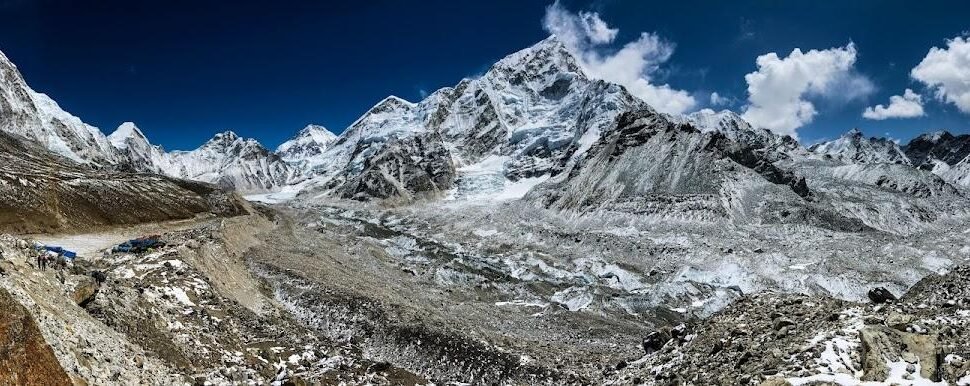
Lobuche to EBC and Kala Patthar: EBC in October has post-monsoon freshness and winter clarity. The Khumbu Icefall at its most dramatic. Autumn colours in the scrub vegetation add warmth to the landscape.. From Kala Patthar (5,545 m) the classic Everest summit photograph is possible in any month, but October is the finest month for the classic Kala Patthar Everest sunrise — perfect clarity, manageable cold, and the summit lit by the first rays of the sun in vivid orange. The return descent from Kala Patthar to Pheriche in one day is long but exhilarating — your body is acclimatised and every step downhill feels like a gift.
Weather Details for October: Temperature, Wind, and Visibility
| Location | Elevation | Day Temp | Night Temp | Conditions |
|---|---|---|---|---|
| Kathmandu | 1,400 m | 26°C | 11°C | Perfect autumn weather |
| Lukla | 2,860 m | 14°C | 3°C | Cool and clear |
| Namche Bazaar | 3,440 m | 10°C | -1°C | Ideal trekking conditions |
| Dingboche | 4,410 m | 5°C | -7°C | Cold nights, perfect days |
| EBC / Gorak Shep | 5,164–5,364 m | -3°C | -12°C | Classic autumn mountain conditions |
October is widely regarded as the best month of the year for the EBC trek. Post-monsoon clarity, perfect daytime temperatures, cold but manageable nights, and stable weather patterns combine to create near-ideal trekking conditions at every elevation.
Packing for October: What You Need and What to Leave Behind
October is the benchmark for EBC packing. Comfortable daytime conditions with increasingly cold nights. A versatile layering system covers all situations.
| Item | Specification | Notes for October |
|---|---|---|
| Sleeping bag | -10°C comfort rated minimum | October nights above 4,000 m are significantly cold — do not underprepare |
| Down jacket | Standard 600-fill down jacket | Worn from Namche upwards in the evenings and early mornings |
| Rain gear | Waterproof jacket | Rain is rare in October but carry as a precaution for afternoon cloud above 5,000 m |
| Base layers | Midweight merino or synthetic | Two-layer base system ideal for October temperature swings |
| Footwear | Standard waterproof trekking boots | Trail is perfect in October — no special footwear required |
| Sun protection | SPF 50+ sunscreen, UV sunglasses | UV intensity is high in October clear skies. SPF 50+ and glacier glasses above 4,000 m every day. |
For the complete item-by-item list including clothing quantities, toiletries, and safety gear, see our comprehensive EBC packing list.
Crowd Levels and Teahouse Booking in October
October is the single most popular month on the EBC trail and the busiest of the year. October teahouses above Namche are completely full. Without advance booking you will find no rooms available. Trekking groups are large, the trail busy in both directions, and Namche Bazaar is vibrant with an international festival atmosphere.
Advance teahouse booking 6–8 weeks ahead is absolutely essential for October. All teahouse bookings for our clients are handled by our operations team before departure, so you never arrive at a closed or full lodge. This advance booking service is especially valuable in October — the most competitive lodging month of the year. Our booking team secures the best rooms months in advance for October clients.. Contact Everest Trekking Company to confirm teahouse availability for your specific October dates.
Lukla Flight and Transport in October
The flight from Kathmandu (or Ramechhap) to Lukla is a key logistical consideration. In October, October has some of the most reliable Lukla flights of the year — demand is highest and airlines add extra flights to meet it. Flight cancellations are low — the best flight month of the year. We recommend adding 1 day as standard precaution of buffer days before your international departure. For full details on managing Lukla flights, read our Lukla flight guide.
An alternative used by many trekkers in challenging flight months is the helicopter charter from Kathmandu to Lukla (approximately USD 500–700 per person). Helicopters operate in weather conditions that ground fixed-wing aircraft and give a spectacular aerial view of the Khumbu approach. Our operations team can arrange helicopter charters with less than 24 hours notice if needed.
Altitude Sickness and Safety in October
Altitude sickness risk exists in every month. October altitude conditions are optimal. The dry, clear air and comfortable temperatures make acclimatisation as smooth as it gets. The standard ascent profile — no more than 300–500 m of elevation gain per day above 3,000 m, with a full rest day at Namche (3,440 m) and another at Dingboche (4,410 m) — must be followed precisely regardless of how well you feel.
Our guides carry pulse oximeters to monitor blood oxygen saturation at each camp. A reading below 75% at Dingboche prompts a conversation about the ascent rate. Our guides also carry supplemental oxygen for genuine emergencies. For comprehensive guidance on recognising and managing AMS, HACE, and HAPE, read our altitude sickness guide.
Cost of EBC Trek in October
October is peak season with peak prices. It represents the single most expensive window of the year for all services. Our fully guided 14-day EBC trek package including guide, porter, all meals, accommodation, permits, and Lukla flights is priced at USD 1,500–1,700 per person in October. For a complete breakdown of all costs including international flights, visas, gear, and tips, see our EBC cost guide.
October EBC Trek vs. Other Months: How to Decide
October delivers the best conditions of any month but at the highest price and crowd level. September offers nearly equal conditions at lower cost. November has similar conditions with rapidly falling temperatures and fewer crowds. To compare all twelve months side by side, see our comprehensive best time guide.
Related EBC Trek Packages Available in October
- Classic EBC Trek (14 days) — The definitive Everest Base Camp experience. Perfect for October any trekker — this is the gold standard month for EBC and the most popular for good reason.
- EBC Trek with Helicopter Return — Trek to EBC then fly back to Kathmandu by helicopter, saving 3–4 days. Extremely popular in October when every spare day of leave is precious — saves 3–4 days of descent and guarantees return flight reliability
- Luxury EBC Trek — Best teahouses, private guide, best-in-class meals. Available year-round including October.
- EBC with Gokyo Lakes Trek — 17 days combining EBC with the stunning Gokyo valley. Arguably the best month for the Gokyo Lakes route — perfect conditions for Cho La Pass crossing
- Everest View Trek (7 days) — The perfect shorter alternative reaching Tengboche (3,860 m) with full Everest views. Available in October.
Frequently Asked Questions: EBC Trek in October
Is October a good time to trek to Everest Base Camp?
Absolutely — October is the gold standard for EBC trekking. Perfect weather, ideal temperatures, maximum trail infrastructure, and Everest at its most photogenic. Book 6–8 weeks in advance as October is consistently fully booked.
What are temperatures like at EBC in October?
Daytime temperatures at Gorak Shep / EBC (5,164–5,364 m) in October are around -3°C, dropping to -12°C overnight. Wind chill makes it feel noticeably colder, especially in exposed sections above 5,000 m.
How crowded is the trail in October?
Maximum crowds. October is the single busiest month. Namche, Tengboche, Dingboche, and Lobuche teahouses are full. Your guide manages the logistics but expect a social, international atmosphere on the trail.
What permits do I need for the EBC trek in October?
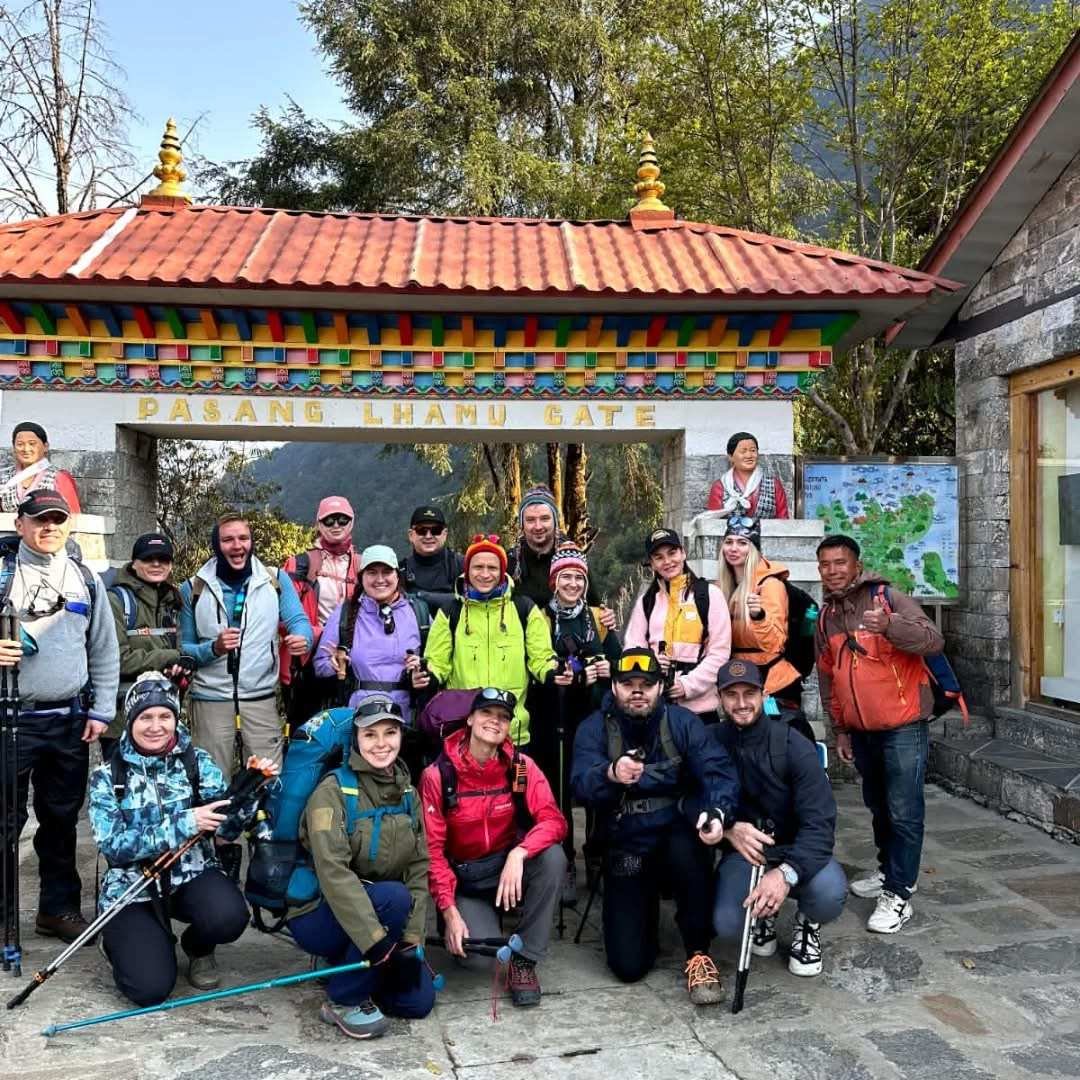
The permit requirements are the same year-round: Sagarmatha National Park entry permit (approximately USD 22), Khumbu Pasang Lhamu Rural Municipality fee (approximately USD 15), and a TIMS card (USD 10–20). Our packages include all permits — you do not need to arrange these separately.
How far in advance should I book for October?
At least 6–8 weeks in advance for October — this is the most popular EBC month and teahouses, guides, and Lukla flights all book up well ahead Contact Everest Trekking Company to secure your spot.
Can I do a shorter EBC trek in October?
Yes — the Everest View Trek covers the lower Khumbu in 7 days and reaches Tengboche (3,860 m), giving magnificent Everest views without the extreme altitude of the full EBC route. It is a popular choice in October for those with limited time or who prefer a lower-risk itinerary.
What a Typical Day Feels Like on the EBC Trail in October
Understanding the rhythm of a typical trekking day helps you set realistic expectations and plan your energy. Here is what a day on the EBC trail in October looks and feels like in practice.
5:30–6:00 AM — Wake up: Your teahouse bedroom is cold. Put on your warm layers before leaving your sleeping bag. Head to the dining room where the kitchen staff already have tea, coffee, and porridge ready. Mornings in October on the EBC trail start with the smell of woodsmoke, the sound of yak bells, and the first light touching the high peaks. It is one of the great simple pleasures of Himalayan trekking.
7:00–7:30 AM — Breakfast and briefing: Eat a full breakfast. At altitude, your body burns significantly more calories than at sea level. Even if your appetite is reduced — common above 3,500 m — push yourself to eat. Your guide will give a brief overview of today’s route: distance, elevation gain, estimated time, any specific features or risks. This briefing takes 5–10 minutes and gives structure to the day.
7:30 AM–12:00 PM — Morning trekking: The best part of every day in October. This is the time to move efficiently and take in the scenery without rushing. In October, mornings are the finest walking hours — the October dawn light on Ama Dablam and Everest from the ridge above Namche is one of the great sights on Earth. The trail above 3,500 m is generally rock and stone, well-marked with yak trails as backup navigation. Suspension bridges over gorges, ancient mani walls, and chorten (Buddhist stupas) mark the kilometres. Pass through each village noting the altitude marker at the local teahouse — tracking your ascent rate gives you a concrete sense of acclimatisation progress.
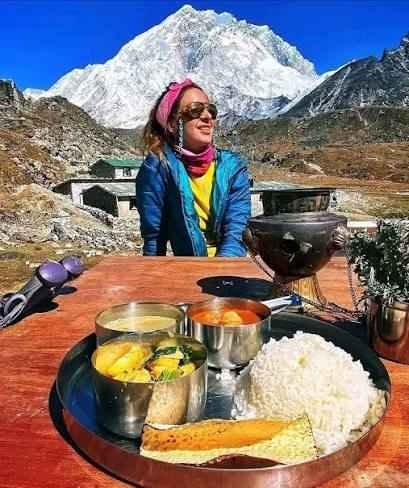
12:00–1:00 PM — Lunch: Stop at a teahouse along the route. Dal bhat, noodle soup, fried rice, or a hot sandwich. Take a full hour — your muscles and joints benefit from the rest, and eating a proper meal prevents the energy crash that often hits trekkers in the mid-afternoon at altitude. Hot lemon tea or ginger tea is better than coffee at altitude — less diuretic and more warming.
1:00–3:30 PM — Afternoon trekking: The final section to your teahouse for the night. Afternoon energy at altitude drops faster than at sea level — this is when trekkers feel the altitude most acutely. Move steadily, breathe deeply, and avoid rushing. Arrive at your teahouse with enough daylight to settle in, change into warm layers, and explore the village if energy permits.
3:30–7:00 PM — Teahouse time: The social heart of the trek. The dining room stove is the warmest spot on earth after a day at 4,000+ metres. Charge your devices (most teahouses charge USD 2–5 per device), review your photographs from the day, write in your journal, and talk with other trekkers. Your porter takes care of your duffel bag — you need only manage your daypack. Enjoy the luxury of having nothing more to do than rest, eat, and appreciate where you are.
7:00 PM — Dinner: A three-course teahouse dinner. Start with soup (vegetable, tomato, or garlic — all excellent), then a main course (dal bhat is always the best-value and most nutritious choice), then dessert if offered. Eat everything. At altitude, your body repairs and adapts during sleep, and adequate calorie intake is essential to that process. Drink your third or fourth glass of water of the day with dinner.
8:30 PM — Sleep: Lights out early. Sleep quality at altitude is often reduced — lighter, more fragmented, and sometimes accompanied by unusual dreams. This is completely normal. Altitude causes a breathing pattern disruption called Cheyne-Stokes respiration during sleep, where you briefly stop breathing before your body reacts and breathing resumes. It sounds alarming but is not dangerous. Use earplugs if you are a light sleeper, as yaks, dogs, and other trekkers begin moving before 5 AM.
The Classic 14-Day Itinerary at a Glance
Regardless of which month you trek, the classic 14-day Everest Base Camp trek itinerary follows the same well-tested route:
| Day | Route | Night Altitude |
|---|---|---|
| 1 | Kathmandu to Lukla, Trek to Phakding | 2,610 m |
| 2 | Phakding to Namche Bazaar | 3,440 m |
| 3 | Acclimatisation — Namche Bazaar | 3,440 m |
| 4 | Namche to Tengboche | 3,860 m |
| 5 | Tengboche to Dingboche | 4,410 m |
| 6 | Acclimatisation — Dingboche | 4,410 m |
| 7 | Dingboche to Lobuche | 4,910 m |
| 8 | Lobuche to Gorak Shep, Visit EBC | 5,164 m |
| 9 | Kala Patthar Sunrise, Descent to Pheriche | 4,280 m |
| 10 | Pheriche to Namche Bazaar | 3,440 m |
| 11 | Namche Bazaar to Lukla | 2,860 m |
| 12 | Buffer day — Lukla | 2,860 m |
| 13 | Fly Lukla to Kathmandu | 1,400 m |
| 14 | Kathmandu — sightseeing, rest, depart | 1,400 m |
This itinerary builds in two rest/acclimatisation days (at Namche and Dingboche) and one buffer day at Lukla — the absolute minimum we recommend for a safe and comfortable EBC experience. We also offer extended 16-day and 18-day itineraries with additional acclimatisation days for trekkers who prefer a slower pace or have had altitude issues in the past.
Why Choose Everest Trekking Company for Your October EBC Trek
As one of Nepal’s most experienced and trusted Everest trekking companies, we bring the following to every trip we operate: NATHM-certified and NMA-licensed guides with first-aid training and satellite communication devices; a pre-vetted teahouse network with confirmed operating status for your specific travel dates; all-inclusive pricing with no hidden supplements; 24-hour Kathmandu operations support for weather events, medical situations, and flight logistics; and a proven emergency evacuation protocol rehearsed by every guide we employ.
We have been operating Everest Base Camp treks for over a decade and have guided thousands of trekkers from more than 60 countries to the foot of the world’s highest mountain. Our repeat client rate and online review scores reflect a genuinely exceptional service. Whatever month you choose to trek, your experience with us will be safe, organised, and deeply memorable.
Ready to take the next step? Contact us directly at everesttrekkingcompany.com with your preferred dates in October and we will respond within 24 hours with a personalised quote, itinerary, and availability confirmation.
Planning Your Everest Trek?
Get local expert advice on cost, itinerary and the best time to go.