Trekking to Everest Base Camp in January is a bold, rewarding choice for experienced mountaineers and cold-weather enthusiasts. January is mid-winter in the Khumbu, and while the trails are quiet and the skies are often brilliantly clear, temperatures at altitude can plunge to –20°C or colder. This guide covers everything you need to know to plan a successful Everest Base Camp trek in January with the trusted team at Everest Trekking Company.
Weather and Temperature: What to Expect in January
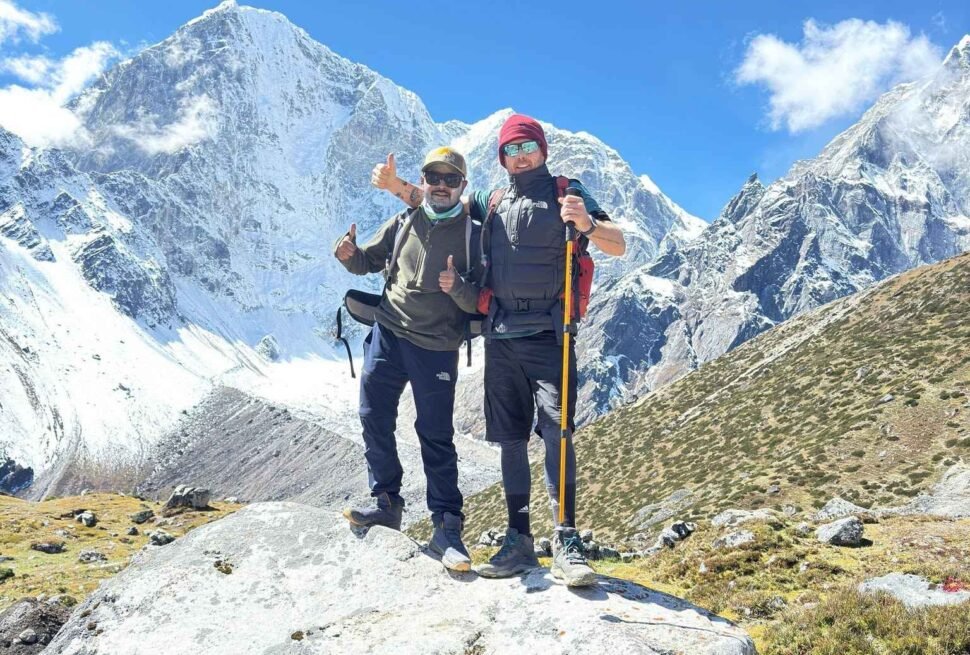
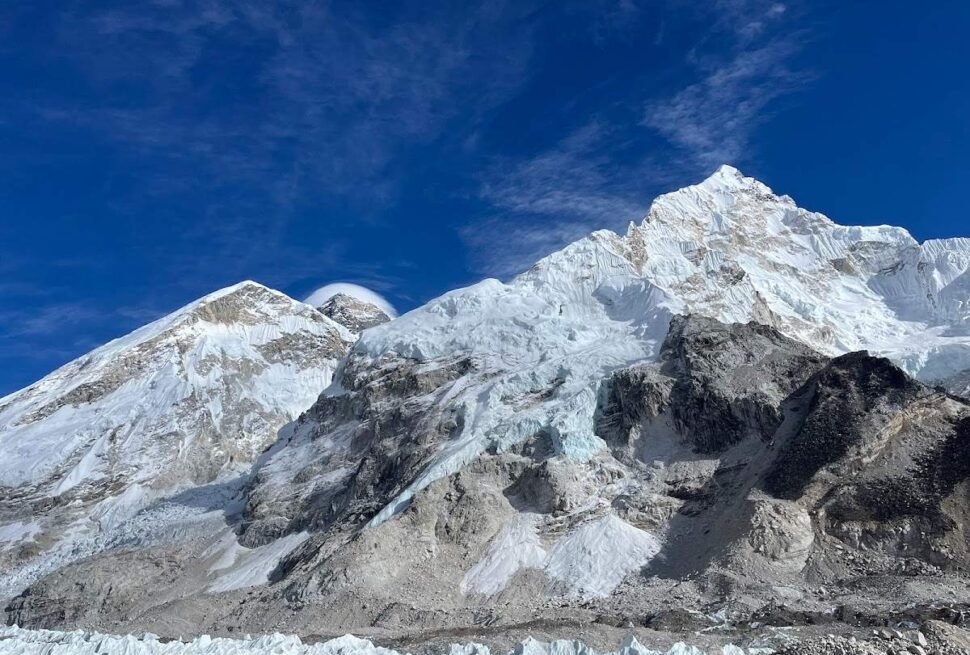
January is one of the coldest months in the Khumbu region. The weather is characterised by strong, dry winds above 5,000 metres, occasional snowfall at high altitude, and extremely cold nights throughout the trail. However, January also delivers some of the clearest skies of the year. Mountain views from Namche Bazaar, Tengboche, and Kala Patthar are often spectacular on clear days, with the white summit of Everest razor-sharp against deep blue sky.
| Location | Altitude | Avg Day Temp | Avg Night Temp |
|---|---|---|---|
| Lukla | 2,860 m | 5°C | -5°C |
| Namche Bazaar | 3,440 m | 2°C | -8°C |
| Dingboche | 4,410 m | -3°C | -15°C |
| Lobuche | 4,910 m | -6°C | -18°C |
| Gorak Shep / EBC | 5,164 m | -10°C | -22°C |
Advantages of Trekking EBC in January
Uncrowded trails. January is one of the quietest months on the EBC trail. With far fewer trekkers on the path, you will often have teahouses and viewpoints entirely to yourself. This is a rare privilege on one of the world’s most famous trekking routes, and it makes for a profoundly peaceful experience. Your guide and porter will give you their full, undivided attention throughout the trek.
Crystal clear skies. The dry winter air is completely free of the haze and dust that builds up during spring. Visibility is often exceptional, and the mountain panoramas from Kala Patthar are among the sharpest of any month. Photographs taken in January have a quality of light and clarity that is hard to match in peak season.
Lower package prices. January is officially off-season for the EBC trek. Reputable Everest base camp trek companies offer packages at 15–25% below peak season rates, and domestic Lukla flights are cheaper and easier to book. If you are on a budget and have the cold-weather experience, January can represent outstanding value.
No permit queues. Sagarmatha National Park checkpoints that see long queues in April and October are completely clear in January. Permits are processed instantly.
Planning Your Everest Trek?
Get local expert advice on cost, itinerary and the best time to go.
Challenges of the January EBC Trek
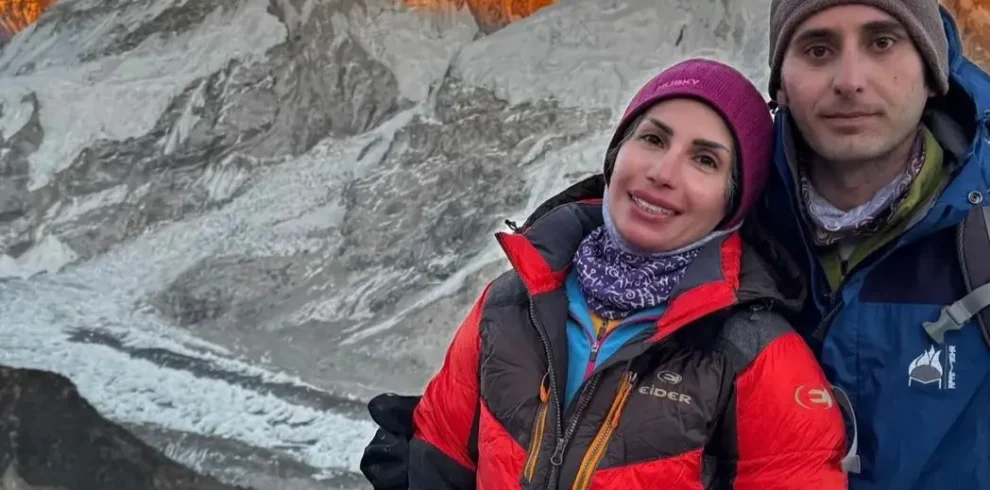
Extreme cold above 4,000 metres. Cold is the defining challenge of a January EBC trek. Nights at Lobuche (4,910 m) and Gorak Shep (5,164 m) can reach –20°C to –25°C. Teahouse dining rooms are heated by wood stoves, but bedrooms are not insulated. You will need a –20°C rated sleeping bag as a minimum, high-quality down layers, and serious cold-weather face protection.
Some high trails may be snowbound. Heavy snowfall can block the path above Dingboche in January, particularly on the approach to Lobuche and Gorak Shep. Your guide will reroute or use microspikes as needed. In rare years, the trail to EBC may be impassable for 1–3 days after heavy snowfall.
Some teahouses close for winter. Not all teahouses on the EBC route remain open in January. Particularly above Tengboche, some lodges operate on reduced hours or close entirely. Our guides pre-confirm availability before departure and adjust the itinerary to ensure you always have accommodation. This is one of the most important reasons to book through an experienced Everest Trekking Company for winter treks.
Lukla flight cancellations. Winter fog in Kathmandu and crosswinds at Lukla airport result in more frequent cancellations in January than in peak season. Build at least 2 extra buffer days before your international flight home. Consider a helicopter charter as a backup option.
Essential Gear for January EBC Trek
Your gear selection in January must be significantly more robust than for a spring or autumn trek. The following items are non-negotiable for a safe January EBC experience:
| Category | Specific Item | Standard for January |
|---|---|---|
| Sleeping bag | Down, –20°C comfort rated | Essential — do not compromise |
| Down jacket | 800-fill power minimum | Wear daily above Namche |
| Insulated trousers | Down or synthetic filled | Needed above 4,500 m |
| Balaclava | Merino wool or fleece | Critical at Kala Patthar |
| Gloves | Insulated outer + liner glove | Double-layer system |
| Trekking boots | Winter-rated, –20°C | Standard hiking boots not sufficient |
| Microspikes or crampons | For icy trail sections | Strongly recommended |
| Hand warmers | Chemical heat packs | Pack 20–30 for the trek |
You can rent most of this gear from reputable shops in Kathmandu’s Thamel district. Our team will advise on exactly what to rent versus buy before your departure.
Trail Conditions in January: Section by Section
Lukla to Namche Bazaar (Days 1–3): The lower section of the trail between Lukla (2,860 m) and Namche Bazaar (3,440 m) is generally snow-free in January. Temperatures are cold but manageable during daytime. The trail through forests and river gorges is clear, though morning frost can make some stone steps slippery. Trekking poles are useful for balance.
Namche to Tengboche (Days 4–5): Light snow may be present on the path above Namche, particularly in shaded gullies. The trail is well-marked and our guides know all alternative paths. The classic viewpoint above Namche (Everest, Lhotse, Ama Dablam panorama) is at its finest in January when the air is crystal clear.
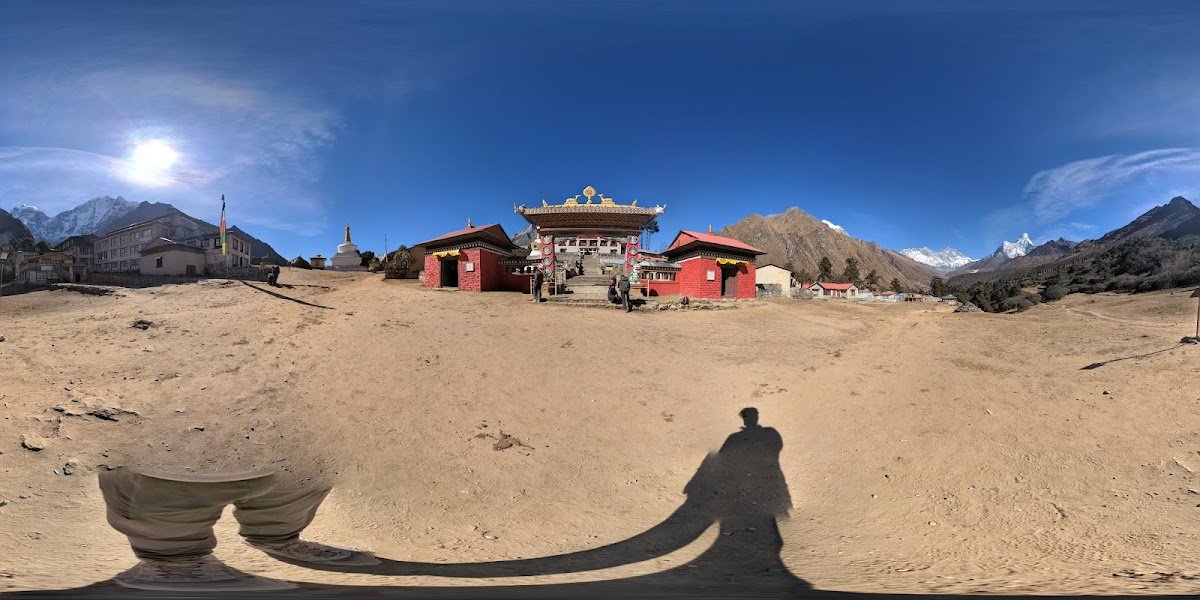
Tengboche to Dingboche (Days 6–7): Light snow on open hillsides above Tengboche. The monastery at Tengboche (3,860 m) is particularly beautiful in winter light. Crossing through Pangboche to Dingboche, the Imja Khola valley is snow-covered and eerily quiet.
Dingboche to Lobuche (Day 8): This section has the highest snow likelihood. The climb past the Thukla Memorial (4,620 m) can be icy. Microspikes are strongly recommended from this point. Our guides carry rope for any exposed sections that become hazardous after fresh snowfall.
Lobuche to Gorak Shep / EBC (Day 9): This final section to Everest Base Camp (5,364 m) crosses the moraine of the Khumbu Glacier, which can be icier in January than at any other time. The approach requires care and a good guide. The reward — Everest Base Camp nearly empty, surrounded by winter silence — is extraordinary.
Sample 14-Day Itinerary: EBC Trek in January
| Day | Route | Altitude |
|---|---|---|
| 1 | Fly Kathmandu to Lukla, Trek to Phakding | 2,610 m |
| 2 | Phakding to Namche Bazaar | 3,440 m |
| 3 | Acclimatisation day — Namche Bazaar | 3,440 m |
| 4 | Namche to Tengboche | 3,860 m |
| 5 | Tengboche to Dingboche | 4,410 m |
| 6 | Acclimatisation day — Dingboche | 4,410 m |
| 7 | Dingboche to Lobuche | 4,910 m |
| 8 | Lobuche to Gorak Shep, Visit EBC | 5,364 m |
| 9 | Sunrise Kala Patthar, Descent to Pheriche | 4,280 m |
| 10 | Pheriche to Namche Bazaar | 3,440 m |
| 11 | Namche to Lukla | 2,860 m |
| 12 | Buffer day — Lukla (weather contingency) | 2,860 m |
| 13 | Fly Lukla to Kathmandu | 1,400 m |
| 14 | Kathmandu — sightseeing or rest before departure | 1,400 m |
Altitude Sickness Risk in January
Altitude sickness risk in January is no different from other months — it depends entirely on ascent rate, individual physiology, and hydration. The cold in January does add one complication: dehydration. Cold air is dry air, and you lose significant moisture through respiration at altitude. Trekkers often drink less than they should because the cold suppresses thirst. Aim to drink 3–4 litres of water per day regardless of temperature.
Our guides are trained in altitude sickness recognition and carry supplemental oxygen for emergencies. The Himalayan Rescue Association clinic at Pheriche (4,280 m) operates year-round and provides consultations for altitude-related problems. For more information, see our detailed guide on altitude sickness on the EBC trek.
Cost of the EBC Trek in January
January is one of the most affordable months to trek EBC. As a leading best Everest trek company, we offer winter discounts of 15–20% on our standard packages. A fully guided 14-day January EBC package from us starts at approximately USD 1,150–1,250 per person including guide, porter, all meals, accommodation, permits, and Lukla flights. Learn more about the full cost breakdown in our dedicated EBC trek cost guide.
Is January the Right Month for You?
A January EBC trek suits trekkers who: have previous cold-weather camping or trekking experience, are comfortable in temperatures below –15°C, value solitude and empty trails over social atmosphere, want the best possible mountain photography light, and are flexible with their schedule to account for Lukla flight delays.
It is not recommended for first-time Himalayan trekkers, those with limited cold-weather gear experience, or anyone who is particularly susceptible to cold. Spring (March–May) and autumn (September–November) remain the best overall seasons for most trekkers. See our complete guide on the best time for Everest Base Camp trek for a month-by-month comparison.
Frequently Asked Questions: EBC Trek in January
Is it safe to trek to EBC in January?
Yes, with the right preparation and a licensed guide. The main risks are cold-related illness and icy trail sections. Our guides are trained for winter conditions and the trail is well-managed.
How cold does it get at Everest Base Camp in January?
Overnight temperatures at EBC and Gorak Shep (5,164 m) regularly reach –20°C to –25°C in January. Wind chill can push the perceived temperature significantly lower. A quality –20°C rated sleeping bag is essential.
Are teahouses open in January?
Most teahouses on the main EBC route remain open in January, though some operate with reduced menus and fewer staff. Our team confirms availability for every lodge before departure and plans the itinerary around confirmed-open teahouses.
How much does the EBC trek cost in January?
January packages start from USD 1,150 per person for a fully guided 14-day trip. This is 15–20% cheaper than the peak spring or autumn season rate. Contact Everest Trekking Company for current January pricing and availability.
What other treks are available in January?
The Everest View Trek (7 days) is a great lower-altitude alternative in January, reaching Tengboche (3,860 m) without going to high camp. The EBC with Gokyo Lakes trek is also possible in January for experienced winter trekkers.
Trail Conditions Section by Section in January
Lukla to Namche Bazaar (Days 1–3): The lower section from Lukla (2,860 m) through Phakding and up to Namche Bazaar (3,440 m) is snow-free at lower elevations but frost-covered in early morning. The suspension bridges over the Dudh Kosi river are always accessible. Trail surfaces can be slippery with morning ice near river crossings. Trekking poles are recommended for downhill sections near Phakding. The Hillary Suspension Bridge viewpoint gives the first clear Everest sighting and is especially brilliant in January.
Namche to Tengboche (Days 4–5): The classic route climbs steeply from Namche to the Everest viewpoint (3,880 m) before traversing to Tengboche Monastery (3,860 m). In January, patches of snow may appear on shaded sections of trail above 3,600 m. The famous Everest-Lhotse-Ama Dablam panorama from the ridge above Namche is spectacular in January — this is one of the most photographed viewpoints in all of Nepal and is at its absolute clearest in the dry winter air.
Tengboche to Dingboche (Days 6–7): Descending through rhododendron forests to Deboche, crossing the Imja Khola river, and climbing to Dingboche (4,410 m). rhododendron forests are bare but frost-covered and eerily beautiful. Many trekkers experience the first real effects of altitude here — headache, breathlessness on uphill sections, and reduced appetite are all normal at 4,000+ metres. Our guides monitor every trekker carefully from this point.
Dingboche to Lobuche (Day 8): A shorter but dramatic day crossing the high plateau and ascending past the Thukla Memorial at 4,620 m, where stone cairns honour climbers who lost their lives on Everest. In January, the high plateau above Dingboche can have significant snowpack, and the Thukla climb may be icy — microspikes recommended. The boulder-strewn moraine path is always challenging but the views of Pumori, Nuptse, and Everest’s southwest face open up magnificently from this section.
Lobuche to Gorak Shep and EBC (Day 9): The highlight of the trek. From Lobuche (4,910 m), the path crosses the lateral moraine of the Khumbu Glacier to reach Gorak Shep (5,164 m) and then Everest Base Camp (5,364 m). In January, the moraine path to EBC is at its iciest and requires careful footwork and a confident guide. The sheer scale of the Khumbu Icefall, looming just above base camp, is overwhelming regardless of the season.
Kala Patthar and Descent (Days 10–12): The pre-dawn hike to Kala Patthar (5,545 m) for the classic Everest sunrise photograph is possible in any month. In January, wind is the main challenge — temperatures as low as -20°C at pre-dawn make a balaclava and full down kit mandatory, but the reward is an Everest sunrise with zero other trekkers. The descent back to Lukla over 2–3 days passes through all the villages you climbed through, this time with the benefit of acclimatisation and the relief of going downhill.
Planning Your Everest Trek?
Get local expert advice on cost, itinerary and the best time to go.
Detailed Temperature and Weather Data for January
Understanding the weather patterns specific to January is critical for packing and trip planning. Here is a detailed breakdown of conditions you can expect at each elevation zone:
| Location | Altitude | Day Temp | Night Temp | Conditions |
|---|---|---|---|---|
| Kathmandu | 1,400 m | 18°C | 5°C | Mild, sunny |
| Lukla | 2,860 m | 5°C | -5°C | Cold, clear |
| Namche Bazaar | 3,440 m | 2°C | -8°C | Cold, dry |
| Dingboche | 4,410 m | -3°C | -15°C | Very cold, possible snow |
| Gorak Shep / EBC | 5,164 m | -10°C | -22°C | Extreme cold, icy |
Packing Guide for January EBC Trek
Your packing list changes meaningfully depending on the season. In January, the main priority is warmth and cold-weather protection — this is the most gear-intensive month for EBC trekking. Here is a focused packing guide for a January departure:
| Category | Essential Items | January-Specific Notes |
|---|---|---|
| Sleeping bag | -20°C comfort rated down bag | Absolutely essential — do not compromise on this in January |
| Down jacket | 800+ fill power, full-length | Wear from Namche upwards — bring two if possible |
| Base layers | Merino wool, heavyweight | Synthetic alternatives lose insulation when damp from perspiration |
| Rain protection | Waterproof shell jacket | Less rain but important as windproof outer layer |
| Sun protection | SPF 50+ sunscreen, UV glacier glasses | Winter sun reflection off snow is intense above 4,000 m |
| Footwear | Winter rated to -20°C | Standard hiking boots are insufficient above Namche in January |
For the complete item-by-item packing checklist for any season, see our full EBC packing list.
How Busy Is the Trail in January?
January is one of the quietest months on the EBC trail, with trekker numbers at their annual minimum. The crowd level directly affects your teahouse booking strategy and the overall atmosphere on the trail.
During January, the typical number of trekkers completing the full EBC route is very low — typically just a handful of trekkers per day above Namche Bazaar. At Namche Bazaar — the Khumbu’s main hub — you can expect a quiet, locally-focused atmosphere with most visitors being acclimatised mountaineers heading to high peaks rather than trekkers. Higher up at Dingboche and Lobuche, crowds thin considerably regardless of season, giving every trekker a more personal experience above 4,000 metres.
Advance booking is still recommended in January, As a trusted Everest Trekking Company, we strongly advise all our trekkers to confirm all teahouse bookings at least 2 weeks before departure. Our operations team manages teahouse reservations along the full EBC route, ensuring you always have a confirmed room and meal plan — particularly important as some lodges operate with reduced staff and may require advance notice to prepare meals.
Flight Conditions: Kathmandu to Lukla in January
The short flight from Kathmandu (or Ramechhap) to Lukla is one of the most weather-sensitive in the world. Tenzing Hillary Airport sits at 2,860 metres and has a short, sloping runway. In January, morning fog is the main cause of delays, typically clearing by mid-morning — early departure slots are most reliable.
Flight cancellations or delays are relatively common in January. We recommend building at least 2 days of buffer into your schedule before your international departure flight. If a flight delay looks likely, our operations team can arrange a helicopter charter to Lukla as an alternative. Helicopter charters from Kathmandu or Ramechhap cost approximately USD 500–700 per person and are available in all weather conditions that fixed-wing aircraft cannot handle. For more detail, see our Lukla flight guide.
Altitude Sickness Considerations in January
Altitude sickness (Acute Mountain Sickness, AMS) is a risk for every trekker regardless of the month they choose. The physiological response to reduced oxygen at altitude does not change seasonally. However, January brings some specific considerations for altitude management.
Cold air is extremely dry, leading to faster dehydration — a key altitude aggravator. Drink at least 4 litres of fluid daily in January, even when you feel too cold to be thirsty. The standard acclimatisation protocol — ascending no more than 300–500 metres per day above 3,000 metres, with a rest day at Namche and another at Dingboche — is designed around the human body’s response to altitude, not the calendar. Follow it precisely regardless of how well you feel.
Symptoms to watch for: persistent headache not relieved by paracetamol, nausea or vomiting, loss of coordination, and breathlessness at rest. If any of these occur above Dingboche, the correct response is immediate descent to the previous night’s elevation. Never ascend with AMS symptoms. Read our complete altitude sickness guide for the full protocol.
Our guides carry pulse oximeters and are trained to take blood oxygen readings at each camp. A reading below 75% at Dingboche is a flag for slower ascent. At Lobuche and above, readings of 70–75% are normal. If readings drop below 70%, we discuss the situation openly with the trekker and act conservatively.
Cost of the January EBC Trek
The time of year you trek has a direct impact on the total cost. Here is what to expect for a January EBC trek with Everest Trekking Company:
Package price adjustment for January: January is off-season, with package prices at their lowest of the year — typically 20% below peak rates. Our standard 14-day fully guided EBC package (guide, porter, accommodation, all meals, permits, Lukla flights) is priced at USD 1,100–1,200 per person in January. This compares to our peak season rate of USD 1,400–1,600 per person in April and October.
Domestic flight prices: Kathmandu–Lukla flights are cheapest of the year, with good availability in January. Prices fluctuate based on demand, and our operations team books these flights as part of the package at the best available rate.
Accommodation: Teahouse room prices are at their annual lowest, though some lodges charge a small heating supplement in January. In winter months, some teahouses charge a slight premium for heating or blanket rental, while in quieter months you may find room rates at their annual lowest. Meals are consistently priced throughout the year, with the main variable being altitude (not season).
For a complete cost breakdown covering all expenses from your home country to EBC and back, see our comprehensive EBC trek cost guide.
Comparing January to Adjacent Months for EBC Trekking
Understanding how January compares to the months immediately before and after it helps you make the right choice for your schedule and preferences.
December and February share similar cold, quiet conditions. February is marginally warmer with slightly more trekkers. December is essentially identical to January in conditions. Spring (March–May) is dramatically warmer, busier, and more expensive — but more reliably safe for less-experienced cold-weather trekkers.
Ultimately, every month has its own character on the EBC trail. January is best for experienced cold-weather trekkers seeking solitude, exceptional views, and the lowest possible prices. For the most complete month-by-month analysis, read our best time for EBC trek guide.
Other EBC Trek Variants to Consider in January
The classic 14-day Everest Base Camp Trek is the most popular option, but there are excellent variants that suit different budgets, timeframes, and ambitions:
- EBC Trek with Helicopter Return — Trek to EBC and fly back to Kathmandu by helicopter from Gorak Shep. Saves 3–4 days of descent and eliminates Lukla flight risk on the return. Excellent choice in January when Lukla flight delays are possible and a helicopter eliminates return uncertainty.
- EBC Trek with Gokyo Lakes — A 17-day adventure combining EBC with the stunning Gokyo Lake valley and crossing Cho La Pass. Possible in January for experienced trekkers but Cho La Pass may be snowed in — alternative is the Phortse valley route
- Everest View Trek (7 days) — The perfect introduction to the Khumbu for those with limited time or who want a gentler introduction. Reaches Tengboche (3,860 m) with full Everest views. Well-suited to January.
- EBC Trek from Jiri — The historic route used by Sir Edmund Hillary and Tenzing Norgay. Adds 5–7 days of remote trail walking before reaching Lukla. Fewer crowds and deeper cultural immersion.
Frequently Asked Questions: EBC Trek in January
Is January a good month to trek to Everest Base Camp?
Yes, with the right preparation. January offers spectacular clear skies, empty trails, and the lowest prices of the year. The trade-off is extreme cold above 4,000 metres and some risk of snowbound trails above Dingboche.
What are the temperatures at Everest Base Camp in January?
At EBC (5,364 m) and Gorak Shep (5,164 m), daytime temperatures in January are around -10°C and drop to -22°C overnight. Wind chill at this altitude can make it feel significantly colder. A warm down jacket, insulated trousers, and a quality sleeping bag are essential.
How busy is the EBC trail in January?
Very quiet. January is one of the least busy months — you may encounter only a dozen or so other trekkers on the upper trail, giving a genuinely peaceful high-altitude experience.
What should I pack specifically for a January EBC trek?
Focus on cold-weather essentials: a -20°C sleeping bag, 800-fill down jacket, thermal base layers, wind-proof gloves, balaclava, and microspikes for icy trail sections. See our full packing list for details.
How do I book the EBC trek in January?
Contact Everest Trekking Company directly with your preferred dates and group size. We confirm guide and teahouse availability, provide a personalised quote, and handle all permits and logistics. We recommend booking at least 2–4 weeks in advance for January departures.
A Typical Day on the EBC Trail in January
Here is what a typical trekking day in January looks and feels like on the EBC route, to help you set realistic expectations:
5:30 AM: Wake up in a cold teahouse bedroom. Even with a quality sleeping bag, the temperature inside has dropped to near freezing overnight. Your water bottle may have a thin layer of ice. Put on your base layer and down jacket before getting out of your sleeping bag. Head to the dining room, where a yak-dung stove has been burning since 5:00 AM.
6:30 AM: Breakfast in the dining room — typically oatmeal or porridge with honey and milk, or eggs with toast. Tea and coffee are always available. In January, the dining room is the warmest place in the teahouse and trekkers naturally linger over breakfast before heading into the cold outside air.
7:30 AM: Depart from teahouse. The morning air is bitingly cold — typically -5°C to -12°C at trail elevation depending on your position. Fingers stiffen in minutes without good gloves. The trail is often empty — you may see only yak caravans and the occasional local Sherpa in the first two hours of walking.
9:00–12:00 PM: The best part of the day for trekking in January. The sun is now up and clear skies mean its rays cut through the cold air with surprising intensity. Despite the cold temperatures, many trekkers find themselves removing outer layers on uphill sections due to exertion heat. The trail is quiet, the air is crystalline, and every mountain view is knife-sharp.
12:00 PM: Lunch at a teahouse along the route. Dal bhat, noodle soup, or a trekking set meal. Hot lemon tea or ginger tea is the most popular drink. Allow an hour — your muscles need the fuel and the rest period before the afternoon section.
1:00–3:30 PM: Afternoon trekking section. The temperature drops as soon as the sun passes behind a ridgeline, which at higher elevations happens as early as 2:00 PM. Add a layer as soon as you feel the temperature drop — heat loss accelerates rapidly in January when the sun disappears. Arrive at the next teahouse before 4:00 PM.
4:00–7:00 PM: Settle into your room, wash your hands and face, check your feet and blisters, refill water bottles (use purification tablets or a filter — never drink untreated water). In the dining room, social time with other trekkers around the stove is one of the great pleasures of teahouse trekking. January trekkers are a self-selecting group — usually experienced, highly motivated, and great company.
7:00 PM: Dinner — a three-course teahouse meal of soup, main course (often dal bhat, pasta, or rice dish), and dessert. Calories are crucial at altitude. Eat fully even if your appetite is reduced by altitude.
8:30 PM: Lights out. Sleep is critical for acclimatisation. Many trekkers find sleep disturbed above 4,000 m — this is normal. Even if you feel you are not sleeping well, horizontal rest with eyes closed allows recovery. Our guides can advise on whether a low dose of Diamox would help you sleep at high altitude.
Photography Tips for January EBC Trekking
January is arguably the finest month for mountain photography on the EBC trail, for several reasons: zero haze in the air, exceptional contrast between white snow and blue sky, no dust raised by other trekkers’ boots on the trail, and golden early-morning light on the peaks when you hike to Kala Patthar.
Key tips for January photography: bring a spare camera battery (lithium batteries drain very fast in -15°C cold — keep the spare warm inside your jacket). A UV filter on your lens reduces the intense high-altitude UV that can cause lens haze over time. A wide-angle lens (16–24mm equivalent) captures the full scale of the Khumbu Icefall from EBC. For the classic Everest summit shot from Kala Patthar, a telephoto of 200mm+ equivalent gives the best result. Always let your camera body warm gradually when coming inside from the cold — condensation on a cold lens in a warm teahouse damages glass over time.
Booking Your January EBC Trek with Everest Trekking Company
Our team at Everest Trekking Company handles every aspect of your January EBC adventure — from the moment you confirm your booking to the moment you land back in Kathmandu. We arrange your domestic Lukla flights, all teahouse bookings (with winter operating hours confirmed), trekking permits, guide and porter assignments, and a comprehensive pre-departure briefing that covers January-specific packing, acclimatisation, and emergency procedures.
January departure dates are flexible — we operate private trips on any start date and group trips when demand allows. Contact us via our website to discuss your preferred dates, group size, and any specific requirements. We respond to all enquiries within 24 hours. Start planning your extraordinary January Everest Base Camp trek today.
Whether you are drawn by the winter calm of January, the spring blooms of April, or the post-monsoon clarity of October, the Everest Base Camp Trek with a trusted Everest Trekking Company delivers an experience that stays with you for a lifetime. Contact us today to check availability for your preferred dates and receive a personalised quote within 24 hours.
Planning Your Everest Trek?
Get local expert advice on cost, itinerary and the best time to go.