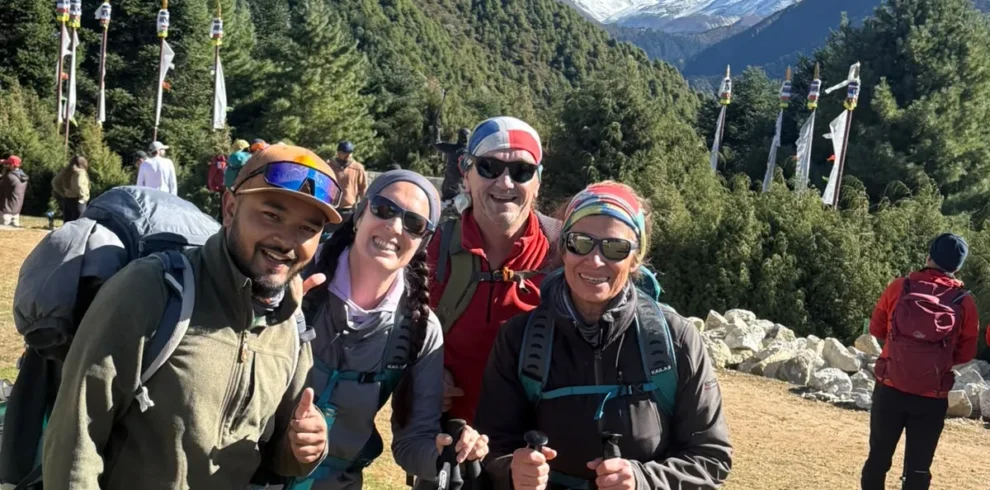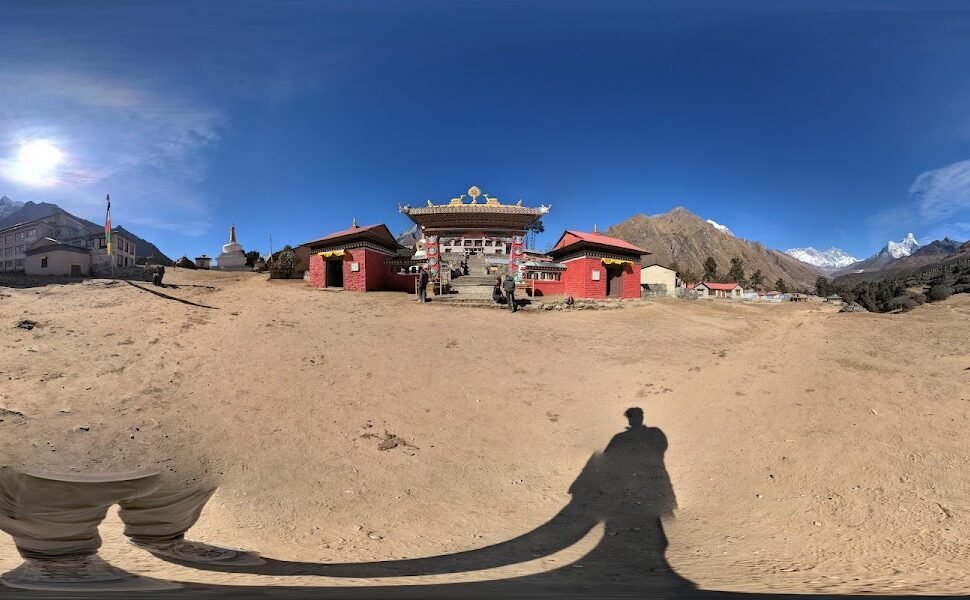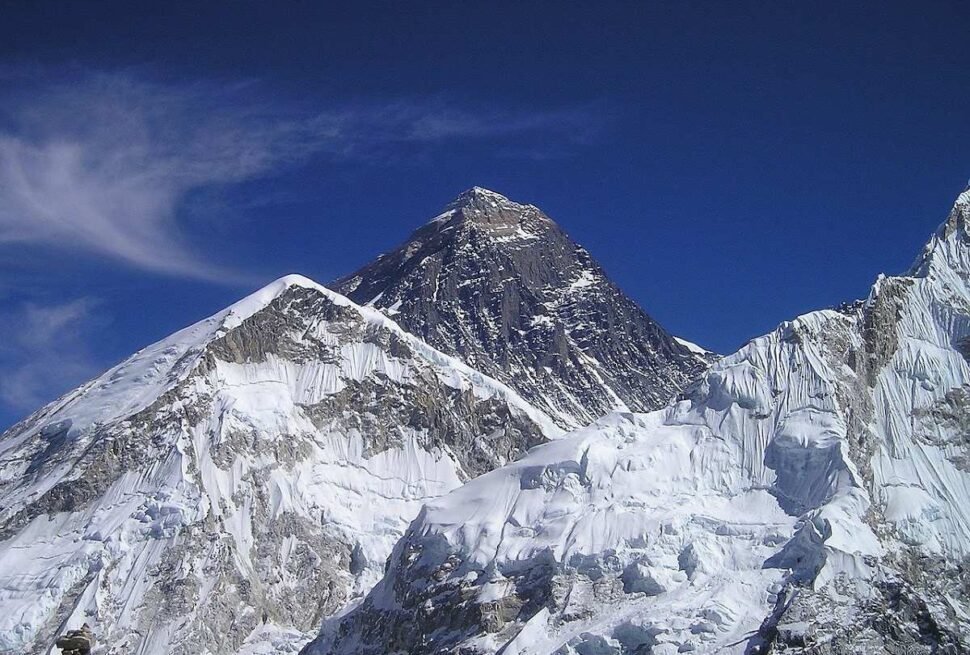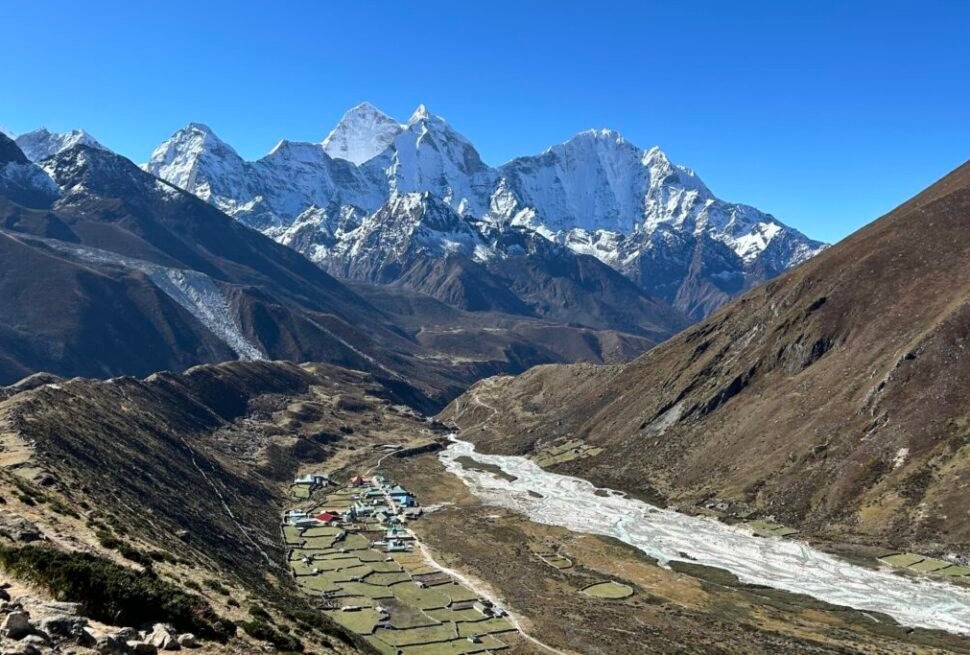
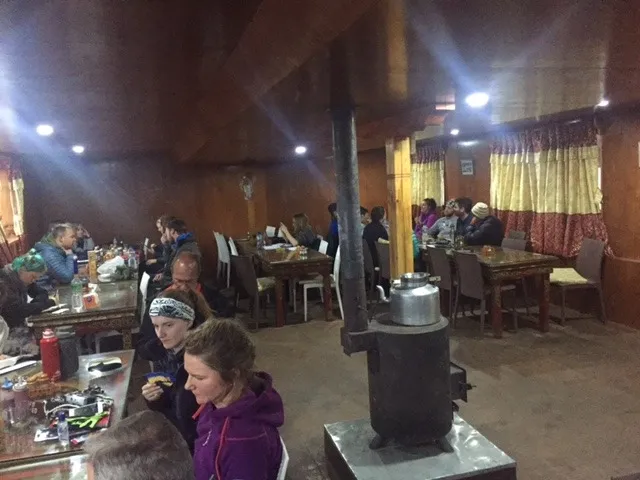
Teahouses — also called lodges or guesthouses — are the accommodation backbone of the Everest Base Camp trek. They are family-run establishments that provide a bed, meals, and a warm communal dining room for trekkers passing through. Without teahouses, the EBC trek would require full camping equipment; with them, you can trek with just a day pack and trust that shelter and food will be waiting at the end of each day.
Understanding what to expect from teahouses — and how conditions change as you gain altitude — helps you pack appropriately and set realistic expectations for comfort.
What Is a Teahouse?
A teahouse is a small, family-owned guesthouse that caters specifically to trekkers. Most teahouses have been in the same family for generations, passing from parents to children as the trekking industry has grown in the Khumbu. The name “teahouse” comes from the tradition of serving tea and simple food to travellers — though modern teahouses offer full menus and a range of accommodation options.
Teahouses vary enormously in quality, from basic structures with thin walls and minimal insulation at high altitude, to comfortable, well-furnished lodges in Namche Bazaar with attached bathrooms, hot showers, and proper dining rooms with heating. The most comfortable teahouses on the EBC route are at lower elevations — particularly in Namche and Phakding. As you climb above 4,000m, facilities become more basic.
Planning Your Everest Trek?
Get local expert advice on cost, itinerary and the best time to go.
What Teahouse Rooms Are Like
Standard teahouse rooms on the EBC route are:
- Twin or double rooms — two single beds or one double bed, basic mattress with a thin pillow and blanket provided
- Wooden walls — simple construction; you’ll often hear your neighbours through the walls
- Small window — usually one window facing the trail or mountains
- No heating in the room — rooms are not heated; dining rooms often have a wood or yak-dung stove
- Lock on the door — basic security lock; store valuables in your sleeping bag
Your sleeping bag is your most important comfort item in teahouses. Teahouse blankets exist but are often thin and may not be washed between guests. A good sleeping bag (rated to -15°C or lower) ensures you sleep warm regardless of the blanket quality provided.
Bathroom and Toilet Facilities
Bathroom arrangements vary significantly by altitude and teahouse quality:
- Shared bathrooms — most teahouses below 4,500m have shared bathrooms with western-style flush toilets and cold-water taps
- Attached bathrooms — available at better teahouses in Namche, Tengboche, and Dingboche; usually at premium room prices
- Squat toilets — some teahouses, particularly at higher elevations, have squat-style toilets
- Hot showers — available at many teahouses up to Dingboche; above that, hot showers become increasingly rare and expensive. Bucket showers (hot water poured into a bucket for you to wash with) are sometimes offered higher up.
Above Lobuche (4,940m), outdoor toilets and very limited washing facilities are normal. A good supply of wet wipes helps on the higher sections of the route when hot water isn’t available.
Heating and Warmth in Teahouses
Teahouse rooms are not heated. At high elevations, room temperatures at night can drop well below freezing — matching or exceeding outside temperatures. This is why a quality sleeping bag is essential: the teahouse cannot keep you warm, your sleeping bag must.
The communal dining room is usually the warmest space in the teahouse. Many have a central stove burning wood or compressed yak dung. Trekkers gather around the stove in the evenings to eat, socialise, and warm up before retreating to their cold rooms. The stove is usually lit in the evening and extinguished at night — don’t expect it to stay burning through the night.
Electricity, Charging, and WiFi
Electricity is available at most teahouses on the EBC route, though reliability varies. Lower-altitude teahouses (up to Namche) often have consistent power from the national grid or micro-hydro sources. Higher up, power comes from solar panels and is less reliable, particularly in winter or cloudy weather.
Device charging is typically charged separately (NPR 200–500 per device). Bring a large power bank to reduce dependence on teahouse charging and save money.
WiFi is available at most teahouses from Lukla to Gorak Shep, though speed and reliability decrease significantly with altitude. WiFi is typically charged separately (NPR 300–1,000 per day). An Ncell SIM card with mobile data is often a more reliable option for staying connected, particularly on the lower sections of the trail. Coverage becomes limited above Dingboche.
How Teahouse Quality Changes with Altitude
| Location | Altitude | Comfort Level | Facilities |
|---|---|---|---|
| Phakding | 2,610m | Good | Hot showers, flushing toilets, WiFi, good variety of rooms |
| Namche Bazaar | 3,440m | Excellent | Best on route — some with attached bathrooms, hot showers, heating, bakeries, restaurants nearby |
| Tengboche | 3,860m | Good | Hot showers available, good food, some attached bathrooms |
| Dingboche | 4,410m | Moderate–Good | Hot showers still available, decent rooms, some WiFi |
| Lobuche | 4,940m | Basic–Moderate | Cold, basic rooms; some hot showers; limited menu |
| Gorak Shep | 5,164m | Very Basic | Cold rooms, basic toilets, very limited facilities; crowded in peak season |
Teahouse Costs
Teahouse accommodation on the EBC route is generally inexpensive, particularly at lower elevations. The common arrangement is that rooms are priced cheaply (or even provided at minimal cost) on the expectation that you’ll eat all your meals at that teahouse. This food-and-board arrangement is widespread and fine in practice — teahouse food is typically good and there’s rarely a need to eat elsewhere.
Approximate room prices:
- Basic shared-bathroom room: NPR 500–1,000 (USD $3–$8) per person
- Room with attached bathroom: NPR 1,500–3,000 (USD $11–$22) per person
- Hot shower: NPR 300–800 (USD $2–$6) extra
Premium Lodges on the EBC Route
For trekkers seeking a more comfortable experience, premium lodge options exist on the EBC route. Yeti Mountain Home properties (Phakding, Namche, Kongde, Dole, Machherma) and EcoHimal Lodges (Lukla, Namche, Tengboche, Dingboche, Chhukung) offer heated rooms, better bedding, attached bathrooms, and higher-quality meals — at significantly higher prices (USD $100–$250+ per person per night including meals). These are popular with trekkers who want the EBC experience with more comfort than standard teahouses provide.
Booking Teahouses
In low season (November–February, June–August), teahouse booking in advance is generally not necessary — you can walk up and find a room. In peak season — especially October — teahouses at popular stops (Namche, Tengboche, Dingboche, Gorak Shep) fill up quickly. Pre-booking through your trekking company for peak-season dates is strongly recommended to avoid scrambling for beds at the end of a long trekking day.
Etiquette in Teahouses
- Always eat at the teahouse where you sleep — this is the standard arrangement and how teahouse owners sustain their business
- Remove your boots before entering the dining room
- Be quiet in rooms at night — walls are thin and early wake-up times are common
- Dispose of waste properly — do not leave rubbish on the trail or in rooms; use teahouse bins
- Be respectful of staff — teahouse staff work extremely hard in difficult conditions at altitude
Sleep Quality at Altitude
Sleep is often disrupted at high altitude, even in good teahouses. Periodic breathing (Cheyne-Stokes breathing) — where the body temporarily stops breathing during sleep and then wakes itself — is common above 4,000m and causes light, fragmented sleep. This is normal and usually improves after a night or two at the same altitude.
Tips for better sleep at altitude: go to bed early, avoid alcohol, take low-dose Diamox (62.5–125mg) if sleep disruption is severe, and wear warm socks and a hat to stay warm through the night.
Trek with Teahouse Bookings Handled for You
Our Everest Base Camp Trek packages include teahouse accommodation throughout the route, pre-booked for peak season to guarantee your bed after each day’s trekking. Our guides know the best teahouses at each stop. View our EBC Trek package for full details.
Related EBC Trek Guides
Planning Your Everest Trek?
Get local expert advice on cost, itinerary and the best time to go.