November is the month I point trekkers toward when they ask me for the single best combination of good weather and thin crowds on the Everest Base Camp trail. I have guided this route more than thirty times since 2017, and November consistently delivers what October promises but cannot always keep, genuinely clear skies, without the crowded teahouse dining rooms and packed viewpoints that define peak season. The trade off is real cold. At Gorak Shep and Base Camp itself, night temperatures regularly fall below minus 15 degrees Celsius, and the Kala Patthar sunrise climb starts in conditions that test even well prepared trekkers. This guide covers exactly what November asks of you, and exactly what it gives back in return.
EBC Trek in November at a Glance
| Season | Late post monsoon into early winter |
| Recommended for | Trekkers who want October conditions with far fewer people |
| Base Camp Night Temperature | Minus 15°C to minus 20°C |
| Lukla Daytime Temperature | 10°C to 14°C |
| Trail Conditions | Dry and firm, light snow possible above 4,500m by late November |
| Teahouse Availability | Fully open, some smaller lodges close by late November |
| Crowds | Moderate in early November, quiet by mid month |
| Guide Required | Yes, mandatory for Sagarmatha National Park |
| Overall Difficulty | Hard, cold management above 4,000m is the main challenge |
Planning Your Everest Trek?
Get local expert advice on cost, itinerary and the best time to go.
Why I Recommend November
Most guidebooks list October as the best month for Everest Base Camp, and for most first time trekkers I agree with that. But November is a close second, and for a specific type of trekker it is genuinely the better choice. By November, the October rush has passed. The teahouses that overflowed in mid October now have real space. The trail that felt busy and social in October now feels peaceful. You still meet other trekkers, but the atmosphere shifts from crowded to contemplative.
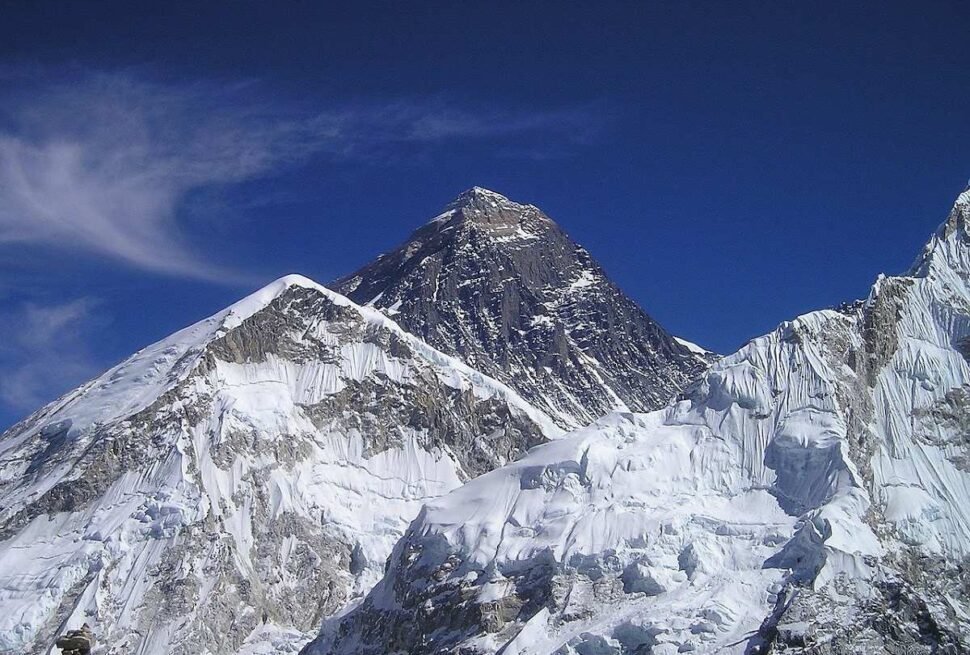
The mountain views in November can exceed October. As temperature drops, the air becomes drier and clearer, and the haze that sometimes lingers in early October is completely gone by mid November. The mountains appear sharper, the colours more vivid. On a clear November morning from Kala Patthar, the view of Everest and its neighbouring peaks is as good as this trek gets anywhere in the calendar year.
November Weather by Elevation
| Location | Night Low | Day High | Conditions |
|---|---|---|---|
| Lukla (2,840m) | -2°C to 3°C | 10°C to 14°C | Crisp and clear, pleasant walking weather |
| Namche Bazaar (3,440m) | -5°C to 0°C | 8°C to 12°C | Sun still warm, shade turns cold fast |
| Tengboche (3,867m) | -8°C to -3°C | 5°C to 10°C | Wind sweeps down from the ridges |
| Dingboche (4,410m) | -15°C to -10°C | 3°C to 8°C | Serious cold begins here, wind off the glacier |
| Lobuche (4,940m) | -15°C to -10°C | 0°C to 5°C | Genuinely cold, heated dining rooms essential |
| Gorak Shep (5,164m) | -20°C to -15°C | -5°C to 0°C | The coldest place you sleep on the entire trek |
| Kala Patthar (5,644m) | -20°C to -15°C | Rising through sunrise | Dawn ascent in the coldest air of the trip |
The Kala Patthar sunrise climb is its own experience entirely. You start walking in temperatures of minus 15°C to minus 20°C, sometimes colder with wind chill. Your hands and feet will be cold no matter how well you have prepared. But watching the sun rise over Everest from that summit, with a landscape of snow and ice glowing gold and pink around you, is one of the most beautiful sights the Himalaya offers. The cold makes the climb harder, but it also makes the memory sharper.
Trail Conditions in November
The trail surface stays dry and firm through November. There is no monsoon mud, and snow is rare below Dingboche. Between Lukla and Dingboche you can expect stable footing, secure bridges, and dry stone steps the entire way. Above Dingboche, conditions can shift as the month progresses. By mid to late November, snow becomes increasingly likely above 4,500m. A November snowfall in the Khumbu is typically light and dry rather than the heavy wet snow of monsoon season, and it dusts the landscape white without making the trail unsafe, though it does make the moraine sections between Lobuche and Gorak Shep noticeably more slippery. I carry trekking poles as standard for every November group specifically for this stretch.
The Kala Patthar trail itself can turn icy in early morning when frost forms on the exposed rock. Microspikes are genuinely useful here, lightweight enough that there is no reason to leave them behind. One underrated advantage of November is the lack of dust. The lower trail between Lukla and Namche, which kicks up dust in dry October conditions, is usually damp or frosty in November, which makes for more pleasant walking and less respiratory irritation.
Crowds and Accommodation Through the Month
Early November, the first week or so, still carries some of October’s momentum. Teahouses are typically full but not overflowing, and finding a room is straightforward without being trivial. By mid November, the second and third weeks, crowd levels drop noticeably. I have walked entire hours on this stretch without passing another group. Teahouses have plenty of availability, and dining rooms shift from the boisterous energy of October to something quieter and more personal.
By late November, the trail is genuinely quiet, my favourite window to guide in the Khumbu. The main villages on the EBC route stay open through the month, though some of the smaller, higher elevation teahouses begin closing for the season as December approaches. Namche Bazaar remains the exception, staying busy throughout November given its role as the region’s main hub. Teahouse pricing runs slightly lower than October, and rooms that cost NPR 1,500 to 2,000 in peak season often run NPR 1,000 to 1,500 in November. Food pricing stays constant regardless of season since it is set by the local trekking committees.
November Day by Day Itinerary
Days 1 and 2: Kathmandu and the Lukla flight. After arrival in Kathmandu, we run a thorough gear check, more important in November than any warmer month since the margin for error with cold weather gear is smaller. The flight to Lukla is usually reliable in November, though morning fog can cause short delays. We walk from Lukla to Phakding on frosty morning trail through bare winter forest, a gentle first day that serves as a proper warm up.
Day 3: Phakding to Namche Bazaar. The first genuinely demanding day, crossing several suspension bridges before the steep final climb into Namche. You will likely meet other trekkers on this stretch, though fewer than October. Arriving in Namche on a clear November afternoon rewards you with your first proper view of Everest from the ridge above town.
Day 4: Acclimatisation day in Namche. We hike up toward the Everest View Hotel or the Syangboche ridge, a cold morning around minus 5°C requiring a down jacket, but the payoff is a view of the mountains looking close enough to touch in November’s clear air.
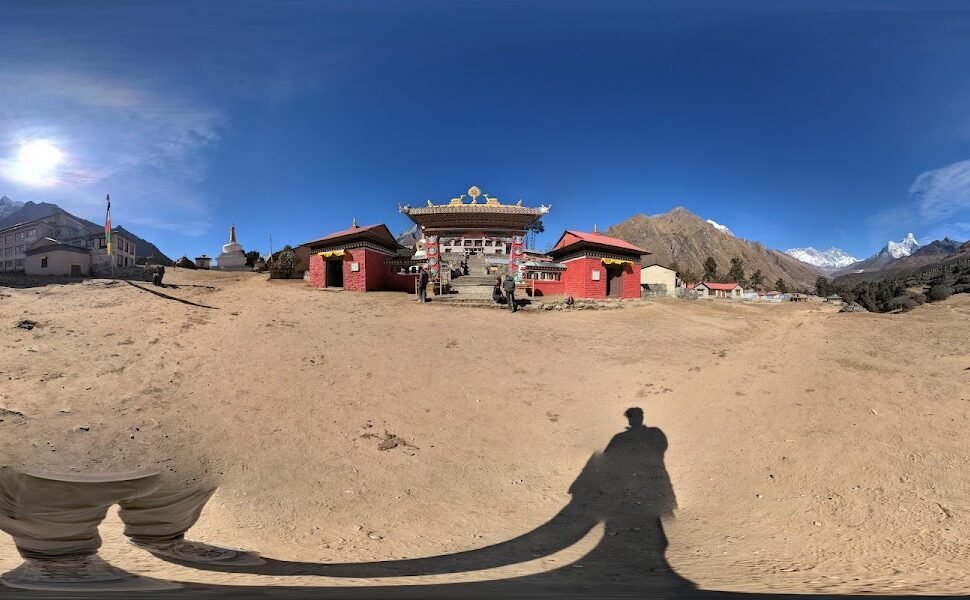
Day 5: Namche to Tengboche. One of the most beautiful walking days on the entire route. With the leaves down, the forest opens up views hidden in summer months. Tengboche itself, with its monastery set against the massive form of Ama Dablam, is unforgettable in November light, and the monastery often has fewer visitors than in peak season.
Day 6: Tengboche to Dingboche. Descending to the Imja Khola, crossing the river, then climbing steadily to Dingboche. This is the day the altitude and cold both become real. You leave the tree line behind entirely, and the landscape turns stark and beautiful. Dingboche’s harvested potato fields and stone walls give the village a quiet end of season feel in November.
Day 7: Second acclimatisation day. The hike toward Nangkartshang Peak is colder and windier in November than October, but the views from the top, including a sighting of Makalu on the horizon, are extraordinary, and the altitude benefit of this hike matters more the higher you go.
Day 8: Dingboche to Lobuche. Crossing the 5,000m threshold. The trail crosses the Khumbu Glacier moraine, a landscape of rock and boulder that can be dusted in snow by November, both more beautiful and more demanding underfoot. The memorial chortens for climbers who died on the mountain are a sobering stop along the way.
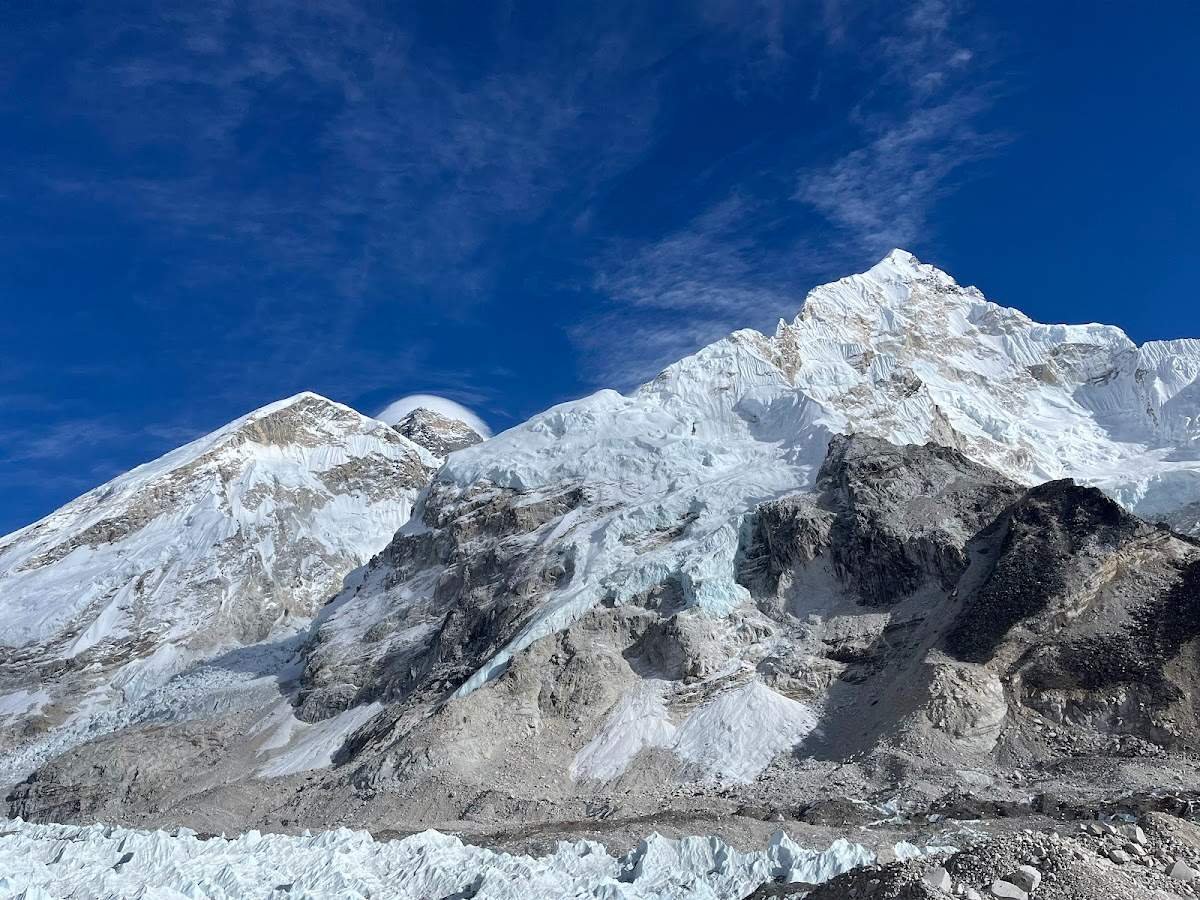
Day 9: Lobuche to Gorak Shep, then Everest Base Camp. This day starts in extreme cold. The walk to Gorak Shep across the moraine takes two to three hours, then, after dropping packs, we continue to Base Camp itself. Arriving at Base Camp in November is genuinely emotional, prayer flags snapping in the cold wind against ice and rock, the Khumbu Icefall gleaming in cold sunlight.
Day 10: Kala Patthar at dawn. The coldest experience of the trek, starting in minus 15°C to minus 20°C air. The ascent is steep and rocky, sometimes icy. The reward is Everest at sunrise, painted gold and pink, with the surrounding peaks sharp against a clear sky.
Days 11 to 13: Descent and flight home. The descent brings relief as temperatures rise with falling elevation, mixed with the particular nostalgia of leaving the mountains behind. Many trekkers tell me the descent is when the achievement actually sinks in. The flight back to Kathmandu from Lukla is generally reliable in November.
What to Pack for November
| Category | Item | Notes |
|---|---|---|
| Sleep system | Sleeping bag rated minus 20°C, 800 fill down | Non negotiable for Gorak Shep and Base Camp nights |
| Insulation | Expedition weight down jacket with hood | A lightweight October style jacket is not enough |
| Base layers | Merino wool or synthetic, two full sets | Always keep one dry set in reserve |
| Hands | Liner gloves plus heavyweight insulated mittens | Mittens keep fingers together and are warmer than gloves |
| Head | Warm beanie plus balaclava or face mask | Wind on exposed skin above 4,000m is genuinely painful |
| Feet | Waterproof leather boots, thick wool socks, liner socks | Single layer boots are fine with proper sock systems |
| Traction | Microspikes or yaktrax | Essential for icy morning sections near Kala Patthar |
| Poles | Trekking poles with snow baskets | Useful once snow becomes likely above 4,500m |
A few small tricks make a real difference in November. Sleep with your batteries and electronics inside your sleeping bag, cold drains them fast and a dead battery on Kala Patthar morning means no summit photos. Put tomorrow’s clothes inside your sleeping bag overnight so you are not pulling on frozen fabric at 5am. Carry your water bottle inside your jacket during the day so it does not freeze, and consider an insulated bottle or thermos specifically for November.
Cost of a November Trek
Permits do not change by season. The Sagarmatha National Park entry permit costs NPR 3,000 per person, and the Khumbu Pasang Lhamu Rural Municipality permit costs NPR 2,000 per person for the first four weeks. Guide rates in November run 10 to 15 percent lower than October, typically USD 25 to 35 per day for a licensed guide, and USD 18 to 22 per day for a porter. Teahouse accommodation runs 20 to 30 percent cheaper than October, budget NPR 1,000 to 1,500 per night rather than NPR 1,500 to 2,000. Food stays constant at roughly NPR 2,000 to 3,000 per day. A full 13 to 14 day guided November trek typically runs USD 1,200 to 1,600 per person including flights, permits, guide, porter, and accommodation, generally 100 to 200 dollars less than the same trek in October.
Altitude Sickness and Cold Injury
Altitude sickness is the primary health risk on this trek regardless of month, and the standard rule applies in November exactly as it does in October: gradual ascent, real rest days in Namche and Dingboche, hydration, and honest communication with your guide about how you feel. Cold complicates recognition slightly, since a cold headache and an altitude headache can feel similar. The distinguishing test is simple, an altitude headache worsens with exertion and does not improve with rest or warming up, while cold discomfort improves as soon as you add layers.
Cold injury is a real additional risk in November that October rarely presents. Frostbite begins with numbness and a waxy appearance of the skin, most commonly on fingers, toes, ears and nose. Warm the area immediately if you notice these signs, and never rub frostbitten skin, which can cause further tissue damage. Prevention matters more than treatment, keep extremities dry, take movement breaks to maintain circulation, and never ignore numbness as something to push through.
The dry, cold air at altitude also causes what locals call the Khumbu cough, a persistent dry cough from cold air irritating the bronchial passages during exertion. Wearing a buff or face covering over your nose and mouth warms and humidifies the air before it reaches your lungs and meaningfully reduces the incidence. Staying well hydrated, aiming for three to four litres a day, also helps, since dehydration worsens the irritation.
Planning Your Everest Trek?
Get local expert advice on cost, itinerary and the best time to go.
Photography in November
November offers some of the best photography conditions of the entire trekking calendar. The cold, dry air creates exceptional visibility, and the lower sun angle produces longer shadows and more dramatic light than October’s higher, flatter sun. The first light hitting Everest from Kala Patthar creates a pink and orange glow on the summit that lasts only a few minutes, so have your camera ready before the sun actually touches the peak. A light snow dusting, if you get one, transforms the stone walls, moraine and prayer flags into striking compositions that photographers specifically travel for.
Cold weather is hard on electronics. Batteries drain faster in low temperatures, so carry spares and keep them warm in an inner jacket pocket rather than in a cold camera bag. Let cold gear acclimatise inside a closed bag for twenty to thirty minutes before opening it in a warm teahouse, otherwise condensation forms on the lens and internal components.
November Compared to Other Months
Against October, the trade off is straightforward, October is warmer and more socially busy, November is colder and quieter with comparable or better views. Against December, November wins on almost every count except crowd levels, December’s cold is more severe, daylight hours shorter, and some teahouses begin closing for the season. Against the spring months of March and April, November offers more reliably clear skies, since spring afternoons often bring cloud that spring trekkers do not get in November, at the cost of the rhododendron bloom spring offers instead. Against the monsoon months of June through August, there really is no comparison, monsoon trekking means rain, mud, leeches and obscured views, and November wins comprehensively except on the single measure of empty trails.
Early, Mid, and Late November: Which Window to Choose
Early November, the first ten days, feels close to late October, only slightly colder, trails still moderately busy, teahouses fully operational. This suits trekkers who want good conditions with a moderate reduction in crowds and minimal added cold risk. Mid November, days ten through twenty, is my personal favourite window to guide, colder but manageable, crowd levels dropped significantly, teahouse availability still strong, and a real sense of the Khumbu settling into winter. Late November, the final ten days, is for trekkers with prior high altitude experience and serious cold weather gear. Temperatures are noticeably colder, some smaller teahouses close for the season, and daylight hours shrink, but the reward is close to having the Himalaya to yourself.
If this is your first Everest Base Camp trek, I steer you toward early to mid November. If you already have high altitude experience and a properly stocked gear list, late November delivers something genuinely rare on a route this famous.
A Guide’s Perspective on November
After the intensity of October, November feels like a return to the actual essence of trekking to me. The trails are quieter, the mountains feel closer, and the teahouse conversations run deeper and more personal. Trekkers who choose November are typically well prepared and committed, they have done the research and understand the cold going in, which makes my job easier and lets us focus on the experience itself rather than managing problems caused by underpreparation.
One moment recurs on almost every November trek I guide. It usually happens somewhere above Dingboche, walking in late afternoon light with the mountains glowing around us, the group spread along the trail at their own pace, the only sound the wind and boots on stone. That is the November experience, and it is why I keep coming back to this specific month year after year.
Nutrition and Hydration in Cold Weather
Your body burns noticeably more calories in November’s cold, since it has to generate extra heat on top of the usual demands of walking at altitude. A trekker at 5,000m in November might genuinely need 4,000 to 5,000 calories a day, well above the 3,000 to 3,500 that suffices in October. Breakfast matters more than any other meal, porridge, eggs and toast before a cold morning start gives you the fuel a quick snack cannot match. Through the day, eat something every hour or so, nuts, dried fruit, chocolate and energy bars kept accessible in a jacket pocket rather than buried in your pack where the cold makes you reluctant to stop and dig them out.
Dal bhat remains the best dinner choice on the mountain, balanced, filling, and the free refills matter when your caloric needs are running high. Hydration takes conscious effort in cold weather because you simply do not feel as thirsty as you would at lower, warmer elevations, even though you are still losing water through breathing in the dry mountain air. Aim for three to four litres a day. Warm drinks, ginger tea, hot lemon, soup, count toward that total and are genuinely more appealing than cold water when the temperature drops. I tell every November group to start each morning with a large cup of hot tea before setting out. Avoid alcohol at altitude entirely, it dehydrates you and, despite the warming sensation, actually draws heat away from your core.
The Psychological Side of Cold Weather Trekking
Trekking in November’s cold is as much a mental challenge as a physical one. The cold wears you down in small, cumulative ways, getting out of a warm sleeping bag, pulling on cold boots, stepping outside into biting wind. The trekkers who handle this best are the ones who accept it rather than fight it. Once you stop resisting the discomfort and start working with it, the whole experience becomes more manageable.
I encourage groups to focus on what November actually gives them, the clear skies, the empty trail, the mountains looking closer than they ever do in October, the warm teahouse waiting at the end of each day. Trekking with a partner or a small group helps too, sharing the discomfort and the small victories, a hot cup of tea, a clear viewpoint, a comfortable bed, makes the harder mornings easier to push through. Whatever brought you to this trek in the first place, hold onto that reason during the difficult moments. The cold passes. What you accomplish does not.
Teahouse Culture in November
The teahouse experience in November has a different character from October. Dining rooms are less crowded, conversations run quieter, and the pace of life in the villages feels genuinely more relaxed. In October, dining rooms are social hubs where trekkers from many different groups mix constantly. In November, you might share a room with just one or two other parties, which gives space for deeper, more personal conversation, both with fellow trekkers and with the teahouse owners themselves, many of whom have decades of stories about the mountains and welcome the chance to actually tell them when the season is not rushing them.
Every teahouse dining room centres on a stove, usually fuelled by wood or yak dung, lit early and burning until bedtime in November. Trekkers gather around it to warm their hands, dry their boots, and trade stories from the day. Some of my best memories from guiding November treks come from evenings spent exactly there, talking with trekkers from a dozen different countries while wind rattles the windows outside. Sleeping arrangements deserve extra attention this month too, rooms are unheated and only marginally warmer than outside air. A sleeping bag liner adds a genuine few degrees of warmth on top of your main bag, and I have seen trekkers wear a beanie to bed or tuck a hot water bottle into their sleeping bag before lights out, small tricks that make a real difference to how well you sleep at altitude.
Emergency Procedures and Evacuation
November is generally a safe month to trek, but understanding how emergencies are handled matters for peace of mind. Our guides carry pulse oximeters and check oxygen saturation regularly through the trek. If a trekker shows signs of moderate to severe altitude sickness, the immediate response is descent, even 500m down can produce dramatic improvement, and November’s clear weather typically allows for that descent without delay.
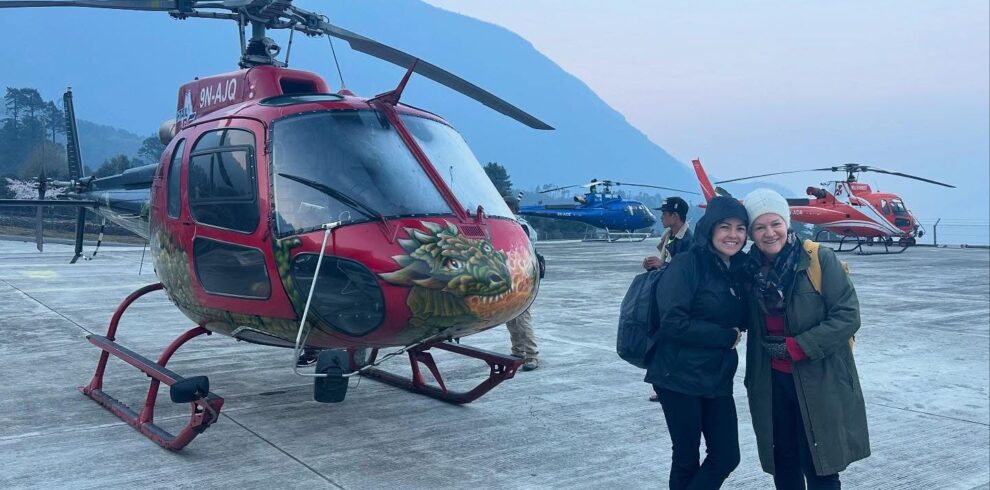
For more serious situations, helicopter evacuation is usually possible on most November days given the generally clear weather, though afternoon cloud or a fresh snowfall can occasionally ground flights or complicate landing at higher elevations. Comprehensive travel insurance covering helicopter rescue up to at least 6,000m is mandatory for every guest we take, no exceptions. The Himalayan Rescue Association runs a clinic at Pheriche staffed by volunteer doctors who specialise in altitude related illness, and it remains open through the November season. For anything beyond what that clinic can handle, evacuation to Kathmandu is the next step, which is why travel insurance that includes medical evacuation to your home country is something I insist on before any guest starts the trek.
The Role of Your Guide in November Conditions
A good guide matters in every month, but their cold weather experience specifically matters more in November than in October. They know which teahouses run the warmest rooms, how to pace a group to preserve body heat without overexertion, and how to read the early signs of cold related problems before they become serious. They also shape the group’s mental approach to the cold, when to encourage, when to give space, and how to turn a hard, freezing morning into a shared experience that bonds a group together rather than one that grinds people down individually.
When you are choosing who to trek with for a November departure, ask directly about their guides’ experience in cold season conditions specifically, not just general EBC guiding experience. At Everest Trekking Company, our guides are trained in cold weather trekking, altitude sickness management and emergency response, and we assign our most experienced people to November and winter departures specifically, because the conditions genuinely demand it.
Tipping Guidelines for November Treks
Tipping is an established part of trekking culture in Nepal and represents a meaningful share of what your guide and porter actually earn. The standard guideline runs 10 to 15 percent of your total trek cost, split between guide and porter, roughly USD 10 to 15 per day for a guide and USD 8 to 12 per day for a porter. In November, when the work is genuinely harder given the cold, I encourage trekkers to tip toward the higher end of that range as a fair acknowledgement of the extra demands the season places on the team. Tips are usually handed over at the farewell dinner in Kathmandu, given directly and personally rather than left with a hotel front desk, and if you are trekking as a group, pooling tips together and presenting them collectively creates a genuinely meaningful moment of thanks that your guide will remember.
Environmental Responsibility on the Trail
The Khumbu is a fragile high altitude environment, and the volume of trekkers passing through it every year puts real pressure on its resources. Waste management is a genuine challenge here, getting rubbish out of the mountains is difficult and costly. As a trekker, carrying a reusable water bottle and a purification method rather than buying plastic bottles at every stop makes a meaningful difference over the course of a two week trek, and I ask every guest to carry snack wrappers back down rather than leaving them in teahouse bins that are already overloaded.
Toilet facilities range from decent in Namche to basic higher up the trail. Always use the designated facilities rather than going in the open. Yak trains share the trail with trekkers and carry essential supplies to every village along the route, always give them the right of way on narrow sections and stand on the inside of the trail rather than the outer edge. The forests between Lukla and Tengboche are slow growing at this altitude and take decades to recover from damage, so leave branches, flowers and wildlife undisturbed. Every trekker who moves through this landscape with a bit of care helps keep it intact for the next group that walks the same trail.
A Story From a November Trek
A few years ago I guided a father and son from Canada in November, the son nineteen, the father in his fifties, a trip they had been planning for three years together. On the Kala Patthar ascent, the father’s hands went numb despite his gloves in the minus 18°C air. His son took off his own mittens and handed them over without hesitation, finishing the climb with his own hands bare in the freezing wind. Back at the teahouse afterward I asked him why. He said his father had done the same for him more times than he could count when he was a child, and now it was his turn to return it. That is what November trekking does at its best. It strips away everything unnecessary and leaves you with what actually matters, and moments like that one are the real reason I keep guiding this route, month after month, year after year.
Do I need travel insurance for a November EBC trek?
Yes, we require it for every guest regardless of season, covering trekking up to at least 6,000m and helicopter evacuation specifically. This is non negotiable and should be arranged before you leave home.
How many days does the full November itinerary take?
Our standard itinerary runs 13 to 14 days Kathmandu to Kathmandu, including two dedicated acclimatisation days at Namche and Dingboche. I recommend keeping the full schedule in November specifically, since it gives more buffer against any weather related delays.
Is Namche Bazaar busy even in November?
Yes, Namche stays busy through November given its role as the main hub of the Khumbu, serving trekkers heading in every direction across the region. It is the one village on this route where the quieter November atmosphere is least noticeable.
Can I combine a November EBC trek with a shorter add on trip?
Yes, many guests pair their EBC trek with a few extra days in Kathmandu or Pokhara before or after. November weather in the valley is generally dry and pleasant, a comfortable bookend to the cold of the high mountains.
Frequently Asked Questions
Is November a good month to trek to Everest Base Camp?
Yes, it is my second recommendation after October, and for trekkers who prioritise clear skies and a quiet trail over warmth, it is often the better choice. The trade off is genuinely cold nights above 4,000m.
How cold does it get at Everest Base Camp in November?
Night temperatures at Gorak Shep and Base Camp regularly fall to minus 15°C to minus 20°C. Daytime highs at these elevations stay near or below freezing. A sleeping bag rated to minus 20°C is essential.
Is November busier or quieter than October on the trail?
Noticeably quieter, especially from the second week onward. Early November still carries some October momentum, but by mid month the trail and teahouses feel genuinely peaceful.
Do I need microspikes for a November EBC trek?
They are not mandatory but genuinely useful, particularly for the Kala Patthar ascent, where early morning frost can make the rocky trail icy. They weigh almost nothing and take up minimal pack space.
Will it snow during a November trek?
Possible, especially above 4,500m from mid November onward. A November snowfall in the Khumbu is typically light and dry, and it makes the landscape more beautiful without making the trail unsafe.
Are teahouses still open in November?
Yes, the main villages on the EBC route stay open throughout November. Some of the smaller, higher elevation lodges begin closing for the season toward the very end of the month.
Is a November trek cheaper than October?
Yes, generally 100 to 200 dollars less for a full guided trek, driven by lower guide and porter rates and cheaper teahouse accommodation during the quieter season.
What is the Khumbu cough and does November make it worse?
It is a dry, persistent cough caused by cold, dry air irritating the airways during exertion at altitude. November’s colder, drier air makes it somewhat more common than in warmer months. A buff or face covering over your mouth and nose reduces the risk significantly.
Can a first time trekker handle November conditions?
Yes, particularly in early to mid November, provided you arrive with proper cold weather gear and a guide experienced in this specific season. I generally reserve late November for trekkers with prior high altitude experience.
How does November compare to spring for mountain views?
November typically offers clearer, more reliable skies than March or April, since spring afternoons often bring cloud buildup. Spring offers the rhododendron bloom in exchange, which November does not have.
I am Kiran Basnet, licensed trekking guide and founder at Everest Trekking Company, based in Thamel, Kathmandu. I have guided this route in every month of the year, and November remains one of my favourites for the specific combination of clear skies and genuine quiet it offers. Message me directly and I will help you choose the right window within November for your experience level and priorities.
Plan your trip on the Everest Base Camp Trek package page, or compare conditions with our Everest Base Camp Trek in October guide. For further planning, see our guides on the best time for Everest Base Camp Trek month by month, our complete packing list, and flights from Kathmandu to Lukla. If you want a shorter high altitude taste of the Khumbu, our Everest View Trek covers the lower route in 7 days.
Planning Your Everest Trek?
Get local expert advice on cost, itinerary and the best time to go.