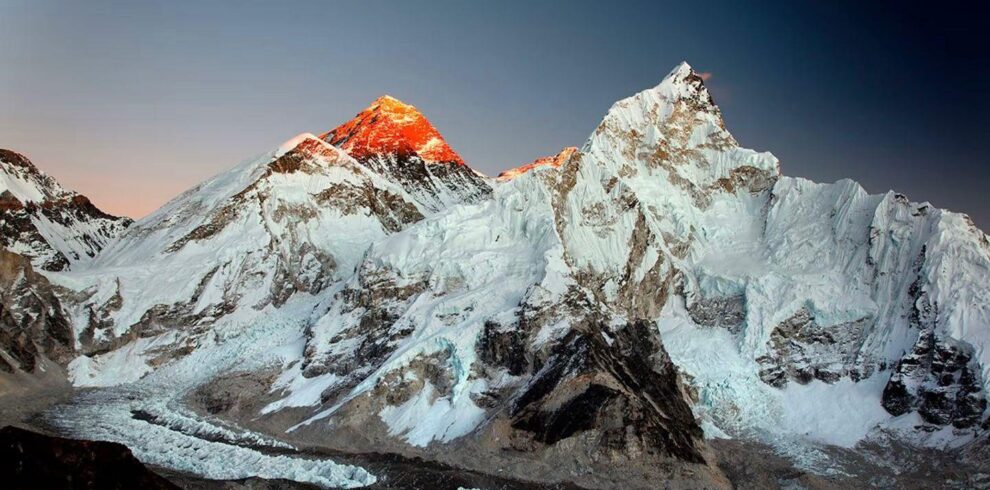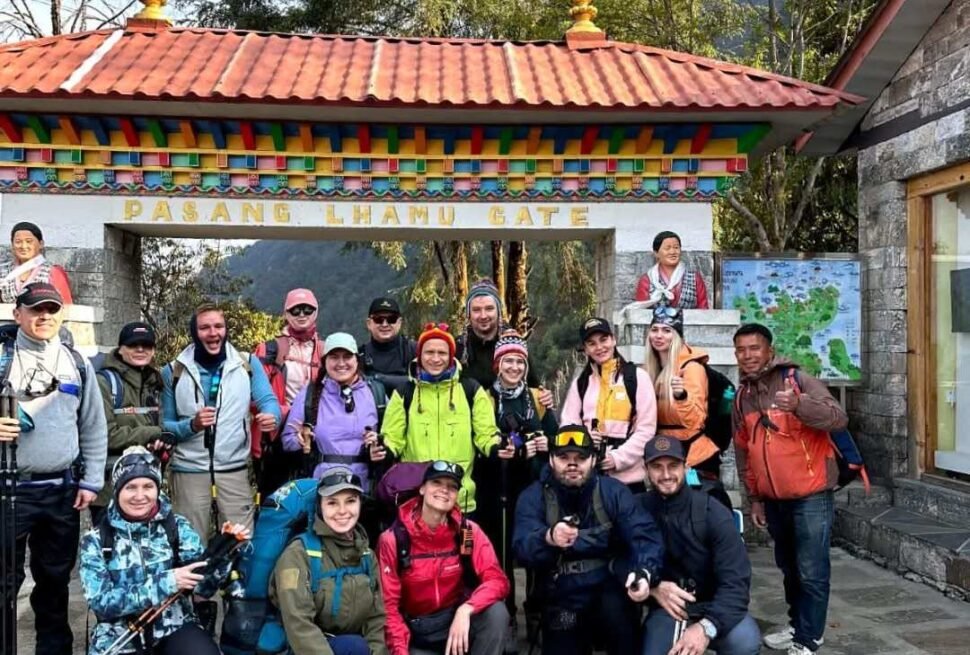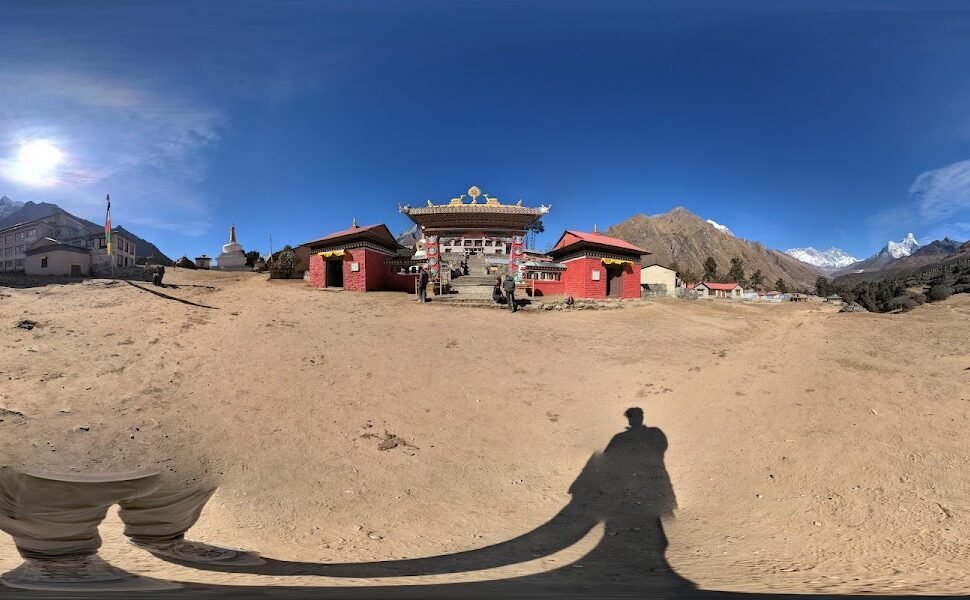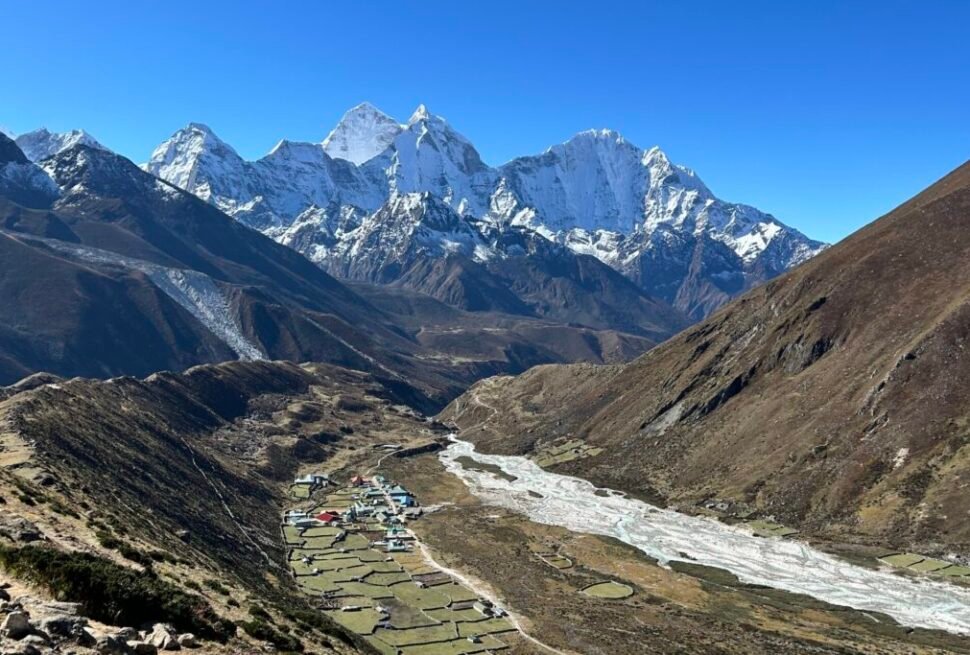
Weather is the single most important planning variable for the Everest Base Camp trek. It determines visibility, trail safety, flight reliability, and how much you enjoy each day. This comprehensive weather guide covers temperature patterns, seasonal conditions, wind, precipitation, and altitude-specific weather across all 12 months.
EBC Trek Weather: The Four Seasons
| Season | Months | Weather Character | Trekking Rating |
|---|---|---|---|
| Spring | March, April, May | Warming, clear mornings, afternoon cloud builds | Excellent (April) to Good (March, May) |
| Monsoon | June, July, August | Heavy rain lower trail; upper trail dry (rain shadow) | Challenging; for experienced trekkers |
| Autumn | September, October, November | Post-monsoon clear and dry; best overall conditions | Excellent (Oct) to Very Good (Nov, late Sept) |
| Winter | December, January, February | Crystal clear but extreme cold; snow above 4,000 m | Demanding; experienced cold-weather trekkers only |
Temperature: How Cold Does It Get?
The single most asked weather question about EBC. Temperature varies enormously by altitude and month. The EBC trail gains over 2,500 metres of altitude from Lukla to Gorak Shep. Every 1,000 m of altitude gain drops the average temperature by approximately 6.5C. A comfortable day in Namche can be a cold ordeal at Lobuche on the same date.
Annual Temperature Range by Village
| Village | Altitude | Warmest Month Night | Coldest Month Night | Warmest Day |
|---|---|---|---|---|
| Lukla | 2,860 m | +12C (July/Aug) | -8C (Jan) | +24C (July) |
| Namche Bazaar | 3,440 m | +9C (July/Aug) | -20C (Jan) | +20C (July/Aug) |
| Tengboche | 3,860 m | +6C (July/Aug) | -22C (Jan) | +16C (Aug) |
| Dingboche | 4,410 m | +4C (July/Aug) | -25C (Jan) | +14C (Aug) |
| Lobuche | 4,940 m | +2C (July/Aug) | -30C (Jan) | +12C (Aug) |
| Gorak Shep | 5,140 m | +2C (July/Aug) | -35C (Jan) | +12C (July/Aug) |
Wind chill adds 10 to 20C of perceived cold on exposed ridges and passes. Always factor wind when selecting gear, especially for Kala Patthar (5,545 m) which is extremely exposed to westerly wind.
Monthly Temperature Summary
| Month | Namche Day | Namche Night | Gorak Shep Night | Overall Feel |
|---|---|---|---|---|
| January | -3 to +5C | -18 to -12C | -35 to -28C | Extreme cold; expert only |
| February | 0 to +8C | -14 to -8C | -28 to -22C | Very cold; experienced trekkers |
| March | +5 to +14C | -5 to 0C | -20 to -15C | Cold; full winter kit needed |
| April | +8 to +18C | 0 to +5C | -16 to -10C | Comfortable; warm days |
| May | +12 to +20C | +4 to +8C | -8 to -5C | Warm lower; cool upper |
| June | +12 to +18C | +5 to +9C | -5 to 0C | Warm but wet lower trail |
| July | +14 to +20C | +7 to +11C | -3 to +2C | Warmest nights; heavy rain lower |
| August | +13 to +19C | +6 to +10C | -3 to +3C | Warm; monsoon easing late month |
| September | +12 to +18C | +2 to +6C | -10 to -6C | Good; clearing fast late month |
| October | +8 to +15C | -5 to 0C | -18 to -12C | Peak season; excellent conditions |
| November | +4 to +12C | -10 to -5C | -25 to -18C | Cold; quieter than October |
| December | 0 to +8C | -15 to -10C | -30 to -24C | Serious cold; experienced only |
Planning Your Everest Trek?
Get local expert advice on cost, itinerary and the best time to go.
Wind on the EBC Trail
Wind is the underappreciated weather factor on EBC. The jet stream sits over Everest and surrounding peaks through most of the year, producing 100 to 200 km/h winds at 8,000 m+. At trekking altitudes, wind is less extreme but significant on exposed ridges and passes.
Kala Patthar (5,545 m): The highest point most EBC trekkers reach, fully exposed to westerly wind. October and November can have strong wind gusts. January can have dangerous wind that makes the summit impassable. April tends to have lighter wind than autumn.
Lobuche to Gorak Shep: This moraine ridge section is exposed. Wind chill here in winter months creates feels-like temperatures of -40C or lower in strong wind events.
Lower trail (Lukla to Namche): Sheltered by the Dudh Koshi valley walls. Wind is rarely a factor below Namche.
Precipitation Patterns
Monsoon Season (June-August)
The southwest monsoon drives heavy rainfall on the lower Khumbu from June through August. Critically, the upper Khumbu above 4,000 m sits in a pronounced rain shadow. Dingboche, Lobuche, and Gorak Shep are largely dry even during peak monsoon. This is why July and August EBC treks are possible and even rewarding for prepared trekkers.
Autumn (September-November)
September sees rainfall decreasing week by week. By October, the post-monsoon trail is dry throughout, teahouses fully open, and conditions at their best for the year. November continues dry with increasing cold. This is the most precipitation-free trekking window of the year.
Winter (December-February)
Winter precipitation falls as snow above 3,500 m. Snowfall events can dump 10 to 30 cm of fresh snow on the upper trail. Snow typically compacts or clears within 48 to 72 hours of sunshine. Winter EBC is possible but requires crampons above 4,500 m after any snowfall.
Spring (March-May)
Spring is generally dry with afternoon cloud building from mid-morning. May sees increasing pre-monsoon moisture. Occasional spring snowfall above 4,000 m in March is possible but unusual below that altitude. Spring precipitation is far less than monsoon or winter seasons.
The Jet Stream and Everest Weather Windows
The jet stream determines when Everest can be climbed and indirectly shapes trekking weather. Through winter, the jet stream sits directly over the summit at 8,848 m, producing extreme conditions. In late April and May, the jet temporarily lifts northward, creating the narrow summit window that all Everest expeditions target. For trekkers, this is visible as calmer upper-mountain conditions and often excellent Kala Patthar weather in late April and early May.
The autumn jet stream departure in October creates the stable, clear post-monsoon conditions that make October EBC so consistently excellent. The jet returns in November and December, bringing increasing wind at high altitude but not the extreme temperatures of January.
Weather Planning Tips
Check weather 10 days before departure: Nepal weather forecasts become reliable about 10 days out. Your everest trekking company monitors Khumbu-specific forecasts and can adjust start dates by a day or two to optimise conditions.
Always start walking early: In spring and monsoon months, morning is reliably clearer than afternoon at all altitudes. Reach viewpoints (Kala Patthar, Everest view hotel, Nagore Hill) in the morning. Plan acclimatization hikes for mornings.
Kala Patthar sunrise: The standard schedule is to leave Gorak Shep at 4am to reach Kala Patthar (5,545 m) by sunrise. This guarantees the clearest possible Everest view before any cloud builds. Your guide will wake you at 3:30am for this hike.
Layer for the day’s range: The temperature swings between cold early morning and warmer midday (particularly in April and May) are significant. Dress for cold starts and have layers ready to shed as you warm up walking. At altitude, always dress for wind even on sunny days.
Prepare for the unexpected: Himalayan weather can change quickly. A clear morning at Namche can become a snow squall at Dingboche the same afternoon. Carry your rain jacket and extra warm layer accessible in your daypack at all times.
Altitude and Weather Acclimatization
Weather interacts directly with altitude sickness. Cold, dehydration, and low oxygen combine to worsen acute mountain sickness (AMS) symptoms. The EBC trek preparation guide and the dedicated post on altitude sickness on EBC cover how weather affects acclimatization in detail. The key rule: descend if symptoms worsen regardless of weather conditions. Do not wait for a weather window to descend if altitude sickness is progressing.
Frequently Asked Questions
What is the weather like at Everest Base Camp?
Everest Base Camp (5,364 m) is not a permanent overnight stop for trekkers; Gorak Shep (5,140 m) is the last teahouse village. At Base Camp level in October, daytime temperatures are 0 to +5C with possible afternoon cloud. In January, daytime temperatures are -15C to -5C. Wind can make it feel significantly colder at any time of year.
What is the best weather month for EBC?
October has the most consistently excellent weather: dry trail, clear blue skies, no monsoon moisture, and manageable temperatures. Late April offers very similar conditions with the added warmth of spring. Both are excellent. See the full EBC best time guide for the complete comparison.
How much does weather affect my chance of seeing Everest?
In October, the chance of clear views from Kala Patthar in the morning is very high (80%+). In the monsoon months (June-August), the chance from lower elevations is low but from Kala Patthar itself is still reasonable (50%+) on good mornings. Staying two nights at Gorak Shep doubles your chances of getting a clear morning at Kala Patthar regardless of month.
EBC Weather Data: All 12 Months Compared
| Month | Namche Day Temp | Kala Patthar Day Temp | Rainfall (Namche) | Views | Crowd Level | Trekking Rating |
|---|---|---|---|---|---|---|
| January | 0-4C | -15 to -7C | Minimal | Excellent | Very Low | 3/10 (extreme cold) |
| February | 2-7C | -12 to -5C | Minimal | Excellent | Very Low | 4/10 (cold) |
| March | 5-10C | -8 to -2C | Minimal | Very Good | Low | 6/10 (cold but manageable) |
| April | 8-13C | -5 to 2C | Occasional shower | Very Good | High | 9/10 (top pick) |
| May | 10-15C | -2 to 4C | Pre-monsoon showers | Good (morning) | High | 8/10 (early May best) |
| June | 10-15C | 0-5C | Heavy (monsoon) | Poor below 4,000m | Very Low | 4/10 (wet) |
| July | 11-16C | 0-5C | Very Heavy | Poor below 4,000m | Very Low | 3/10 (wettest) |
| August | 10-15C | 0-5C | Heavy (tapering) | Improving | Very Low | 4/10 (late Aug better) |
| September | 9-14C | -2 to 4C | Light (end of monsoon) | Good-Very Good | Low-Moderate | 7/10 (late Sept is great) |
| October | 5-10C | -8 to -1C | None | Outstanding | Very High | 10/10 (best month) |
| November | 1-5C | -12 to -5C | None | Outstanding | Moderate | 8/10 (cold but clear) |
| December | 1-5C | -15 to -7C | Minimal | Excellent | Low | 5/10 (cold, quiet) |
Wind Speeds on the EBC Trail by Month
| Month | Wind at Namche (3,440m) | Wind at Kala Patthar (5,545m) | Risk Level |
|---|---|---|---|
| January-February | Light to moderate | Strong to very strong (40-80 km/h) | High above 5,000m |
| March-April | Light | Moderate (20-50 km/h) | Moderate, manageable |
| May | Light to moderate | Moderate (pre-monsoon jet stream) | Moderate |
| June-August | Light (monsoon damps wind) | Light to moderate | Low for wind, high for rain |
| September-October | Light | Light to moderate (20-40 km/h) | Low, best conditions |
| November-December | Moderate | Strong (40-70 km/h) | High above 5,000m |
Understanding the 4 EBC Weather Seasons
| Season | Months | Key Weather Pattern | Best For |
|---|---|---|---|
| Spring | March, April, May | Pre-monsoon, warming temps, good visibility, some pre-monsoon showers in May | Flowers, Everest expedition season, good views |
| Monsoon | June, July, August | Heavy rain on lower elevations, clear and dry above 4,000m, lush green landscape | Budget trekkers, solitude lovers, nature photography |
| Autumn | September, October, November | Post-monsoon clarity, best views, cold nights increasing through season | Best overall conditions, peak season |
| Winter | December, January, February | Clear cold air, near-empty trail, extreme cold above 4,500m | Solitude, photography, experienced cold-weather trekkers |
Weather FAQ for EBC Trekkers
What causes the weather window for Everest climbing in May?
The Everest climbing season weather window happens when the jet stream shifts northward in May, temporarily reducing wind speeds at the summit. This window typically lasts 1-2 weeks in May and occasionally extends into early June. The same jet stream causes harsh winds on Kala Patthar in winter months.
Can the weather change quickly on the EBC trail?
Yes, Himalayan weather can change very rapidly, especially above 4,000m. A clear morning can become a snow storm within 2-3 hours. This is why all EBC trekkers should carry waterproof layers at all times and should never rely on morning conditions to predict the full day.
What temperature should I expect inside teahouses at night?
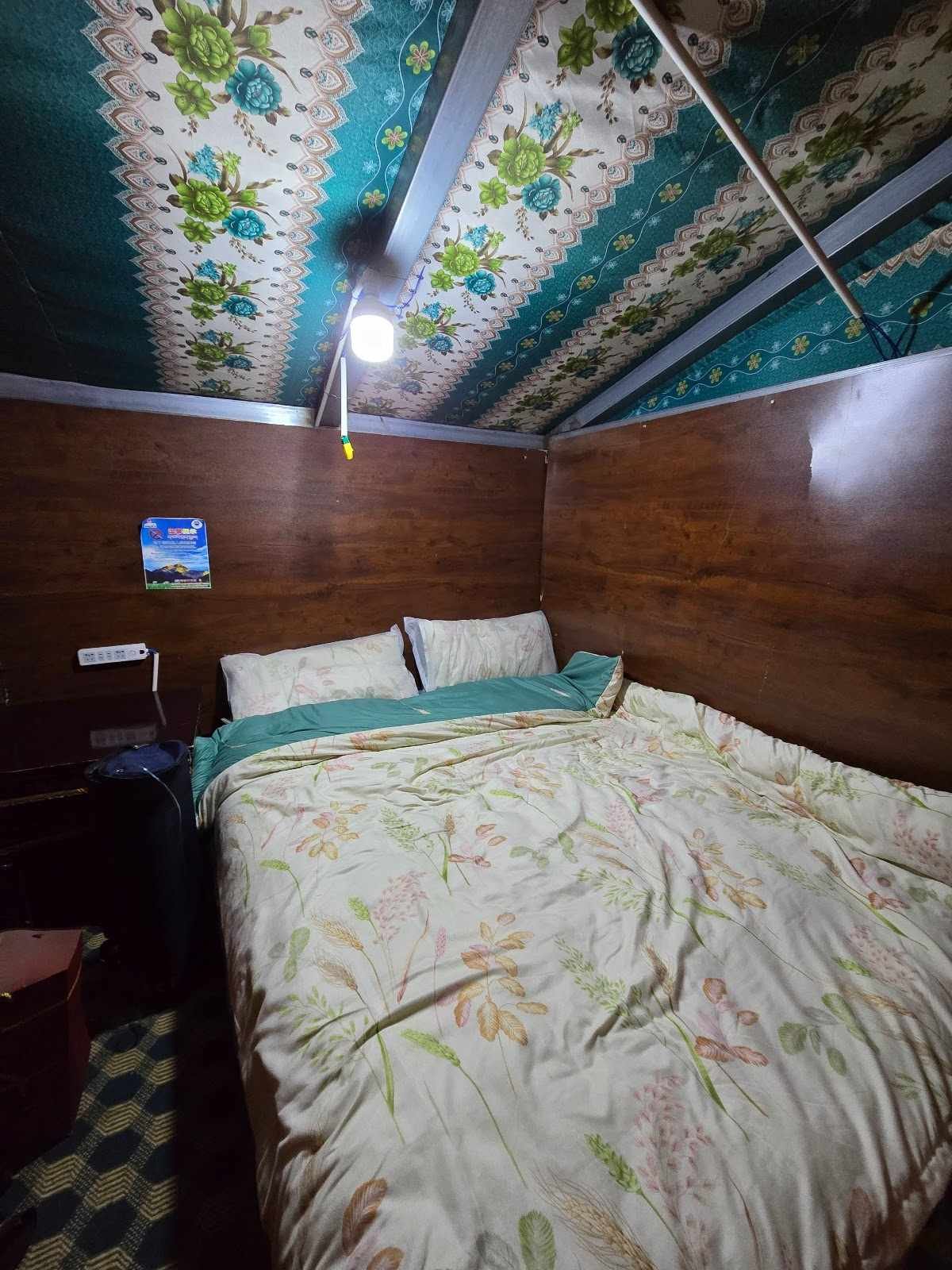
Teahouse dining rooms are heated (usually with a central stove) to around 15-20C in the evening. Bedrooms are not heated and temperatures in the room match outdoor temperatures minus a few degrees. At Gorak Shep in October, bedroom temperatures can drop to -5 to -10C overnight.
Does it snow at Everest Base Camp?
EBC itself (5,364m) can receive snow in any month, but most heavily from November through March. October and April occasionally see light snow at EBC. The area around EBC is a glacier (the Khumbu Glacier), so it is always icy and snowy underfoot regardless of the month.
Conclusion
Understanding Khumbu weather is understanding the EBC trek itself. Temperature drops with altitude in ways that demand careful gear preparation. Monsoon months bring rain to the lower trail but leave the upper Khumbu surprisingly clear. Autumn is the most reliably excellent window. Winter is extreme but crystal clear. Your everest trekking company monitors conditions, advises on optimal timing, and plans itineraries around the weather patterns that define the Everest Base Camp trek in each season.
Planning Your Everest Trek?
Get local expert advice on cost, itinerary and the best time to go.
EBC Weather and Climate: Month by Month Guide
Weather is the single most important planning factor for the Everest Base Camp trek. The Khumbu valley experiences dramatic seasonal variation driven by Nepal’s monsoon cycle, high-altitude winter cold, and the unique thermal dynamics of a deep Himalayan valley system. Understanding the weather at each stage of the trail — from Lukla’s valley climate to the exposed moraine terrain above 5,000 m — is essential for choosing the right season, packing the right gear, and setting realistic expectations for each day on trail.
The Four Seasons of the Khumbu
Autumn (September–November) — Peak Season: The period following the monsoon retreat offers the most stable and reliable weather for EBC trekking. From mid-September, the monsoon withdraws and the Khumbu enters its best trekking conditions: clear skies, settled air, excellent mountain visibility, and moderate temperatures. October and November are the two best months of the entire year for EBC conditions. Daytime temperatures at Namche Bazaar: 5–15°C. At Lobuche (4,910 m): -5°C to 5°C. At Gorak Shep (5,164 m): -8°C to 0°C by day, -15°C to -20°C at night. The trade-off: trail congestion is highest during autumn, particularly in October, when teahouses fill rapidly and popular viewpoints are crowded. Pre-booking accommodation from Dingboche upward is essential.
Spring (March–May) — Peak Season: The pre-monsoon spring season is the second major trekking season, coinciding with the main Everest climbing season (the Khumbu icefall route to the summit is open April–May). Trail conditions are generally excellent, rhododendron forests are in full bloom below 4,000 m, and mountain views are spectacular. Temperatures are slightly warmer than autumn, particularly in April and May — daytime temperatures at Namche: 8–18°C. Above 5,000 m, afternoon clouds build more frequently in spring than autumn and afternoon snowfall above 4,500 m is common in April and May. Morning views are typically the clearest — plan high-elevation photography for 6–10 AM. The presence of Everest expedition teams at Base Camp during spring adds an element of mountaineering drama to the EBC experience.
Winter (December–February) — Off Season, High Reward: December through February is the quietest period on the Khumbu trail. Teahouses above Namche may be partially closed or operating with reduced services. Night temperatures at Gorak Shep can reach -25°C or colder. The trail above 4,000 m is frequently snow-covered. Despite these challenges, winter trekking offers extraordinary advantages: virtually empty trails, crystal-clear high-pressure skies with the most exceptional mountain visibility of the year, and a profound wilderness experience that is simply impossible in peak season. Trekkers who are adequately equipped (four-season sleeping bag, excellent down jacket, crampons above 4,500 m, goggles) and physically prepared find winter EBC deeply rewarding. Everest Trekking Company operates winter EBC treks with small guided groups throughout December–February.
Monsoon (June–September) — Wet Season: The monsoon arrives in the Khumbu in mid-June and retreats in mid-September. During this period, heavy rainfall below 3,500 m, persistent cloud cover, and wet trail conditions make trekking significantly more challenging. Leeches are active on lower-elevation sections. Lukla flights cancel frequently due to cloud and rain. Above 4,500 m, the monsoon’s effects are less pronounced (the Khumbu lies in the rain shadow of the Himalayan wall to some degree), and the upper valley is sometimes clear while lower sections are cloud-covered. Trekkers who do visit in monsoon enjoy vibrant green vegetation, flowing waterfalls, and virtually empty trails. The primary risk is extended Lukla flight delays both at the start and end of the trek.
Weather at Each Stage of the EBC Trail
Lukla to Namche (2,860–3,440 m): This section experiences the most variable weather conditions on the route — it sits below the permanent snow line and within the altitude range most affected by monsoon cloud and lower-altitude weather systems. Morning weather is typically clearer than afternoon. Afternoon cloud build-up is normal in all seasons above September. Rain gear is needed here in all months; it is not optional.
Namche to Tengboche (3,440–3,860 m): Above Namche, weather becomes more predictable. The high ridgelines begin to block lower-valley cloud systems. Morning views from the Namche valley rim and the Tengboche ridge are among the most spectacular on the entire trek — Ama Dablam, Kantega, Thamserku, and the first partial views of Everest’s summit pyramid reward early risers. Wind begins to be a factor above 3,500 m, particularly the consistent upvalley breeze that blows from south to north each morning as sun warms the valley floor.
Tengboche to Dingboche (3,860–4,410 m): Weather patterns become more alpine. Above 4,000 m, temperature swings between day and night increase dramatically — a sunny midday at 12°C can be followed by a -5°C sunset within two hours. Wind chill becomes significant and layers need constant adjustment. Morning skies are typically the clearest; afternoon cloud and occasional snow above 4,200 m is normal in all seasons including October and April.
Dingboche to Lobuche (4,410–4,910 m): The high plateau between Dingboche and Lobuche is fully exposed to Khumbu wind patterns. Wind speed increases and wind chill at 4,500–5,000 m is dramatically more intense than the air temperature alone suggests. A -5°C air temperature with 30 km/h wind produces a perceived temperature of approximately -18°C. Windproof outer layers are non-negotiable from this elevation upward. Weather windows — periods of calm, clear conditions — are most reliable in the early morning hours.
Lobuche to Gorak Shep and EBC (4,910–5,364 m): Weather at the highest elevations is the most variable and the most potentially severe. The Khumbu Glacier moraine path to EBC is fully exposed. Snow can fall at any month of the year. Winds gusting above 60 km/h are documented in the Lobuche to Gorak Shep section during winter and post-monsoon transition periods. Visibility can drop from perfect to near zero in 15–20 minutes during weather deterioration. Our guides monitor weather carefully and make real-time decisions about daily departure timing to maximise safe trekking windows.
EBC Weather Data by Month (Namche Bazaar, 3,440 m)
| Month | Avg Max Temp | Avg Min Temp | Precipitation | Visibility | Trek Conditions |
|---|---|---|---|---|---|
| January | 2°C | -8°C | Low (snow) | Excellent | Cold, quiet, clear |
| February | 4°C | -7°C | Low (snow) | Excellent | Cold, quiet, very clear |
| March | 8°C | -3°C | Low-Medium | Very good | Good season start, flowers |
| April | 12°C | 1°C | Medium | Good | Peak season, rhododendrons |
| May | 14°C | 4°C | Medium-High | Moderate | Climbing season, afternoon cloud |
| June | 15°C | 7°C | Very High | Poor | Monsoon, not recommended |
| July | 15°C | 8°C | Very High | Poor | Full monsoon |
| August | 14°C | 7°C | Very High | Poor | Full monsoon |
| September | 13°C | 4°C | High | Improving | Monsoon retreating |
| October | 10°C | -1°C | Low | Excellent | Best month — peak season |
| November | 6°C | -5°C | Very Low | Excellent | Clear, cold, quiet |
| December | 3°C | -7°C | Low (snow) | Excellent | Cold winter, very clear |
Wind on the EBC Trail
Wind is the most underestimated weather factor on the Khumbu trail. Temperature alone does not capture the physical conditions above 4,500 m. Wind speed increases with elevation, and the Khumbu valley acts as a natural wind channel that accelerates the valley breeze throughout the day. By early afternoon, wind speeds of 20–40 km/h are typical at Lobuche and above. In winter, jet stream winds occasionally descend to 5,000 m altitude and can create wind speeds of 60–80 km/h on exposed sections — conditions that effectively halt forward progress.
The practical advice: schedule the Kala Patthar summit attempt for before sunrise (3:30–4:00 AM departure from Gorak Shep). Not only does this guarantee the best photographic light (sunrise on Everest from Kala Patthar is one of the world’s great mountain experiences) but it also catches the overnight calm before the morning valley breeze develops. By 9–10 AM, wind on the exposed Kala Patthar ridgeline is typically 20–30 km/h stronger than at 5:30 AM. Everest Trekking Company guides schedule all Kala Patthar departures for the pre-dawn window for exactly this reason.
What to Wear in Each Weather Condition on the EBC Trail
The three-layer system adapts to EBC weather conditions by adding or removing layers at each transition point. Clear, cold mornings below 4,000 m: base layer plus mid-layer, with shell accessible in pack. Clear afternoons above 4,000 m: base layer plus mid-layer plus shell for wind protection even in sun — the wind chill at altitude makes a sunny 0°C day feel like -10°C. Snowfall: full three layers plus waterproof gloves, balaclava, goggles. Pre-dawn summit attempts (Kala Patthar): every warm layer available, glacier glasses mandatory even at night (UV reflects off snow), hand warmers in gloves and boot toes.
Book your Everest Base Camp Trek with Everest Trekking Company today and receive a complete, season-specific weather briefing for your travel dates including day-by-day forecast integration from our Kathmandu meteorological contacts. Weather on the Khumbu is manageable — with the right gear, the right guide, and the right timing. Let us give you all three.
Understanding Mountain Weather Forecasts for EBC Trekking
Reading weather forecasts for Khumbu trekking requires understanding which forecasts are reliable and which are not. Standard global weather forecasting services (Weather.com, AccuWeather) are largely unreliable for high-altitude Himalayan conditions because their data resolution is insufficient for the complex terrain-driven weather of deep mountain valleys. More reliable sources include: Mountain Forecast (mountain-forecast.com) which provides altitude-specific forecasts for named Himalayan peaks; the Norwegian Meteorological Institute’s yr.no (used extensively by Himalayan expedition teams for its accuracy at altitude); and the Pyramid International Laboratory automatic weather station at 5,050 m on the Khumbu glacier, which broadcasts real-time temperature, wind, and humidity data.
Our guides at Everest Trekking Company consult Mountain Forecast, yr.no, and the Pyramid station data throughout each trek, combined with their own direct observation of cloud patterns, wind direction, and barometric pressure changes. Daily route decisions (departure timing, pace, Kala Patthar timing) are adjusted based on these inputs. Trekkers who book with us benefit from this ongoing meteorological awareness — we do not simply follow a fixed schedule regardless of conditions.
The Golden Hours: When Khumbu Weather Is Most Reliable
Across all seasons, the Khumbu valley shares a consistent daily weather pattern in stable conditions: clearest air and calmest wind between 4:30 AM and 10 AM. This window is when long-distance mountain views are sharpest, when wind on high ridges is at its minimum, and when photography captures the richest morning light. The pattern shifts in the afternoon: convective cloud builds up from valley floors by 12 PM–2 PM, summit views cloud over by 1–3 PM in most seasons, and afternoon wind strengthens through to late afternoon. By 5–6 PM, air often clears again for a spectacular sunset window, though this evening clearing is less reliable than the morning calm.
The practical trekking implication: start walking early (6–7 AM departure from teahouses), reach your highest daily point before noon, and spend the afternoon trekking down to the day’s end teahouse with the scenery already enjoyed. This approach is built into every Everest Trekking Company EBC itinerary schedule — our daily departure times are set specifically to maximise time in the clear-sky morning window at each elevation. For the complete daily schedule and weather approach used on our standard 14-day Everest Base Camp Trek, contact our team or visit everesttrekkingcompany.com.
Weather-Related Risk Management on the EBC Trek
Weather-related risks on the EBC trek fall into three categories: acclimatisation disruption (poor sleep from nighttime cold reduces acclimatisation quality), route hazard (ice, snow, and visibility issues on the upper trail), and logistical disruption (Lukla flight delays at start or end of trek). Everest Trekking Company manages all three categories through itinerary design (planned acclimatisation rest days are not cancelled for mild weather inconvenience), guide expertise (real-time route condition assessment), and contingency planning (backup accommodation, helicopter arrangements, and flexible return scheduling for clients affected by Lukla delays).
Travel insurance with weather delay coverage and helicopter evacuation is required for all Everest Trekking Company EBC clients — not because we expect problems, but because comprehensive insurance removes the financial pressure that leads to poor decision-making in weather emergencies. When the weather says “rest today,” you should be able to rest without anxiety about costs. That peace of mind is part of what makes trekking with an experienced, well-organised company genuinely safer than going it alone.
Ready to tackle the Khumbu weather with the team that knows it best? Book your Everest Base Camp Trek with Everest Trekking Company today and begin the planning process with Nepal’s most experienced Everest base camp trek company. Our pre-departure weather briefing, real-time trail condition updates, and daily forecast consultation are all part of the service from the moment you confirm your booking.
Choosing Your EBC Season Based on Weather
For first-time Khumbu trekkers, October is the single best month for EBC. Post-monsoon clarity, moderate temperatures, stable trail conditions, and the highest probability of reaching both Base Camp and Kala Patthar without weather disruption make October the gold-standard month for the EBC experience. November is a close second — quieter, slightly colder, but equally clear. For spring trekkers, late March and early April balance good conditions with the bonus of rhododendron blooms and the beginning of Everest expedition season at Base Camp.
Whatever season you choose, Everest Trekking Company will brief you fully on current conditions, prepare you for season-specific weather challenges, and manage your trek schedule dynamically in response to the actual conditions you encounter on trail. The mountain creates the weather — our team ensures you are ready for whatever it delivers. Book your Everest Base Camp Trek today and experience the Khumbu at its best with Nepal’s most trusted Everest trekking company.
Weather shapes the Khumbu experience more than any other single factor. Choose the right season, pack the right layers, follow your guide’s daily timing decisions, and the mountain will reward you with conditions that match or exceed every expectation. The Everest Trekking Company team has guided trekkers through every season and every weather scenario on the EBC trail — trust our experience with your safety and your experience on the Everest Base Camp Trek. Book today.
Mountain weather is powerful and unpredictable — but with the right team, the right gear, and the right attitude, every season on the Khumbu trail offers something exceptional. Everest Trekking Company has guided trekkers to Everest Base Camp Trek through sun, snow, cloud, and wind. Trust the team that has seen it all and knows exactly how to handle it.
Weather on the Khumbu is as much a part of the experience as the mountains themselves — dramatic, powerful, and always changing. Trek with Everest Trekking Company and benefit from a team that reads the mountain weather like a second language. Book your Everest Base Camp Trek and prepare for every condition with confidence.
Weather is the Khumbu’s way of reminding you who is in charge. Respect it, prepare for it, and trek with a team that has navigated every condition these mountains can deliver. Everest Trekking Company is ready. Book your Everest Base Camp Trek today.
Planning Your Everest Trek?
Get local expert advice on cost, itinerary and the best time to go.