The Everest Base Camp trek cost varies widely depending on your style of travel, whether you hire a guide, how you get to Lukla, and what level of comfort you want along the trail. For 2026 and 2027, most trekkers should budget between USD $1,500 and $4,000 for the full trek from Kathmandu, depending on whether they travel independently or with a guided package, and whether they add extras like helicopter return or high-altitude porter support.
This guide breaks down every component of the EBC trek cost so you can plan accurately.
Quick Cost Summary
| Cost Category | Budget Range (USD) |
|---|---|
| Permits | $50–$60 |
| Kathmandu–Lukla flights (round trip) | $300–$450 |
| Guide (14 days) | $400–$550 |
| Porter (14 days) | $250–$380 |
| Teahouse accommodation (14 nights) | $100–$350 |
| Food and drinks (14 days) | $350–$700 |
| Travel insurance | $80–$200 |
| Gear and equipment | $0–$500 (own or rent) |
| Miscellaneous (tips, snacks, WiFi, hot showers) | $100–$250 |
| Total (independent, guided) | $1,500–$3,000 |
Permit Costs for the EBC Trek
Two permits are required to trek to Everest Base Camp:
1. Sagarmatha National Park Entry Permit
The Sagarmatha National Park Entry Permit is required for all trekkers entering the national park, which covers the Khumbu region including the EBC route. For 2026, the fee is approximately NPR 3,000 per person (roughly USD $22–$25) for non-SAARC nationals. SAARC nationals pay a lower fee. This permit is issued at the park entrance at Monjo, approximately a day’s walk above Lukla. Your trekking company or guide can arrange it in advance in Kathmandu if preferred.
2. Khumbu Pasang Lhamu Rural Municipality Permit
This local government permit is required for all trekkers entering the Khumbu Pasang Lhamu Rural Municipality area. The fee is approximately NPR 2,000 per person (roughly USD $15–$18) for foreign nationals. This permit is checked at the checkpoint near Lukla.
Combined, expect to budget around USD $40–$60 for all required permits. Permit fees are revised periodically by the government, so confirm current rates when booking.
Planning Your Everest Trek?
Get local expert advice on cost, itinerary and the best time to go.
Kathmandu to Lukla Flight Cost
The most common way to start the EBC trek is by flying from Kathmandu (Tribhuvan International Airport) to Lukla’s Tenzing-Hillary Airport — one of the world’s most dramatic mountain airstrips. The flight takes approximately 30–45 minutes.
Round-trip flight costs (Kathmandu–Lukla–Kathmandu) for foreign nationals are approximately USD $280–$420, depending on the airline and booking timing. Prices are higher in peak season (October, April) and lower in off-season months. Domestic airlines operating the route include Tara Air, Summit Air, and Sita Air.
Some trekkers opt to take a bus or jeep to Salleri or Phaplu and trek from there, reducing cost but adding 2–3 days to the itinerary. Others choose a helicopter return from Lukla, which costs significantly more but saves time if your schedule is tight.
Guide Costs
Hiring a licensed, experienced trekking guide is highly recommended for the EBC trek, especially for first-time trekkers. A guide provides route navigation, acclimatisation advice, teahouse bookings, and emergency support.
Guide rates for the EBC trek range from approximately USD $30–$45 per day, depending on experience, language skills, and the trekking company you book through. For a standard 14-day trek, guide costs total approximately USD $420–$630. This typically includes the guide’s accommodation, meals, and insurance — but confirm what is included when booking.
A guide from a reputable trekking company will hold a government-issued trekking guide licence and be trained in high-altitude first aid.
Porter Costs
Most trekkers hire a porter to carry their main bag (up to about 10–15kg), leaving them free to walk with just a light day pack. Porter rates are approximately USD $20–$30 per day, including their accommodation and meals. For a 14-day trek, this totals around USD $280–$420.
It is important to work with a company that follows ethical porter employment practices — ensuring porters have adequate clothing, food, accommodation, and insurance. The Trekking Agencies’ Association of Nepal (TAAN) and International Porter Protection Group (IPPG) set welfare guidelines for porter treatment.
Teahouse Accommodation Costs
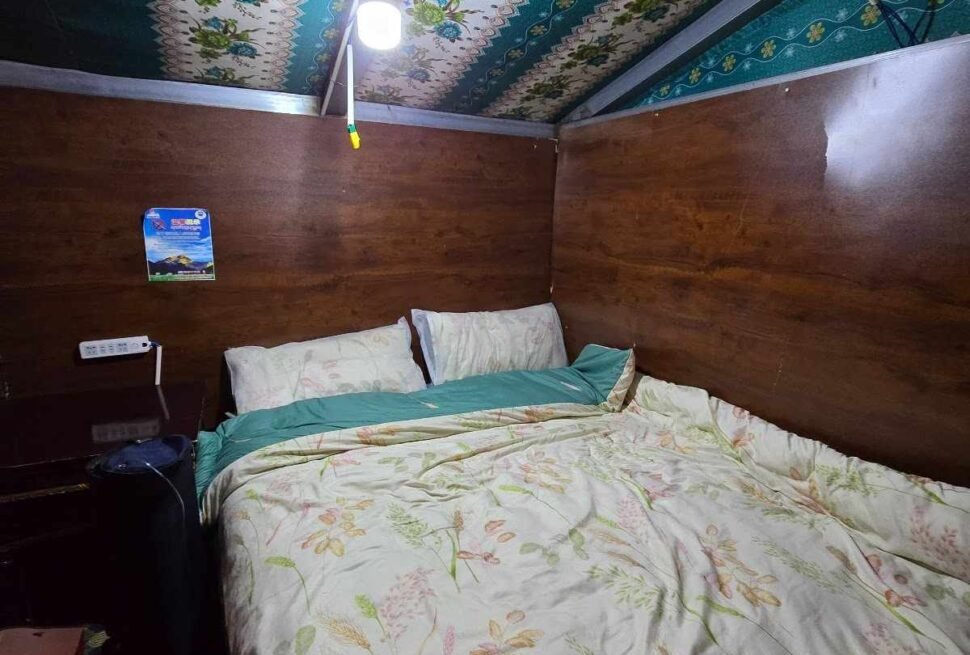
Teahouses (also called lodges or guesthouses) are the standard accommodation on the EBC trek. They range from basic guesthouses with shared bathrooms and thin mattresses to more comfortable lodges with attached bathrooms, better insulation, and charging facilities.
Room prices on the EBC route:
- Basic double or twin room: NPR 500–1,000 per person (approximately USD $3–$8)
- Comfortable room with attached bathroom: NPR 1,000–2,500 (approximately USD $8–$18)
- Premium teahouse with hot shower: NPR 2,000–4,000 (approximately USD $15–$30)
Note: Many teahouses price rooms very cheaply or even provide them free if you eat all your meals there. This is a common arrangement — the real profit margin for teahouse owners is on food and drinks, not room rental. Always confirm the arrangement when you check in.
Prices are higher at the highest elevations (Dingboche, Lobuche, Gorak Shep) due to the cost of bringing supplies in. Over 14 nights, expect to spend approximately USD $80–$280 on accommodation depending on your comfort level and altitude.
Food and Drink Costs
Food on the EBC trek is not cheap by Nepali standards, particularly at higher elevations where everything is carried in by porter or yak. Teahouse menus are fairly standard throughout the Khumbu, but prices increase significantly above Namche Bazaar.
Typical food costs per item:
- Dal bhat (rice, lentil soup, vegetables): NPR 700–1,200 (USD $5–$9)
- Pasta, noodles, or fried rice: NPR 500–1,000 (USD $4–$8)
- Breakfast (porridge, eggs, toast): NPR 400–800 (USD $3–$6)
- Tea or coffee: NPR 150–400 (USD $1–$3)
- Bottled water: NPR 200–500 (USD $1.50–$4) — prices increase significantly at high altitude
- Hot chocolate or juice: NPR 300–600 (USD $2–$5)
To reduce food costs, carry a water purification method (tablets or filter) and use the clean running water at teahouses rather than buying bottled water. Bring your own snacks from Kathmandu or Namche for the trail rather than paying teahouse prices.
Expect to spend approximately USD $25–$50 per day on food and drinks, totalling USD $350–$700 over a 14-day trek.
Equipment and Gear Costs
If you already own quality trekking and cold-weather gear, your equipment cost is zero. If you need to buy or rent, the costs vary:
Renting Gear in Kathmandu or Namche
Thamel in Kathmandu has dozens of gear rental shops. You can rent sleeping bags, down jackets, trekking poles, and other items at reasonable daily rates. Renting is a good option if you only plan to do one trek and don’t want to invest in specialist equipment.
Rental prices (approximate, Kathmandu):
- Down sleeping bag (-15°C to -20°C rating): USD $1–$3 per day
- Down jacket: USD $1–$2 per day
- Trekking poles: USD $1–$2 per day
- Trekking boots (if needed): USD $2–$4 per day
Buying Gear in Kathmandu
Thamel is also famous for gear shops selling both authentic international brands and high-quality local copies at much lower prices than in Western countries. Budget trekkers can kit out almost completely for the EBC trek for USD $200–$400 buying in Kathmandu, though quality varies. For more critical items like boots and sleeping bags, investing in quality pays off in comfort and safety at altitude.
Travel Insurance Costs
Travel insurance with helicopter evacuation cover up to 5,500m is essential for the EBC trek — it is also required by most reputable trekking companies. If you develop severe acute mountain sickness (AMS), HACE (High Altitude Cerebral Edema), or HAPE (High Altitude Pulmonary Edema) at altitude, helicopter evacuation is the only fast way to descend. Without insurance, you pay for it out of pocket — evacuation costs can run to USD $3,000–$6,000 or more.
Policies covering helicopter evacuation to 5,500m and medical treatment typically cost USD $80–$200 for a 2–3 week Nepal trip, depending on your age, country of residence, and the insurer. Always read the fine print to confirm coverage altitude limits. World Nomads, True Traveller, Safety Wing, and Battleface are among the insurers commonly used by Nepal trekkers.
Other Costs to Budget For
- Hot shower: NPR 300–800 (USD $2–$6) — most teahouses charge separately for hot water
- Device charging: NPR 200–500 (USD $1.50–$4) per charge — electricity is available but charged for at teahouses; bring a power bank
- WiFi: NPR 300–1,000 (USD $2–$8) per day — coverage available but slow on most of the route; Ncell SIM with data is often more reliable
- Guide and porter tips: USD $100–$200 total for a 14-day trek — tipping is customary and important for your team’s income
- Kathmandu accommodation (pre/post trek): USD $20–$80 per night depending on hotel category
- Airport transfers in Kathmandu: USD $5–$20 depending on taxi or private vehicle
Total Cost by Trekking Style
| Trekking Style | Description | Estimated Total (USD) |
|---|---|---|
| Budget Independent | No guide/porter, cheapest teahouses, own gear, carry water purification | $900–$1,400 |
| Standard Guided | Guide + porter, mid-range teahouses, some comfort items | $1,500–$2,500 |
| Comfortable Guided | Guide + porter, better teahouses, good food, private rooms | $2,500–$4,000 |
| Luxury / Comfort Trek | Premium lodges (Yeti Mountain Home, EcoHimal), helicopter options, fully supported | $4,000–$8,000+ |
Can You Do the EBC Trek on a Budget?
Yes — but there are limits to how low you can reasonably go. The biggest savings come from going without a guide and porter, bringing your own gear, eating dal bhat instead of imported food items, and travelling in off-season months when prices are lower. However, completely unsupported solo trekking on the EBC route carries risks, particularly around acclimatisation judgment, route navigation in poor visibility, and emergency response. Most travel insurance policies also require a guide for helicopter evacuation claims.
A realistic minimum budget for a safe, solo independent EBC trek with basic accommodation is around USD $900–$1,200 from Kathmandu, excluding your international flights to Nepal and pre/post Kathmandu costs.
Guided Package Cost with Everest Trekking Company
Our guided Everest Base Camp Trek packages include a licensed, experienced English-speaking guide, a porter, all permits, domestic flights, and teahouse accommodation. Meals at teahouses are generally not included in the package price (each trekker orders independently at teahouses), though some packages include breakfast.
Package prices vary by group size, season, and itinerary length. View our current EBC Trek packages for up-to-date pricing, or contact our team to get a quote customised to your travel dates and group size.
Frequently Asked Questions
How much does a guided EBC trek cost?
A standard guided EBC trek from Kathmandu typically costs USD $1,500–$2,500 for an independent arrangement (you hire guide and porter separately and book teahouses yourself), or USD $1,200–$2,500 for a package through a reputable trekking company, depending on group size and inclusions.
Is the EBC trek expensive?
Compared to similar trekking adventures globally, the EBC trek is very reasonably priced. The main costs — permits, domestic flights, guides and porters, and teahouse food — are relatively affordable. The largest cost variable for most trekkers is whether they buy or rent specialist gear and how much comfort they want along the trail.
Are there hidden costs on the EBC trek?
The costs most often overlooked by first-time trekkers are: hot showers (charged separately at most teahouses), device charging fees, WiFi charges, bottled water at altitude (very expensive — bring a filter or purification tablets), and guide/porter tips. Budget USD $150–$250 extra for these incidentals.
Do I need to pay tips?
Tipping guides and porters is customary and genuinely important — these professionals depend on tips as a significant part of their income. A reasonable tip for a 14-day trek is USD $50–$100 for a guide and USD $30–$60 for a porter, though more is always appreciated for exceptional service.
Related EBC Trek Guides
Planning Your Everest Trek?
Get local expert advice on cost, itinerary and the best time to go.