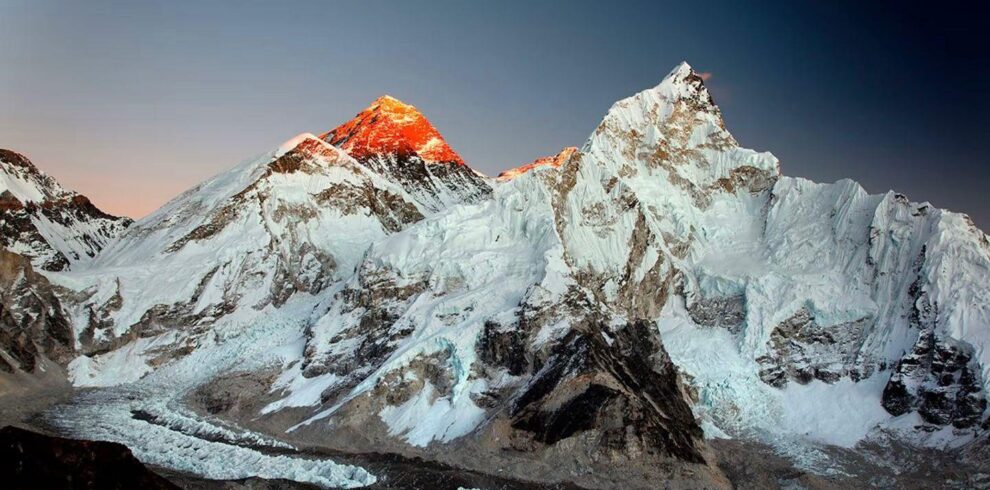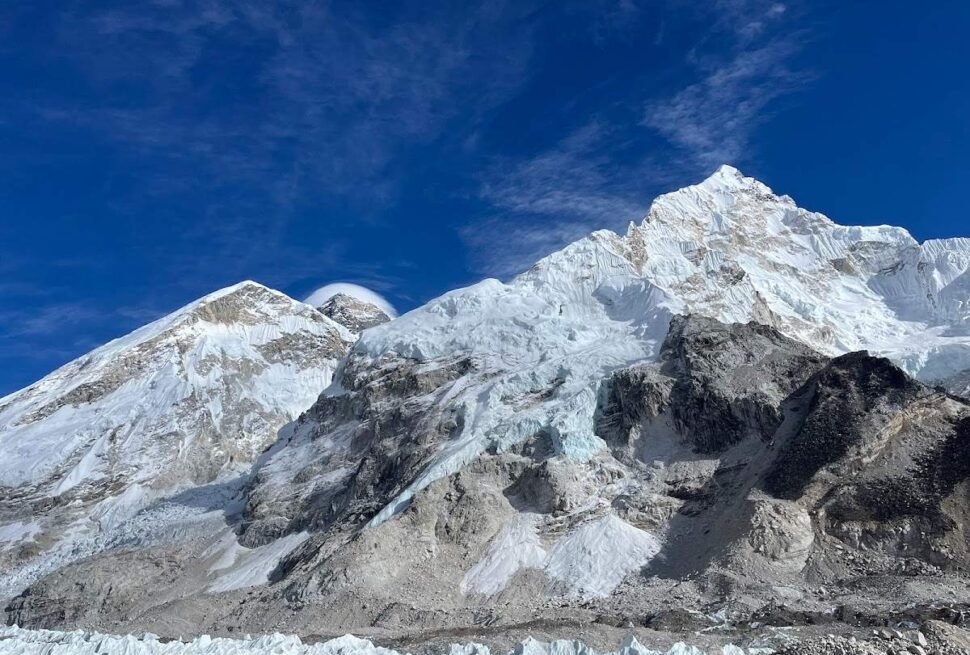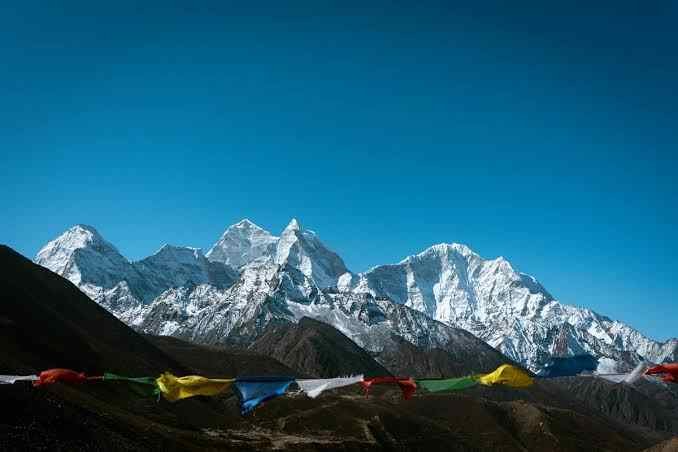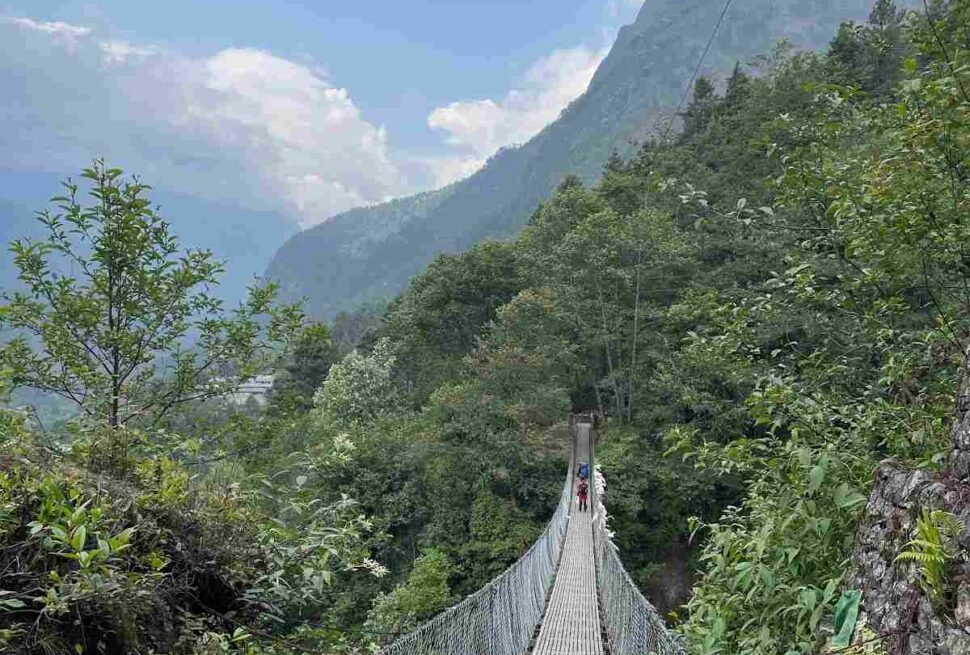
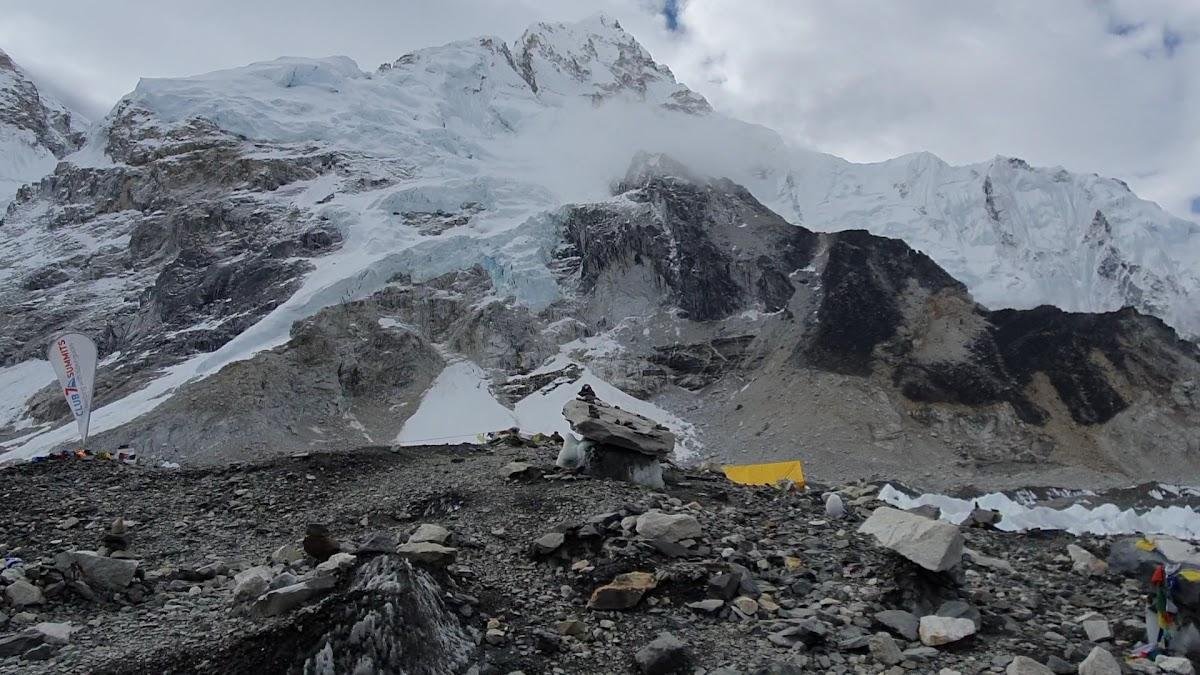
Solo female trekking to Everest Base Camp is not only possible but increasingly common, and women who have done it consistently describe it as one of the most rewarding experiences of their lives. The Khumbu region of Nepal has a long, well-established trekking infrastructure, a culture of hospitality toward international visitors, and a trail that is walked by thousands of people every season. Understanding what the experience actually involves, addressing the legitimate safety considerations honestly, and preparing systematically for the specific challenges that solo female trekkers face, transforms what might appear daunting into an entirely achievable adventure. This guide is written for women considering the Everest Base Camp trek on their own, with the information and practical detail needed to make informed decisions and travel with confidence.
The question most commonly asked by women researching this trek is whether Nepal and the Khumbu are safe for solo female travellers. The honest answer is that the Khumbu is among the most trekker-friendly environments in the world. The trail is busy with international visitors throughout the trekking seasons, teahouses are family-run businesses with established reputations for hospitality, and the Sherpa communities of the Khumbu have a genuine culture of respect and warmth toward visitors of all backgrounds. This does not mean zero risk exists; it means the risks are real, manageable, and significantly lower than many women expect based on general anxieties about solo travel in Asia.
Is the EBC Trek Safe for Solo Female Trekkers?
Safety on the EBC trek has multiple dimensions: physical safety on the trail, personal safety in teahouses and villages, altitude health, and emergency response capability. Each deserves an honest assessment rather than blanket reassurance or blanket alarm.
Planning Your Everest Trek?
Get local expert advice on cost, itinerary and the best time to go.
Trail Safety
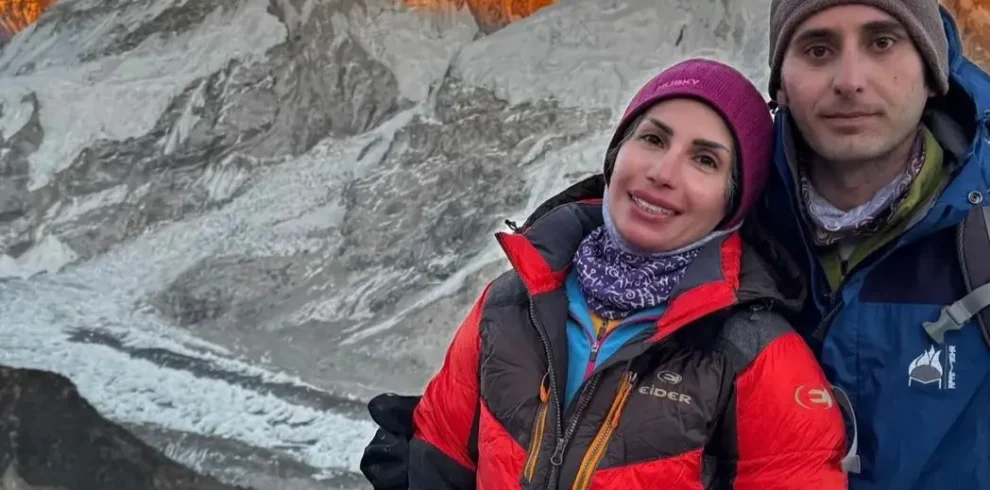
The main EBC trail from Lukla to Gorakshep is one of the busiest trekking routes in the world during the peak seasons of October and April. On any given day in October, hundreds of trekkers walk the route, meaning the trail between settlements is rarely empty. The social safety this provides is real: a solo female trekker is almost never more than a few minutes behind or ahead of other trekkers. The trail is well-marked and the distances between teahouses are short enough (typically two to five hours of walking) that navigation errors do not result in dangerous isolation. Trail accidents (slips, falls, twisted ankles) are the primary physical risk; the same as for any trekker, male or female.
The off-season months of November, December, January, February, and March see significantly fewer trekkers, and the trail becomes genuinely quieter above Namche. Solo travel during these months requires more deliberate risk management, including more careful communication about your itinerary with guesthouses along the route. Most experienced solo female trekkers recommend the main seasons (October or April) for a first solo EBC experience.
Personal Safety in Villages and Teahouses
Reports of harassment or assault on the EBC trekking route are rare and do not reflect the typical experience of solo female trekkers. The Sherpa culture of the Khumbu is socially conservative in ways that work in favour of female visitors: hospitality and respect toward guests is deeply embedded, and teahouse owners have strong reputational and economic incentives to ensure their guests feel safe. Survey data from female trekkers consistently shows high rates of satisfaction with personal safety on the EBC route compared with other trekking destinations.
That said, sensible precautions remain relevant. Teahouses have shared bathroom facilities in many cases, and privacy is limited at busy guesthouses. Securing your door at night (most teahouse rooms have basic bolt locks; a rubber door wedge weighing 20 grams is a useful addition) provides practical security. Limiting alcohol consumption, which reduces awareness and can attract unwanted attention in any cultural context, is generally recommended for solo female travellers in any destination.
Altitude Health and Emergency Preparedness
Altitude illness affects men and women equally; there is no gender-based physiological vulnerability to acute mountain sickness, high-altitude pulmonary oedema, or high-altitude cerebral oedema. The risk management strategies are identical for any solo trekker: follow a gradual acclimatisation schedule, recognise symptoms early, carry a pulse oximeter, and have a clear plan for descent if symptoms progress. Solo trekkers of any gender face the additional challenge that no companion is present to monitor their condition; this makes self-awareness and early action more important.
| Safety Consideration | Risk Level | Management Approach |
|---|---|---|
| Trail accidents (falls, slips) | Low to moderate | Good footwear, trekking poles, careful foot placement on moraine; tell guesthouse your itinerary each day |
| Personal safety (harassment) | Low on main EBC route | Choose established teahouses; lock room at night; trust instincts; avoid alcohol excess |
| Altitude illness | Moderate above 3,500m | Gradual ascent; rest days; pulse oximeter; Diamox if recommended by doctor; know descent triggers |
| Getting lost | Very low on main route | Maps.me app (offline); tell teahouses your destination each morning; stay on main trail |
| Weather emergencies | Low in main seasons | Check forecasts; carry emergency layer; never push through deteriorating weather above 4,500m |
| Medical emergency without companion | Low but requires planning | Travel insurance with helicopter evacuation; inform teahouse owners; carry emergency contact card |
| Off-season isolation | Moderate in Nov-Mar | Trek in main seasons for first solo attempt; confirm teahouse availability in advance |
Planning Your Solo EBC Trek: Key Decisions
A successful solo EBC trek begins with a series of planning decisions that significantly affect the experience. The most important are: whether to hire a guide, which season to travel, how to structure the itinerary, and what permits and logistics to arrange in advance.
Should You Hire a Guide or Trek Independently?
The question of whether to hire a guide is the defining planning decision for solo female trekkers on the EBC route. There is no single right answer; the decision depends on your experience level, budget, comfort with navigation and logistics, and personal preference for social interaction versus solitude on the trail.
Independent trekking (without a guide) is legal and practiced by many women on the EBC route. The trail is well-marked, the teahouse network means accommodation is available every few hours, and the logistics (permits, accommodation booking) are manageable independently. Women who have done this consistently report feeling perfectly safe and describe the freedom of walking at their own pace, stopping when they choose, and making decisions on the fly as one of the highlights of the experience.
Trekking with a guide provides a different set of advantages. A good Sherpa guide is both a safety resource and a cultural interpreter who transforms the experience from a physical journey into a deeper engagement with the landscape and the people of the Khumbu. A guide handles accommodation negotiations, knows which teahouses are better-run, can assess your altitude health with an experienced eye, and provides companionship that many solo trekkers find reassuring. For first-time trekkers, those with limited navigation experience, or those who are not confident managing altitude illness decisions independently, the value of a guide is substantial.
| Factor | Independent Trekking | With Sherpa Guide |
|---|---|---|
| Cost | Lower (no guide/porter fees) | Higher ($25 to $40 per day for guide; $15 to $20 for porter) |
| Flexibility | Maximum; walk at your own pace | Good; guide adjusts to your pace |
| Safety monitoring | Self-managed | Guide monitors altitude symptoms, weather, trail conditions |
| Cultural experience | Limited without language | Deep; guide translates and contextualises Sherpa culture |
| Accommodation | Self-negotiate; first-come basis | Guide often has preferred teahouses and pre-books |
| Emergency response | Self-manage | Guide handles logistics, calls, coordination |
| Social dimension | Solitary; meet others on trail | Constant companionship; less solitude |
| Best for | Experienced trekkers; those who value solitude | First-timers; those wanting cultural depth and safety support |
Choosing the Right Season for a Solo Female Trek
The two main trekking seasons are October to November (post-monsoon autumn) and March to May (pre-monsoon spring). Both are suitable for solo female trekkers, but they offer different experiences that are worth understanding before committing to a date.
October is the most popular month overall and is widely considered the best month for first-time solo female trekkers. The skies are at their clearest after the monsoon rains have washed the atmosphere, temperatures are cool but not extreme, the trail is busy enough to provide natural social safety without being overcrowded, and the autumn colours in the lower birch and rhododendron forests add visual richness to the lower sections. The busiest weeks (Dasain/Tihar holidays in October) see the trail at its most crowded; if solitude is a priority, the first two weeks of October or the first two weeks of November offer a quieter experience while retaining good conditions.
April is the second-best option. The rhododendron bloom in the lower valleys (below Tengboche) is spectacular, the days are warmer than October, and the expedition season at Base Camp (April to May) adds the spectacle of climbing teams preparing for Everest summit attempts. The trade-off is that pre-monsoon haze reduces visibility somewhat compared with October, and afternoon cloud builds faster on the upper route. April is also slightly warmer at the lower elevations, which some trekkers prefer.
Permits Required for the EBC Trek
Two permits are required for the EBC trek: the TIMS card (Trekkers’ Information Management System) and the Sagarmatha National Park entry permit. Both are obtainable in Kathmandu (from the Nepal Tourism Board office in Pradarshani Marg) or at the Monjo checkpost at the entrance to the national park.
| Permit | Cost (2024) | Where to Obtain | Documents Needed |
|---|---|---|---|
| TIMS Card (individual/solo) | USD 20 | Nepal Tourism Board, Kathmandu; or trekking agencies | Passport copy; two passport photos |
| Sagarmatha National Park Permit | NPR 3,000 (approx USD 22) | NTB Kathmandu or Monjo checkpost | Passport; TIMS card |
| Khumbu Pasang Lhamu Rural Municipality fee | NPR 2,000 (approx USD 15) | Lukla or Monjo checkpoint | Passport |
Packing for Solo Female Trekkers: What to Bring and What to Leave Behind
Packing for an EBC trek as a solo female trekker involves the same core considerations as for any trekker, with some additional items that are specifically relevant. The fundamental principle is to pack light enough to carry everything yourself comfortably (even if you hire a porter), because the cumulative weight of your pack over 12 to 14 days of uphill walking significantly affects your experience.
Essential Clothing and Layering System
The EBC route passes through environments ranging from subtropical valley (Lukla at 2,846m) to sub-arctic glacier moraine (Gorakshep at 5,164m). The temperature range across this altitude is dramatic: Lukla in October averages 15 to 20 degrees during the day; Gorakshep in October can reach -15 to -20 degrees before dawn. A layering system that can handle this full range without excessive weight is the core clothing challenge.
- Base layer (2 sets): Merino wool is significantly preferable to synthetic for solo female trekkers because it retains warmth when wet, does not develop the odour that synthetic fabrics accumulate over multiple days of wear, and is comfortable next to skin for extended periods. Two sets allow washing and drying while wearing the other. Long-sleeve tops and full-length bottoms are appropriate for the upper route.
- Mid layer (1 to 2 pieces): A fleece jacket (200g Polartec or equivalent) for cool evenings and the shoulder between warm days and cold nights. A lightweight down vest adds an extra layer of core warmth without the bulk of a full down jacket.
- Insulation layer (1 piece): A 600 to 800 fill-power down jacket for Gorakshep and above. This is the warmest layer and is worn primarily at camp, at rest stops above 4,000m, and on the pre-dawn Kala Patthar climb. Do not use this layer for active walking; the combination of exertion and insulation causes overheating and sweat accumulation.
- Waterproof shell: A Gore-Tex or equivalent hardshell jacket that blocks wind and rain. This is the most important layer in deteriorating weather. A lightweight 3-layer hardshell (300 to 450g) provides substantial protection without excessive weight. Waterproof trousers are useful for the same reason; many trekkers use them only above 4,500m where wind and light snow are more frequent.
- Trekking trousers (2 pairs): Convertible trekking trousers that zip off to shorts below the knee are practical for the lower route where temperatures warm significantly during the day. One pair of warmer softshell trousers is useful above 4,000m where temperature remains low throughout the day.
- Thermal underwear: A full thermal set (top and bottom) for sleeping above 4,000m and for the pre-dawn Kala Patthar start when temperatures are at their minimum.
Footwear for the EBC Trek
Footwear is the most important gear decision after clothing. The EBC trail includes rocky mountain paths, icy moraine, suspension bridges with metal grating, and section of riverbank with loose stones. The footwear that handles all of these well is a mid-cut or high-cut leather or synthetic hiking boot with a stiff sole, ankle support, and a Vibram or equivalent outsole.
- Primary boots: Mid or high-cut hiking boots (Scarpa Zodiac Plus, La Sportiva Trango, Salomon Quest 4 are popular choices) with Vibram outsoles. These should be broken in before departure; blisters from new boots at altitude are disproportionately demoralising. Wear them on multiple day hikes in the months before the trek.
- Camp shoes: A pair of lightweight sandals or flip-flops for teahouse interiors. After eight hours in hiking boots, the ability to change into open footwear at the end of the day is a significant comfort. These also serve for shared shower use.
- Gaiters: Short gaiters are useful on the upper route (above Dingboche) where trail dust, loose scree, and occasional snow can enter the boot top. Not essential but recommended above 4,500m.
Personal Safety and Hygiene Items for Solo Female Trekkers
Several items are specifically relevant for solo female trekkers that general packing lists do not always cover:
- Door wedge: A rubber door wedge (20g, less than a dollar at any hardware store) pushed under the inside of the teahouse door provides far more reliable security than the flimsy bolt locks that most teahouse rooms have. This is the single most recommended personal safety item from experienced solo female trekkers on this route.
- Headlamp with extra batteries: Essential for pre-dawn Kala Patthar starts and for navigating teahouse corridors at night. A headlamp also provides security: if something feels wrong in the night, light is your first tool.
- Personal locator beacon or satellite communicator: Devices like the Garmin inReach Mini allow two-way satellite messaging to emergency contacts and SOS capability anywhere in the world regardless of mobile network coverage. For solo trekkers of any gender, this is the most valuable safety investment available. The device allows family at home to track your progress daily, removing their anxiety and providing them with accurate information in the event of an emergency.
- Menstrual management at altitude: Most teahouses have limited bathroom privacy and waste disposal infrastructure. A menstrual cup (reusable, compact, appropriate for 12-hour wearing) eliminates the waste management and disposal challenges of single-use products at teahouses above 3,000m where bins are infrequent. Biodegradable wipes serve hygiene needs where water is cold or limited. Carry any used disposable products in a sealed bag to dispose of in Namche or Lukla where waste management infrastructure exists.
- Wet wipes and dry shampoo: Hot showers exist at teahouses on the main route but become expensive (NPR 500 to 800 per shower) and intermittent above 4,000m. Wet wipes for body washing and dry shampoo for hair management are practical alternatives that reduce dependency on teahouse shower infrastructure.
- Portable urination device (optional): A disposable or reusable female urination device enables standing urination, which is relevant when trail-side toilet facilities are absent or occupied. The upper route above Lobuche has limited teahouse facilities and the exposed terrain makes privacy difficult in high-traffic sections. Some women find these devices invaluable; others never use them. Worth including based on personal preference.
- Personal alarm: A lightweight personal alarm (a keychain device that emits 120dB when activated) is a standard personal safety tool for solo female travellers in any context. It is unlikely to be needed on the EBC route but weighs almost nothing and provides a deterrent and attention-drawing capability.
Accommodation on the EBC Trek: What Solo Female Trekkers Should Know
The EBC route is entirely serviced by teahouses (guesthouses) that provide accommodation and meals for trekkers. Understanding how the teahouse system works, what to expect in terms of privacy, and how to choose well-run establishments is important for solo female trekkers.
Planning Your Everest Trek?
Get local expert advice on cost, itinerary and the best time to go.
How the Teahouse System Works
Teahouses along the EBC route range from basic (shared rooms with thin mattresses and no heating) to surprisingly comfortable (private rooms, proper beds with duvets, solar-heated showers, WiFi). The quality generally decreases with altitude: teahouses in Namche and Tengboche are among the best on the route; those in Lobuche and Gorakshep are more basic. Most teahouses operate on an understanding that guests will eat their meals at the teahouse in exchange for the accommodation; this is rarely stated explicitly but is an important social norm, and trekkers who consistently eat elsewhere are sometimes given lower-quality rooms or refused accommodation in busy periods.
Room privacy varies considerably. In peak season, the most popular teahouses are extremely busy and private rooms may not be available; shared dormitory-style rooms with multiple beds are common at the busiest guesthouses. For solo female trekkers who prefer not to share a room with unknown male trekkers, asking specifically for a private room (and paying the small premium, typically NPR 200 to 500 more than the dormitory) is the most direct solution. In off-peak periods, private rooms are almost always available.
| Location | Altitude | Teahouse Quality | Average Room Cost | Notes for Solo Female Trekkers |
|---|---|---|---|---|
| Lukla | 2,846m | Good; hotel-standard options available | NPR 600 to 1,200 | First night; many options; book in advance in peak season |
| Phakding | 2,652m | Moderate | NPR 400 to 800 | Quiet village; friendly atmosphere; good for early starts |
| Namche Bazaar | 3,438m | Excellent; multiple guesthouses, some hotel-quality | NPR 800 to 2,000 | Best accommodation on the route; multiple options; can be selective |
| Tengboche | 3,867m | Good; monastery guesthouse and standard teahouses | NPR 600 to 1,200 | Limited options; book ahead in peak season; monastery guesthouse recommended |
| Dingboche | 4,410m | Good | NPR 600 to 1,000 | Multiple teahouses; pleasant village; good acclimatisation base |
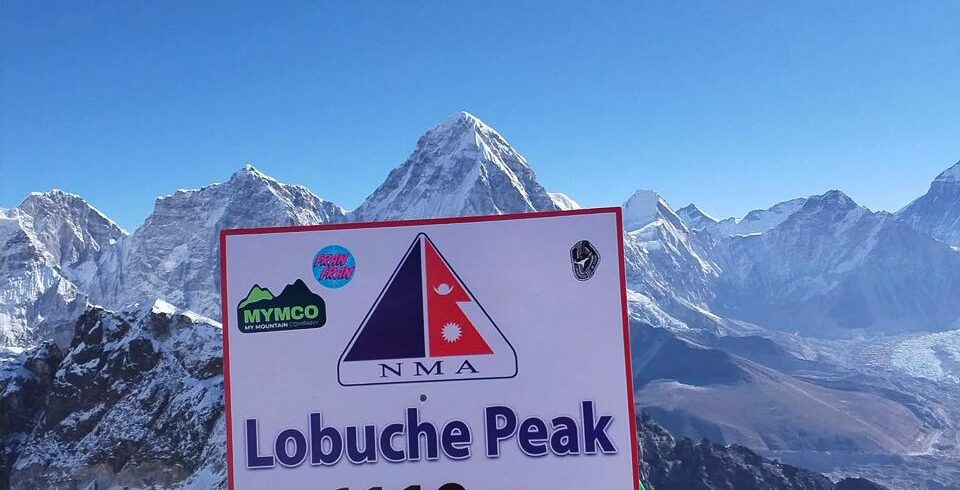
| Lobuche | 4,940m | Basic | NPR 400 to 800 | Cold; basic facilities; thin walls; limited privacy; dress warmly |
| Gorakshep | 5,164m | Basic to moderate | NPR 400 to 800 | The most basic on the route; altitude means cold and disrupted sleep; earplugs useful |
Choosing Teahouses as a Solo Female Trekker
Several criteria help solo female trekkers choose well-run teahouses over less suitable options. Family-run establishments (where the owners live on-site with their family) are generally safer and more attentive than teahouses that are run entirely by hired staff with no ownership stake in the quality of the guest experience. Establishments with good recent reviews on trail forums (Lonely Planet Thorntree, TripAdvisor, dedicated Nepal trekking Facebook groups) provide social proof of a good track record. Booking through an agency like Everest Trek Company provides the additional benefit of accommodation arranged through established relationships with teahouse owners who know their guests are agency-connected.
Altitude Acclimatisation for Solo Female Trekkers
Acclimatisation is the most important health management challenge on the EBC trek, regardless of gender. The physiological challenge is identical for men and women: the body must adapt to significantly reduced oxygen availability as altitude increases. The management challenge is greater for solo trekkers because there is no companion to monitor your condition objectively when symptoms begin to impair your judgment.
Acclimatisation Principles
The fundamental rule of acclimatisation is: never ascend more than 300 to 500 metres in sleeping altitude per day above 3,000 metres, and include a rest day for every 1,000 metres of accumulated altitude gain. The standard EBC itinerary follows this principle, which is why the recommended trek is 12 to 14 days rather than the six or seven days that the physical distance would suggest to a lowland hiker.
| Altitude Illness Type | Symptoms | Action for Solo Trekkers |
|---|---|---|
| Acute Mountain Sickness (AMS) mild | Headache, fatigue, mild nausea, disturbed sleep, reduced appetite | Rest at current altitude; hydrate; no ascent until symptom-free; take ibuprofen or paracetamol for headache |
| AMS moderate | Persistent severe headache, vomiting, significant fatigue, difficulty with balance | Descend at least 500m immediately; tell teahouse owner; contact guide or agency; do not ascend further |
| High-Altitude Pulmonary Oedema (HAPE) | Breathlessness at rest, wet cough, pink or frothy sputum, extreme fatigue, blue lips | Medical emergency: descend immediately (at least 1,000m); use supplemental oxygen if available; call for helicopter evacuation |
| High-Altitude Cerebral Oedema (HACE) | Severe headache not responding to painkiller, confusion, inability to walk in straight line, altered consciousness | Medical emergency: descend immediately; supplemental oxygen; call for helicopter evacuation; do not wait for morning |
Self-Monitoring Tools for Solo Trekkers
A pulse oximeter is the most useful altitude health monitoring tool for solo trekkers. These small, inexpensive devices (USD 20 to 40 from pharmacies in Kathmandu or online before departure) clip to a finger and measure both blood oxygen saturation (SpO2) and pulse rate. At sea level, healthy SpO2 is 95 to 100%. At Namche (3,438m), 85 to 92% is typical and normal. At Gorakshep (5,164m), 70 to 80% is expected. A sudden significant drop in your SpO2 compared with your own trend readings, combined with symptoms, is a reliable early warning of AMS progression.
Take and record readings at the same time each morning (before getting out of bed) and each evening. This personal baseline is more useful than absolute numbers because individual variation is significant. A reading of 78% for a person whose baseline at that altitude has been 82 to 84% is more concerning than an absolute reading of 78% would suggest in isolation.
Diamox (Acetazolamide) Considerations
Diamox (acetazolamide) is a prescription medication used to prevent and treat AMS. It works by stimulating faster breathing, which increases blood oxygen saturation and accelerates acclimatisation. It is commonly prescribed for trekkers approaching 5,000 metres. For solo female trekkers, the safety net that Diamox provides is more valuable than for group trekkers because there is no companion to observe early symptom progression. Consult a travel medicine doctor before departure to discuss whether Diamox is appropriate for your specific medical history and circumstances. The most common side effects are increased urination, mild tingling in the fingers and toes, and altered taste of carbonated drinks. These are manageable and do not indicate a problem with the medication.
Meeting Other Trekkers: The Social Dimension of Solo Trekking
One of the most commonly reported surprises from solo female trekkers on the EBC route is how social the experience becomes. The trail, teahouses, and mealtimes create natural opportunities for meeting other travellers, and the shared experience of a challenging, meaningful journey creates bonds that develop faster than in ordinary social contexts. Many women who set out as solo trekkers find themselves walking with other individuals or small groups for significant portions of the route.
The communal dining room of the teahouse is the primary social venue. Dinner is typically served at long shared tables, and the conversation that develops between trekkers from different countries and backgrounds, united by the same goal and the same physical challenge, is one of the distinctive pleasures of the EBC trail. Solo female trekkers frequently report meeting other solo travellers (male and female) in the first day or two of the trek and choosing to walk together informally for portions of the route.
The social dynamics of the trail also provide an informal safety network. The trekking community along the EBC route looks out for each other. If you do not arrive at a teahouse when expected, the network of teahouse owners (who know each other and communicate regularly) will notice and act. This informal infrastructure is more reliable than most solo trekkers initially realise.
Solo Trekker Networks and Online Communities
Several online communities connect solo female trekkers planning the EBC route:
- Girls Love Travel (Facebook group): A large international community of women travellers with active Nepal and EBC trekking discussions. Many women planning the same dates find trekking partners through this group.
- Solo Female Trekkers (Facebook group): More specific to trekking, with detailed experience reports from women who have completed the EBC and other Himalayan routes.
- Reddit r/Nepal and r/solotravel: Active communities with honest trip reports, answered questions, and current conditions updates.
- Lonely Planet Thorntree Nepal forum: Long-established traveller community with detailed recent posts on teahouse conditions, permit processes, and safety.
Recommended EBC Itinerary for Solo Female Trekkers
The following itinerary is designed for solo female trekkers, with slightly longer acclimatisation stops than the minimum recommended schedule. The extra time at Namche and Dingboche serves both altitude adjustment and the deeper exploration of each location that solo trekkers, freed from group dynamics and schedule pressure, are best positioned to enjoy.
| Day | Route | Altitude Gain | Notes |
|---|---|---|---|
| Day 1 | Fly Kathmandu to Lukla; trek to Phakding | 2,846m to 2,652m (descent) | Short day; arrive at Lukla and settle before 3-hour walk to Phakding; meet fellow trekkers at teahouse dinner |
| Day 2 | Phakding to Namche Bazaar | 2,652m to 3,438m | Significant altitude gain; Hillary Suspension Bridge; first views of Everest near Namche; arrive by early afternoon |
| Day 3 | Acclimatisation at Namche Bazaar | Stay at 3,438m | Morning hike to Everest View Hotel (3,880m) and return; Saturday market if applicable; explore village; rest afternoon |
| Day 4 | Namche to Tengboche | 3,438m to 3,867m | Via Mong La viewpoint; first close Ama Dablam views; Tengboche Monastery visit |
| Day 5 | Tengboche to Dingboche | 3,867m to 4,410m | Via Pangboche; increasingly dramatic mountain views; arrive early afternoon for rest |
| Day 6 | Acclimatisation at Dingboche | Stay at 4,410m | Hike to Chukhung (4,730m) and return; excellent Island Peak and Lhotse south face views; rest afternoon |
| Day 7 | Dingboche to Lobuche | 4,410m to 4,940m | Via Thukla Pass and climber memorial chortens; moraine landscape; arrive early for rest at Lobuche |
| Day 8 | Lobuche to Gorakshep; hike to EBC | 4,940m to 5,164m (Gorakshep); 5,364m (EBC) | Long day; reach Gorakshep, leave pack, walk to EBC and return; early dinner and bed for pre-dawn Kala Patthar |
| Day 9 | Kala Patthar sunrise; descend to Pheriche | 5,545m (KP summit); descend to 4,371m | Pre-dawn start (4:00am to 4:30am); sunrise and alpenglow on Everest; long descent to Pheriche for lunch |
| Day 10 | Pheriche to Namche Bazaar | 4,371m to 3,438m | Steady descent; legs fresher on the way down; Namche for final night with proper facilities |
| Day 11 | Namche to Lukla | 3,438m to 2,846m | Long day but all descent; arrive Lukla afternoon; celebratory dinner |
| Day 12 | Fly Lukla to Kathmandu | N/A | Weather-dependent; allow buffer day in Kathmandu in case of Lukla airport delays |
Budget Planning for a Solo EBC Trek
Solo trekking the EBC route costs more per person than group trekking because all fixed costs (guide, porter, permits) are not shared. Understanding the cost structure helps in realistic budget planning.
Detailed Cost Breakdown
| Cost Category | Low Budget | Mid Budget | High Budget |
|---|---|---|---|
| Kathmandu to Lukla flight (return) | USD 200 | USD 200 | USD 200 |
| TIMS and park permits | USD 57 | USD 57 | USD 57 |
| Teahouse accommodation (12 nights) | USD 5 to 8 per night (USD 60 to 100) | USD 10 to 20 per night (USD 120 to 240) | USD 20 to 40 per night (USD 240 to 480) |
| Meals at teahouses | USD 15 to 20 per day (USD 180 to 240) | USD 25 to 35 per day (USD 300 to 420) | USD 35 to 50 per day (USD 420 to 600) |
| Sherpa guide (optional) | Not hired | USD 25 to 30 per day (USD 300 to 360) | USD 35 to 50 per day (USD 420 to 600) |
| Porter (optional) | Not hired | USD 15 to 20 per day (USD 180 to 240) | USD 20 to 25 per day (USD 240 to 300) |
| Tips for guide and porter | N/A | USD 100 to 150 | USD 150 to 250 |
| Miscellaneous (WiFi, showers, snacks) | USD 50 | USD 100 | USD 150 |
| Total on-trek cost (approximate) | USD 550 to 650 | USD 1,050 to 1,500 | USD 1,600 to 2,600 |
These figures cover the trek itself and do not include international flights to Kathmandu, travel insurance, visa fees, Kathmandu accommodation and expenses, or gear purchase. A realistic total trip budget for a solo female trekker flying from Europe or North America, including all pre-trek costs, is USD 2,500 to 4,500 depending on budget level and origin.
Tipping Culture on the EBC Trek
Tipping is an important part of the income structure for guides and porters on the EBC route. The standard tip for a guide is USD 10 to 15 per day of the trek; for a porter, USD 8 to 10 per day. These are distributed at the end of the trek in Lukla or Namche. Tipping teahouse staff is less common but appreciated; NPR 100 to 200 to the kitchen staff at teahouses where you have had particularly good service is a thoughtful gesture. Bring tips in Nepali rupees; guides and porters cannot easily use US dollars in Khumbu villages.
Communication and Staying Connected on the Trek
For solo female trekkers, communication is both a safety tool and a connection to home. The EBC route has better connectivity than most people expect, though it is not uniform and should not be relied on as a safety tool in isolation.
Mobile Network Coverage
Nepal Telecom and Ncell both have coverage along much of the EBC route, though it is intermittent and weaker above 4,000m. At Namche and below, 4G connectivity is generally available and data calls home via WhatsApp or similar apps work reasonably well. Above Namche, coverage becomes patchy; at Lobuche and Gorakshep, mobile data is unreliable though voice calls sometimes work on Nepal Telecom’s 3G network. A local SIM card purchased in Kathmandu (Nepal Telecom or Ncell; cost approximately NPR 500 to 1,000 with data package) provides the most economical connectivity for in-country calling and data use.
Satellite Communication Devices
For solo trekkers who want reliable communication capability at all altitudes, a satellite communicator is the answer. The Garmin inReach Mini 2 (approximately USD 350 purchase plus monthly subscription) provides two-way text messaging via the Iridium satellite network, GPS tracking that family can follow in real time, and an SOS function that connects directly to emergency response coordinators. This device functions at Gorakshep, at Kala Patthar, in blizzard conditions, and in any terrain at any altitude. Many solo female trekkers who use these devices report that the daily check-in message to family (simply confirming location and condition) is as valuable as the emergency capability because it allows family at home to not worry continuously about a person they cannot contact for days at a time.
WiFi at Teahouses
WiFi is available at most teahouses from Lukla to Gorakshep, though the connection speed and reliability vary significantly and typically deteriorate with altitude. WiFi is generally fast enough for WhatsApp text messages, basic email, and low-resolution photo sharing from teahouses up to and including Dingboche. Above Dingboche, expect slow speeds and frequent dropouts. WiFi fees range from free (included with room and board) to NPR 200 to 500 per hour for premium access. Do not count on WiFi for video calls above 4,000m; this sets expectations at the right level and prevents frustration when the connection fails at a sensitive moment.
Mental Preparation for Solo Female Trekkers
The mental dimension of a solo EBC trek is as important as the physical. Altitude, fatigue, and the cumulative days away from familiar comfort create psychological challenges that are worth acknowledging and preparing for rather than hoping to simply push through.
Managing Uncertainty and Self-Doubt
Most solo female trekkers report experiencing moments of doubt, loneliness, or anxiety during the trek, typically on the harder days above 4,000m when the altitude and fatigue combine to reduce emotional resilience. This is normal, physiological in part (altitude affects mood as well as physical performance), and temporary. Having strategies in advance for managing these moments is useful.
- Morning rituals: A consistent morning routine (same tea, same check of pulse oximeter, same few minutes of looking at the mountains before starting to walk) provides psychological anchoring on days when everything else feels uncertain.
- Rest days as recovery: The acclimatisation rest days at Namche and Dingboche are not wasted time; they are among the most valuable days of the trek for mental recovery as well as physical adjustment. Use them to explore, to sleep, to write, to read, or simply to be quiet in a beautiful place.
- Knowing your descent trigger: Solo trekkers are more vulnerable to the human tendency to keep going when they should stop, because there is no companion to say “we need to turn around.” Deciding in advance what specific symptoms will trigger a descent decision, writing them down, and committing to them removes the in-the-moment pressure to push through conditions that should require retreat. This prior commitment is a form of decision hygiene that experienced solo trekkers use deliberately.
- Connection with local guides and teahouse owners: The relationship with your guide (if you hire one) or with the teahouse owners along the route is a source of human warmth and local knowledge that transforms the solo experience. Many solo female trekkers describe their guide or a particularly warm teahouse owner as one of the most memorable parts of the trek.
Setting Realistic Expectations
Instagram and social media present a version of the EBC trek that is all alpenglow on Everest and triumphant smiles at Base Camp. The reality also includes: cold teahouses where you cannot get warm, altitude headaches that make sleep difficult, trail sections that are muddy or rocky and tiring in a grinding rather than spectacular way, and days when the clouds are in and there are no mountain views at all. Expecting these realities does not diminish the experience; it prevents the psychological impact of encountering them as surprises. The women who describe their solo EBC experience as transformative are not the ones who had only perfect days; they are the ones who found the difficult days meaningful as part of a genuinely challenging journey.
Frequently Asked Questions: Solo Female Trekking on the EBC Route
Is Nepal safe for solo female travellers in general?
Nepal is generally considered one of the safer destinations in Asia for solo female travellers, and the EBC trekking route in particular is among the safest trekking environments in the world. The combination of a busy trail with international trekkers, a hospitality-centred Sherpa culture, and a well-developed teahouse infrastructure creates an environment where solo female trekkers consistently report feeling welcome and safe. The risks that do exist (altitude, trail accidents, general travel risks in Kathmandu) are manageable with standard preparation and common sense. Survey data from trekking organisations consistently shows that solo female trekker safety incidents on the EBC route are rare compared with many other popular international trekking destinations.
Do I need to be especially fit to solo trek to EBC?
The EBC trek requires a solid base of cardiovascular fitness and the ability to walk six to eight hours per day on varied terrain for up to two weeks. It does not require the fitness of a mountaineer or competitive athlete. The specific preparation that helps most is consistent hiking with a loaded pack (10kg to 12kg) on uneven terrain in the months before departure. Stairs and steep hills are more relevant training than flat running. Most women who complete the trek are regular hikers or active individuals who trained specifically for three to four months beforehand. The altitude is the great equaliser: even very fit individuals can develop AMS, which is why fitness alone is not a reliable predictor of success. The willingness to go slowly, to rest when the body asks, and to descend if altitude illness develops is more important than peak fitness.
Can I really trek to EBC completely alone with no guide?
Yes, legally and practically. Many women complete the EBC trek independently each year. The trail is marked, the route is straightforward (there are very few decision points where navigation is genuinely ambiguous), and the teahouse network means you are never more than a few hours from shelter and other people. The case for hiring a guide is not about trail navigation; it is about cultural depth, altitude monitoring, and emergency management capability. Independent trekking is well-suited to experienced hikers comfortable with navigation, altitude health self-management, and the logistics of daily accommodation without pre-booking. If you are comfortable camping alone in your home country and have previous experience at altitude, independent trekking is entirely viable. If this would be your first mountain trekking experience, the investment in a good guide is strongly worth considering.
What should I wear as a solo female trekker to respect local culture?
The Khumbu Sherpa communities are relatively cosmopolitan given decades of international trekking contact, and the dress standards expected of trekkers are less strict than in some other parts of Nepal. That said, modest dress in villages and around religious sites (monasteries, stupas, mani walls) is appropriate and appreciated. Covered shoulders and knees when visiting Tengboche Monastery and other religious sites is a reasonable baseline. On the trail, standard trekking attire (shorts, t-shirts, base layers) is entirely accepted and functional. The cold above 4,000m generally means full coverage clothing anyway. Avoid tight or revealing clothing in village settings; it is not dangerous but is inconsiderate of local sensibilities.
How do I handle solo trekking and menstruation at altitude?
Altitude and physical exertion can affect menstrual cycles; some women find their period arrives earlier or later than usual during or after an EBC trek. The hormonal effects of altitude are real but vary significantly between individuals. Plan for this by carrying supplies for a period at any point during the trek rather than assuming your normal cycle will apply. A menstrual cup is the recommended product for several reasons: it is reusable (no waste management in remote areas), can be worn for up to 12 hours (relevant on long trekking days where bathroom access is limited), is compact in the pack, and avoids the challenge of disposing of single-use products in environments where waste disposal infrastructure is minimal. Sterilisation tablets or a silicone cup cleaning container allow hygienic management in teahouses where hot water is sometimes limited.
What is the best way to book a solo EBC trek?
The most reliable approach for a first solo EBC trek is to book through a reputable trekking agency based in Kathmandu. A good agency handles all logistics: the permits, the Lukla flight, the teahouse accommodation along the route, and the assignment of a vetted Sherpa guide and porter if requested. This removes the considerable logistical overhead of arranging each element independently, which is time-consuming and stressful. Agencies also provide emergency support protocols if something goes wrong: they have local contacts and know how to arrange helicopter evacuation if it becomes necessary. The agency premium over fully independent trekking is real but modest; the value in a first solo trek is substantial.
Travel Insurance for Solo Female Trekkers
Travel insurance with helicopter evacuation coverage is not optional for a solo EBC trek. It is a non-negotiable element of responsible preparation. Helicopter evacuation from the Khumbu costs between USD 3,000 and USD 6,000 depending on altitude and conditions; without insurance, this is an unmanageable cost that prevents many trekkers from getting the evacuation they need. Every year, trekkers without appropriate insurance face impossible choices between their health and their finances.
When selecting insurance, verify the following specifically: that it covers trekking at the altitude you will reach (5,545m at Kala Patthar; some policies cap altitude coverage at 4,000m or 5,000m); that helicopter evacuation is included without sub-limits that are below the realistic cost; that altitude sickness is covered as a medical condition (some policies exclude it as a pre-existing or foreseeable condition); and that adventure activities are included rather than excluded. Popular insurance providers for Nepal trekking include World Nomads, True Traveller, and specialist mountaineering insurers. Compare policy wording rather than headline prices.
What Experienced Solo Female Trekkers Wish They Had Known
The collective wisdom of women who have completed the EBC trek solo, gathered from trekking forums, travel blogs, and agency feedback, includes several recurring themes that are worth knowing before departure:
- Go slower than you think you need to. The most common cause of a failed or curtailed EBC trek is ascending too fast. The mountains are not going anywhere. An extra rest day at Namche costs you one day; altitude illness above Dingboche costs you the trek and potentially your health.
- The hardest day is often not where you expect it. Most women find the day from Lobuche to Gorakshep (already tired, at maximum altitude, on raw moraine) harder than any other day on the route. Plan for this psychologically and leave more time than you think you need.
- Bring more warm layers than you think you need. Teahouses above 4,000m are cold at night and do not have central heating. The layer you thought would be excessive is the one you will be grateful for at 5am in Gorakshep.
- Talk to the teahouse owners. They know conditions ahead better than any app, and many speak enough English to have a genuine conversation. They are also a source of safety information: they know if the weather is turning, if there has been an incident on the trail, if a section is icy.
- Kala Patthar is not the top of the world, but it might feel like it. The combination of physical achievement, altitude, and the dawn view of Everest creates an emotional experience that many women describe as more intense than they anticipated. Allow yourself to experience it fully rather than rushing off for the descent.
- The people make the experience. The Sherpa guides, the teahouse owners, the other trekkers from around the world who happen to be on the same trail at the same moment: the human dimension of the EBC trek is as rich as the landscape, and solo trekkers are often better positioned to engage with it than those who travel in groups that become socially self-contained.
Planning Your Everest Trek?
Get local expert advice on cost, itinerary and the best time to go.