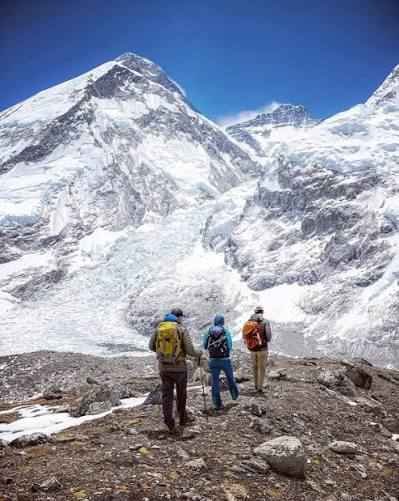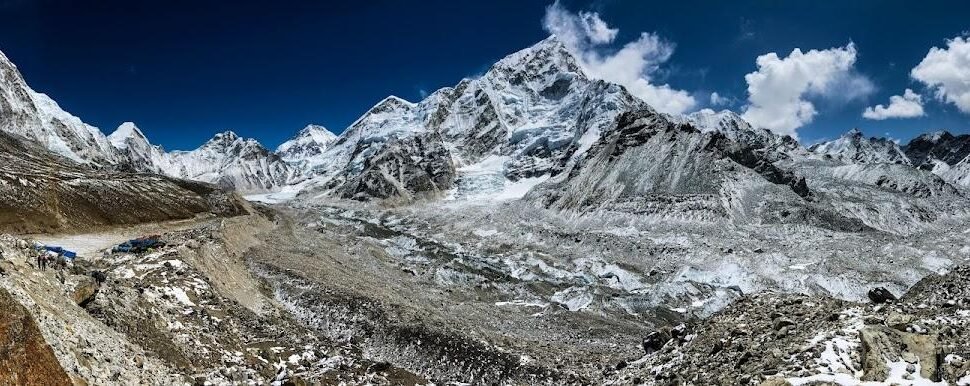
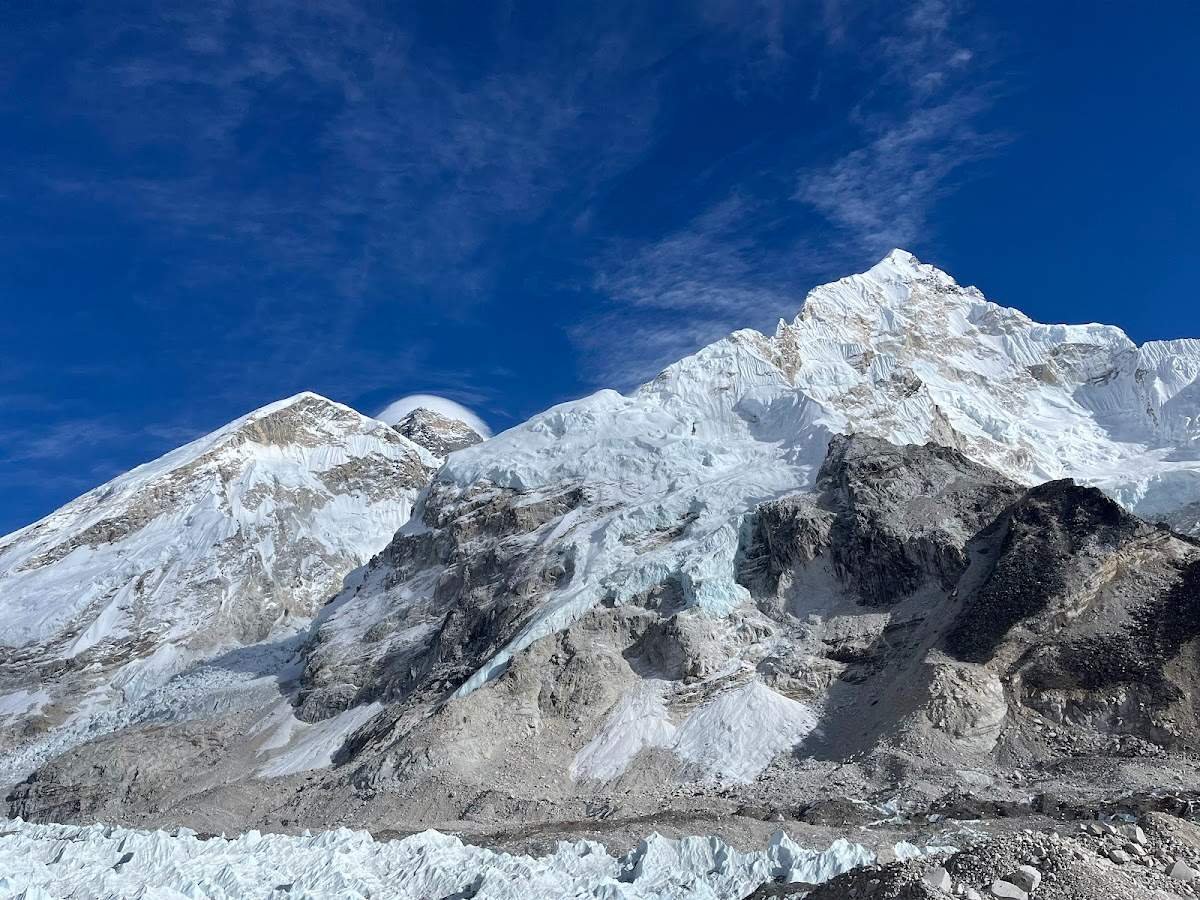
Winter on the Khumbu runs from December through February and represents the most demanding trekking season for the Everest Base Camp trek. Empty trails, extraordinary visibility, brutal cold, and the particular satisfaction of completing a serious route when almost no one else is attempting it: winter EBC is for experienced trekkers who prepare correctly and know exactly what they are getting into.
EBC Winter Season: At a Glance
| Season window | December through February |
| Coldest month | January |
| Most accessible winter month | Late December / early February |
| Trail crowding | Very low (December) to extremely low (January) |
| Sky clarity | Outstanding, clearest of the year in January |
| Snow above 4,000 m | Common; crampons frequently required |
| Gorak Shep night temp range | -24C (Dec) to -35C (Jan) to -28C (Feb) |
| Suitable for | Experienced cold-weather trekkers; not for beginners |
The Three Winter Months Compared
| Factor | December | January | February |
|---|---|---|---|
| Cold severity | Serious | Extreme | Very serious but easing |
| Crowds | Very low | Lowest of year | Very low; rising slightly |
| Visibility | Excellent | Outstanding | Excellent |
| Snow on upper trail | Building | Maximum depth | Deep; compacting |
| Crampons needed | Frequently above 4,500 m | Always above 4,500 m | Frequently above 4,500 m |
| Teahouses at Gorak Shep | 1-2 open | 1 open (uncertain) | 1-2 open |
| Sleeping bag needed | -20C rated | -30C rated | -25C rated |
| Recommended for | Experienced trekkers | Cold-weather specialists only | Experienced trekkers |
Why Winter EBC Is Unique
Complete solitude: In January, the entire EBC trail from Lukla to Gorak Shep may see fewer than 50 trekkers in a week. Above Lobuche, you may walk for hours without encountering another person outside your group. This level of mountain solitude is impossible during the peak seasons.
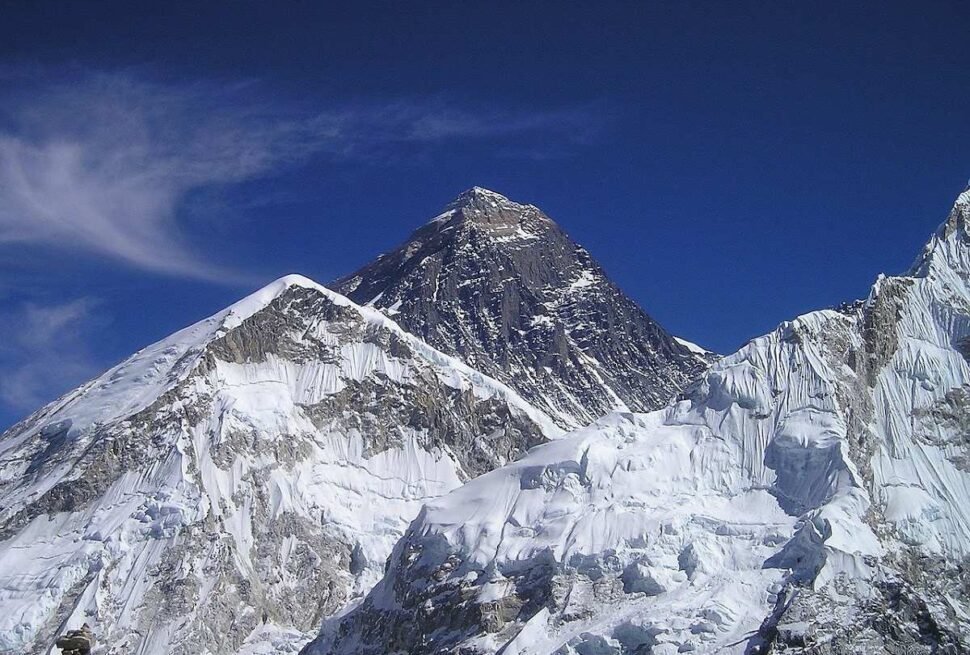
Photographic conditions: Professional mountain photographers specifically target winter for image quality. The combination of crystal-dry winter air, long golden-hour light at low sun angles, and snow-covered peaks produces mountain photographs of a character impossible in other seasons. The Kala Patthar view of Everest and Nuptse in fresh January snow with pre-dawn light is genuinely extraordinary.
Personal achievement: Completing the Everest Base Camp trek in winter requires planning, preparation, and cold-weather competence that autumn trekkers do not need. The returning winter trekker has done something categorically different from the October crowd. This is worth something to the right kind of traveller.
Cost: Winter is the lowest-cost trekking season. Teahouses, permits, and some trekking packages are priced below peak-season rates. The total cost of a winter EBC trek is typically 20 to 35% lower than an October equivalent from the same operator.
Essential Winter Gear
Winter EBC gear is substantially more serious than autumn gear. This is not the place to economise on equipment. Every item below is required, not optional:
Sleeping bag: Rated to -20C (comfort) for December and February; -30C (comfort) for January. The teahouse blankets and your own body heat together cannot compensate for an undersized sleeping bag at Gorak Shep in January.
Down jacket: Expedition grade, 700-fill or higher. A jacket adequate for October is not adequate for January. Consider a jacket rated to -30C or below.
Down trousers: Strongly recommended for evenings at Lobuche and Gorak Shep. Standard trekking trousers are insufficient for -25C teahouse bedrooms.
Gloves and mittens: Two pairs: liner gloves inside heavyweight mittens or ski-gloves. Bare hands exposed to January wind at Kala Patthar can develop frostbite within minutes.
Crampons: Full metal crampons for boot attachment. Microspikes are insufficient for January conditions above Lobuche. Your everest trekking company can arrange crampons as rental in Namche.
Balaclava and face protection: Wind at Kala Patthar in winter can cause facial frostbite on exposed skin. Full face cover is necessary.
The complete EBC packing list has a detailed winter-specific gear section.
Teahouse Situation in Winter
Winter teahouse availability is the most variable of any season. Below Namche, all teahouses are open. From Namche upward, the picture becomes complex. Some teahouses between Tengboche and Dingboche operate through winter with reduced menus and staffing. Above Dingboche, expect closures at some locations, particularly at Lobuche and Gorak Shep.
A reputable everest trekking company with winter EBC experience phone-confirms every teahouse on your itinerary before departure. Itineraries may need adjustment based on which teahouses are open in a given week. Some operators carry emergency tent equipment as backup for the upper sections in case of unexpected closures.
Winter Acclimatization
Acclimatization requirements are the same in winter as in any other season. The cold adds an additional complication: AMS (Acute Mountain Sickness) symptoms and cold stress can overlap in their presentation, making symptom assessment slightly more complex. A headache at Lobuche in January may be AMS, cold stress, dehydration, or some combination. Your guide monitors oxygen saturation and assesses symptoms using the Lake Louise AMS scoring system regardless of season. Read the full guide on altitude sickness on the EBC trek.
Winter Route Options
All main Khumbu routes are technically open in winter, though some are less practical due to snow conditions. The standard EBC route is the most feasible. The Gokyo Lakes route adds the Cho La pass (5,420 m) which can be dangerous with ice and snow in winter without mountaineering experience. The Three Passes Trek is not recommended in winter without mountaineering training and equipment for the high passes.
Frequently Asked Questions
Is EBC possible in winter?
Yes. December, January, and February are all possible for experienced cold-weather trekkers with appropriate equipment. January is the most extreme and should only be attempted by trekkers with prior high-altitude cold-weather experience and the correct gear. December and February are more accessible while still being serious undertakings.
What sleeping bag is required for winter EBC?
December: minimum -20C comfort rating. January: minimum -30C comfort rating. February: minimum -25C comfort rating. These are not suggestions. A sleeping bag rated below these temperatures creates genuine risk at high altitude overnight camps in winter.
Are there guides with winter EBC experience?
Yes. Experienced Sherpa guides and operators run winter EBC treks every year. When choosing an operator for a winter trek, specifically ask about their winter EBC track record, guide experience in cold conditions, and their contingency plan for teahouse closures. Your everest trekking company should be able to provide references or evidence of successful winter departures.
Winter EBC Conditions: Month by Month
| Month | Temp Namche | Temp EBC Zone | Snow Risk | Crowds | Best For |
|---|---|---|---|---|---|
| December | 1-5C / -7 to -3C | -12 to -5C / -22 to -15C | Possible above 4,000m | Low | Photography, peaceful trekking |
| January | 0-4C / -8 to -4C | -15 to -7C / -25 to -18C | Possible above 3,500m | Very Low | Extreme solitude, lowest prices |
| February | 2-7C / -6 to -2C | -12 to -5C / -22 to -15C | Possible, melting end of month | Very Low | Late Feb good transition month |
Winter EBC: What Closes and What Stays Open
| Facility | December | January | February |
|---|---|---|---|
| Lukla to Namche teahouses | All open | Most open | All open |
| Namche Bazaar lodges | All open | Most open (reduced service) | All open |
| Tengboche to Dingboche | Most open | Some closed | Most open |
| Lobuche lodges | Most open | Some open (confirm with guide) | Most open |
| Gorak Shep lodges | 2-3 open | 1-2 open (confirm with guide) | 2-3 open |
| Namche Saturday market | Operating | Operating (reduced) | Operating |
| Lukla flights | Reliable | Reliable (occasional fog delays) | Reliable |
Winter EBC: Cost Savings vs Peak Season
| Cost Item | October (Peak) | Winter (Dec-Feb) | Saving |
|---|---|---|---|
| Trekking agency package (14 days) | USD 1,800-2,500 | USD 1,200-1,800 | USD 400-700 |
| Licensed guide (14 days) | USD 350-450 | USD 250-320 | USD 80-130 |
| Porter (14 days) | USD 280-350 | USD 200-260 | USD 60-90 |
| Teahouses (per night avg) | USD 8-15 | USD 5-10 | USD 3-5/night |
| Lukla flights (return) | USD 200-240 | USD 180-200 | USD 20-40 |
| Total 14-day estimate | USD 2,500-3,500 | USD 1,600-2,500 | USD 600-1,200 |
Winter EBC Essential Gear: What You Cannot Do Without
| Item | Spec for Winter | Where to Buy / Cost |
|---|---|---|
| Sleeping bag | Down, -25C rated minimum | Rent in Kathmandu NPR 200-500/night or buy USD 200-500 |
| Down jacket | 900 fill power, full-length, draft collar | Buy before trip, check weight vs warmth |
| Micro-spikes / YakTrax | Strap-on traction for icy trail | Available in Kathmandu and Namche, USD 15-30 |
| Insulated pants | Down or Primaloft, water-resistant shell | Essential from Tengboche upwards |
| Hand and foot warmers | Disposable chemical packs | Available in Kathmandu, USD 0.50-1 per pair |
| Balaclava | Merino or fleece, full-face | Available in Kathmandu, USD 8-20 |
| Gaiters | Waterproof, knee-high | For snow sections above 4,000m |
Winter EBC FAQ
Is EBC trekking in winter only for experts?
Not necessarily. Trekking to EBC in December is manageable for fit, reasonably experienced trekkers with the right gear. January and February are genuinely challenging and best suited to trekkers with previous cold-weather mountain experience. The key is not fitness alone but knowing how to manage extreme cold.
Can I rent winter gear in Nepal?
Yes. Kathmandu has many gear rental shops in the Thamel area. You can rent down sleeping bags, down jackets, and trekking poles at reasonable daily rates. Quality varies, so inspect gear carefully before renting. For critical items like sleeping bags, many experienced trekkers prefer to buy or bring from home.
What is the absolute minimum temperature I should prepare for?
At Gorak Shep (5,140m) in January, overnight temperatures inside teahouse bedrooms can drop to -15C. Adding wind chill on Kala Patthar at dawn (-25C to -30C possible), you need gear rated for at least -25C. Never underestimate Himalayan winter temperatures.
Are there any guided winter EBC trek packages?
Yes. Specialist Nepal trekking agencies offer dedicated winter EBC packages with winter-rated sleeping bags, heated tents for the coldest sections, and guides experienced in cold-weather mountain conditions. These packages cost slightly more but provide better safety for the conditions.
Conclusion
Winter EBC is the Everest Base Camp trek in its most uncompromising form. Empty trails, extraordinary skies, extreme cold, and a profound sense of the Khumbu without its seasonal visitors. It rewards those who earn it. Prepare with precision, choose an operator with genuine winter experience, and go knowing that the mountain in January looks nothing like the mountain in October and is all the more extraordinary for it.
Trekking to Everest Base Camp in Winter (December–February)
Winter EBC trekking is the best-kept secret of the Khumbu calendar. From December through February, the trail is blanketed in snow above 4,000 m, temperatures at Gorak Shep reach -25°C or colder at night, and the entire upper Khumbu is stripped of its peak-season crowds to reveal a profound, elemental wilderness that is genuinely unlike any other experience in Nepal. For trekkers who are properly equipped, fit, and comfortable with cold, winter EBC delivers some of the most spectacular high-altitude mountain scenery and most personally rewarding trek experiences available anywhere in the Himalaya.
What to Expect: December
December is the transition month from autumn to full winter. Early December still resembles late November — cold nights, clear days, sparse trekker numbers above Namche. By mid-December, snow begins to accumulate at trail level above 4,000 m, and the upper sections of the EBC trail (Lobuche to Gorak Shep) require crampons or micro-spikes for safe navigation. Teahouses above Namche begin to reduce services in December — some close entirely by late December. Everest Trekking Company confirms teahouse availability before departure for all winter treks and plans accordingly, sometimes using combination teahouse/tented accommodation above Lobuche in December–January. Temperatures at Gorak Shep in December: -10 to -2°C daytime, -22 to -15°C at night.
January and February: The Deep Winter Window
January is the coldest and quietest month on the Khumbu trail. The extraordinary counter-intuitive reward of January EBC trekking: the air is at its clearest and most stable of the entire year. High-pressure systems lock in for days at a time, bringing brilliant blue skies, exceptional long-distance visibility, and mountain views of a quality that autumn trekkers — blessed as that season is — simply cannot match. The absence of atmospheric moisture means that peaks 80–100 km away (Makalu, Kangchenjunga on the eastern horizon) are visible on clear days with a crispness that the slightly hazier autumn air does not deliver.
February begins the gradual warming and brings the first signs of late-season moisture — occasional high cloud and rarely, light snowfall at altitude. February temperature at Namche: -2 to 8°C daytime, -10 to -4°C night. February at EBC altitude: -15 to -5°C daytime, -25 to -18°C at night. Wind becomes a significant factor in February — the jet stream descends toward 5,000–6,000 m altitude in winter months and can occasionally create extreme wind conditions on exposed upper trail sections. Our guides monitor wind forecasts and adjust departure timing when high-wind warnings are issued for the Gorak Shep and Kala Patthar section.
Why Trekkers Choose Winter EBC
The case for winter EBC is built on three factors that nothing else can replicate: solitude, clarity, and the feeling of genuine wilderness. In winter, the Khumbu trail between Namche and Dingboche — sections carrying 500+ trekkers per day in October — carries perhaps 20–40. Teahouses are quiet (most operating with skeleton staff), yak herders have moved their animals to lower winter pastures, and the sound of the trail in early morning is nothing but wind in the high-mountain air and occasional distant avalanche on the upper faces. This is the Khumbu as the Sherpa people have lived in it for centuries — without the infrastructure of high-season trekking tourism and deeply, remarkably peaceful.
For photographers, winter EBC is exceptional. The combination of winter light quality (lower sun angle creates longer shadows and richer mountain texture), extreme atmospheric clarity, and the opportunity to compose without other trekkers in frame produces a completely different photographic portfolio from the season-standard EBC images. Some of the most iconic Himalayan photographs — including several award-winning mountain photography competition entries — have been taken on winter Khumbu treks.
Winter EBC Safety and Preparation
Winter EBC requires significantly more preparation than autumn or spring trekking. Non-negotiable equipment additions for winter: a four-season sleeping bag rated to at least -20°C comfort (not just extreme) rating; heavyweight down jacket (1000+ fill power preferred for Gorak Shep nights); insulated boot liners or dedicated mountaineering boots for sections above 4,500 m; crampons or micro-spikes for the snow-covered upper trail; goggles (in addition to glacier glasses) for windy sections above 5,000 m; and chemical hand and foot warmers for the Kala Patthar pre-dawn attempt.
Fitness requirements are higher for winter EBC — cold weather significantly increases the metabolic cost of trekking, adding approximately 15–20% to daily caloric expenditure. Winter trekkers should be at the higher end of the fitness preparation scale described in our preparation guide. Our guides carry emergency oxygen on all winter treks (as on all treks) and conduct more frequent SpO2 monitoring in winter conditions due to the combined effect of cold and altitude on blood oxygenation. All winter EBC treks with Everest Trekking Company include dedicated cold-weather safety briefings and specific emergency response protocols for winter conditions. Book the Everest Base Camp Trek in winter with Everest Trekking Company and experience the Khumbu at its most dramatic, most beautiful, and most authentic.
Winter EBC: Frequently Asked Questions
Is it safe to trek to EBC in winter? Yes, with the right equipment, fitness, and guide. Everest Trekking Company has operated winter EBC treks successfully for over a decade. The risks are different from autumn trekking (cold injury is the primary additional risk versus the standard AMS risks) but fully manageable with proper preparation, quality cold-weather gear, and experienced guides. Our guides are trained in cold-weather first aid and carry emergency equipment specifically for winter conditions.
Are teahouses open in winter above Namche? Most teahouses above Namche reduce services or close entirely in December–February. Availability varies by year and requires pre-trek confirmation. Everest Trekking Company confirms teahouse status before each winter departure and arranges alternative accommodation where necessary. In some winters, combination teahouse/camp accommodation above Lobuche is used. We brief all winter clients on accommodation arrangements before departure.
What temperature should my sleeping bag be rated to for winter EBC? Minimum comfort rating of -20°C. Extreme rating of -30°C or lower. A standard -10°C sleeping bag is dangerously inadequate for Gorak Shep nights in January. Do not economise on sleeping bag specification for winter EBC — it is the single most important equipment decision you will make for a winter trek.
Is the Kala Patthar summit accessible in winter? Yes, conditions permitting. On calm mornings (which are more frequent in winter than their reputation suggests), the Kala Patthar summit is accessible with crampons and a very early start (3 AM departure from Gorak Shep to reach the summit before wind develops). On high-wind mornings, the exposed upper ridge is too dangerous to attempt. Our guides assess conditions each morning and make the Kala Patthar decision based on direct observation of weather, not itinerary pressure.
What are the chances of flight delays on Lukla in winter? Higher than in autumn, lower than in monsoon. December is generally manageable (occasional 1–2 day delays). January and February can see multi-day delays in poor weather windows. Build at least 2 buffer days into your Kathmandu schedule for winter treks. Travel insurance with weather delay coverage is particularly important for winter departures.
Winter Packing List Additions
Beyond the standard EBC packing list, winter trekkers should add the following specific items: heavyweight down jacket (rated to -20°C or below); four-season sleeping bag (comfort rated -20°C minimum); insulated sleeping bag liner for additional warmth at the coldest elevations; crampons (10–12 point for the upper trail); ski goggles (for windy sections above 5,000 m); heavyweight insulated gloves (lobster-claw style or mittens with liner gloves); balaclava and face mask covering nose and mouth; multiple chemical hand warmers (20+ pairs for a 14-day winter trek); and insulated water bottle covers or Nalgene sleeves to prevent freezing above 4,500 m.
Why Winter EBC with Everest Trekking Company
Operating successfully in the Khumbu winter requires experience that most trekking operators lack. Everest Trekking Company guides have completed the EBC route in every month of the year across all weather conditions. Our winter-specific protocols — route timing, shelter decisions, cold-weather monitoring, and emergency response — are developed from real accumulated experience in winter Khumbu conditions, not simply adapted from autumn protocols. We maintain relationships with the winter-operating teahouses along the route, pre-confirm accommodation status every season before any client departs, and carry additional emergency equipment (insulation layers, emergency bivouac equipment) that is not needed in autumn but becomes essential in winter.
If you are considering a winter Everest Base Camp Trek, contact the Everest Trekking Company team for a frank assessment of whether your fitness, equipment, and cold-weather experience make winter the right season for your trek. We will recommend spring or autumn if winter’s demands are genuinely unsuitable for your situation. We will enthusiastically support and prepare you if winter EBC is right for you — because winter in the Khumbu is, for the right trekker, the most extraordinary mountain experience Nepal has to offer. Book the Everest Base Camp Trek in winter at everesttrekkingcompany.com.
Winter EBC Itinerary: How It Differs from the Standard Schedule
The winter EBC itinerary differs from the standard autumn/spring version in three important ways: first, daily distances may be slightly shorter to account for slower progress on snow-covered terrain and the additional physical effort of moving in cold conditions; second, departure times are later than in other seasons (avoiding the coldest pre-dawn hours for the first section of the day) except for the Kala Patthar attempt, which remains a pre-dawn start to catch the calm weather window; and third, the itinerary includes more teahouse time in the early afternoon to allow cold trekkers to warm up and rest in the heated dining rooms that represent the day’s most comfortable refuge above 4,000 m in winter.
The acclimatisation schedule is identical — the same rest days at Namche and Dingboche apply in winter. Cold-weather stress does not accelerate acclimatisation, and the rest days remain essential for altitude adaptation regardless of season. One additional protocol in winter: evening SpO2 readings are compared to morning readings more systematically, because poor sleep in extreme cold can mask AMS symptom progression that would be more obvious in warmer conditions.
Winter at EBC Versus Winter Anywhere Else
Many trekkers who have experienced the Khumbu in winter describe it as the most profound wilderness experience of their lives — not despite the difficulty but because of it. The combination of extreme cold, deep silence, crystalline air, and the overwhelming scale of the surrounding mountains creates an experience that is genuinely transformative in a way that the busier seasons, for all their advantages, cannot fully replicate. Standing on Kala Patthar in January, with no other trekker within sight, at -20°C, watching the sun rise over Everest’s summit pyramid in total silence, is a moment that defies adequate description.
The winter Khumbu is not for everyone. But for the right trekker — properly prepared, genuinely motivated, and comfortable with real mountain conditions — it is the most rewarding version of the Everest Base Camp Trek available. Contact Everest Trekking Company today to discuss whether winter EBC is right for you. Our team will give you an honest assessment and, if winter is your season, the most thorough preparation support available from any Nepal trekking company. Visit everesttrekkingcompany.com to learn more and to book the Everest Base Camp Trek in the season that matches your spirit of adventure.
Planning Your Winter EBC with ETC
A winter EBC trek with Everest Trekking Company requires the same planning timeline as other seasons (book 2–3 months in advance for December, 3–4 months for January–February to allow time for cold-weather gear acquisition and fitness building) but with additional preparation steps: detailed cold-weather gear review with our team, specific fitness building focusing on cold-weather endurance, and a frank discussion of your cold-tolerance experience and comfort level with winter mountain conditions. We do not book winter EBC for clients who are not genuinely prepared for extreme cold — the mountain is not the place to discover that -20°C is outside your experience range.
For trekkers who are ready, winter EBC with Everest Trekking Company is one of the most extraordinary experiences we offer — and one of the most exclusive, given how few trekkers make the choice. The Khumbu in winter belongs to those willing to embrace it. Contact Everest Trekking Company at everesttrekkingcompany.com today to discuss whether winter EBC is the right choice for your next Himalayan adventure. Book the Everest Base Camp Trek in winter and experience the mountains as they truly are — vast, silent, and magnificent.
Winter EBC: A Different Kind of Achievement
Completing the EBC trek in winter is a different kind of accomplishment from completing it in autumn or spring. The autumn trekker proves that persistence and good preparation can deliver one of the world’s most beautiful mountain experiences. The winter trekker proves that determination, proper equipment, and genuine cold-weather courage can deliver those same mountains in their most raw, most powerful, most uncompromising form.
The percentage of EBC trekkers who complete the route in winter is very small — approximately 3–5% of annual EBC trekkers visit in December–February. This rarity is not because winter EBC is impossible (it clearly is not, since thousands attempt it successfully each year) but because most trekkers are simply not aware of the winter option, or assume it is beyond their capacity. The Everest Trekking Company winter EBC programme exists to make this exceptional experience accessible to the right trekkers — those who are prepared, motivated, and genuinely curious about what the world’s greatest mountain looks like without the crowd, without the comfort of high season, and without any of the softening factors that the main seasons provide.
If that describes you, contact Everest Trekking Company today. Winter EBC is waiting — and it will exceed every expectation you bring to the mountains. Browse our complete Khumbu programme at everesttrekkingcompany.com and start planning the most distinctive Himalayan adventure available to any non-technical trekker in Nepal.
Winter EBC is for those who want the mountains on their most powerful terms. Cold, clear, silent, and magnificent — the Khumbu in January delivers an experience that stays with you forever. Everest Trekking Company has guided this season many times and knows exactly how to prepare you for it. Contact our team today and start your winter adventure planning.
Winter EBC Package Options
Everest Trekking Company winter EBC packages include the classic Everest Base Camp Trek in winter, the EBC Trek with Helicopter Return (particularly popular in winter when the descent walk is harder in cold conditions), and the Luxury EBC Trek (which uses Yeti Mountain Home lodges — the best-heated, most comfortable accommodation available on the upper Khumbu trail, making a significant quality-of-life difference in winter). Visit everesttrekkingcompany.com to explore winter package options and departure dates.
Final Note on Winter EBC
Winter EBC is not the hardest trek in the world. It is not beyond the reach of a properly prepared, motivated trekker with good cold-weather tolerance. What it demands is honest preparation, quality equipment, and a guide who knows the Khumbu winter as well as the summer. Everest Trekking Company provides all three. If you are drawn to the idea of the Khumbu in its most powerful, most silent, most uncompromising form — contact us. The winter mountains are calling, and we know the way.
Winter EBC: fewer trekkers, deeper silence, extraordinary clarity. The Khumbu in its most powerful form. Book with Everest Trekking Company and experience it properly prepared, expertly guided, and safely managed all the way to Kala Patthar and back.
The Khumbu valley is magnificent in every season — each one reveals a different aspect of the world’s greatest mountain landscape. Whatever month you choose, Everest Trekking Company will prepare you for it, guide you through it, and ensure the Everest Base Camp Trek exceeds every expectation you bring to the mountains. Book today at everesttrekkingcompany.com.
The winter Khumbu offers something no other season can: the mountains at their most powerful, most silent, and most profound. Everest Trekking Company guides winter EBC with full cold-weather expertise and a deep love for the season that most people overlook. Book the Everest Base Camp Trek in winter and discover what real mountain silence sounds like.
The winter Khumbu is the most honest version of the Himalaya — stripped of comfort, crowds, and any softening of its scale and power. For the right trekker, it is the most rewarding experience on Earth. Everest Trekking Company will take you there, keep you safe, and bring you back with memories that no summer crowd could have diluted. Book at everesttrekkingcompany.com.
Winter EBC is the path less travelled — and more rewarding for it. Everest Trekking Company is your guide for every season on the Khumbu. Contact us and book the Everest Base Camp Trek that matches your true spirit of adventure.
The Everest Base Camp Trek is one of the world’s great adventures — and Everest Trekking Company makes it accessible, safe, and extraordinary in every season. Explore all options, choose the right season, and book with the team that knows the Khumbu better than anyone in Nepal. Visit everesttrekkingcompany.com today.
Winter is waiting. Book the Everest Base Camp Trek in winter with Everest Trekking Company today.