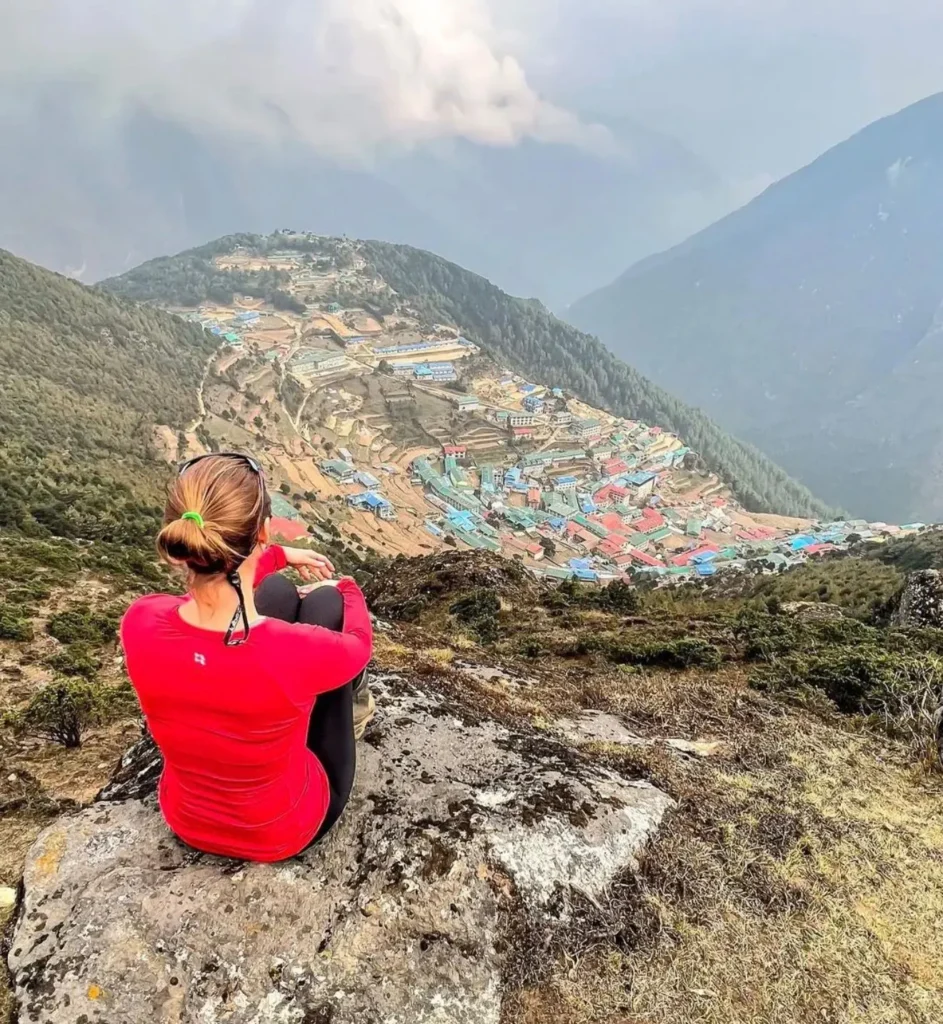
Most trekkers arrive in Namche Bazaar a little breathless. Not just from the climb. The town itself stops you in your tracks. It sits inside a natural bowl carved into the hillside at 3,440 metres, ringed by jagged peaks, and somehow manages to feel like a proper mountain town with bakeries and gear shops and a buzz in the streets that you would not expect this deep in the Himalayas.
You will spend at least one full rest day here. Most standard Everest Base Camp Trek itineraries give you two nights, which means one day with nothing on the agenda except acclimatizing and exploring. That is not wasted time. It is one of the most important days of your entire trek.
Namche sits at the altitude where your body starts to genuinely feel the change in oxygen levels. The rest day gives your blood and lungs time to catch up before you push higher. Skip it and you are rolling the dice on your whole trip. Take it seriously and you stack the odds in your favour for everything above.
So what do you actually do with that day? A lot more than most people expect. Here is everything worth knowing about Namche Bazaar in 2026 and 2027.
Namche Bazaar at a Glance
| Detail | Information |
|---|---|
| Altitude | 3,440 m (11,286 ft) |
| Typical nights spent | 2 nights (1 rest day) on standard itineraries |
| ATMs | 2, cash recommended as backup in peak season |
| WiFi | Free at most lodges |
| Device charging | Free at most lodges |
| Market day | Saturday |
| Best months to visit | October and April |
| Famous landmarks | Irish Pub (world’s highest), Sherpa Culture Museum, Namche Viewpoint |
Why the Namche Bazaar Rest Day Is Not Optional
The standard EBC itinerary has you sleeping two nights in Namche. You arrive on day two and spend day three here before continuing toward Tengboche. That pattern follows the golden rule of high altitude trekking: climb high, sleep low.
On your rest day you hike up to a higher elevation during the morning and return to Namche to sleep. Your body responds by producing more red blood cells to carry oxygen more efficiently. You wake the next morning noticeably better adapted than you were 24 hours before.
Skipping the Namche rest day is the single most common reason trekkers have to turn back before reaching base camp. The altitude catches up with them somewhere around Dingboche or Lobuche, where there is no comfortable town to recover in and where descending means losing several days of progress. Spending one full day in Namche now means a dramatically higher chance of making it all the way.
Planning Your Everest Trek?
Get local expert advice on cost, itinerary and the best time to go.
The Best Acclimatization Hikes from Namche Bazaar
Your guide will recommend a morning hike on the rest day. This is not a casual suggestion. You genuinely need the elevation gain to acclimatise properly. These are the three routes worth knowing about.
| Hike | Highest Point | Round-Trip Time | Best For |
|---|---|---|---|
| Hotel Everest View | 3,880 m | About 2 hours | First proper view of Everest, Lhotse and Ama Dablam |
| Khumjung and Kunde Loop | 3,840 m | 4 to 6 hours | Sherpa culture, Hillary school and hospital, quieter trails |
| Namche Viewpoint | Above town | 30 to 45 minutes | Lighter option, 360 degree panorama, best photos of Namche itself |
Hike to Hotel Everest View (3,880 m)
This is the classic choice and it earns that reputation every season. Hotel Everest View sits on a ridge above Namche at 3,880 metres and the walk there takes about two hours return. The trail climbs steadily through rhododendron forest and pine with views opening up as you gain height.
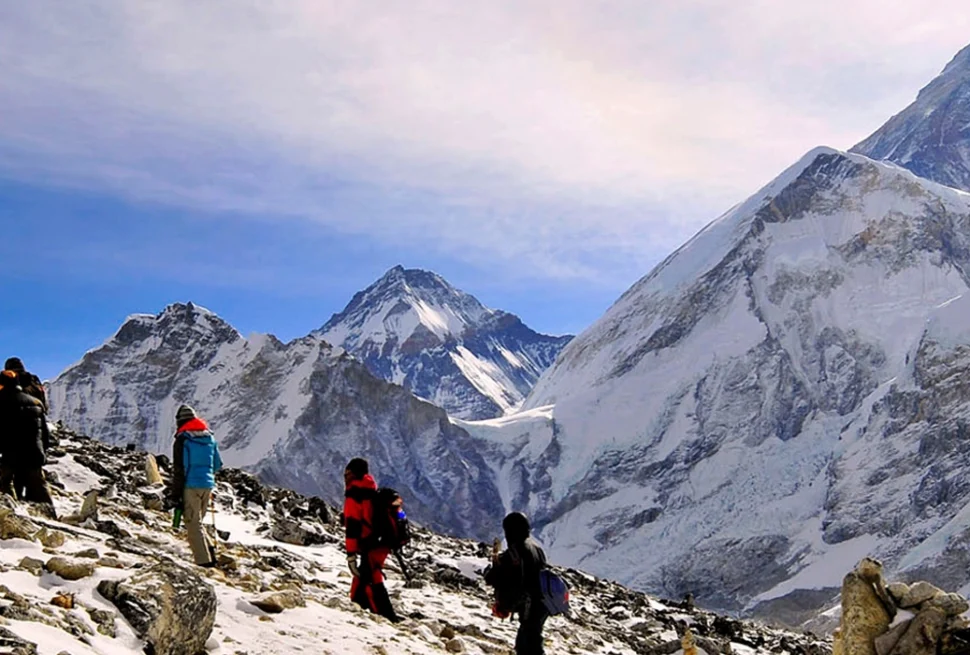
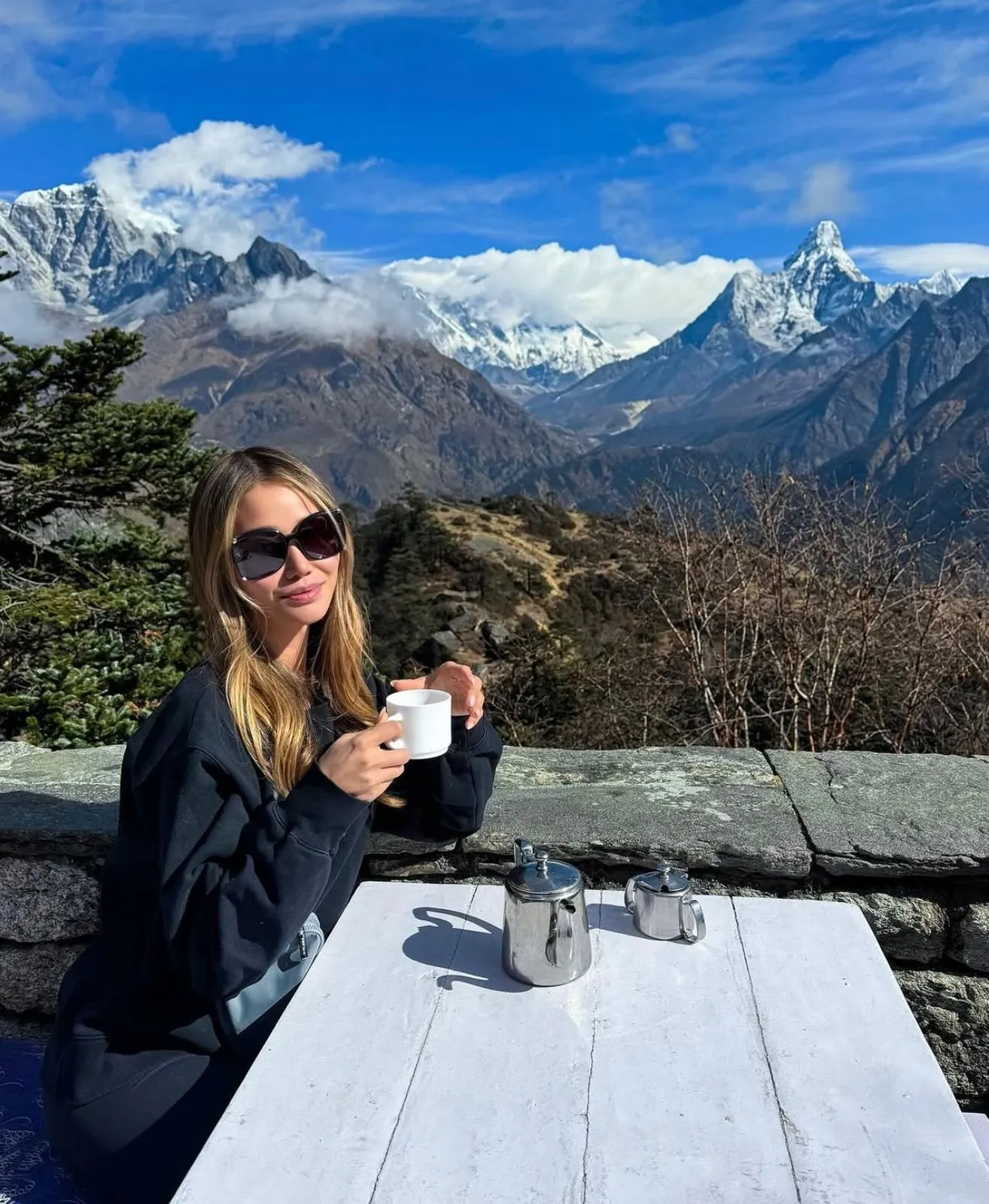
When you reach the hotel on a clear morning, Everest appears over the shoulder of Nuptse for the first time. Lhotse and Ama Dablam fill the skyline beside it. For a lot of trekkers this is the moment the trip becomes real. Sitting on the hotel terrace with a hot lemon tea and that view in front of you is something most people remember for years afterward.
The hotel also serves as a useful altitude test. If you feel genuinely awful at 3,880 metres after a gentle two hour walk, that is important information to share with your guide before you continue upward.
Loop to Khumjung and Kunde Villages
This is the better choice if you want cultural depth alongside the altitude gain. Khumjung sits at 3,790 metres and Kunde at 3,840 metres. The loop covers six to eight kilometres and takes four to six hours at a comfortable pace.
Khumjung is famous for two things. The first is the school Sir Edmund Hillary built here in 1961, one of the first formal schools in the Khumbu, which transformed education in this part of Nepal. The second is the Khumjung monastery and its resident monks, who maintain what the Sherpa community describes as a genuine yeti scalp inside the gompa. Whether or not you believe in yetis, the monastery is beautiful and the monks are genuinely welcoming to respectful visitors.
Kunde is quieter still. Hillary also built the hospital here, which opened in 1966 and still serves the Khumbu community today. Walking through these villages on a weekday morning when the trail is quiet gives you a window into Sherpa life that the main EBC trail never provides.
Short Walk to the Namche Viewpoint
If you are feeling the altitude and want something lighter, the viewpoint above town is a 30 to 45 minute walk and rewards you with a 360 degree panorama of the Khumbu. You can see Ama Dablam, Pachermo and the ridge that leads toward Tengboche. It is also the best spot to photograph Namche itself from above, with the bowl of colourful houses spread below you against the mountain backdrop.
The Namche Bazaar Saturday Market
If your rest day falls on a Saturday, you are in luck. The weekly market has been running in Namche for centuries, long before trekking tourists ever arrived. Traders carry goods up from the lower valleys on their backs, and Tibetan traders have historically brought products across from the north.
The market fills the central square with fresh vegetables, eggs, yak products, woolen clothing, spices and practical goods that local Sherpa families stock up on. It is busy, loud and full of colour. The market peaks in the early morning and quiets by noon so try to get there before 9am.
Even if your rest day is not a Saturday, the permanent shops lining the main street are well worth a slow walk through. This is where you buy anything you forgot or anything that has broken on the way up from Lukla. Prices here are lower than Thamel for the same branded gear and significantly lower than anything above Namche. Do not put off buying what you need.
Sherpa Culture Museum and the National Park Visitor Centre
Two places in Namche deserve an hour each and neither gets the attention they deserve from trekkers who are busy planning their morning hike.
The Sherpa Culture Museum covers the history of Sherpa migration from the Kham region of Tibet, the lead up to the 1953 first ascent of Everest, and the central role that Sherpa climbers and porters have played in Himalayan mountaineering ever since. There are exhibits on high altitude physiology that actually help you understand what is happening to your own body as you gain elevation. Tenzing Norgay grew up in this region and the museum tells his story thoughtfully alongside those of the many other Sherpa climbers who shaped the history of the mountain.
The Sagarmatha National Park Visitor Centre sits on the ridge above town and is free to enter. It covers the ecology, wildlife and conservation challenges of the park. Snow leopard, Himalayan tahr, red panda and more than 150 bird species live within the park boundaries, and the centre explains the ongoing work to protect them alongside the demands of a growing trekking industry.
What to Eat and Drink in Namche Bazaar
Namche has the best food on the entire EBC route by a significant margin. After this point, menus get shorter and prices climb with every village. Make the most of it while you are here.
The bakeries are genuinely excellent. Fresh bread, cinnamon rolls, apple pie, espresso drinks, filter coffee. Hermann Helmers Bakery is the most famous and has been feeding trekkers since the 1990s. There are several others on the main street that match it. A proper coffee and a fresh pastry after your morning hike is one of the small genuine pleasures of the EBC trek and you should not skip it.
For main meals, the lodges and restaurants serve everything from dal bhat to pizza to yak steak. Dal bhat is the best value and the most filling at altitude. It comes with unlimited refills of rice, lentil soup, vegetable curry and pickle and it is what your Sherpa guide eats every single day because it genuinely works. That said, if you have been eating dal bhat for two days already, the wood fired pizza in Namche is a legitimate treat.
Try the Sherpa stew if you see it on any menu. It is a thick potato and vegetable stew with local spices that Sherpas eat through the cold months and it is exactly right for the altitude and the cold. Momo, the Tibetan dumplings, are also a good choice and available almost everywhere.
Nightlife in Namche Bazaar
Namche is the one stop on the entire EBC trail with anything resembling a night out, and the rest day is the obvious time to enjoy it without worrying about an early start the next morning.
The Irish Pub is the standout. Reputed to be the highest Irish pub in the world, it has the décor, the Guinness and the wood stove you would expect of a proper Irish bar, just with yak burgers on the menu and Everest summit photos on the walls instead of GAA jerseys. It is a genuinely warm place to swap trail stories with other trekkers after a long acclimatization hike.
Liquid Bar is the other well known spot, with a more relaxed lounge feel and a solid drinks menu. Between the two, plus a handful of smaller cafe-bars on the main street, Namche has more going on after dark than every other village on the route combined.
Worth knowing: alcohol at altitude is harder on your body than at sea level, and dehydration makes acclimatization worse. A drink or two to enjoy the atmosphere is fine for most healthy trekkers, but treat it as a treat rather than a session, and make sure you are drinking plenty of water alongside it.
Practical Things to Sort in Namche Before Going Higher
Beyond the hiking and eating, Namche is the last proper town before the trail becomes genuinely remote. Your rest day is the right time to sort a few practical things that become much harder above this point.
Cash and ATMs
Namche has two ATMs and they function most of the time, though during peak season in October and April they sometimes run out of cash. Withdraw everything you need here. There are no ATMs above Namche on the main EBC route. Budget around 2,000 to 3,000 Nepali rupees per day for meals and incidentals above Namche, more if you want hot showers or battery charging facilities at teahouses.
WiFi and Phone Signal
Good news here: most lodges in Namche now include WiFi and device charging for free as part of your stay, unlike higher up the trail where both usually come with a per-hour or per-day fee. The connection is generally solid enough for messages and email but not reliable for video calls or large downloads. Ncell has the strongest 4G signal of the main Nepali networks in this area. Above Namche, free WiFi and charging become the exception rather than the rule and the signal becomes increasingly patchy, so download offline maps, podcasts or anything else you want before you leave town, and top up your devices here while it costs nothing.
Gear You Can Buy Here
If you forgot something or your gear is underperforming, Namche is where you fix it. There is a genuine, licensed The North Face showroom in town stocking proper down jackets, base layers and packs, alongside an official Sherpa Adventure Gear store and a handful of other recognised outdoor brands. Beyond the branded shops, dozens of other stores sell trekking poles, gaiters, gloves, balaclavas, headlamps and water purification tablets, including plenty of reasonably priced non-genuine gear if you are not fussed about the label. Branded gear generally costs less here than in Thamel, and local alternatives are cheaper still and work well for most purposes. Just be aware that knockoff versions of the big brands are common, so check stitching and zips if authenticity matters to you.
Best Time to Visit Namche Bazaar in 2026 and 2027
October is the best month to be in Namche. The post monsoon skies are crystal clear, temperatures are cool but manageable during the day, and your acclimatization hike will give you some of the best mountain views of the entire year. April is the second best window, when rhododendrons are in bloom on the lower slopes and the air is warming up after winter.
November and March offer solid conditions but colder temperatures. December and January bring nights that drop well below minus 10 degrees Celsius in Namche and the higher hikes involve navigating snow and ice. In the monsoon months from June through August, Namche itself stays relatively dry thanks to the rain shadow of the surrounding ridges, but views can be obscured for days at a time.
Where to Stay in Namche Bazaar
Namche has more accommodation options than anywhere else on the EBC route. Budget teahouses start at around 10 to 20 US dollars per night for a basic room with shared bathroom. Mid range lodges with private rooms and attached bathrooms run from 30 to 60 dollars. At the higher end, places like Yeti Mountain Home offer heated rooms, proper beds and restaurant level dining for significantly more.
If you are trekking with Everest Trekking Company, your accommodation in Namche is included in your package and we book you into a lodge that fits your group size and comfort preferences. During peak season in October, lodges in Namche fill up fast. Do not arrive without a booking and expect to find a good room.
Two Nights or Three: How Long Should You Stay
The standard EBC itinerary gives you two nights and one rest day in Namche. This is the minimum and it works well for trekkers who are reasonably fit and have no history of altitude problems.
Three nights and two rest days is the right choice if you are new to altitude, if you have any history of altitude sensitivity, if you are over 55, or if you simply want the most comfortable possible experience above Namche. The extra day costs you time on the overall itinerary but the benefit is a noticeably lower risk of serious altitude sickness higher up, which could cost you far more time if it forced an emergency descent.
Talk to your guide honestly on the second morning about how you are feeling. A good guide will give you an honest read on whether an extra day makes sense. At Everest Trekking Company our guides carry pulse oximeters and check oxygen saturation at each village. The numbers tell us what your body is doing even when you feel fine.
Namche Bazaar Is More Than a Stopover
Most trekkers who have been to EBC say the same thing when you ask them about Namche. They did not expect to like it as much as they did. They came planning to rest and ended up having one of the best days of the whole trip. The morning hike with Everest appearing above the ridge. The market stalls on a Saturday morning. The coffee and apple pie at a bakery table with Ama Dablam looking down at you. A pint at the world’s highest Irish pub with new friends from the trail. It all adds up to something that catches people off guard.
Do not rush through Namche Bazaar. It is doing you two things at once. It is keeping you physically safe for the higher elevations ahead, and it is giving you a day that a surprising number of trekkers end up calling the highlight of the entire journey.
If you are planning your Everest Base Camp trek for 2026 or 2027 and want guidance on itineraries, permits or what to expect village by village on the trail, our team at Everest Trekking Company is based in Thamel and our lead guides have walked this route more than 30 times each season. Get in touch and we will help you plan the right trip for your fitness level and available time.
Planning Your Everest Trek?
Get local expert advice on cost, itinerary and the best time to go.