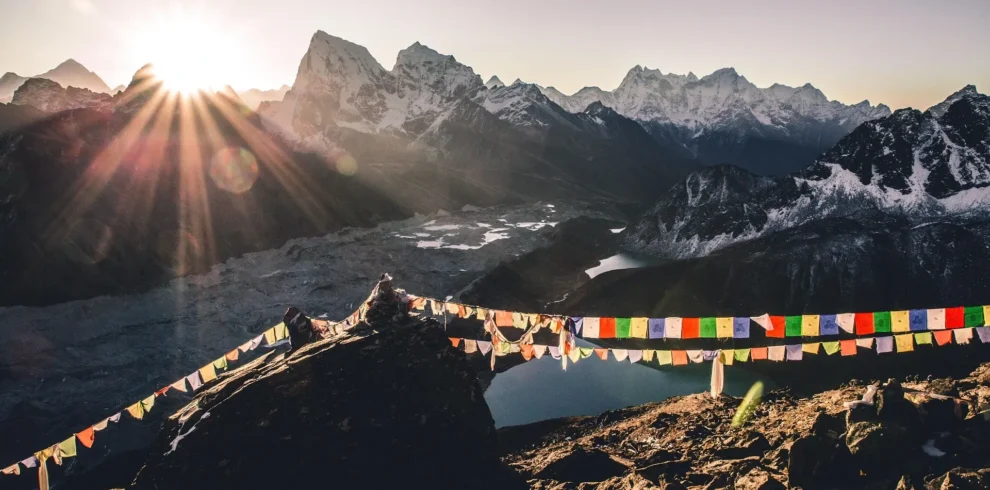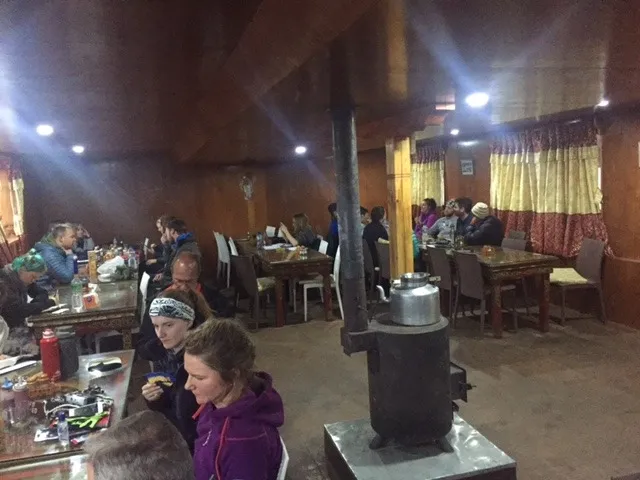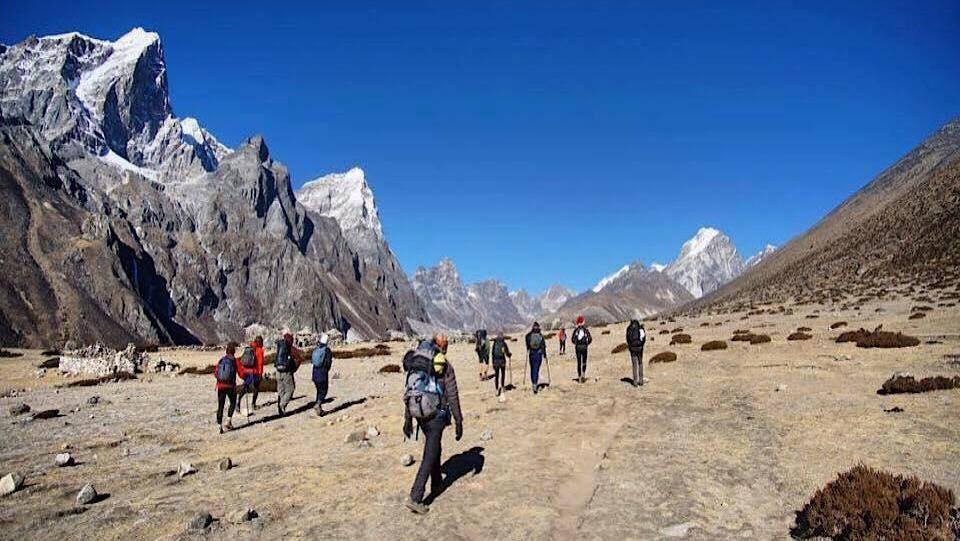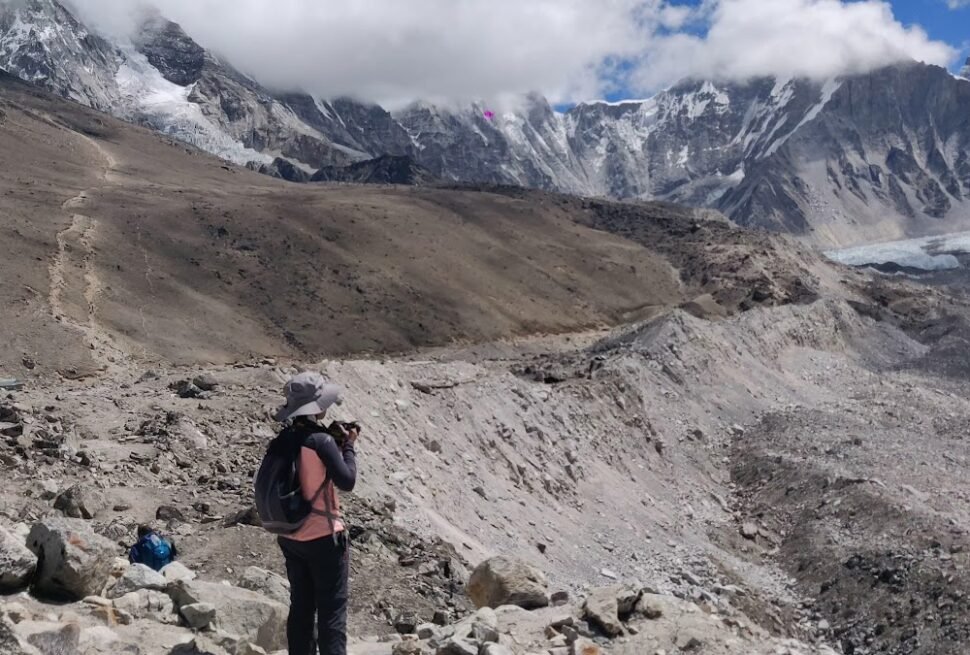
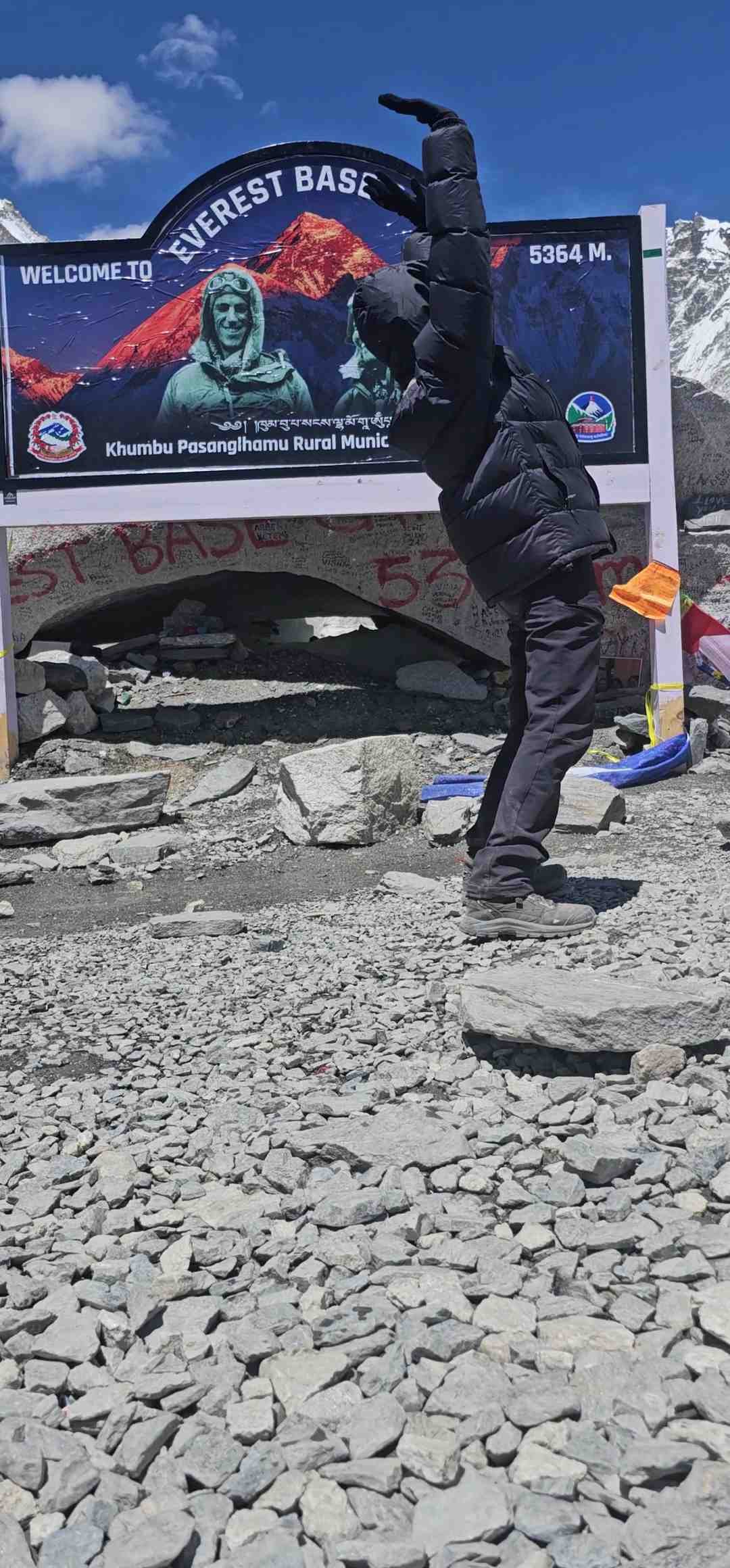
Every year, hundreds of trekkers in their 60s, 70s, and even 80s complete the Everest Base Camp trek. The oldest person on record to finish the route was past 80 years old. The trail does not check your age. It checks your preparation, your cardiovascular fitness, your joint health, and your body’s ability to function at high altitude — none of which are determined by age alone.
That said, trekking to Everest Base Camp as a senior is meaningfully different from doing it at 30. Not harder in ways that make it impossible, but harder in ways that require honest preparation, a smarter itinerary, and a guide who understands how older bodies respond to altitude. This guide covers every dimension of that difference in full detail.
If you are 55, 65, or 75 and wondering whether the Everest Base Camp trek is something your body can handle, this is the guide that will give you an honest answer. We cover the physical demands, the altitude physiology, the medical clearance process, a six-month training plan, the exact gear you need, a day-by-day itinerary designed for older trekkers, nutrition and hydration strategy, and the most frequently asked questions from senior trekkers who have planned this route with us.
At a Glance: Is the EBC Trek Right for You?
Before going into detail, this quick reference table gives you an immediate sense of where you stand based on the most important factors.
| Factor | Ready to Go | Prepare More First | Medical Consultation Required |
|---|---|---|---|
| Age and fitness | 60s–70s with regular exercise habit | 70s–80s, moderate fitness | Any age with major health condition |
| Cardiovascular health | Normal ECG, controlled BP, no cardiac history | Controlled hypertension on single medication | Recent cardiac event, known arrhythmia, heart failure |
| Lung health | No respiratory conditions, good baseline SpO2 | Mild, well-controlled asthma | COPD, emphysema, chronic bronchitis, sleep apnea |
| Knee and hip health | No significant arthritis, comfortable on stairs | Mild arthritis, managed with physio | Recent joint replacement (under 2 years), severe osteoarthritis |
| Prior trekking experience | Multi-day hikes at altitude, good trail skills | Day hiking experience only | No hiking experience of any kind |
| Altitude history | No AMS at 3,000m+ in the past | Mild headache at 2,500–3,000m | HAPE or HACE at any elevation previously |
| Body weight | Within 10kg of healthy range for height | Moderate overweight — increase training intensity | Significant obesity — high joint and cardiovascular risk at altitude |
Understanding What the Everest Trail Actually Demands
The Everest Base Camp route runs from Lukla airport at 2,860 metres to Everest Base Camp at 5,364 metres, with the high point of Kala Patthar reaching 5,645 metres. The round trip covers approximately 130 kilometres of trail over 12 to 16 days depending on your itinerary.
Most trekking days involve five to eight hours of walking on stone and gravel trails with a mix of elevation gain and loss. Some days are primarily uphill, some primarily descending, and a few are relatively flat. The terrain varies from forested river gorges in the lower sections to exposed rocky moraines and glacial terrain above 4,500 metres.
The trail itself is not technical — you do not need ropes, harnesses, or mountaineering skills. It is a hiking route, well-marked and walked by tens of thousands of trekkers each year. The challenge is entirely about endurance, altitude physiology, and joint resilience over consecutive days in a cold, remote mountain environment.
Planning Your Everest Trek?
Get local expert advice on cost, itinerary and the best time to go.
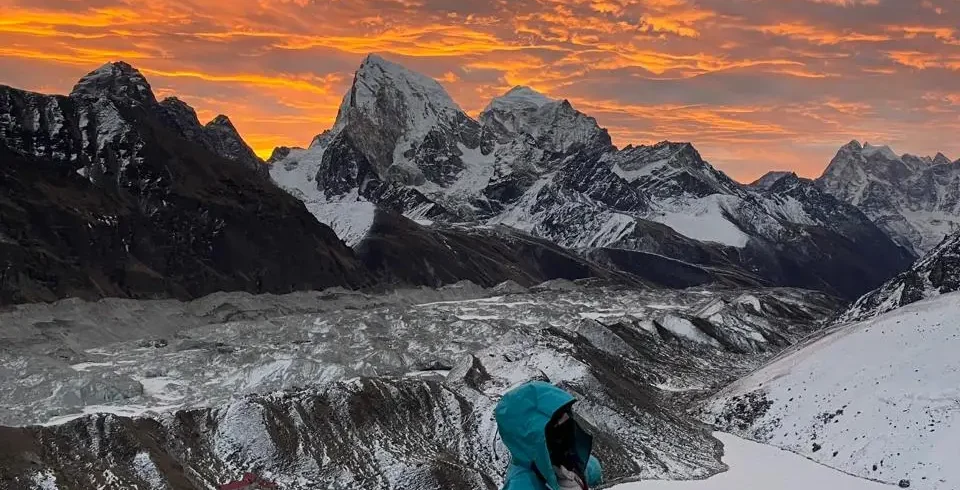
Elevation Profile: Day by Day
| Day | Route Section | Overnight Altitude | Approx Walking Hours | Net Elevation Change | Key Challenge |
|---|---|---|---|---|---|
| 1 | Lukla → Phakding | 2,652m | 3–4h | −208m | First day legs; Lukla airport adjustment |
| 2 | Phakding → Namche Bazaar | 3,440m | 5–6h | +788m | Steepest single climb of the trek; 3 suspension bridges |
| 3 | Namche (acclimatisation) | 3,440m / 3,880m hike | 2–3h walk | Hike high, sleep low | First altitude test; Everest View Hotel hike |
| 4 | Namche → Tengboche | 3,867m | 5–6h | +427m | Long ridge walk; Ama Dablam views; uphill to monastery |
| 5 | Tengboche → Dingboche | 4,410m | 5–6h | +543m | Crossing 4,000m for first time; breathlessness normal |
| 6 | Dingboche (acclimatisation) | 4,410m / 4,980m hike | 3–4h walk | Hike high, sleep low | High-altitude rest day; important for older bodies |
| 7 | Dingboche → Lobuche | 4,940m | 4–5h | +530m | Barren moraine landscape; psychological challenge |
| 8 | Lobuche → Gorakshep → EBC | 5,164m (sleep at Gorakshep) | 7–8h | +200m to Gorakshep, +200m to EBC | Highest exertion day; visit EBC in afternoon |
| 9 | Gorakshep → Kala Patthar → begin descent | 5,645m summit, descend to 4,371m | 8–9h | +481m then −1,794m descent | Pre-dawn start; maximum altitude; long descent after |
| 10 | Descend to Namche | 3,440m | 6–7h | −931m | Knees under sustained pressure; pace control critical |
| 11 | Namche → Lukla | 2,860m | 6–7h | −580m | Final long day; accumulated fatigue; watch for complacency |
| 12 | Fly Lukla → Kathmandu | 1,400m | Flight day | −1,460m (by air) | Weather delays common; build in 1 buffer day at Lukla |
The descent days — particularly the long downhill from Gorakshep back to Namche — are where many senior trekkers experience their greatest difficulty. Descending 1,800+ metres over loose rock and stone stairs creates eccentric loading on the quadriceps that can overwhelm muscles that have not been specifically trained for this motion. Good pre-trek training specifically includes downhill work for exactly this reason.
The Altitude Challenge: Why It Matters More After 60
At Everest Base Camp at 5,364 metres, the atmospheric pressure is approximately 53% of sea level pressure. The percentage of oxygen in the air remains constant at 21%, but because there is less total air pressure, each breath delivers roughly half the oxygen molecules it would at sea level. Your cardiovascular and respiratory systems have to work significantly harder to maintain adequate tissue oxygenation.
The body’s response to this hypoxic environment is called acclimatisation. It involves multiple physiological changes including increased respiratory rate, increased heart rate, diuresis (increased urine output), changes in blood chemistry to improve oxygen delivery, and over longer periods, increased red blood cell production. This process takes days to weeks and proceeds at different speeds in different people.
Published altitude physiology research consistently identifies several ways in which older adults acclimatise differently from younger people:
- Slower ventilatory response: The hypoxic ventilatory response — how fast and how much breathing rate increases in response to low oxygen — is blunted in older adults. This means less compensatory breathing at altitude.
- Reduced cardiac reserve: Maximum heart rate declines with age (approximately 1 beat per minute per year after age 20). This limits the cardiovascular capacity to compensate for reduced oxygen at altitude.
- Lower baseline SpO2: Many adults over 65 have resting blood oxygen saturations 1–3% lower than younger adults, starting from a lower baseline before altitude further reduces it.
- Reduced kidney adaptation speed: The kidney’s bicarbonate excretion that triggers deeper breathing at altitude is slower in older kidneys, extending the acclimatisation timeline.
- Less physiological reserve: The margin between adequate and inadequate function is smaller in older organs. When altitude stress reduces that margin further, the risk of crossing into pathological territory is higher.
None of this means older adults cannot acclimatise — they absolutely can and do. It means the process takes longer and requires more deliberate management. Building extra acclimatisation days into an older trekker’s itinerary is not optional padding; it is the specific medical requirement that makes the rest of the trek safe.
Altitude Sickness: Recognition, Grading, and Response
| Condition | Key Symptoms | Lake Louise Score Threshold | Immediate Action | Medical Treatment |
|---|---|---|---|---|
| Mild AMS | Headache plus at least one of: nausea, fatigue, dizziness, poor sleep | Score 3–4 | Stop ascending. Rest. Hydrate well. Monitor. | Ibuprofen 400mg for headache; Acetazolamide if prescribed |
| Moderate AMS | Severe headache unresponsive to ibuprofen, significant nausea/vomiting, marked fatigue, poor coordination | Score 5+ | Do not ascend. Descend 300–500m if not improving within 24 hours. | Acetazolamide 250mg twice daily; consider descent |
| HAPE | Breathlessness at rest, dry cough progressing to wet cough, pink/frothy sputum, cyanosis (blue lips/fingertips) | Medical emergency — bypass scoring | Immediate descent minimum 1,000m. Emergency evacuation. | Nifedipine 10mg sublingual; supplemental O2; Gamow bag; helicopter |
| HACE | Severe headache, confusion, ataxia (loss of coordination), drowsiness, unconsciousness | Medical emergency — bypass scoring | Immediate descent minimum 1,000m. Emergency evacuation. | Dexamethasone 8mg stat then 4mg every 6h; supplemental O2; helicopter |
The Lake Louise Score works as follows — one point each for mild, two for moderate, three for severe in each category:
- Headache (must be present for AMS diagnosis)
- Gastrointestinal symptoms (nausea, vomiting, anorexia)
- Fatigue or weakness
- Dizziness or lightheadedness
- Sleep quality the previous night
A score of 3 or more with headache present confirms AMS. Senior trekkers should know this system and apply it honestly each morning. The temptation to push through early symptoms is strong but dangerous at altitude — particularly for older trekkers whose physiological margin is smaller.
Medical Clearance Before You Book
If you are over 60 and planning the EBC trek, a standard travel health check is not sufficient. Your doctor needs to evaluate specific things with high-altitude trekking above 5,000 metres explicitly in mind. This is a different consultation from a routine annual physical.
What to Ask Your Doctor to Assess
Cardiovascular Evaluation
- Resting ECG: Identifies left ventricular hypertrophy, bundle branch blocks, rhythm abnormalities, and ischaemic changes that altitude stress can worsen
- Exercise stress test: The most relevant assessment — reveals how your heart performs under sustained aerobic load analogous to high-altitude trekking. Request this specifically.
- Blood pressure: Should be consistently below 140/90 on current medication before departure. Altitude typically raises BP by 10–20 mmHg in susceptible individuals
- Echocardiogram: If any cardiac history, valvular disease, or unexplained breathlessness at rest — assesses ventricular function and structural integrity
- Resting SpO2: Baseline measurement at sea level for comparison against altitude readings on trail
Pulmonary Evaluation
- Spirometry: FEV1/FVC ratio reveals obstructive or restrictive lung disease. GOLD Stage 2+ COPD significantly increases altitude sickness risk
- Sleep apnea assessment: Untreated obstructive sleep apnea significantly worsens altitude sleep quality and increases risk of altitude-induced periodic breathing complications
- Smoking history: Current and former heavy smokers should have full pulmonary function testing before high-altitude plans
Musculoskeletal Evaluation
- Knee X-ray: Kellgren-Lawrence Grade 2+ osteoarthritis requires specific advice from an orthopaedic specialist about the sustained downhill demand of the EBC descent
- Hip flexibility: Tibetan stone staircase sections require hip flexor range of motion; restriction can cause compensatory lower back pain on long days
- Ankle stability: Previous sprains or ligament laxity significantly increase fall risk on rocky terrain; ankle strengthening should be part of pre-trek training
- Bone density: Osteoporosis increases fracture risk from falls; trekking poles significantly reduce this risk by improving balance, but the risk calculation is worth discussing with your doctor
Medication Considerations at Altitude
| Medication Type | Common Examples | Altitude Interaction | Recommended Action |
|---|---|---|---|
| Beta-blockers | Metoprolol, Atenolol, Bisoprolol | Cap maximum heart rate; may reduce exercise tolerance; can mask tachycardia as AMS warning sign | Review with cardiologist; consider switching class; do not stop without medical supervision |
| ACE inhibitors / ARBs | Lisinopril, Ramipril, Losartan | Risk of hypotension with dehydration at altitude | Monitor BP throughout; ensure excellent hydration daily |
| Diuretics | Furosemide, Hydrochlorothiazide | Increase dehydration and electrolyte loss; worsen altitude symptoms | Discuss dose reduction or temporary switch with cardiologist |
| Anticoagulants | Warfarin, Rivaroxaban, Apixaban | Dehydration at altitude raises clotting risk even on anticoagulants; altitude increases pulmonary artery pressure | Meticulous hydration; regular monitoring; discuss specific risk with haematologist |
| Statins | Atorvastatin, Simvastatin | Minimal direct altitude interaction; muscle pain (myalgia) is a statin side effect that altitude fatigue can mask | Continue; report unusual muscle pain to guide |
| Acetazolamide (Diamox) | Diamox 125–250mg tablets | Prescription prophylactic that speeds acclimatisation; reduces AMS incidence by 30–50% | Trial run 2 weeks before trip; take twice daily from 24h before ascent above 2,500m |
| NSAIDs | Ibuprofen, Naproxen | First-line treatment for AMS headache; also reduces AMS incidence when taken prophylactically | Carry ibuprofen 400mg in first aid kit; use for headache; not on empty stomach |
| Dexamethasone | Decadron 4–8mg | Emergency treatment for HACE; not for prevention in standard trekking | Guide’s emergency kit; not for trekker self-administration except under guidance |
Six-Month Training Programme for Senior Trekkers
Six months is the minimum appropriate preparation time for most senior trekkers who are starting from a moderate fitness base. Twelve months is better for those starting from a lower base or with any joint rehabilitation to complete first. The goal is not to build the fitness of a 30-year-old — it is to build the specific durability required to walk for six to eight hours per day on consecutive days at altitude.
Month-by-Month Training Structure
| Phase | Months | Weekly Sessions | Session Types | Target Duration | Key Milestones |
|---|---|---|---|---|---|
| Foundation | 1–2 | 4–5 sessions | Brisk walking, swimming, cycling | 45–75 min | Walk 90 min without stopping comfortably |
| Aerobic Build | 2–3 | 5 sessions | Hill walking, treadmill incline, light hiking | 60–120 min | Complete a 3-hour hike with 400m elevation gain |
| Strength Integration | 3–4 | 5–6 sessions (incl. 2 strength) | Hike + strength training 3×/week | Hike 3–5h; gym 45 min | Complete consecutive day hikes (4h each day) |
| Endurance Peak | 4–5 | 6 sessions + weekend trip | Back-to-back long hikes; downhill specific work | 5–6h hikes | Complete a 2-day mountain hike with overnight |
| Simulation | 5–6 | 5–6 sessions (taper week 24–25) | Full-day hikes, gear testing, flexibility work | 6–7h with loaded pack | Complete a 3-day hike with pack and altitude |
| Taper | Final 2 weeks | 3–4 lighter sessions | Easy walks, stretching, rest | 60–90 min | Arrive rested, not depleted |
Strength Training Exercises for Senior Trekkers
Perform these three times per week from Month 3 onward. Rest 60–90 seconds between sets.
- Wall squats (3 × 15 reps): Back flat against wall, lower until knees at 90°. Develops quad strength essential for uphill and knee protection on descent. Add resistance band above knees to engage glutes.
- Box step-ups (3 × 12 per leg): Step onto 30–40cm box, drive through heel. Directly mimics the step-up motion repeated thousands of times on stone staircases. Add light dumbbells when bodyweight becomes easy.
- Romanian deadlift (3 × 12): With light barbell or dumbbells; maintains posterior chain strength critical for day 8–9 descents from high altitude.
- Calf raises — single leg (3 × 20): On the edge of a step; builds both strength and ankle stability for uneven terrain.
- Single-leg balance (3 × 40 seconds per leg): Progresses to single-leg balance on wobble board when comfortable. Builds ankle proprioception that protects against trail falls.
- Glute bridges (3 × 15): Protects hip flexors and reduces lower back fatigue from pack-carrying; essential for maintaining posture on long days.
- Plank with leg lift (3 × 30 seconds): Core stability that supports the spine under pack load for six to eight hours daily.
- Reverse lunges (3 × 12 per leg): Trains the deceleration phase of stepping down — the exact motion used on every downhill step of the descent.
Downhill Training: The Most Neglected Element
The descent from EBC back to Lukla involves approximately 2,800 metres of cumulative elevation loss over 3–4 days, much of it on loose stone and in a state of accumulated fatigue. Muscles that are strong for uphill climbing work differently on downhill terrain, and the eccentric loading (muscles lengthening under load) of long descents is the specific type of exertion that causes the most knee and quad damage in under-prepared trekkers.
To train specifically for downhill:
- Find any stairs — office building, stadium, apartment block — and walk down repeatedly for 30–40 minutes
- On hilly training walks, choose routes with long descents and repeat the downhill sections rather than always reversing the uphill
- Walk downhill on a treadmill at maximum incline decline when outdoor terrain is not available
- Step-downs from a 40cm box (controlled lowering of one leg, slowly, for 3 sets of 15 per leg) directly trains eccentric quad control
Gear Checklist for Senior Trekkers
Footwear and Lower Body
| Item | Specification | Why It Matters for Seniors |
|---|---|---|
| Trekking boots | Ankle-high, waterproof, stiff midsole, broken in 30+ hours | Ankle support reduces fall risk on loose terrain; stiff midsole reduces foot fatigue on rocky trail |
| Trekking socks | Merino wool, medium cushion, 3–4 pairs | Moisture management and blister prevention; merino wool regulates temperature better than synthetic |
| Trekking poles (2) | Adjustable, anti-shock, carbide tips | Reduces knee impact by 25–30% on descent; improves balance on uneven ground; essential for seniors |
| Gaiters (low) | Trail gaiters covering ankle and lower boot | Keeps debris out of boots on moraine sections above 4,500m; reduces friction blisters |
| Knee supports | Neoprene sleeve braces for both knees | Provides warmth, compression, and proprioceptive feedback; reduces pain for those with mild arthritis |
| Camp footwear | Lightweight sandals or Crocs-style clogs | Essential rest for feet after hours in boots; reduces blister formation |
| Insoles | Custom orthotics or quality aftermarket insoles | Standard boot insoles inadequate for 6–8 hours daily on stone; arch support reduces foot and ankle fatigue |
Clothing Layers
| Layer | Item | Temperature Range for Use |
|---|---|---|
| Base (next to skin) | Merino wool long-sleeve top + leggings | All temperatures; moisture management in all conditions |
| Mid layer (warmth) | 200-weight fleece or Primaloft jacket | Below 10°C; worn under shell above Namche most mornings |
| Outer layer (wind/wet) | Waterproof, windproof shell jacket + trousers | Rain, wind, and exposed ridges above 3,500m |
| Insulation (cold) | 800-fill down jacket or synthetic equivalent | Evenings, rest stops, Kala Patthar pre-dawn (−10°C to −20°C) |
| Extremity warmth | Warm hat + balaclava + neck gaiter + insulated gloves + overmitts | Pre-dawn starts above 5,000m; windchill on exposed ridges |
| Trekking trousers | Convertible, quick-dry trousers (2 pairs) | Versatile for variable conditions; zip-offs allow adjustment through the day |
Health and Safety Essentials
- Pulse oximeter: Personal clip-on SpO2 monitor; check readings every morning from Namche (Day 3) onward and compare against your sea-level baseline
- First aid kit: Ibuprofen 400mg, Paracetamol, blister kit (Compeed, moleskin, lancets), rehydration salts, antiseptic wipes, adhesive bandages, roll of athletic tape, triangular bandage, prescribed altitude medications
- Water purification: Primary (Sawyer Squeeze or Katadyn filter) plus backup (purification tablets); one or both of these for every drinking water source above Namche
- Sleeping bag: Rated to −15°C or below; older trekkers feel the cold more keenly — err warm, not light
- Sleeping bag liner: Adds 5–7°C of warmth for cold nights; also keeps the sleeping bag clean over 2 weeks
- Headlamp: 200+ lumen with red night mode; 2 spare battery sets kept warm in inner pocket (cold kills batteries)
- Power bank (10,000–20,000mAh): For charging phone, pulse oximeter, and camera; supplement with solar panel on walking days
- Sunscreen SPF 50+: UV intensity at 4,000m+ is significantly higher than at sea level; reapply every 2 hours on sunny days
- Sunglasses (UV400, wraparound): Snow blindness risk is real on glacier terrain; good quality UV protection is medical necessity, not vanity
Extended Senior Itinerary: Day-by-Day Detail (16 Days)
This itinerary adds four extra days compared to the standard 12-day schedule. The additional days are specifically structured around acclimatisation needs and buffer capacity for senior trekkers.
| Day | Route | Sleep Altitude | Specific Notes for Senior Trekkers |
|---|---|---|---|
| 1 | Fly Kathmandu → Lukla; walk to Phakding | 2,652m | Short intentional first day. Lukla landing is dramatic — the runway has a significant upward slope. Do not be alarmed. Arrive early and use the afternoon to rest, acclimatise to 2,860m at Lukla, then descend to Phakding. |
| 2 | Phakding → Namche Bazaar | 3,440m | The hardest day in terms of elevation gain (788m). The final 2-hour climb from the last suspension bridge to Namche is relentless. Use both trekking poles from the start of this day. Pace at a speed where you can speak in full sentences. Stop every 20 minutes regardless of how you feel. Arriving late afternoon is fine. |
| 3 | Namche: acclimatisation + Everest View Hotel hike | 3,440m | The key acclimatisation day. Hike up to the ridge above Namche (3,880m) in the morning — views of Everest, Lhotse, and Ama Dablam on clear days. Return to Namche to sleep. Afternoon: rest, explore the market, visit the Sherpa Museum. Eat well at dinner. Your SpO2 will likely read 88–92% here — this is normal. |
| 4 | Namche: second acclimatisation day (senior addition) | 3,440m | This day is not in the standard 12-day itinerary and is added specifically for senior trekkers. Use the morning for a short hike to Khumjung village (3,790m) or the Hillary School. Afternoon rest. The extra day at Namche allows your body to complete more of the bicarbonate excretion and red blood cell production that makes the higher sections safer. |
| 5 | Namche → Tengboche | 3,867m | Beautiful ridge walk with continuous mountain views. The trail drops down before the final climb to Tengboche monastery. Visit the monastery before dinner if timing allows — evening prayer at 6:30pm is open to visitors. Sleep will begin to be disrupted from this altitude. |
| 6 | Tengboche → Dingboche | 4,410m | Crossing the 4,000m threshold today. You will notice breathlessness on gentle slopes — this is normal and not a sign of AMS unless accompanied by headache, nausea, or dizziness. Pace very slowly through Pangboche (3,985m) and up the long final climb to Dingboche. Check SpO2 on arrival: 80–85% is normal at this altitude. |
| 7 | Dingboche: acclimatisation hike to Nangkartshang | 4,410m / ~4,900m hike | Morning hike toward Nangkartshang Peak. Aim for 4,800–4,900m without pushing to the summit. The elevation exposure prepares your body for Lobuche and above. Return to Dingboche by noon. Afternoon rest is mandatory. Some trekkers feel a mild headache today — take ibuprofen and assess with your guide. Do not ascend with any significant AMS symptoms. |
| 8 | Dingboche: second acclimatisation day (senior addition) | 4,410m | A second day at Dingboche is one of the most valuable additions to a senior itinerary. Evidence consistently shows that an extra rest day at 4,400m before pushing above 5,000m dramatically reduces HAPE incidence. Use the morning for a gentle walk. Afternoon: rest, hydrate, eat well. Some trekkers feel better after two full days at Dingboche than they did after one. |
| 9 | Dingboche → Lobuche | 4,940m | Psychologically the hardest day for many trekkers. The landscape becomes stark and grey, teahouses are more basic, and altitude effects are most noticeable. The trail passes a memorial to climbers lost on Everest — take time here. Arrive at Lobuche early afternoon. Check SpO2. Eat dinner even if appetite is low. Early sleep. |
| 10 | Lobuche → Gorakshep → Everest Base Camp | 5,164m (Gorakshep) | The day you have been walking toward. Reach Gorakshep (5,164m) by mid-morning. Rest for 30 minutes. Eat lunch. Then walk to Everest Base Camp (5,364m) in the afternoon — 2–3 hours round trip. Pace extremely slowly. Return to Gorakshep for the night. SpO2 at EBC is typically 70–80% for most trekkers — this is expected. |
| 11 | Kala Patthar (5,645m) sunrise; descend to Pheriche | 4,371m | Wake at 4:00–4:30am. Full cold weather kit: down jacket, balaclava, gloves, headlamp. The pre-dawn ascent to Kala Patthar takes 2–3 hours from Gorakshep. Arrive for sunrise on Everest. This is the moment. After descent to Gorakshep for breakfast, begin the long walk down to Pheriche. The first long descent of the return — go slowly. |
| 12 | Pheriche → Namche Bazaar | 3,440m | Long descent day. Your knees have already absorbed many kilometres of downhill walking and they know it. Use poles constantly. Take short steps on steep sections rather than large strides. Stop every hour to let leg muscles recover slightly. Arrival at Namche feels like returning to civilisation after the high altitude zone. |
| 13 | Buffer / rest day at Namche | 3,440m | Use this day for rest if legs and knees are fatigued. Or continue to Phakding if feeling strong. Built into the itinerary as a cushion — also serves as insurance against a late start caused by altitude illness or weather on any previous day. |
| 14 | Namche → Lukla | 2,860m | The final walking day. Deceptively long at 18km with 580m of descent. The trail is well-known and the end is in sight, but accumulated fatigue over 13+ days means concentration on footwork is still important. Arrival in Lukla is a genuine celebration. |
| 15 | Buffer day in Lukla | 2,860m | Lukla flights are frequently cancelled due to weather. Never book an onward international flight for the same day or the day after your scheduled Lukla departure. This buffer day is insurance, not padding. |
| 16 | Fly Lukla → Kathmandu | 1,400m | Twenty-minute flight that covers 130km of terrain you walked in 14 days. Arrival in Kathmandu at 1,400m will feel dramatically easier to breathe than anything above Namche. Celebrate. |
Planning Your Everest Trek?
Get local expert advice on cost, itinerary and the best time to go.
Nutrition and Hydration Strategy at Altitude
Managing food and fluid intake at high altitude requires more conscious effort than most people expect. Altitude reduces appetite, disrupts normal thirst mechanisms, and increases caloric expenditure — all simultaneously. Older adults often have reduced appetite and thirst responses even at sea level, making altitude management more demanding.
Hydration by Altitude Zone
| Altitude Zone | Minimum Daily Fluid | Hydration Strategy | Warning Signs of Dehydration |
|---|---|---|---|
| 2,500–3,500m (Lukla to Namche) | 2.5–3 litres | Drink 250ml at every rest stop; 500ml with each meal | Dark yellow urine, mild headache, dry mouth |
| 3,500–4,500m (Namche to Dingboche) | 3–3.5 litres | Scheduled drinking every 15–20 minutes; add 1 ORS sachet to morning water | Headache, fatigue beyond expected, dizziness |
| 4,500–5,200m (Lobuche, Gorakshep) | 3.5–4 litres | Warm fluids (tea, soups) count toward total; set phone reminders to drink | Urine output less than 4 times per day; AMS symptom overlap |
| 5,200m+ (EBC, Kala Patthar) | 4+ litres | Pre-hydrate the night before summit day; drink 500ml before pre-dawn departure | Confusion, severe headache, inability to urinate — medical emergency |
What to Eat and When
- Breakfast every day without exception: Even if appetite is reduced, eat something — porridge, eggs, toast. Your first two hours of walking fuel comes from breakfast.
- Dal bhat is your best friend: The traditional Nepali meal of lentil soup, rice, vegetables, and pickled condiment is the most nutritious thing on any teahouse menu. Most places offer unlimited refills. Eat twice a day when possible.
- Snack frequently between meals: Aim for 200–300 calories every 90 minutes on walking days. Mixed nuts, chocolate (keep in inner pocket so it does not freeze), dried mango, energy bars, and crackers with peanut butter all work.
- Eat at dinner even when exhausted: Cumulative caloric deficit is one of the main reasons trekkers struggle in the second half of the trek. A bowl of Sherpa stew and dal bhat each evening maintains the energy reserves needed for the next day.
- Avoid large fatty meals before major ascent days: Rich, heavy food takes longer to digest at altitude. The morning of the Namche climb and the morning of the Lobuche to Gorakshep day, stick to easily digestible carbohydrates.
- Ginger tea for nausea: Available at every teahouse; genuinely effective for mild altitude-induced nausea. Lemon honey tea is similarly soothing and provides some simple sugar calories.
- Limit alcohol throughout the trek: Alcohol dehydrates, disrupts sleep quality, and worsens altitude acclimatisation. If you want a celebratory drink, save it for Namche on the descent.
Guide and Porter Support for Senior Trekkers
For senior trekkers, having an experienced guide is a medical safety consideration, not just a logistical convenience. Nepal’s 2023 regulation requiring a licensed guide for all foreign trekkers formalised what experienced trek operators had long recommended.
What Your Guide Provides Beyond Navigation
- Daily health monitoring: Morning SpO2 checks, symptom assessment using Lake Louise Score, evaluation of whether each day’s plan is medically appropriate
- Pace management: Controlling the walking speed to prevent the over-exertion that speeds altitude sickness onset — experienced guides recognise the exact pace at which older bodies acclimatise best
- Emergency medication kit: Quality EBC guides carry Acetazolamide, Dexamethasone, Nifedipine, and an emergency oxygen canister; some carry Gamow (portable hyperbaric) bags
- Helicopter rescue coordination: Direct contact with the trekking company’s 24-hour Kathmandu emergency desk, with immediate ability to initiate rescue authorisation
- Teahouse management: Communicating dietary needs, securing rooms in full-capacity teahouses, managing permits at checkpoints — removing cognitive burden from a fatigued trekker
- Cultural interpretation: Explaining the monasteries, prayer flags, Sherpa customs, and the human story of the communities you pass through
- Psychological support: The encouragement that comes from a guide who has seen hundreds of trekkers reach base camp is genuine and qualitatively different from willpower alone
At Everest Trek Company, our guides are specifically briefed on the additional monitoring requirements for senior trekkers. We track SpO2 readings daily, communicate any concerns immediately to our Kathmandu office, and have an established helicopter rescue protocol that operates within hours, not days.
Managing Physical and Psychological Challenges
| Challenge | Why It Happens | Prevention Before Trek | On-Trail Management |
|---|---|---|---|
| Knee pain (descent) | Eccentric quad loading; patellofemoral stress on steep downhill | Step-downs, reverse lunges, quad strengthening; lose excess weight | Slow pace; small steps; both poles; knee braces; anti-inflammatories if appropriate |
| Lower back pain | Day pack posture over 6–8h; hip flexor tightening; fatigue-induced slouch | Core strengthening; hip flexor stretching; pack fitting session | Stretch hips and back at every rest stop; adjust pack straps; reduce day pack weight |
| Blisters | Friction in non-broken-in boots; wet conditions; poor sock choice | Break boots in fully (30+ hours); quality socks; blister-prone spots pre-taped | Treat at first hint of hotspot; Compeed/moleskin early; change to dry socks after water crossings |
| Cold hands and feet | Peripheral vasoconstriction at altitude; reduced peripheral circulation in older adults | Insulated gloves; hand warmers; wool socks; test cold tolerance in training | Chemical hand warmers in gloves; active movement of fingers and toes every hour; double sock layer |
| Sleep disruption | Cheyne-Stokes breathing (periodic breathing) at altitude; cold; thin air disrupts sleep architecture | Acetazolamide reduces periodic breathing; avoid caffeine after noon | Accept poor sleep as normal above 3,500m; earplugs for teahouse noise; keep warm in sleeping bag |
| Mental fatigue and doubt | Cumulative altitude effects; Lobuche’s stark landscape triggers psychological low points | Mental preparation before trip; clear personal reasons for going | Talk to your guide honestly; remember that doubt at Lobuche is a universal experience and passes |
| GI issues | Waterborne pathogens; altitude-altered digestion; unfamiliar food | Strict water purification; hand hygiene before every meal | Oral rehydration salts; Ciprofloxacin if significant diarrhoea; rest and bland food (rice and soup) |
Frequently Asked Questions from Senior Trekkers
Is there a maximum age limit for the EBC trek?
No official age limit exists for the EBC trekking route or for entry into Sagarmatha National Park. Permits are issued on the same basis to trekkers of all ages. The practical limit is individual health and fitness, not age. Trekkers in their late 70s and early 80s have completed the route.
Should I take Diamox if I am over 65?
Discuss this specifically with your doctor. Many altitude medicine specialists recommend Acetazolamide prophylactically for trekkers over 60 given the slower natural acclimatisation rate. A standard dose is 125–250mg twice daily starting 24 hours before ascending above 2,500 metres. Common side effects include increased urination and tingling in extremities. Run a trial course before your trek to check your individual response.
What if I need to stop the trek midway?
Partial completions are valid and common. Many trekkers reach Namche, Tengboche, or Dingboche and find that is the right personal endpoint. Helicopter evacuation is possible from Namche Bazaar (3,440m) and from the Pheriche area (4,371m) when weather permits. A trek that reaches Namche Bazaar is still an extraordinary journey through extraordinary landscape. There is no failure in finding your personal limit.
How do I manage blood pressure medication at altitude?
Continue your medication as prescribed unless your doctor specifically changes it for the trek. Carry a blood pressure cuff and monitor daily from Namche onward. Note that altitude typically raises BP; if your readings climb above 160/100 consistently, contact your guide and discuss whether to rest or descend. Never stop blood pressure medication abruptly.
What is the cost of a senior-optimised 16-day EBC trek?
| Cost Component | Approximate Cost (USD) | Notes |
|---|---|---|
| Guide fee (16 days) | $480–$640 | Licensed EBC guide at $30–$40/day |
| Porter fee (16 days) | $320–$400 | $20–$25/day; carries main pack |
| Teahouse accommodation | $200–$400 | Varies significantly from Lukla to Gorakshep; higher at altitude |
| Meals on trail | $300–$500 | $20–$35 per day depending on location |
| Permits (TIMS + NP) | $50–$70 | Sagarmatha National Park + TIMS card |
| Kathmandu flights (domestic) | $250–$350 | Kathmandu–Lukla–Kathmandu; price varies by season |
| Travel insurance | $150–$400 | Must include helicopter evacuation above 5,500m; varies by age and pre-existing conditions |
| Guide/Porter tips (recommended) | $200–$300 | $150–$200 for guide; $80–$120 for porter; for 16-day trek |
| Total estimate | $1,950 – $2,860 per person | Excluding international flights and personal gear |
Booking Your Senior-Optimised EBC Trek
Choosing the right trekking operator matters more for senior trekkers than for younger ones. The key questions to ask any operator before booking:
- Do your guides carry emergency altitude medications (Dexamethasone, Nifedipine, Acetazolamide)?
- Do your guides carry pulse oximeters and check readings daily?
- What is your helicopter rescue protocol and how quickly can you initiate it?
- Can you provide an extended 14–16 day itinerary with extra acclimatisation days?
- Do you have experience specifically with trekkers over 60, and can you share examples?
- What happens if I need to descend early — do you have emergency descent protocols?
The team at Everest Trek Company answers yes to each of these questions and is happy to discuss your specific health situation before you book. We have guided senior trekkers on the EBC route many times and understand what the experience requires differently for older bodies.
The mountains ask the same of everyone: preparation, respect, and patience. None of those qualities diminish with age. The Everest Base Camp trek at 60, 65, or 70 is one of the most extraordinary journeys a person can make. Come prepared, come with support, and go at your own pace. The mountains will be there when you arrive.
Best Time of Year for Senior Trekkers
Timing your EBC trek correctly reduces physical difficulty and maximises the quality of the experience. For senior trekkers, the seasonal decision has specific implications beyond the standard best-time-to-trek advice.
| Season | Months | Day Temp at EBC | Night Temp at EBC | Trail Conditions | Senior Trekker Verdict |
|---|---|---|---|---|---|
| Pre-Spring | February–March | −5°C to −10°C | −15°C to −25°C | Snow possible on upper trail; fewer trekkers; some teahouses just reopening | Challenging cold for seniors; only for those with proven cold-weather tolerance |
| Spring Peak | April–May | −2°C to +5°C | −10°C to −15°C | Good; expedition season adds buzz; busiest period means crowded teahouses | Good for seniors — warmer days make physical effort easier; book accommodation early |
| Monsoon | June–August | +5°C to +12°C | 0°C to +5°C | Heavy rain at lower elevations; leeches; cloud obscures all views; trail slippery | Not recommended for seniors — wet trail increases fall risk; views absent |
| Autumn Peak | Late Sept–Nov | −5°C to +3°C | −10°C to −20°C | Best clarity of the year; stable weather; moderate crowds October; colder than spring | Optimal for seniors — clearest views, most stable weather, best acclimatisation conditions |
| Early Winter | December | −10°C to −15°C | −20°C to −30°C | Very cold; many high-altitude teahouses close; fewer trekkers | Not recommended for most seniors without extensive cold-weather experience |
The consensus recommendation for senior trekkers is the autumn window from late September to mid-October. The post-monsoon air is the clearest of the year, giving the best mountain views the trek offers. Weather is more stable than spring. The cold is manageable with proper layers. And the trail is active but not at its peak spring congestion, which means easier teahouse availability.
If spring is your only option, April is preferable to May. By late May, the increasing expedition activity above base camp means helicopter traffic and permit complexity at checkpoints can slow the trekking experience. April gives you excellent weather and relatively manageable crowds without May’s peak congestion.
Comparing EBC to Other Senior-Friendly Himalayan Treks
The EBC trek is not the only option in Nepal for senior trekkers. Understanding how it compares to other classic routes helps you decide whether EBC is the right starting point or whether a different route better matches your current fitness and experience level.
| Trek | Max Altitude | Duration | Difficulty vs EBC | Best For Senior Trekkers Who… |
|---|---|---|---|---|
| Everest Base Camp (standard) | 5,645m (Kala Patthar) | 12–16 days | Reference point | Are well-prepared with some high-altitude experience |
| Annapurna Base Camp (ABC) | 4,130m | 10–12 days | Significantly easier at max altitude | Want first Himalayan experience; good for 60+ new to high altitude |
| Poon Hill Trek | 3,210m | 4–5 days | Much easier | Want a first Nepal mountain experience without high altitude risk |
| Langtang Valley | 3,870m | 7–10 days | Easier (lower max altitude) | Want cultural immersion with moderate altitude and shorter commitment |
| Everest Panorama (to Tengboche) | 3,867m | 8–10 days | Significantly easier (lower altitude) | Want Everest region experience without pushing above 4,000m |
| Gokyo Lakes | 5,360m (Gokyo Ri) | 14–16 days | Similar to EBC, quieter trail | Want EBC-equivalent experience with fewer crowds |
If you have never trekked in the Himalaya before and are over 65, the Annapurna Base Camp trek or the Langtang Valley route gives you an excellent introduction at safer altitudes before committing to the EBC route. Many senior trekkers do exactly this — they complete a lower-altitude Nepal trek in year one, confirm their altitude tolerance and trail fitness, and return for EBC in year two or three. This two-trip approach has an excellent success rate.
Physical Therapy: Before and After the Trek
Pre-Trek Physiotherapy (3–6 Months Before)
For senior trekkers with any history of knee, hip, or lower back issues, working with a physiotherapist in the preparation phase is worth the investment. A physiotherapist can:
- Assess gait pattern and identify compensation patterns that become painful over 8-hour trekking days
- Design a specific strengthening programme targeting your individual weak points rather than a generic training plan
- Provide progressive overload guidance that reduces injury risk during the build phase of training
- Address any existing tight muscle groups (hip flexors, IT band, calf complex) that become problematic at altitude
- Advise on appropriate bracing and taping strategies for specific joint issues on the trail
Post-Trek Recovery Protocol
The EBC trek creates significant cumulative physical stress. Planning your recovery after the trek is part of responsible preparation for a senior trekker.
- First 48 hours back in Kathmandu: Rest, eat well, hydrate, allow altitude effects to fully resolve. SpO2 will normalise within 24–48 hours of returning to Kathmandu’s altitude of 1,400m.
- Week 1 after return home: Gentle walking only. Avoid gym sessions, long runs, or heavy lifting. Your body has been under significant stress for two weeks and needs genuine recovery time.
- Week 2–3: Resume light activity. Short walks of 30–45 minutes. Light stretching and yoga. Avoid high-impact activities until legs feel fully recovered.
- Month 1–2: Gradual return to pre-trek training levels. If knee or hip pain persists beyond 2–3 weeks after return, consult a physiotherapist — prolonged joint pain after extended trekking can indicate cartilage stress that benefits from early intervention.
- Medical check: If you take blood pressure or cardiac medication, a post-trek check-up within 2 weeks of returning home verifies that altitude effects on cardiovascular parameters have normalised.
Staying in Touch with Family: Communication During the Trek
For senior trekkers whose families are concerned about safety during a two-week high-altitude journey, planning communication ahead of time significantly reduces stress on both sides.
Communication Options on the EBC Route
| Communication Method | Coverage | Best For | Limitation |
|---|---|---|---|
| Ncell Nepal SIM (local) | Good to Dingboche; patchy above | WhatsApp messages; basic calls in lower sections | No signal at EBC or Kala Patthar |
| Teahouse Wi-Fi | Lukla to Dingboche reliably; variable above | WhatsApp messages; email; social media from most stops | Video calls often too slow above Tengboche |
| Garmin inReach Mini | Global (Iridium satellite) | Two-way text messaging; GPS tracking; SOS activation | Subscription required (~$15–$35/month); no voice calls |
| SPOT tracker | Global (satellite) | One-way tracking visible to family; SOS activation | Limited two-way messaging compared to inReach |
| Satellite phone (rental) | Global | Voice calls from any location including EBC and Kala Patthar | Expensive per-minute rates; heavy to carry |
The most practical approach for most senior trekkers is a Ncell SIM for connectivity from Lukla to Dingboche, combined with a Garmin inReach Mini for the sections above Dingboche where mobile signal becomes unreliable. Set up a shared tracking link on the Garmin app before departure and share it with family — they can see your location update every few hours without needing a message from you.
Brief your family before departure on realistic expectations: you will check in from Namche and Dingboche reliably, but there may be 2–3 days above Dingboche where they receive only a GPS location update, not a voice or text message. The absence of a message does not mean something is wrong — it means you are in a section of the trail without connectivity.
Psychological Preparation for Senior Trekkers
The mental dimension of the EBC trek is as real as the physical one, and for senior trekkers who may be attempting something this demanding for the first time in decades, it deserves specific preparation.
What to Prepare For Mentally
- The Lobuche low point: Almost universally, the stretch from Lobuche to Gorakshep is where doubt arrives strongest. The landscape becomes bare grey moraine, the cold is pronounced, the teahouses are basic, and the altitude effects are at their most noticeable. This is a known experience on this trail. It passes. Having been told this in advance helps.
- Slower pace than you expected: Many senior trekkers who were fast hikers at lower elevations are surprised by how slowly they need to move above 4,500 metres. This is not fitness failure — it is altitude physiology. Accepting this before you arrive reduces the psychological friction of adjusting to it on trail.
- Comparison to younger trekkers: On a busy trail during peak season, you will be passed by 25-year-olds who seem to be running. Let them go. Your pace is your pace. The mountain does not care about your age or your speed. It cares only that you arrive.
- Bad days are part of the trek: Even well-prepared trekkers have days when everything feels harder than it should. Fatigue, minor altitude symptoms, cold weather, and the accumulation of days away from comfort all contribute. A bad day does not predict a bad outcome.
- Base camp is not what you imagined: Everest Base Camp is a rocky glacial moraine with a view of the Khumbu Icefall and, if it is expedition season, a cluster of coloured tents. It is not a dramatic peak with a sweeping view of the Everest summit. The journey to reach it is the point. Kala Patthar gives the dramatic views most people imagine when they think of seeing Everest.
Grounding Strategies for Difficult Moments
- Write down your three primary reasons for doing this trek before you leave home. Carry the paper. Read it on the hard days.
- Set micro-goals for each day rather than thinking about the summit. The goal for today is Tengboche. Not base camp. Not Kala Patthar. Tengboche.
- Talk to your guide honestly. They have seen every version of this trail and every version of how trekkers respond to altitude and fatigue. Their experience is a resource, not just a service.
- Physical grounding — sit, breathe slowly, look at what is actually in front of you. The Himalaya is one of the most beautiful landscapes on earth and it is surrounding you. It is always worth looking at what is actually there.
Senior Trekker Success Factors: Summary
The trekkers over 60 who complete the EBC route most successfully share a consistent set of characteristics. These are not fixed traits — they are choices made in the months before the trek and the days on the trail.
- Started training at least 6 months before departure, not 6 weeks
- Included specific downhill training in their preparation, not just uphill and flat work
- Got proper medical clearance with a specific altitude trekking consultation, not just a routine check-up
- Chose an extended 14–16 day itinerary rather than the fastest available schedule
- Hired an experienced guide who was briefed on their specific health history before departure
- Carried a personal pulse oximeter and checked SpO2 readings every morning from Namche onward
- Drank consistently throughout each day on a schedule rather than waiting for thirst
- Were honest with their guide about symptoms rather than minimising them to avoid slowing the group
- Went in late September or October rather than trying to match spring expedition season
- Had comprehensive travel insurance including helicopter evacuation above 5,500m and pre-existing condition coverage
- Came with realistic expectations about pace, comfort, and base camp’s visual reality
- Celebrated partial success honestly — reaching Namche or Dingboche on a first attempt is not failure; it is a foundation for a future attempt
The EBC trek is one of the most rewarding journeys a person can make at any age. At 65 or 70, standing at Kala Patthar or Everest Base Camp carries a particular weight — the weight of having chosen to do something serious and demanding at a stage of life when many people choose not to. That choice, followed through with serious preparation and good support, is what makes it possible.
Packing Your Day Pack: What Goes In and What Does Not
While a porter carries your main duffel bag, you carry a day pack for every walking hour of the trek. Getting this right directly affects your experience on the trail. A day pack that is too heavy adds cumulative strain. One that is too light leaves you without essentials when conditions change.
Target weight for your day pack: 5 to 7 kilograms. This leaves room for your body to breathe and move efficiently at altitude while carrying everything you genuinely need through the day.
What Goes in the Day Pack
- Water: 2 litres minimum, in an insulated container above Dingboche so it does not freeze on cold mornings
- Snacks: Mixed nuts, chocolate, energy bars, dried fruit — enough for 300 calories per 90 minutes of walking
- Camera or phone: Kept in inner pocket against your body for battery warmth
- Warm layer: Down jacket or insulated mid-layer accessible at the top of the bag — mountain weather changes fast
- Rain shell: Always accessible regardless of morning forecast
- Headlamp: Always in day pack from Lobuche onward
- First aid basics: Ibuprofen, blister kit, personal medications, rehydration salts
- Pulse oximeter: Check at rest stops for early altitude awareness
- Sunscreen and lip balm: UV exposure at altitude is cumulative and significant
- Sunglasses and spare: If primary pair is lost or scratched above 4,000m, you need a backup
- Trekking pole in the pack back when scrambling: Some short scramble sections are easier hands-free; poles collapse and clip to the outside
What Does Not Go in the Day Pack
- Your sleeping bag: In the main porter bag — you do not need it during walking hours
- Spare clothing sets: The porter bag handles these
- Heavy camera equipment: A second lens or heavy tripod belongs in the porter bag; smartphone or mirrorless camera with a single lens in the day pack is sufficient
- Full first aid kit: Bring only the daily essentials; full kit in the main bag with the guide’s emergency additions
- Books or heavy reading material: Download to phone or Kindle, both of which go in the day pack already
Review and repack your day pack each morning with the specific demands of that day’s route in mind. A Kala Patthar pre-dawn day requires a different setup (maximum warmth, headlamp prominent, minimal bulk) than a lower-altitude walking day in spring warmth. This daily customisation takes five minutes and makes the day meaningfully more comfortable.
Final Checklist Before You Depart
| Category | Task | Completed? |
|---|---|---|
| Medical | Full medical clearance with altitude-specific consultation | ☐ |
| Medical | All prescribed medications obtained including Acetazolamide if recommended | ☐ |
| Medical | Travel insurance confirmed: altitude above 5,500m, helicopter evacuation, pre-existing conditions | ☐ |
| Medical | Personal pulse oximeter purchased and tested | ☐ |
| Training | 6-month training programme completed including downhill-specific work | ☐ |
| Training | Multi-day back-to-back hikes completed in preparation | ☐ |
| Training | Boots fully broken in (30+ hours of walking) | ☐ |
| Booking | Extended 14–16 day itinerary confirmed with operator | ☐ |
| Booking | Experienced licensed guide confirmed; health history shared with operator | ☐ |
| Booking | TIMS card and Sagarmatha National Park permit confirmed in package | ☐ |
| Communication | Garmin inReach or similar satellite communicator arranged | ☐ |
| Communication | Ncell Nepal SIM arranged or plan to purchase on arrival at Kathmandu airport | ☐ |
| Communication | Family briefed on realistic connectivity situation; check-in schedule agreed | ☐ |
| Gear | All gear tested on training hikes, not just inspected at home | ☐ |
| Gear | Sleeping bag rated −15°C or below | ☐ |
| Gear | Spare batteries for headlamp, camera, and pulse oximeter packed | ☐ |
Planning Your Everest Trek?
Get local expert advice on cost, itinerary and the best time to go.