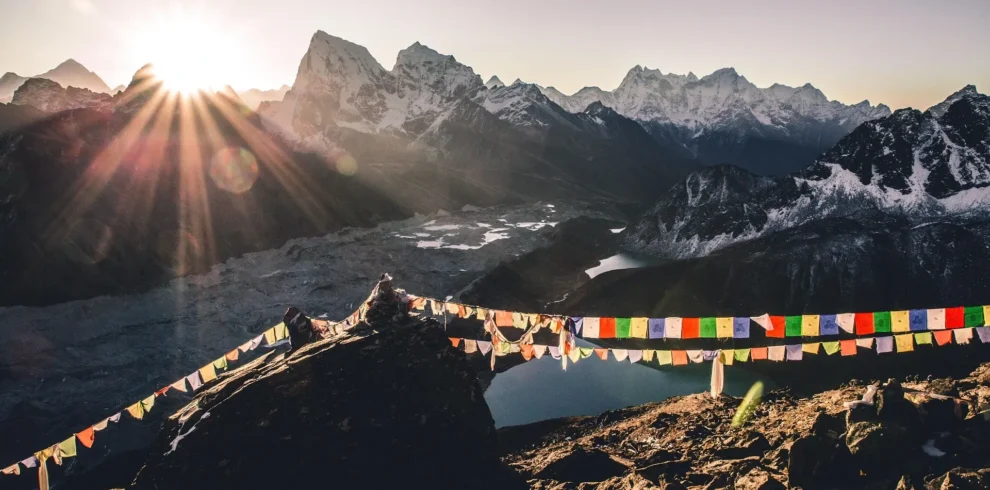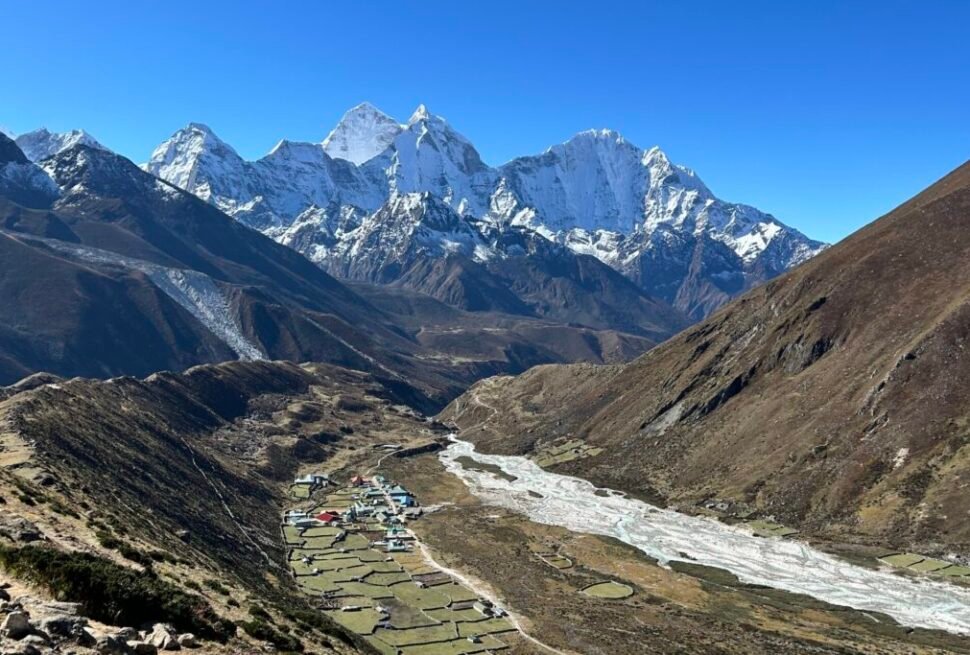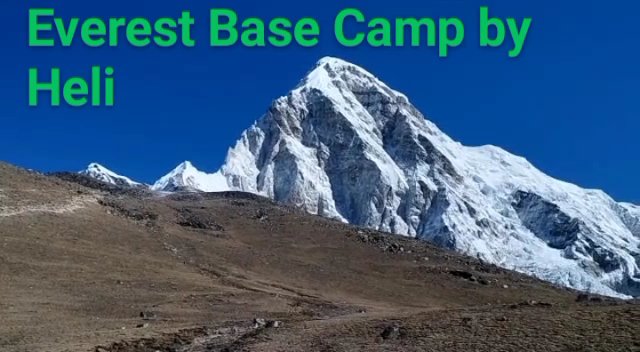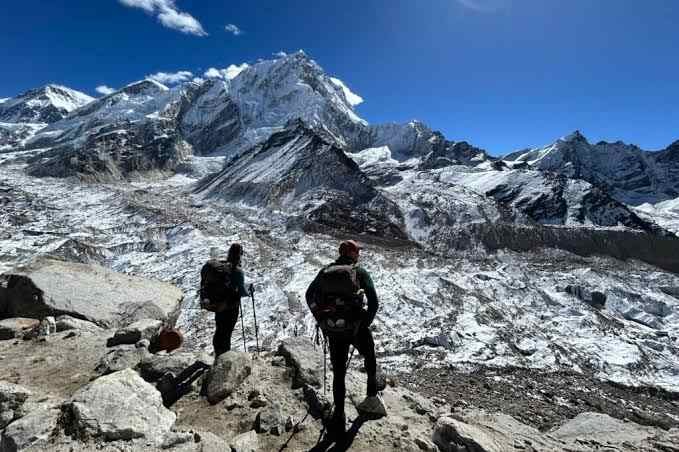
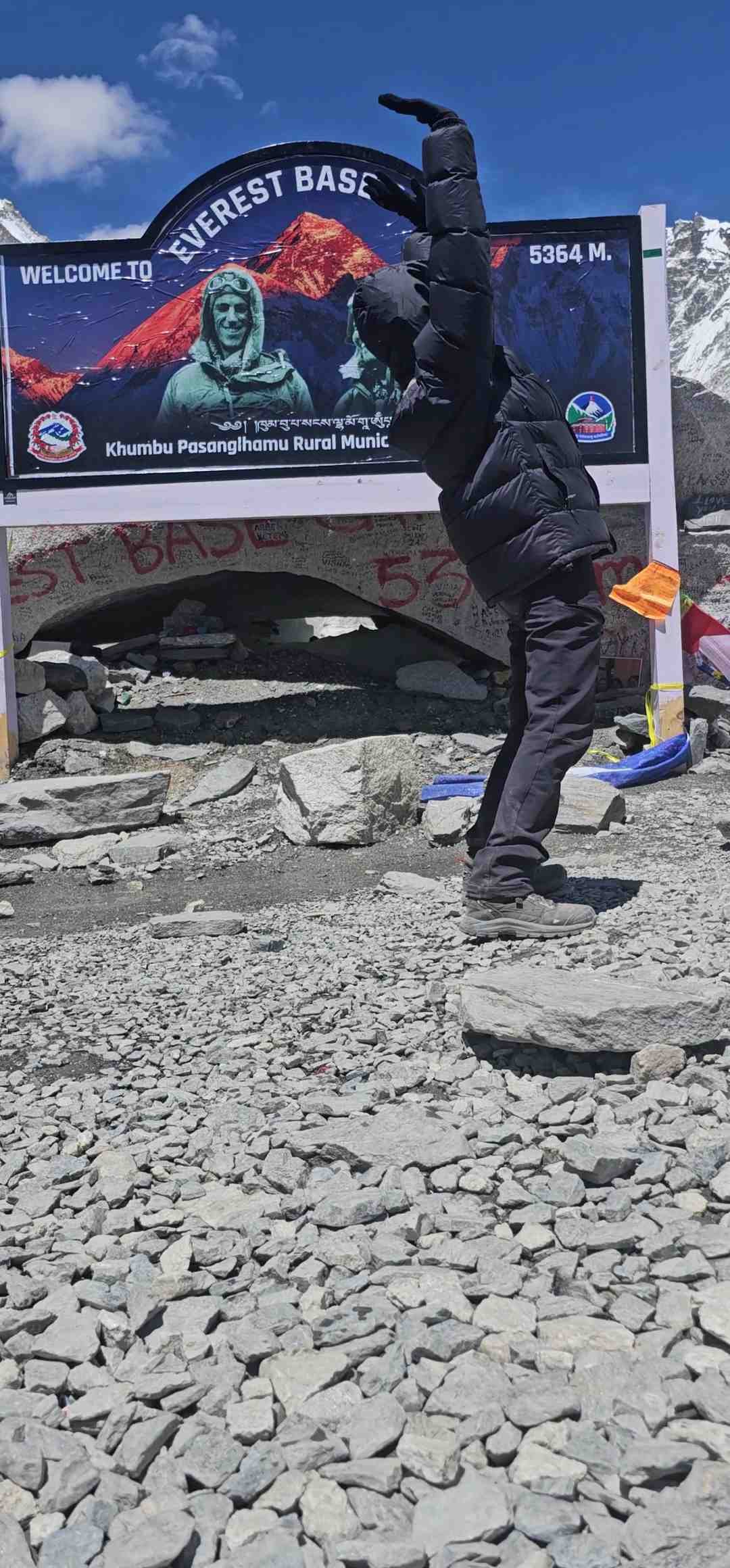
Spring is the second major trekking season in the Khumbu. Running from March through May, it brings warming temperatures, rhododendron forests in full bloom, and the extraordinary spectacle of the Everest climbing season at its peak. The Everest Base Camp trek in spring is warmer, more colourful, and energetically different from the post-monsoon autumn season.
Spring EBC Season: Overview
| Season window | March through May |
| Peak crowds | Mid to late April |
| Best conditions month | April |
| Rhododendron bloom | March (early, lower trail) to April (peak, 2,500-3,500 m) |
| Everest expedition season | April to May; summit bids peak in mid-May |
| Monsoon risk | Arrives late May; plan to complete trek by May 20 |
| Gorak Shep night temps | -20C (March) to -10C (April) to -5C (May) |
The Three Spring Months
March: The Quiet Opening
March is the start of the spring season with the lowest trekker numbers of any prime trekking month. Conditions begin cold and winter-like in early March before warming progressively. The first rhododendron blooms appear in the lower valley forest from mid-March. Snow above 4,000 m is possible throughout the month but the trail is manageable with the right gear. March is the value month of spring: good to very good conditions with moderate crowd density.
April: The Warm Peak
April is the spring equivalent of October, the headline month, the one that fills up first, the one with the best overall conditions within the season. Temperatures are comfortable on the lower trail (trekking in a fleece and base layer is enough below Namche on walking days). Rhododendrons are at full peak bloom in the lower valley. Base Camp is alive with expedition activity. April commands the highest spring prices and requires advance booking. It is absolutely worth it for those who plan ahead.
May: The Warm End
May offers the Everest summit season at its most dramatic. Hundreds of climbers from around the world converge on Base Camp for their summit bids in the May weather window. Trekking to Base Camp in early May means walking into an expedition city. Temperatures are the warmest of any trekking month at lower elevations. The trade-off is afternoon cloud building earlier and more persistently than in April, and the approaching monsoon creating weather uncertainty in the final week of May. Complete your May EBC trek by May 20 to stay ahead of the monsoon.
Spring Temperature by Month
| Village | March Night | April Night | May Night |
|---|---|---|---|
| Namche Bazaar (3,440 m) | -5 to 0C | 0 to +5C | +4 to +8C |
| Dingboche (4,410 m) | -12 to -7C | -6 to 0C | -3 to +2C |
| Lobuche (4,940 m) | -16 to -12C | -10 to -6C | -6 to -2C |
| Gorak Shep (5,140 m) | -20 to -15C | -16 to -10C | -8 to -4C |
Planning Your Everest Trek?
Get local expert advice on cost, itinerary and the best time to go.
The Rhododendron Factor
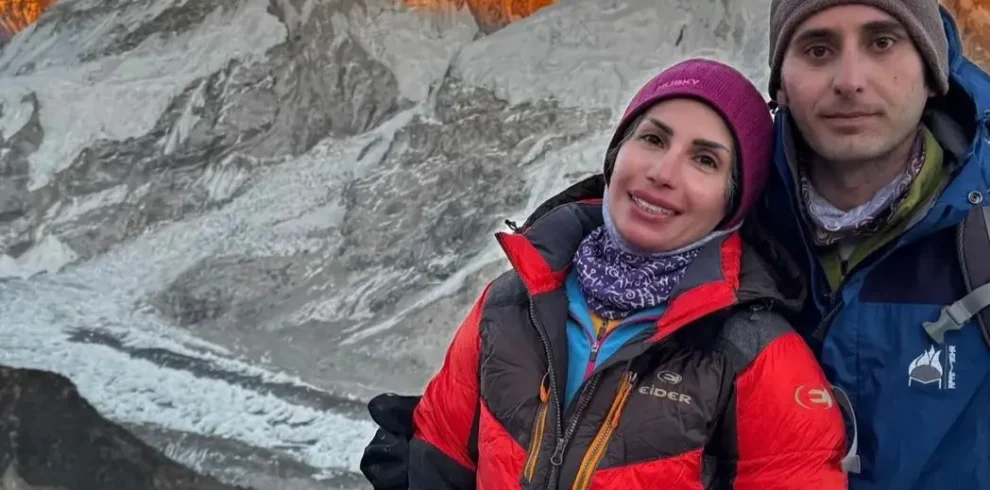
No other trekking season shows the Khumbu vegetation like spring. The Sagarmatha National Park lower zone (Lukla to Namche, 2,600 to 3,500 m) is dominated by rhododendron forest. In spring, these trees burst into impressive colour. Red, pink, and white blooms cover the hillsides from Phakding upward. The peak colour window is typically mid-March at lower altitudes (2,600 to 3,000 m) and April at slightly higher elevations (3,000 to 3,500 m). Full bloom in the forest between Phakding and Namche in April is one of the most beautiful lower-trail experiences in Himalayan trekking. The contrast with October’s bare post-monsoon trail is striking. No other season offers this spectacle.
Everest Expedition Season: What to Expect at Base Camp
The spring climbing season transforms Everest Base Camp from an empty rocky plateau to the highest-altitude tent city on earth. By April, expedition teams from dozens of countries are camped in designated zones at Base Camp. The area is organized by the Liaison Officers and national mountain associations. Trekkers cannot enter expedition camps but can see the full setup from the designated trekker viewing area.
The sight of dozens of expedition tents, flags, satellite equipment, yak trains, and climbers gearing up for the world’s highest summit is extraordinary. In May, the pre-summit activity intensifies as weather windows approach. Being at Base Camp in early May during a summit push day, with climbers visible on the upper mountain and the buzz of radio communication audible, is unlike any other trekking experience available anywhere.
Spring vs Autumn: Which Is Better?
| Factor | Spring (Mar-May) | Autumn (Sept-Nov) |
|---|---|---|
| Mountain views | Good to very good | Excellent (best of year) |
| Lower trail scenery | Rhododendron bloom | Autumn colours; post-rain green |
| Temperature comfort | Warmer; more forgiving | Cooler; more bracing |
| Base Camp atmosphere | Active expeditions; exciting | Quiet; tents gone |
| Peak month crowds | April (very high) | October (very high) |
| Monsoon risk | Late May | None until following June |
| Afternoon cloud | More frequent than autumn | Minimal |
Neither season is objectively better. Spring is warmer and more colourful on the lower trail with the expedition season at EBC. Autumn has the clearest mountain views and the most stable weather. Many regular EBC trekkers eventually do both and find them genuinely complementary experiences.
Spring Packing Priorities
Spring packing is more layered in approach than winter. The lower trail is warm enough for light layers while the upper trail above Lobuche still requires serious cold-weather equipment. Key spring kit: down jacket rated to -10C (adequate for April), sleeping bag rated to -10C (April) or -15C (March), light trekking clothes for lower trail warm days, waterproof jacket (for occasional spring rain and snow above 4,000 m), sun protection (spring sun at altitude is intense). Full EBC packing list with spring-specific sections.
Frequently Asked Questions
Is spring or autumn better for EBC?
Both are excellent. Autumn (October) has the best mountain views and the most stable weather. Spring (April) is warmer, has rhododendrons in bloom, and the active Everest expedition season at Base Camp. Choose autumn for optimal conditions; choose spring if you prefer warmth and want the expedition atmosphere.
What happens at Base Camp during the spring expedition season?
Everest Base Camp (south side, Nepal) is the staging area for all spring Everest expeditions. By April, 30 to 50+ expedition teams are camped at Base Camp preparing for summit bids. Trekkers visit the designated trekker area near the entrance. The access route and camps are managed by the Sagarmatha Pollution Control Committee (SPCC). Trekkers cannot enter expedition camps.
Is the monsoon a risk in spring?
Not in March or April. The Nepal monsoon typically arrives in late May. For May treks, complete your route and descent through Lukla by May 20 to maintain a comfortable buffer. Your everest trekking company tracks current-season weather patterns and can advise on optimal timing within May.
Spring EBC Month by Month
| Month | Temp Namche | Views | Flowers | Crowds | Key Feature |
|---|---|---|---|---|---|
| March | 5-10C | Very Good | Beginning below 3,000m | Low-Moderate | First spring, quiet trail, low cost |
| April | 8-13C | Very Good | Peak bloom (2,500-3,500m) | High | Best spring month, rhododendron peak, expedition season starts |
| May | 10-15C | Good (morning) | Blooming at higher elevations | High then tapering | Everest summit window, pre-monsoon clouds building |
Spring vs Autumn: Which Season Is Better for EBC?
| Factor | Spring (March-May) | Autumn (Sept-Nov) | Winner |
|---|---|---|---|
| Scenery | Rhododendron blooms, green landscape | Post-monsoon green, no flowers but vivid colours | Spring (flowers) |
| View clarity | Good but slight pre-monsoon haze by May | Outstanding, clearest air of year | Autumn |
| Mountain photos | Good | Best of the year | Autumn |
| Expedition atmosphere | Yes, Everest climbing season | No expeditions | Spring (unique) |
| Crowd level | High in April | Very high in October | Roughly equal |
| Weather risk | Pre-monsoon showers possible in May | Very stable | Autumn |
| Overall best month | April | October | Autumn overall |
Rhododendron Bloom Zones on the EBC Trail in Spring
| Trail Section | Altitude | Bloom Timing | Rhododendron Species |
|---|---|---|---|
| Lukla to Phakding | 2,600-2,800m | Late February to late March | Red rhododendron, mixed species |
| Phakding to Namche forest | 2,800-3,200m | March to mid-April | Pink and red rhododendrons, magnolia |
| Namche to Tengboche forest | 3,200-3,800m | Mid-March to late April | Red, white, and pink varieties |
| Tengboche area | 3,800-4,000m | Late April to mid-May | High-altitude white rhododendron |
Spring EBC Itinerary: Best Timing
For the best spring trekking experience, plan your departure from Kathmandu for these windows:
| Departure Window | What You Get | What You Miss |
|---|---|---|
| March 10-25 | Quiet trails, lower prices, early flowers below 3,000m, icy upper trail | Full rhododendron bloom, warm temps |
| April 1-20 | Peak rhododendron bloom, good temps, expedition atmosphere beginning | Nothing major |
| April 20-May 10 | Higher elevation flowers, Everest summit excitement, warm temps | Increasing crowds, some pre-monsoon risk |
| May 10-25 | See expedition climbers at EBC, warm lower trail | Pre-monsoon cloud builds, Lukla flight risk increases |
Spring EBC FAQ
What makes April the best spring month for EBC?
April combines peak rhododendron blooms, comfortable temperatures, reliable weather, and the start of the Everest expedition season. The trail is alive with colour at lower elevations, the skies are clear before pre-monsoon haze sets in, and the energy of expedition teams makes EBC uniquely exciting. It is the only month where you can see a base camp full of Everest climbers preparing for summit attempts.
Are there any Nepal festivals during spring EBC?
Holi (Festival of Colours) falls in late February or early March. Buddha Purnima (Buddha’s Birthday), a major celebration in the Sherpa community, falls in April or May. Tengboche Monastery holds special puja ceremonies during Mani Rimdu festival in November, but spring festivals in the Khumbu tend to be smaller community celebrations.
Is spring or autumn better for photography?
Both seasons have distinctive advantages. Autumn gives sharper mountain clarity and best conditions for landscape mountain shots. Spring offers the unique colourful foreground of rhododendron forests against snowy peaks, and the fascinating cultural scene of expedition teams at EBC. Many photographers prefer spring for its variety of subjects.
Are flights more delayed in spring or autumn?
Autumn (especially October and November) has the most reliable Lukla flights of the year. Spring is good in March and April, but May brings pre-monsoon afternoon clouds that can delay flights. For maximum flight reliability, October and November are the best months.
Conclusion
Spring brings the Everest Base Camp trek alive in ways autumn cannot. Blooming forests, warm walking days, expedition energy at Base Camp, and the personal warmth of the Khumbu coming back to life after winter. Whether you go in March for quieter trails, April for the peak spring experience, or early May for summit season drama, the Khumbu in spring is one of the great mountain trekking experiences on earth. Book with a reliable everest trekking company and get on the trail before the rhododendrons drop their petals.
Spring EBC Trekking: Rhododendrons, Expeditions and Peak Season Energy
Spring (March–May) is the second great EBC trekking season and the primary Everest climbing season. Trekking to Base Camp in spring means witnessing the Khumbu at one of its most spectacular phases: rhododendron forests in full bloom in the lower valley, warming temperatures after winter, and the unique spectacle of the world’s largest gathering of mountaineering expedition teams at Everest Base Camp. For trekkers who want to experience the full drama of the Everest climbing season alongside their trek, spring is unmissable.
March: Early Spring and Rhododendron Season
March is one of the most beautiful months to trek below 3,500 m in the Khumbu. The rhododendron forests between Lukla (2,860 m) and the approaches to Namche (3,440 m) burst into bloom from mid-March — the tree rhododendrons of the Khumbu are the largest in Nepal and their flowers, ranging from crimson to pale pink to white, transform the forest sections into one of the most visually spectacular trail environments in the Himalaya. March temperatures at Namche: 4–12°C daytime, -5 to 0°C night. Above 4,500 m, March remains cold — Lobuche nights at -12°C to -5°C are normal. The trail is quieter in March than in April–May, making it an excellent choice for trekkers who want spring scenery without peak-season crowds.
April: Peak Spring Season and Expedition Activity
April is the busiest spring month and the height of the Everest expedition season. The mountain’s commercial expeditions — typically 20–30 teams with a combined 300–500 members including climbers, Sherpa high-altitude workers, guides, and support staff — are established at Base Camp from late March and active on the mountain from April onward. Reaching Base Camp in April means walking into a functioning expedition city: hundreds of coloured tents, kitchen tents, communications tents, and the constant movement of teams preparing for summit attempts through the Khumbu Icefall.
For trekkers fascinated by mountaineering, April Base Camp is an extraordinary experience — you can see the fixed ropes on the lower Khumbu Icefall, observe expedition logistics first-hand, and occasionally (with appropriate discretion) speak with team members during their rest days at Base Camp. The energy and scale of the expedition city adds an element to the April EBC experience that no other month can replicate.
Trail conditions in April are generally good — the winter snowpack has mostly cleared above 4,000 m by late March/early April, and pre-monsoon precipitation typically takes the form of afternoon snowfall above 4,500 m rather than persistent rain at lower elevations. The famous afternoon cloud build-up of spring (developing from 12–2 PM, obscuring summit views by early afternoon) is worth accounting for in daily schedule planning — early starts and early arrivals maximise clear-sky mountain time.
Planning Your Everest Trek?
Get local expert advice on cost, itinerary and the best time to go.
May: Late Spring and Pre-Monsoon Transition
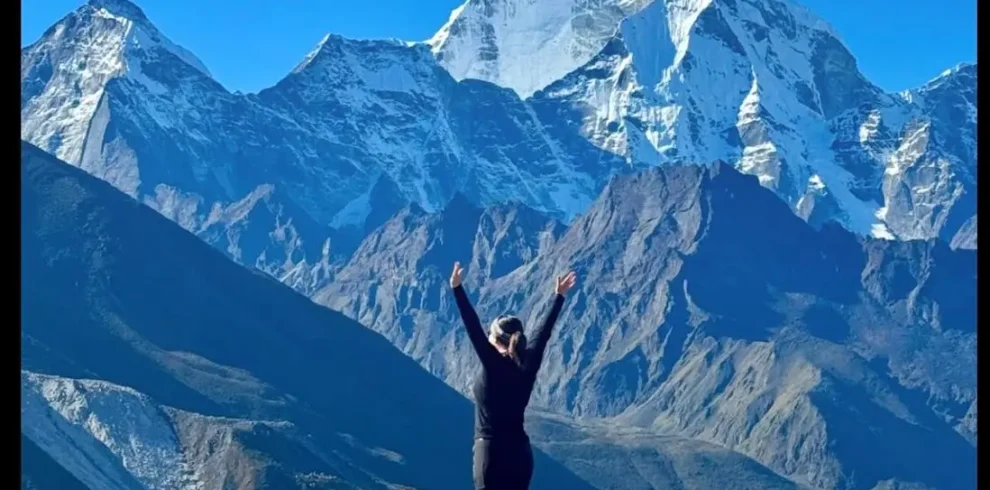
May is a complex month on the Khumbu. Early May (1–15 May) offers conditions similar to late April — expedition season at full intensity, reasonable trekking weather, and excellent mountain views in the morning. By mid-to-late May, pre-monsoon weather patterns begin to establish — increasing cloud, occasional heavier precipitation below 3,500 m, and reduced certainty of clear summit views above 5,000 m. Many experienced trekkers and operators consider May 10–20 to be approximately the end of the reliable spring trekking window, with the pre-monsoon transition making mid-to-late May less predictable.
For trekkers targeting the summit-season atmosphere at Base Camp, May 1–15 is excellent. For those prioritising mountain views from Kala Patthar, late March or early April delivers clearer conditions. Everest Trekking Company advises spring clients on optimal date targeting based on their specific priorities — expedition viewing vs. mountain photography vs. rhododendron scenery — when planning their Everest Base Camp Trek.
Spring vs. Autumn: The Definitive Comparison
| Factor | Spring (Mar–May) | Autumn (Sep–Nov) |
|---|---|---|
| Best months | Late March / Early April | October / Early November |
| Mountain visibility | Good mornings, cloud PM | Excellent all day |
| Trail flowers | Outstanding (rhododendrons) | Foliage colours (moderate) |
| Expedition activity | Full season at Base Camp | None (post-season) |
| Temperatures | Warmer days, cool nights | Cool-cold all around |
| Crowds | High (April peak) | Very high (October peak) |
| Trail snow above 5000m | Possible in March | Possible in November |
For first-time EBC trekkers: if your priority is mountain views, choose autumn. If your priority is the expedition atmosphere or botanical scenery, choose spring. Both seasons deliver an exceptional experience — the choice ultimately comes down to your specific travel window and which unique elements matter most to you. Contact Everest Trekking Company and we will help you make the decision that is right for your EBC trek.
Spring EBC Booking and Planning
Book spring EBC departures at least 3–4 months in advance — March departures book from December; April departures from January; May from February. Peak dates in early-to-mid April (coinciding with maximum expedition season activity at Base Camp) are particularly in demand and should be booked by November–December for the following spring. Everest Trekking Company runs fixed-departure spring group treks and custom private spring treks throughout March, April, and May. Browse available spring dates and reserve your Everest Base Camp Trek at everesttrekkingcompany.com. Spring on the Khumbu is waiting — and it is magnificent.
Spring EBC: What to Pack
Spring packing requires slightly different priorities than autumn. The warmer daytime temperatures below 3,500 m in April–May mean that summer-weight base layers are appropriate for the lower trail (the same merino wool approach but in lightweight rather than midweight fabric). Above 4,000 m, spring temperatures are cold at night regardless of the calendar — the same four-season sleeping bag and heavyweight down jacket are needed for Lobuche and Gorak Shep in spring as in autumn. The primary spring packing additions over the autumn list: more extensive waterproofing for the lower sections (spring rain below 3,500 m), sunscreen in the highest SPF available (spring UV at altitude is intense), and a slightly lighter pack weight overall since nights below Namche are warmer and fewer heavy base layers are needed for the lower valley.
Specific spring gear notes: glacier sunglasses are essential from Dingboche onward in spring — snowfields above 4,500 m are at their most reflective in the April–May sun angle. Gaiters are useful on the final approach to EBC in April–May when expedition teams have broken the trail through variable snow and ice on the glacier moraine approach. Trekking poles should have removable baskets for switching between rocky trail and occasional snow patches on upper sections.
Spring Wildlife and Natural Highlights
Spring is the season for wildlife activity in the Khumbu. Himalayan monals and pheasants are displaying for mates from March through May. Himalayan wolf, snow leopard, and blue sheep are most active at dawn and dusk during spring as they adjust to the warming temperatures. The Himalayan griffon vulture and golden eagle soar on the thermal currents above the Namche valley in spring. The abundance of wildflowers from rhododendrons at lower elevations to yellow Potentilla and purple Primula in the high alpine zones makes spring botanically the richest season on the trek. For naturalists and wildlife photographers, spring EBC offers dimensions that autumn cannot match.
The Everest Expedition Season: What Trekkers See at Base Camp
Reaching Everest Base Camp in April or May means arriving at a genuinely extraordinary human spectacle. The Khumbu icefall — the technically demanding ice formation that all summit-bound teams must cross — is equipped with aluminum ladders, fixed ropes, and safety lines placed by the Icefall Doctors (a team of Sherpa specialists who maintain the route through the constantly moving ice). From the Base Camp viewpoint, trekkers can watch rope teams descending from higher on the mountain and observe the crevasse-navigation challenges of the icefall approach.
The expedition camps themselves are arranged by team, each with distinctive colour-coded tents. Large commercial operators (Furtenbach Adventures, Alpine Ascents, Madison Mountaineering, and a dozen other major teams) have substantial Base Camp setups with dining tents, communication equipment, and medical facilities. The total population of Base Camp during peak April–May season can reach 600–800 people. This scale is simultaneously impressive and thought-provoking — the commercialisation of Everest is a complex topic that our guides discuss openly with interested trekkers who want to understand both the achievements and the controversies of modern Everest mountaineering.
Spring EBC Safety Considerations
Spring brings one specific safety consideration that is absent in autumn: avalanche activity. The warming spring temperatures increase serac fall and avalanche frequency on the upper faces of the Khumbu valley peaks. The route to EBC across the lower Khumbu Glacier moraine passes below areas of potential serac fall from the west face of Nuptse. Everest Trekking Company guides are briefed on current avalanche conditions before each departure and time movement through exposed sections to minimise risk (typically moving early morning when temperatures are coldest and serac fall least likely). No EBC trek — in any season — can eliminate avalanche risk entirely in a glaciated mountain environment; our protocols minimise it to the extent practically possible.
Ready for spring on the Khumbu? The rhododendrons, the expedition energy, the warming mountain mornings, and the world’s most famous trek are all waiting. Book your Everest Base Camp Trek with Everest Trekking Company today at everesttrekkingcompany.com and join the season that puts Everest at its most alive and most dramatic.
Spring EBC: Day-by-Day Highlights Specific to the Season
Day 1–2 (Lukla to Namche): The lower forest sections between Phakding and Namche are in spectacular bloom from mid-March. Rhododendrons reach their peak from late March through mid-April. The forest at its bloom peak is one of the most beautiful trail environments in Nepal — the vivid crimson flowers against the dark green rhododendron leaves and the backdrop of snow peaks above makes photography here genuinely exceptional. Walk slowly through the forest sections and enjoy what will be one of the season’s great visual gifts.
Days 3–4 (Namche): The Namche viewpoint acclimatisation hike in spring rewards with spectacular valley-of-flowers perspectives. Bird activity is at its peak — the forest around the Namche rim is alive with Himalayan monals, pheasants, and songbirds in spring. The Namche bakeries have a wider menu in spring season (when staffing is at peak) and the Saturday market is at its most vibrant.
Day 5 (Tengboche): Spring evenings at Tengboche monastery are extraordinary — prayer sessions at the main Tengboche gompa occur daily and the monks are in full residence in spring season. The golden interior of the monastery, illuminated by butter lamps at evening prayer, is one of the most atmospherically powerful sights on the entire trek. Attend the 5 PM prayer session if you arrive at Tengboche before sunset.
Days 6–7 (Dingboche): Spring sunshine warms the Dingboche bowl to surprisingly comfortable midday temperatures in April — some trekkers eat lunch outdoors in shirtsleeves at 4,410 m in April sun. The acclimatisation hike to Nagarjun reveals the Amphu Lapcha glacier and Island Peak in their spring-snow glory. Expedition resupply helicopter flights are visible from Dingboche in April–May — the constant shuttle between Lukla and Base Camp is an audible and visual reminder of the extraordinary logistics operation happening above you.
Days 8–9 (EBC and Kala Patthar): Base Camp in April–May is, as noted, a genuinely remarkable spectacle. Kala Patthar in spring requires an early start to beat both the cloud build-up and the wind that develops from 9–10 AM. The 3:30–4:00 AM pre-dawn departure from Gorak Shep is cold but worth every shivering step — sunrise from Kala Patthar over the expedition-season Everest is an experience that combines the mountain’s natural magnificence with the human drama of the world’s greatest climbing challenge playing out below you.
Plan your spring Everest Base Camp Trek with Everest Trekking Company and experience the Khumbu at its most alive. Browse spring departure dates and book at everesttrekkingcompany.com.
Spring EBC: Insider Tips from ETC Guides
After guiding hundreds of spring EBC treks, the Everest Trekking Company team has refined a set of spring-specific tips that consistently improve the experience. Depart Gorak Shep for Kala Patthar at 3:30 AM rather than the 4:00 AM recommendation — the extra 30 minutes gives you a buffer to reach the summit and observe the full sunrise sequence before wind develops. Visit Tengboche monastery at 5 PM on the evening of arrival for the prayer session — one of the most atmospheric experiences on the trek. Book the Namche acclimatisation viewpoint hike for early morning rather than mid-morning — the view of the Everest massif from the Namche rim is clearest in the 7–9 AM window before spring haze develops. Carry a wide-angle lens or phone portrait mode for the rhododendron sections below Namche — the tree-scale flowers require a wider frame than mountain telephoto shots. Contact Everest Trekking Company for the full spring briefing when you book the Everest Base Camp Trek — we share all our accumulated season-specific guidance with every client before departure. Book at everesttrekkingcompany.com and trek with the team that knows spring EBC inside out.
The Khumbu valley is magnificent in every season — each one reveals a different aspect of the world’s greatest mountain landscape. Whatever month you choose, Everest Trekking Company will prepare you for it, guide you through it, and ensure the Everest Base Camp Trek exceeds every expectation you bring to the mountains. Book today at everesttrekkingcompany.com.
Spring EBC: Final Planning Checklist
For trekkers finalising spring EBC plans, here is the essential checklist from the Everest Trekking Company pre-departure team. Book by December for April departures. Confirm travel insurance with helicopter evacuation from 5,500 m. Purchase or rent a down jacket rated to at least -15°C comfort (colder than many spring trekkers expect at Gorak Shep). Download offline maps of the Khumbu (Maps.me Khumbu dataset). Break in your trekking boots over 80+ km before departure. Complete medical checkup confirming no cardiovascular contraindications for altitude. Start Diamox consultation with your GP at least 6 weeks before departure. Pre-book or confirm spring Kathmandu hotel accommodation (popular hotels in Thamel book up in March–April). Contact Everest Trekking Company to receive the complete pre-departure briefing package for spring EBC — sent to all confirmed clients 6–8 weeks before departure. Book the Everest Base Camp Trek at everesttrekkingcompany.com and begin the adventure of a lifetime.
Spring on the Khumbu is the season of contrast: rhododendron flowers at 3,000 m and expedition dreams at 8,849 m, blooming forests and snowing passes, morning clarity and afternoon cloud drama. It is the EBC trek at its most alive and most full of possibility. Book your spring Everest Base Camp Trek with Everest Trekking Company and experience the season that makes the Himalaya’s greatest trek one of the world’s most extraordinary journeys.
Spring on the Khumbu delivers everything the EBC trek promises — and then adds the rhododendrons, the expedition drama, and the extraordinary warmth of a mountain world waking from winter. Book your spring Everest Base Camp Trek with Everest Trekking Company today at everesttrekkingcompany.com.
The Everest Base Camp Trek is one of the world’s great adventures — and Everest Trekking Company makes it accessible, safe, and extraordinary in every season. Explore all options, choose the right season, and book with the team that knows the Khumbu better than anyone in Nepal. Visit everesttrekkingcompany.com today.
Spring EBC combines the blooming lower valleys, the energy of expedition season at Base Camp, and the clean crisp mornings of a Himalayan spring into one of the world’s truly exceptional trekking experiences. Everest Trekking Company guides spring EBC with the same depth of expertise that defines every departure we operate. Book the Everest Base Camp Trek today and make this spring the one you walk to the foot of the world’s highest mountain. Contact us or visit everesttrekkingcompany.com to start planning.
Spring transforms the Khumbu valley from winter white to blooming, alive, and extraordinary. The Everest Base Camp Trek in spring is one of the world’s truly unmissable mountain experiences. Book it with Everest Trekking Company — Nepal’s most trusted Everest trekking company — and join the season that makes the mountains most alive.
Book spring. Book autumn. Book winter. Whatever your season, Everest Trekking Company will guide the Everest Base Camp Trek with the expertise, safety, and passion for the Khumbu that defines everything we do. Book at everesttrekkingcompany.com.
Spring EBC: where rhododendrons and ice axes share the same mountain season. Book the Everest Base Camp Trek with Everest Trekking Company and walk into one of the world’s most dramatic seasonal confluences. Contact us at everesttrekkingcompany.com.
Spring EBC is the Khumbu’s most cinematic season — blooming forests, expedition drama, and mountain views that reward every early morning start. Book the Everest Base Camp Trek this spring with Everest Trekking Company.
Every spring season at Everest Trekking Company we help hundreds of trekkers reach Everest Base Camp safely and memorably. Start planning your spring EBC adventure today.
Planning Your Everest Trek?
Get local expert advice on cost, itinerary and the best time to go.