Choosing the best Everest Base Camp trek company is the single most important decision you’ll make before traveling to Nepal. The Everest Base Camp Trek is not a casual mountain holiday; it is a high-altitude expedition through the Khumbu region, where proper planning, experienced guides, safe acclimatization, reliable logistics, and honest communication can make the difference between a life-changing adventure and a dangerous disappointment.
Every year, thousands of trekkers from the United States, the United Kingdom, Australia, Canada, Europe, Singapore, India, and beyond arrive in Nepal with one dream: to stand at Everest Base Camp and witness the world’s highest mountain range with their own eyes. But before the first step on the trail, every trekker faces the same critical question: which company should I book with?
There are hundreds of trekking companies in Nepal. Some are large international brands. Some are local family-run agencies. Some are highly professional; others compete only on price. For a normal city tour, a poor operator may cause minor inconvenience. But for Everest Base Camp, the wrong company can mean rushed acclimatization, hidden costs, poor teahouse arrangements, inexperienced guides, unfair porter treatment, and unsafe decisions at altitude.
That is why choosing the right Everest Base Camp trek company matters more than you think.
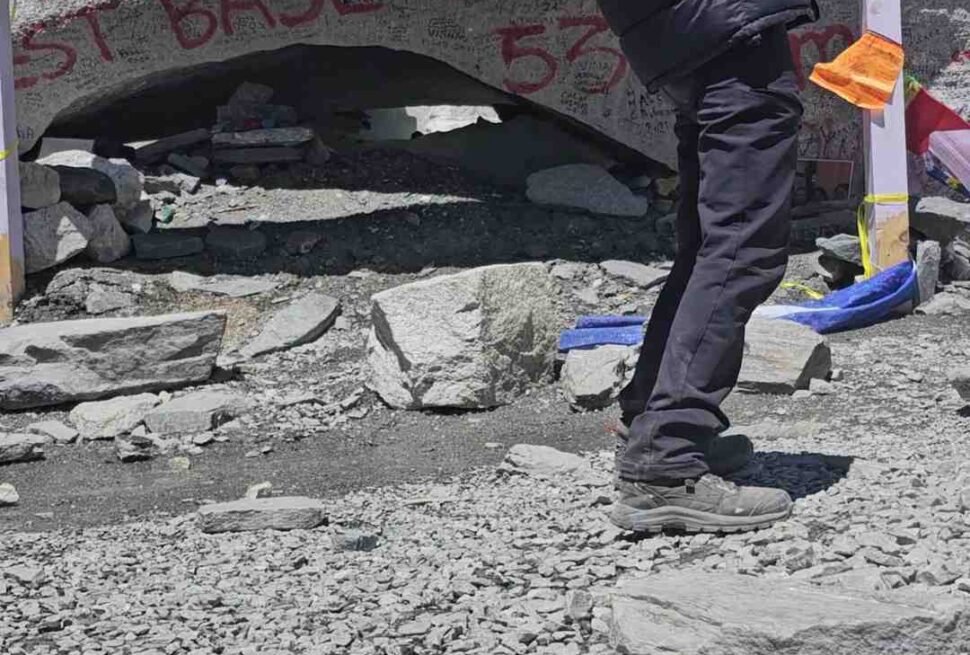
At Everest Trekking Company, we focus exclusively on the Everest region and the Khumbu trail. Our work is built around experienced local guides, carefully paced itineraries, transparent pricing, zero hidden costs, and strong high-altitude safety support. Our Everest Base Camp Trek package features a 14-day itinerary, Everest Base Camp at 5,364 meters, Kala Patthar at 5,555 meters, included permits, experienced guides, and safety-focused support.
This guide will help you understand what makes a trekking company reliable, what questions to ask before booking, what to avoid, and why a local Everest specialist can offer a safer, better experience than a general operator.
Why Choosing the Right Everest Base Camp Trek Company Matters
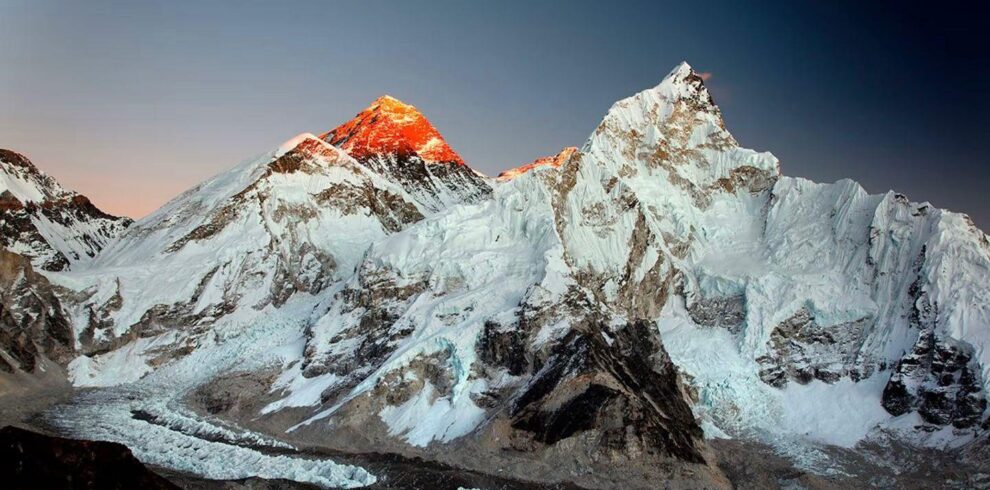
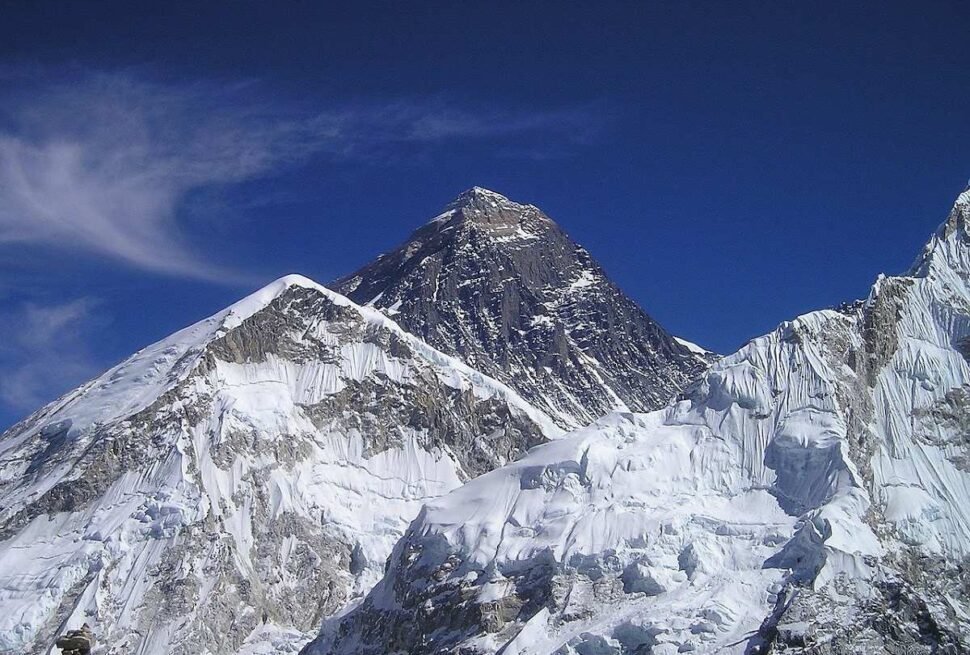
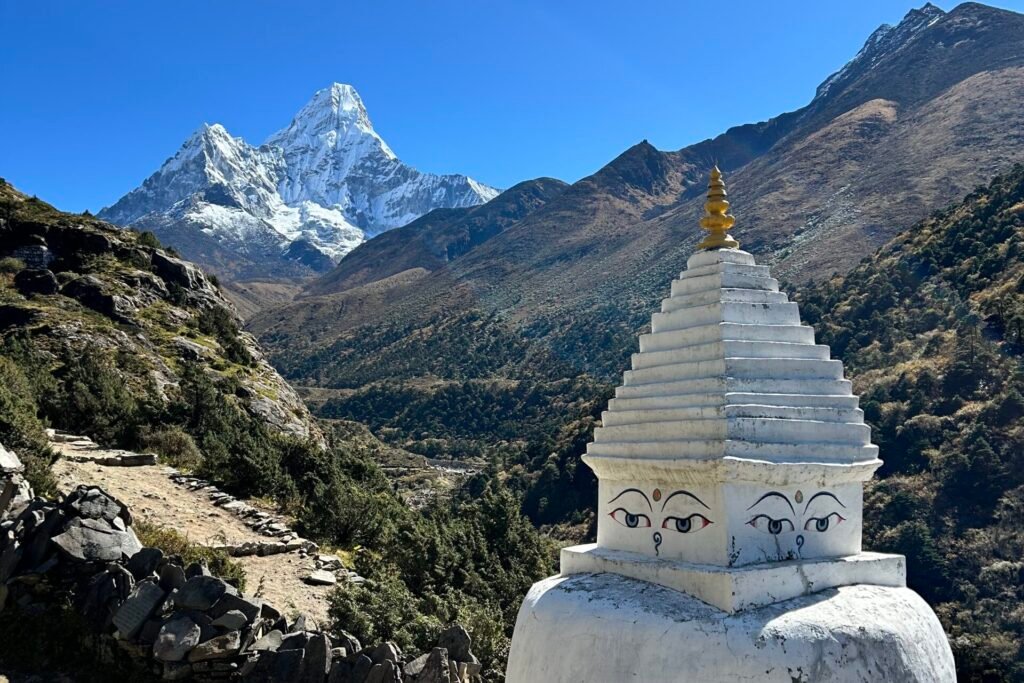
The Everest Base Camp Trek takes you from Kathmandu to Lukla and then deep into the Himalayas through Phakding, Namche Bazaar, Tengboche, Dingboche, Lobuche, Gorak Shep, Everest Base Camp, and Kala Patthar. The trail is not technical climbing, but it is physically demanding because of the altitude, long walking days, cold weather, and remote location.
Above 3,000 metres, the body needs time to adjust to lower oxygen levels. The CDC advises that once above 3,000 metres, sleeping altitude should generally increase gradually, and acclimatization days should be planned during continued altitude gain. This is one of the main reasons why a good trekking company does not rush the Everest Base Camp itinerary.
A professional EBC trek company helps you with much more than booking hotels and guides. It manages permits, flights, teahouses, meals, porters, route pacing, health checks, emergency communication, weather adjustments, and client support before and during the trek.
The right company can help you:
- Understand whether you are fit enough for EBC
- Choose the best season for your dates
- Prepare the correct clothing and gear
- Avoid overpacking
- Book reliable Lukla flight logistics
- Walk at the correct pace
- Acclimatize properly in Namche and Dingboche
- Recognize early symptoms of altitude sickness
- Find the best available teahouses
- Handle flight delays or weather changes
- Arrange helicopter rescue if needed
- Return safely with good memories
Many trekkers make the mistake of choosing only by price. A very cheap package may look attractive, but it often removes important services. Sometimes cheap packages exclude meals, permits, porter insurance, airport transfers, good accommodation, or emergency support. In the Everest region, missing these details can make the trip stressful and expensive later.
The best Everest Base Camp trek company should offer fair pricing, not confusing pricing. It should explain what is included, what is excluded, what happens if your Lukla flight is delayed, how many trekkers are in the group, how many porters are provided, what safety equipment is carried, and who your guide will be.
Planning Your Everest Trek?
Get local expert advice on cost, itinerary and the best time to go.
What Makes the Best Everest Base Camp Trek Company?
The best company for Everest Base Camp is not always the biggest company or the most expensive one. The best company is the one that gives you clear information, realistic advice, safe pacing, experienced guides, good communication, and responsible service.
A trustworthy Everest trekking company should have these qualities:
- Legally registered in Nepal
- Experienced Everest guides
- Proper acclimatization itinerary
- Transparent price and inclusions
- Required permits arranged
- Responsible porter treatment
- Clear emergency support
- Real reviews from past trekkers, Honest answers to your questions
- No pressure to book quickly without understanding the trek
For Everest Base Camp, local knowledge is extremely valuable. The route may look simple on a map, but conditions change quickly. The weather can affect Lukla flights. Some teahouses are better than others. Some days require a slower pace. Some trekkers feel strong at lower altitude but struggle above Dingboche. A guide who knows the Everest trail well can notice problems before they become serious.
A good trekking company should also tell you the truth. If your schedule is too short, they should say so. If you are not sufficiently trained, they should provide preparation advice. If the weather is bad, they should explain the options. If you ask for an extremely rushed itinerary, they should not blindly agree just to sell the package.
1. Choose a Licensed and Registered Trekking Company
Before booking your Everest Base Camp Trek, check whether the company is properly registered. A registered trekking company gives you accountability, legal structure, and better reliability. It can arrange official permits, issue proper invoices, employ guides and porters legally, and take responsibility for your logistics.
Unregistered operators may offer cheaper prices, but they often work informally. This can create problems with permits, insurance, guide quality, payment protection, and emergency responsibility. A low price is not useful if the operator cannot support you when something goes wrong.
Everest Trekking Company is based in Thamel, Kathmandu, and is managed by Next Trip Nepal Treks and Expedition Pvt. Ltd. The website displays company registration details, PAN details, TAAN membership, NMA affiliation, contact information, and Kathmandu office details.
When checking any Everest Base Camp trek company, ask these questions:
- Is the company registered in Nepal?
- Does the company have a real office address?
- Does the company show contact details clearly?
- Does it provide official permits?
- Does it provide guide and porter insurance?
- Does it give written inclusions and exclusions?
- Does it have real reviews?
- Can you speak with a real person before booking?
A professional company will not hide these details.
2. Pick an Everest Specialist, Not Only a General Nepal Operator
Many Nepal trekking agencies sell every type of trip: Everest, Annapurna, Manaslu, Langtang, Mustang, Dolpo, peak climbing, rafting, jungle safari, Bhutan tours, Tibet tours, and city tours. Some of these companies are excellent. But for Everest Base Camp, a specialist company can offer a more focused, safer experience.
The Everest region has unique logistics. Lukla flights are weather dependent. During busy seasons, flights may operate from Ramechhap instead of Kathmandu. Teahouses in popular villages can become full. Altitude gain must be carefully managed. Guides need to understand where trekkers commonly struggle, where to slow down, and when to change the plan.
Everest Trekking Company focuses on Everest and the Khumbu region. The company specializes in Everest Base Camp and the Khumbu region, with local guides who know the trails, lodges, permits, and logistics.
This type of focus is important because an Everest specialist knows:
- Which teahouses are cleaner and better managed
- Where to stop for lunch on each day
- How to manage the Namche and Dingboche acclimatization days
- What pace works for first-time high-altitude trekkers
- How to prepare trekkers for the Lobuche to Base Camp day
- What to do if a client gets headache, nausea, or low oxygen reading
- How to handle Lukla weather delays
- How to adjust the trip without panic
A specialist company does not only sell the Everest Base Camp Trek. It understands the trail deeply.
3. Experienced Local Guides Are the Heart of a Successful EBC Trek
Your guide is the most important person on the Everest Base Camp Trek. A good guide does not just walk in front of you. A good guide manages safety, pace, accommodation, meals, communication, porter coordination, health monitoring, and cultural interpretation.
On the Everest trail, the guide becomes your leader, translator, safety observer, problem solver, and local connection.
A professional Everest guide should know:
- How to set a slow and steady walking pace
- How to check altitude symptoms
- When to encourage you and when to stop you
- How to arrange the best available teahouse rooms
- How to communicate with lodge owners
- How to manage porters fairly
- How to explain Sherpa culture and monasteries
- How to identify mountains along the trail
- How to handle weather changes
- How to coordinate rescue if necessary
Everest Trekking Company’s Everest Base Camp Trek page highlights experienced senior trek leaders and local guide support, including guides with many Everest Base Camp completions. This matters because a guide who has completed the route many times understands both the physical trail and the psychology of trekkers.
Some trekkers feel nervous before the trek. Some worry about altitude. Some walk too fast because they feel strong in the beginning. Some lose appetite above 4,000 metres. Some become quiet when they feel unwell. An experienced guide notices these changes and responds early.
A good Everest guide also protects your experience. They help you enjoy the trail instead of worrying about every detail. They explain what tomorrow’s walk will be like, how cold the next village may be, whether you should refill water, what food is best at altitude, and how to dress for early morning hikes.
4. A Safe Everest Base Camp Itinerary Must Include Proper Acclimatization
One of the clearest signs of a good Everest Base Camp trek company is the itinerary. If the itinerary is too rushed, it is not safe for most trekkers.
A strong EBC itinerary should include acclimatization days in Namche Bazaar and Dingboche. These are not rest days in the normal sense. They are active acclimatization days. You usually hike higher during the day and return lower to sleep. This helps the body adjust.
The standard safe idea is simple: climb high, sleep low, and do not rush altitude gain.
Everest Trekking Company uses a 14-day Everest Base Camp Trek structure and includes acclimatization at Namche Bazaar and Dingboche. The package also lists daily oxygen checks and high-altitude safety support.
A rushed itinerary may look attractive if you have limited holiday time, but it increases risk. Some companies sell short Everest Base Camp packages that move too fast. These may be possible for very fit and experienced trekkers, but they are not ideal for most first-time high-altitude trekkers.
For most international trekkers, the best Everest Base Camp trek company should recommend a realistic itinerary, not the shortest itinerary. Reaching Base Camp is not only about strong legs. It is about your body adapting to altitude.
A good company will explain that:
- Namche acclimatization is important
- Dingboche acclimatization is important
- Walking slowly is better than walking fast
- Hydration and food matter at altitude
- Headache should not be ignored
- Descending is sometimes the safest decision
- Base Camp success should never come before health
The goal is not only to reach Everest Base Camp. The goal is to reach it safely and return safely.
5. High-Altitude Safety Should Be a Priority, Not an Extra Service
The Everest Base Camp Trek reaches serious altitude. Everest Base Camp is around 5,364 metres, and Kala Patthar is around 5,555 metres. At these elevations, even strong and fit people can feel the effects of altitude.
Altitude sickness can happen to anyone. Fitness helps with walking, but it does not guarantee protection from altitude problems. Common symptoms of acute mountain sickness include headache, loss of appetite, tiredness, nausea, dizziness, and trouble sleeping.
The best Everest Base Camp trek company should take altitude seriously. It should not treat symptoms casually or push clients to continue when they are clearly unwell.
Good safety standards include:
- Slow itinerary
- Acclimatization days
- Experienced guides
- Pulse oximeter checks
- First-aid kit
- Clear descent plan
- Emergency communication
- Helicopter rescue coordination
- Travel insurance requirement
- Honest decisions from the guide
Everest Trekking Company’s EBC page mentions portable oxygen, high-altitude safety, first-aid and AMS-trained guides, helicopter rescue coordination, pre-trek briefing, and guide support.
Trekkers should also do their part. You should walk slowly, drink enough water, avoid alcohol at altitude, eat well, sleep warmly, and tell your guide immediately if you feel unwell. Never hide symptoms because you are embarrassed or afraid to slow the group.
A good guide will not judge you for feeling altitude symptoms. The guide’s job is to help you make the safest decision.
6. Transparent Pricing and No Hidden Costs
Price is one of the biggest questions when choosing an Everest Base Camp trek company. But the cheapest price is not always the best price. You need to compare what is included.
Two companies may both advertise an Everest Base Camp Trek for a similar price, but one package may include meals, permits, domestic flights, guide, porter, airport transfer, and accommodation, while another may exclude important items.
Before booking, ask what is included in the price:
- Kathmandu airport pickup and drop
- Domestic flight to and from Lukla
- Guide
- Porter
- Porter insurance and equipment
- Sagarmatha National Park permit
- Khumbu Pasang Lhamu fee
- TIMS card if included by the company
- Teahouse accommodation
- Meals during the trek
- Kathmandu hotel
- Sleeping bag or down jacket
- First-aid support
- Oxygen or emergency equipment
- Government tax and service charge
Also ask what is not included:
- International flights
- Nepal visa fee
- Travel insurance
- Hot shower
- Wi-Fi
- Battery charging
- Mineral water
- Personal snacks
- Tips for guide and porter
- Extra nights due to flight delay
- Helicopter rescue cost if insurance does not cover it
Everest Trekking Company’s website highlights transparent pricing, no hidden costs, and no upfront payment required. Its Everest Base Camp Trek page lists pricing by group size and provides detailed package information.
This is important for trust. Many trekkers do not like paying a large advance before arriving in Nepal. A no-upfront-payment approach can make booking easier and more comfortable, especially for clients who want to speak with the team first.
The best Everest Base Camp trekking company should not surprise you with extra costs after you arrive. Everything should be clear before the trek begins.
7. Required Permits Should Be Managed Properly
The Everest Base Camp Trek requires official permits. These are normally arranged by your trekking company when you book a package.
The main permit for Sagarmatha National Park is listed by Nepal Tourism Board under national park entry fees, with foreigner entry at NPR 3,000 per person. Everest Trekking Company’s EBC page also mentions Sagarmatha National Park, Khumbu Pasang Lhamu fee, and TIMS card as included in the package.
A good company should arrange permits before or during the start of the trek and ensure all documents are correct. You should normally provide a passport copy and travel insurance details for company records.
Permit handling may sound simple, but it is still important. Incorrect permit planning can cause delays at checkpoints or confusion on the trail.
The best Everest Base Camp trek company will tell you clearly:
- Which permits are required
- Whether permits are included in the price
- What documents you need to send
- Where permits are checked
- Whether any local fee is payable separately
- Whether TIMS is included in their company policy
If a company is vague about permits, that is not a good sign.
Planning Your Everest Trek?
Get local expert advice on cost, itinerary and the best time to go.
8. Responsible Porter Service and Fair Treatment
Porters are an essential part of the Everest Base Camp Trek. They carry duffel bags, support the trekking team, and make the journey easier for clients. A good trekking company must treat porters with respect.
Responsible porter service means:
- Fair wages
- Proper clothing
- Proper shoes
- Food and accommodation
- Insurance
- Reasonable weight limit
- Respectful treatment
- No overloading
Many trekkers do not see what happens behind the scenes, but porter welfare is one of the biggest differences between responsible and irresponsible companies. If a company offers an extremely cheap trek, sometimes the cost is reduced by underpaying guides or porters.
Before booking, ask:
- How many trekkers share one porter?
- What is the porter weight limit?
- Are porters insured?
- Are porters provided proper equipment?
- Are guide and porter meals included?
Everest Trekking Company’s EBC page says one porter is assigned per two trekkers and that porter wages, insurance, and gear are considered in the package.
A responsible company protects both clients and staff. This makes the trek better for everyone.
9. Local Company vs International Company: Which Is Better?
Many trekkers ask whether they should book with an international travel company or a local Nepal trekking company. Both options can work, but there are clear advantages to booking with a reliable local company.
International companies often outsource the actual trek operation to local operators in Nepal. This means you may pay a higher price, but the local team still handles the guide, porter, permits, teahouses, and logistics.
A good local Everest Base Camp trek company gives you direct access to the people who actually operate the trek. You can ask questions directly, adjust your itinerary more easily, and often receive better value for the same or better service.
Benefits of booking with a trusted local company:
- Direct communication with the operator
- Better local trail knowledge
- More flexible itinerary changes
- Fairer price
- Money supports local guides and porters
- Faster response during trek
- Real Kathmandu office support
- Better cultural connection
A local company is not automatically better. It must still be professional, registered, experienced, and transparent. But when you find a good local Everest specialist, the experience can be more personal and more authentic.
Everest Trekking Company is a Kathmandu-based Everest specialist with local guides and a clear focus on the Khumbu region.
10. Group Trek or Private Trek: Which Is Better for Everest Base Camp?
Another common question is whether to join a group trek or book a private trek. The best choice depends on your travel style, budget, fitness, and preferred flexibility.
A group trek is good if you want to:
- Meet other trekkers
- Share the experience
- Reduce cost
- Enjoy a social atmosphere
- Join fixed departure dates
- Benefit from shared motivation
- Travel as a solo trekker
A private trek is better if you want:
- Flexibility
- Personal pace
- Your own guide
- More control over the schedule
- Privacy (excellent for couples, families, friends)
- Easier plan adjustments
- More attention from guide
For Everest Base Camp, private treks can be especially helpful if you are concerned about altitude, pace, photography, or comfort. However, a well-managed small group can also be excellent.
The best Everest Base Camp trek company should offer both options and honestly explain which is better for you.
11. Reviews and Reputation Matter
Before booking any Everest Base Camp trekking company, read reviews carefully. Reviews show what past clients actually experienced.
Do not only look at star ratings. Read the details. Good reviews often mention guide names, safety, communication, itinerary, food, accommodation, and how the company handled problems.
Look for reviews that answer these questions:
- Was the guide professional?
- Was the trek organized well?
- Did the company communicate clearly?
- Were there hidden costs?
- Was the itinerary safe?
- Were porters treated well?
- Did clients feel supported at altitude?
- Did the company help during delays?
- Would clients recommend them again?
Everest Trekking Company’s homepage displays customer reviews and states that it is trusted by verified trekkers worldwide. Reviews are powerful because Everest Base Camp is a high-trust purchase. Trekkers are not only buying a package. They are trusting a company with their safety and once-in-a-lifetime dream.
If possible, ask the company to share recent reviews or connect you with past clients. A confident company will be happy to share proof of experience.
12. Communication Before Booking Is a Big Trust Signal
A good Everest Base Camp trek company should answer your questions clearly before you book. If the company is slow, vague, pushy, or confusing before booking, it may be worse after payment.
Before booking, send a message and see how they respond. Ask about itinerary, price, guide, permits, insurance, Lukla flights, altitude safety, and packing.
A strong company will reply with:
- Clear answers
- Friendly tone
- Realistic advice
- Written itinerary
- Detailed inclusions
- No pressure
- Good English communication
- Helpful preparation tips
Everest Trekking Company lists contact details, WhatsApp, email, and response information on its website. This is important because many international trekkers want fast communication before making travel decisions.
For Everest Base Camp, communication does not stop after booking. You may need help with airport arrival, hotel location, packing questions, travel insurance, visa questions, Lukla flight timing, and weather updates.
The best Everest Base Camp trek company supports you from the first message until you return from the mountain.
13. Best Everest Base Camp Trek Company for First-Time Trekkers
Many people who book Everest Base Camp are doing their first high-altitude trek. Some have hiking experience in Europe, the UK, Australia, New Zealand, Canada, or the United States, but they have never slept above 4,000 metres.
If you are a first-time high-altitude trekker, you should choose a company that is patient, safety-focused, and realistic.
You need a company that explains:
- How hard the trek really is
- How to train before arrival
- What gear you need
- What altitude symptoms feel like
- How much cash to carry
- What food is available
- What teahouses are like
- How cold the nights are
- What happens during delays
- How guide and porter service works
A first-time trekker should not choose a company that says, “It is easy, anyone can do it,” without explaining altitude. Everest Base Camp is achievable for many people, but it is still a serious trek.
A good company will say: yes, you can do it with preparation, a safe itinerary, slow pace, proper gear, and honest communication with your guide.
14. Best Everest Base Camp Trek Company for Families, Couples, and Older Trekkers
Everest Base Camp is not only for young backpackers. Many couples, families, and older trekkers complete the trek successfully every year. The key is choosing the right itinerary and support.
Families may need more flexible pacing. Couples may prefer private rooms where possible. Older trekkers may want extra acclimatization or a private guide. Some trekkers may want a helicopter return option to reduce walking days.
A good Everest trekking company should not give the same plan to everyone. It should understand the client’s age, fitness, previous trekking experience, travel dates, and comfort expectations.
For families and older trekkers, ask about:
- Private trek option
- Extra porter support
- Slow walking pace
- Extra acclimatization day
- Better teahouse selection
- Private bathroom availability in lower villages
- Helicopter return option
- Emergency plan
- Guide experience with older clients
Everest Trekking Company offers several Everest-region trips, including Everest Base Camp Trek, EBC Trek with Helicopter Return, Luxury Everest Base Camp Trek, Gokyo Lakes, Three High Passes, Everest View Trek, Jiri route, and peak climbing combinations. This allows different trekkers to choose the right style of Everest journey.
15. The Best Company Should Explain Lukla Flights Honestly
The flight to Lukla is one of the most famous parts of the Everest Base Camp Trek. It is beautiful, exciting, and very weather dependent. Good weather is important for safe operation.
During peak trekking seasons, flights may sometimes operate from Ramechhap instead of Kathmandu, requiring a road transfer before the flight. Everest Trekking Company’s EBC page mentions this seasonal update and explains that the company arranges transfers for groups when needed.
A good company should explain:
- Where your Lukla flight will depart from
- What time you need to leave Kathmandu
- What happens if the flight is delayed
- Whether helicopter option is available
- Who pays for extra hotel nights if delayed
- Whether you need a buffer day after the trek
- How the company supports you during flight disruption
Trekkers should always keep at least one buffer day in Nepal after returning from the trek, especially before an international flight. Lukla weather delays are common enough that smart planning is important.
A company that promises “no delay, always on time” is not being honest. Weather in the Himalayas cannot be controlled. What matters is how the company manages the situation.
16. Standard Trek, Luxury Trek, or Helicopter Return?
The best Everest Base Camp trek company should help you choose the correct package style.
- Standard Everest Base Camp Trek — the classic teahouse trek. Suitable for most trekkers and gives the full walking experience from Lukla to Base Camp and back.
- Luxury Everest Base Camp Trek — offers better accommodation in lower villages, improved comfort, and sometimes upgraded services where available. However, luxury becomes limited at higher altitudes because teahouses are basic in places like Lobuche and Gorak Shep.
- Everest Base Camp Trek with Helicopter Return — good for trekkers with limited time or those who want to avoid the long return walk. It usually allows trekkers to reach Base Camp and Kala Patthar, then return by helicopter from the high region to Kathmandu or Lukla depending on weather and operation.
Everest Trekking Company lists standard EBC, helicopter return, luxury EBC, Gokyo Lakes, Three High Passes, Everest View, and climbing combination packages.
The best package depends on your budget, time, and trekking goal:
- Choose standard EBC if you want the full classic adventure
- Choose luxury EBC if you want more comfort
- Choose helicopter return if you have limited time
- Choose Everest View Trek if you want Everest scenery without going to Base Camp
- Choose Gokyo or Three Passes if you want a harder and more adventurous route
A good company should not force the most expensive option. It should recommend the trip that fits you best.
17. How to Compare Everest Base Camp Trek Companies
When comparing companies, do not only compare the package title. Compare the details.
Use this checklist:
| Criteria | What to Check |
|---|---|
| Company registration | Valid license, TAAN/NMA membership |
| Everest specialization | Focus on Khumbu region |
| Guide experience | Senior guides, EBC completions |
| Group size | Small groups or private options |
| Itinerary length | 14 days with acclimatization |
| Acclimatization days | Namche + Dingboche |
| Price transparency | Clear inclusions/exclusions |
| Permits included | Sagarmatha NP, Khumbu Pasang Lhamu |
| Lukla flights included | Or clearly priced separately |
| Meals included | Full board or specified |
| Porter included | 1 porter per 2 trekkers |
| Porter insurance | Confirmed coverage |
| Emergency support | Oxygen, first-aid, rescue coordination |
| Hotel inclusion | Kathmandu accommodation |
| Airport transfer | Pickup and drop |
| Reviews | Real, detailed testimonials |
| Communication quality | Fast, clear, helpful responses |
| Payment policy | No upfront or reasonable deposit |
| Cancellation policy | Fair and written |
If one company is USD 200 cheaper but excludes meals or porter service, it may actually be more expensive later. If one company includes better support, better guide, permits, airport transfer, and safety equipment, the price may be better value.
The best Everest Base Camp trek company is not the one with the lowest number. It is the one that gives the safest and clearest value.
18. Warning Signs of a Poor Everest Base Camp Trek Company
Be careful if you see these red flags:
- No company registration information
- No clear office address
- No guide details
- Very poor English communication
- No written itinerary
- No clear inclusions and exclusions
- Very cheap price with no explanation
- Pressure to pay quickly
- No mention of altitude safety
- No mention of insurance
- No reviews or fake-looking reviews
- No porter policy
- No emergency plan
- No clear cancellation policy
- Confusing answers about Lukla flights
- Guarantees Base Camp success no matter what
No company can honestly guarantee that every trekker will reach Base Camp. Weather, health, altitude, and flight delays can affect the trip. A reliable company can guarantee good preparation, professional support, and safe decision-making, but it should not make impossible promises.
19. Why Book with Everest Trekking Company?
Everest Trekking Company is built for trekkers who want a specialist Everest operator, not a general travel seller. Our focus is the Everest region, with local guides, clear pricing, and safety-focused itineraries.
Here is why trekkers choose us:
- Everest-region specialist
- Experienced local guides
- 14-day safe EBC itinerary
- Namche and Dingboche acclimatization
- Everest Base Camp and Kala Patthar included
- Transparent pricing
- No hidden costs
- No upfront payment required Permits included
- Porter service available
- Airport pickup and drop support
- Kathmandu briefing and gear check
- Small-group and private trek options
- High-altitude safety support
- 24/7 communication
- Local Kathmandu office
Our goal is simple: help you complete the Everest Base Camp Trek safely, comfortably, and with confidence.
We do not want to sell you the wrong trip. We want to help you choose the right Everest experience based on your time, budget, fitness, and travel style.
20. Best Everest Base Camp Trek Company: Final Advice Before You Book
Before booking your trek, take time to compare companies properly. Do not rush because of a discount. The Everest Base Camp Trek is a major journey, and your company choice matters.
The best Everest Base Camp trek company should make you feel informed, not confused. It should make you feel confident, not pressured.
- Choose a company that values safety more than speed
- Choose a company that gives honest answers
- Choose a company that uses experienced local guides
- Choose a company that has proper acclimatization
- Choose a company that explains all costs clearly
- Choose a company that treats guides and porters well
- Choose a company that supports you before, during, and after the trek
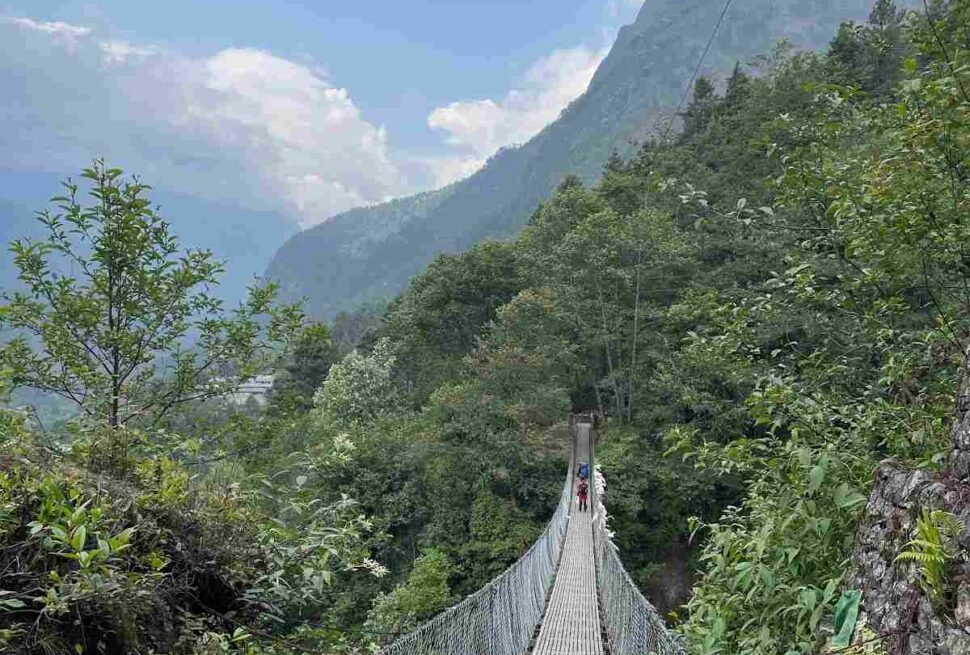
Everest Base Camp is not only about reaching a place. It is about the journey through Sherpa villages, monasteries, suspension bridges, glaciers, prayer flags, mountain views, cold mornings, warm teahouses, and the feeling of standing below the highest mountain on earth.
With the right Everest trekking company, the journey becomes safer, smoother, and far more meaningful.
Frequently Asked Questions
Which is the best Everest Base Camp trek company in Nepal?
The best Everest Base Camp trek company is a licensed, experienced, safety-focused local operator with strong Everest-region knowledge, professional guides, proper acclimatization, transparent pricing, and good client reviews. Everest Trekking Company is a specialist Everest operator based in Kathmandu, focused on Everest Base Camp and Khumbu-region treks.
How do I choose an Everest Base Camp trekking company?
Check registration, guide experience, itinerary length, acclimatization days, permits, price inclusions, porter policy, reviews, emergency support, and communication quality. Avoid companies that offer very cheap prices without clear inclusions.
Is it better to book Everest Base Camp with a local Nepal company?
For many trekkers, booking with a reliable local Nepal company gives better value, direct communication, local knowledge, and more flexible service. The key is choosing a registered and professional local operator.
How many days are best for Everest Base Camp Trek?
For most trekkers, a 14-day Everest Base Camp Trek is a safe and comfortable choice because it includes acclimatization days in Namche Bazaar and Dingboche. Shorter itineraries may be possible but can increase altitude risk for first-time trekkers.
Do I need a guide for Everest Base Camp Trek?
A guide is highly recommended for safety, altitude monitoring, logistics, route support, teahouse management, and cultural experience. A good guide is especially important if this is your first high-altitude trek.
What permits are needed for Everest Base Camp Trek?
Common permits include the Sagarmatha National Park Entry Permit and the Khumbu Pasang Lhamu Rural Municipality fee. Some companies also include TIMS depending on their package policy. Everest Trekking Company lists Sagarmatha National Park, Khumbu Pasang Lhamu fee, and TIMS card as included in its EBC package.
How much does Everest Base Camp Trek cost?
The cost depends on group size, service level, guide/porter arrangement, flight cost, hotel standard, meals, and inclusions. Everest Trekking Company’s EBC page lists package pricing by group size and includes major trek services.
Is Everest Base Camp Trek safe?
Everest Base Camp Trek is generally safe with proper preparation, acclimatization, experienced guides, and responsible decisions. The main risk is altitude sickness. Choose a company that includes acclimatization days, health checks, guide support, and emergency planning.
What is the best season for Everest Base Camp Trek?
The best seasons are spring (March-May) and autumn (September-November). Spring offers warmer weather and climbing-season atmosphere near Base Camp. Autumn usually offers clear skies and strong mountain views. Winter is colder but quieter. Monsoon is generally less ideal because of rain, clouds, and flight disruption.
Can beginners do Everest Base Camp Trek?
Yes, beginners can complete Everest Base Camp Trek with training, proper itinerary, slow pace, and an experienced guide. You should prepare with regular hiking, cardio, stair climbing, strength training, and long walks before arriving in Nepal.
Call to Action
Ready to plan your Everest Base Camp Trek with a local Everest specialist?
Contact Everest Trekking Company in Kathmandu for a free consultation. Tell us your travel dates, fitness level, group size, and preferred trek style. Our team will recommend the best Everest Base Camp itinerary for your time, budget, and safety.
Everest Trekking Company
Everest Base Camp Trek Specialists in Nepal
Thamel, Kathmandu
WhatsApp: 9869225929
Email: info@everesttrekkingcompany.com
Website: everesttrekkingcompany.com
Planning Your Everest Trek?
Get local expert advice on cost, itinerary and the best time to go.