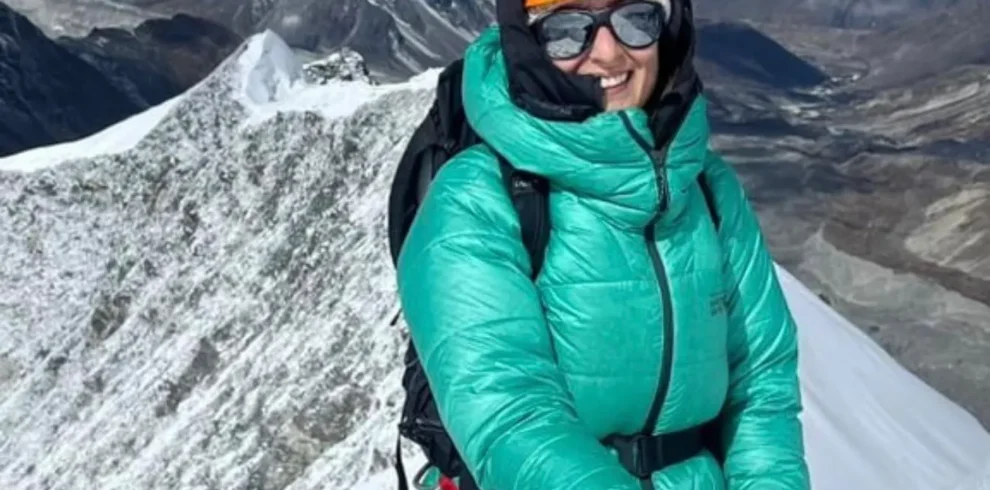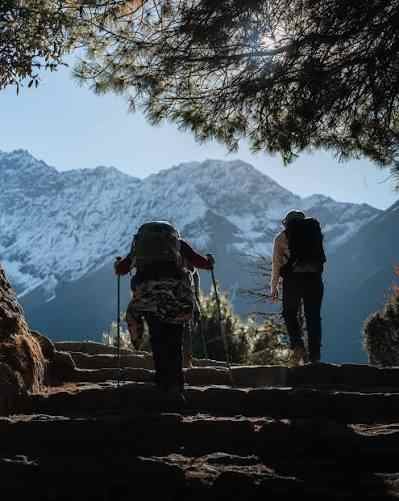
Standing at 5,364 metres beneath the world’s highest mountain is one of the most transformative experiences a person can have. The Everest Base Camp trek is not a casual weekend hike — it is a 130-kilometre round-trip journey through the Khumbu region of Nepal that demands 5–8 hours of walking daily for 12–14 consecutive days, often at altitudes where the air holds 30–50% less oxygen than at sea level.
The good news? You do not need to be an elite athlete. With the right preparation, physical, mental, logistical, and medical, people of all ages and fitness levels successfully reach Base Camp every season. This guide gives you everything you need to prepare for the Everest Base Camp trek in 2026 and 2027, drawing on the experience of guides who have done it hundreds of times and of trekkers who returned changed forever.
EBC Trek at a Glance: The Key Numbers
| Starting Point | Lukla (2,860 m / 9,383 ft) |
| Everest Base Camp | 5,364 m / 17,598 ft |
| Highest Point (Kala Patthar) | 5,545 m / 18,192 ft |
| Total Distance | ~130 km (80 miles) round trip |
| Total Elevation Gain | ~2,700 metres |
| Trek Duration | 12–14 days (standard itinerary) |
| Daily Walking Time | 5–8 hours |
| Difficulty | Moderate to challenging (primarily altitude) |
| Technical Skill Required | None — no ropes, ice axes, or climbing skills needed |
Best Time to Trek Everest Base Camp in 2026 and 2027
Choosing the right season is one of the most important decisions you will make. The wrong season means poor visibility, unstable weather, and a genuinely miserable experience. Here is what each season offers:
Spring (March–May) — Peak Season ★★★★★
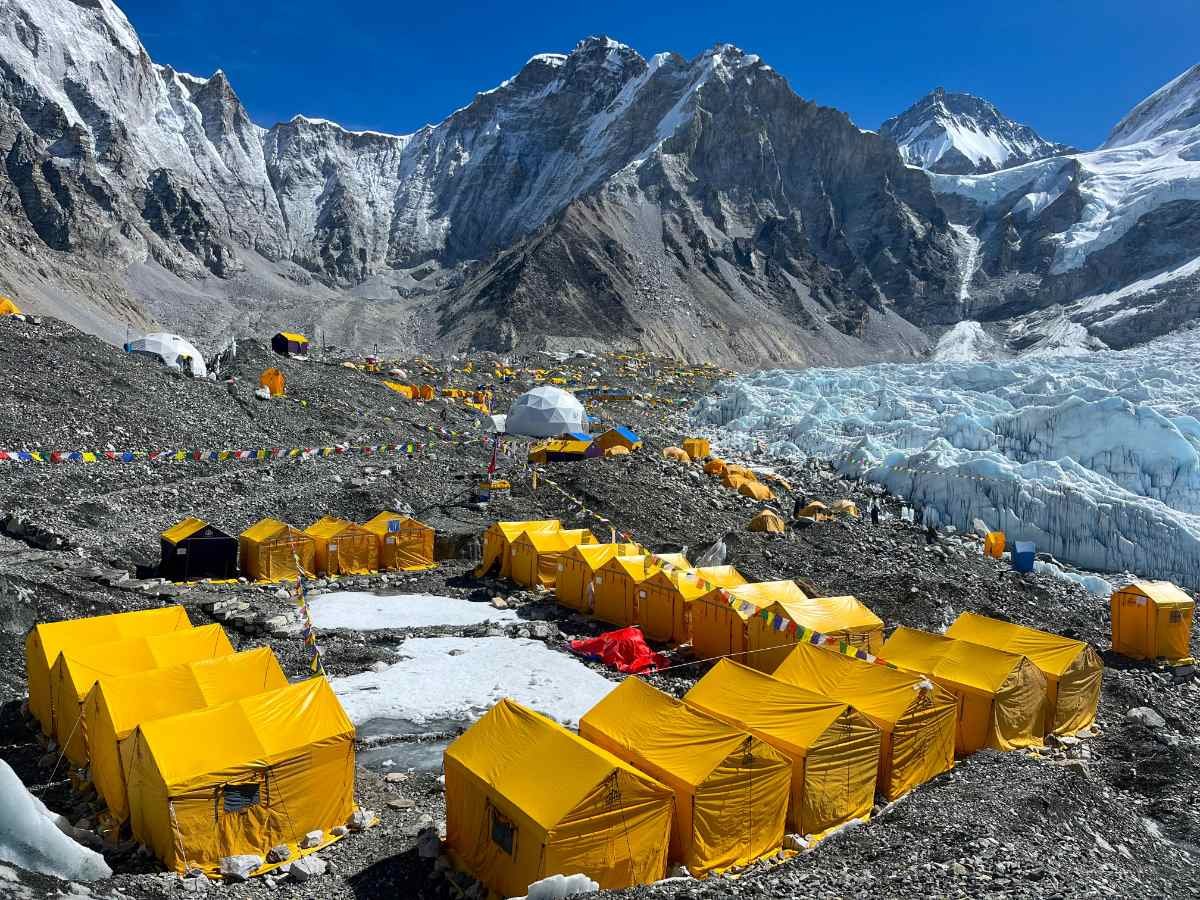
Spring is one of the two best windows for EBC. Daytime temperatures at lower elevations sit between 10–15°C, rhododendron forests explode with color in April and May, and visibility is superb after winter snows settle. You will share the trail with Everest summit expeditions, which adds a unique energy. April and early May offer the best balance of weather and scenery. The trade-off is that teahouses are busiest — book ahead.
Planning Your Everest Trek?
Get local expert advice on cost, itinerary and the best time to go.
Autumn (September–November) — Peak Season ★★★★★
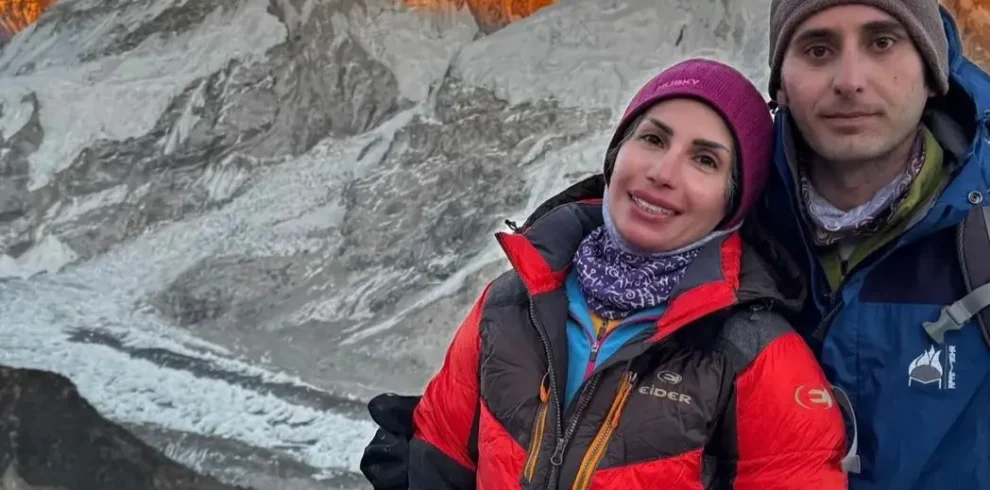
Autumn is widely considered the finest season for photography and trekking. The post-monsoon air is crystal clear, daytime temperatures are comfortable (12–22°C), and October delivers arguably the best mountain views of the year. Nepal’s biggest festivals, Dashain and Tihar, fall in this window, adding a cultural dimension. October is the single best month to visit if you want perfect conditions.
Winter (December–February) — For the Experienced Only ★★★
Winter offers fewer crowds and lower costs, but night temperatures at higher camps can drop to −20°C, some teahouses close, and trail conditions become significantly more demanding. Suitable only for experienced trekkers with high-quality cold-weather gear.
Monsoon (June–August) — Not Recommended ★★
Heavy rain makes trails slippery, leeches appear at lower elevations, mountain views are obscured by clouds, and flight cancellations are frequent. Most experienced operators advise against trekking EBC during the monsoon unless you have no other option and are prepared for compromises.
Booking advice: For spring and autumn departures, book 4–6 months in advance. Popular dates sell out fast, especially for small-group itineraries.
Honest Fitness Assessment: Where Do You Stand?
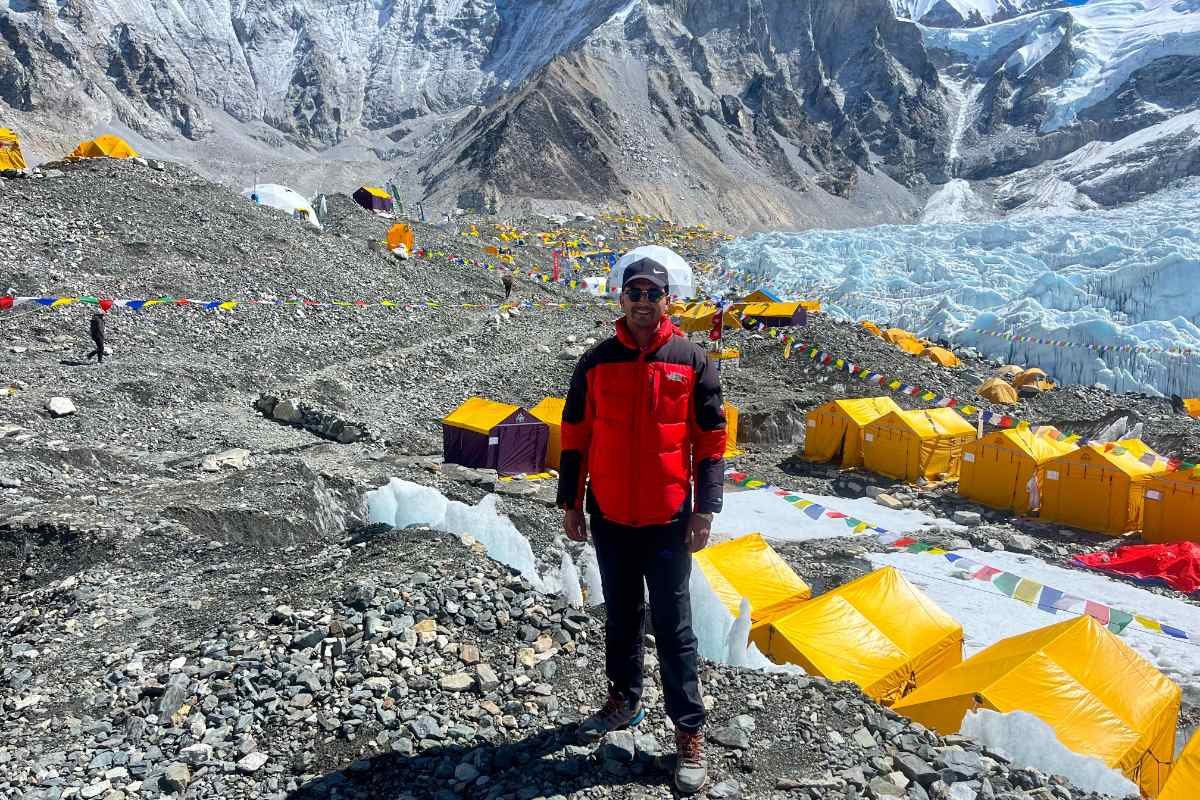
Before you design a training plan, you need an honest starting point. Answer these questions truthfully:
- Can you walk continuously up a hill for 45–60 minutes without stopping?
- Can you comfortably cover 10–15 kilometers in a single day?
- Can you climb 20–30 flights of stairs without feeling like your heart will give out?
- Do your knees and ankles handle downhill walking without pain?
- Have you completed any multi-day hiking, even at low altitude?
If you checked most of those boxes, you are starting from a decent base. If you checked very few, do not worry — that is exactly what a structured training plan is for. The important thing is honesty, because what you do in the next 12–20 weeks directly determines how you feel on Day 9 at Lobuche.
When to Start Training for EBC
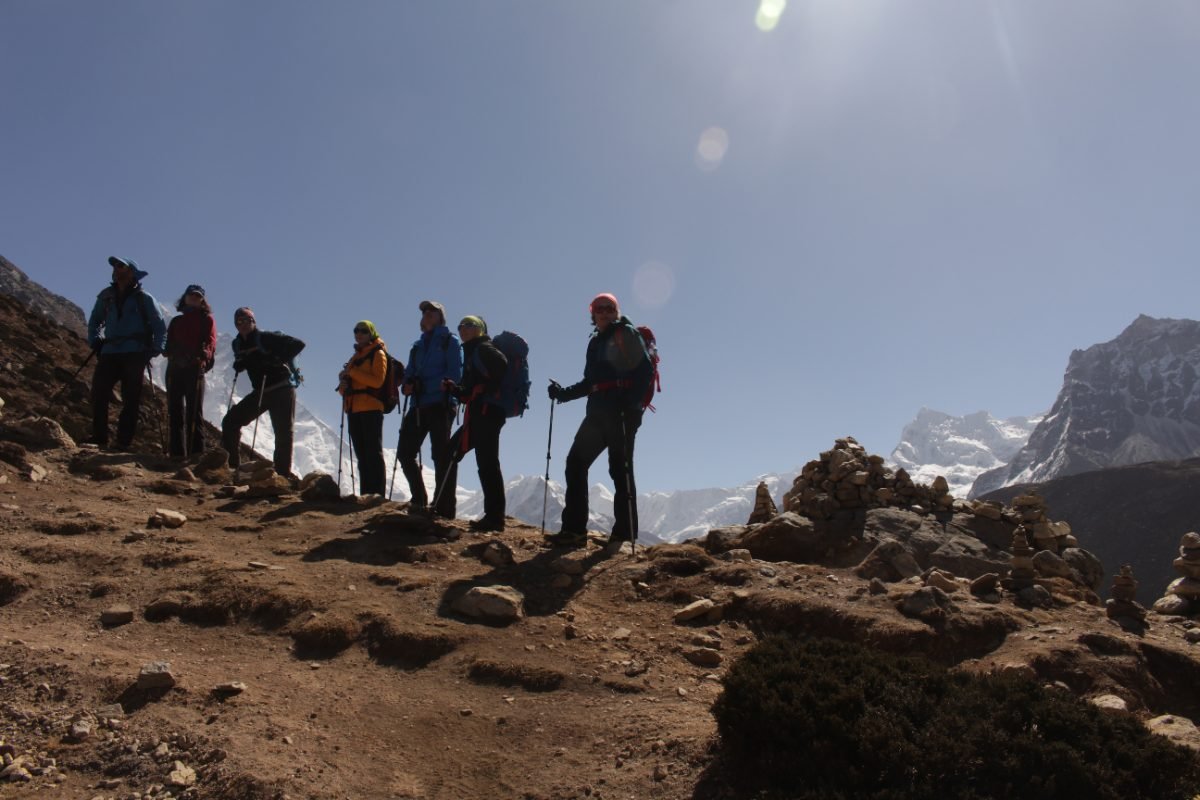
The moment you book your trek, start your training. Here is a general guideline:
- 6 months before: Ideal if you have a sedentary lifestyle or low baseline fitness
- 4 months before: Enough for moderately active people
- 3 months minimum: Only if you already train regularly
- 12 weeks bare minimum: Requires focused, intensive effort from day one
One rule of thumb from experienced guides: if you can comfortably hike 6–7 hours on back-to-back days at home with a loaded pack, your body is physically ready for EBC.
The Four Pillars of EBC Training
Think of your EBC preparation as a table with four legs. Remove any one and the whole structure wobbles.
Pillar 1: Cardiovascular Endurance
Cardio is the engine of your EBC trek. Above 3,000 metres, reduced atmospheric pressure means less oxygen with every breath. Your cardiovascular system works harder, your breathing deepens, and even slow uphill walking feels strenuous. The goal of cardio training is not speed — it is efficiency.
Best cardio exercises for EBC: Hiking (nothing replaces it — build from 1–2 hour hikes to 5–7 hour days), stair climbing (the single best gym substitute — mimics the Phakding-to-Namche ascent directly), running on hilly terrain 3–4 times per week, cycling (low-impact, excellent for recovery days), swimming, and incline treadmill at 8–12% grade for 45 minutes.
Pillar 2: Strength and Muscular Endurance
Cardio keeps you moving; strength training keeps your body intact. Your glutes, quadriceps, calves, core, and lower back take the biggest beating — especially on steep descents that destroy unprepared knees.
Lower body (most important): Squats and goblet squats (3 × 15–20 reps), lunges in all directions (3 × 12 each leg), step-ups with a loaded pack (3 × 15 each leg), single-leg calf raises (3 × 25), wall sits (3 × 60 seconds).
Core and stability: Plank (3 × 45–60 sec), side plank (3 × 45 sec each side), dead bug (3 × 10 reps — excellent for lower back protection under pack weight), mountain climbers (3 × 15).
Upper body and posture: Bent-over rows (3 × 8–12 reps), push-ups (3 × 15–20), shoulder press (3 × 10). Focus on muscular endurance — high reps at moderate weight — not maximum strength.
Pillar 3: Flexibility and Mobility
Flexibility training is consistently the most skipped pillar. Stretch for 10–15 minutes after every workout (never before — cold muscles tear more easily). Try yoga 1–2 times per week; even beginner-level yoga dramatically improves hip mobility. Practice ankle circles and hip flexor stretches daily, especially if you sit at a desk all day. Foam-roll calves, IT band, and quads on rest days.
Pillar 4: Mental Preparation
Most people who turn back prematurely are physically capable but mentally unprepared. Build mental toughness by: visualising the trail each day (picture yourself at Namche, at Tengboche, at Base Camp), practising diaphragmatic breathing and the Wim Hof Method for lung efficiency and stress tolerance, pushing through the last 30 minutes of a long training hike when your body wants to stop, defining your “why” and returning to that list on tough days, and building discomfort tolerance through cold showers and training in bad weather.
16-Week Everest Base Camp Training Plan
Weeks 1–4: Foundation Building
This phase is about establishing consistent habits, not pushing limits. 30–45 minutes of easy cardio 4–5 days per week. Full-body strength (squats, lunges, step-ups, planks, calf raises) 2–3 times per week. Light yoga or stretching daily. Weekend hike 1–2 hours in your actual trekking boots. Milestone: Walking uphill continuously for 3 hours without significant fatigue.
Weeks 5–8: Building Intensity and Strength
45–60 minutes of moderate-to-intense cardio with interval training. Strength training with added weight. Stair climbing sessions: 45–60 minutes, twice per week. Weekly long hike: 3–4 hours on hilly terrain with a loaded daypack (8–10 kg). Add one HIIT session per week. Milestone: Completing 4.5–5 hour hikes with a loaded pack.
Weeks 9–12: Peak Training Phase
60-minute challenging cardio sessions on hilly terrain. Full-strength sessions with heavier compound movements. Long hike: 5–6 hours with 10–12 kg pack. Back-to-back hike days on weekends. Deliberately include steep downhill sections. Milestone: 5–6 hour loaded hikes feeling manageable; back-to-back days feel achievable.
Weeks 13–15: Trek-Specific Conditioning
Long hikes: 6–7 hours back-to-back consecutive days. Pack weight: 12–15 kg. Elevation gain target: 500–1,000 meters per hike. Practice all gear — boots, poles, layers. If you can access altitude for weekend hikes, this is the time to do it.
Week 16: Taper Week
Cut volume by 50–60%. Your fitness is locked in — arrive fresh. Short easy walks (30–45 min). One light strength session. Sleep more. Finalise gear. Your body is ready; now let it consolidate.
Common Training Mistakes to Avoid
- Starting too late. Book the trek and start training the same week.
- Training only on flat ground. EBC is relentlessly hilly. Flat training means your legs will be shocked from Day 1.
- Skipping downhill training. The descent from Kala Patthar is harder on knees than any climb. Train it deliberately.
- Not training in your actual boots. New boots guarantee blisters. Wear them for 50+ hours before departure.
- Skipping rest days. Recovery is when muscles get stronger. Overtraining leads to injury.
- Neglecting hydration during training. Build the 3–4 litre daily water habit at home so it feels natural at altitude.
- “Summit fever” mindset. Patient, consistent effort beats aggressive bursts. The discipline you build in training prevents AMS on the trek.
- Ignoring strength training. Cardio-only trekkers find their knees failing on the descents. Legs and core strength are non-negotiable.
Gear and Packing Strategy
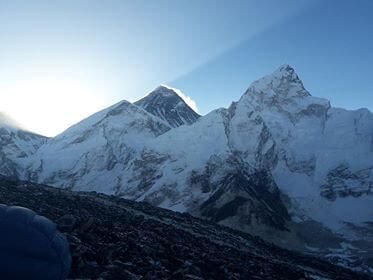
The Two-Bag System
Duffel bag (porter-carried, maximum 10–15 kg): Your main gear storage. Porters carry this from teahouse to teahouse. You will not access it during the day — pack only what you need at camp in the evenings.
Daypack (self-carried, 5–7 kg maximum): Everything you need during trekking hours — water, snacks, layers, camera, rain cover, first aid, sun protection. Every unnecessary gram in this bag becomes a genuine burden by Hour 5 at altitude.
Clothing: The Layering System
EBC temperatures can swing from −15°C at night near Base Camp to 15°C during a sunny afternoon climb. The layering system lets you regulate temperature precisely throughout the day.
Base layer (moisture-wicking): 2–3 merino wool or synthetic long-sleeve tops (merino stays odour-free for 5+ days), 2–3 short-sleeve technical T-shirts, 2 pairs of thermal leggings. Avoid all cotton — it absorbs sweat, dries slowly, and makes you dangerously cold when you stop moving.
Mid layer (insulation): 1–2 fleece jackets, 1 lightweight insulated jacket, 1 down vest (optional but highly useful).
Outer layer (weather protection): Waterproof windproof shell jacket (Gore-Tex or equivalent — non-negotiable), waterproof shell pants with side-zip ventilation, down jacket rated to −15°C to −20°C. A quality down jacket is your most important upper-altitude item. Rent one in Kathmandu for USD 1–2 per day if you do not want to buy.
Accessories: 2 pairs of gloves (thin liner + insulated waterproof outer), wide-brimmed sun hat, warm beanie, buff or neck gaiter (prevents the notorious “Khumbu cough”), gaiters for above 4,000 m. 5–7 pairs of merino wool trekking socks. Waterproof, well-broken-in hiking boots with ankle support — the single most important purchase you make.
Essential Gear Checklist
Sleeping: Sleeping bag rated to −15°C to −20°C (rental Kathmandu: USD 1–2 per day), silk or fleece liner for extra warmth and hygiene.
Trekking equipment: Adjustable trekking poles (reduce knee strain by up to 25% on descents), headlamp with spare batteries, UV400 / Category 4 sunglasses, backpack rain cover.
Hydration and nutrition: 2 × 1-litre water bottles or hydration bladder, water purification (SteriPen, tablets, or LifeStraw), electrolyte powder, trail mix, energy bars, dried fruit, chocolate.
First aid: Personal medications, Diamox (discuss with doctor), ibuprofen and paracetamol, blister treatment (Compeed, moleskin), antibiotic cream, plasters, anti-diarrhoeal tablets, hand sanitiser, SPF 50+ sunscreen (apply inside nostrils too — UV reflects upward off snow).
Electronics: Smartphone with offline maps, camera with spare batteries (cold drains fast), 10,000+ mAh power bank (teahouses charge USD 1–3 per device), universal adapter.
Documents and cash: Passport (6+ months validity), 2 passport photos, travel insurance certificate, cash NPR and USD — the last reliable ATM is at Namche Bazaar. Carry enough for the entire trek above Namche. Tipping: guide USD 100–150, porter USD 75–100 for the full trek.
What to Rent in Kathmandu
Thamel district in Kathmandu has excellent gear rental shops. You do not need to buy everything. Down jacket (USD 1–2/day), sleeping bag (USD 1–2/day), duffel bag (USD 0.50–1/day), trekking poles (USD 1/day). Leave non-essential items at your Kathmandu hotel — most offer free luggage storage for the duration of the trek.
Common Packing Mistakes
- Unbroken boots: New boots on Day 1 guarantee blisters. Wear yours for 50+ hours before you fly.
- Cotton clothing: Cotton kills at altitude. Merino and synthetics only.
- Overpacking clothes: Two merino base layers carry you through 14 days — they wash in sinks and dry overnight.
- Heavy camera equipment: By Day 8 a DSLR plus lenses is a boulder. Your smartphone is genuinely fine.
- Excessive toiletries: Wet wipes, toothbrush, SPF 50+ sunscreen, and lip balm. That is the list.
Altitude Acclimatization: Your Most Important Safety Priority
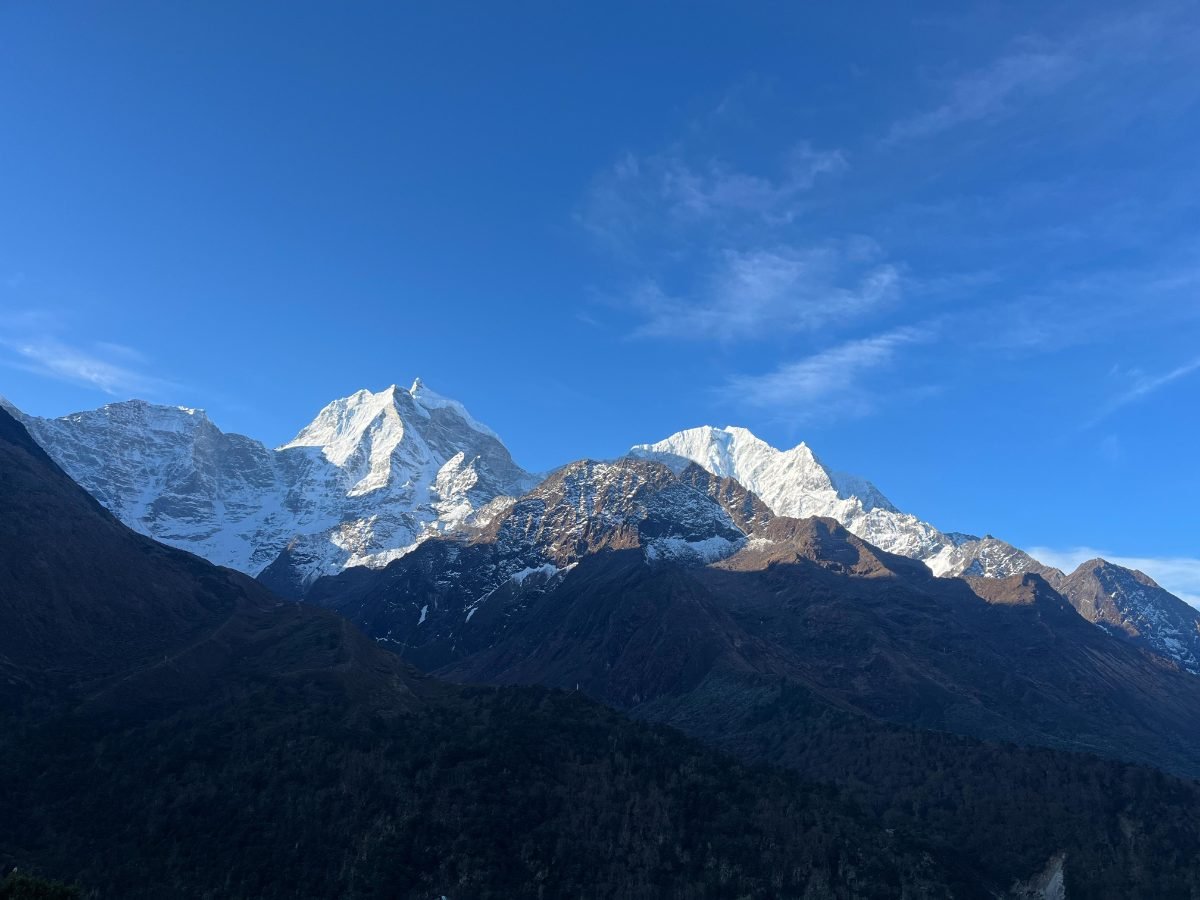
Altitude sickness is a democratic condition. It does not care about your fitness level, age, or whether you have trekked at altitude before. Understanding and respecting it is what keeps you safe.
Symptoms to Recognise
Acute Mountain Sickness (AMS) — mild to moderate: Persistent headache, nausea or vomiting, loss of appetite, fatigue and weakness, dizziness, difficulty sleeping, shortness of breath during activity.
Severe — requires immediate descent:
- HAPE (High Altitude Pulmonary Oedema): Fluid in the lungs — crackling breath sounds, extreme breathlessness even at rest, blue-tinged lips. Life-threatening. Descend immediately.
- HACE (High Altitude Cerebral Oedema): Fluid in the brain — severe headache unresponsive to medication, loss of coordination (ataxia), confusion. Life-threatening. Descend immediately.
The Golden Rules of Acclimatization
- Climb high, sleep low. Day hike to higher elevations, sleep at a lower altitude. The standard EBC itinerary builds this in.
- Slowly, slowly. Resist the urge to push pace. Slow ascent is the single most effective preventive measure.
- Never gain more than 300–500 m of sleeping altitude per day above 3,000 m.
- Hydrate aggressively: 3–4 litres of water daily. Dark urine means drink more immediately.
- Never skip acclimatization rest days. Mandatory at Namche Bazaar (3,440 m, Day 3–4) and Dingboche/Pheriche (4,410 m, Day 7–8). These are non-negotiable.
- Tell your guide immediately if you experience any AMS symptoms.
Acclimatization hikes on the route: At Namche, hike to Everest View Hotel (3,880 m) or visit Khumjung village. At Dingboche, hike to Nangkartshang Peak (5,083 m) or do a day walk toward Chhukung. These climb-high-sleep-low excursions are built into the itinerary for a reason.
When to descend: If symptoms worsen despite rest, hydration, and medication, descend immediately — even at night. Even 300–500 metres of descent provides dramatic relief. Turning back is not failure. The mountain will always be there. Coming down in time is the decision that saves lives.
Permits and Documentation for 2026
You need two permits for the EBC trek. Your trekking company handles both, but here is what they are:
1. Sagarmatha National Park Entry Permit: NPR 3,000 (~USD 23). Obtained at the NTB office in Kathmandu or the Monjo entry gate. Bring 2 passport photos.
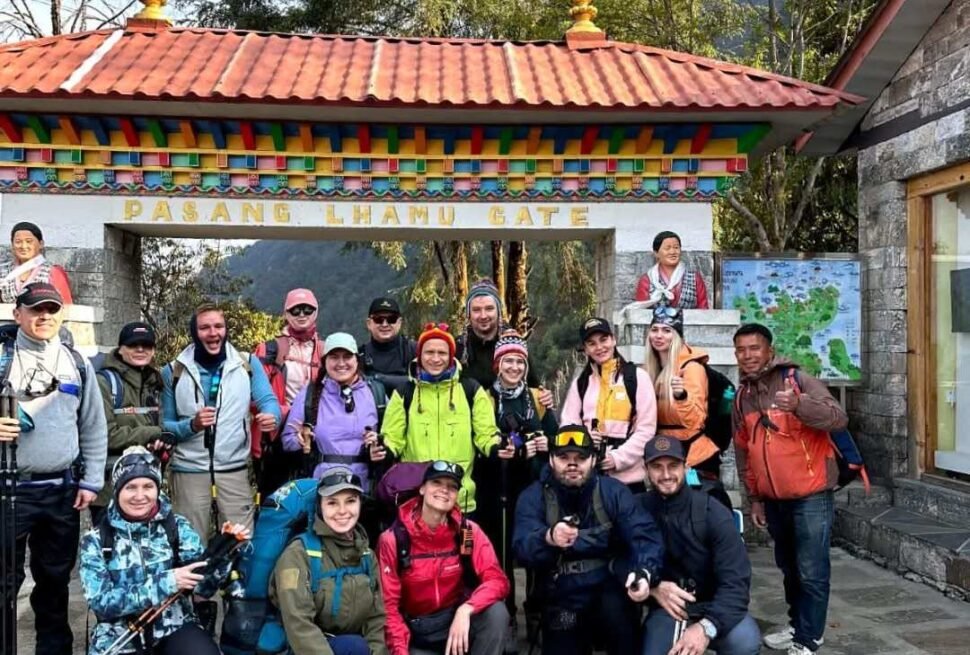
2. Khumbu Pasang Lhamu Rural Municipality Permit: NPR 2,000 (~USD 15). Obtained in Lukla or via your agency.
Important: A TIMS (Trekkers’ Information Management System) card has not been required for the EBC trek since 2024. Do not pay for one.
Nepal Visa: Obtain on arrival at Kathmandu airport. USD 30 for 15 days, USD 50 for 30 days. Bring 2 passport photos and USD cash.
Travel Insurance — mandatory: Must include emergency helicopter evacuation from 6,000 m+ (a helicopter evacuation costs USD 3,000–5,000), high-altitude medical treatment, repatriation, and trip cancellation. Minimum recommended coverage: USD 100,000. Trusted providers: World Nomads, Global Rescue, IMG Global, Allianz. Read the policy carefully — some exclude trekking above specific altitudes unless accompanied by a licensed guide.
Budget Planning: What Does EBC Cost in 2026?
| Category | What You Get | Approx. Cost (USD) |
|---|---|---|
| Budget | Basic teahouse rooms, simple meals, local guide and porter, group departure | $1,200–$1,500 |
| Mid-Range | Better teahouse selection, experienced English-speaking guide, group 6–10 | $1,500–$2,000 |
| Premium | Superior lodges, small group (2–4), senior guide, pulse oximeter, optional helicopter return | $2,000–$3,000+ |
Typically included in packages: Domestic flights (Kathmandu–Lukla–Kathmandu), teahouse accommodation (twin sharing), three meals daily, guide and porter, trekking permits, airport transfers, first aid kit.
Budget for additionally: Nepal visa (USD 30–50), travel insurance (USD 100–200), Kathmandu hotel pre/post-trek (USD 20–100/night), gear (USD 100–300 if buying new), hot showers (USD 2–5 each), device charging (USD 1–3 per charge), snacks and drinks on trail (USD 100–200 total), and tipping (guide USD 100–150, porter USD 75–100 for the full trek — this is industry standard and genuinely appreciated).
Last ATM: Namche Bazaar. Withdraw everything you need before leaving Namche — there are no ATMs above this point.
Nutrition and Hydration on the Trail
At altitude your appetite often decreases while your caloric demand increases. You must eat even when you do not feel hungry. Skipping meals at altitude accelerates fatigue and increases AMS risk.
Teahouse menu options: Breakfast includes porridge (excellent at altitude), eggs, Tibetan bread, pancakes, and hot drinks. Lunch and dinner feature dal bhat, fried rice, noodle soups, momos (Tibetan dumplings), pasta, and the famous garlic soup — widely reported to ease altitude symptoms. Pizza exists too, though quality varies considerably.
The Dal Bhat Power Strategy: Experienced Himalayan trekkers live by the phrase: “Dal bhat power, 24 hour.” This traditional Nepali dish provides complex carbohydrates, protein from lentils, vitamins from seasonal vegetables, and — crucially — unlimited refills at no extra charge. It is also the freshest and safest option in most teahouses. When uncertain what to order, order what your guide orders.
Hydration: 3–4 litres daily minimum. Drink before thirst hits. Check urine colour: pale yellow means hydrated; dark yellow means drink now. Alternate water with hot lemon or ginger tea. Limit caffeine. Avoid alcohol above 3,500 m entirely. Purify all water with SteriPen, tablets, or a filter rather than buying plastic bottles.
Bring from home: Electrolyte powder (Nuun or GU), energy bars, trail mix, chocolate. These are available on trail but at significant price markups above Namche.
Medical Preparation
Visit a doctor or travel medicine specialist 4–6 weeks before your trek. Key discussion points: Diamox (acetazolamide) — standard dose 125 mg twice daily starting 1–2 days before ascending above 3,000 m; discuss whether it is right for you. Vaccinations — ensure routine vaccinations are current; consider hepatitis A, typhoid, and rabies. Existing conditions — asthma, heart conditions, anaemia, and hypertension all require specific advice before high-altitude trekking. Get a dental check-up before departure; tooth problems at altitude are extremely uncomfortable. Carry a pulse oximeter — this small, inexpensive device measures your blood oxygen saturation and is one of the most useful safety tools on the trail.
What to Do in Kathmandu Before the Trek
Most itineraries include 1–2 nights in Kathmandu before flying to Lukla. Use this time productively: verify permits with your guide, visit Thamel for any last-minute gear rental, withdraw NPR cash, eat well and hydrate aggressively, and get a full night of sleep before the Lukla flight. If you have a full day spare, Boudhanath Stupa and Pashupatinath Temple are both profound experiences that set a meaningful cultural context for the Sherpa Buddhist communities you will encounter on the trail.
Final Pre-Departure Checklist
6 months before: Book your trek, start training, research gear, see your doctor.
3 months before: Increase training intensity, break in boots completely, book international flights, get travel insurance.
1 month before: Final gear round-up, practice packing both bags, and confirm all permits and documentation with your operator.
1 week before: Pack and repack (do it twice). Make photocopies of all documents. Start hydrating well. Prioritize sleep. Remove one more item from your daypack.
Day before departure: Light activity only. Good sleep. Everything is laid out and ready.
Frequently Asked Questions
How physically fit do I need to be for EBC?
Moderate fitness — not elite. You should be able to walk uphill for 60 minutes and cover 10–15 km per day before starting training. With 12–16 weeks of focused preparation, most healthy adults of any age can complete the trek. The EBC trek is non-technical: no ropes, no climbing skills, no mountaineering experience required.
Can I trek EBC if I have never trekked at high altitude before?
Yes — the majority of EBC trekkers each year are first-timers at altitude. The standard itinerary is designed with gradual acclimatisation built in. Following the pace, hydrating well, and not rushing are more important than prior high-altitude experience.
Does being fit mean I won’t get altitude sickness?
No. Physical fitness does not prevent altitude sickness — it is not a condition you can train away. What fitness does is reduce the risk of over-exertion, which triggers AMS. A fit person paces better; an unfit person pushes too hard and collapses. But altitude affects everyone regardless of fitness level.
What is the best exercise if I live in a city with no hills?
Stair climbing is your single best urban substitute. Find the tallest building you can access and climb it repeatedly with your trekking pack loaded to 6–8 kg. Add incline treadmill at 8–12% grade. Supplement with squats, lunges, and step-ups. Make weekend trips to any hills within reach non-negotiable.
How much does the Everest Base Camp trek cost in 2026?
A fully guided package including domestic flights, permits, accommodation, meals, guide, and porter ranges from USD 1,200 to USD 3,000+ depending on group size and service level. Budget an additional USD 300–500 for personal expenses, tips, gear, and insurance. See our Everest Base Camp Trek packages for current 2026 pricing.
What is the hardest day on the EBC trek?
Most trekkers find the Namche Bazaar climb on Day 2 (an 800-metre ascent over 3–4 hours) and the 4 a.m. Kala Patthar summit push to be the most physically demanding. The psychological low point for many is around Day 8–9 near Lobuche — high altitude, basic accommodation, and cumulative fatigue converge. Knowing this in advance makes it far easier to push through.
Do I need Diamox?
Not everyone does, but discuss it with your doctor before departure. Standard dose is 125 mg twice daily starting 1–2 days before ascending above 3,000 m. Side effects include increased urination and tingling in hands and feet. It is a proven preventive tool but not a substitute for proper acclimatisation — it is an additional safety layer, not a replacement for patience.
Is a guide required?
Technically, solo trekking is possible. In practice, a licensed guide and porter is strongly recommended. A guide handles navigation, permits, teahouse bookings, emergency decisions, and altitude management in real time. In a HAPE or HACE emergency, your guide’s experience gets you evacuated in time. Many insurance policies also require a licensed guide for coverage above certain altitudes.
Ready to Book Your Everest Base Camp Trek?
The Everest Base Camp trek is one of the most rewarding journeys on earth. The preparation is real work — 12–16 weeks of consistent training, careful gear selection, medical planning, and mental readiness. But every loaded stair climb, every long weekend hike, every training session you push through brings you closer to standing at the foot of the world’s highest mountain with prayer flags flying and the Khumbu Glacier stretching before you.
Explore our 14-day Everest Base Camp Trek, the EBC Trek with Helicopter Return, the Luxury EBC Trek, or the EBC and Gokyo Lakes Trek. Our guides have led hundreds of trekkers to Base Camp safely and are ready to help you do the same.
Questions about preparation, fitness, or logistics? WhatsApp our team or send us an email. We respond within a few hours and are happy to build a custom preparation timeline around your schedule and fitness starting point.
Training Plan: 12-Week EBC Preparation Schedule
A structured training plan in the 12 weeks before your departure makes a significant difference to your comfort and safety on the trail. Here is an outline of what an effective preparation schedule looks like:
Weeks 1–4 (Base Building): Focus on consistent aerobic exercise 4–5 days per week. Walking or hiking for 60–90 minutes on varied terrain is ideal. Add stair climbing 2 days per week — the EBC trail has thousands of stone steps that are very different from flat cardio. Begin wearing your trekking boots to break them in thoroughly before departure.
Weeks 5–8 (Load Building): Introduce a loaded daypack (6–8 kg) on all outdoor walks. Extend your weekend hike to 4–5 hours with 600–900 m of elevation gain if terrain allows. Add strength training 2 days per week focusing on glutes, quads, calves, and core stability — all critical for sustained trail walking. Continue breaking in boots.
Weeks 9–12 (Peak and Taper): Complete two back-to-back hiking days (consecutive Saturday and Sunday) to simulate the EBC pace. A 5–6 hour day followed by a 4–5 hour day with a loaded pack tests exactly the endurance you need. From Week 11, reduce volume by 30% and begin tapering. Arrive in Kathmandu well-rested. For specific altitude pre-acclimatisation protocols (including sleeping at altitude before travel), see our full EBC preparation guide.
Nutrition before the trek: Start a high-iron diet 6 weeks before departure — iron supports red blood cell production which is critical for oxygen transport at altitude. Eat red meat, leafy greens, or take an iron supplement (with vitamin C for absorption). Stay well-hydrated daily. Avoid alcohol in the 2 weeks before departure as it dehydrates and reduces altitude tolerance.
With the right physical preparation and an experienced, licensed guide from Everest Trekking Company, you will arrive at Everest Base Camp ready, safe, and deeply satisfied. Contact us today to begin planning your trek.
The Everest Base Camp Trek rewards those who prepare. Follow this guide, invest in proper gear, and choose an experienced Everest base camp trek company with licensed, first-aid-trained guides — and you will stand at 5,364 metres with the confidence that you earned every metre of altitude. Our team is ready to help you prepare. Contact us at everesttrekkingcompany.com with your target dates and we will create a full preparation plan tailored to your fitness level and experience.
Every step of preparation you invest before departure pays back tenfold on the trail. Trekkers who arrive fit, well-equipped, and mentally prepared consistently report a more enjoyable, safer, and more memorable experience at Everest Base Camp with our team at Everest Trekking Company.
Planning Your Everest Trek?
Get local expert advice on cost, itinerary and the best time to go.