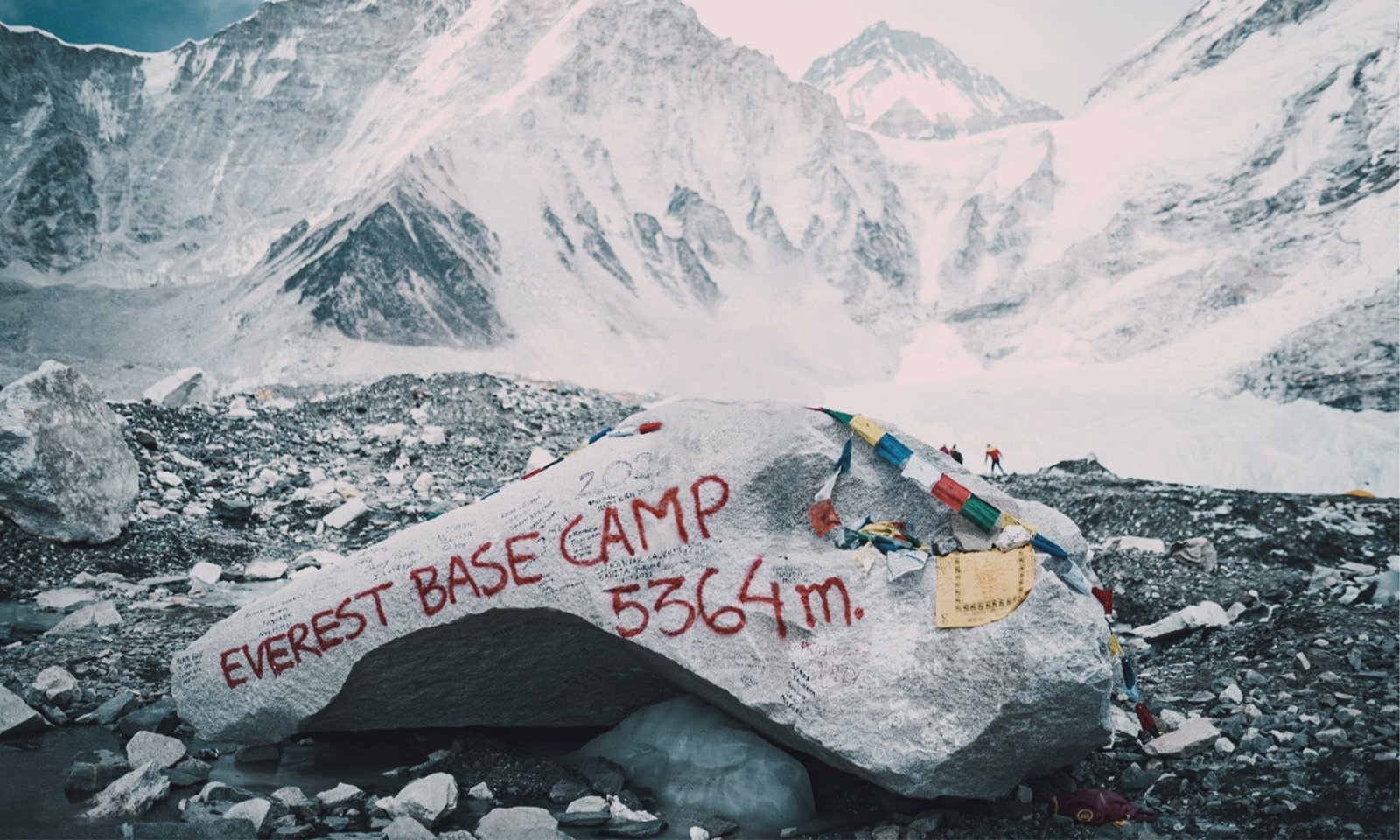
The Everest Base Camp Trek is much more than a holiday in the Himalayas. For many travelers, it is a lifelong dream and one of the world’s most rewarding trekking experiences. Walking through traditional Sherpa villages, visiting ancient monasteries, standing beneath towering Himalayan peaks, and eventually reaching Everest Base Camp creates memories that last forever.
However, the experience you have on the trail depends greatly on the company you choose. Every year, thousands of trekkers arrive in Nepal with the same goal, but not every company offers the same level of knowledge, support, and experience. Some agencies organize dozens of different activities, while others focus specifically on the Everest region.
At Everest Trekking Company, our passion has always been the Khumbu Region. We believe that specialization matters. Years of working in the Everest region have taught us that successful treks are built on proper acclimatization, experienced guides, reliable logistics, flexibility, and genuine care for our guests.
For travelers looking for an Everest Base Camp Trek with a local expert company, choosing a team that understands the mountains from firsthand experience can make a tremendous difference.
Why Choose a Company That Specializes Only in the Everest Region
Not all trekking companies are Everest specialists.
Many agencies operate trips throughout Nepal and sometimes even abroad. While there is nothing wrong with being a general trekking company, Everest Base Camp presents unique challenges that require specific knowledge and years of experience.
The Everest Region Is Different
The Khumbu Region is unlike anywhere else in Nepal.
Factors that affect the trek include:
High altitude.
Changing Himalayan weather.
Lukla flight delays.
Seasonal traffic on the trails.
Teahouse availability.
Acclimatization requirements.
Emergency evacuation procedures.
Managing these challenges successfully comes from experience rather than simply following a fixed itinerary.
Understanding Every Stage of the Route
Local Everest experts understand every section of the journey.
From Lukla Airport to Namche Bazaar, Tengboche Monastery, Dingboche, Lobuche, Gorakshep, Everest Base Camp, and Kala Patthar, each stage presents different conditions.
Over the years, we have learned when trekkers need additional rest, how weather affects the route, and when itinerary adjustments are necessary.
This experience helps create a safer and more enjoyable journey.
Relationships Built Through Years of Operation
Strong relationships with local communities, lodge owners, airlines, guides, and porters allow us to respond quickly when unexpected situations arise.
These connections become particularly valuable when Lukla flights are delayed or weather conditions require flexibility.
Planning Your Everest Trek?
Get local expert advice on cost, itinerary and the best time to go.
Local Everest Experts With Years of Experience
Experience matters in the mountains.
The Himalayas are beautiful, but they also demand respect.
Over the years, our team has guided solo travelers, couples, families, photographers, retirees, and small groups to Everest Base Camp.
No two trekkers are exactly the same.
Understanding Individual Walking Pace
One of the most common mistakes first-time trekkers make is trying to keep pace with others.
Some people naturally walk quickly, while others prefer a slower approach.
Neither is right or wrong.
Experienced Everest Base Camp specialists understand that success is not determined by speed. Gradual acclimatization and maintaining steady energy are much more important.
Practical Knowledge Beyond Guidebooks
Many important details are learned only through experience.
For example:
Which teahouses provide better service.
Which villages are quieter during busy seasons.
How weather patterns affect Lukla flights.
The best places for photography.
Alternative routes during heavy traffic.
Cultural customs and traditions of Sherpa communities.
These practical details often make the difference between an average trek and an unforgettable one.
Personalized Service and Small Group Treks
Large commercial groups are not suitable for everyone.
Many travelers today prefer smaller groups because they provide greater flexibility and a more personal experience.
Advantages of Small Group Treks
Smaller groups offer several benefits:
More personal attention.
Flexible walking pace.
Easier communication with guides.
Better management of altitude-related concerns.
More time for photography and sightseeing.
A relaxed atmosphere.
Rather than feeling rushed, trekkers can enjoy the journey at their own pace.
Private Everest Base Camp Treks
Private departures are becoming increasingly popular.
They are ideal for:
Couples.
Families.
Friends traveling together.
Senior trekkers.
Photographers.
Travelers seeking flexibility.
Private treks allow for adjustments based on individual preferences.
Extra acclimatization days, shorter walking distances, and side trips can easily be incorporated into the itinerary.
Professional Government-Licensed Guides and Porters
One of the greatest advantages of trekking with a local company is having experienced guides and dedicated support staff.
A guide is much more than someone who leads the trail.
They become your companion, problem solver, interpreter, and safety expert.
Why Trek With a Guide?
Professional Everest Base Camp guides help with:
Route navigation.
Altitude monitoring.
Weather updates.
Daily planning.
Cultural explanations.
Communication with local people.
Emergency assistance.
Perhaps most importantly, experienced guides recognize the early signs of altitude sickness and know when action is required.
Learning About Sherpa Culture
The Everest region is not only about mountains.
It is home to the Sherpa people and a rich Buddhist heritage.
Walking through villages such as Namche Bazaar, Pangboche, and Dingboche allows visitors to experience traditional Himalayan life.
Guides help travelers understand:
Sherpa customs.
Local festivals.
Buddhist traditions.
Ancient monasteries.
Daily life in mountain communities.
Many guests later tell us that these cultural experiences became some of the most memorable parts of the journey.
Responsible Porter Welfare
Porters are the backbone of Himalayan trekking.
Responsible Everest trekking companies ensure that porters receive:
Fair wages.
Insurance coverage.
Proper clothing.
Accommodation.
Nutritious meals.
Supporting porter welfare benefits local communities and promotes responsible tourism in the Khumbu Region.
Safe Acclimatization and Well-Planned Itineraries
Acclimatization is one of the most important factors in a successful Everest Base Camp Trek.
Unfortunately, some itineraries attempt to shorten the journey to attract travelers with limited time.
While shorter itineraries may appear attractive, they significantly increase the risk of altitude sickness.
Why Acclimatization Matters
As trekkers climb higher, oxygen levels decrease.
The body requires time to adjust gradually.
Rushing this process can lead to serious altitude-related problems.
Experienced Everest Base Camp specialists always prioritize acclimatization over speed.
Acclimatization Day in Namche Bazaar
Namche Bazaar, situated at 3,440 meters, serves as the gateway to the Everest region.
Most itineraries include an additional night here.
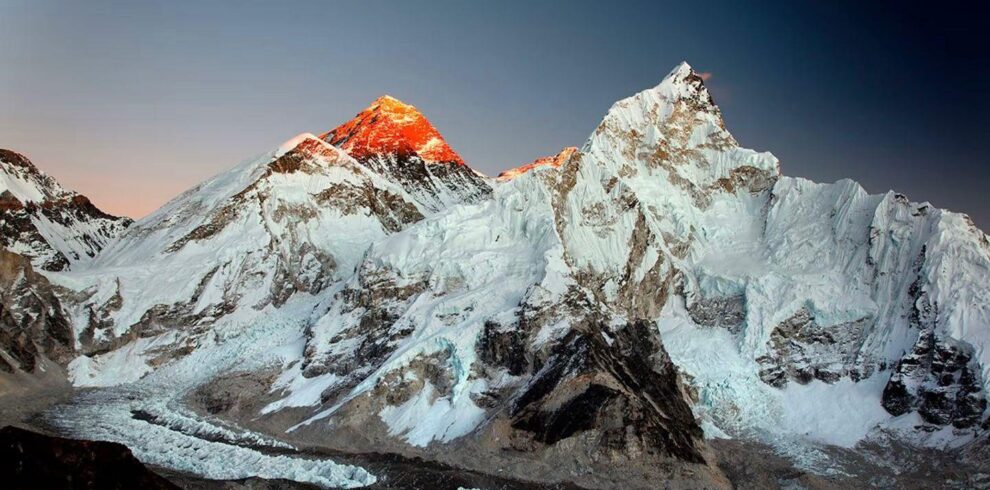
During the acclimatization day, trekkers often hike to Everest View Hotel, which offers spectacular views of Mount Everest, Ama Dablam, Lhotse, and Thamserku.
Besides the scenery, this gradual ascent helps the body adapt to higher elevations.
Acclimatization Day in Dingboche
Dingboche is another important stop.
Located at nearly 4,400 meters, it provides a second opportunity for the body to adjust before moving higher toward Lobuche and Gorakshep.
Short hikes to Nagarjun Hill help improve acclimatization and reduce the likelihood of altitude sickness.
Common Mistakes First-Time Trekkers Make
Over the years, we have noticed similar mistakes among first-time visitors.
These include:
Walking too fast.
Drinking insufficient water.
Ignoring headaches.
Carrying heavy backpacks.
Skipping meals.
Choosing overly short itineraries.
Underestimating the effects of altitude.
Most of these issues can be prevented through patience and proper planning.
High Altitude Challenges Above 5,000 Meters
Conditions change significantly above Lobuche.
By the time trekkers reach Gorakshep and Everest Base Camp, oxygen levels are much lower than at sea level.
Even strong and physically fit hikers may experience:
Fatigue.
Reduced appetite.
Mild headaches.
Difficulty sleeping.
Shortness of breath.
These symptoms are normal and usually manageable when proper acclimatization has been followed.
The secret is patience.
The mountains are not going anywhere.
Moving slowly and listening to your body greatly increases the chances of a successful trek.
Planning Your Everest Trek?
Get local expert advice on cost, itinerary and the best time to go.