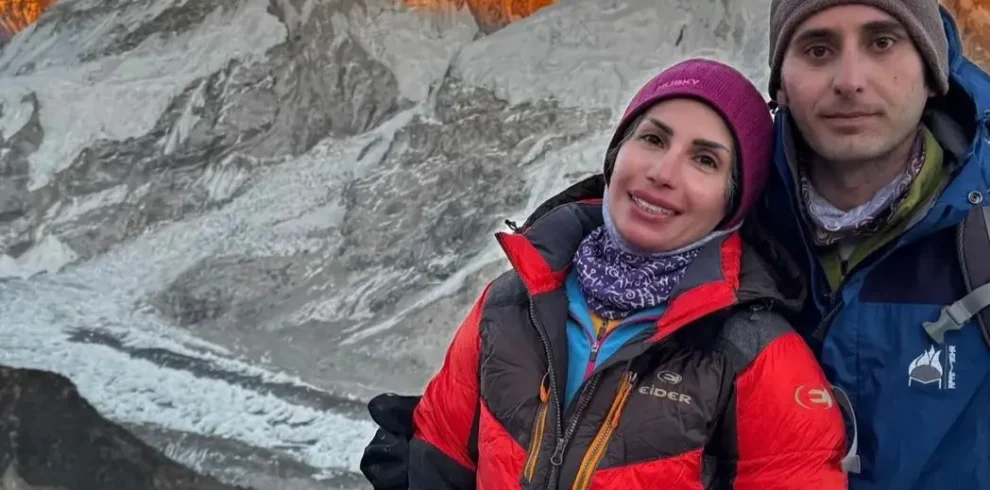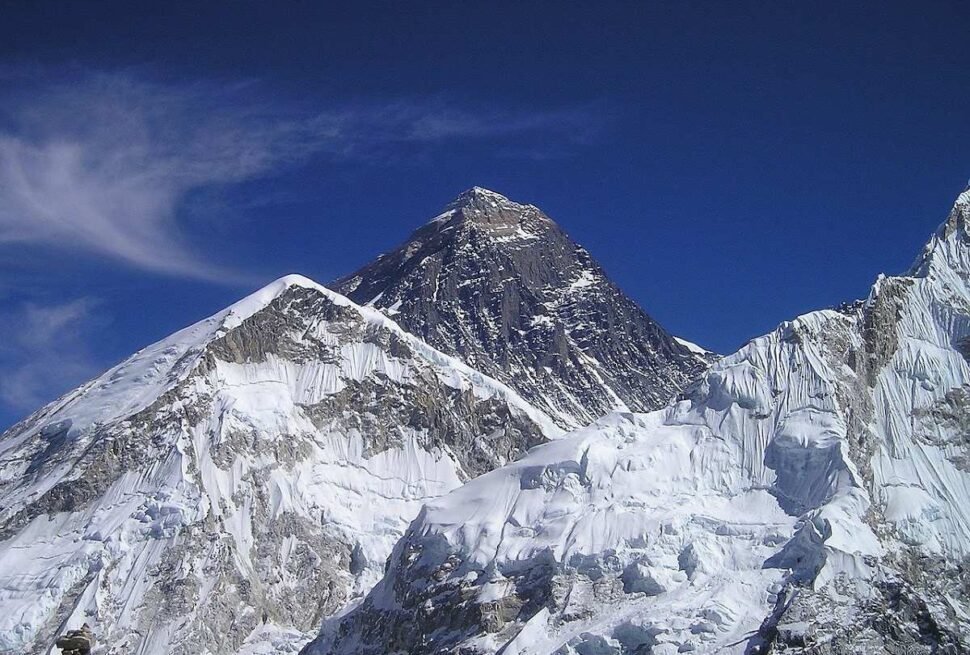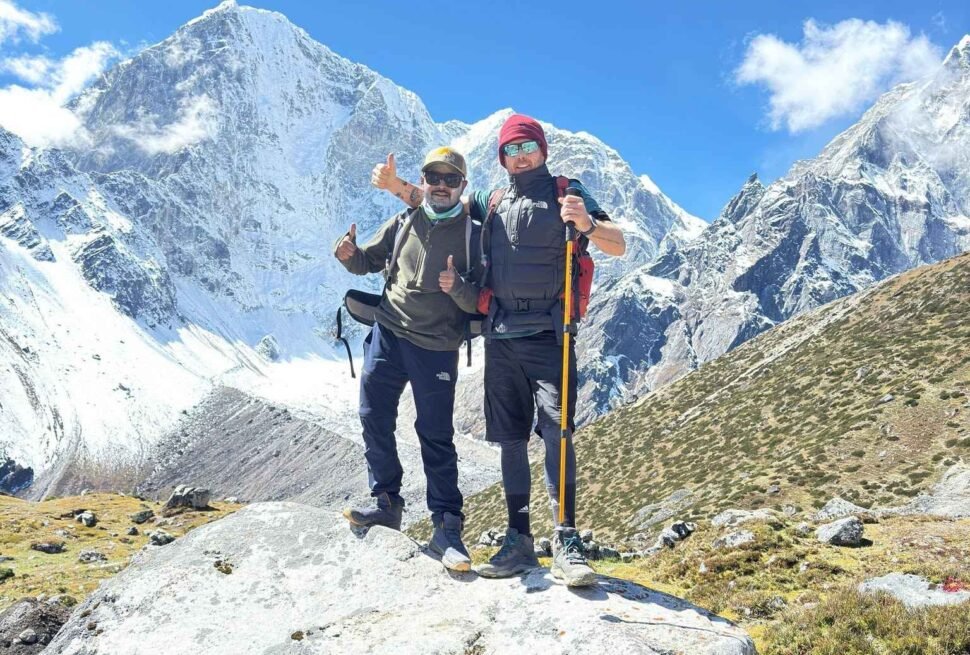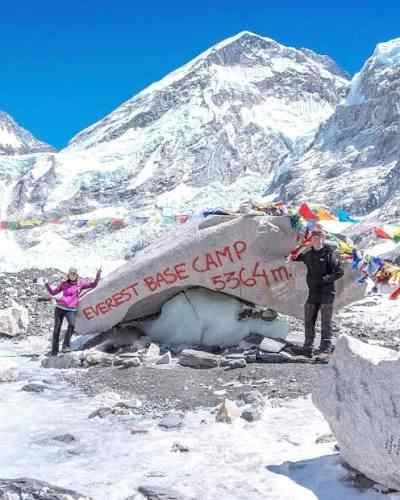
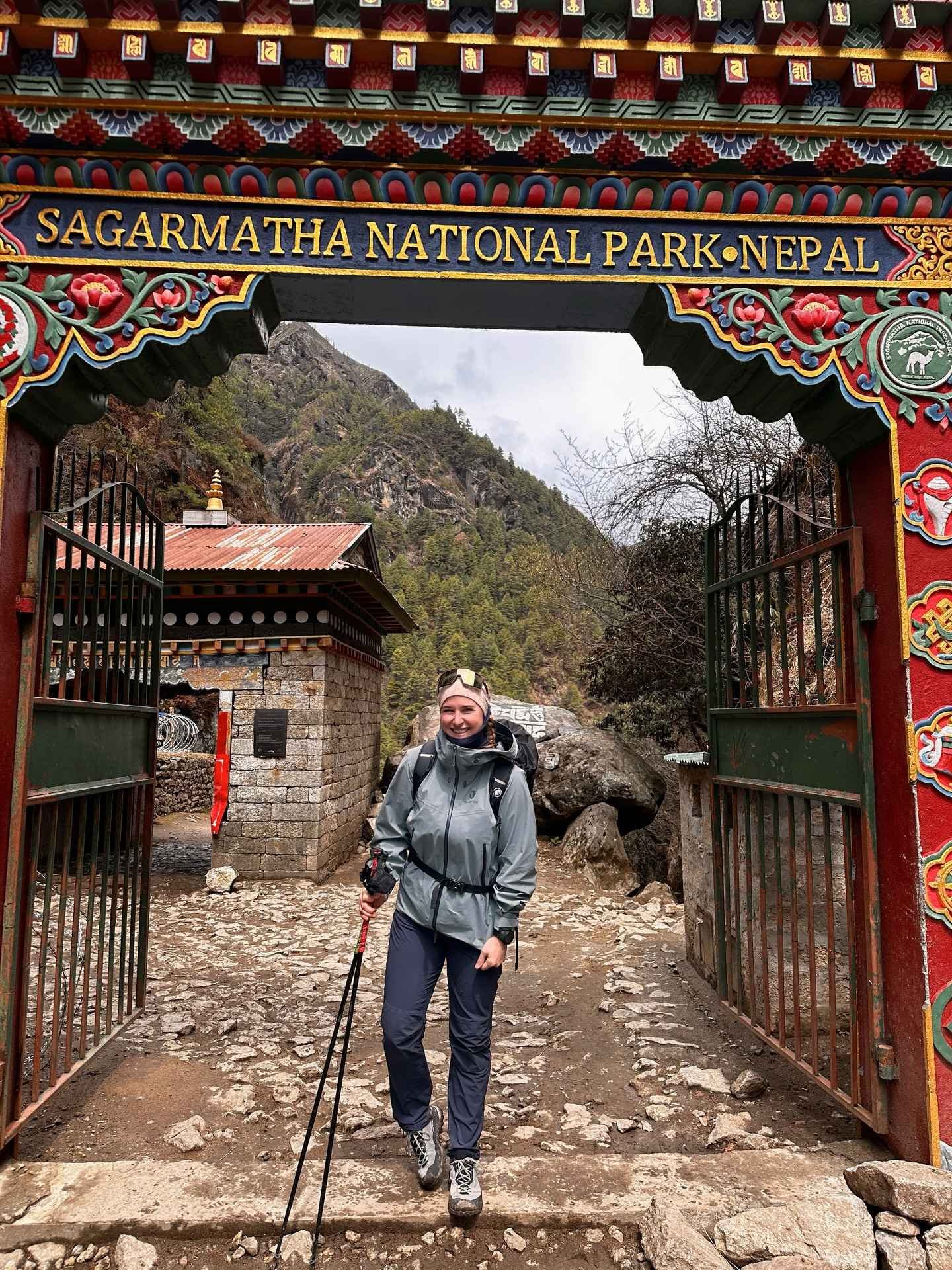
Sagarmatha National Park (सगरमाथा राष्ट्रिय निकुञ्ज) is a UNESCO World Heritage Site covering 1,148 square kilometres of the Khumbu region in the Solukhumbu district of northeast Nepal. It is the world’s highest national park, encompassing the upper Dudh Koshi watershed and including the world’s tallest mountains: Everest (8,849m), Lhotse (8,516m), Cho Oyu (8,201m), and numerous other peaks above 6,000m. All trekkers on the Everest Base Camp route pass through and must pay the Sagarmatha National Park entry fee.
Key Facts
| Feature | Details |
|---|---|
| Established | 1976 |
| UNESCO World Heritage Status | 1979 |
| Area | 1,148 km² |
| Altitude range | 2,845m (Lukla) to 8,849m (Everest summit) |
| Highest peak | Mount Everest (8,849m) |
| Main rivers | Dudh Koshi and its tributaries |
| Park headquarters | Namche Bazaar |
| Entry permit required | Yes |
Entry Permit and Fees
All trekkers entering Sagarmatha National Park must purchase an entry permit. As of 2026, the fee is approximately NPR 3,000 per person (roughly USD $22–$25) for foreign nationals. SAARC nationals (from India, Pakistan, Bangladesh, Sri Lanka, Bhutan, Maldives, and Afghanistan) pay a lower fee. Nepali citizens have a further reduced rate.
The permit can be purchased at:
- Nepal Tourism Board (NTB) offices in Kathmandu — convenient to arrange before your flight to Lukla
- The national park checkpoint at Monjo — the main park entrance gate, approximately a day’s walk above Lukla
Your trekking company will typically arrange permits in Kathmandu on your behalf before the trek begins. Always carry your permit — it is checked at multiple points within the park, and trekkers without valid permits may be turned back or fined.
Planning Your Everest Trek?
Get local expert advice on cost, itinerary and the best time to go.
Wildlife in Sagarmatha National Park
Despite the harsh high-altitude environment, Sagarmatha National Park supports a remarkable range of wildlife. The park spans several distinct altitude zones, each with its own ecosystem.
Mammals
- Snow Leopard — the park’s most famous and elusive resident; rare sightings occur in high-altitude rocky terrain, particularly in winter when prey descends
- Himalayan Tahr — a large ungulate (wild goat-antelope) commonly seen on steep, rocky hillsides along the EBC route, particularly below Namche
- Musk Deer — small, shy deer found in forested valleys; the musk gland makes them a poaching target (the park protects against this)
- Red Panda — found in forested lower-altitude sections of the park (below 4,000m); rare but occasionally spotted
- Himalayan Black Bear — present in lower elevations; active in summer
- Langur Monkey — grey langur primates are sometimes seen in forested sections near Namche
Birds
- Himalayan Monal (Danphe) — Nepal’s national bird; a spectacular pheasant with iridescent plumage; commonly seen along the lower EBC trail
- Lammergeier (Bearded Vulture) — enormous raptors with wingspans over 2.5m; regularly soaring on thermals throughout the park
- Himalayan Griffon Vulture — large vulture common at altitude
- Yellow-billed Chough — black corvids with yellow bills; seen at extremely high altitudes, including near Base Camp
- Blood Pheasant — colourful high-altitude pheasant found above treeline
Flora and Vegetation Zones
Sagarmatha National Park spans multiple ecological zones from the temperate forests near Lukla to the permanent snowfields and ice of the high Himalaya:
- Temperate forest (2,845–3,500m): Blue pine, silver fir, birch, rhododendron; the rhododendron forests are spectacular in April, with pink, red, and white blooms. Ferns and mosses carpet the understory.
- Subalpine zone (3,500–4,000m): Birch and rhododendron give way to juniper scrub and alpine meadows. Views begin to open up.
- Alpine zone (4,000–5,000m): Sparse vegetation — grasses, sedges, small alpine flowers including edelweiss. Yak pastures here.
- Nival zone (above 5,000m): Essentially barren — rock, ice, snow. Some hardy mosses and lichens survive.
Highlights of the Park
- Mount Everest (8,849m) — the world’s highest point; the park’s defining landmark
- Tengboche Monastery — at 3,860m, the most important Buddhist monastery in the Khumbu; sits in a spectacular location with Everest and Ama Dablam as a backdrop
- Namche Bazaar — the main hub of the Khumbu; a fascinating blend of Sherpa culture and modern trekking town
- Khumbu Glacier — one of the world’s highest glaciers; visible from Gorak Shep and on the approach to EBC
- Ama Dablam (6,812m) — arguably the most beautiful peak in Nepal; its distinctive summit towers over the Khumbu Valley between Namche and Dingboche
Conservation and Environmental Issues
The Khumbu’s extraordinary popularity brings significant environmental pressure. Key conservation challenges include:
- Waste management — human waste, solid rubbish, and expedition garbage on the mountain and trail remain ongoing challenges. Carry out all your non-biodegradable waste.
- Deforestation — firewood collection for teahouse heating and cooking has historically pressured local forests. Many teahouses now use kerosene or yak dung instead of wood.
- Glacial retreat — the Khumbu and surrounding glaciers are retreating as a consequence of climate change, with significant implications for water supply and glacier lake hazards in the region.
Trekkers can support conservation by: packing out all rubbish, using teahouse bins rather than littering on the trail, avoiding purchasing products made from protected wildlife, and working with trekking companies committed to responsible tourism practices.
Park Rules for Trekkers
- Do not remove plants, animals, or geological samples from the park
- Do not purchase or carry out wildlife products
- Carry and dispose of all your waste properly; use designated bins
- Trekking off marked trails requires special permission
- Camping is restricted to designated areas; the EBC route is entirely teahouse-based
- Hunting and poaching are strictly prohibited
Trek Through a World Heritage Site
Walking through Sagarmatha National Park is an extraordinary privilege — a journey through a protected landscape of staggering beauty that has been recognised by UNESCO as being of outstanding universal value. Take time to appreciate not just the mountains, but the forests, wildlife, rivers, glaciers, and living Sherpa culture that make the Khumbu one of the world’s most remarkable places.
View our Everest Base Camp Trek for the full itinerary through Sagarmatha National Park.
Related EBC Trek Guides
Planning Your Everest Trek?
Get local expert advice on cost, itinerary and the best time to go.