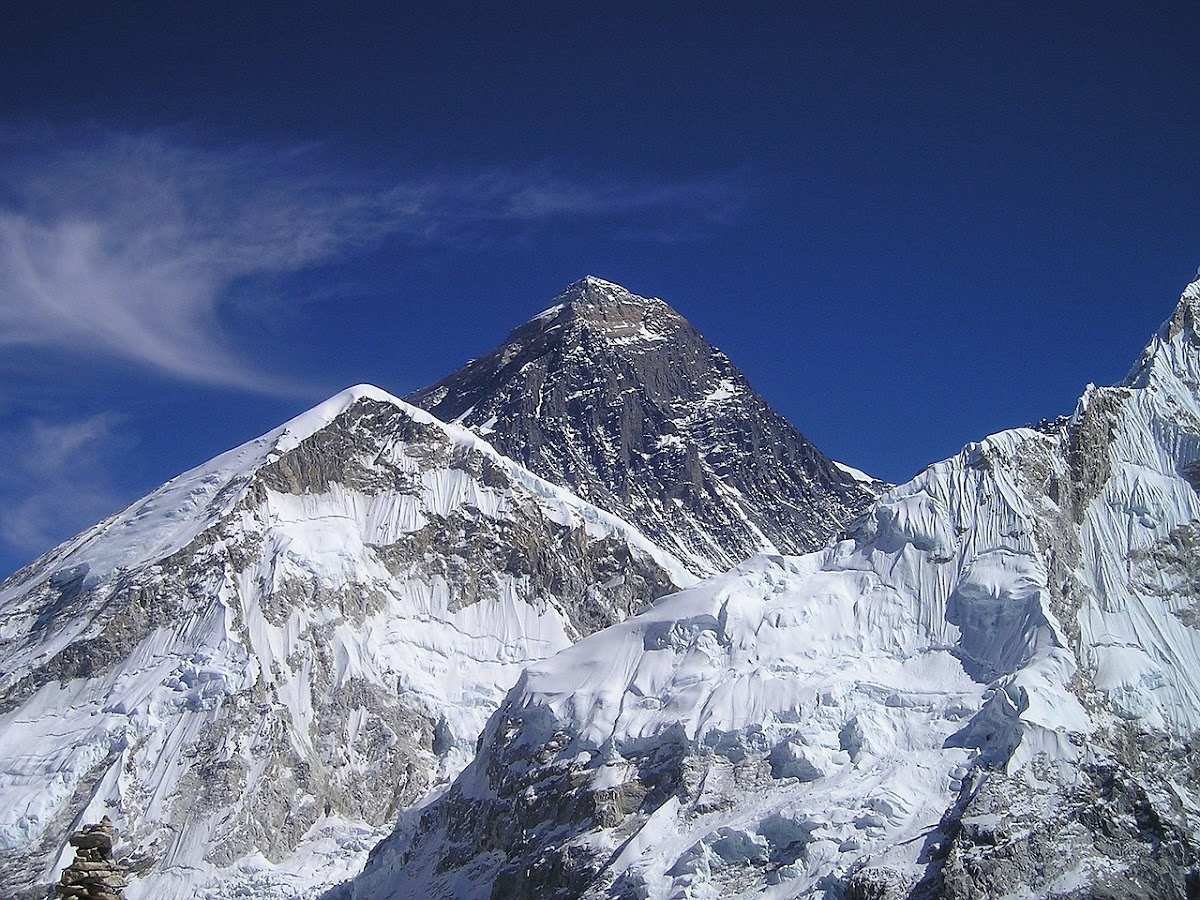
The honest answer to “what is the best season for the Everest Base Camp trek?” is that it depends entirely on what you prioritise. Views, temperature, crowds, cost, expedition atmosphere, and personal schedule all point to different windows. This guide cuts through the competing claims and gives you the frameworks to make the right decision for your trek.
The Short Answer: October Is the Best Month Overall
If you want one month with the best overall combination of factors, mountain clarity, trail conditions, temperature, teahouse availability, and trekker infrastructure, October wins. Post-monsoon clear skies, dry trail, manageable temperatures, and full teahouse operations combine in October to create the most reliable conditions of any month. This is why October accounts for the largest single trekking volume of the year in the Khumbu.
But “best overall” is not the same as “best for you.” The rest of this guide explains what the other seasons offer and when they are genuinely superior to October.
Planning Your Everest Trek?
Get local expert advice on cost, itinerary and the best time to go.
Season Scorecard
| Factor | Spring (Mar-May) | Monsoon (Jun-Aug) | Autumn (Sept-Nov) | Winter (Dec-Feb) |
|---|---|---|---|---|
| Mountain views | Very good | Limited lower / good upper | Excellent | Outstanding clarity |
| Crowds | High (April) | Very low | Very high (Oct) | Very low |
| Lower trail condition | Good | Muddy and wet | Excellent | Good; some ice |
| Upper trail condition | Good | Dry (rain shadow) | Excellent | Snow; crampons needed |
| Temperatures | Warm to mild | Warmest of year at altitude | Cool to cold | Extreme cold |
| Cost (packages) | Peak prices (April) | Lowest | Peak prices (October) | Low to moderate |
| Rhododendrons | Peak bloom (April) | Post-bloom | None | None |
| Expedition at EBC | Active (April-May) | Empty | Empty | Empty |
| Sleeping bag needed | -10 to -15C | 0 to -5C | -10 to -15C | -20 to -30C |
| Recommended for | Most trekkers; warm preference | Adventurous; value-seekers | Most trekkers; clarity priority | Experienced cold-weather only |
Best Season by Trekker Type
For First-Time Trekkers
October. The trail is dry, teahouses are fully operational, mountain views are excellent, and the combination of all conditions being at their peak gives first-timers the most forgiving environment. April is the second choice, offering warm temperatures and blooming forests at the cost of slightly less reliable afternoon views.
For Photographers
October to November for mountain landscapes. January for the most extreme winter mountain light. April for rhododendron and lower trail colour combined with mountain views. The golden hour at Kala Patthar in November is a specific target for serious mountain photographers.
For Avoiding Crowds
Late November, December, February, and late September offer the best combination of reasonable conditions with significantly lower crowd density. January is the emptiest month but requires serious cold-weather preparation. Late September in the transition period from monsoon to autumn is the single best value-crowd balance of the year.
For Budget Trekkers
June, July, and August offer the lowest package prices, lowest teahouse costs, and most Lukla flight availability. Late August and early September offer improving conditions at below-peak prices. January and February also offer below-peak pricing with the trade-off of extreme cold.
For Warmth-Sensitive Trekkers
April and early May. These months give you comfortable walking temperatures on the lower and mid-trail with cold but manageable nights at high altitude. July and August have the warmest overnight temperatures at Gorak Shep of any trekking month, but the lower trail conditions are challenging.
For Expedition Atmosphere at Base Camp
April and early May. The Everest climbing season peaks in May with hundreds of expedition team members at Base Camp. April offers the full expedition setup. Any other season, Base Camp is quiet with no expeditions.
For Solo Adventurous Trekkers
January or February. Complete solitude, extraordinary views, serious cold. This is not the choice of the mainstream trekker. It is the choice of the trekker who has done EBC once in October and wants to know what the mountain looks like when they are alone on it.
The Two Best Weeks of the Year
If forced to identify the two best consecutive weeks for EBC conditions across the entire calendar, most experienced Khumbu guides and trekking operators would agree: October 1 to 15. Post-monsoon clarity at its freshest, trail fully dried, temperatures cool but not cold, teahouses open and staffed. This is why it is the hardest period to book and the most expensive. The second-best window is probably April 10 to 25, offering full rhododendron bloom, expedition season at EBC, warm days, and good mountain visibility in the mornings.
When NOT to Go: Honest Advice
Mid-July (peak monsoon): The most challenging time to trek EBC. Heavy daily rain on the lower trail, maximum leech activity, worst Lukla flight reliability. Possible but genuinely difficult. Best avoided unless you specifically want the monsoon experience.
January (without cold-weather experience): January is extraordinarily cold. Trekkers without prior cold-weather high-altitude experience should not attempt January EBC regardless of their summer fitness level. The cold at Gorak Shep in January can be genuinely dangerous without the correct equipment and knowledge.
Late May: The monsoon typically arrives in the last week of May. Finishing an EBC trek after May 22 to 25 risks being caught by early monsoon on the lower trail on the descent. Fine if you can start by May 1; risky if starting after May 7 on a standard 14-day itinerary.
The Best Season for Specific EBC Variants
| Trek Variant | Best Season | Why |
|---|---|---|
| Everest Base Camp (standard) | October | Best conditions overall |
| EBC with Helicopter Return | October or April | Peak season; reliable flights; impressive return views |
| Luxury EBC Trek | October | Lodge availability and peak conditions align |
| EBC + Gokyo Lakes | October | Gokyo lake colours and clarity both peak |
| Everest Three Passes | October or April | Pass conditions; snow-free in these months |
| EBC + Island Peak | October or April | Summit windows align with peak seasons |
Booking Lead Time by Season
| Season | Recommended Booking Lead Time |
|---|---|
| October (peak) | 4-6 months minimum; some operators book out a year ahead |
| April (spring peak) | 3-4 months minimum |
| November | 2-3 months |
| March | 1-2 months |
| December, February | 4-8 weeks |
| January | 4-8 weeks (low demand, but operator winter experience matters) |
| June, July, August | 2-4 weeks (low demand; some operators do not offer monsoon departures) |
Frequently Asked Questions
What is the best season for the Everest Base Camp trek?
October is widely considered the best overall season: dry trail, clear mountain views, stable weather, and full teahouse operations. April is the best spring month for warmth and rhododendrons. November is excellent for those wanting quieter trails at comparable conditions to October.
Is spring or autumn better for EBC?
Both are excellent. Autumn (October) has the best mountain views and most stable weather. Spring (April) is warmer with rhododendrons and the excitement of expedition season at Base Camp. Most experienced trekkers who have done both find them equally rewarding but different experiences. Visibility-priority trekkers prefer autumn; warmth-priority trekkers prefer spring.
Can you do EBC year-round?
Yes. The EBC trail is open and teahouses operate in all 12 months. The monsoon season (June-August) and winter (December-February) have specific challenges but are viable for prepared trekkers. No month requires technical mountaineering skills on the standard EBC route (though crampons are recommended in winter).
EBC Trekking Season Score Card: All 12 Months
| Month | Weather | Views | Crowds | Price | Overall Score | Best For |
|---|---|---|---|---|---|---|
| January | 3/10 (extreme cold) | 9/10 | 1/10 (near-empty) | 10/10 (cheapest) | 4/10 | Cold-weather specialists only |
| February | 4/10 | 9/10 | 1/10 | 10/10 | 5/10 | Late Feb reasonable |
| March | 6/10 | 8/10 | 4/10 | 8/10 | 7/10 | Quiet, budget-friendly spring |
| April | 9/10 | 8/10 | 7/10 (busy) | 5/10 | 9/10 | Best spring month |
| May | 7/10 | 7/10 | 7/10 (busy) | 5/10 | 7/10 | Early May for Everest season atmosphere |
| June | 3/10 | 4/10 | 1/10 | 9/10 | 4/10 | Monsoon adventurers |
| July | 2/10 | 4/10 | 1/10 | 10/10 | 3/10 | Budget and solitude only |
| August | 3/10 | 5/10 | 1/10 | 9/10 | 4/10 | Late August solid option |
| September | 7/10 | 7/10 | 3/10 | 8/10 | 7/10 | Late Sept excellent value |
| October | 10/10 | 10/10 | 10/10 (peak busy) | 3/10 (highest cost) | 10/10 | Best overall |
| November | 8/10 | 9/10 | 6/10 (moderate) | 6/10 | 8/10 | October quality, fewer people |
| December | 4/10 | 9/10 | 2/10 | 9/10 | 6/10 | Winter adventurers |
Best Season by Trekker Type
| Trekker Type | Best Month(s) | Reason |
|---|---|---|
| First-time EBC trekker | October or April | Best conditions, most guides available, teahouses fully operational |
| Budget trekker | January/February or June/July | Lowest prices on guides, teahouses, and agencies |
| Photography enthusiast | October or November | Clearest air, best mountain light, dramatic post-monsoon colours |
| Flower lover | April | Peak rhododendron bloom on lower trail |
| Solitude seeker | November or January/February | Very few trekkers, peaceful trail |
| Everest climbing fan | April or May | EBC is full of climbing expeditions, unique atmosphere |
| Wildlife and nature lover | April or July/August | Active wildlife and lush vegetation |
| Experienced adventurer | December/January | Unique winter experience, maximum solitude |
Key Deciding Factors: How to Choose Your Month
| Priority | Best Month(s) | Avoid |
|---|---|---|
| Best mountain views | October, November | June, July, August |
| Avoid crowds | November, February, September | October, April |
| Lowest cost | January, July, August | October, April |
| Best flight reliability | October, November, December | July, August |
| Warmest temperatures | April, May, September | December, January |
| Spring flowers | April (peak) | October-February |
| Expedition atmosphere | April, May | All other months |
Best Season FAQ
What month has the clearest views from Kala Patthar?
October has the clearest views from Kala Patthar of any month. The post-monsoon atmosphere is exceptionally clear, the air is dry and dust-free, and there are typically no clouds above 4,000m on most days. November is a very close second, with winter conditions producing equally clear but colder conditions.
Can I do EBC if I can only travel in June or July?
Yes. EBC is doable in June and July, though conditions are challenging on the lower trail. Above 4,000m, the trail is often clear and stable. Trekkers who have done EBC in monsoon months frequently describe it as an unexpectedly great experience, especially the solitude above 4,000m. Go prepared with full waterproof gear.
Is there a month that is good for both views and low crowds?
November is the best compromise. It gives 80-90% of October’s view quality with significantly fewer trekkers. November is the experts’ choice for anyone who wants excellent conditions without the October peak-season crowds. Late September is another option with improving conditions and very few trekkers.
Does altitude sickness risk vary by season?
The season itself does not change altitude sickness risk significantly. What changes is how well-rested, hydrated, and acclimatized you are. The main seasonal factor is that in monsoon months, higher humidity can sometimes make breathlessness feel worse at lower elevations. In winter, the dry cold air can dehydrate you faster, which increases AMS risk if you do not drink enough water.
Conclusion
The best season for your Everest Base Camp trek is the one that fits your schedule, your budget, your cold tolerance, and your priorities. October is the objective best for first-timers and those with one chance to do EBC. But November’s quieter trails, April’s rhododendron forests, and even January’s extraordinary solitude all have their passionate advocates who have done EBC in multiple seasons. Book with an experienced everest trekking company, communicate your priorities, and trust their guidance on the timing that suits you best.
The Best Season for Everest Base Camp Trek: A Complete Guide
Choosing the best season for the Everest Base Camp trek is one of the most important decisions you will make during the planning process. The Khumbu valley’s four distinct seasons each offer a genuinely different trekking experience — different weather conditions, different crowd levels, different costs, and different unique experiences that no other season provides. This guide cuts through the generalisations to give you the detailed, honest assessment you need to choose the right season for your specific trek.
The Two Main Seasons: Why They Dominate
The vast majority of EBC trekkers (approximately 80–85% of annual visitors) choose one of two main seasons: autumn (September–November) or spring (March–May). This concentration exists for good reasons. Both seasons offer the most favourable combination of weather stability, trail conditions, teahouse availability, and mountain visibility. The Himalayan weather system, driven by the annual monsoon cycle, creates two windows of settled, clear conditions separated by the wet monsoon summer and the cold, cloudless winter. The main seasons simply represent the peaks of those settled weather windows.
Understanding why these seasons dominate helps you decide whether to join the mainstream or to choose one of the less-visited seasons for the specific advantages they offer. Our recommendation at Everest Trekking Company: for most trekkers, especially first-timers, the main seasons are the right choice. For experienced trekkers with specific objectives (absolute solitude, maximum cold-weather challenge, lower costs), off-season options deserve serious consideration.
Planning Your Everest Trek?
Get local expert advice on cost, itinerary and the best time to go.
Autumn (September–November): The Gold Standard
Autumn is the single most popular EBC season and the one Everest Trekking Company most frequently recommends to first-time trekkers. The key characteristics: post-monsoon weather is stable, mountain views are outstanding, all teahouses are fully operational and pre-bookable, and the trail operates with full infrastructure support. October is the crown month — generally 12–20 consecutive days of perfect blue-sky weather are common, trail conditions are excellent, and the Himalayan scenery at its most crystal-clear makes every viewpoint exceptional. November offers the same high-quality conditions with noticeably fewer trekkers and colder temperatures.
The primary autumn trade-off is trail congestion. October is Nepal’s busiest trekking month and the section between Namche and Dingboche can carry 500–800+ trekkers per day. Everest Trekking Company manages this through pre-booked accommodation, strategic departure timing, and optional route variations (Gokyo Valley detour reduces time on the busiest section). For most people, the benefits of autumn far outweigh the crowds — the conditions are simply too good to let trail congestion be a deterrent.
Spring (March–May): The Expedition Season
Spring is the Himalayan climbing season. From April through mid-May, 20–30 Everest summit teams with hundreds of members occupy Base Camp, creating a unique spectacle that autumn trekkers never see. Spring also brings the Khumbu’s most dramatic botanical display — rhododendron forests below 3,500 m in full bloom from mid-March through April are among the most beautiful trail environments in Nepal. The spring weather window is generally good but slightly less stable than autumn — afternoon cloud development is more frequent in spring (pre-monsoon atmospheric instability) and mountain views are clearest in the 6–10 AM morning window.
Spring is the right choice if: you want to see the Everest expedition season at Base Camp; you prioritise the rhododendron forests and spring wildlife; or your schedule only allows March–May dates. April offers the optimal combination of expedition activity at Base Camp and acceptable weather. Late March and early April are the clearest sky days of the spring season. Late May becomes pre-monsoon transition and carries higher cloud risk.
Winter (December–February): For the Adventurous
Winter EBC is the best-kept secret of the Khumbu trekking calendar. Trail congestion drops to near zero. Air clarity reaches its annual maximum — the views in January deliver a mountain photography experience that the main seasons cannot match. Temperatures are extreme (-20°C to -25°C at Gorak Shep at night) but manageable with the right gear. The winter Khumbu is a profound wilderness experience that transforms many trekkers who experience it. The trade-offs: higher equipment demands, some teahouse closures above Namche in January–February, Lukla flight delays more frequent than in autumn, and a cold that is genuinely challenging for those unprepared for it.
Monsoon (June–September): The Specialist Season
Monsoon is the least popular EBC season — and rightly so for most trekkers. Heavy rainfall below 3,500 m, frequent Lukla flight delays, cloud obstructing mountain views, and active leeches in forest sections make the experience significantly more challenging. The rewards — near-total solitude, lush green landscapes, dramatically atmospheric mountain photography, and cultural access to communities without tourist traffic — are real but appeal to a specific type of traveller. For trekkers whose schedules are fixed in July or August, a well-planned monsoon trek with Everest Trekking Company remains viable and rewarding. For those with flexible dates, monsoon is the season to avoid for EBC.
Month-by-Month Quick Reference
| Month | Season | Trek Conditions | Recommend? |
|---|---|---|---|
| January | Winter | Cold, quiet, crystal clear | For experienced cold-weather trekkers |
| February | Winter | Cold, clear, warming slightly | For experienced cold-weather trekkers |
| March | Early Spring | Good, rhododendrons begin | Yes — excellent choice |
| April | Peak Spring | Very good, expedition season | Yes — peak spring |
| May | Late Spring | Good early, cloud increases | Yes, early May only |
| June | Early Monsoon | Wet, poor visibility | Avoid (specialist only) |
| July | Full Monsoon | Heavy rain, delays, leeches | Avoid (specialist only) |
| August | Full Monsoon | Heavy rain, delays, leeches | Avoid (specialist only) |
| September | Late Monsoon | Improving from mid-month | From 15 Sep: Yes |
| October | Peak Autumn | Excellent, busy | Yes — best month overall |
| November | Late Autumn | Excellent, cold, quiet | Yes — excellent choice |
| December | Early Winter | Cold, clear, very quiet | Yes (with cold-weather prep) |
ETC’s Season Recommendation for First-Time EBC Trekkers
If you are planning your first EBC trek and have flexibility on dates, our recommendation at Everest Trekking Company is: October (specifically October 10–25) for the absolute best combination of weather, views, trail conditions, and teahouse availability. If October is not possible, April (April 1–20) is our second recommendation. If only spring late March or November, both are excellent. These four windows deliver the EBC experience that exceeds trekker expectations most consistently and reliably.
If you have inflexible dates outside these windows, contact our team at Everest Trekking Company and we will advise on the specific best timing within your available window. For the most up-to-date seasonal conditions advice, contact our Kathmandu-based operations team who monitor current Khumbu trail conditions year-round. Book your Everest Base Camp Trek at the perfect time for your schedule with Everest Trekking Company — Nepal’s most experienced Everest trekking company. Visit everesttrekkingcompany.com to explore all available departure dates across every season.
Budget vs. Season: How Timing Affects EBC Trek Cost
Season choice directly affects the total cost of an EBC trek in multiple ways. Peak-season months (October and April) carry the highest teahouse prices (NPR 500–800 per night at Dingboche and above vs. NPR 200–300 in off-season), the highest internal flight prices (domestic airlines operate demand pricing on Lukla routes), and the highest agency demand (guide and porter availability is tightest in October and May). Off-season (November–March, excluding December–February deep winter) typically saves 10–20% on teahouse accommodation and may offer promotional rates from agencies looking to fill quieter departure slots.
The cost differential between peak and off-season is real but modest compared to the total trek cost. A 14-day all-inclusive EBC package with Everest Trekking Company includes all teahouse accommodation, meals, permits, flights, guide, and porter in the total price regardless of season — with seasonal adjustments already factored into the quoted price. Contact our team for specific seasonal pricing and available departure dates.
Safety by Season: What the Data Shows
Altitude sickness rates by season are largely consistent — the physiological variables of acclimatisation depend far more on individual response and itinerary design than on season. AMS rates on the EBC trail are not significantly higher in winter than in autumn or spring when the same acclimatisation schedule is followed. The main season-specific safety considerations are: monsoon and winter both carry higher secondary risks (flood risk on lower trails in monsoon, cold injury risk in winter) that require additional preparation; Lukla flight reliability is lowest in monsoon and winter, creating schedule stress that can indirectly pressure trekkers to make faster-than-advisable ascent decisions; and trail surface hazards (ice above 4,500 m in winter, slippery mud below 3,500 m in monsoon) require footwear and equipment adaptations.
Everest Trekking Company maintains consistent safety protocols — SpO2 monitoring, guide-enforced acclimatisation schedules, emergency oxygen availability, and helicopter evacuation coordination — across all seasons. Our season-specific preparation guides are designed to mitigate the particular risks of each season before departure.
The ‘Best Season’ for Specific Trekker Types
First-time high-altitude trekker: October. The most forgiving conditions for someone learning to manage altitude for the first time. Full teahouse services, predictable weather, and a trail community of fellow trekkers to share the experience with all reduce the stress of a first altitude encounter.
Photographer: January for maximum clarity and winter light quality; October for golden-hour mountain photography. Spring rhododendron season (March–April) for botanical and lower-valley photography. Monsoon for dramatic cloud-and-mountain atmospheric work.
Wildlife and nature enthusiast: Spring (March–April) for bird activity, flowering plants, and wildlife displaying and moving after winter. Autumn for foliage colours and yak migration. Winter for snow leopard territory access at highest trail elevations.
Budget-conscious trekker: November or early March — adjacent to peak season with very similar conditions at 10–20% lower teahouse costs and lower trail congestion. Both are excellent value alternatives to the October and April peaks.
Solitude seeker: January or February for maximum wilderness experience. Late November for post-peak-season quiet with still-good weather. Early September for the last post-monsoon transition days before October crowds arrive.
Whatever your trekker type, Everest Trekking Company has a seasonal recommendation and a departure window that matches your profile. Contact our team today, or browse all season options at everesttrekkingcompany.com. The best season for EBC is the season that is right for you — and the Everest Base Camp Trek with Everest Trekking Company is ready to deliver it in every month of the year.
Frequently Asked Questions: Best Season for EBC
What is the absolute best month for Everest Base Camp? October is the single best month for the majority of trekkers. Post-monsoon weather stability, clear mountain visibility, moderate temperatures, and full infrastructure support make October the optimal combination of all relevant factors. The specific window of October 10–25 is when conditions are typically at their peak.
Is spring or autumn better for EBC? Both are excellent and the right choice depends on your priorities. If mountain view clarity is most important: autumn. If expedition atmosphere and botanical scenery matter: spring. If you cannot decide between them, October just edges April as the most reliably exceptional month for conditions overall.
Can I trek EBC in November? Absolutely — November is often overlooked but offers outstanding conditions. Fewer trekkers than October, excellent mountain views, and the same trail infrastructure (teahouses remain open through November with full service). The main consideration is cold — November nights at Lobuche and above are colder than October. Pack accordingly.
What is the cheapest season for EBC? The monsoon season (June–September) offers the lowest teahouse prices and the fewest crowds, but the difficult conditions make it suitable only for specialist trekkers. For comfortable off-peak trekking at lower cost than the peak seasons, November or March offer the best value — adjacent to peak season conditions at 10–15% lower accommodation costs.
How much time in advance should I book? For October and April departures: book 3–4 months in advance. For November, March, December: 2–3 months is generally adequate. For January–February winter treks: 3–4 months to allow sufficient cold-weather gear acquisition time. Contact Everest Trekking Company as early as possible to secure preferred departure dates and the best pre-trek planning support.
Ready to choose your season and book the Everest Base Camp Trek? The team at Everest Trekking Company is ready to help you make the decision that’s right for you. With departures across all 12 months and the most experienced guide team in Nepal, we have the right departure for every trekker. Visit everesttrekkingcompany.com to explore available dates and book the best season EBC trek for your specific goals.
Season Summary: Our Final Recommendation
After more than a decade of guiding trekkers to Everest Base Camp across all seasons, the team at Everest Trekking Company offers this honest season summary:
Trek in October if you want the definitive EBC experience — the weather, the views, and the mountain hospitality at their absolute peak. Trek in April if you want spring’s unique combination of expedition atmosphere and botanical magnificence. Trek in November if you want the October experience with half the crowds and more silence. Trek in March if you want spring conditions with the first rhododendron blooms and the trail still quiet before the April rush.
Trek in winter if you want the Khumbu at its most powerful and most honest — demanding, magnificent, and profoundly rewarding for those properly prepared. Trek in monsoon if solitude, dramatic landscapes, and the absence of tourist infrastructure genuinely appeals to your specific trekking philosophy — and if you accept the logistical constraints this season imposes.
Every season on the Khumbu has its advocates among experienced trekkers. Every season delivers an experience unlike any other on Earth. The best season for your EBC trek is the one that aligns with your schedule, your priorities, and your specific definition of an ideal mountain experience. Everest Trekking Company will advise you honestly, prepare you thoroughly, and guide you superbly in whichever season you choose. Book the Everest Base Camp Trek today — the Khumbu is waiting, in every season, at its best.
The Everest Base Camp Trek is one of the world’s great adventures — and Everest Trekking Company makes it accessible, safe, and extraordinary in every season. Explore all options, choose the right season, and book with the team that knows the Khumbu better than anyone in Nepal. Visit everesttrekkingcompany.com today.
The best season for EBC is the one that puts you on that trail, breathing the thin cold air of the Khumbu, looking up at the world’s highest mountain with wonder. Everest Trekking Company makes that possible in every season — with expert preparation, professional guidance, and the kind of local knowledge that only comes from years of Khumbu experience. Choose your season. Book the Everest Base Camp Trek. The mountain is waiting. Visit everesttrekkingcompany.com today.
The best season for your EBC trek is determined by your priorities, your schedule, and your definition of the ideal mountain experience. Whatever that definition is, Everest Trekking Company has the expertise, the team, and the passion to deliver it. Book the Everest Base Camp Trek at everesttrekkingcompany.com and choose the season that speaks to you.
The best season for the EBC trek is the one that belongs to you. Everest Trekking Company makes it extraordinary. Book now at everesttrekkingcompany.com and choose your Khumbu season with confidence.
Every season delivers a different Khumbu. Every season with Everest Trekking Company delivers the best possible version of that Khumbu. Book the Everest Base Camp Trek in the season that calls to you — we will make it extraordinary. Contact us today at everesttrekkingcompany.com.
The best season for the Everest Base Camp Trek is the one where you are standing at Everest Base Camp. With Everest Trekking Company guiding you, every season delivers exactly that. Book at everesttrekkingcompany.com today.
Final Season Verdict: Which Month Is Truly Best?
If forced to name one single best month for the Everest Base Camp Trek, the answer is October — stable weather, clear skies, ideal temperatures, and peak energy on the trail. If October is not available for you, November is an outstanding alternative with fewer crowds and equal clarity. For spring, April delivers the rhododendron blooms and expedition season energy that make it nearly as compelling. For budget trekkers willing to tolerate some cloud cover, March offers exceptional value. The only months to firmly avoid are June through August at altitude. Everest Trekking Company helps you plan the ideal EBC timing for your specific window — visit everesttrekkingcompany.com to start your booking.
Whatever month you choose, the right guide makes all the difference. Everest Trekking Company has led hundreds of trekkers to Everest Base Camp safely and successfully across every season. Your adventure begins at everesttrekkingcompany.com.
Planning Your Everest Trek?
Get local expert advice on cost, itinerary and the best time to go.