Autumn is the golden season for the Everest Base Camp trek. Running from late September through November, the post-monsoon window delivers the clearest skies, the most stable trail conditions, and the most lively mountain photography of the year. This guide covers the full three-month autumn season so you can choose exactly when within it suits you best.
Autumn EBC Trek: Season Overview
| Season window | Late September to late November |
| Peak crowds | Mid-October; very high |
| Best conditions | October overall; late September for value |
| Sky clarity | Excellent throughout; best of any season |
| Trail condition | Dry and stable; some snow late November above 5,000 m |
| Temperature range (Gorak Shep nights) | -10C (late Sept) to -25C (late Nov) |
Why Autumn Dominates EBC Bookings
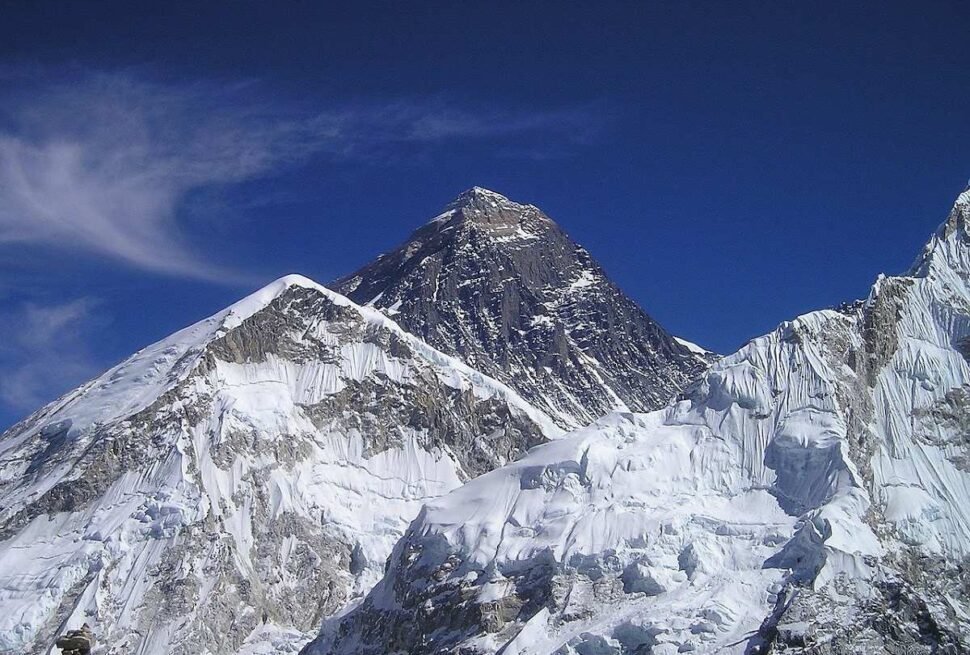
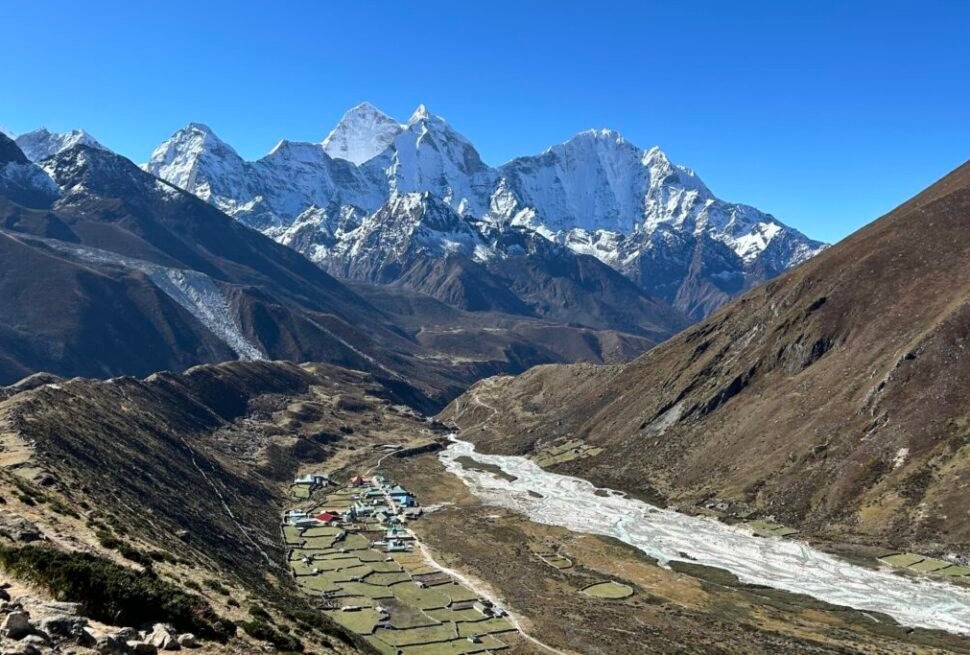
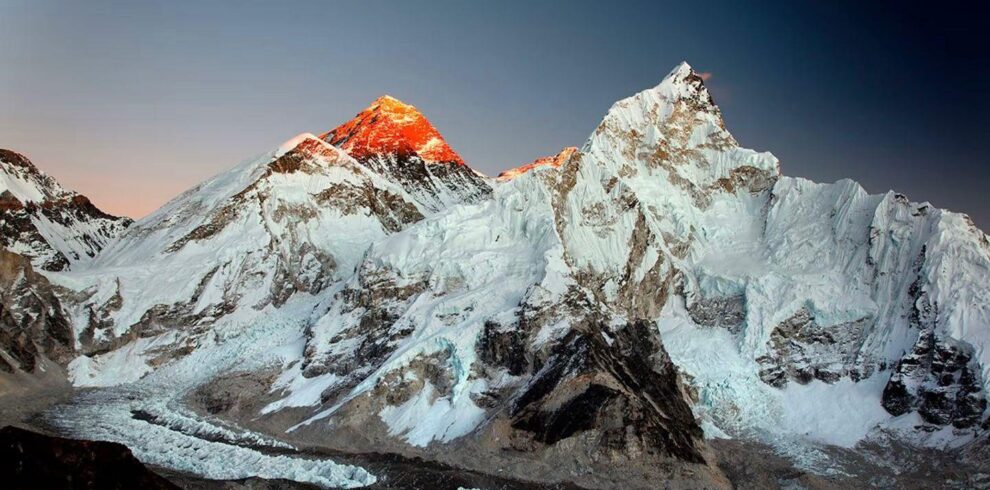
The southwest monsoon deposits vast amounts of moisture on Nepal from June through early September. When it retreats, it leaves behind clean, washed air with minimal particulates. The result is exceptional visibility. Peaks that appear blurred and distant at other times of year stand sharp and close in autumn light. This is the primary reason October and November consistently rank as the most popular months for the EBC trail.
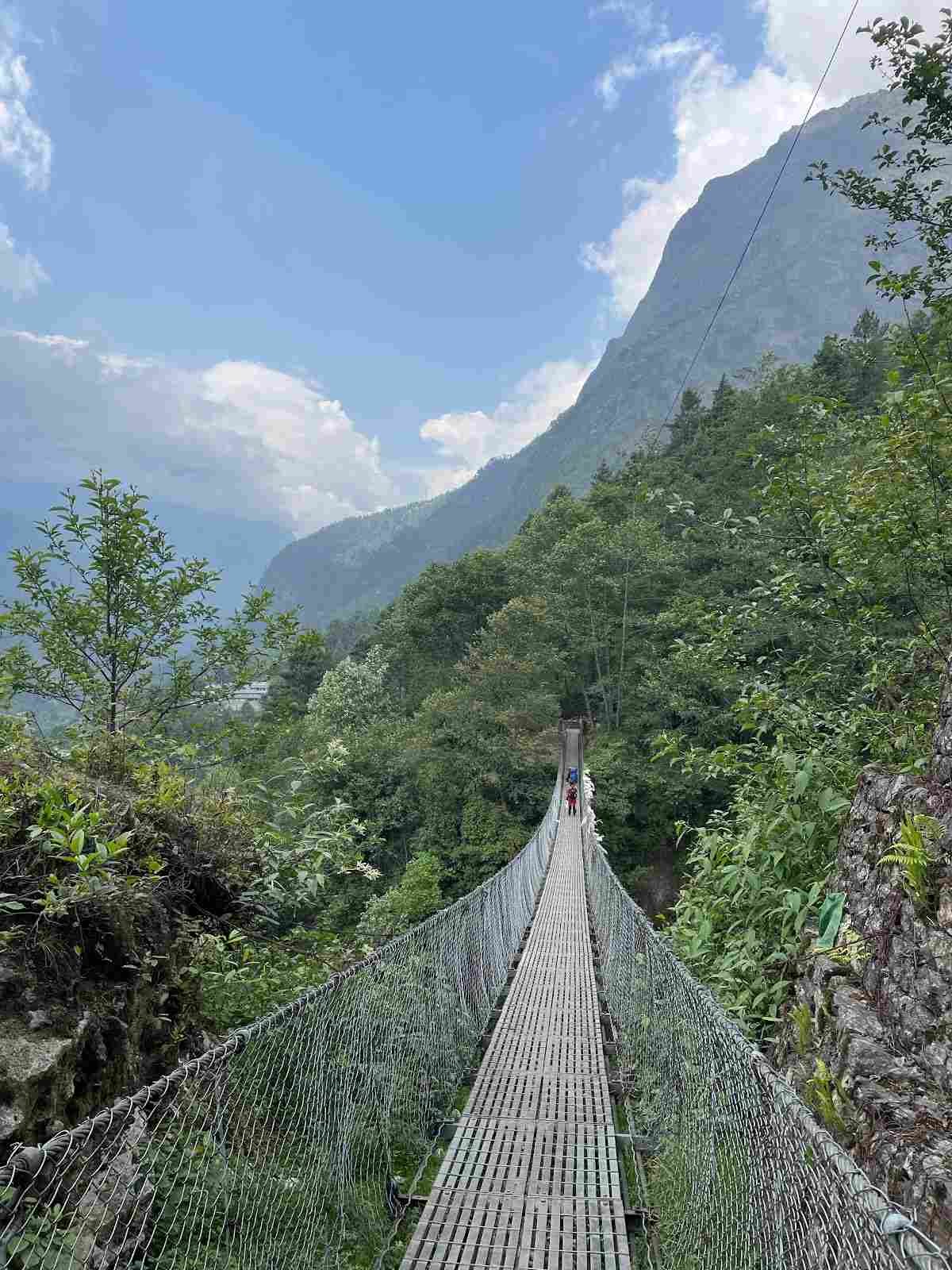
The trail itself is in its best condition. Rain has settled the dust and refreshed the path. Streams run clear but manageable. Suspension bridges are intact and dry. Teahouses are fully staffed and stocked from the pre-season supplies.
Planning Your Everest Trek?
Get local expert advice on cost, itinerary and the best time to go.
Month-by-Month Autumn Breakdown
Late September (22-30 September)
The transition month. Monsoon rain probability drops from 40% to under 15% in the final week. Conditions improve daily and by September 25 to 28, skies are often fully clear. Trekker numbers are much lower than October but growing. Late September is the value window of the autumn season, offering near-October quality with September prices and fewer people on the trail.
October
The undisputed peak. October averages the most trekkers, the highest demand for teahouse rooms at Gorak Shep, and some of the year’s best mountain views. Early October (1 to 10) has some residual lower-trail mud. Mid-October (10 to 20) is the absolute peak of the season. Late October (21 to 31) has slight crowd relief and sees the first occasional early snowfall above 5,000 m. A sleeping bag rated to -10C is essential for Gorak Shep in October.
November
The lesser-known spot of the autumn season. October trekkers have cleared the trail and November reduces crowd density by 40 to 50%. Skies remain excellent to crystal-clear. Temperatures drop noticeably with nights at Gorak Shep reaching -20C to -25C. A sleeping bag rated to -15C is needed for November at high altitude. The mountain photography in November’s low-angle light is extraordinary.
Autumn Temperature Comparison by Month
| Village | Late September Night | October Night | November Night |
|---|---|---|---|
| Namche Bazaar (3,440 m) | 0 to +4C | -5 to 0C | -10 to -5C |
| Dingboche (4,410 m) | -5 to 0C | -10 to -5C | -15 to -10C |
| Lobuche (4,940 m) | -8 to -4C | -14 to -10C | -20 to -16C |
| Gorak Shep (5,140 m) | -10 to -6C | -18 to -12C | -25 to -18C |
Autumn Trail Conditions
Lower trail (Lukla to Namche): Post-monsoon mud persists in early October. Dries out quickly. By mid-October and throughout November the lower trail is dry and fast. Very good conditions for the entire autumn season.
Mid-trail (Namche to Dingboche): Excellent throughout autumn. Clear, dry, well-maintained. The high viewpoints (Namche hill, Tengboche ridge) offer peak-season visibility from late September onward.
Upper trail (Dingboche to Gorak Shep): Dry and stable in October. Some icy sections possible in November after overnight frost. Light snowfall possible late November above 4,500 m. Trail remains passable throughout autumn season.
Autumn Accommodation: What to Expect
The October peak puts extreme pressure on teahouse capacity at Gorak Shep. Two or three small teahouses serve the entire October trekking population at the last overnight stop before Base Camp. Without advance booking through your everest trekking company, October trekkers can find themselves sleeping in dining room chairs at Gorak Shep. This is the one booking that cannot be left to chance. November is significantly easier with rooms readily available.
Autumn vs Spring: Which Season Wins?
| Factor | Autumn (Sept-Nov) | Spring (Mar-May) |
|---|---|---|
| Sky clarity | Superior (post-monsoon) | Good (pre-monsoon building) |
| Crowds (peak month) | Very high (October) | Very high (April) |
| Lower trail scenery | Autumn colours | Rhododendron blooms |
| Expedition atmosphere at EBC | Quiet (post-expedition) | Active (summit season) |
| Trail temperature | Cooler | Warmer |
| Best month in season | October (views), November (quiet) | April |
What to Pack for Autumn EBC
Autumn packing varies significantly by month. The complete EBC packing list has detailed autumn-specific recommendations. Key differences by month: late September requires a -10C sleeping bag; October requires -10 to -15C sleeping bag; November requires -15C sleeping bag minimum. Down jacket essential from Namche onward in all autumn months. Early October: waterproof jacket useful for lower-trail mud. November: wind protection critical for Kala Patthar.
Autumn Flights to Lukla
Autumn is peak season for Lukla flights. Book 3 to 4 months in advance through your everest trekking company. Morning flights are most reliable. Build in at least one buffer day before any international departure. Read the Lukla flight guide for contingency planning. The EBC helicopter return trek is a popular autumn option that avoids the return Lukla flight entirely.
Autumn Treks to Consider
Autumn is excellent for all Khumbu treks. The standard EBC route, the EBC with Gokyo Lakes
Frequently Asked Questions
What is the best month in autumn for EBC?
October is the overall best for conditions and the most sought-after. For a quieter experience with similar quality, November (particularly early November) is excellent. Late September is the best value: good conditions, fewer trekkers, lower prices.
How cold is EBC in autumn?
Gorak Shep (last overnight before Base Camp) ranges from -10C nights in late September to -25C nights in late November. A good sleeping bag rated to -10C is the minimum for October; -15C for November. Daytime walking is comfortable throughout autumn.
Should I book EBC in advance for autumn?
Yes, especially for October. Book trek, Lukla flights, and a reliable everest trekking company at least 3 months before your target date. November has more flexibility but advance booking is still strongly recommended.
Autumn EBC Conditions: Month-by-Month
| Month | Temp at Namche | Temp at EBC | Views | Crowds | Best For |
|---|---|---|---|---|---|
| September | 9-14C | -2 to 4C | Good to Very Good (late Sept excellent) | Low (increasing end of month) | Quiet trails with improving conditions |
| October | 5-10C | -8 to -1C | Outstanding | Very High (peak season) | Best overall conditions, most popular |
| November | 1-5C | -12 to -5C | Outstanding | Moderate | Good views with fewer crowds than October |
Why Autumn Is the Best Season for EBC
| Factor | Autumn Advantage | Comparison to Spring |
|---|---|---|
| Sky clarity | Clearest skies of the year, monsoon has washed away dust and haze | Spring also clear but occasional haze |
| View quality | Best mountain photography light, sharp contrast in post-monsoon air | Spring slightly more hazy |
| Trail condition | Dry, stable, fully maintained after monsoon repairs | Dry but sometimes icy at higher elevations |
| Lush landscape | Still green from monsoon rain but drying | Spring has rhododendron blooms |
| Expedition activity | Quiet (Everest climbing season is over) | Busy with Everest climbers at EBC |
| Flight reliability | Excellent in October, very good in November | Good but some pre-monsoon delays in late May |
Autumn EBC: What Experienced Trekkers Recommend
Based on feedback from trekkers who have done EBC in multiple seasons, here is what experienced hikers say about autumn:
| Experienced Trekker Insight | Detail |
|---|---|
| Go in late October, not early | After Dashain festival crowds, mid-to-late October combines the best weather with slightly fewer trekkers |
| Consider November for value | November gives 80% of October quality at 60% of the crowd level, at lower prices |
| Start early each day | In October, teahouses get noisy and busy. Starting at 6-7am means trail to yourself for first 2 hours |
| Late September is underrated | September 20-30 offers October-like conditions with very few trekkers and low-season prices |
Autumn EBC FAQ
Is late October or early October better for EBC?
Both are excellent. Early October (1-15) is slightly warmer and has full rhododendron and autumn foliage colours remaining. Late October (16-31) is colder but the air is even clearer and the festival crowds from Dashain have cleared. Most experienced trekkers prefer mid-October (12-20) as a sweet spot.
Do I need to book teahouses in advance for the autumn season?
For October, yes, especially Lobuche and Gorak Shep. These lodges have limited capacity and fill completely every night in peak October. Your guide should call ahead each morning. November teahouses are easier, and late September rarely requires advance booking.
How cold is Kala Patthar at sunrise in October?
Temperature at Kala Patthar (5,545m) at 5-6am in October is typically -8 to -15C with windchill. You need a proper down jacket, balaclava, warm gloves, and insulated pants. Many trekkers underestimate how cold the pre-dawn Kala Patthar summit can be even in the best season.
Conclusion
Autumn is the season the Everest Base Camp trek was made for. From the first clearing skies of late September through the cold, crystal beauty of late November, the post-monsoon Khumbu offers something unique in every week of the season. Identify your priorities: views, temperature, crowds, or budget. Then pick your October week for the best all-round experience, your November date for quieter trails, or your late September slot for the best value. Book with an experienced everest trekking company and arrive at Kala Patthar with Everest to yourself on a clear autumn morning.
Trekking to Everest Base Camp in Autumn (September–November)
Autumn is the most popular trekking season in the Khumbu for excellent reasons. The monsoon retreats from Nepal in mid-September, leaving behind a landscape washed clean by summer rains, with clear blue skies, exceptional mountain visibility, and the most stable weather conditions of the year. October and November in particular offer a trekking environment that the Khumbu at its absolute best — and the team at Everest Trekking Company recommends this season to trekkers seeking their first EBC experience.
September: Monsoon Retreats, Adventure Begins
September is a transitional month. Early September still carries lingering monsoon moisture — cloud cover, occasional heavy rain below 3,500 m, and poor visibility on many days. By mid-September (around 15–20 September), the monsoon typically retreats and conditions begin to stabilise rapidly. Late September offers excellent trekking: fresh-washed landscapes, clear mountain views, and trails that are quiet by the standards of peak October. Temperatures at Namche in late September: 8–16°C daytime, 0–5°C night. Above 5,000 m: -5°C to 5°C by day, -15°C to -20°C at night.
The advantage of late September starts: teahouses are less crowded (many trekkers wait until October for guaranteed good weather), trail conditions are excellent, and the post-monsoon light creates exceptional photographic conditions — the air is extremely clear and the contrast between green lower valleys and snow-capped upper peaks is striking. The disadvantage: some days in early-to-mid September will still be partially cloudy, and Lukla flights can be delayed by residual monsoon cloud.
October: The Gold Standard Month for EBC
October is widely considered the best single month for the Everest Base Camp trek. The monsoon is fully gone, the weather is settled and reliable, temperatures are moderate at all elevations, and the mountain views are at their clearest. The famous “October windows” — multi-day stretches of perfect high-pressure weather — deliver the conditions that feature in virtually every spectacular EBC photograph.
Specific October conditions at key elevations: Lukla (2,860 m): 10–18°C daytime, 2–8°C night. Namche (3,440 m): 8–15°C daytime, -2 to 4°C night. Dingboche (4,410 m): 3–10°C daytime, -8 to -3°C night. Lobuche (4,910 m): 0–6°C daytime, -12 to -5°C night. Gorak Shep/EBC (5,164–5,364 m): -2 to 4°C daytime, -15 to -8°C night. Kala Patthar pre-dawn: -15 to -20°C with wind chill.
The trade-off in October is trail congestion. Peak-season October sees 500–800+ trekkers per day on the section between Namche and Dingboche. Popular teahouses fill up by early afternoon. The famous Hillary suspension bridge near Phakding queues in both directions during the 7–10 AM peak movement window. Booking accommodation in advance from Dingboche upward is essential in October. Everest Trekking Company pre-books accommodation for all clients — no scrambling for beds at the end of a long day at altitude.
November: Quiet, Cold, and Crystal Clear
November offers a compelling alternative to the October peak: the trail quietens significantly (many trekkers have returned home, and the pre-Christmas international travel season has not yet begun), while weather conditions remain excellent — in fact, November air clarity often exceeds October’s already-impressive standard. The trade-off is temperature: November nights at Lobuche and Gorak Shep are significantly colder than October, with night temperatures at EBC elevation regularly reaching -20°C or below by late November.
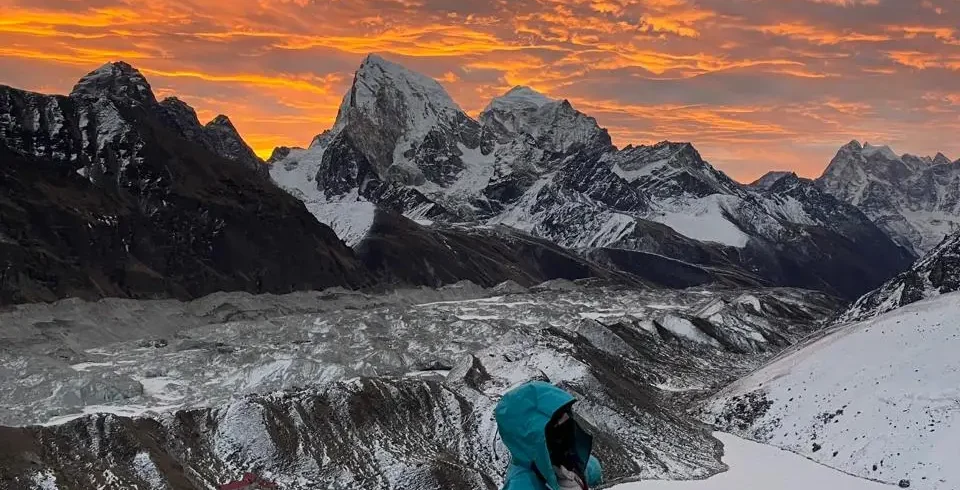
For trekkers who are well-equipped for cold (four-season sleeping bag rated to -20°C, heavyweight down jacket, insulated boot liners for high-altitude sections) and who value a quieter trail experience, November is an underrated gem of the EBC calendar. Teahouses are available without advance booking above Dingboche from mid-November onward. Trail surfaces are firmer (frost consolidates the loose terrain above 4,500 m). And the sunsets over the Himalayan skyline from Tengboche, Dingboche, and Gorak Shep in November are among the most spectacular experiences available anywhere on the planet.
Planning Your Everest Trek?
Get local expert advice on cost, itinerary and the best time to go.
Crowd Management: Navigating the Autumn Peak
The autumn season’s popularity creates practical challenges that experienced operators manage and inexperienced ones don’t. Everest Trekking Company‘s approach to autumn crowding: we book all accommodation from Phakding to Gorak Shep before clients depart Kathmandu; we schedule departure timing to avoid the 8–10 AM peak flow through congestion points; we use slightly off-peak start dates (avoiding the most popular October 1–15 window by departing October 16–20 when crowds thin measurably while weather remains identical); and we brief all clients on realistic expectations for trail traffic during peak season.
For clients who specifically want to avoid crowds, we recommend late October (15–31 October) or early November — weather comparable to peak October, significantly fewer trekkers, identical itinerary and experience. The EBC with Gokyo Lakes circuit also reduces time on the busiest section of the main trail (Namche to Dingboche) by routing through the quieter Gokyo Valley — an excellent option for autumn trekkers who want to combine full EBC coverage with less-trafficked terrain.
What to Pack for Autumn EBC
Autumn packing needs to account for warm midday temperatures at lower elevations and genuinely cold nights at high altitude. The layering approach: lightweight merino base layer, mid-weight fleece or light down sweater, and a hardshell waterproof outer layer covers the full range of autumn conditions from Lukla to EBC. Add a heavyweight down jacket (800+ fill power) for Gorak Shep and Kala Patthar pre-dawn. Four-season sleeping bag for Dingboche and above. Sunscreen is essential — autumn UV at 5,000 m is extremely intense and burn time is under 10 minutes without protection.
Rain gear is needed primarily for the Lukla-to-Namche section in October — occasional afternoon rain showers occur below 3,500 m in early-to-mid October. Above Namche in October, precipitation is almost always as snow rather than rain, and snowfall is relatively uncommon. Micro-spikes or crampons are worth carrying for the section from Lobuche upward in late October or November when frost and occasional overnight snow create slippery conditions on steep sections. Everest Trekking Company provides all clients with a season-specific gear checklist for autumn EBC treks — contact our team to receive the full list when booking the Everest Base Camp Trek.
Autumn EBC: Key Dates and Planning Calendar
For trekkers planning an autumn EBC, here is the practical calendar: book your trek 3–4 months in advance (July–August for October departures), book your international flights 4–6 months in advance, obtain travel insurance with helicopter evacuation immediately upon booking, and submit a leave application to your employer in June–July if approval is required. Confirm your fitness programme should be at full intensity from July onward for October trekkers.
Everest Trekking Company manages all in-Nepal logistics — flights, permits, accommodation, guiding, porter service, and emergency support — from the moment you arrive in Kathmandu. Our autumn departures for the Everest Base Camp Trek run throughout September, October, and November with fixed departure dates and custom private departures available. Browse available dates at everesttrekkingcompany.com or contact our team to discuss the best autumn departure for your schedule.
Autumn EBC vs. Spring EBC: How Do They Compare?
The two main EBC seasons — autumn and spring — are often compared to help trekkers choose. Here is an honest side-by-side assessment:
Mountain views: Both seasons offer excellent mountain views, but autumn (particularly October) has a slight edge due to the exceptional clarity of post-monsoon high-pressure air. Spring views are also outstanding but more frequently interrupted by afternoon cloud build-up from the pre-monsoon atmospheric instability.
Trail conditions: Autumn trail surfaces are drier and firmer above 4,500 m (the monsoon has evaporated and frost has not yet accumulated). Spring trails are often wetter below 3,500 m (snowmelt creates muddy sections) but improve significantly above 4,000 m. Both seasons are safe and well-maintained.
Crowds: October is the most crowded month of the year on the Khumbu trail. April is the second most crowded month. Both peak within tight seasonal windows. Late autumn (November) and early spring (March) offer comparable conditions with significantly lower foot traffic.
Flora: Spring wins clearly for botanical spectacle — the rhododendron forests between Lukla and Namche bloom in March–April with red, pink, and white flowers that transform the lower trail into a garden of extraordinary beauty. Autumn offers red and gold foliage at lower elevations in October–November, beautiful but less dramatic than spring blooms.
Everest expedition activity: Spring (April–May) is the main Everest climbing season. Trekkers reaching Base Camp in April–May see a functioning expedition city at Base Camp — hundreds of tents, expedition teams, Base Camp managers, cooks’ tents, and the constant activity of a summit attempt in progress. This is a unique element of the spring EBC experience that autumn trekkers do not see (autumn Everest expeditions are rare). For many trekkers, seeing Base Camp in its expedition-season mode is a significant draw of the spring season.
Top Tips for Autumn EBC Trekking
From the experienced guides at Everest Trekking Company, the most important advice for trekkers planning an autumn EBC:
Book early — accommodation, flights, and popular guided group departures fill by August for October. Do not leave booking to September. Carry more warm layers than you think you need above Namche — October nights at Dingboche and above are colder than most trekkers expect. Start early each morning — the 6–7 AM departure window captures the clearest air and calmest wind of the day, and reaching your daily destination by early afternoon avoids the peak afternoon cloud that can obscure views from popular stops. Hydrate aggressively — autumn air is dry and cold, and the combination of exertion and altitude increases fluid loss through respiration. Carry trekking poles — the firmer trail surfaces of autumn make for faster, easier downhill sections, but the pace increase combined with tired legs at altitude makes pole support genuinely valuable. Use sun protection every day, including on overcast days — UV penetrates cloud at high altitude effectively.
Related EBC Packages for Autumn Trekkers
Browse all Everest Trekking Company autumn EBC departures at everesttrekkingcompany.com. Our autumn portfolio includes:
- Everest Base Camp Trek — 14-day classic itinerary with all autumn permits and accommodation included
- EBC Trek with Helicopter Return — fly back from Gorak Shep and arrive in Kathmandu from 5,000 m in under an hour
- EBC with Gokyo Lakes — extend the circuit into the quieter Gokyo Valley with its turquoise lakes and less-crowded trails
- Luxury EBC Trek — upgraded lodges and exclusive services for a premium autumn Khumbu experience
- Everest Three High Passes Trek — the complete Khumbu circuit for experienced trekkers, best done in October for the clearest high-pass conditions
Contact Everest Trekking Company to book your autumn EBC trek or to discuss the itinerary and date options that best fit your schedule and experience level. Our team is available year-round and typically responds to enquiries within 24 hours. Do not wait — the best autumn departure dates fill quickly every year.
FAQs: Autumn EBC Trekking
Is October or November better for EBC? October offers the warmest days, busiest trails, and the classic “peak season” experience with the full complement of open teahouses and services. November offers quieter trails, colder temperatures (particularly above 4,000 m), and marginally clearer air. Both are excellent. For first-time trekkers, October is the more comfortable choice. For those seeking a quieter, more immersive experience and who are prepared for colder conditions, November is outstanding.
Do I need crampons in autumn? Not typically in October. In November, micro-spikes are useful above 4,500 m where overnight frost creates slippery conditions on rock and trail surfaces. Full crampons are not normally required on the standard EBC route in autumn except in early-season snowfall events (which occasionally occur above 5,000 m in late October). Everest Trekking Company guides carry and can lend micro-spikes if conditions require them.
How far in advance should I book an autumn EBC trek? For October departures, book by July at the latest — ideally in May–June to secure the most popular departure dates and teahouse reservations throughout the busy season. For November, booking 2–3 months in advance is usually sufficient, though specific luxury lodge options (Yeti Mountain Home chain) book up fast even in November. Contact Everest Trekking Company as early as possible to check availability for your preferred dates.
What is the altitude sickness risk in autumn compared to other seasons? AMS risk is roughly equal in autumn and spring at the same elevation stages. The primary variable is individual acclimatisation response, not season. However, trekkers who rush their ascent schedule in high-season October (tempted by good weather to skip rest days) have higher AMS rates than those who follow the prescribed acclimatisation itinerary. Everest Trekking Company strictly enforces the acclimatisation rest day schedule on all autumn departures regardless of conditions or trekker pressure.
Ready for the autumn Khumbu experience? Book your Everest Base Camp Trek with Everest Trekking Company today — our autumn departures fill quickly and your preferred dates are waiting. Contact us at everesttrekkingcompany.com to secure your spot.
Autumn EBC Wildlife and Natural Highlights
The post-monsoon landscape of the autumn Khumbu valley is at its most vibrant in September and early October. Freshly watered by monsoon rains, the lower valley below 3,500 m is lush and green in a way that no other season matches. Himalayan monals (Nepal’s national bird) are frequently sighted in the forests above Phakding. Blood pheasants and Impeyan pheasants inhabit the rhododendron and juniper zones between Namche and Tengboche. Himalayan tahr (wild goats) are visible on the rocky slopes above Dingboche, and the snow leopard — Nepal’s most elusive large predator — inhabits the high ridges above Lobuche at elevations above 4,500 m (sightings are rare but documented by Everest Trekking Company guides). The yellow-billed chough nests at elevations above 5,000 m and accompanies trekkers on the final approaches to Gorak Shep and EBC. October also brings the annual yak migration — herders move their yak herds to lower winter pastures in October, and encountering a train of 50–100 loaded yaks descending the Khumbu trail is one of the authentic spectacles of autumn trekking.
Book Your Autumn EBC Trek with ETC
Autumn is when the Khumbu is at its most accessible, most beautiful, and most alive with trekking energy. The trail is vibrant with international trekkers from every country, Sherpa hospitality is at its warmest, and the mountain views consistently deliver the photographs and memories that make the EBC trek one of life’s genuinely unmissable experiences.
With Everest Trekking Company, your autumn EBC trek includes: all permits (Sagarmatha National Park + KPAS), all teahouse accommodation pre-booked from Phakding to Gorak Shep, an experienced English-speaking licensed guide, a personal porter for your main bag, airport transfers, Lukla flight booking, and 24/7 emergency support. Optional add-ons include travel insurance assistance, Ramechhap transfer coordination, and helicopter return from Gorak Shep. Book your Everest Base Camp Trek today at everesttrekkingcompany.com and secure your place in one of the world’s greatest autumn adventures.
Autumn EBC: The Complete Season Summary
For most trekkers planning their first Everest Base Camp Trek, autumn is the unambiguous first choice. The combination of stable weather, clear mountain views, well-open teahouses, and trail infrastructure at its peak capacity makes September through November the period when the Khumbu offers the most reliable and rewarding trekking experience of the year. October is the crown jewel of the season — busy but magnificent. September and November offer the same high-quality experience with smaller crowds. Whatever your autumn target month, Everest Trekking Company has the experience, the connections, and the proven track record to deliver the EBC experience you are planning. Book your autumn Everest Base Camp Trek today at everesttrekkingcompany.com and take the first step toward one of the great adventures of your life.
Top 5 Reasons to Trek EBC in Autumn
After guiding thousands of autumn EBC trekkers, the Everest Trekking Company team consistently identifies five reasons autumn outperforms every other season for most people: post-monsoon landscape clarity that delivers mountain views at their absolute clearest; stable, predictable weather patterns that allow confident daily scheduling; excellent teahouse availability with full service and pre-booking capability; the energetic, international community of fellow trekkers that makes teahouse evenings genuinely social and fun; and the natural light quality of autumn in the Himalaya — golden, warm, long-shadowed — that creates photographic memories you will treasure for life. The autumn Khumbu is the Khumbu at its most welcoming and most magnificent. Book the Everest Base Camp Trek today with Everest Trekking Company and experience it firsthand.
The autumn Khumbu is Nepal’s greatest gift to the adventure traveller: consistent good weather, breathtaking scenery, world-class hospitality, and the shared energy of thousands of trekkers all pursuing the same iconic destination. Book your autumn Everest Base Camp Trek with Everest Trekking Company today and join the season that makes Everest Base Camp legendary.
The autumn Khumbu is the world’s most celebrated high-altitude trekking experience at its most welcoming and its most beautiful. With Everest Trekking Company as your guide, the Everest Base Camp Trek in autumn becomes the trek of a lifetime — every single time, for every single trekker we take there. Book today.
From September to November, the Khumbu offers the best trekking conditions on Earth. Book the Everest Base Camp Trek with Everest Trekking Company today and experience autumn in the world’s greatest mountain landscape. Our autumn departures fill fast — contact us now to secure your place.
Autumn in the Khumbu is a trekker’s dream — clear, cold, vibrant, and magnificent. Book the Everest Base Camp Trek with Everest Trekking Company and experience the season that makes this the world’s greatest trek. Contact us today at everesttrekkingcompany.com.
The Khumbu valley is magnificent in every season — each one reveals a different aspect of the world’s greatest mountain landscape. Whatever month you choose, Everest Trekking Company will prepare you for it, guide you through it, and ensure the Everest Base Camp Trek exceeds every expectation you bring to the mountains. Book today at everesttrekkingcompany.com.
Planning Your Everest Trek?
Get local expert advice on cost, itinerary and the best time to go.