Altitude sickness is the single greatest health risk on the Everest Base Camp trek. It causes more trek failures, medical evacuations, and deaths in the Khumbu than any other factor. The good news: it is almost entirely preventable if you understand how it works and follow the proven protocols. This guide covers everything, symptoms, prevention, medications, the critical decision of when to descend, and what to do in an emergency.
Altitude Profile of the EBC Trek
Understanding where and when altitude sickness risk increases helps you plan your acclimatization and recognize danger zones on the trail.
| Location | Elevation | AMS Risk | Acclimatization Notes |
|---|---|---|---|
| Kathmandu | 1,400 m / 4,593 ft | None | Starting point, spend 1 to 2 nights here |
| Lukla | 2,860 m / 9,383 ft | Very Low | AMS possible for very sensitive individuals |
| Phakding | 2,610 m / 8,563 ft | Very Low | First night, no concern for most trekkers |
| Namche Bazaar | 3,440 m / 11,286 ft | Low to Moderate | MANDATORY acclimatization day here |
| Tengboche | 3,860 m / 12,664 ft | Moderate | Watch for headaches on arrival |
| Dingboche | 4,410 m / 14,468 ft | High | MANDATORY acclimatization day here |
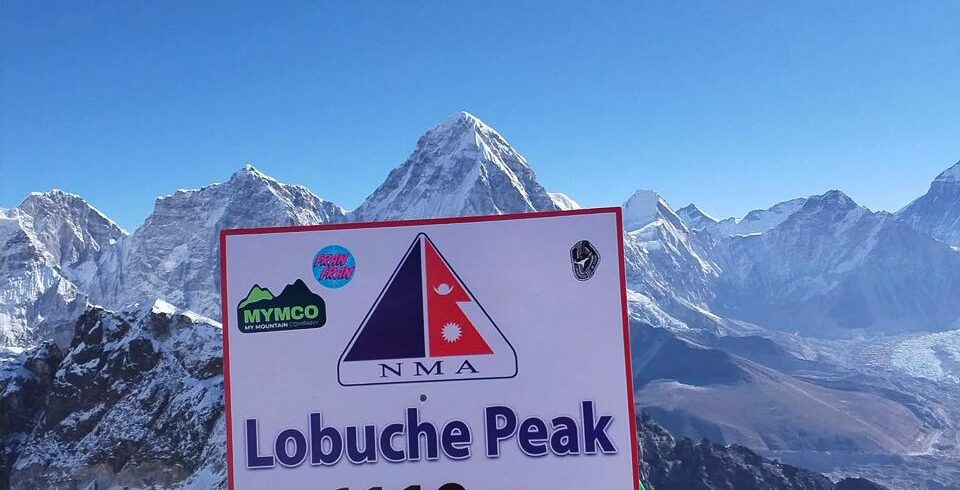
| Lobuche | 4,940 m / 16,207 ft | High | Arrive early, rest the afternoon |
| Gorak Shep | 5,164 m / 16,942 ft | Very High | Spend only one night here |
| Everest Base Camp | 5,364 m / 17,598 ft | Very High | Day visit only, return to Gorak Shep to sleep |
| Kala Patthar | 5,545 m / 18,192 ft | Extreme | Dawn summit, descend immediately after |
What Is Altitude Sickness and Why Does It Happen?
Altitude sickness, medically called Acute Mountain Sickness (AMS), occurs when you ascend to high altitude faster than your body can adjust. At sea level, each breath delivers oxygen-rich air to your lungs. At 5,364 m (Everest Base Camp), each breath delivers roughly 50% of that oxygen. Your red blood cells, breathing rate, and cardiovascular system all need time to adapt to this oxygen deficit.
The key misunderstanding most trekkers have: fitness does not protect you from AMS. Some of the fittest athletes in the world have suffered severe AMS on EBC while older, less fit trekkers have completed it without any symptoms. AMS is a physiological response that depends on your genetics, the speed of your ascent, your hydration, and individual variation, not your VO2 max or marathon time.
An estimated 50 to 75% of trekkers experience at least mild AMS symptoms during the EBC trek. Severe AMS (HACE or HAPE) is less common but can occur at any elevation above 3,000 m and is life-threatening without immediate action.
Symptoms of Altitude Sickness: Complete Reference Guide
| Severity Level | Condition | Symptoms | Required Action |
|---|---|---|---|
| Mild | AMS | Headache, fatigue, poor sleep, mild nausea, loss of appetite, dizziness | Stop ascending. Rest at current altitude. Hydrate. Take paracetamol for headache. Monitor closely. |
| Moderate | AMS | Severe headache not relieved by paracetamol, persistent vomiting, shortness of breath on exertion, weakness, unsteady walking | Descend 300 to 500 m immediately. Do not sleep at current altitude. Consult guide and consider Diamox. |
| Severe, Lungs | HAPE | Breathlessness at rest, dry persistent cough, pink or frothy sputum, chest tightness, blue lips or fingernails, rapid heartbeat | EMERGENCY. Descend immediately regardless of time of day or night. Give supplemental oxygen if available. Evacuate to hospital. |
| Severe, Brain | HACE | Severe headache, loss of coordination (cannot walk straight), confusion, hallucinations, extreme drowsiness, loss of consciousness | EMERGENCY. Immediate descent. Supplemental oxygen. Dexamethasone injection if available. Helicopter evacuation. |
The Walk the Line Test
A simple field test for HACE: ask the trekker to walk heel-to-toe in a straight line for 5 meters. If they cannot do this without stumbling, HACE must be assumed and emergency descent must begin immediately. Do not wait for other symptoms to confirm.
The Golden Rules of Altitude on EBC
| Rule | What It Means |
|---|---|
| Never ascend with symptoms | If you have AMS symptoms, do not move higher until they resolve completely, even if it means waiting an extra day |
| Trek high, sleep low | Day hikes to higher altitude with return to lower camp for sleep accelerate acclimatization safely |
| Limit daily altitude gain | Above 3,000 m, do not increase your sleeping altitude by more than 300 to 500 m per day |
| If in doubt, go down | Descending 300 to 500 m almost always resolves AMS symptoms within hours |
| Severe = emergency descent | HAPE and HACE cannot wait for morning. Descend immediately, day or night |
How to Prevent Altitude Sickness on the EBC Trek
1. Follow a Proper Acclimatization Itinerary
The most effective prevention is a correctly paced itinerary with built-in acclimatization days. The standard EBC trek includes mandatory acclimatization days at Namche Bazaar (3,440 m) and Dingboche (4,410 m). These are not optional rest days, they are medically essential and should not be shortened to save time. A reputable everest trekking company will never allow clients to skip these days.
2. Ascend Slowly and Consistently
The rule above 3,000 m: gain no more than 300 to 500 m of sleeping altitude per day. The acclimatization hike on rest days (trek high, sleep low) uses a different principle, you can go higher during the day as long as you return to a lower altitude to sleep. This is why Namche acclimatization day includes a hike to Khumjung (3,790 m) and the Dingboche day includes a hike to Nagarjun Hill (5,100 m).
3. Hydrate Aggressively
Drink 3 to 4 litres of water per day throughout the trek. Dehydration worsens AMS symptoms and increases your risk of severe complications. Avoid alcohol entirely above 3,500 m, it disrupts sleep and suppresses the respiratory response to low oxygen. Limit caffeine, which is a diuretic. Warm herbal teas available at every tea house are ideal.
4. Eat Properly Even When You Have No Appetite
Altitude suppresses appetite sharply above 4,000 m. Many trekkers eat very little from Dingboche onward. This is a serious mistake, your body burns more calories at altitude and you need the energy. Force yourself to eat full meals, prioritizing carbohydrates (rice, pasta, dal bhat) which the body processes more efficiently at altitude than fats or proteins.
5. Sleep Well
Sleep quality deteriorates at altitude. Periodic breathing (Cheyne-Stokes respiration) causes repeated micro-awakenings above 4,000 m as your body adjusts its breathing rate. This is normal and not dangerous, but combined with cold temperatures and the unfamiliar environment, it means most trekkers sleep badly above Dingboche. Avoid sleeping pills, they suppress your breathing drive and increase AMS risk. Acetazolamide (Diamox) at low doses improves sleep quality at altitude for many trekkers.
Medication for Altitude Sickness: What You Need to Know
| Medication | Purpose | Typical Dose | Side Effects | Notes |
|---|---|---|---|---|
| Acetazolamide (Diamox) | Prevention and treatment of AMS | 125 to 250 mg twice daily, starting 1 to 2 days before ascent | Frequent urination, tingling in fingers/toes, mild nausea. Allergic reaction if sulfa allergy. | Requires prescription. Consult doctor before use. Not for sulfa drug allergy sufferers. |
| Dexamethasone | Emergency treatment for HACE and severe AMS | 8 mg initial, 4 mg every 6 hours | Steroid side effects if used long-term | Rescue medication only. Does not cure, buys time for descent. Requires prescription. |
| Nifedipine | Emergency treatment for HAPE | 30 mg slow-release initially | Low blood pressure, headache | Rescue medication only. Requires prescription. |
| Paracetamol / Ibuprofen | Relief of AMS headache | Standard doses | Minimal | Treats symptom only, does not prevent or cure AMS |
| Supplemental oxygen | Emergency support for HAPE/HACE | 2 to 4 L per minute | None | Some tea houses above Namche carry emergency oxygen cylinders. Confirm with your guide. |
A Gamow Bag (portable altitude chamber) is available at some Himalayan Rescue Association clinics on the trail. It simulates descent by pressurizing the interior and is used for emergency stabilization before evacuation. The HRA clinics at Pheriche (4,371 m) and Manang provide consultation services during peak seasons.
When to Descend: The Decision That Saves Lives
Trekkers die on EBC not because altitude sickness is untreatable, but because they wait too long to descend. The decision to turn back is emotionally difficult after weeks of planning and expense. But the mountain will still be there on a future trip. Your life will not recover if you ignore HACE or HAPE symptoms.
| Situation | Decision |
|---|---|
| Mild headache, slight nausea, bad sleep | Rest at current altitude, do not ascend tomorrow, monitor carefully |
| Headache not improving after 24 hours of rest | Descend 300 to 500 m |
| Vomiting, severe headache, weakness | Descend immediately, today |
| Cannot walk heel-to-toe in straight line | EMERGENCY descent NOW, do not wait for daylight |
| Breathless at rest, coughing, chest sounds | EMERGENCY descent NOW, potential HAPE |
| Any confusion, drowsiness or hallucinations | EMERGENCY descent NOW, potential HACE |
Altitude Sickness at Each Stage of the EBC Trek
Lukla to Namche (Days 1 to 2)
Most trekkers feel fine at this stage. Lukla (2,860 m) can produce mild symptoms in very sensitive individuals. The steep climb from Phakding to Namche on day 2 is the first significant altitude gain (+830 m in one day). By the time you arrive in Namche, mild headache and fatigue are common and expected, this is your body beginning to respond to altitude.
Namche Bazaar Acclimatization Day (Day 3)
The acclimatization day in Namche (3,440 m) is essential. The standard hike to Khumjung or Everest View Hotel (3,962 m) and back practices the “trek high, sleep low” principle. On this day, you may notice that going uphill becomes significantly harder than it was at lower altitude. This is normal and is exactly why you need the acclimatization day before continuing.
Tengboche to Dingboche (Days 4 to 5)
This section crosses the 4,000 m threshold for the first time. Tengboche (3,860 m) and Dingboche (4,410 m) are where AMS begins to affect a larger proportion of trekkers. Common symptoms here: headache in the evening, poor sleep, reduced appetite, and mild fatigue disproportionate to the physical effort.
Dingboche to Lobuche (Day 7)
Above 4,500 m, the oxygen deficit becomes distinctly noticeable. Breathing is harder at rest, not just when walking. Sleep at Lobuche (4,940 m) is typically poor. AMS risk is high, headaches overnight are very common. Hydrate well and avoid overexertion on the walk in.
Gorak Shep and Kala Patthar (Day 8)
This is the danger zone for a significant number of trekkers. Gorak Shep (5,164 m) is the highest point on the standard itinerary where trekkers sleep. HAPE and HACE, while still relatively rare, are most likely to emerge here or on the descent from Kala Patthar (5,545 m). Know the emergency symptoms and make sure your guide does too.
Frequently Asked Questions
Can I take Diamox without seeing a doctor first?
You should not. Diamox (acetazolamide) is a prescription medication. It cannot be taken by people with sulfa drug allergies (it can cause a severe reaction). It can also interact with other medications. See a travel medicine doctor or your GP before departure, ideally 4 to 6 weeks before your trek, to get the correct prescription and dosage advice.
How long does it take to recover from mild AMS?
Mild AMS symptoms typically improve within 12 to 24 hours at the same altitude, provided you rest, hydrate well, and do not ascend further. If symptoms have not improved significantly after 24 hours, descend 300 to 500 m. Do not try to push through and hope it gets better as you climb higher.
Is there a reliable way to predict if I will get altitude sickness?
No. There is no reliable predictive test. Prior altitude experience gives some indication, if you have previously trekked above 4,000 m without problems, you are somewhat more likely to acclimatize well again. But this is not guaranteed. Each trip is different, and conditions like dehydration, fatigue, illness, and fast ascent can trigger AMS in people who previously had no issues.
What is the Gamow Bag and where can I find one?
A Gamow Bag is a portable hyperbaric chamber, a sealed bag you pump air into to increase the internal pressure, simulating a descent of 1,500 to 2,000 m. It provides temporary relief for HAPE and HACE while preparing for evacuation. Some lodges and the HRA clinics at Pheriche carry them. Your guide should know the location of the nearest one at all times above 4,000 m.
Should I go to the Himalayan Rescue Association clinic at Pheriche?
Yes, if you have any symptoms you are unsure about. The HRA clinic at Pheriche (4,371 m) runs daily educational talks about altitude sickness during peak season (spring and autumn) and provides free or low-cost medical consultations. It is staffed by volunteer doctors with altitude medicine experience. The talks are highly recommended for all EBC trekkers.
Planning Your Everest Trek?
Get local expert advice on cost, itinerary and the best time to go.
Altitude Sickness Risk by Village: What to Expect
| Village | Altitude | AMS Risk Level | Common Symptoms Here |
|---|---|---|---|
| Lukla | 2,860m | Low | Mild headache, fatigue |
| Phakding | 2,610m | Very Low | Usually none |
| Namche Bazaar | 3,440m | Low-Moderate | Headache, poor sleep |
| Tengboche | 3,860m | Moderate | Headache, mild nausea |
| Dingboche | 4,360m | Moderate-High | Headache, loss of appetite, fatigue |
| Lobuche | 4,940m | High | Severe headache, nausea, dizziness |
| Gorak Shep | 5,140m | High | All AMS symptoms possible |
| EBC / Kala Patthar | 5,364-5,545m | Very High | HACE / HAPE risk if pushed too fast |
AMS Symptoms: Mild vs Moderate vs Severe
| Severity | Symptoms | Action Required |
|---|---|---|
| Mild AMS | Headache, fatigue, mild nausea, poor sleep, slight dizziness | Stop ascending, rest, hydrate, take ibuprofen for headache, monitor closely |
| Moderate AMS | Severe headache not relieved by medication, vomiting, inability to walk straight, extreme fatigue | Descend 300-500m immediately, do not ascend until all symptoms clear |
| Severe AMS (HACE) | Confusion, loss of coordination, difficulty walking, altered consciousness | Emergency descent to below 3,000m, oxygen, evacuate immediately, call for helicopter |
| HAPE | Breathlessness at rest, persistent cough, pink or frothy sputum, lips turning blue | Emergency descent immediately, supplemental oxygen, evacuate by helicopter |
Acclimatization Schedule: The Golden Rules
| Rule | Explanation |
|---|---|
| Climb high, sleep low | Do day hikes to higher altitude, then sleep at a lower camp. This is done at Namche and Dingboche. |
| No more than 300-500m gain per day above 3,000m | The recommended ascent rate above 3,000m is no more than 300-500m per sleeping elevation per day |
| Rest day every 3 days | Take a full acclimatization day at Namche (3,440m) and Dingboche (4,360m) |
| Hydrate 3-4 litres per day | Dehydration makes AMS worse. Drink water consistently throughout the day, not all at once. |
| Avoid alcohol above 3,000m | Alcohol dehydrates and suppresses respiration, increasing AMS risk significantly |
| Sleep medication caution | Sleeping pills suppress breathing during sleep, making altitude acclimatization harder |
Diamox (Acetazolamide): Complete Guide
Diamox is a prescription medication that helps your body acclimatize faster by stimulating breathing. Here is what you need to know:
| Factor | Details |
|---|---|
| Dosage | 125-250mg twice daily, starting 1-2 days before ascending above 2,500m |
| Common side effects | Tingling in hands and feet (very common), increased urination, slight blurred vision, metallic taste |
| Who should not take it | People allergic to sulfa drugs, pregnant women, people with kidney issues |
| Available in Nepal | Yes, available at pharmacies in Kathmandu without a prescription but consult your doctor first |
| Does it guarantee no AMS? | No. It reduces risk but does not eliminate it. Proper acclimatization is still essential. |
Pulse Oximeter: How to Use It on the Trek
A pulse oximeter (oxygen saturation meter) measures your SpO2 (blood oxygen level). Your guide should check your SpO2 each evening above 3,500m.
| Altitude | Normal SpO2 Range | Concern Level | Action |
|---|---|---|---|
| Sea level | 95-100% | Normal | None |
| 2,500-3,000m | 90-95% | Normal at altitude | Monitor |
| 3,000-4,000m | 85-92% | Acceptable | Hydrate, rest well |
| 4,000-5,000m | 80-88% | Watch closely | Report to guide, consider rest day |
| Above 5,000m | 70-82% | Normal at this altitude | Do not ascend if accompanied by symptoms |
| Below 70% at any altitude | Critical | Emergency | Descend immediately |
More Questions About Altitude Sickness on EBC
What percentage of EBC trekkers get altitude sickness?
Studies suggest that around 50-60% of EBC trekkers experience some form of mild AMS (mainly headaches) above 3,500m. Only about 5-10% experience moderate or severe AMS requiring descent. The risk increases significantly if you ascend too quickly without acclimatization days.
Is EBC safe for someone who has had altitude sickness before?
Having had AMS before slightly increases your risk of getting it again, but it does not mean you cannot do EBC. Discuss your history with a doctor before the trek. Diamox is often prescribed in this case, and taking extra acclimatization days is strongly advised.
Can I use supplemental oxygen on the EBC trek?
You can, but it is not standard practice for trekking to EBC (only for climbing Everest). Some lodges at Gorak Shep have emergency oxygen canisters. Portable oxygen cans like Boost Oxygen are available in Kathmandu but are mostly a comfort measure, not a medical solution.
What is the difference between AMS, HACE, and HAPE?
AMS (Acute Mountain Sickness) is the common form with headaches and fatigue. HACE (High Altitude Cerebral Edema) is a severe form where fluid builds up in the brain, causing confusion and loss of coordination. HAPE (High Altitude Pulmonary Edema) is fluid buildup in the lungs, the most common cause of altitude-related death. Both HACE and HAPE require immediate descent and emergency evacuation.
Conclusion
Altitude sickness is the defining health challenge of the Everest Base Camp trek. It is serious, it can be life-threatening in its severe forms, and it cannot be outrun by fitness or willpower. But it is also, in the vast majority of cases, entirely preventable through proper acclimatization, patient pacing, good hydration, and early recognition of symptoms.
Trekking with a licensed guide from a certified everest trekking company is the most important safety layer on any Khumbu trek. An experienced guide monitors your condition daily, knows the emergency descent protocols, can access evacuation channels quickly, and will make the difficult call to descend when a trekker may be too disoriented or committed to make that decision themselves.
If you would prefer to experience Himalayan scenery without the altitude risk, the Everest View Trek stays below 4,000 m and still delivers genuine Himalayan views of Everest, Ama Dablam, and Lhotse.
Altitude Sickness on the EBC Trek: The Complete Guide to Prevention and Treatment
Altitude sickness (Acute Mountain Sickness, or AMS) is the single most common medical risk on the Everest Base Camp trek. Approximately 30–50% of all EBC trekkers experience some degree of AMS above 3,500 metres. Understanding it clearly — what causes it, how to recognise it, and how to treat it — is as important as any gear item you pack.
What Causes Altitude Sickness
Altitude sickness is caused by reduced atmospheric pressure at high elevation, which means each breath of air delivers fewer oxygen molecules to your lungs and bloodstream. At Everest Base Camp (5,364 m), atmospheric pressure is approximately 50% of sea level pressure — meaning every breath delivers roughly half the oxygen your body is used to at sea level. Your body responds by breathing faster and deeper (increasing respiratory rate), producing more red blood cells (over days and weeks, not hours), and increasing urine output (which is why you urinate more frequently at altitude).
These adaptations take time — typically 24–48 hours for initial adjustment at any given elevation, and 3–7 days for more complete acclimatisation. The fundamental rule of altitude trekking is: ascend slowly, give your body time to adapt, and never ignore symptoms. The classic phrase used in altitude medicine is “climb high, sleep low” — meaning you can go higher during the day but return to a lower elevation to sleep. The EBC itinerary is designed precisely around this principle, with the two rest days at Namche (3,440 m) and Dingboche (4,410 m) serving as critical acclimatisation phases.
Recognising Altitude Sickness: Symptoms by Severity
Altitude sickness presents in three distinct syndromes of increasing severity. Every EBC trekker should be able to recognise all three and understand the appropriate response to each.
Acute Mountain Sickness (AMS) — Mild: Headache (the hallmark symptom), fatigue, loss of appetite, nausea (without vomiting), dizziness, and disturbed sleep. These symptoms are experienced by the majority of trekkers above 3,500 m and are not dangerous in themselves. The appropriate response is: stop ascending, rest at the current elevation, drink 3–4 litres of fluid, take paracetamol for headache, and monitor carefully. If symptoms improve over 24 hours, you can continue ascending. If symptoms worsen or persist, descend at least 300–500 m.
High Altitude Cerebral Edema (HACE) — Severe, Medical Emergency: HACE is a severe progression of AMS where fluid accumulates in and around the brain. Symptoms include the “wet or walk” test: ataxia (loss of coordination — inability to walk a straight line heel-to-toe), severe progressive headache not relieved by paracetamol, confusion, altered consciousness, and vomiting. HACE is a medical emergency. The immediate and non-negotiable response is descent of at least 300–500 m immediately, regardless of time of day or night. Dexamethasone (8 mg loading dose, then 4 mg every 6 hours) should be administered while arranging helicopter evacuation. A Gamow bag (portable hyperbaric chamber) at the Himalayan Rescue Association clinic in Pheriche can simulate descent while awaiting helicopter.
High Altitude Pulmonary Edema (HAPE) — Severe, Medical Emergency: HAPE is fluid accumulation in the lungs — the most common cause of altitude-related death. Symptoms: dry cough progressing to a wet, productive cough (sometimes with pink or frothy sputum), severe breathlessness at rest (not just on exertion), extreme fatigue, rapid heart rate, and blue-tinged lips or fingernails (cyanosis). HAPE is also a medical emergency. Immediate descent is mandatory. Nifedipine (30 mg slow-release) reduces pulmonary artery pressure and buys time for evacuation if given early. Oxygen (if available) provides critical temporary support.
The critical rule for both HACE and HAPE: do not wait until morning. Do not wait for helicopter availability. Descend immediately. Both conditions worsen rapidly with continued altitude and improve dramatically with descent. Our guides at Everest Trekking Company are trained to recognise both conditions and are authorised to initiate emergency descent without waiting for permission from the trekker.
The Acclimatisation Protocol Used on ETC’s EBC Treks
Our 14-day Everest Base Camp Trek itinerary is structured around evidence-based altitude acclimatisation principles developed over decades of Himalayan medicine research. Here is exactly how it works and why each element matters:
Day 1 — Lukla to Phakding (2,610 m): A short first day. Arriving at altitude and limiting the first day’s exertion reduces the initial physiological stress. Sleep at 2,610 m — still comfortably below the altitude at which AMS typically develops.
Day 2 — Phakding to Namche Bazaar (3,440 m): The major elevation gain of the approach phase. Ascending 830 m in one day to 3,440 m is within safe limits for most trekkers. The famous “false summit” above Namche — where the town appears only after one more exhausting climb — tests early acclimatisation response. Listen to your body on this section.
Days 3–4 — Namche Bazaar (3,440 m): The first critical acclimatisation stop. Two nights at 3,440 m allows your body to begin producing additional red blood cells, adjust respiratory patterns, and clear any mild AMS symptoms. Day 3 is a rest day with an optional acclimatisation hike to 3,880 m (the Everest viewpoint) — ascending and then returning to sleep low at Namche. This “climb high, sleep low” day significantly accelerates acclimatisation compared to pure rest.
Days 5–7 — Namche to Tengboche (3,860 m) to Dingboche (4,410 m): Gradual ascent through Tengboche (3,860 m), sleeping one night before continuing to Dingboche (4,410 m). The total elevation gain over two days is 970 m, spread across significant distance — well within safe acclimatisation parameters.
Days 8–9 — Dingboche (4,410 m): The second critical acclimatisation stop. Two nights at 4,410 m. Day 8 is a rest day with an optional acclimatisation hike to Nagarjun Hill (5,100 m) — climbing high and sleeping low again. This is the most important acclimatisation phase on the trek because it prepares your body for the final push above 5,000 m. Trekkers who skip this stop have significantly higher rates of AMS and HACE on the upper trail.
Days 10–11 — Lobuche (4,910 m) and Gorak Shep/EBC (5,164–5,364 m): The final ascent phases follow the same gradual principles — modest daily elevation gains, no rushing, full rest at each camp before proceeding. Our guides assess pulse oximetry readings (blood oxygen saturation) at each camp and discuss the readings with trekkers openly. A reading below 75% at Dingboche is a yellow flag for slower ascent. Below 70% at Lobuche is an orange flag prompting a detailed discussion about proceeding.
Diamox (Acetazolamide): The Facts
Acetazolamide (trade name Diamox) is the most commonly used pharmaceutical aid for altitude acclimatisation. It works by acidifying the blood slightly, stimulating faster breathing, which accelerates acclimatisation. It is not a cure for altitude sickness and does not eliminate AMS risk — but it significantly reduces both the frequency and severity of symptoms in most people.
Dosage: 125 mg twice daily (morning and evening), starting 24–48 hours before ascending above 2,500 m. Continue until you have spent 2 nights at your highest elevation. Common side effects include: increased urine output (drink more water to compensate), tingling in fingers and toes (harmless), altered taste of carbonated drinks (they taste flat), and occasionally blurred vision. Diamox is a sulpha drug — those with confirmed sulpha allergies should not take it. Those without known sulfa allergies can generally take it safely. Buy it in Kathmandu (available at most pharmacies in Thamel without a prescription, approximately USD 3–5 for a course) or bring it from home.
Our guides can advise on Diamox during the pre-departure briefing in Kathmandu. For a complete medical briefing on altitude medicines, pre-existing conditions, and altitude safety, ask about our pre-departure health consultation service when booking your Everest Base Camp Trek with Everest Trekking Company.
The Himalayan Rescue Association Clinic in Pheriche
The Himalayan Rescue Association (HRA) operates a medical clinic in Pheriche (4,280 m) — one of the most valuable resources for EBC trekkers. The clinic is staffed by rotating teams of volunteer international physicians and operates daily altitude sickness information talks (free of charge) each afternoon at 3 PM during trekking season. These 45-minute briefings cover AMS, HACE, HAPE recognition and response, and are genuinely informative for every trekker regardless of preparation level. Attendance is strongly recommended for all our clients passing through Pheriche.
The clinic also provides medical consultations for trekkers experiencing altitude symptoms (consultation fee approximately USD 30–50), maintains a Gamow bag for emergency hyperbaric treatment, and coordinates helicopter evacuations via satellite phone. Our guides carry the HRA Pheriche clinic number and know the exact protocol for requesting medical assistance and emergency helicopter evacuation. The clinic operates during the main trekking seasons (March–May and September–November) and is staffed on a reduced basis at other times. For more detail on altitude safety resources, see our complete Everest Base Camp Trek preparation guide at everesttrekkingcompany.com.
Altitude sickness is manageable with the right preparation, a slow pace, and a good guide. Everest Trekking Company has safely guided thousands of trekkers to Everest Base Camp, and our guides carry emergency oxygen, pulse oximeters, and Diamox on every expedition. Ready to trek safely and confidently? Book the Everest Base Camp Trek and let our team take care of your safety on the mountain.
Altitude sickness prevents thousands of trekkers from reaching EBC each year — but with the right preparation and an experienced guide, it is a manageable risk. Choose Everest Trekking Company for your Everest Base Camp Trek and trek with a team that puts your safety first at every elevation.
Planning Your Everest Trek?
Get local expert advice on cost, itinerary and the best time to go.