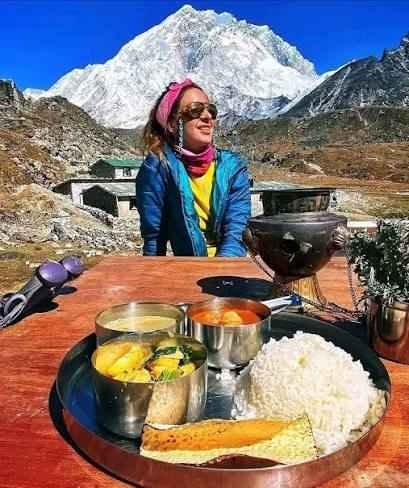
One of the most common questions trekkers ask before booking with an Everest trek company is simple: what will I eat on the trail? After fifteen years of guiding groups through the Khumbu region, I can tell you that food on the Everest Base Camp trek is far better than most first-time visitors expect. The days of plain rice and instant noodles are long gone. Today’s teahouses serve everything from fresh apple pie to pizza, pasta, and proper dal bhat. But not all food is created equal at altitude, and what you choose to eat directly affects your energy, your sleep, and your ability to acclimatize properly. This guide explains exactly what food you will find at each stage of the trek, what to order, what to avoid, and how smart eating choices can make the difference between a strong summit day and turning back early.
How Teahouse Food Works on the Everest Base Camp Trek
The Everest Base Camp trail runs through the Khumbu region of Nepal, where Sherpa communities have built a remarkable teahouse network. These family-run lodges provide accommodation and meals to trekkers passing through. Every teahouse has a dining room with a large stove in the center, menus on the table, and a kitchen behind a wooden door. The food is cooked to order, and menus are surprisingly similar across the trail.
When you book with a professional Everest trekking company, your guide will know which teahouses serve the best food at each stop. This matters more than you think. Some lodges have cleaner kitchens. Some use fresher ingredients. Some have cooks who actually know how to make pasta properly rather than boiling it into mush. A good guide steers you toward the better options without you having to guess.
The teahouse menu system is straightforward. Breakfast usually runs from 6:30 to 9:00 in the morning. Lunch happens along the trail between 11:00 and 13:00 at a village midway. Dinner is served from 18:00 onward. Most teahouses ask you to order dinner when you check in so they can prepare ingredients and estimate quantities.
Planning Your Everest Trek?
Get local expert advice on cost, itinerary and the best time to go.
Breakfast Options on the Everest Base Camp Trail
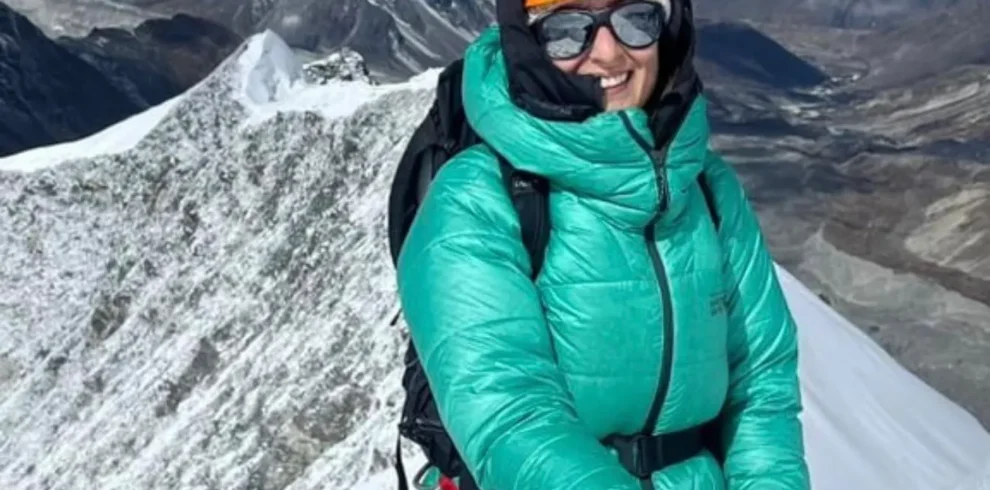
Breakfast is the most important meal of the day on the Everest Base Camp trek. You will burn between 3,000 and 5,000 calories daily walking at altitude, and starting with a solid breakfast sets the tone for the entire day. Most trekkers wake up around 6:00, pack their bags, and head to the dining room by 7:00.
The standard breakfast menu at teahouses includes several reliable options. Tibetan bread with honey or jam is a popular choice. This fried bread is warm, sweet, and filling. Toast with eggs comes in many styles: scrambled, fried, boiled, or omelet with vegetables. Porridge made from oats or tsampa (roasted barley flour) provides slow-burning energy that lasts through the morning. Pancakes with honey, apple, or chocolate filling are widely available in the lower villages. Muesli with hot milk offers a lighter option for those who prefer cereal.
Most breakfasts include a hot drink. Black tea, milk tea, ginger tea, and lemon tea are available everywhere. Coffee ranges from instant Nescafe to fresh French press in better lodges. Hot chocolate is popular among trekkers who want something sweet and warming. A reliable Everest trek operator will brief you on which lodges serve proper coffee versus instant, because that small detail matters on cold mornings.
Lunch on the Trail: What to Eat Midday
Lunch usually happens at a village roughly halfway through your daily walk. Your guide will select a teahouse based on timing, food quality, and available seating. Lunch stops typically last 45 minutes to an hour.
Dal bhat is the most common lunch choice among guides, porters, and experienced trekkers. This traditional Nepali meal consists of steamed rice, lentil soup, vegetable curry, and sometimes pickled vegetables or meat. The beauty of dal bhat is that most teahouses offer free refills. You can eat as much as you want, which is valuable when you are burning thousands of calories. Dal bhat is also freshly cooked, filling, and provides a good balance of carbohydrates, protein, and vegetables.
Other lunch options include noodle soup with vegetables or egg, which is light and easy to digest at altitude. Fried rice with vegetables, egg, or chicken appears on every menu. Momos, the Nepali dumplings filled with vegetables or buffalo meat, are available in larger villages like Namche Bazaar and Dingboche. Pasta with tomato sauce or cheese is common though quality varies significantly. Pizza exists on the lower trail but becomes scarce above Tengboche. Sandwiches with cheese, egg, or tuna work well for a quick lunch.
A good Everest trekking agency will advise you on lunch timing. Eating too much too quickly at altitude can cause nausea. Eating too little leaves you drained for the afternoon walk. Your guide watches how you respond to different foods and adjusts recommendations accordingly.
Dinner at the Teahouses: Evening Meals
Dinner is the largest meal of the day on the Everest Base Camp trek. After six to eight hours of walking, your body needs substantial fuel to recover and prepare for the next day. Dinner also serves a social function. Trekkers gather in the dining room around the stove, share stories, play cards, and warm frozen feet while waiting for food.
The dinner menu expands significantly in lower villages. Dal bhat remains the most reliable and nutritious option. Pasta with various sauces appears on every menu. Pizza becomes available again in Namche and Lukla. Fried noodles with vegetables or meat offer a change from rice dishes. Soup and bread make a lighter dinner for those who lost appetite at altitude. Potato dishes including boiled potatoes, fried potatoes, and potato pancakes provide familiar comfort food.
Some teahouses in Namche Bazaar and Deboche serve more creative dishes. You might find yak steak, spaghetti Bolognese, or even apple pie with custard. As you climb higher, menus shrink. By the time you reach Lobuche and Gorak Shep, the options narrow to dal bhat, noodles, soup, potatoes, and basic pasta. This is understandable. All ingredients must be carried by porters or yaks up the valley, and fresh vegetables become harder to source.
Dal Bhat: The National Dish and Trekker Fuel
Dal bhat deserves its own section because it is the backbone of food on the Everest Base Camp trek. This simple meal of rice, lentils, and vegetables has powered generations of Nepali people and continues to fuel trekkers today. If you choose the best Everest base camp trek company, your guide will likely eat dal bhat for both lunch and dinner, and there is a good reason for this.
Dal bhat provides everything a trekker needs. The rice supplies carbohydrates for energy. The lentil soup provides protein for muscle recovery. The vegetable curry adds vitamins and fiber. The pickled vegetables aid digestion. Many teahouses now serve dal bhat with spinach, potatoes, cauliflower, or seasonal greens grown in local gardens.
The phrase “dal bhat power, twenty-four hour” is common on the trail for good reason. Trekkers who switch to dal bhat early in the trek often report better energy levels, more stable digestion, and fewer stomach problems than those who rely on processed foods. The meal is always freshly cooked, served hot, and designed for refills. For a hungry trekker walking six hours daily, unlimited dal bhat is genuinely valuable.
Food Quality and Safety at Altitude
Food safety becomes increasingly important as you climb higher. Your immune system works harder at altitude, and your digestion slows down. A stomach bug at sea level is uncomfortable. A stomach bug at 4,500 metres in a shared teahouse bathroom is genuinely miserable.
A professional Everest trek operator will advise you on food safety from day one. The general rules are simple but important. Eat freshly cooked food rather than items that have been sitting out. Avoid raw vegetables and salads above Namche Bazaar unless you know they were washed with purified water. Stick to cooked meals rather than cold sandwiches or uncooked items at higher altitudes. Be cautious with meat above Tengboche, as refrigeration is limited and freshness cannot be guaranteed. Drink only boiled water, purified water, or properly treated water.
Your guide monitors these details constantly. They know which teahouses have good kitchen hygiene and which ones to avoid. They also know when a trekker’s stomach is struggling and will recommend plain foods like rice, soup, or toast until digestion stabilizes.
Planning Your Everest Trek?
Get local expert advice on cost, itinerary and the best time to go.
Snacks, Drinks, and Treats Along the Trail
Between meals, most trekkers snack while walking. Trail mix, energy bars, chocolate, and nuts are popular choices that you should bring from Kathmandu or home. These items become significantly more expensive as you climb higher. A Snickers bar that costs fifty rupees in Lukla might cost three hundred rupees in Gorak Shep.
Bakeries in Namche Bazaar, Tengboche, and Dingboche produce surprisingly good treats. Fresh apple pie, chocolate cake, cinnamon rolls, and croissants appear in shop windows. These bakeries use imported flour, local apples, and propane ovens to create genuine baked goods. Stopping for a slice of apple pie in Namche after the long climb from Phakding has become a tradition for many trekkers.
Hot drinks are available at every teahouse and many small shops along the trail. Tea houses sell black tea, milk tea, ginger lemon honey tea, and mint tea. Coffee quality varies widely. Soft drinks including Coke, Sprite, and Fanta are available as far as Gorak Shep. Some trekkers swear by a cold Coke at altitude, claiming it helps with nausea and low energy. Whether this is placebo or real, the sugar and caffeine certainly provide a temporary boost.
How Altitude Affects Your Appetite and Eating Habits
As you climb higher, your body changes. Appetite typically decreases above 3,500 metres. Foods you normally enjoy may taste bland or unappealing. Digestion slows down. Many trekkers find themselves forcing down meals rather than looking forward to them.
This is completely normal but needs to be managed. Your body still needs fuel even when it does not feel hungry. Skipping meals at altitude is one of the fastest ways to lose energy and increase your risk of altitude sickness. A reputable Everest trek agency trains its guides to watch for appetite loss and respond appropriately.
The best foods at altitude are warm, simple, and easy to digest. Soups become more appealing than heavy fried foods. Simple carbohydrates like rice, noodles, and potatoes sit better than rich or fatty meals. Garlic soup has earned a reputation on the trail as both nourishing and potentially helpful for altitude adjustment, though the altitude benefits are anecdotal rather than proven.
Your guide will encourage you to eat even when you do not feel hungry. They will suggest splitting large meals into smaller portions. They will recommend hot, soupy foods over cold, heavy options. They understand that maintaining calorie intake is essential for summit success.
Vegetarian and Vegan Food on the Everest Base Camp Trek
Vegetarians trek to Everest Base Camp successfully every year. The teahouse system is actually quite vegetarian-friendly. Dal bhat is naturally vegetarian unless meat is added as a side. Most pasta dishes can be prepared without meat. Vegetable momos, fried rice, noodles, soups, pancakes, and porridge are all available without animal products.
Vegan trekkers face more challenges but can still complete the trek successfully. The main difficulty is that many dishes rely on dairy. Milk tea, cheese, butter, and yogurt appear frequently. However, rice, lentils, vegetables, noodles, bread, and fruit are all available. Informing your Everest trekking company about dietary requirements before the trek allows the guide to plan accordingly and alert teahouses in advance.
Food Prices and Budget Tips
Food prices increase as you climb higher. This is not price gouging. It reflects the reality that every item must be carried by porter or yak for multiple days to reach remote villages. A bottle of water that costs one hundred rupees in Lukla costs five hundred rupees or more in Gorak Shep.
Breakfast typically costs between three and six hundred rupees depending on location and what you order. Lunch ranges from four hundred to eight hundred rupees. Dinner costs five hundred to one thousand rupees. Dal bhat with unlimited refills usually offers the best value.
Most trekkers budget between twenty-five and forty dollars daily for food and drinks. Those who eat dal bhat regularly and avoid expensive imported snacks stay at the lower end. Those who order pizza, beer, and chocolate cake at every meal spend significantly more.
What Foods to Avoid on the Everest Base Camp Trek
Some foods are best avoided on the trail. Alcohol is the biggest one. Beer and spirits are available in many teahouses, particularly in Namche and Lukla. Drinking alcohol on the trek is genuinely unwise. Alcohol dehydrates you, disrupts sleep, impairs judgment, and increases altitude sickness risk. Save the celebration drinks for your return to Kathmandu.
Raw vegetables and salads should be avoided above Namche unless you are confident they were washed with purified water. Tap water in the mountains is not safe to drink without treatment. Cold meat, uncooked items, and food that has been sitting out are also risky at altitude.
Very greasy or fried foods become harder to digest as you climb. What feels like a treat in Lukla might sit heavily in your stomach at Dingboche. Your guide will gently steer you away from poor choices without making you feel restricted.
What a Professional Everest Trekking Company Provides
When you book with an established Everest trekking company, food support extends beyond simply telling you what is on the menu. Your guide monitors your eating habits daily. They notice if you skip meals, push too much or too little food, or show signs of dehydration. They adjust recommendations based on how you respond to altitude.
A professional Everest trek operator will also brief you before the trek on what to expect, what to bring, and how to manage your diet. They will recommend bringing favorite snacks from home because familiar foods help when appetite drops. They will explain hydration requirements and monitor your water intake on the trail.
At Everest Trekking Company, our guides have walked the Khumbu trail hundreds of times. They know which teahouses in Namche serve the best apple pie, which lodges in Dingboche make proper pasta, and where to find the cleanest kitchens above four thousand metres. This knowledge comes from experience, and it directly benefits your trek.
Practical Food Tips for Your Everest Base Camp Trek
Bring snack foods you actually enjoy. When appetite drops at altitude, familiar snacks become valuable. Energy bars, chocolate, nuts, dried fruit, and trail mix are all good choices. Avoid anything that melts easily or becomes hard in cold weather.
Buy water purification tablets or a SteriPen before leaving Kathmandu. Bottled water becomes expensive and creates plastic waste. Most teahouses sell boiled water at lower cost. Your Everest trek company should advise on the best water treatment approach for your trek.
Eat dal bhat early and often. Many trekkers resist it at first, preferring familiar Western food. Those who switch to dal bhat by day two or three consistently report better energy, better digestion, and better overall experience. Unlimited refills of a balanced, freshly cooked meal are genuinely valuable on a long trek.
Do not skip breakfast even if you are not hungry. A solid morning meal provides the foundation for your walking day. Porridge, eggs, Tibetan bread, or muesli are all good options. Tea or coffee helps with the early morning chill and provides caffeine for the first uphill section.
Listen to your guide about food choices. They have watched hundreds of trekkers eat their way up and down this trail. They know what works and what causes problems. Trust their recommendations even when they differ from what you would choose at home.
Final Thoughts on Food and Trekking Success
Food on the Everest Base Camp trek is one of the great surprises for first-time visitors. The quality, variety, and availability far exceed what most people expect from a remote mountain trail. From fresh apple pie in Namche to unlimited dal bhat in Gorak Shep, the teahouse system delivers nourishment, comfort, and social connection.
Your relationship with food on this trek is practical, not gourmet. The goal is fuel, hydration, and stable digestion. Choose hot, freshly cooked meals. Avoid alcohol and risky foods. Eat dal bhat regularly. Bring snacks you enjoy. And trust your guide’s recommendations.
A well-fed trekker is a strong trekker. Strength at altitude comes from consistent nutrition, proper hydration, smart food choices, and the support of an experienced Everest trekking company that understands what your body needs on the trail to Base Camp. If you are planning your trek and want advice on preparation, food, or any aspect of the journey, contact Everest Trekking Company in Kathmandu. Our team has guided thousands of trekkers through the Khumbu region, and we are ready to help you plan a safe, successful, and well-fed adventure to Everest Base Camp.
Planning Your Everest Trek?
Get local expert advice on cost, itinerary and the best time to go.