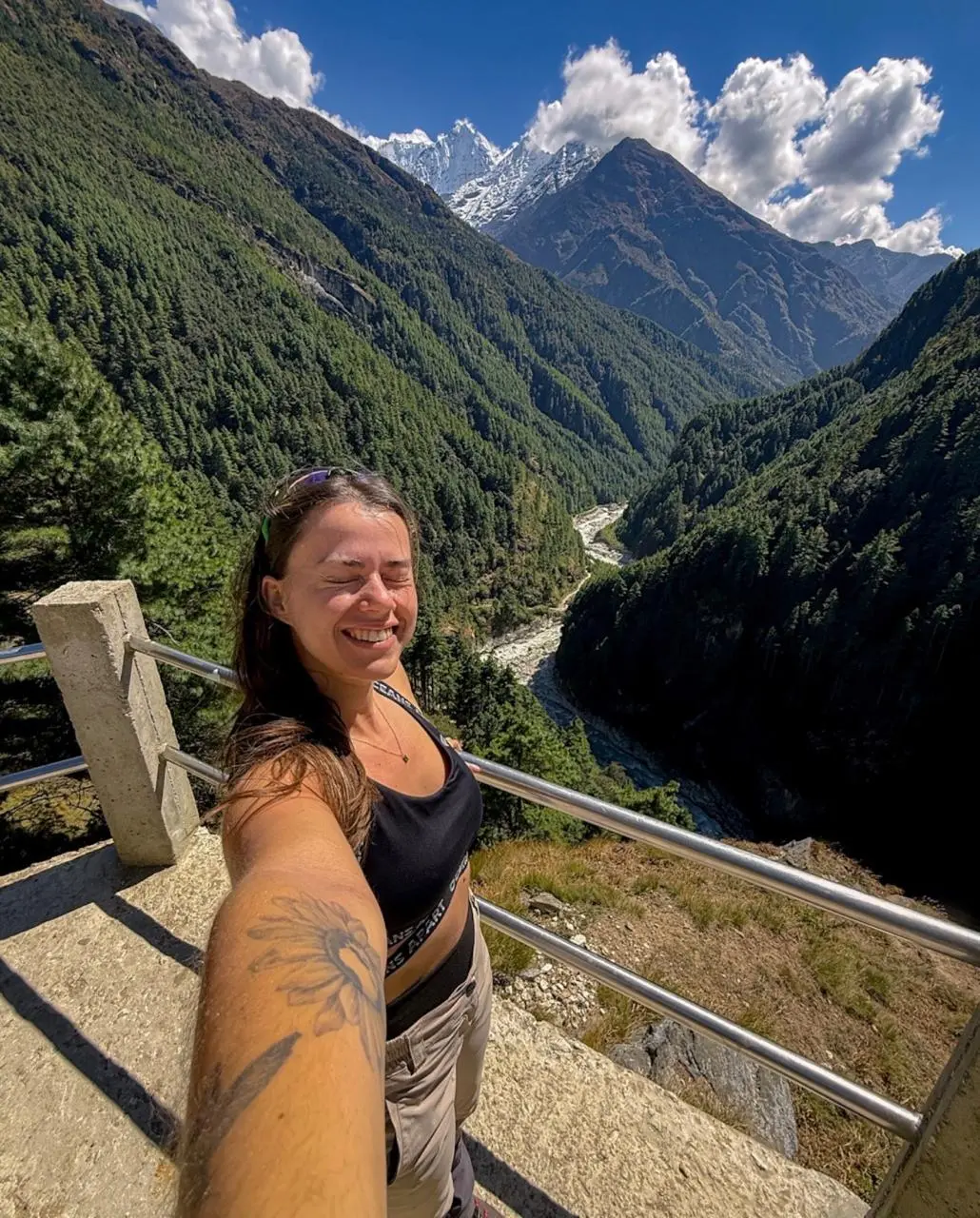
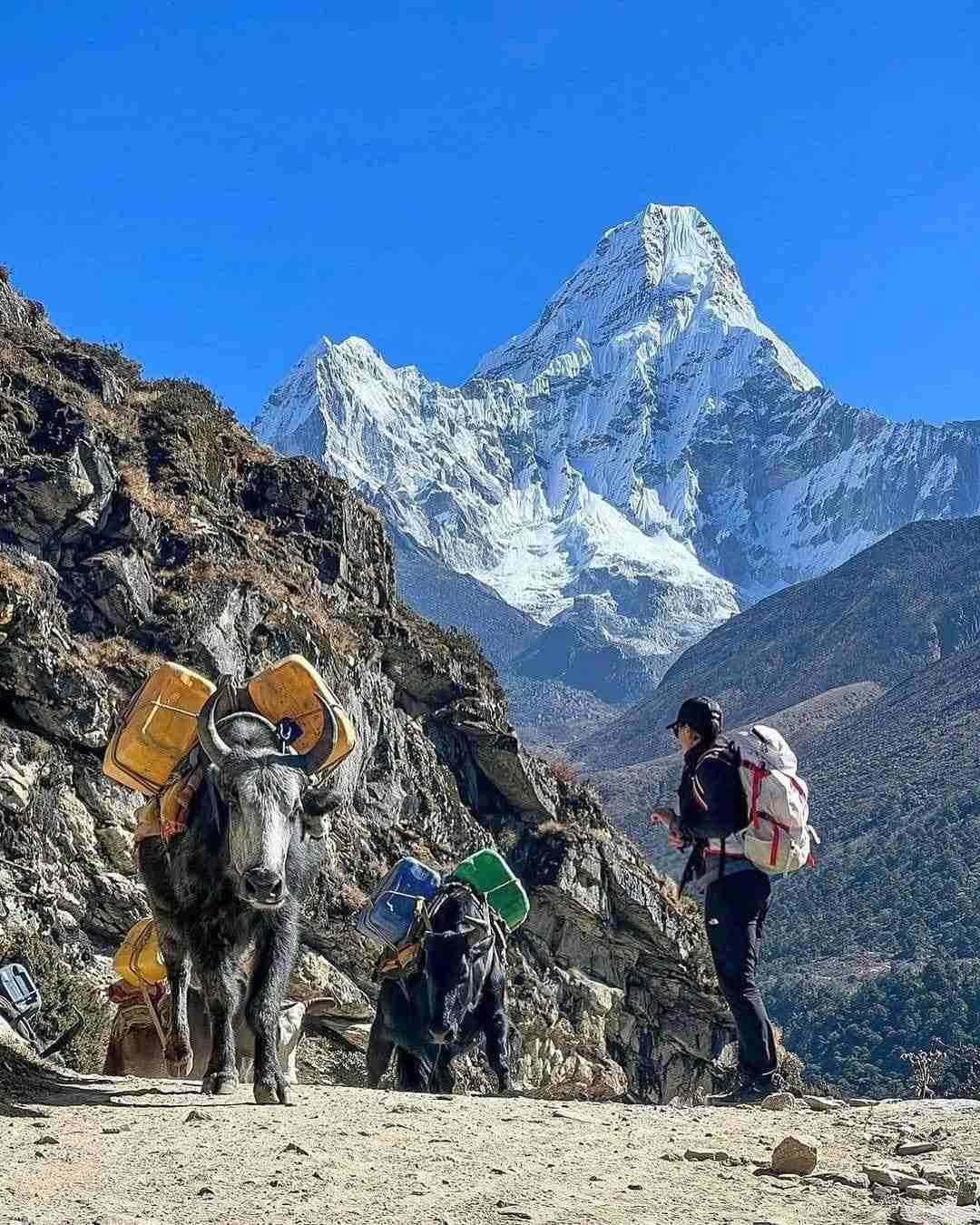
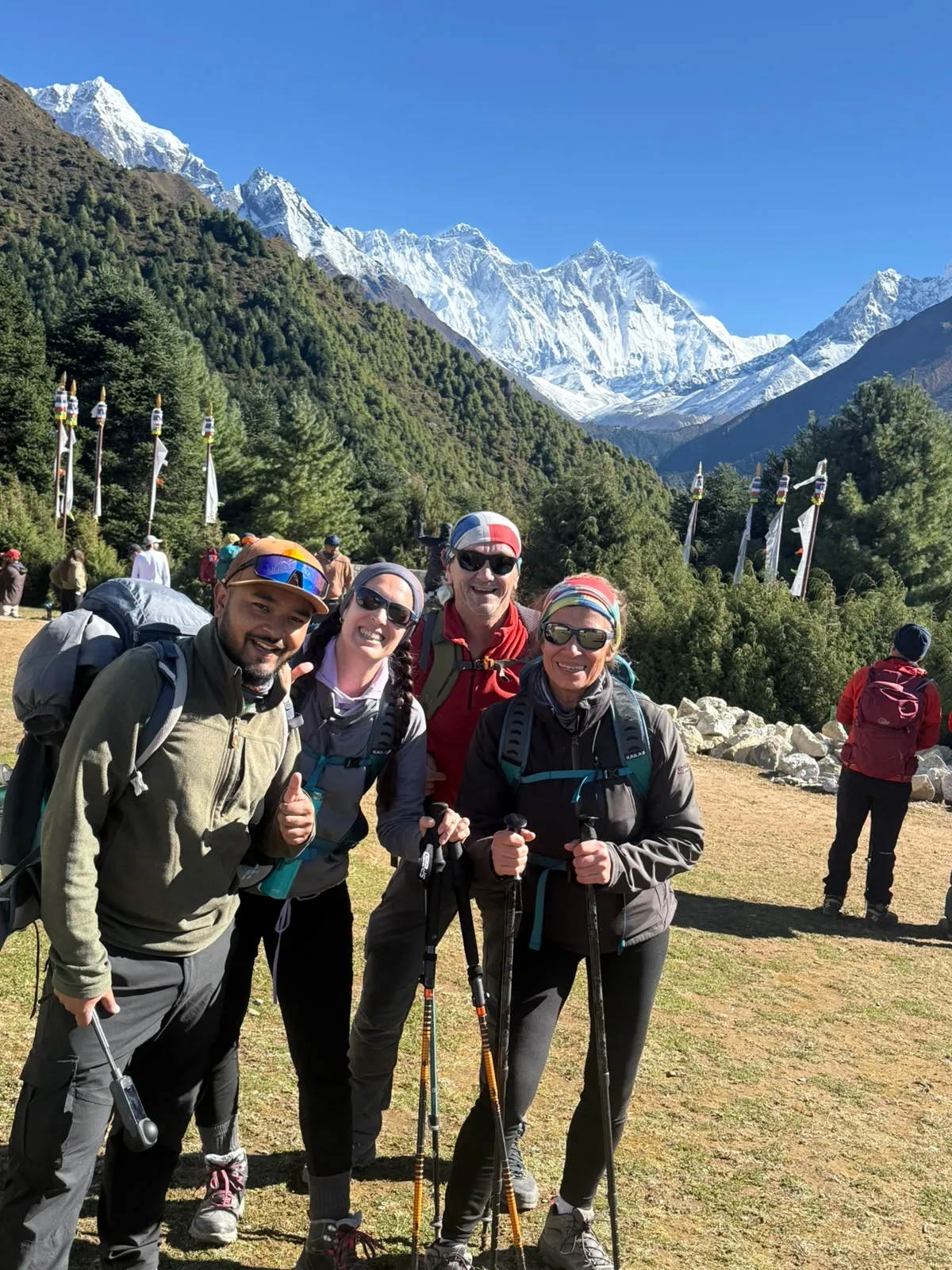
The Everest Base Camp Trek is the most iconic trekking adventure in the world. This fourteen-day journey takes you through the heart of the Khumbu region, into Sagarmatha National Park, and finally to the base of Mount Everest at five thousand three hundred and sixty-four meters. Thousands of trekkers complete this route every year, guided by experienced local operators who understand the terrain, the altitude, and the logistics of safe high-altitude trekking.
At Everest Trekking Company, we specialize in the Everest Base Camp Trek. Our guides are Khumbu locals who have walked this trail hundreds of times. We know every teahouse, every viewpoint, and every challenge the route presents. When you book with a dedicated Everest trek operator, you get more than a guide. You get a team that has built its reputation on this specific route.
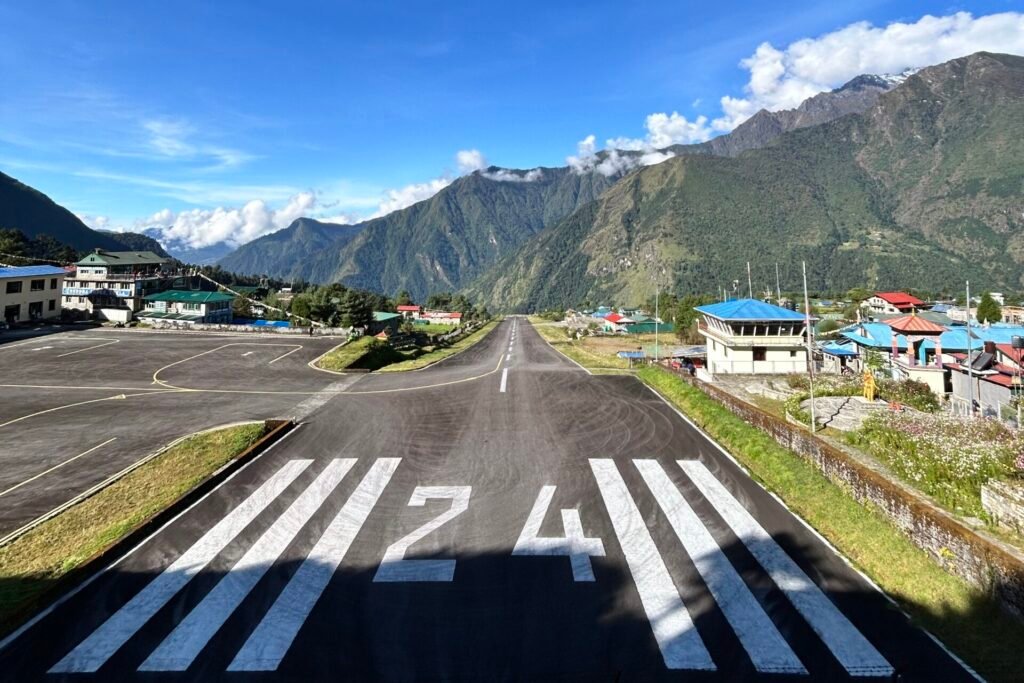
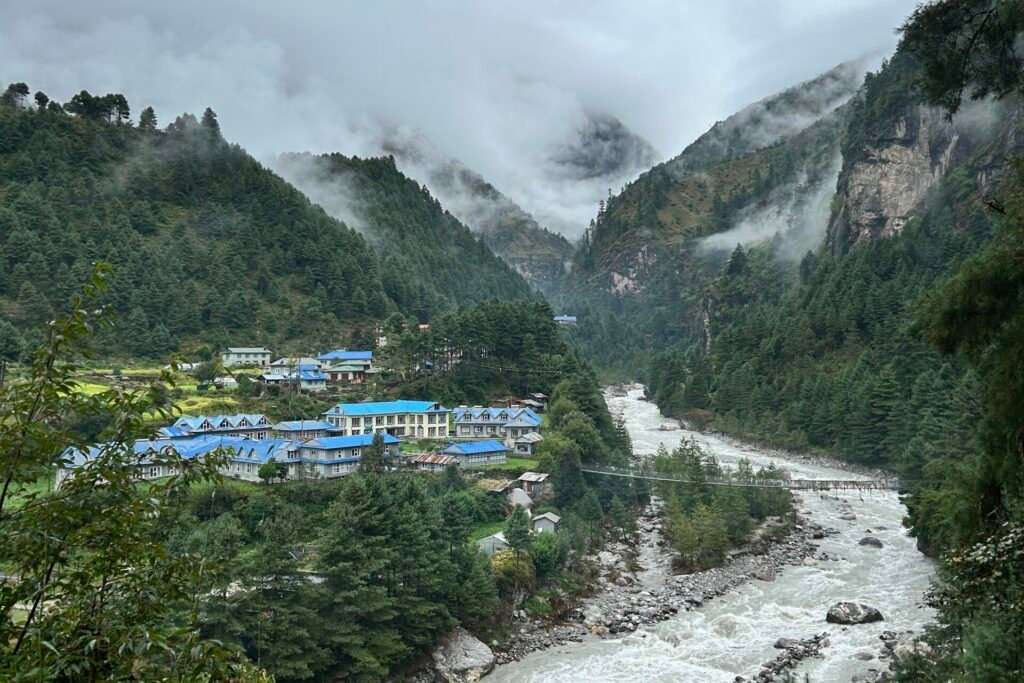
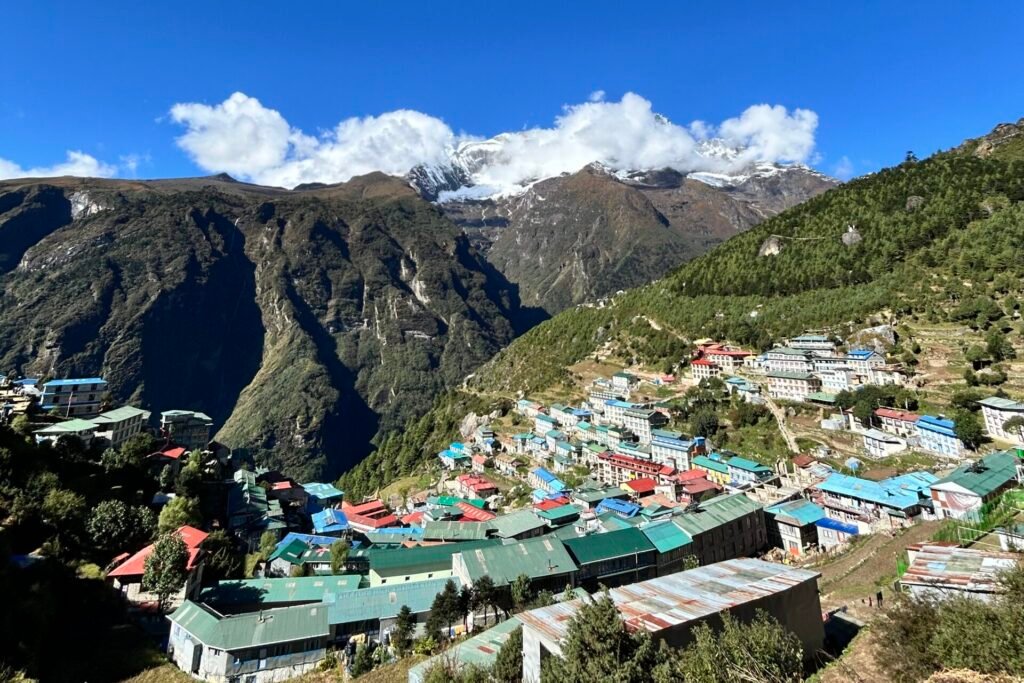
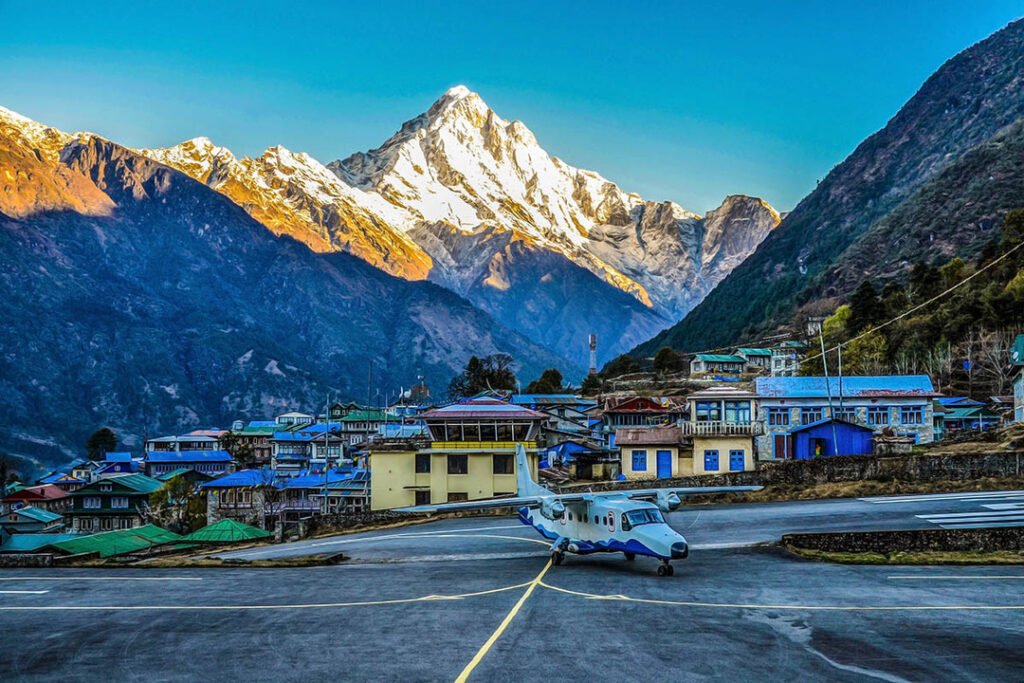
The standard Everest Base Camp Trek itinerary begins with a flight to Lukla, the famous mountain airstrip that serves as the gateway to the Khumbu. From Lukla, the trail descends gently to Phakding on the first day, giving your body time to adjust to the two thousand eight hundred meter elevation. Day two brings the first real challenge: the climb to Namche Bazaar at three thousand four hundred and forty meters. This is the largest settlement in the region, a thriving Sherpa town built into a natural amphitheater on the mountainside.
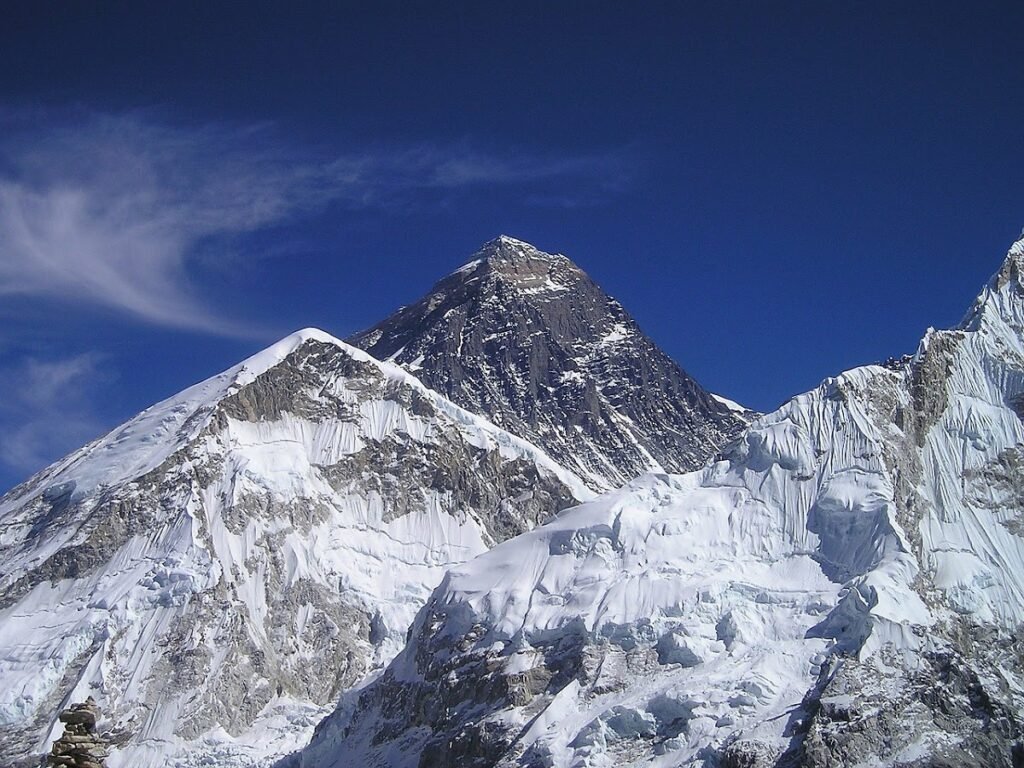
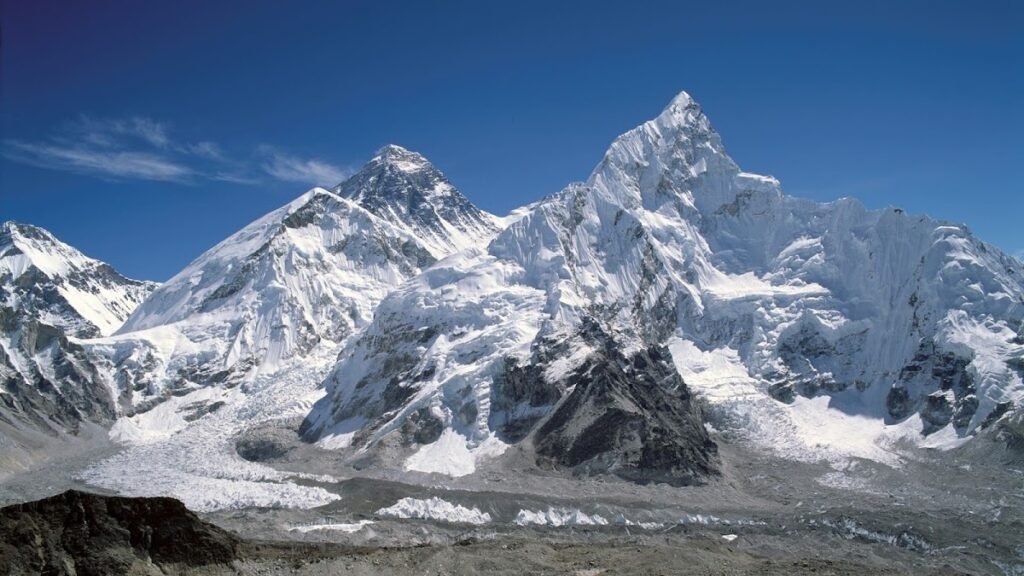
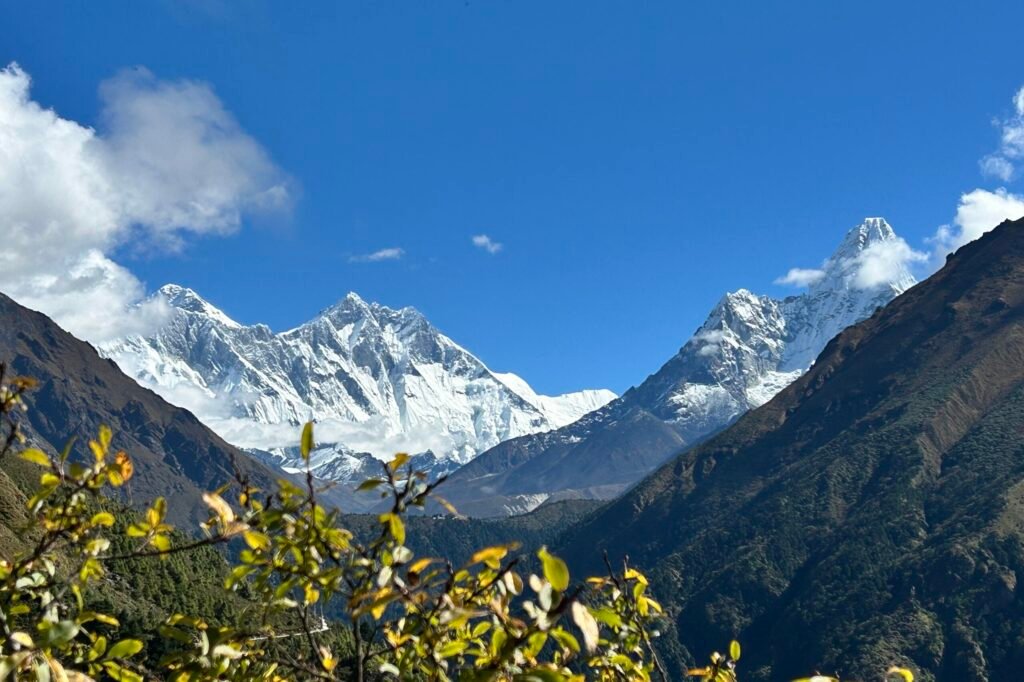
The acclimatization day in Namche is essential. We hike to the Everest View Hotel at three thousand eight hundred and eighty meters, where on clear days you see Everest, Lhotse, Nuptse, and Ama Dablam in a single panoramic view. This is your first real taste of what the Himalaya offers, and it sets the tone for the days ahead.
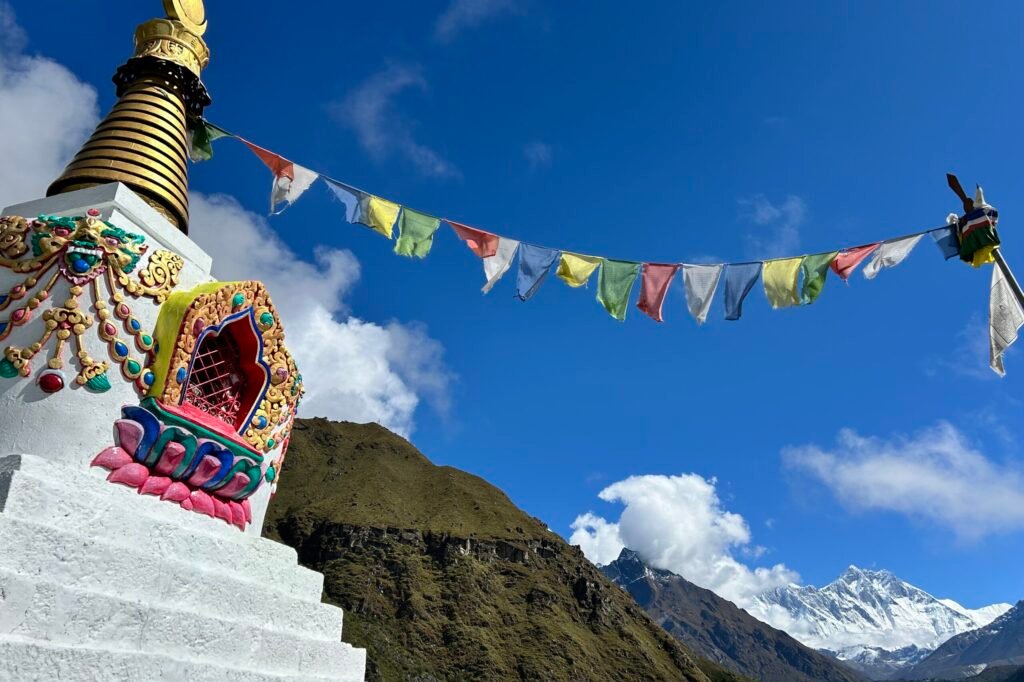
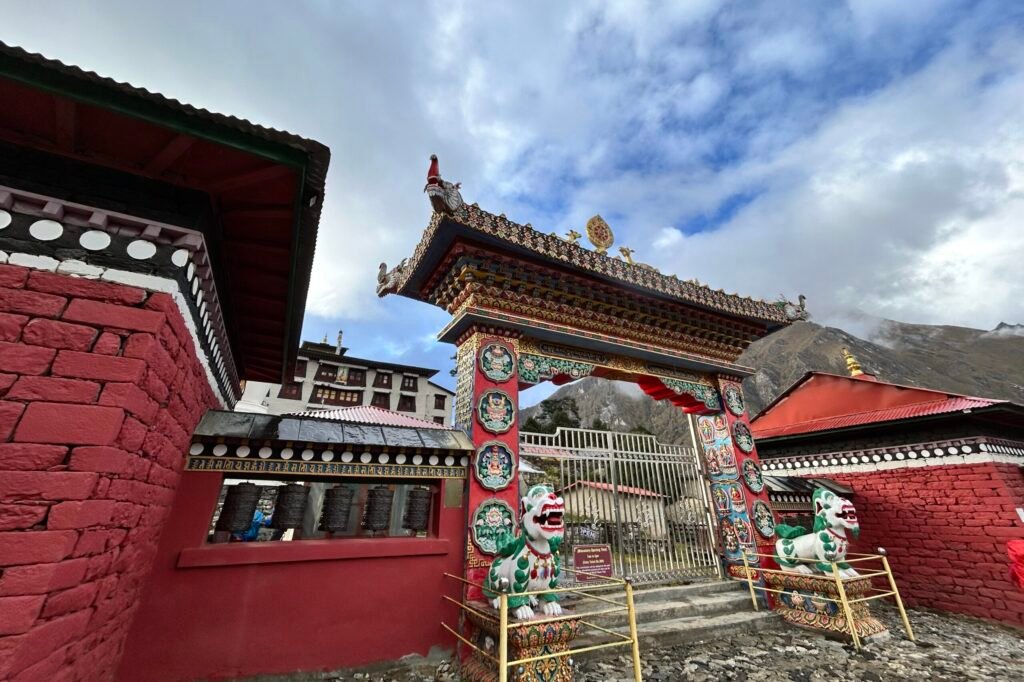
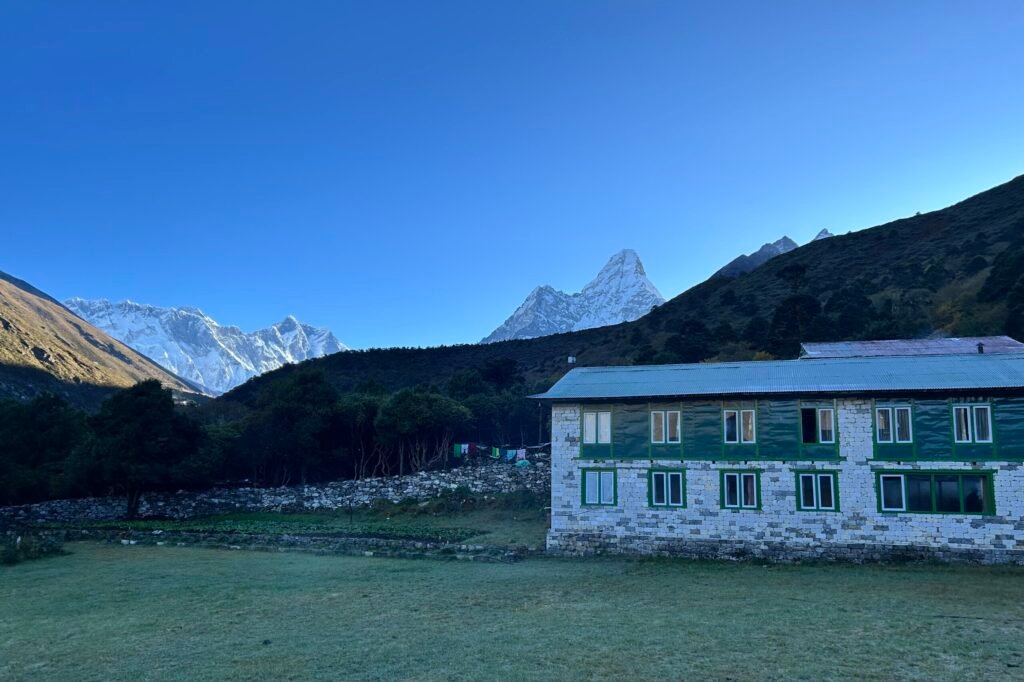
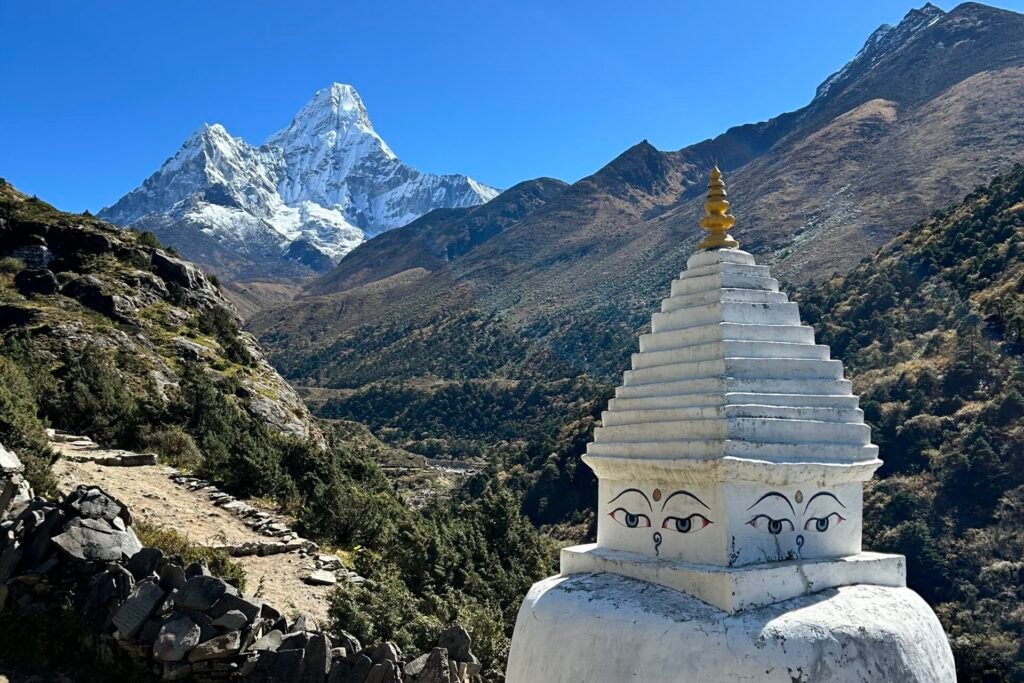
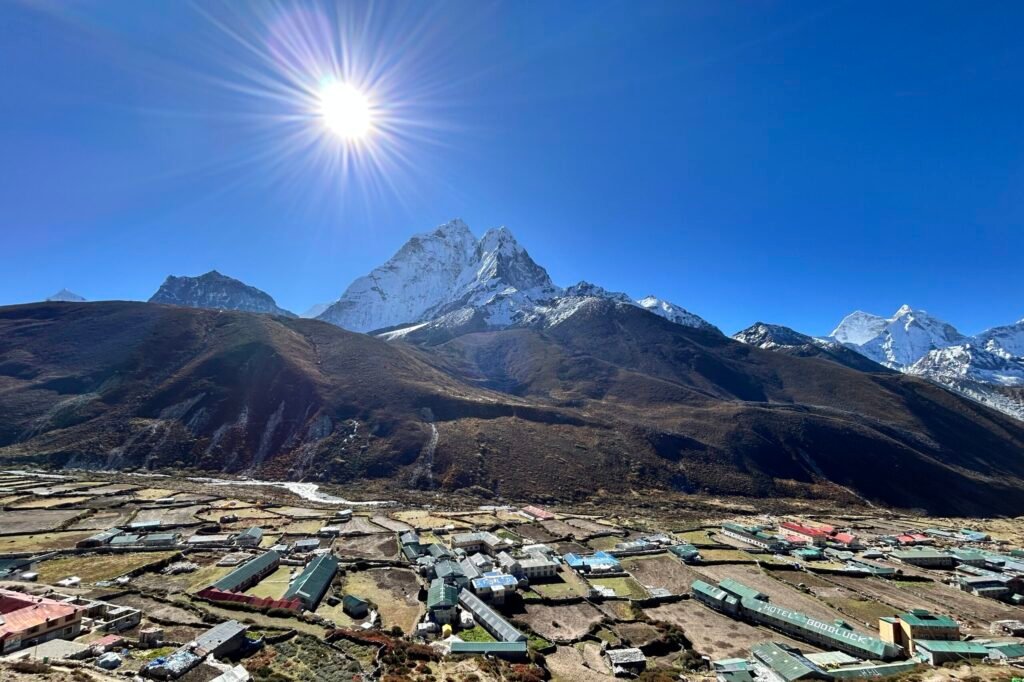
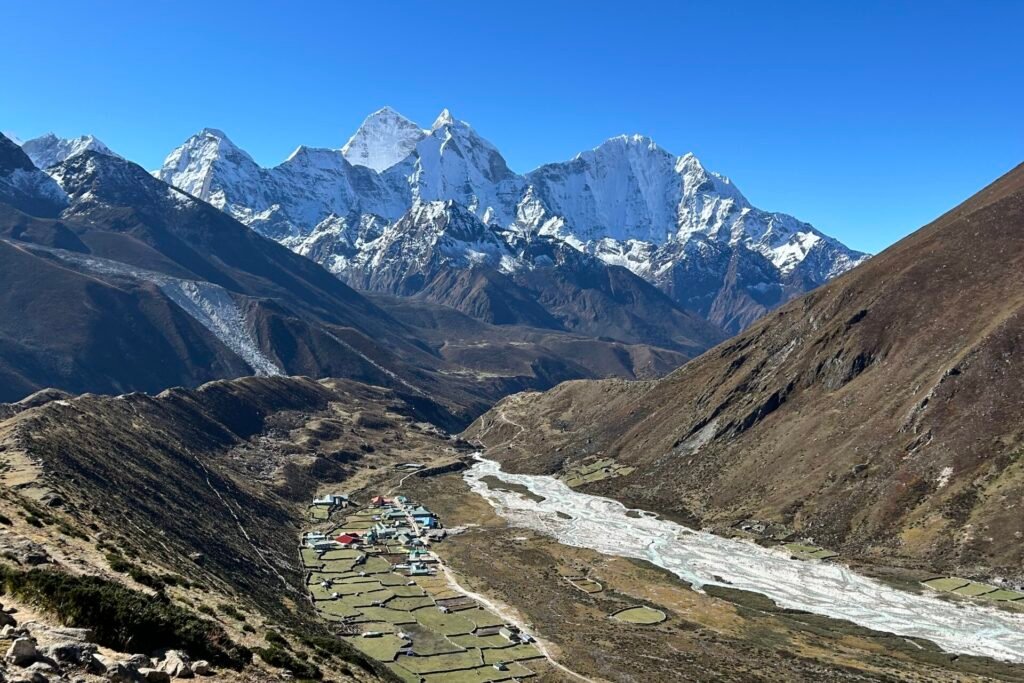
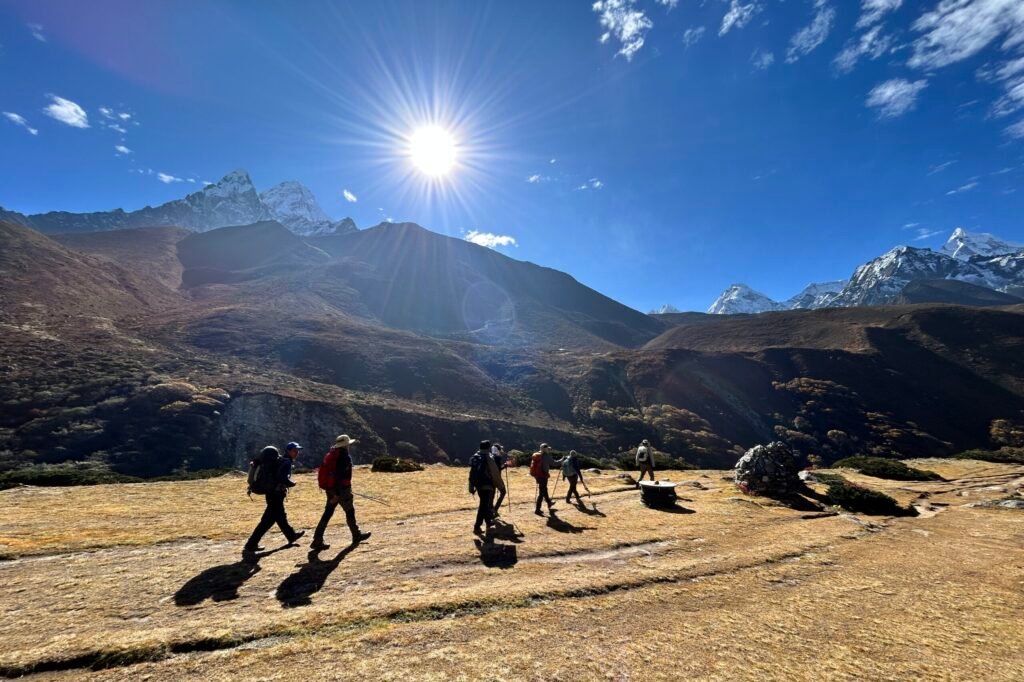
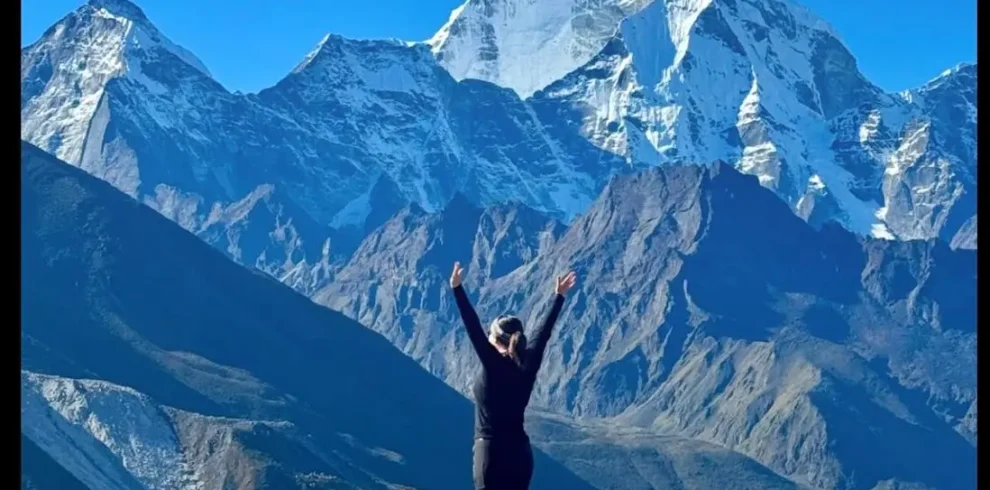
From Namche, the trail continues through Tengboche, home to the most important monastery in the Khumbu region. The views of Ama Dablam from Tengboche are genuinely extraordinary, and many trekkers describe this as the most beautiful section of the entire route. Dingboche follows, at four thousand four hundred and ten meters, where we take our second acclimatization day and hike to Nangkartshang Peak at five thousand eight hundred meters for acclimatization purposes.
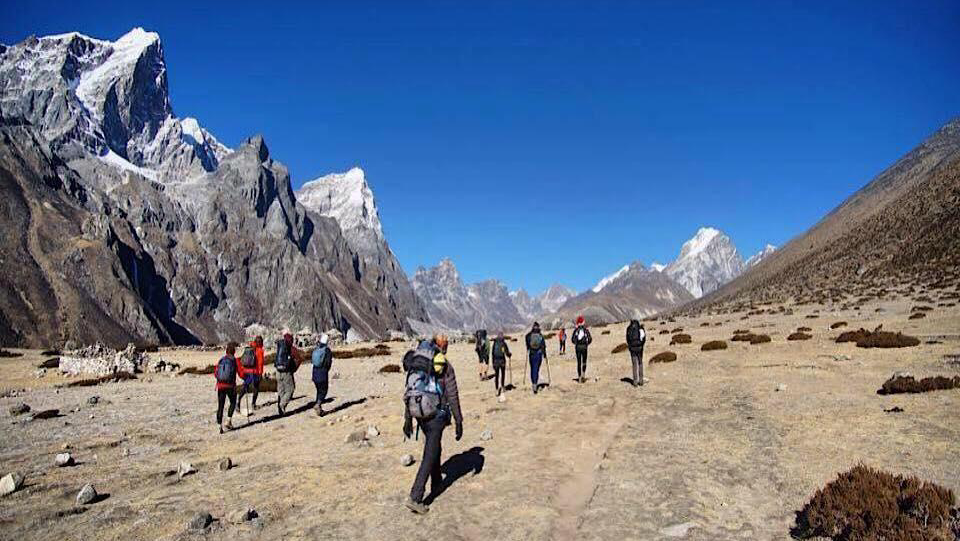
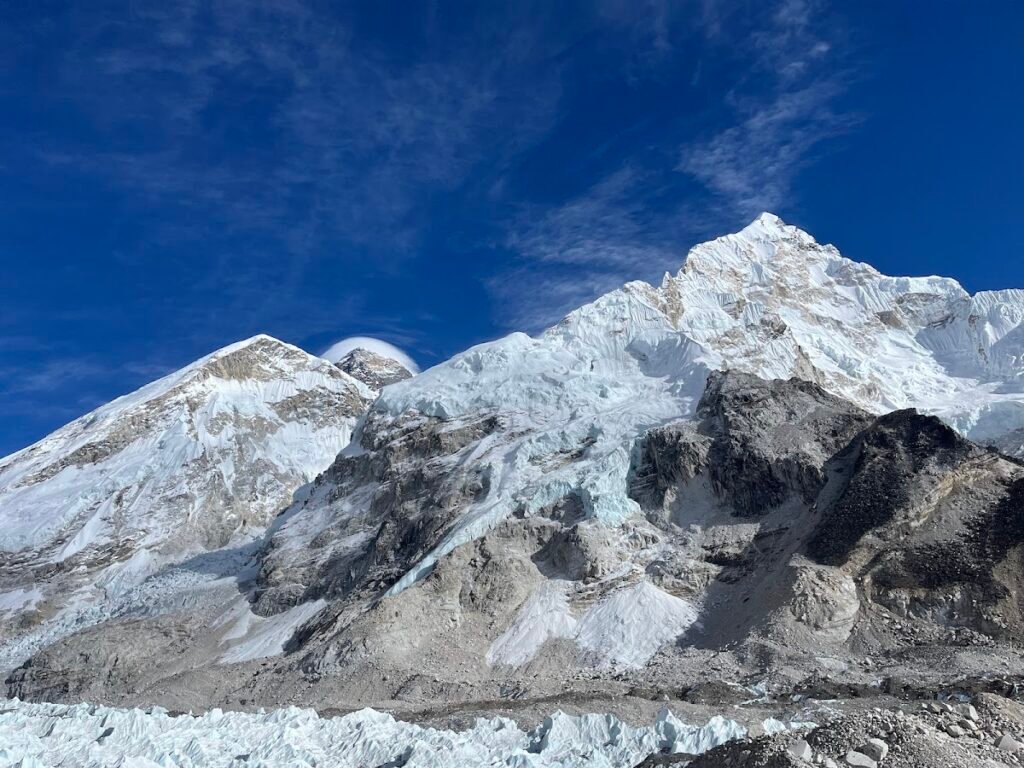
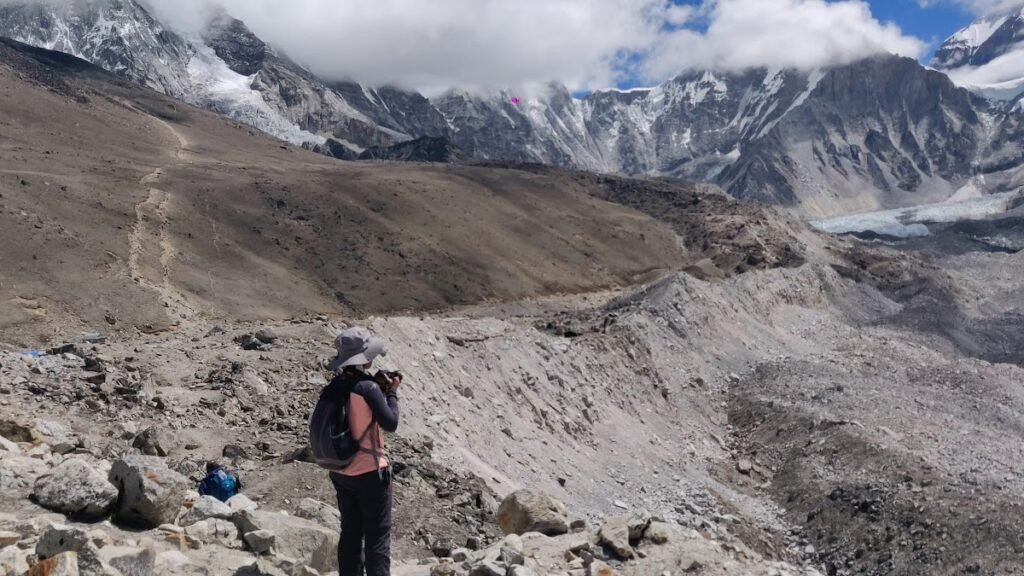
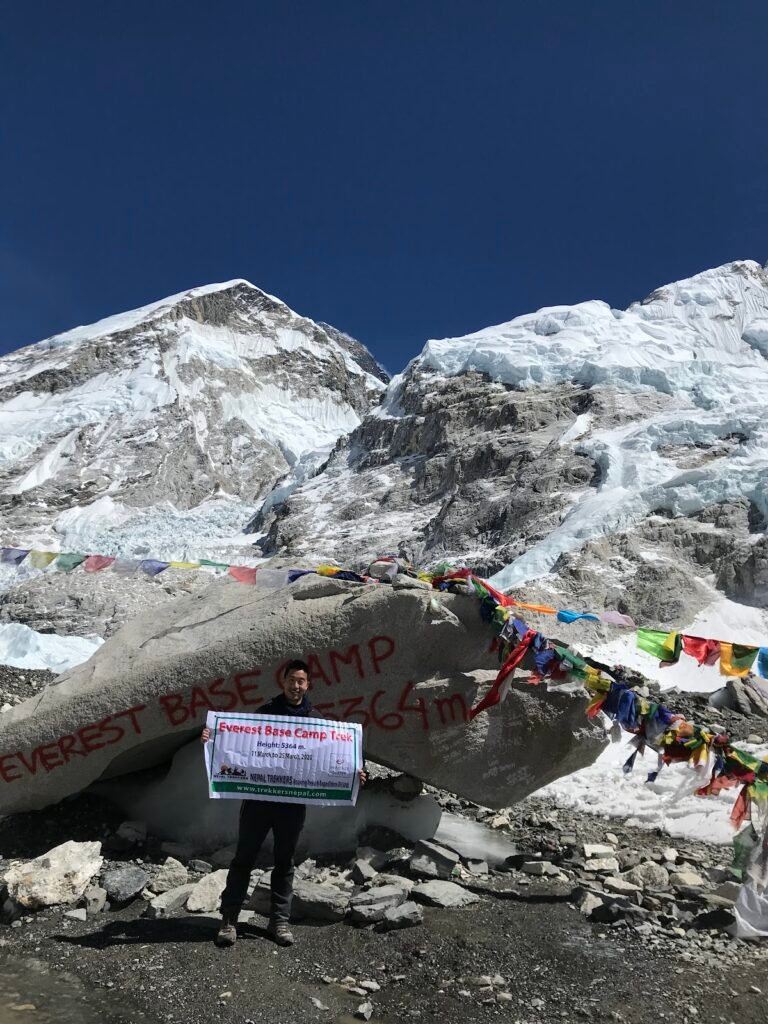
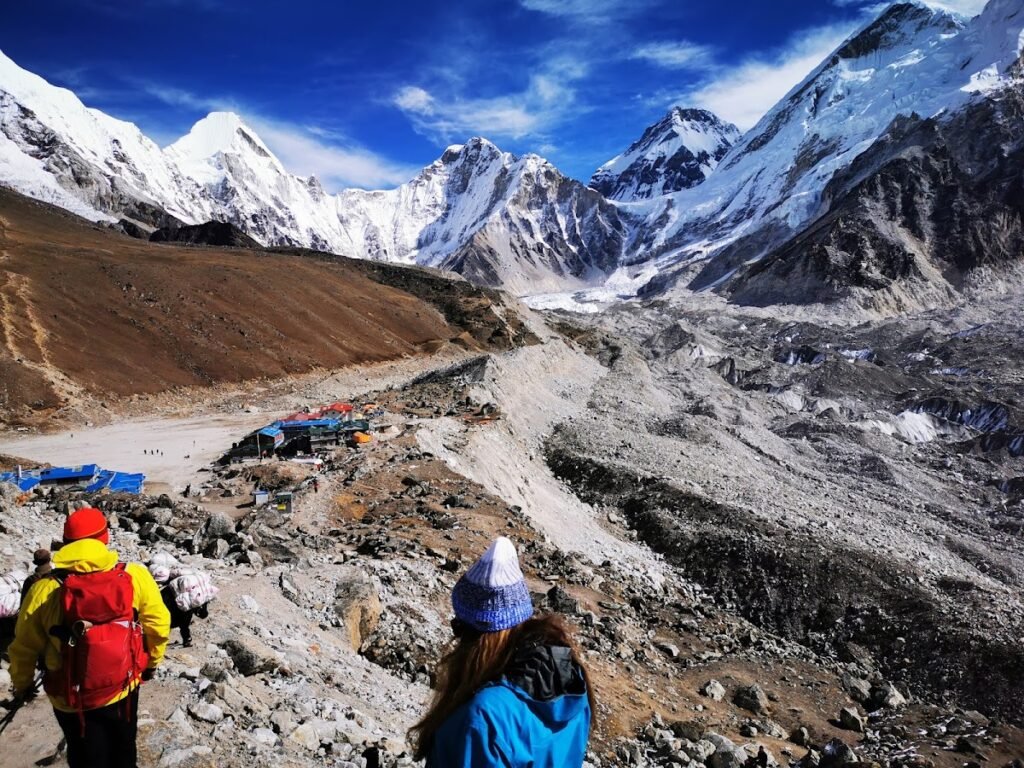
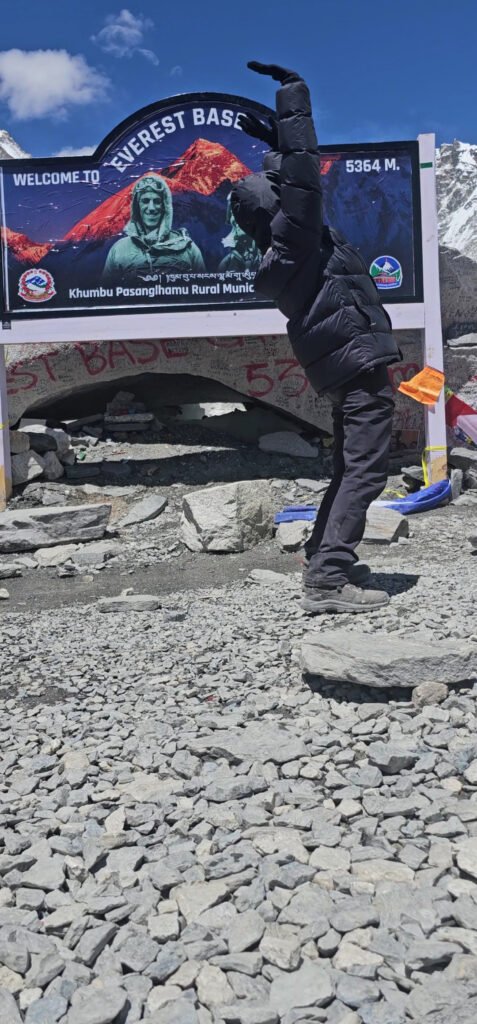
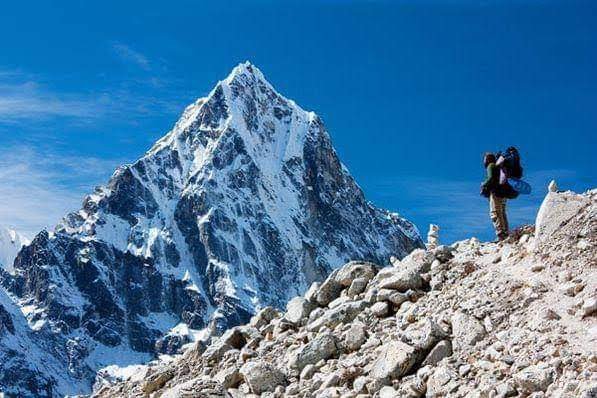
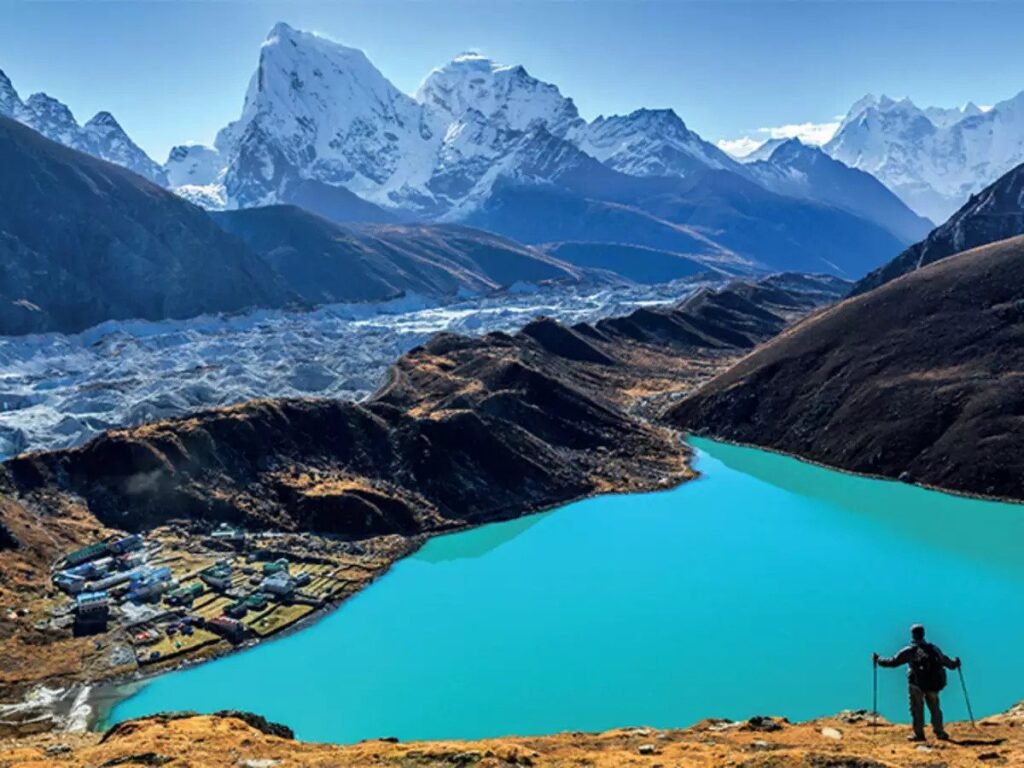
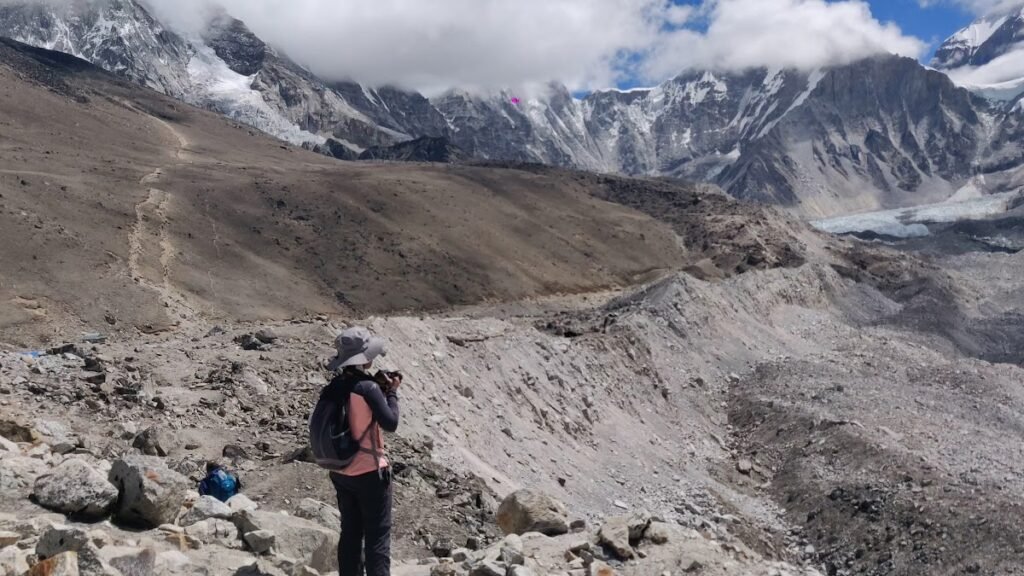
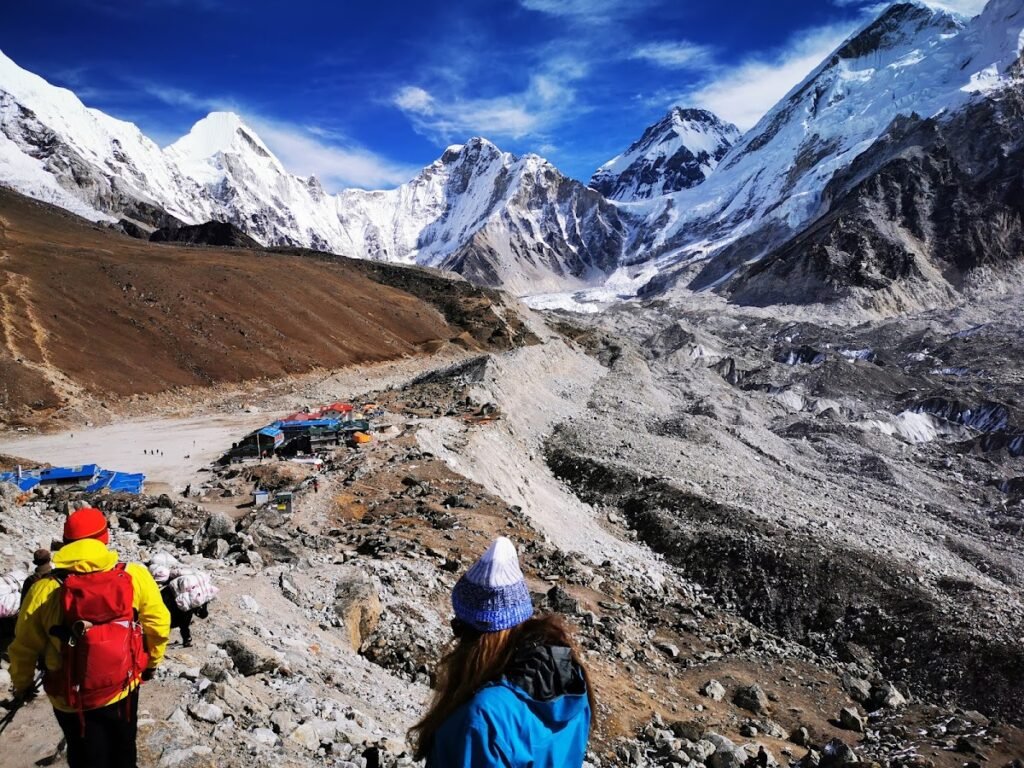
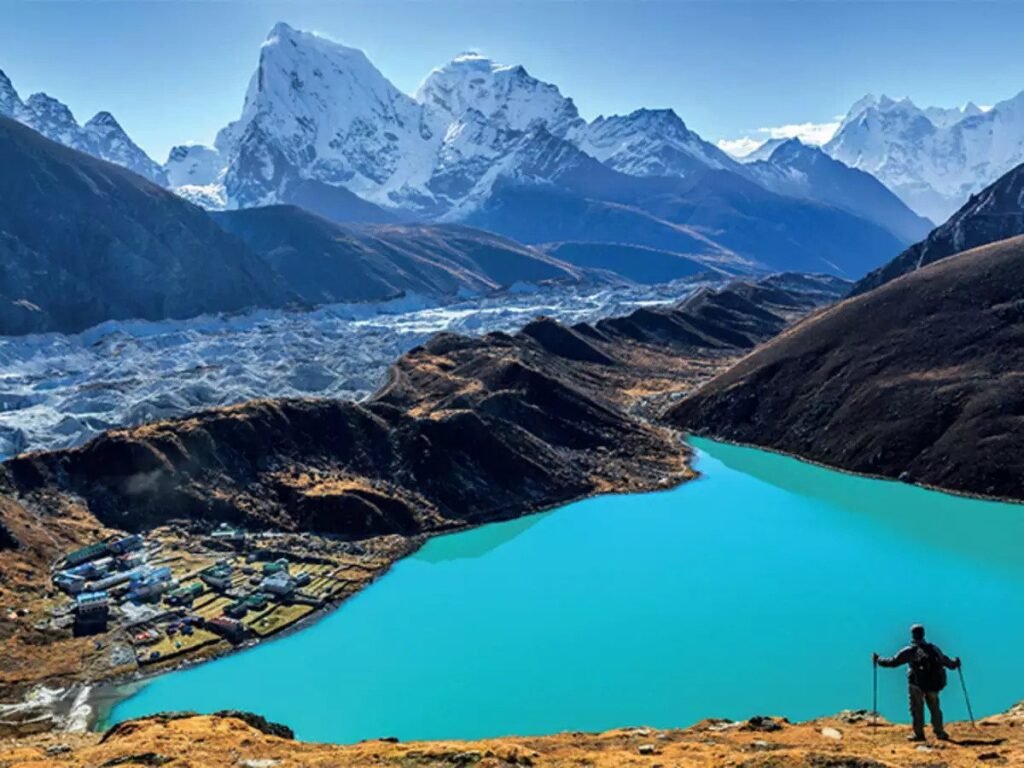
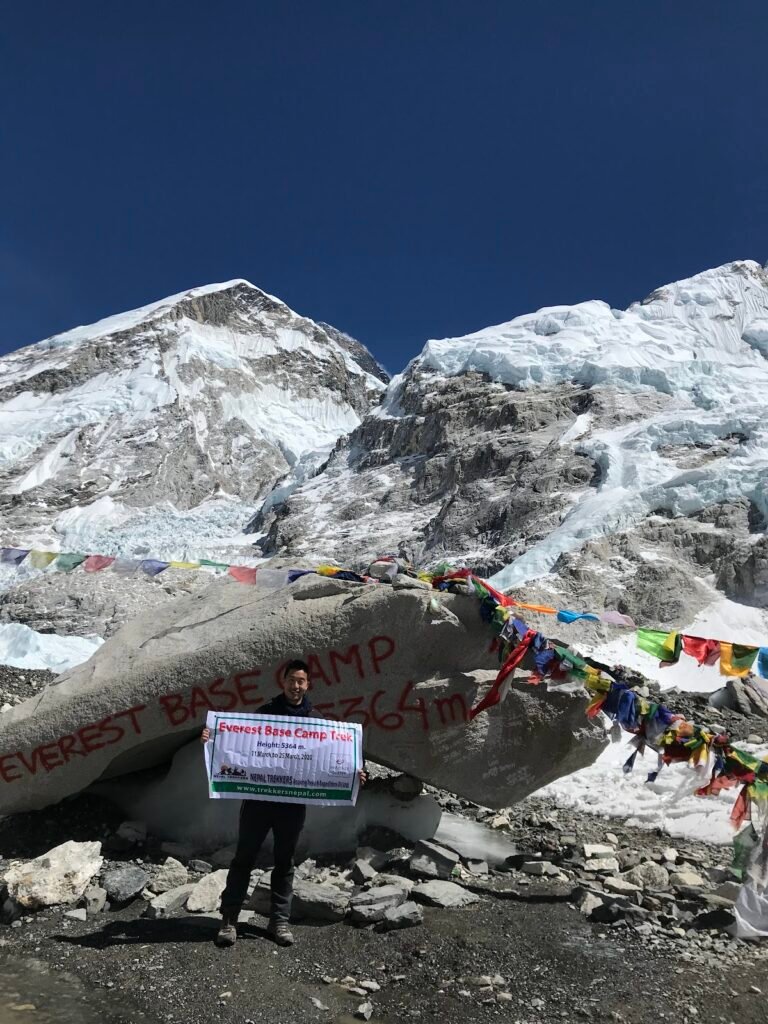
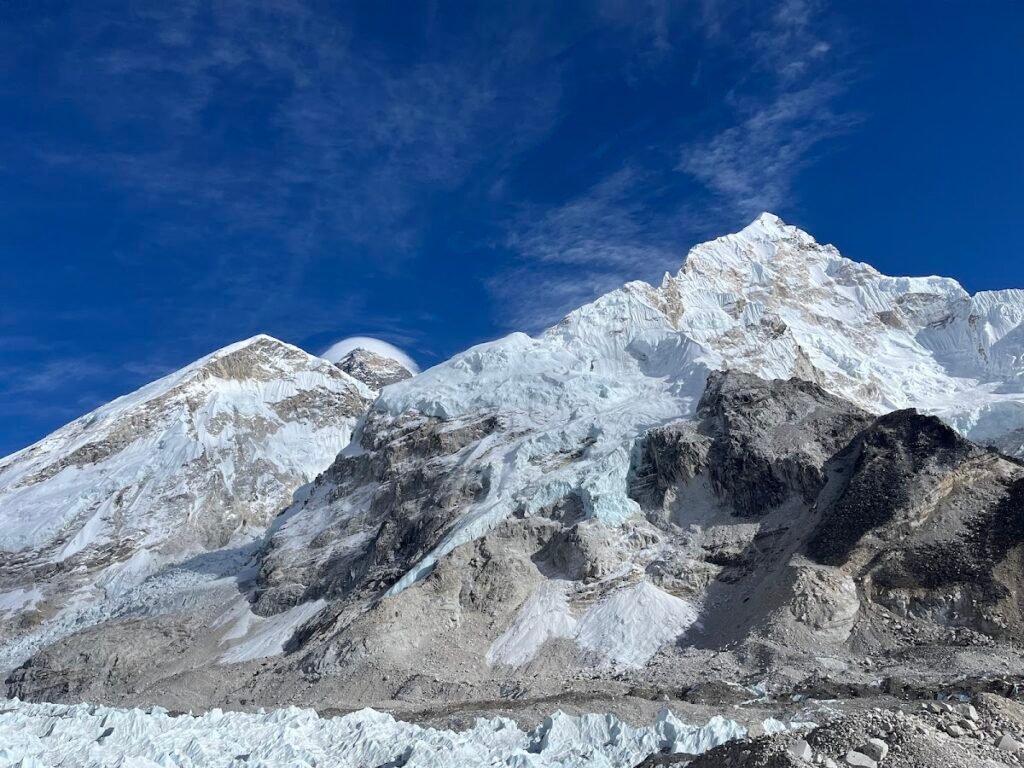
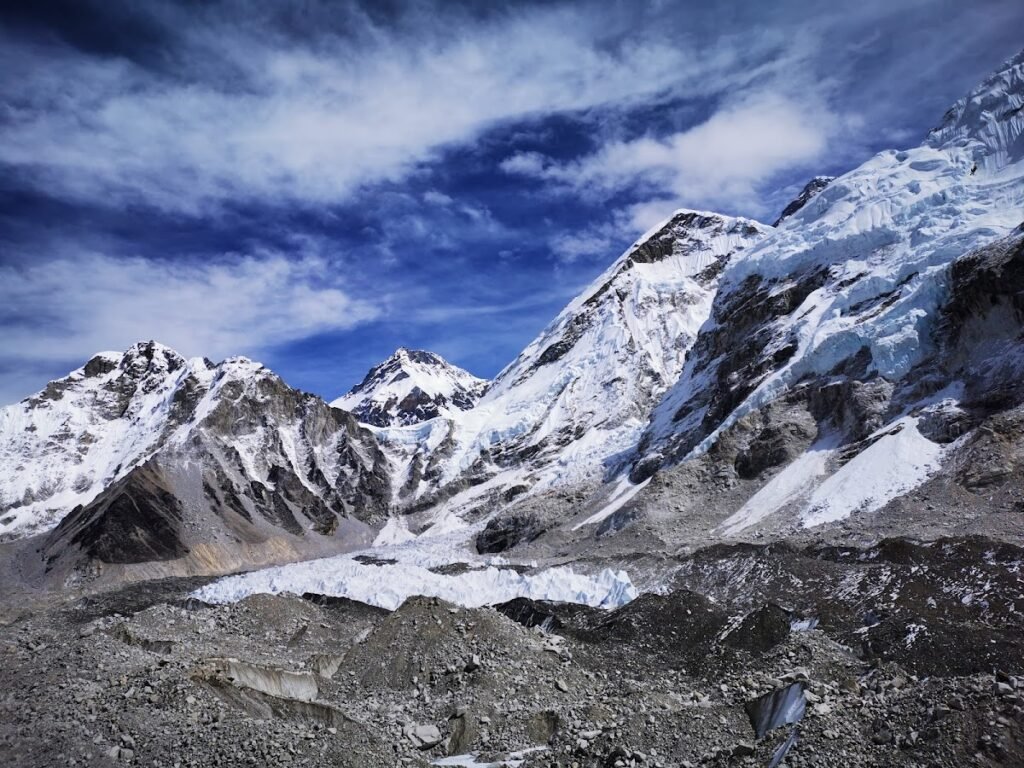
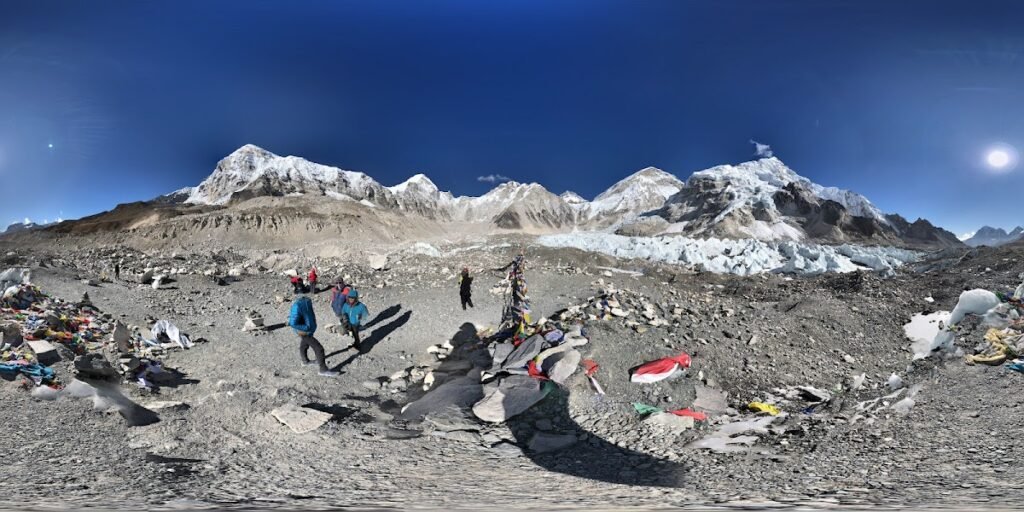
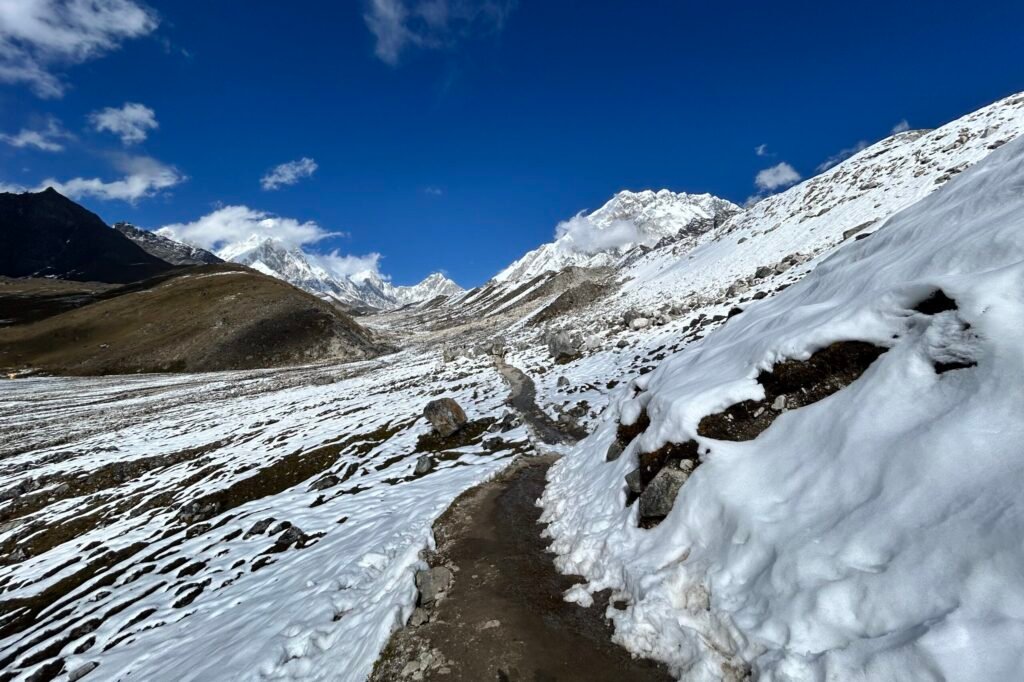
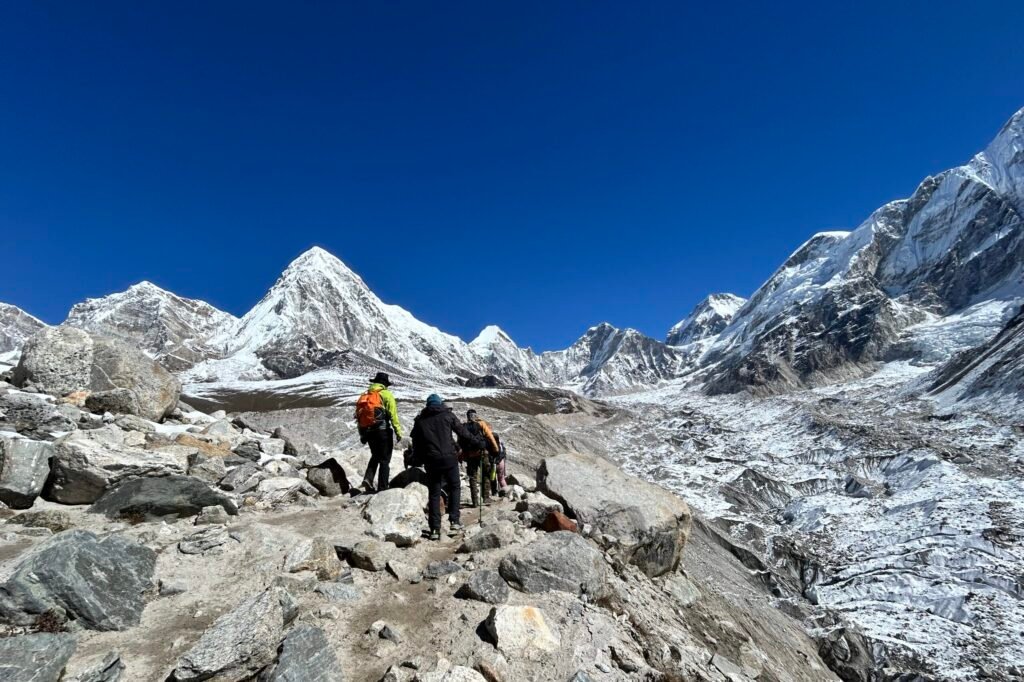
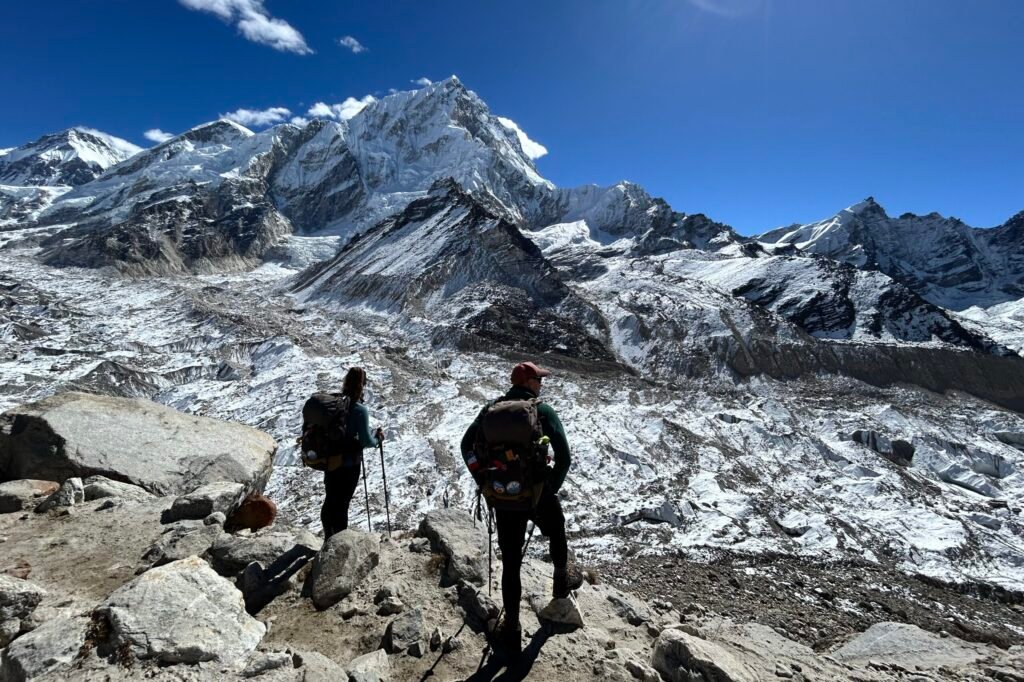
The upper section of the trek takes you through Lobuche and on to Gorak Shep, the last settlement before Base Camp. From Gorak Shep, we make the final push to Everest Base Camp itself, walking across the glacial moraine to reach the site where climbers gather each spring for summit attempts. The sense of achievement at Base Camp is profound. You are standing at the base of the highest mountain on Earth.
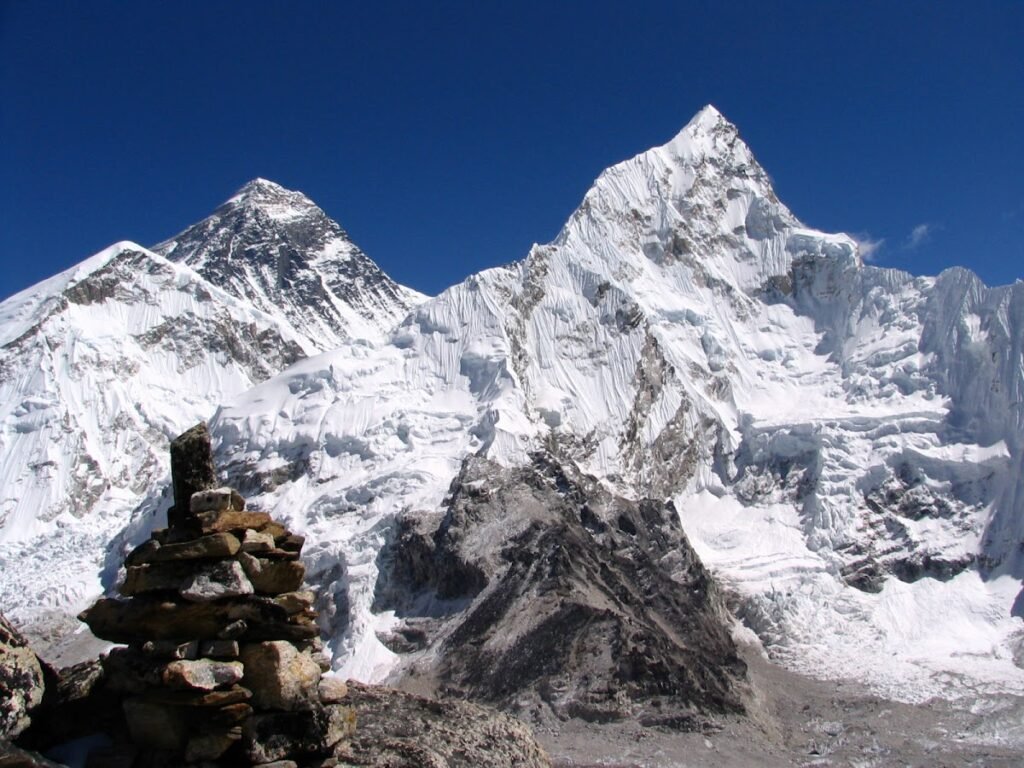
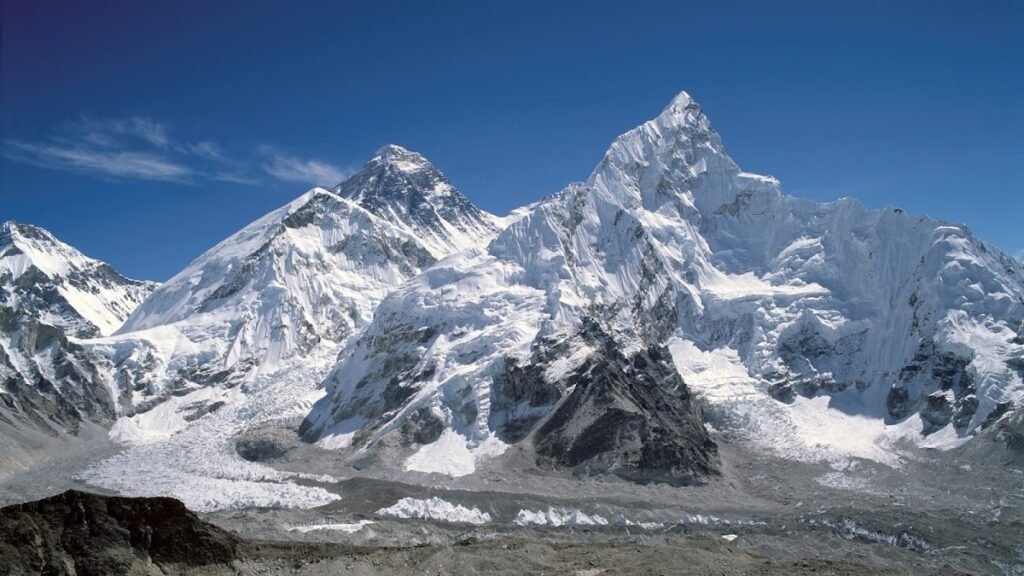
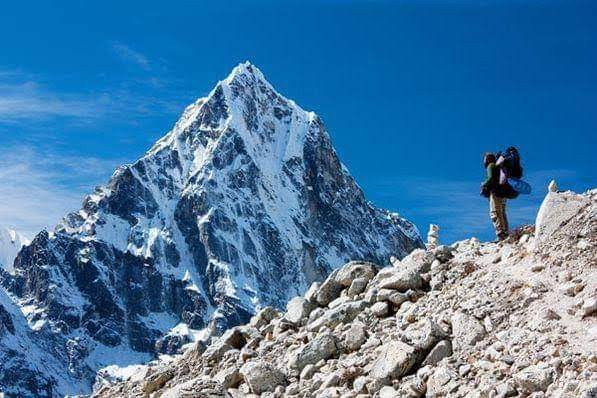
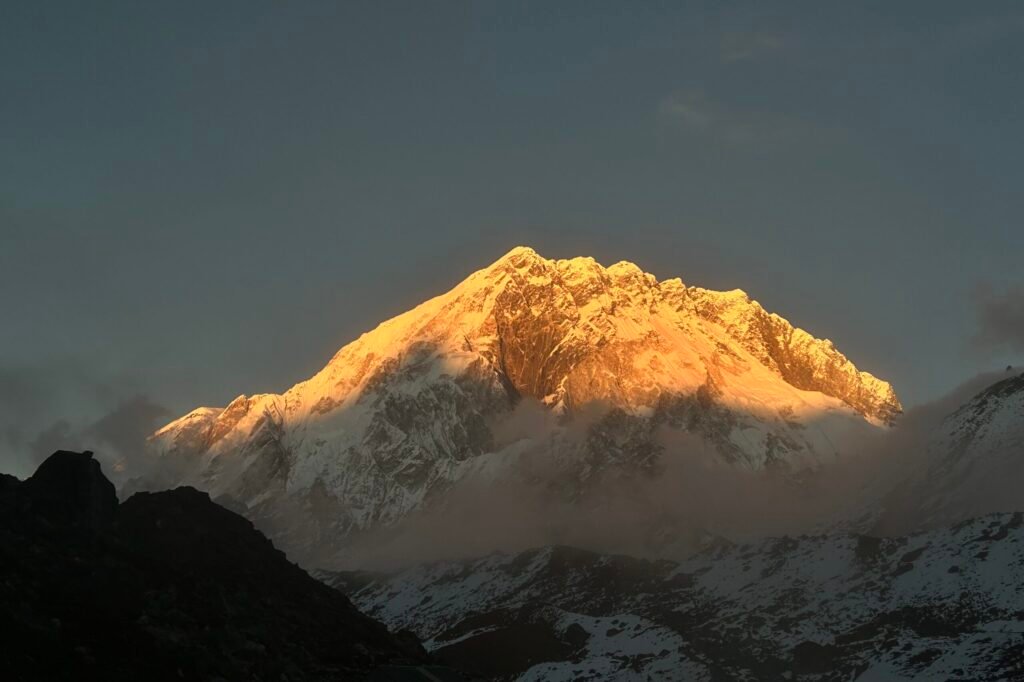
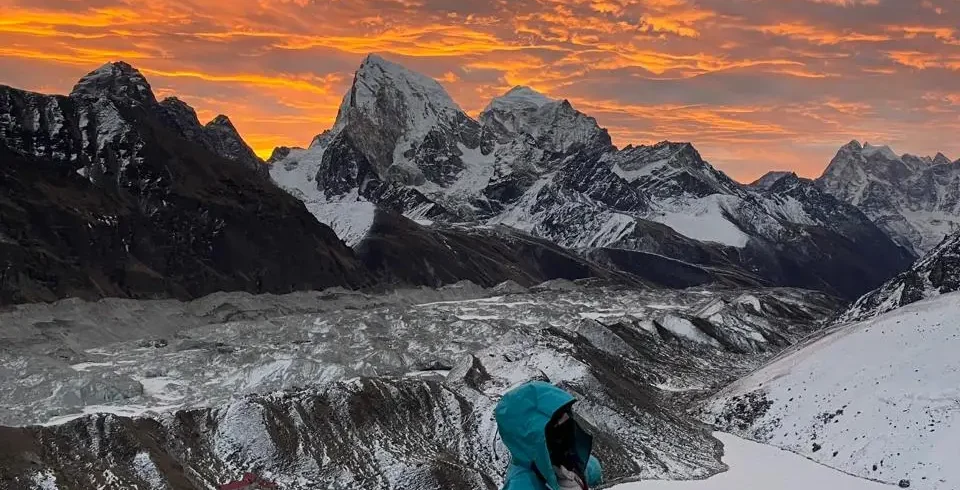
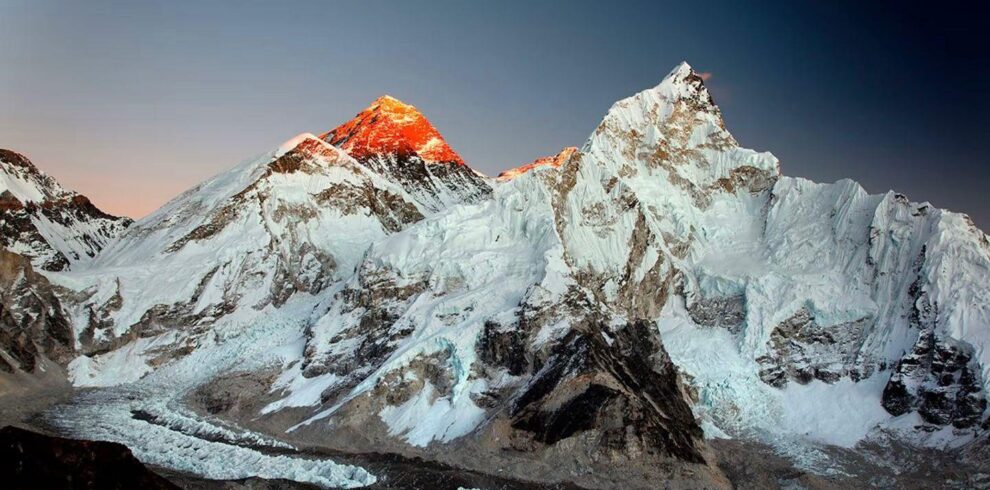
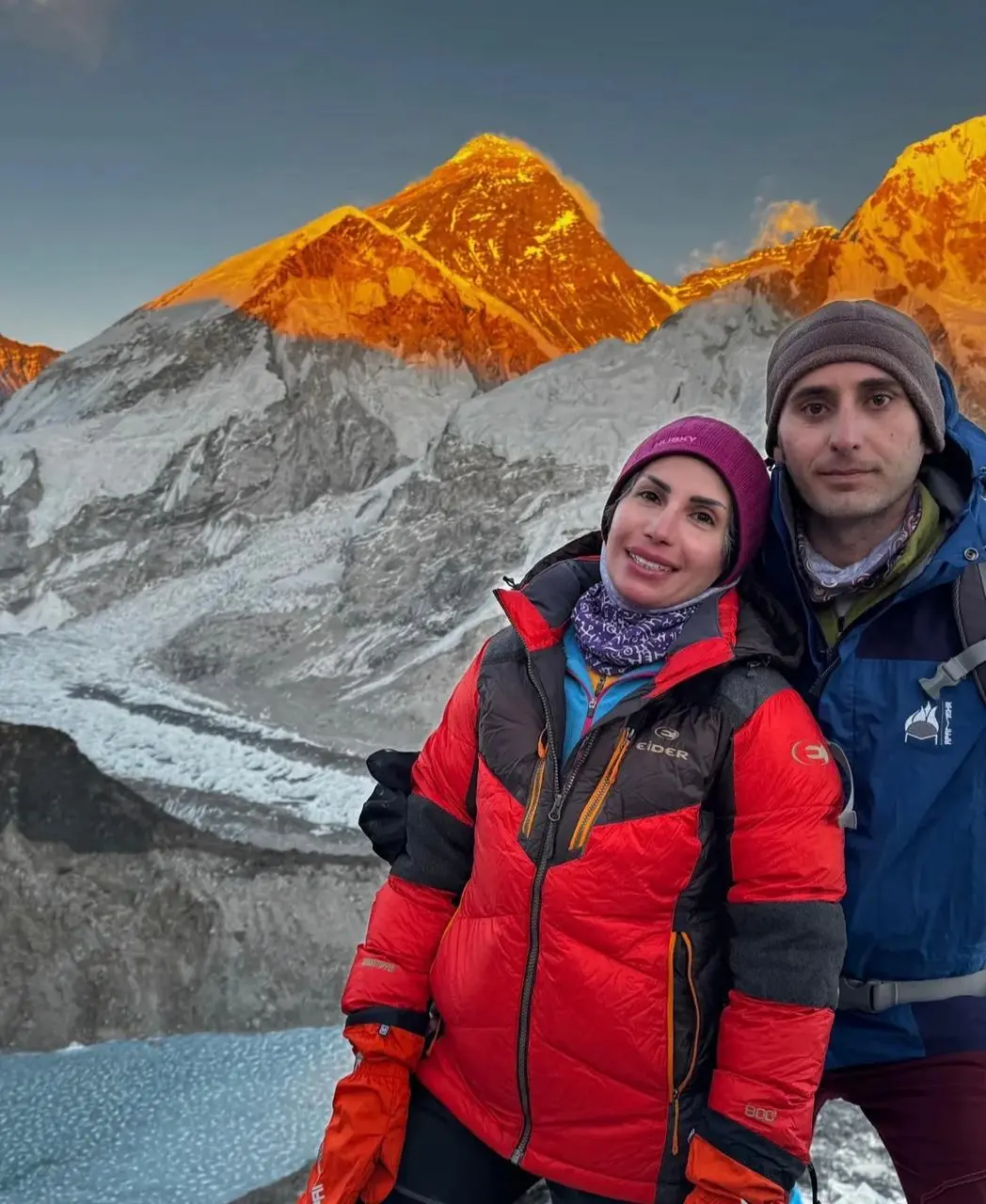
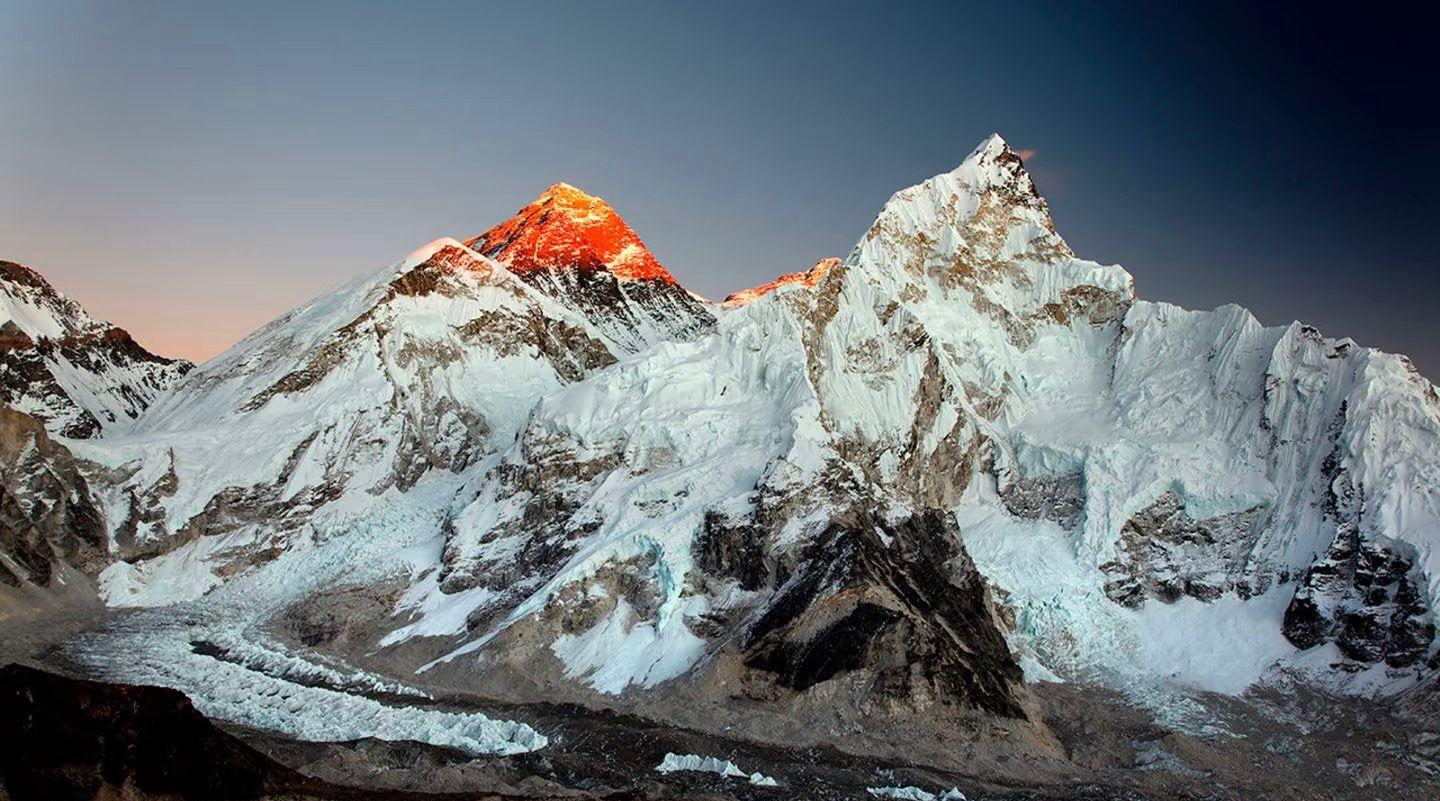
The following morning, we climb Kala Patthar at five thousand five hundred and forty-five meters for sunrise views of Everest. This is the highest point of the trek and offers the most spectacular photographic opportunities. The south face of Everest, illuminated by the first light of dawn, is a sight that stays with you forever.
A professional Everest trekking company does more than lead you to Base Camp. We monitor your health daily, checking oxygen saturation and watching for signs of altitude sickness. We manage the logistics of teahouse bookings, ensuring you have comfortable accommodation each night. We advise on food choices, hydration, and pacing. And we carry emergency equipment including supplemental oxygen and communication devices.
The Everest Base Camp Trek is achievable for anyone with reasonable fitness and proper preparation. You do not need technical climbing skills. You do not need previous high-altitude experience, though it helps. What you need is determination, patience, and the support of an experienced Everest trek company that puts your safety first.
Our Everest Base Camp Trek package includes all domestic flights, trekking permits, teahouse accommodation, three meals daily on the trail, an experienced licensed guide, and porter service. We also provide a comprehensive pre-trek briefing in Kathmandu, equipment checks, and twenty-four-hour support throughout your journey.
If you are planning your Everest Base Camp Trek for 2026 or 2027, contact Everest Trekking Company. We are a local Everest trek agency based in Kathmandu, registered with the Nepal Tourism Board and the Trekking Agencies Association of Nepal. We have guided thousands of trekkers to Base Camp safely, and we are ready to help you achieve this extraordinary goal.
Everest Base Camp Trek Difficulty and Fitness Requirements
The Everest Base Camp Trek is rated challenging, though it does not require any technical climbing skills or mountaineering experience. The real difficulty comes from a combination of factors: fourteen consecutive days on the trail, a maximum altitude of 5,364 meters at Base Camp itself (and 5,545 meters if you add the optional Kala Patthar sunrise hike), and daily walking sessions of five to seven hours across uneven, rocky terrain with significant elevation change. Trekkers in good general health who walk, hike, or exercise regularly two to three times a week are typically well prepared. We recommend building a training routine six to eight weeks before departure that includes cardio work, stair climbing or hill walking, and if possible a few practice hikes with a loaded daypack, since this closely mirrors the demands of the actual trail.
Age is rarely the deciding factor. We have guided trekkers in their sixties and seventies to Base Camp successfully, and we have also turned back younger trekkers who ignored early symptoms of altitude sickness. What matters most is honest self assessment, a sensible pace, and a willingness to listen to your guide when they tell you to slow down or rest.
Altitude Sickness and Acclimatization on This Route
Altitude sickness is the single biggest safety consideration on the Everest Base Camp Trek, and it is also the most manageable one when the itinerary is built correctly. Our fourteen day itinerary includes two dedicated acclimatization days, one at Namche Bazaar (3,440m) and one at Dingboche (4,410m), both positioned at the points where the “climb high, sleep low” principle matters most. On each acclimatization day we hike higher during the day, to the Everest View Hotel above Namche or to Nangkartshang Peak above Dingboche, and return to sleep at the lower elevation, which is the single most effective non medical strategy for reducing altitude sickness risk.
Our guides are trained to recognize the early symptoms of acute mountain sickness, including headache, nausea, dizziness, and loss of appetite, and they carry a pulse oximeter to check oxygen saturation levels daily above 3,000 meters. If symptoms do not improve with rest, hydration, and a short pause in ascent, our guides have the authority and the experience to recommend descent, arrange it, and if needed coordinate helicopter evacuation. We strongly recommend every trekker carries comprehensive travel insurance that explicitly covers high altitude trekking up to 6,000 meters and helicopter evacuation, since standard travel insurance policies frequently exclude this.
Best Time of Year for the Everest Base Camp Trek
Spring (March to May) and autumn (late September to November) are the two peak seasons for this trek, and for good reason. Both offer the most stable weather, the clearest mountain views, and comfortable daytime trekking temperatures. Spring adds the bonus of blooming rhododendron forests through the lower Khumbu valley, while autumn typically offers the most consistently clear skies of the year, making it the single most popular season for photography and mountain visibility.
Winter (December to February) is trekkable and considerably quieter on the trail, though nighttime temperatures at higher elevations can drop well below freezing, and some high passes and side trails may require extra caution after fresh snowfall. Monsoon season (June to August) is generally not recommended for this specific route, since low cloud cover regularly obscures mountain views for days at a time and the lower trail sections become muddy and leech prone, though the upper Khumbu above Namche does receive comparatively less rainfall than lower regions of Nepal.
Permits Required for the Everest Base Camp Trek
Two permits are required for this specific route, and both are arranged by Everest Trekking Company as part of your package, so you do not need to handle any paperwork yourself. The Sagarmatha National Park Entry Permit is required since the trail passes through this UNESCO listed protected area, and the Khumbu Pasang Lhamu Rural Municipality Entry Permit has replaced the older TIMS card system specifically for trekkers heading into the Khumbu region. Both permits are checked at control points along the trail, typically at Monjo near the park entrance, so keep your passport accessible during the early days of the trek.
What to Pack for the Everest Base Camp Trek
Layering is the single most important packing principle for this trek, since you will experience temperatures ranging from mild and humid in the lower Khumbu valley to well below freezing at higher elevations, particularly in the early mornings around Gorak Shep and Kala Patthar. Essential items include a good quality down jacket rated for at least minus fifteen degrees Celsius, a four season sleeping bag if trekking outside peak season, sturdy broken in trekking boots with ankle support, moisture wicking base layers, a warm insulated mid layer, and a waterproof outer shell. A reliable pair of trekking poles genuinely helps on the steep descents, particularly the long drop from Namche back down toward Lukla on the return journey. Duffel bags for porter carried gear and a smaller daypack for personal items you want during the day, water, snacks, camera, sun protection, are both worth investing in before departure. Gear rental shops throughout Kathmandu’s Thamel district offer quality equipment at reasonable rates if you would rather not purchase everything new for a single trip.
Accommodation and Food Along the Trail
The Everest Base Camp Trek is a teahouse trek, meaning you sleep in simple, locally run lodges rather than tents, a comfortable and culturally rich way to experience the Khumbu region. Rooms are typically basic twin share accommodations with shared bathroom facilities, though several teahouses in Namche Bazaar and Lukla now offer private attached bathrooms and even hot showers for an additional fee. Blankets are provided, though a sleeping bag liner or your own sleeping bag adds genuine warmth and comfort, particularly at the higher, colder stops like Dingboche, Lobuche, and Gorak Shep.
Teahouse menus are more varied than many first time trekkers expect, offering everything from the reliable Nepali staple dal bhat, rice, lentil soup, and vegetable curry, to pizza, noodles, soups, and porridge. Dal bhat remains the best value and most filling option, and it comes with unlimited refills at most teahouses, a genuine advantage after a long day of walking. Bottled water becomes more expensive and less environmentally friendly the higher you climb, so we recommend bringing a reusable water bottle and purification tablets or a filter, which we can advise on during your pre trek briefing.
Why Trek Everest Base Camp With Everest Trekking Company
We are a Khumbu based operator, not a Kathmandu travel agency that outsources guiding to whoever is available. Our guides grew up in this region, many in villages you will actually walk through on this trek, and they bring genuine local knowledge of current trail conditions, weather patterns, and the best acclimatization strategies for each specific group. We keep our group sizes manageable, provide a licensed guide and porter support for every departure, and back every trek with a thorough pre departure briefing in Kathmandu covering equipment, altitude awareness, and what to expect at each stage of the route.
Our fourteen day itinerary is built specifically around proper acclimatization rather than the fastest possible schedule, because we would rather you reach Base Camp safely and comfortably than shave a day off the trip at the expense of your own wellbeing. This is the same itinerary structure our guides have refined over years of leading trekkers through the Khumbu, and it remains the single biggest factor in why the vast majority of our trekkers reach Base Camp successfully.
Group Size and Private Departures
We run both scheduled group departures and fully private trips for solo trekkers, couples, families, and larger groups of friends or colleagues. Group departures offer a more moderate per person cost and the social benefit of trekking alongside other travelers, while a private departure gives you complete control over your daily pace, rest days, and start dates. Whichever option you choose, every trekker receives the same experienced guide support and the same carefully built acclimatization schedule, since we do not compromise on safety regardless of group size or booking type.
How to Book the Everest Base Camp Trek
Booking begins with a simple conversation, whether by WhatsApp, email, or through our website, where we confirm your preferred dates, group size, and any specific questions about fitness, altitude, or logistics. Once your dates are confirmed, we handle all domestic flight bookings, permit arrangements, and teahouse reservations along the route, so your only remaining task before departure is training, packing, and arranging your international flights into Kathmandu. We recommend booking at least two to three months in advance for peak season departures in spring and autumn, since Lukla flights and quality teahouse accommodation both become harder to arrange on short notice during these popular windows.
If you are ready to start planning your Everest Base Camp Trek, reach out to our team directly. We are happy to answer any questions about the route, help you choose the right season and itinerary variant for your schedule, and put together a booking that fits your specific needs.
Everest Base Camp Trek Overview
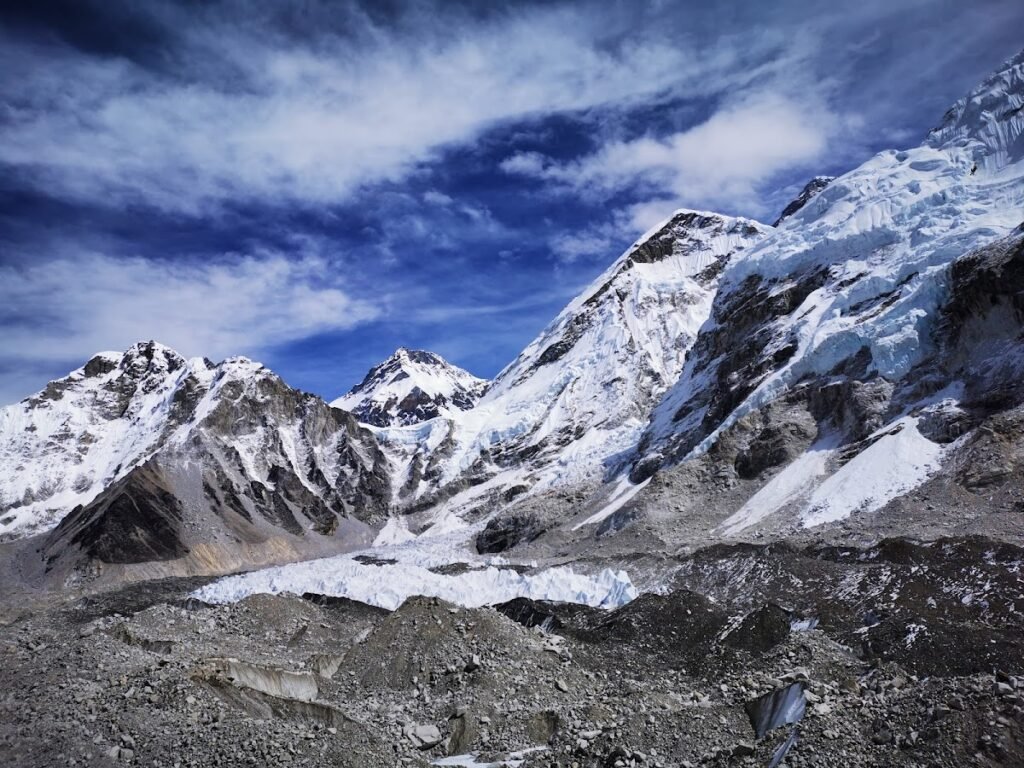
There is a moment on the Everest Base Camp Trek that changes you forever. It arrives quietly, after days of walking through the high Himalayas, lungs burning in the thin air, muscles aching from the relentless ascent. You round a bend in the glacial moraine, and suddenly there it is: Everest Base Camp at 5,364 metres, sprawled across the Khumbu Glacier. Colourful prayer flags snap in the wind above tents that will soon shelter the world’s most ambitious climbers. The Khumbu Icefall rumbles in the distance, a frozen river of ice that has both created legends and claimed dreams. Standing here, you are not merely a visitor. You are part of a continuum of explorers, dreamers, and adventurers who have made this pilgrimage since Edmund Hillary and Tenzing Norgay first conquered the world’s highest peak in 1953.
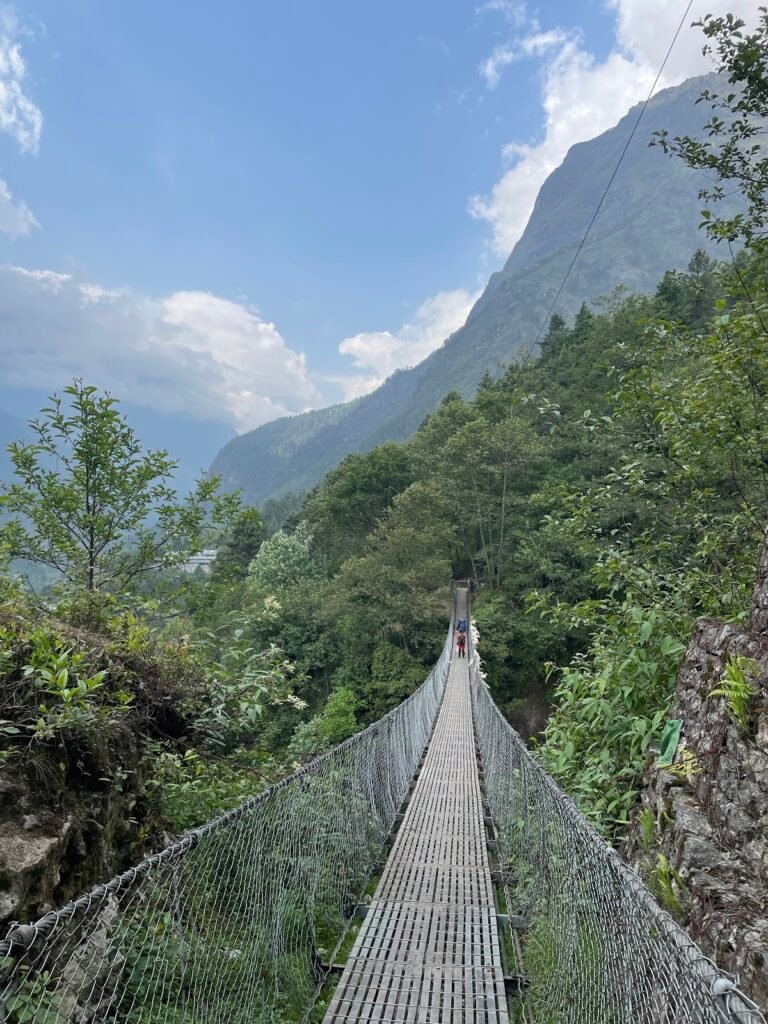
The EBC Trek Nepal is a 14-day journey through the heart of the Khumbu region that delivers far more than a photograph at a signpost. It is an immersive experience that weaves together jaw-dropping natural grandeur and a living, breathing Sherpa culture that has thrived in these mountains for centuries. Every day reveals something extraordinary: suspension bridges swaying above turquoise rivers, ancient monasteries perched on ridges above the clouds, and the ever-present silhouette of Everest growing larger on the northern horizon. Whether you are a seasoned trekker or embarking on your first high-altitude adventure, the Everest Base Camp Trek 2026 promises to be the journey of a lifetime.
About the Everest Base Camp Trek
Your adventure begins with one of the most thrilling flights on Earth: the short but spectacular hop from Kathmandu to Lukla, landing at Tenzing-Hillary Airport (2,860m). Perched on a mountainside with a runway that tilts dramatically toward the valley below, this landing is not for the faint-hearted. But as you step off the plane into the crisp mountain air, with Ama Dablam greeting you in the distance, you know the journey has truly begun.
From Lukla, the trail winds northward through Sagarmatha National Park, a UNESCO World Heritage Site that protects some of the most dramatic alpine landscapes on the planet. The route is a carefully orchestrated ascent, designed to give your body time to adapt to the altitude while rewarding you with ever-more-breathtaking scenery. You will pass through a string of iconic Khumbu villages, each with its own character and charm:
- Phakding — A peaceful riverside village where most trekkers spend their first night, easing into the rhythm of the trail.
- Namche Bazaar (3,440m) — The vibrant Sherpa capital, a bustling amphitheatre of a town carved into a hillside, packed with cafes, gear shops, and a weekly market that draws traders from across the region.
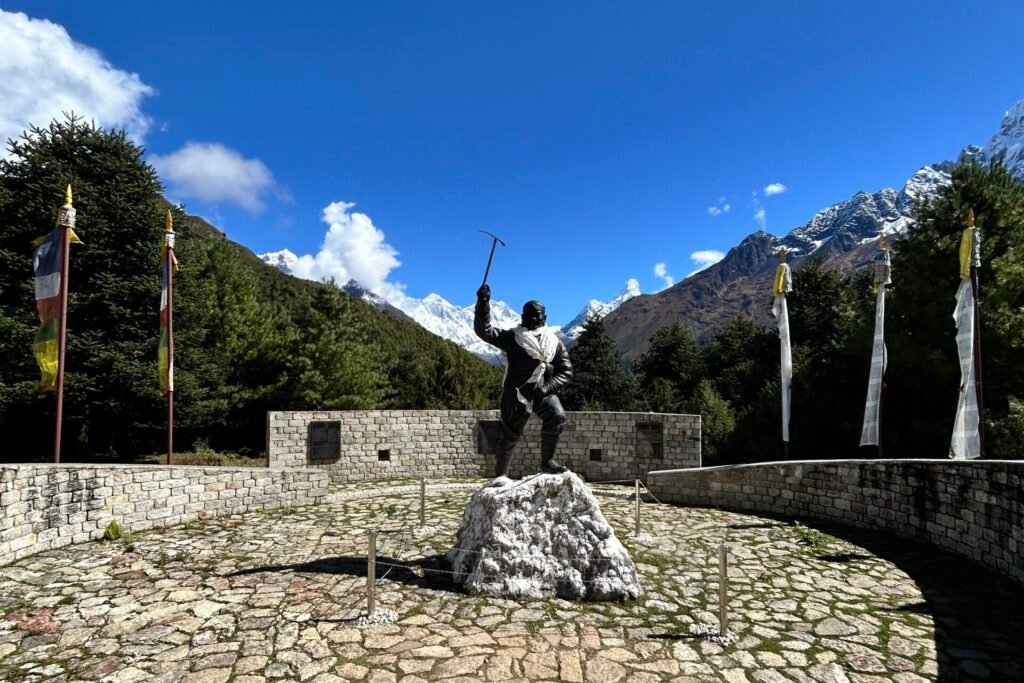
- Tengboche (3,867m) — Home to the region’s most important monastery, set against a panorama that includes Everest, Lhotse, and Ama Dablam.
- Dingboche (4,410m) — A picturesque farming village nestled in a wide valley, where fields of barley and potatoes somehow flourish above 4,000 metres.
- Lobuche (4,940m) — The last settlement before Base Camp, where the landscape shifts to raw glacial terrain.
- Gorak Shep (5,164m) — The final overnight stop, a windswept outpost that serves as the launchpad for both Base Camp and Kala Patthar.
The Everest Base Camp Trek covers approximately 130 kilometers over 10 walking days, with an elevation gain from Lukla at 2,860 meters to the summit of Kala Patthar at 5,545 meters. The trail itself is well-maintained and clearly marked, following centuries-old trade and pilgrimage routes. There are no sections that require technical climbing, ropes, or mountaineering equipment. The challenge of the EBC Trek Nepal is not technical difficulty — it is altitude. And altitude, as every Himalayan veteran will tell you, respects no one. It demands patience, preparation, and a willingness to listen to your body.
What Makes This Trek Special
So what sets the Everest Base Camp Trek 2026 apart from every other trek on your bucket list? It is the rare combination of iconic milestones, cultural immersion, and the raw, humbling power of the world’s highest mountains.
Stand at Everest Base Camp (5,364m)
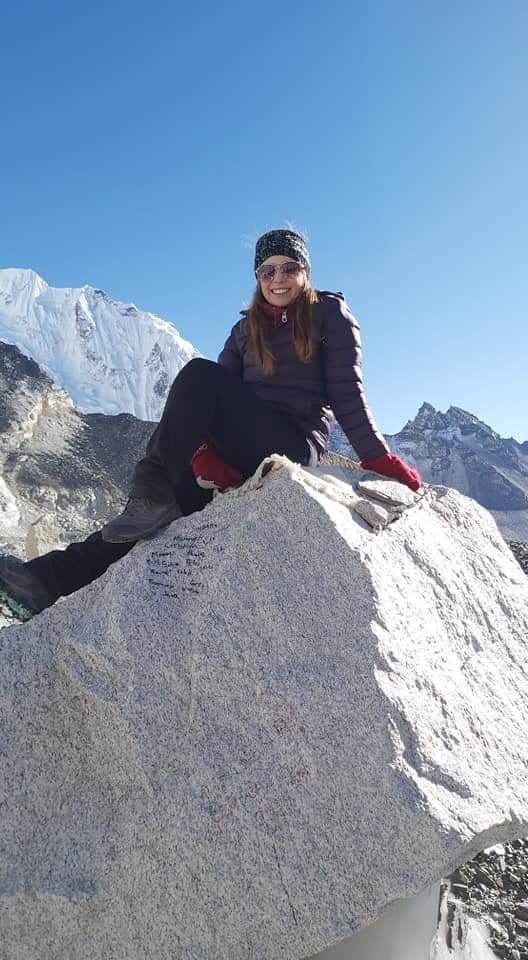
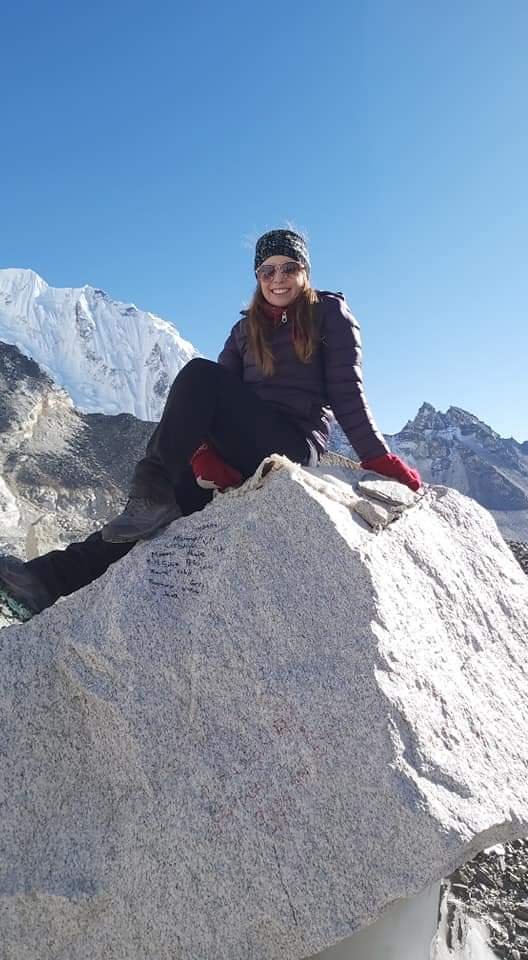
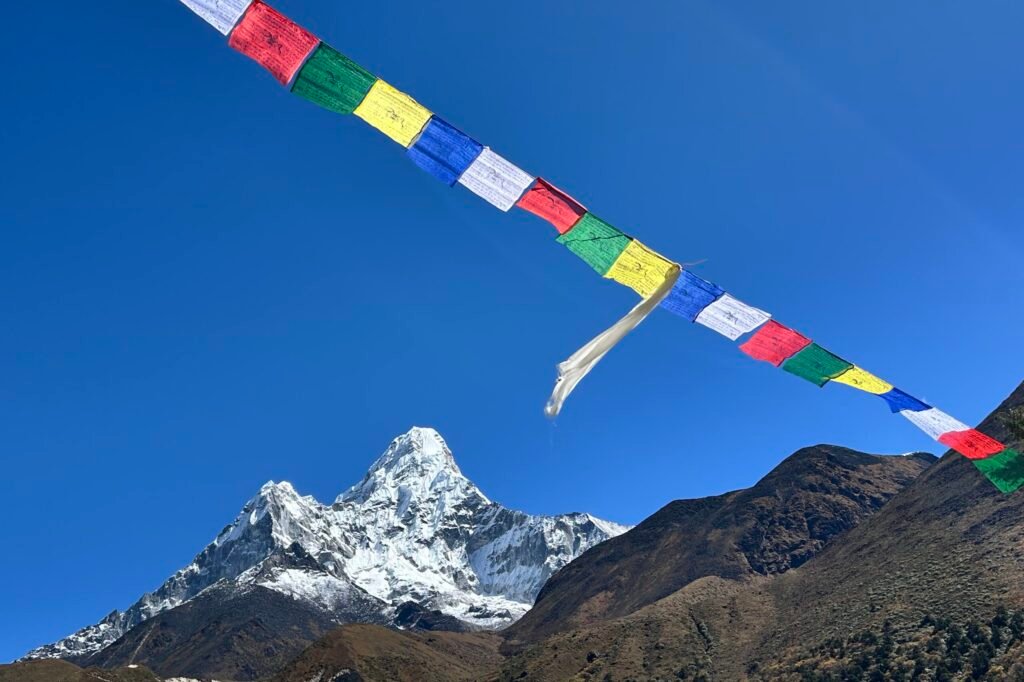
There is nothing quite like arriving at Base Camp itself. This is not a viewpoint or a signpost — it is the actual glacier where every Everest summit team prepares for their ascent. During the spring climbing season, you will watch colourful tent cities materialise on the ice, hear the chatter of expedition radios, and feel the electric anticipation of a launchpad to the roof of the world. The rocks here are painted with the names of climbers past, and prayer flags flutter their blessings into a wind that has carried dreams to 8,849 metres.
The Sunrise from Kala Patthar (5,545m)
Most trekkers agree: the pre-dawn climb to Kala Patthar is the most rewarding experience of the entire trek. In the darkness, headlamps bob in a line up the rocky slope. Then, as the first rays of sunlight strike the summit of Everest, the entire Himalayan range ignites in shades of gold, rose, and amber. This is the iconic photograph you have seen a thousand times — and no image can prepare you for the reality of standing there, 5,545 metres above sea level, with the world’s highest peak glowing before you.
Namche Bazaar: The Sherpa Capital
Namche is far more than a stop on the trail. It is the cultural and commercial beating heart of the Khumbu. Wandering its stone-paved lanes, you will discover bakeries serving apple pie, shops selling everything from trekking poles to hand-woven carpets, and the Saturday market where traders from Tibet and lower Nepal barter goods beneath the shadow of Kongde Ri. The town also hosts the Sherpa Culture Museum and the Sagarmatha National Park Visitor Centre, both well worth a visit.
Tengboche Monastery
Situated on a ridge with what many consider the finest mountain panorama in the Himalayas, Tengboche Monastery is the spiritual center of the Khumbu. If your timing is right, you can witness the monks performing their morning or evening prayers, the air thick with incense and the resonant chanting of ancient Buddhist texts. The monastery was rebuilt after a fire in 1989, and its continued presence is a testament to the resilience of the Sherpa faith.
Iconic Suspension Bridges
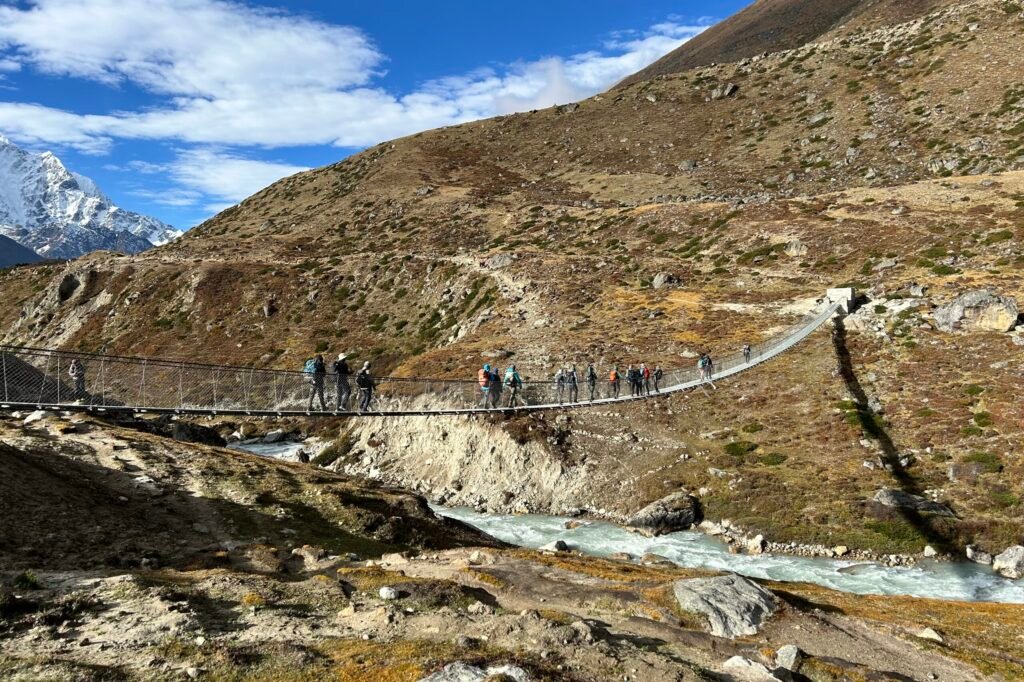
The Dudh Koshi River roars through the Khumbu valley far below the trail, and crossing it means traversing some of the most dramatic suspension bridges you will ever encounter. Strung high above the milky glacial waters, adorned with prayer flags, these crossings are as thrilling as they are beautiful. Each footstep on the swaying steel mesh is a reminder that you are deep in the Himalayas now.
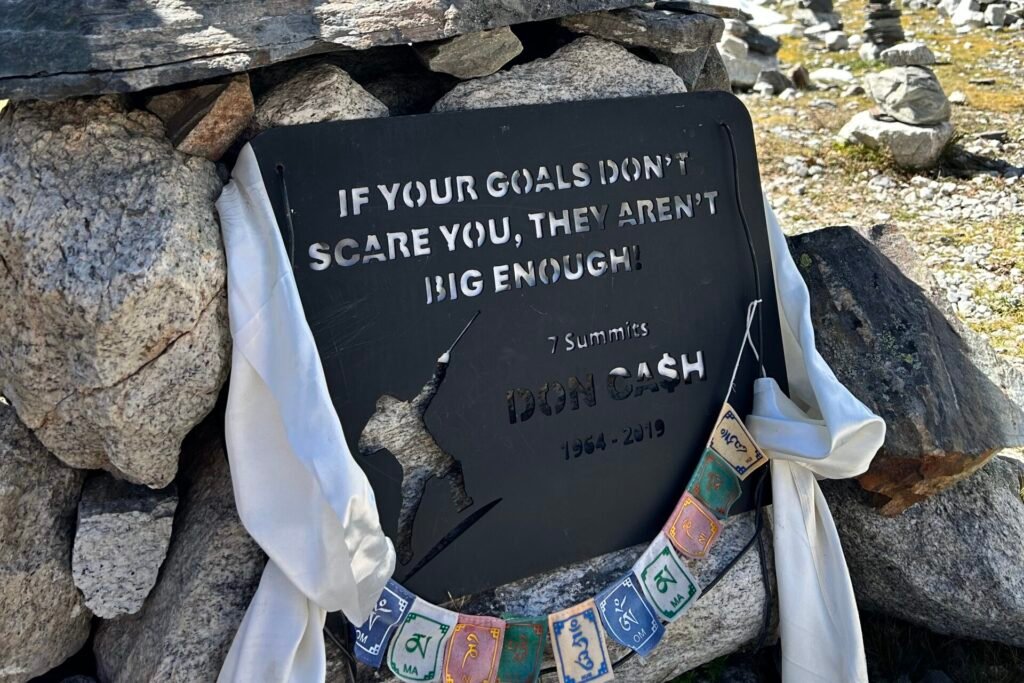
Thukla Pass Memorials
Between Lobuche and Everest Base Camp, the trail climbs to Thukla Pass, where stone memorials honor the climbers who have lost their lives on Everest. It is a somber, moving place that puts the mountain’s beauty into sharp perspective. Read the names, absorb the silence, and carry the memory with you to Base Camp.
Two Acclimatization Days Built In
Safety is woven into the very structure of the Everest Base Camp Trek. Two full acclimatization days — one in Namche Bazaar and another in Dingboche — are built into the itinerary. These are not rest days in the traditional sense; they involve short hikes to higher elevations before returning to sleep lower, a proven technique that helps your body adjust to the thin air.
The Camaraderie of Teahouse Trekking
Unlike remote wilderness treks where you camp in isolation, the EBC Trek Nepal follows a network of teahouses — simple but comfortable lodges run by local families. Each evening, trekkers gather around the communal dining room stove, sharing stories, swapping advice, and forming friendships that often last long after the trek ends. There is something uniquely bonding about facing the same challenge together, night after night, in the shadow of the world’s highest peaks.
Difficulty Overview
The Everest Base Camp Trek is rated moderate to strenuous. It does not require technical climbing skills, ropes, or previous mountaineering experience. What it does require is physical fitness, mental resilience, and a healthy respect for altitude.
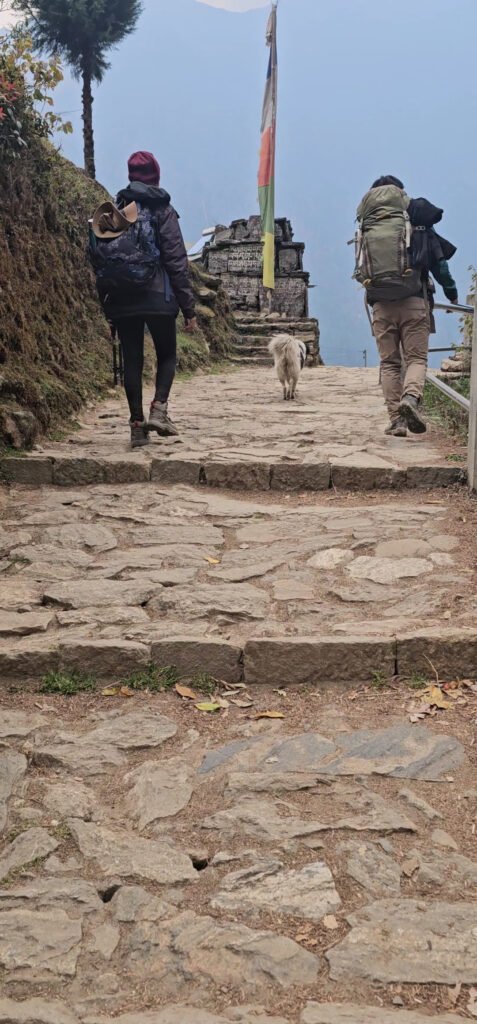
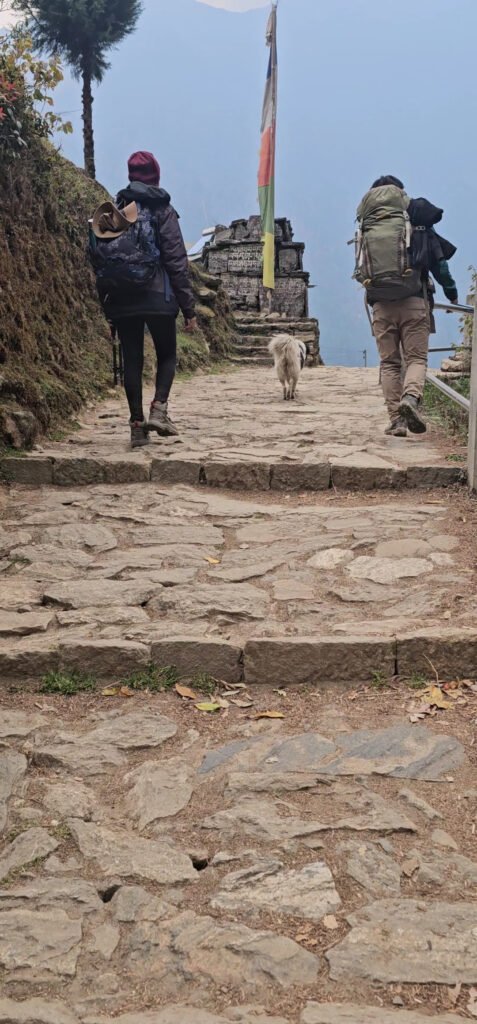
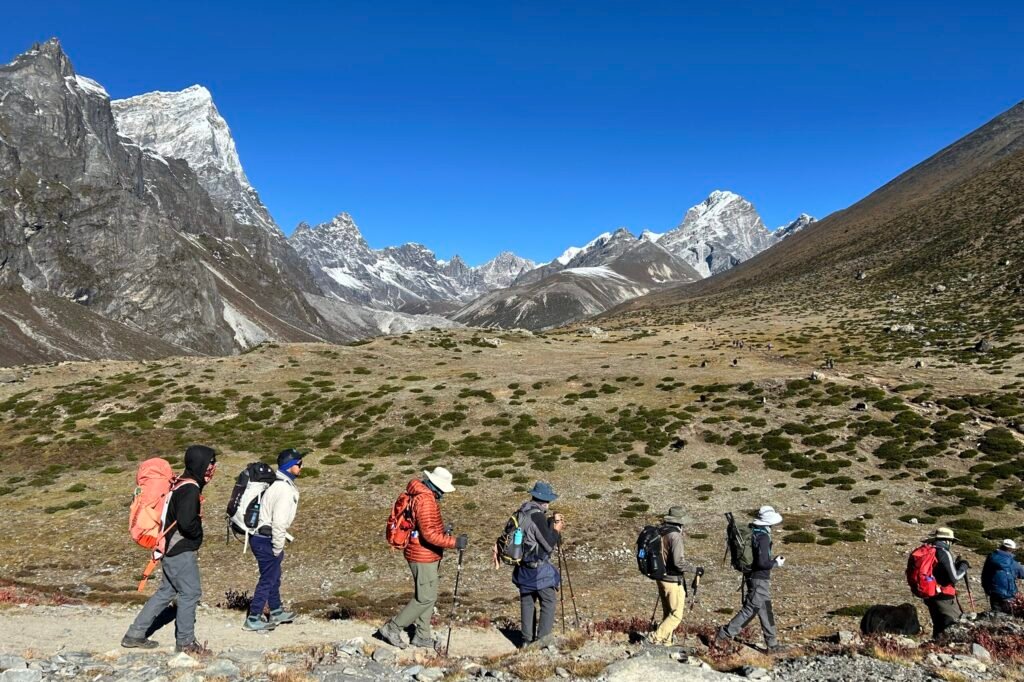
Each trekking day involves 5 to 7 hours of walking on uneven, rocky terrain, including stone steps, loose scree, glacial moraine, and steep ascents and descents. The cumulative effect of walking at altitude day after day is significant. Above 3,500 meters, the oxygen level drops to roughly 60% of sea level concentration, meaning your body must work much harder for every step.
Altitude is the main challenge on the EBC Trek Nepal. To manage this safely, our itinerary includes two full acclimatization days: the first in Namche Bazaar at 3,440 meters, and the second in Dingboche at 4,410 meters. On both days, you will hike to higher elevations before descending to sleep, following the golden rule of acclimatization: “climb high, sleep low.”
From Namche Bazaar onward, our guides carry pulse oximeters and monitor every trekker’s oxygen saturation levels and heart rate each evening. This early-warning system allows us to detect the first signs of altitude-related issues before they become serious. Our guides are trained in wilderness first aid and carry emergency communication devices. Comprehensive safety protocols are in place, including evacuation plans and access to helicopter rescue services if needed.
In short: if you are in good physical health, train consistently in the months before your trek, and approach the altitude with patience and respect, the Everest Base Camp Trek is an achievable, life-changing goal.
Best Time to Go
Timing your Everest Base Camp Trek 2026 correctly can make the difference between a good trek and an extraordinary one. Nepal’s Himalayan regions experience distinct trekking seasons, each with its own character.
Spring (March to May)
Spring is the most popular season for the EBC Trek Nepal, and for good reason. Daytime temperatures are mild, the skies are generally clear in the mornings, and the lower forests explode with colour as rhododendron forests burst into bloom. By late April, the hillsides are a riot of crimson, pink, and white. This is also the climbing season, so you will have the added thrill of seeing expedition teams preparing at Base Camp. The afternoons can bring cloud cover, so early starts are recommended for the best views.
Autumn (September to November)
Autumn offers the clearest skies and most stable weather of the entire year. The monsoon rains have washed the dust from the atmosphere, leaving visibility that is simply unmatched. October is widely regarded as the best single month for the Everest Base Camp Trek, with crisp mornings, deep blue skies, and panoramic mountain views that seem to stretch forever. This season also coincides with major Nepali festivals such as Dashain and Tihar, giving trekkers a window into Sherpa cultural celebrations.
Winter (December to February)
Winter trekking to Everest Base Camp is not for everyone, but those who brave the cold are rewarded with empty trails, crystalline skies, and a serenity that disappears during the busier seasons. Daytime temperatures can be manageable with proper layers, though nights are bitterly cold, often dropping well below freezing. The trade-off is worth it for trekkers who value solitude and unobstructed views.
Monsoon (June to August)
The monsoon season is not recommended for the Everest Base Camp Trek. Heavy rainfall, leeches on lower trails, frequent flight cancellations to Lukla, and obscured mountain views make this a frustrating and potentially hazardous time to attempt the trek.
About Everest Trekking Company
We are a government-registered Nepal trekking company based in Thamel, Kathmandu, with years of experience leading trekkers safely to the foot of the world’s highest mountain. Our team is led by experienced senior trek leaders who have each completed the Everest Base Camp Trek 40 or more times. They know every bend in the trail, every teahouse owner, every weather pattern, and every sign of altitude trouble — and they carry that expertise with them on every trek.
We offer fixed group departures every week during the spring and autumn trekking seasons, with private trips available year-round for those who prefer a more personalized experience. Our groups are deliberately capped at 12 trekkers per guide, ensuring that every participant receives the attention, support, and encouragement they deserve. We believe that trekking should be intimate, not industrial.
Our porter welfare practices meet the standards of the International Porter Protection Group. We provide a one porter per two trekkers ratio, with strict weight limits, proper clothing, insurance coverage, and fair wages. The men and women who carry our equipment are the backbone of every trek, and we treat them with the respect and dignity they deserve.
Our track record speaks for itself: a 95% trip success rate on the Everest Base Camp Trek, built on comprehensive safety protocols, carefully planned itineraries, and a team that genuinely cares about every trekker’s experience. When you trek with us, you are not just a booking number. You are part of a team heading to the roof of the world — together.
2026 Lukla Flight Update
An important update for anyone planning their Everest Base Camp Trek 2026: due to ongoing developments at Tribhuvan International Airport in Kathmandu, flight operations to Lukla may be rerouted during certain periods of the year.
For spring 2026 departures (March to May), flights to Lukla may operate from Ramechhap Airport, approximately a 4-hour drive from Kathmandu. This arrangement has been in place during previous spring seasons and helps manage airport congestion during the busy pre-monsoon period. All ground transfers between Kathmandu and Ramechhap are arranged by our company at no additional cost to you — simply sit back and let us handle the logistics.
For autumn 2026 departures (September to November), flights are expected to operate directly from Kathmandu to Lukla as normal, subject to airport scheduling confirmations. We monitor these arrangements closely and will confirm your specific flight details well in advance of your departure.
Regardless of which airport your Lukla flight departs from, the experience remains the same: one of the world’s most spectacular mountain flights, landing at one of the world’s most extraordinary airports, and the beginning of an adventure you will never forget.
Ready to Begin Your Adventure?
The Everest Base Camp Trek is more than a holiday. It is a test of endurance, a window into an ancient culture, and a front-row seat to the greatest mountain scenery on Earth. Whether you are dreaming of your first Himalayan trek or returning for another dose of the high-altitude magic that keeps so many of us coming back, 2026 is the year to make it happen.
For detailed preparation guidance, we encourage you to explore the other tabs on this page. Our Essential Info tab covers everything from permits and visas to insurance and fitness requirements. The Packing List tab provides a comprehensive gear checklist so you arrive fully prepared. And our Travel Note tab offers practical travel tips, health advice, and answers to the most frequently asked questions about the EBC Trek Nepal. Preparation is the key to success — and we are here to guide you every step of the way.
The mountains are calling. The trail is waiting. Your Everest Base Camp Trek 2026 starts here.
Everest Base Camp Trek Highlights
- Stand at Everest Base Camp (5,364 m), where every summit team sleeps before their push through the Khumbu Icefall.
- Climb Kala Patthar (5,555 m) at sunrise for a direct, unobstructed view of the full Everest massif including Nuptse and Changtse.
- Fly into Lukla on the Tenzing Hillary Airport approach, a 527 m sloped runway built into a Himalayan hillside at 2,840 m.
- Two planned acclimatisation days at Namche Bazaar (3,440 m) and Dingboche (4,410 m) with daily pulse oximeter checks.
- Visit Tengboche Monastery (3,860 m), the largest monastery in the Khumbu, with Ama Dablam directly behind it.
- Walk the Khumbu Glacier moraine and pass the Thukla memorial plateau, stone cairns for climbers and Sherpas lost on Everest.
- Cross five high suspension bridges over the Dudh Koshi River strung with prayer flags between Phakding and Namche.
- Spot Himalayan tahr and the danphe pheasant (Nepal's national bird) in Sagarmatha National Park.
- Maximum group of 12 trekkers with one porter per two trekkers, IPPG standard wages, insurance, and gear.
- All permits included: Sagarmatha National Park, Khumbu Pasang Lhamu municipality fee, TIMS card.