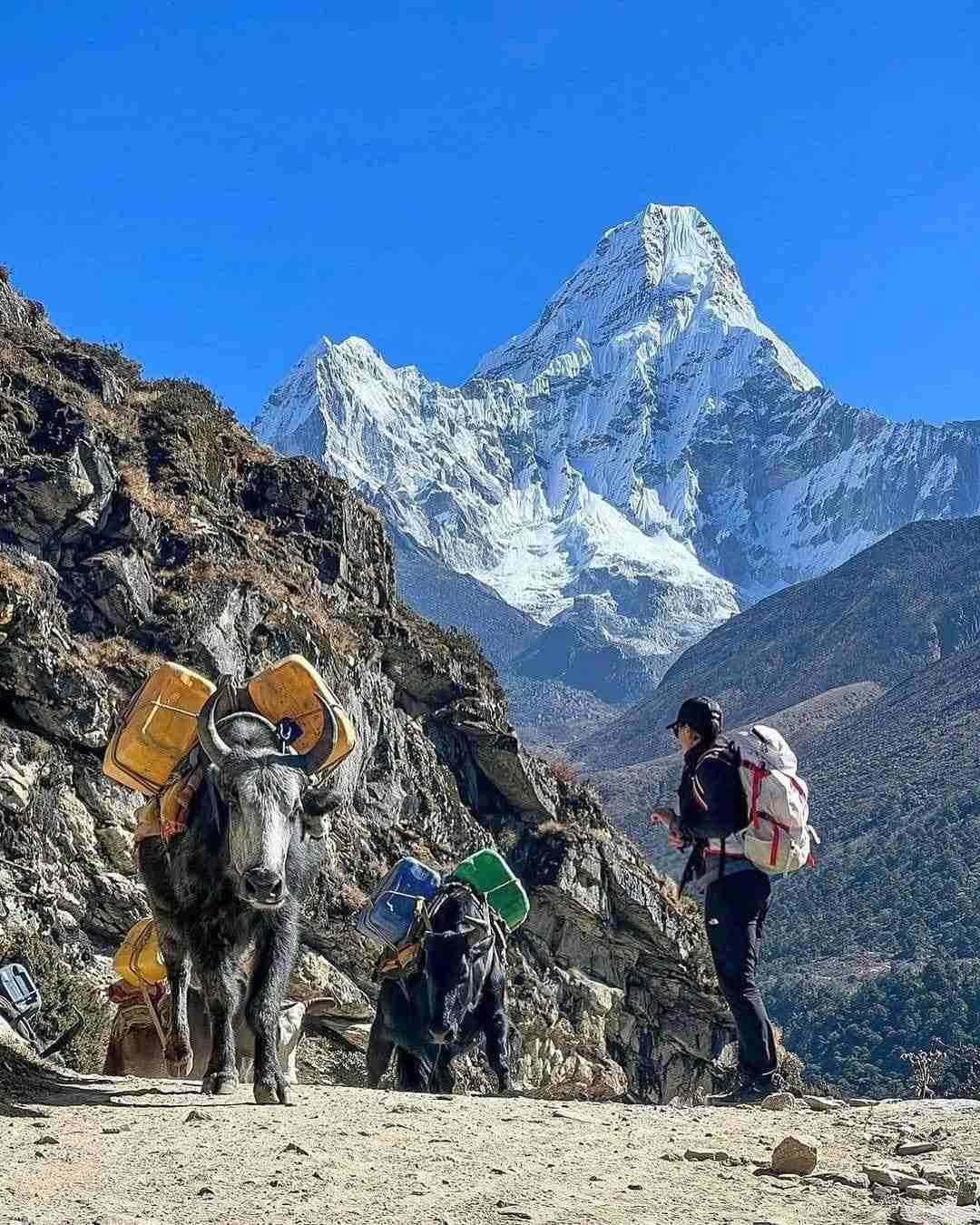
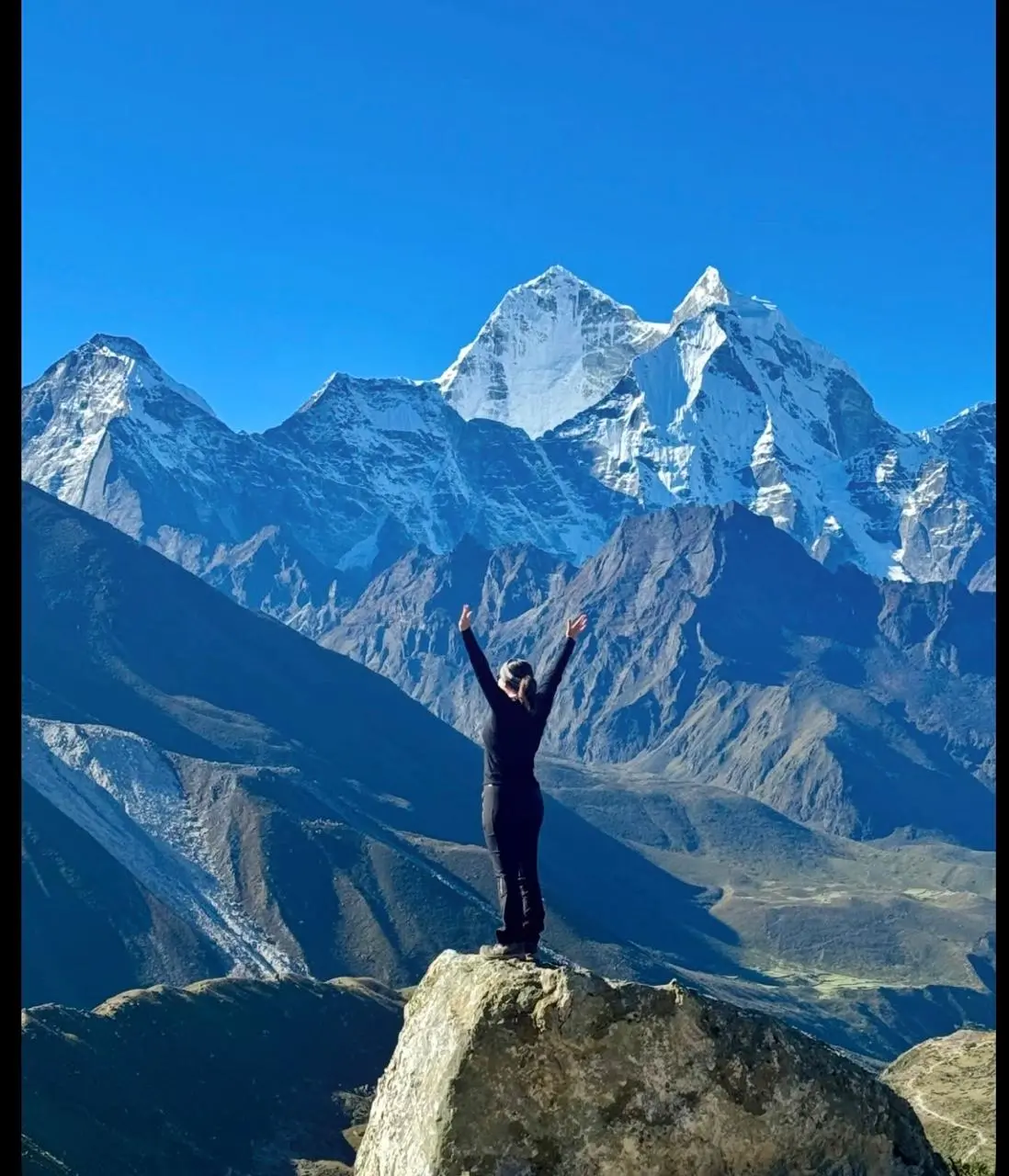
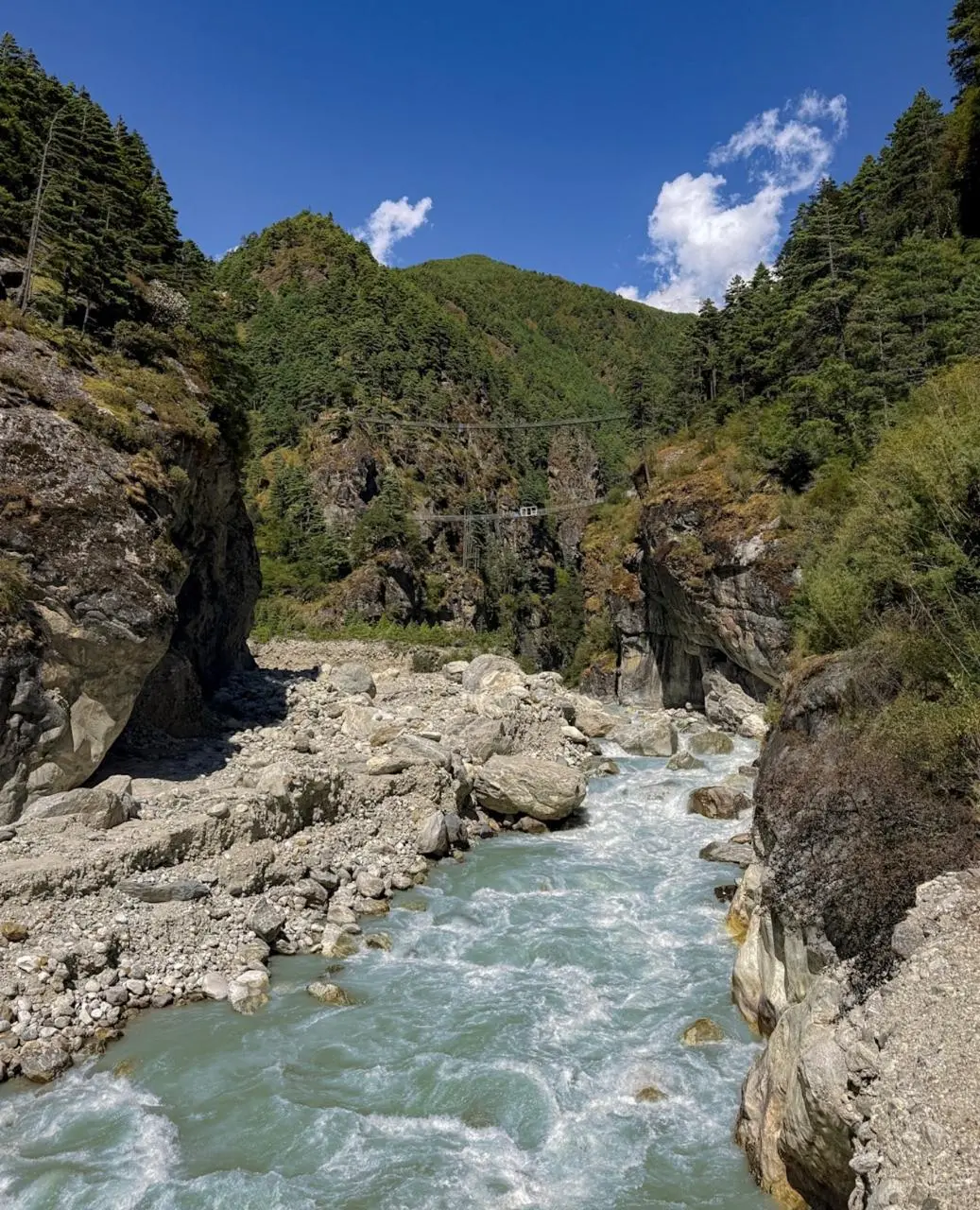
The Everest Three High Passes Trek is the ultimate Khumbu adventure. This twenty-day itinerary crosses three major passes above five thousand meters: Kongma La at five thousand five hundred and thirty-five meters, Cho La at five thousand four hundred and twenty meters, and Renjo La at five thousand three hundred and sixty meters. It is the most comprehensive trekking route in the Everest region and the definitive challenge for experienced trekkers.
This trek combines Everest Base Camp, the Gokyo Lakes, and remote valleys that few trekkers ever see. You walk through the Chhukung valley, cross into the Gokyo valley, and return via the Bhote Koshi valley, creating a complete circuit of the Everest massif. The variety of terrain, the different perspectives on the world’s highest peaks, and the sense of genuine exploration make this trek genuinely extraordinary.
The Three Passes Trek is not suitable for beginners. You need excellent fitness, previous high-altitude experience, and the mental resilience to handle twenty days of demanding trekking in remote conditions. Weather can complicate any of the three pass crossings, and you need a guide with the experience and judgment to make safe decisions under pressure.
A specialist Everest trekking company is essential for this route. Not all operators have guides with the specific experience required for the Three Passes. The glacier crossings, the route-finding in poor weather, and the altitude management over such a long itinerary require skills that only come from repeated experience on this specific route.
Our Three Passes itinerary includes extra contingency days because weather delays are more likely on a twenty-day route than on a shorter trek. We carry comprehensive safety equipment and maintain satellite communication throughout. Your safety is our absolute priority.
The Everest Three High Passes Trek package includes all domestic flights, trekking permits, teahouse accommodation, meals, specialist guide, porter service, and glacier crossing equipment. Contact Everest Trekking Company to discuss your experience level and assess whether this remarkable trek is right for you.
Everest Three Passes Trek Overview
The Everest Three Passes Trek is the question trekkers at Everest Trekking Company most often ask us after they have already done the standard base camp route. They want more of the Khumbu, they want to see valleys most trekkers never enter, and they want to cross high mountain passes under their own power. This trek answers all three. In 20 days you cross Renjo La (5,360 m), Cho La (5,420 m), and Kongma La (5,535 m), the three highest trekking passes in the Khumbu region, and combine them with Gokyo Ri (5,357 m), Kala Patthar (5,545 m), Chhukung Ri (5,550 m), and Everest Base Camp (5,364 m). Seven landmarks above 5,000 m in a single itinerary. No other Khumbu trekking route covers as much ground at altitude.
This is a strenuous trek designed for experienced walkers. It is not a route to take as your first time in the Himalaya. The pass crossings are physically demanding and two of them, Cho La and Kongma La, involve sections of glacier and frozen scree where sure footing and an early start matter. Our senior trek leader Susam Suywal, who has completed the Khumbu circuit including all three passes more than 20 times, describes the Kongma La as the hardest pass crossing in the Khumbu because of the loose rock and the altitude gain from Chhukung, and the Cho La as the most technically demanding because of the ice slope on the descent toward Dzongla. We cover both of those sections in the itinerary briefing before you leave Kathmandu.
The Three Passes
Renjo La Pass, 5,360 m
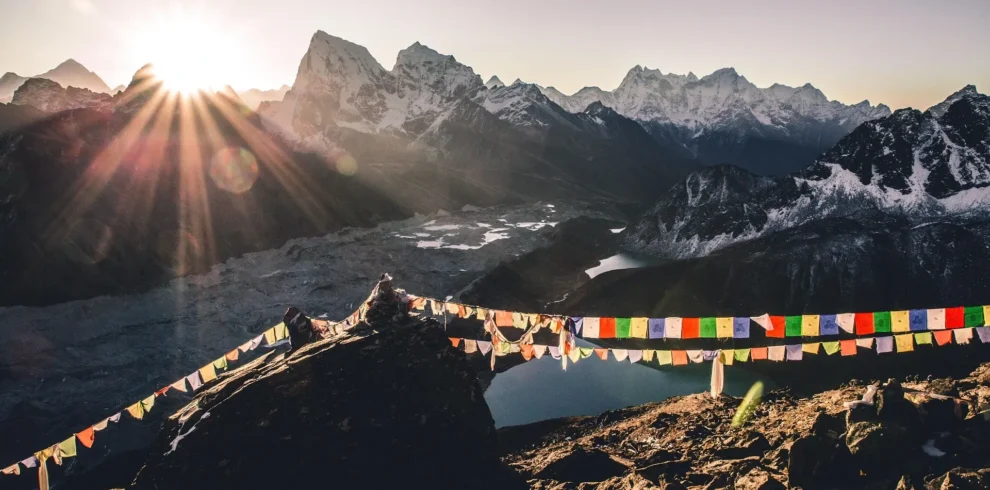
Renjo La is the least visited of the three passes and the first you cross on this itinerary, on day 8 from Lungden. The approach from Lungden is a steep 3-hour climb across tundra and rock to the pass crest, where the view north-northwest opens onto the Tibetan plateau and east across the six Gokyo Lakes, a line of glacially fed turquoise pools strung along the Ngozumpa Glacier. Everest, Lhotse, and Makalu are all visible from the pass in clear conditions. The descent to Gokyo is loose and steep and takes about 2 hours. Most trekkers cross this pass in under 6 hours total from Lungden to Gokyo. The pass does not require crampons in autumn or spring under normal snow conditions, but our guides carry them as a standard precaution.
Cho La Pass, 5,420 m
Cho La connects the Gokyo Valley to the Khumbu Glacier side of the trek, linking Thagnak on the west to Dzongla on the east. This is the most technically demanding of the three passes. The ascent from Thagnak is straightforward on rock and moraine for the first two hours, but the final approach to the pass crest crosses a small glacier where ice axes and crampons are used. The descent from the pass to Dzongla is steep scree and snow, 45 minutes of careful downhill to flatter ground. Total crossing time from Thagnak to Dzongla is typically 6 to 7 hours including a rest at the top. Your guide assesses glacier conditions on the morning of the crossing and makes the call on equipment. We start before 6 a.m. for this crossing, the ice is more stable in cold morning temperatures.
Kongma La Pass, 5,535 m
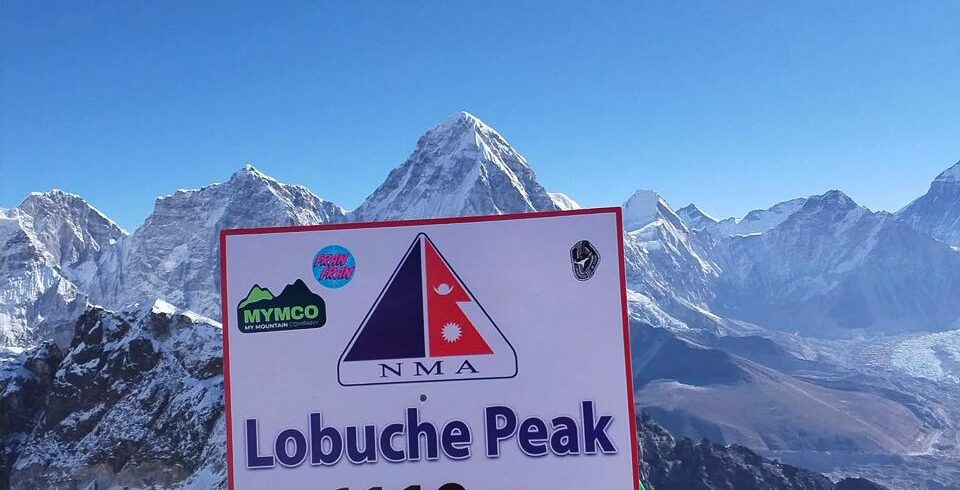
Kongma La is the highest of the three passes and the final one on this itinerary, crossed on day 16 from Chhukung back toward Lobuche. The ascent from Chhukung is a 3 to 4 hour climb through rocky glacial moraine with no trail markers above the middle section, your guide navigates by landmarks and previous experience. From the pass crest at 5,535 m you look directly at the Lhotse-Nuptse wall and down the Khumbu Glacier to the right. The descent to Lobuche is loose scree and boulder field, 2 to 3 hours of slow careful descent. This crossing demands the most residual fitness of the three because you complete it after 15 days of trekking at altitude. Trekkers who have struggled with pace on earlier days often find this the hardest day of the trip.
The Three Viewpoints
Gokyo Ri, 5,357 m
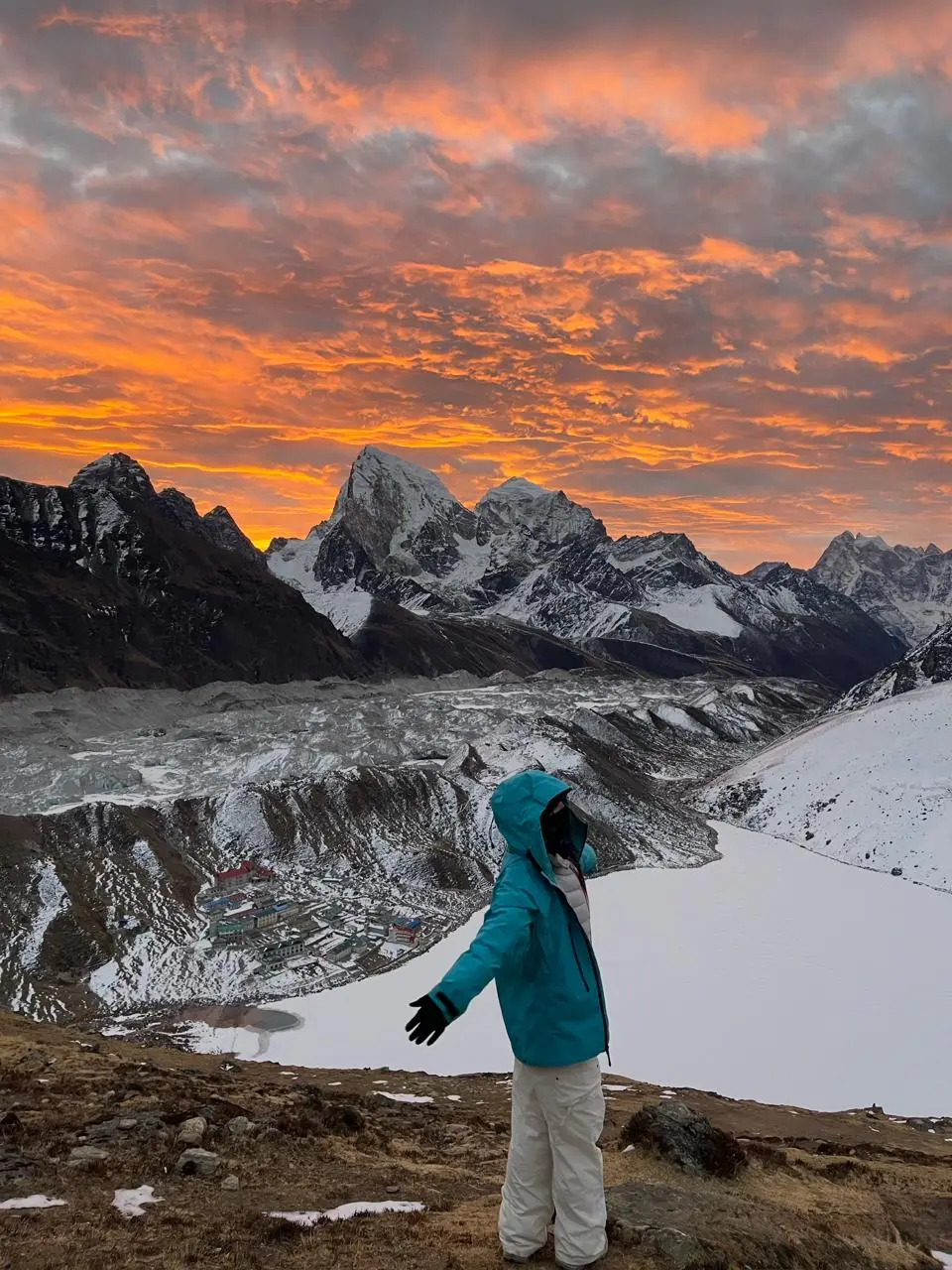
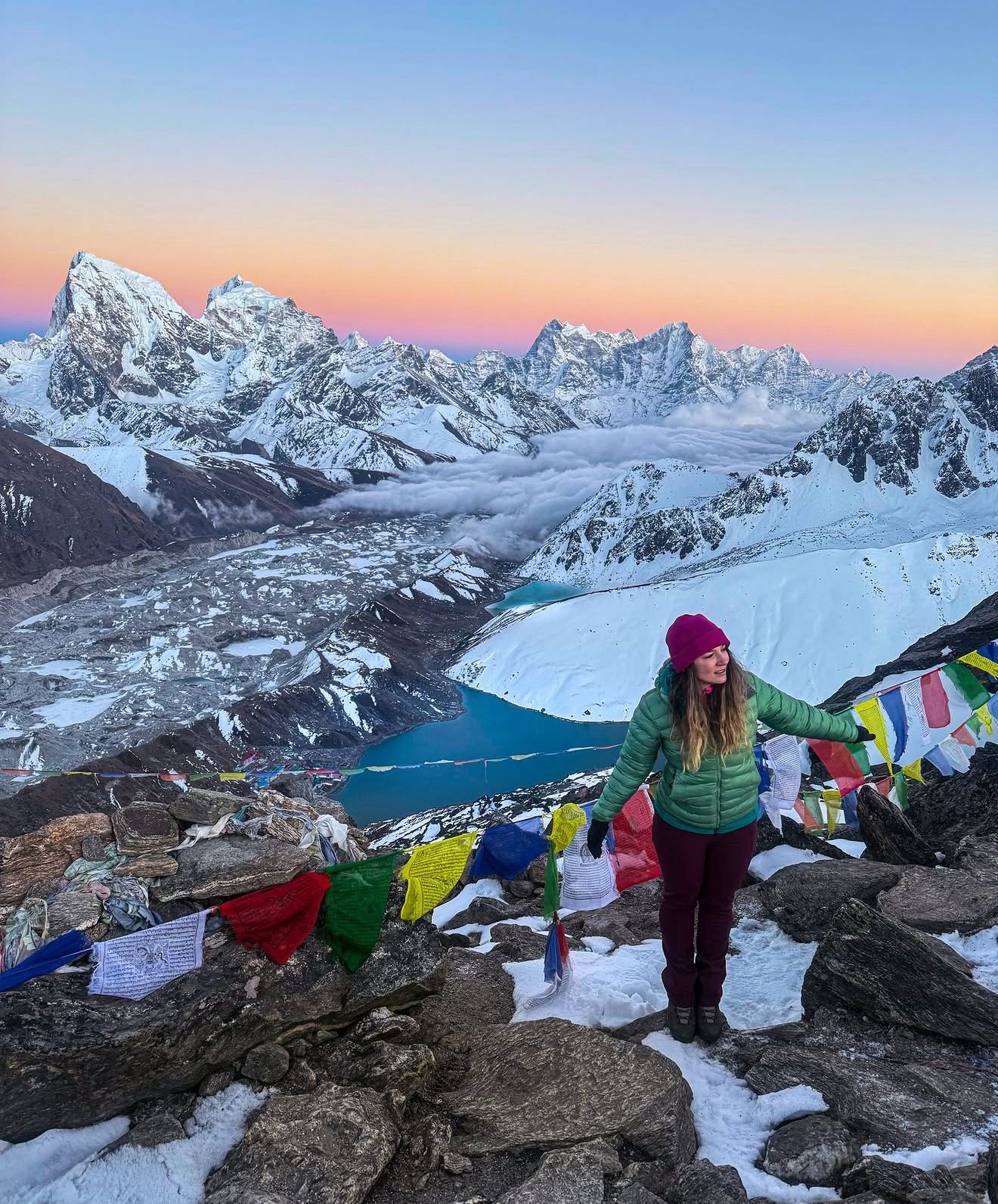
Gokyo Ri is the peak above Gokyo village that gives the best overhead view of the Gokyo Lakes and the Ngozumpa Glacier, the largest glacier in Nepal at roughly 36 km in length. From the summit the full chain of six Gokyo Lakes is visible below, and the ridgeline of Cho Oyu (8,188 m) runs along the north horizon. The climb from Gokyo village takes 2 to 3 hours and gains around 570 m. Most trekkers go up for sunrise and return for breakfast. Cho Oyu, Everest, Lhotse, Makalu, and Changtse are all clearly visible on a clear morning.
Kala Patthar, 5,545 m
The rocky summit above Gorak Shep gives the most direct close-range view of Everest’s south face available on any trekking route. From 5,545 m the Western Cwm and the lower Lhotse face are clearly visible, with the Khumbu Icefall and the route to Camp 1 readable from the ridge. The pre-dawn climb from Gorak Shep takes 90 minutes and you arrive in time for the first light hitting the South Col ridge. Susam Suywal calls this the single viewpoint in the Khumbu that most consistently satisfies trekkers who have been asking “can we see more of the actual mountain” throughout the trip.
Chhukung Ri, 5,550 m
Chhukung Ri is the highest of the three trekking viewpoints and sits above the Chhukung Valley, directly facing the south face of Lhotse (8,516 m) and the Island Peak massif. From the summit the Amphu Lapcha and Hongu Valley spread to the east, and Makalu (8,463 m) rises prominently to the southeast. This viewpoint is often missed by trekkers doing the standard EBC route because it requires a detour to Chhukung village that the main trail bypasses. On this itinerary it is part of the natural circuit and is done on the rest day before the Kongma La crossing.
Gokyo Lakes
The six glacial lakes in the Gokyo Valley are numbered 1 through 6 and sit at elevations between 4,700 m and 4,990 m along the western edge of the Ngozumpa Glacier. The third lake is the largest and sits directly below Gokyo village. The sixth lake, Ngozumpa Tsho at 4,990 m, is a 2-hour walk north of the village and is almost never visited because the Three Passes itinerary rarely allows time for the full traverse. We include time at the third and fourth lakes on the day you arrive in Gokyo from Renjo La, and the full Gokyo Ri morning gives you the aerial view of all six. The lakes are a protected Ramsar wetsite and no camping is permitted at or above the third lake.
Difficulty and Fitness
We grade this trek strenuous. It is appropriate for trekkers who have completed at least one multi-day mountain trek above 4,000 m, ideally in the Himalaya or another high-altitude range. Trekkers who have done our standard 14-day EBC trek are well prepared. The three pass crossings add a physical and navigation challenge that is not present on the standard route. Daily walking hours range from 4 hours on acclimatization days to 8 to 9 hours on pass-crossing days. Total distance is approximately 170 km over 20 days. Elevation gains and losses above 5,000 m are frequent from day 8 onward.
Two factors that help on this trek more than general fitness: good cardiovascular acclimatization (the itinerary gives two acclimatization days below 4,500 m before any pass crossing), and good technical footwear (boots with ankle support and a rigid sole, not trail runners). Crampons are provided by your guide for Cho La and optionally for Kongma La.
Best Time to Go
Spring (March to May) and autumn (October to November) are the two viable windows. October is the single best month for Three Passes: the post-monsoon weather is clear, daytime temperatures on the passes are cold but not dangerously so (around −5°C to −10°C at the pass crests), and the trail conditions are dry and firm after the monsoon runoff has settled. Late October and November have colder nights but often the clearest visibility of the year for distant peaks like Cho Oyu and Makalu.
Spring departures from mid-March through late April are excellent for rhododendron and wildflowers in the lower valleys and warm afternoon temperatures, but the pass crossings in early March can have more residual winter snow. We recommend April departures for spring groups. May is possible but the monsoon approaches from the southeast in late May and afternoon cloud builds from the third week onward.
Permits
Three permits are required and all are included in your package: the Sagarmatha National Park entry permit (NPR 3,000), the Khumbu Pasang Lhamu Rural Municipality permit (NPR 2,000), and the TIMS card (NPR 2,000). All checkpoints on the Three Passes route, including the Thame checkpoint and the Gokyo Valley checkpoint, accept the same permit set. Your guide manages the documentation at every checkpoint.
About Everest Trekking Company
We are a Kathmandu-registered trekking company affiliated with the Nepal Tourism Board and TAAN. Our guide team includes Sherpa staff who live in the Khumbu and return to it multiple times per year. Susam Suywal, our Senior Trek Leader, has crossed all three passes more than 20 times across 40+ Khumbu treks and leads the pre-departure briefing for every Three Passes group. On this trek you have one licensed guide per group up to 8 trekkers, with one porter per two trekkers for your main bag. We carry a first-aid kit, pulse oximeter, and supplementary oxygen on all Three Passes departures, and a satellite phone is standard equipment on all high-pass itineraries.
2026 Update: Lukla Flights and Permit Fees
Trekkers joining Everest Trekking Company in spring 2026 (March to May) should note that Lukla flights during the peak spring season often depart from Ramechhap airport rather than Kathmandu’s Tribhuvan International Airport. Ramechhap is approximately 3 hours by road from Kathmandu. We arrange shared jeep transfers for all groups departing from Ramechhap. Autumn departures (September to November) typically fly directly from Kathmandu.
Permit fees for 2026 remain: Sagarmatha National Park entry at NPR 3,000 (approximately USD 22) per person, and the Khumbu Pasang Lhamu Rural Municipality fee at NPR 3,000 (approximately USD 22) per person. Both are included in your Everest Trekking Company package price. A TIMS card (Trekkers Information Management System) is also included at NPR 2,000 (approximately USD 15).
Everest Three Passes Trek Cost for 2026 and 2027
The cost of the Everest Three Passes Trek ranges from USD 1,700 to USD 2,200 per person, depending on your group size. The larger the group, the lower the cost per person. Check the pricing table below and reach out via WhatsApp or email for a personalised quote.
| No. of Pax | Price Per Person | Inquiry |
|---|---|---|
| 1 | USD 2,200 | |
| 2 to 6 | USD 1,900 per person | |
| 7 to 10 | USD 1,700 per person |
Everest Three Passes Trek Highlights
- Cross three of the highest trekking passes in the Khumbu in a single circuit: Renjo La (5,360 m), Cho La (5,420 m), and Kongma La (5,535 m), each offering a completely different perspective of the Everest massif and the surrounding peaks.
- Reach seven major landmarks above 5,000 m on a single itinerary, three pass crests, three viewpoint summits (Gokyo Ri, Kala Patthar, Chhukung Ri), and Everest Base Camp, more high-altitude objectives than any other Khumbu trekking route.
- Walk above the Ngozumpa Glacier, the largest glacier in Nepal at roughly 36 km in length, and look down on all six Gokyo Lakes from the summit of Gokyo Ri (5,357 m) at sunrise.
- Visit Gokyo Valley and the six glacial lakes, a corner of the Khumbu that the standard EBC route completely bypasses, with fewer trekkers and clearer morning views of Cho Oyu (8,188 m) directly to the north.
- Stand on Kala Patthar (5,545 m) for the most direct close-range view of Everest's south face and the Khumbu Icefall available to any trekker without a climbing permit.
- Climb Chhukung Ri (5,550 m) for a direct sight of the south face of Lhotse (8,516 m) and the Island Peak approach, a viewpoint reached almost exclusively by Three Passes trekkers.
- Trek through Thame village, the home valley of many famous Sherpa mountaineers including Tensing Norgay's family, on the approach to Renjo La, a quieter and historically significant section of the Khumbu that most base camp trekkers never visit.
- Navigate the route with a licensed senior Sherpa guide who has crossed all three passes multiple times and knows the glacier conditions, optimal timing for each crossing, and where to go if weather changes the plan.
- Two dedicated acclimatization days, at Namche Bazaar (3,446 m) and Chhukung (4,730 m), plus the incremental altitude gain of the circuit design give the itinerary one of the best safety records of any strenuous Khumbu route.
- The Three Passes circuit covers approximately 170 km and returns you to Lukla via the same Namche-Phakding trail on which you started, completing a genuine geographic loop of the Khumbu that most trekkers in the region will never make.